Ever noticed how everyone ends up in the kitchen during gatherings, even when there’s a perfectly good living room nearby? There’s something about the kitchen that pulls people in.
But let’s be honest, crowding around the counters while someone’s trying to cook isn’t ideal for anyone.
That’s where a keeping room comes in. This cozy little space sits right next to the kitchen and gives guests a comfortable spot to relax without getting in the way.
It’s not a formal living room or a TV-focused family room; it’s something simpler and more connected.
In this guide, you’ll learn what a keeping room really is, how it started, and how to design one that fits your home perfectly.
What Is a Keeping Room?
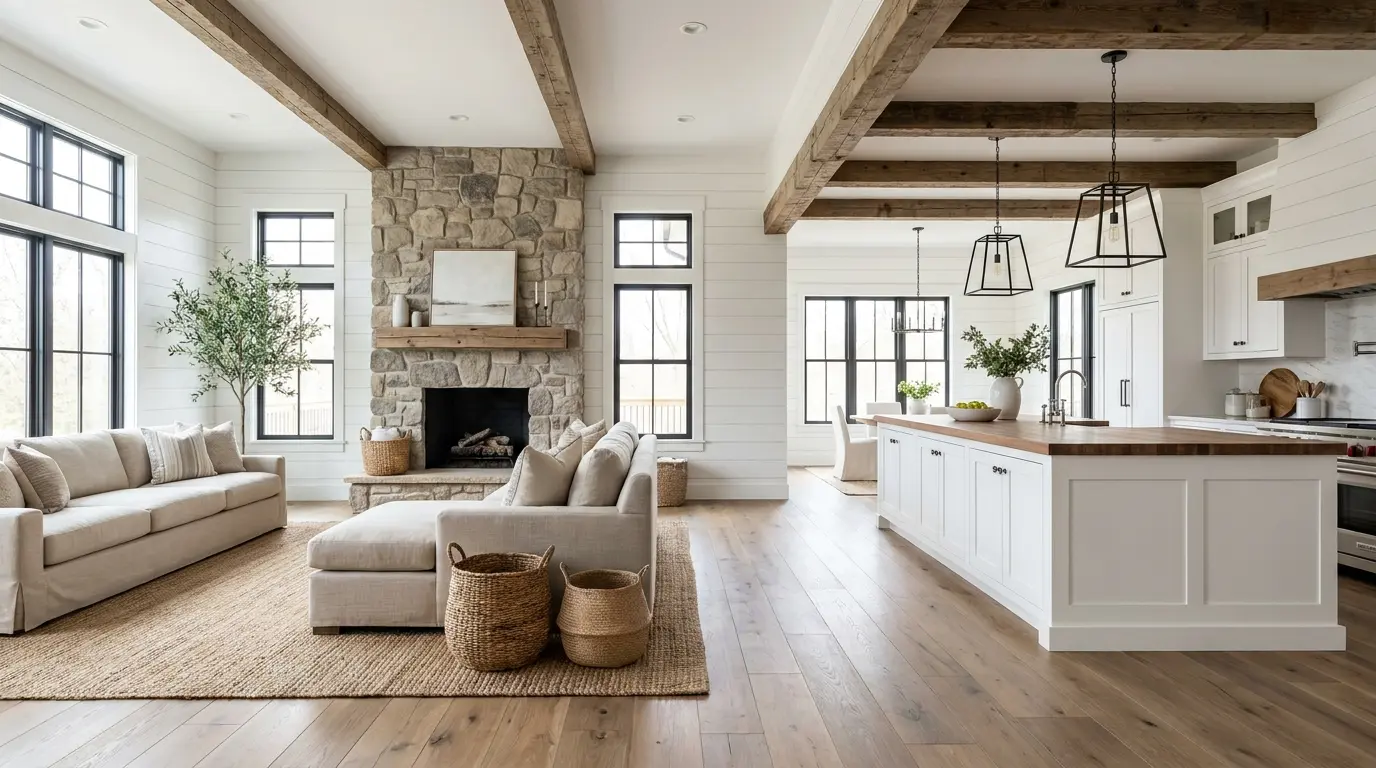
A keeping room is a sitting area right next to the kitchen where family and guests can relax, chat, and stay close to whoever is cooking.
It feels like a mini living room but stays connected to the kitchen instead of being tucked away in another part of the house.
The setup is casual and inviting, giving people a comfortable place to sit without crowding the counters or getting in the way during meal prep.
Benefits of a Keeping Room:
- A Natural Gathering Space: Guests can relax near the kitchen without blocking counters or disrupting the cook.
- Extra Seating Without Needing a Full Room: It adds lounge space without taking up much square footage.
- Better Flow During Entertaining: People can socialize comfortably while food is being prepared.
- Works Beautifully in Open Concept Layouts: It divides large open areas into smaller, cozier zones.
- Encourages a Relaxed Lifestyle: The kitchen feels more like a hangout spot than just a workspace.
History and Evolution of the Keeping Room
The keeping room started in 18th-century America when the kitchen fireplace was the only real heat source in most homes.
Families naturally gathered close to stay warm while cooking, sewing, reading, or handling daily chores. It became the heart of the home where everyone spent time together out of necessity and comfort.
Its Role in Early Homes:
- Stay warm near the hearth – The fireplace provided the main heat for the entire house.
- Serve as a central family space – Everyone worked and relaxed in this one area.
- Allow supervision during cooking – Parents could watch children while preparing meals.
- Support sewing, reading, and daily chores – It doubled as a workspace for household tasks.
As central heating and formal living rooms became common, the keeping room slowly faded away. But now, with more open floor plans and a focus on casual, connected living, this old idea is making a comeback in modern homes.
How to Design a Keeping Room?
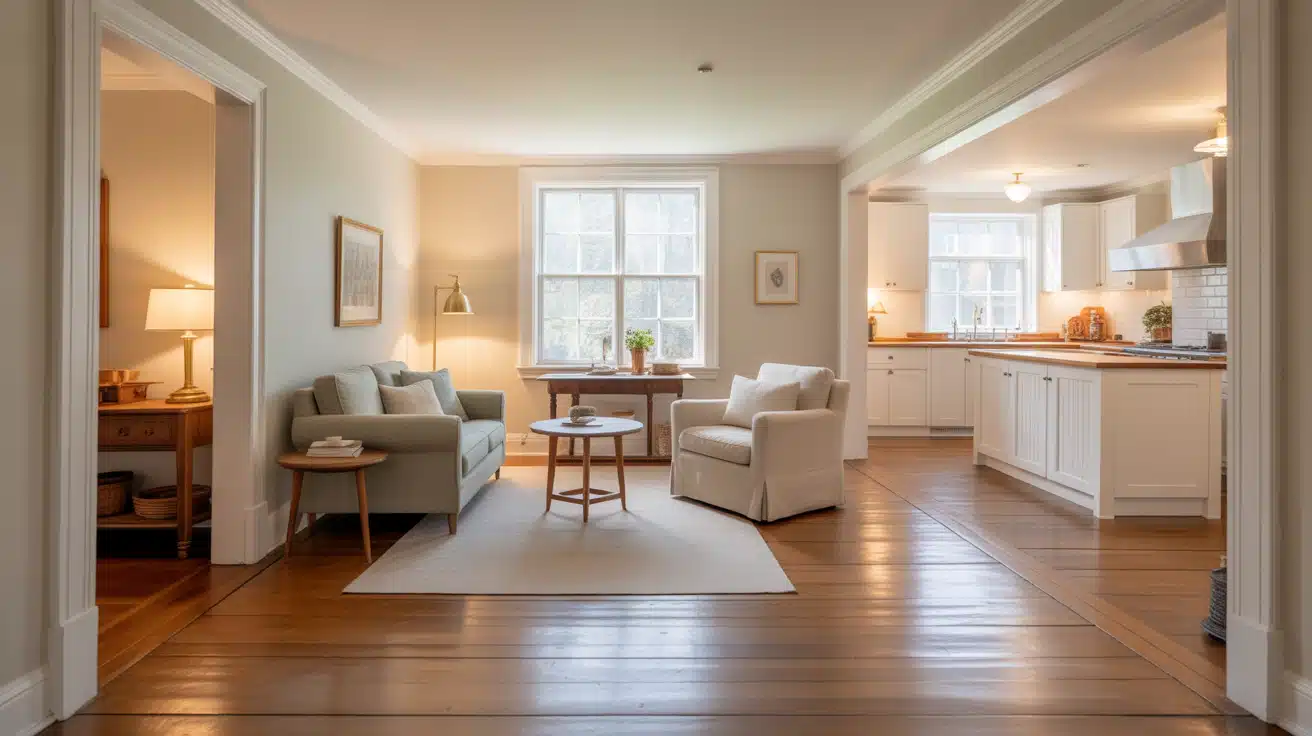
A keeping room doesn’t require much space, just thoughtful planning and smart use of the area near your kitchen.
1. Choose the Right Location
Pick a spot that feels naturally connected to the kitchen, ideally with an open view into the cooking area.
Make sure it doesn’t block main walkways or interfere with kitchen traffic. The goal is to feel close to the action without being in the way.
2. Use Smaller-Scale Furniture
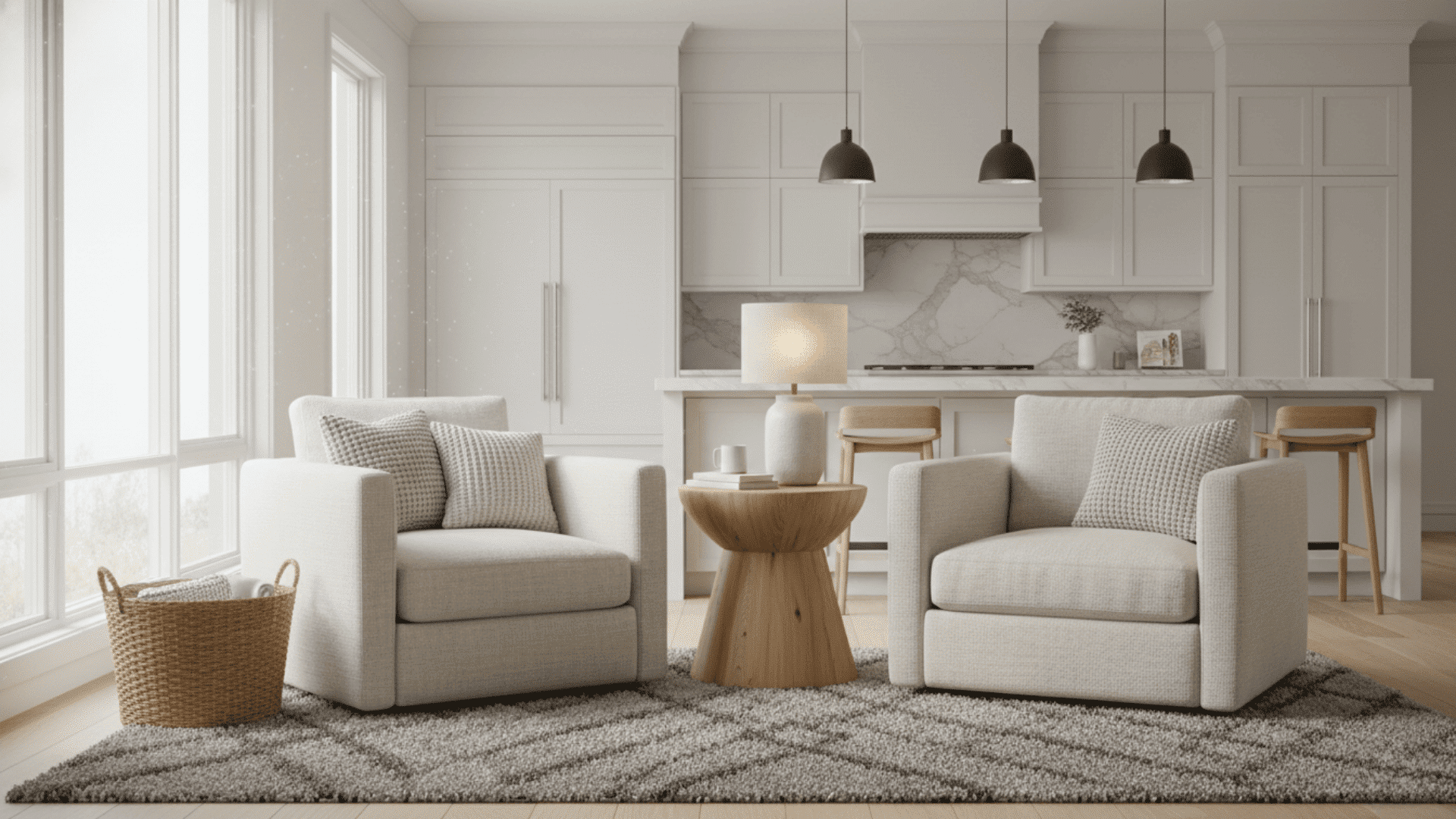
Because keeping rooms tend to be compact, choose furniture that fits the scale. Two comfortable armchairs or a small loveseat work better than a large sofa.
Add an ottoman or upholstered footrest, along with slim side tables, to keep things functional without crowding the space.
3. Design for Comfort Over Formality
This isn’t the place for stiff, formal seating. Soft cushions, cozy throw blankets, and inviting textures make the room feel lived in and welcoming.
Think of it as a casual spot where people actually want to sit and stay awhile.
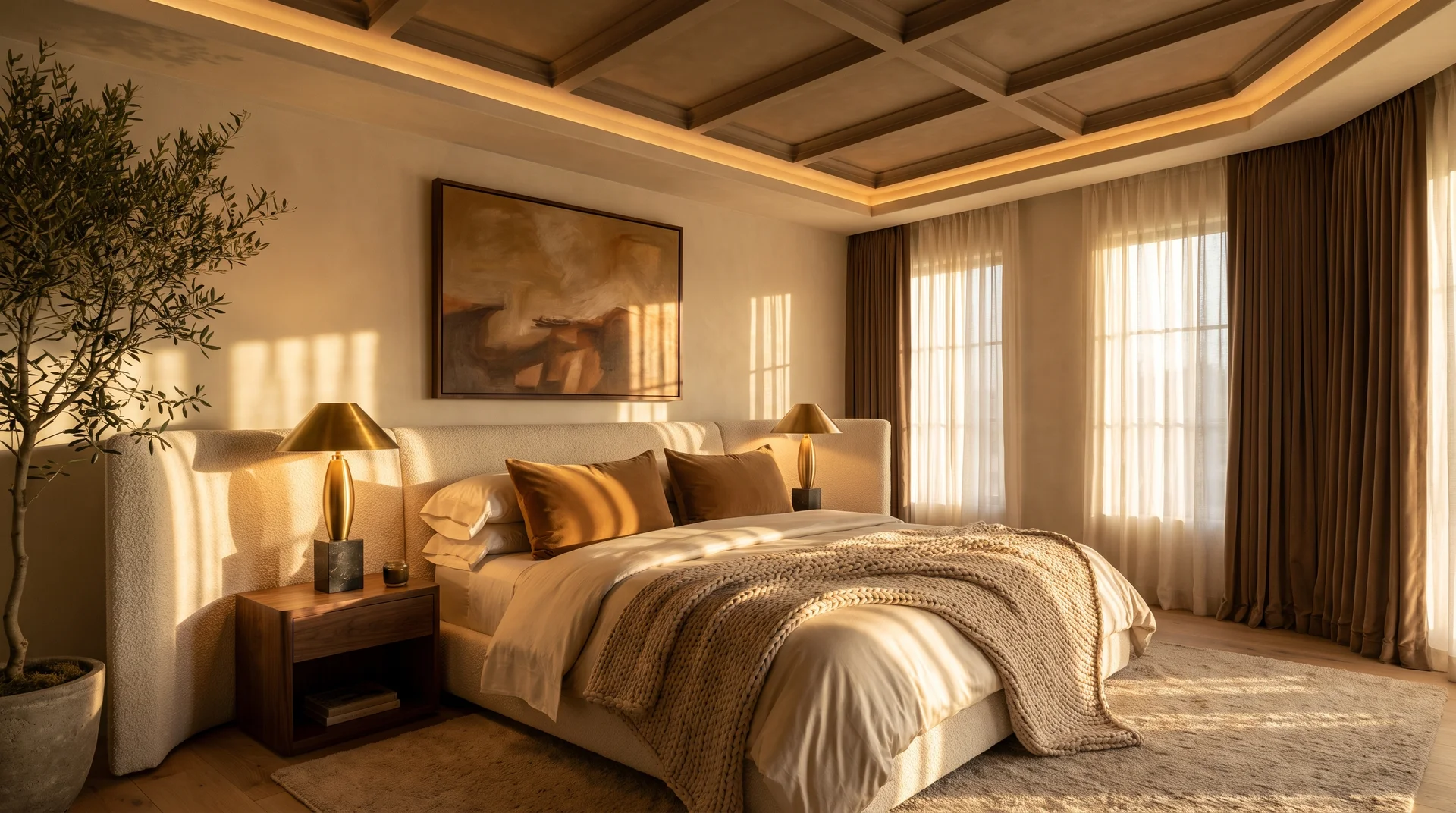
4. Add Warm, Layered Lighting
A mix of light sources creates the right mood. Use table and floor lamps, and soft ambient bulbs, rather than relying on harsh overhead lights.
Layered lighting makes the space feel warm and inviting, especially in the evenings.
5. Build Around a Focal Point
Give the space a visual structure by centering it around something meaningful.
A fireplace, a large window, a piece of artwork, or even the kitchen island itself can serve as the anchor. A defined focal point helps the room feel intentional and complete.
Keeping Room vs. Living Room vs. Family Room vs. Hearth Room
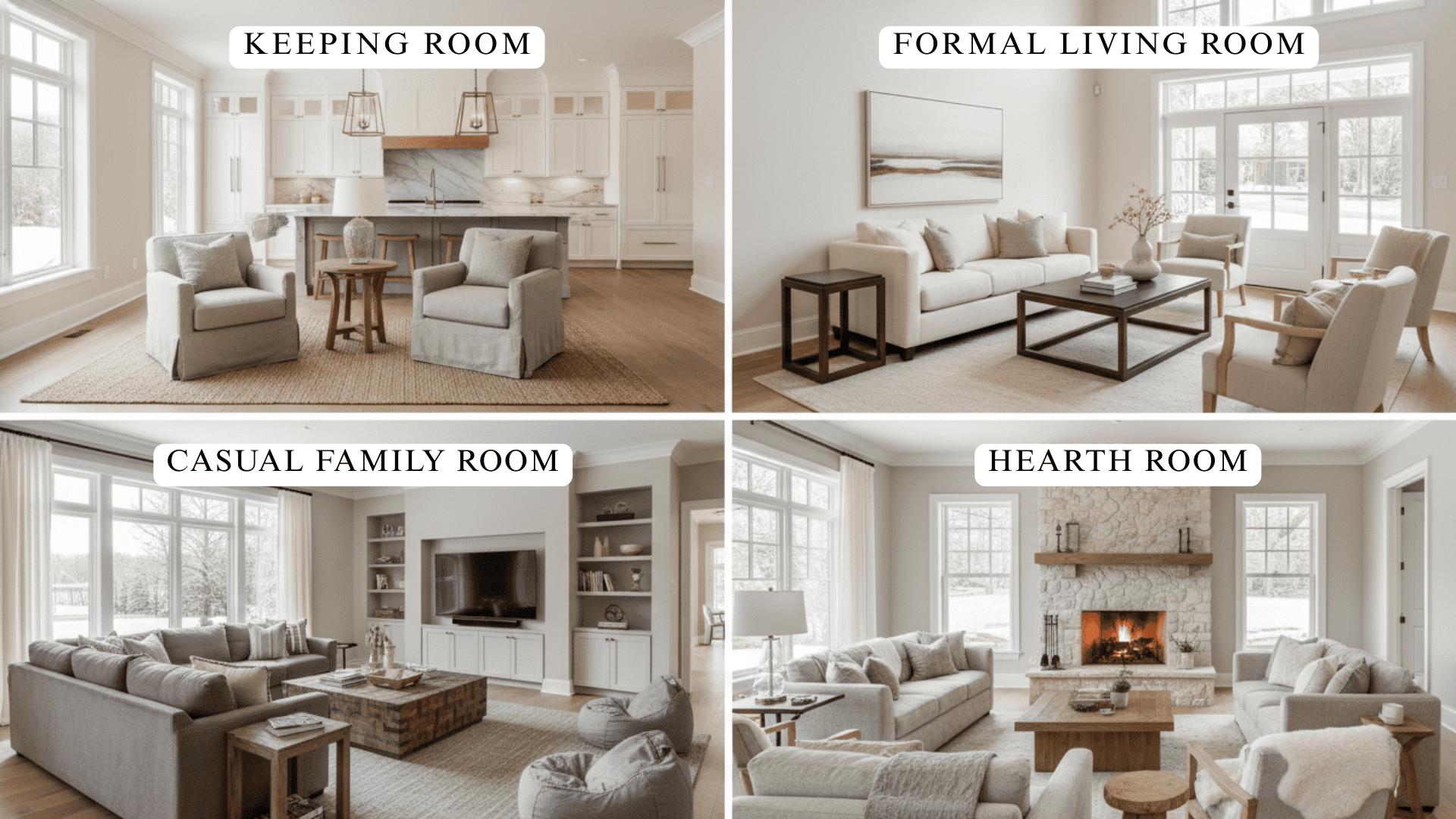
Before designing a keeping room, it helps to understand how it differs from other spaces. Here’s a clear comparison:
| Room Type | Primary Purpose | Location | Style | Key Features |
|---|---|---|---|---|
| Keeping Room | Relax near the kitchen | Directly beside the kitchen | Casual & cozy | Small seating, connected feel |
| Living Room | Formal or semi-formal gatherings | Front or center of the home | Polished | Larger furniture, decorative focus |
| Family Room | Every day lounging & TV time | Rear or central area | Casual | TV-focused seating |
| Hearth Room | Gather around the fireplace | Near the kitchen or the living room | Rustic & warm | Fireplace-centered layout |
Quick Takeaway
- Keeping Room: Best for kitchen-centered relaxation
- Living Room: More polished and guest-focused
- Family Room: All about TV and everyday lounging
- Hearth Room: Built around a fireplace
This breakdown helps you decide how your keeping room should function within your home’s layout
How to Decorate a Keeping Room
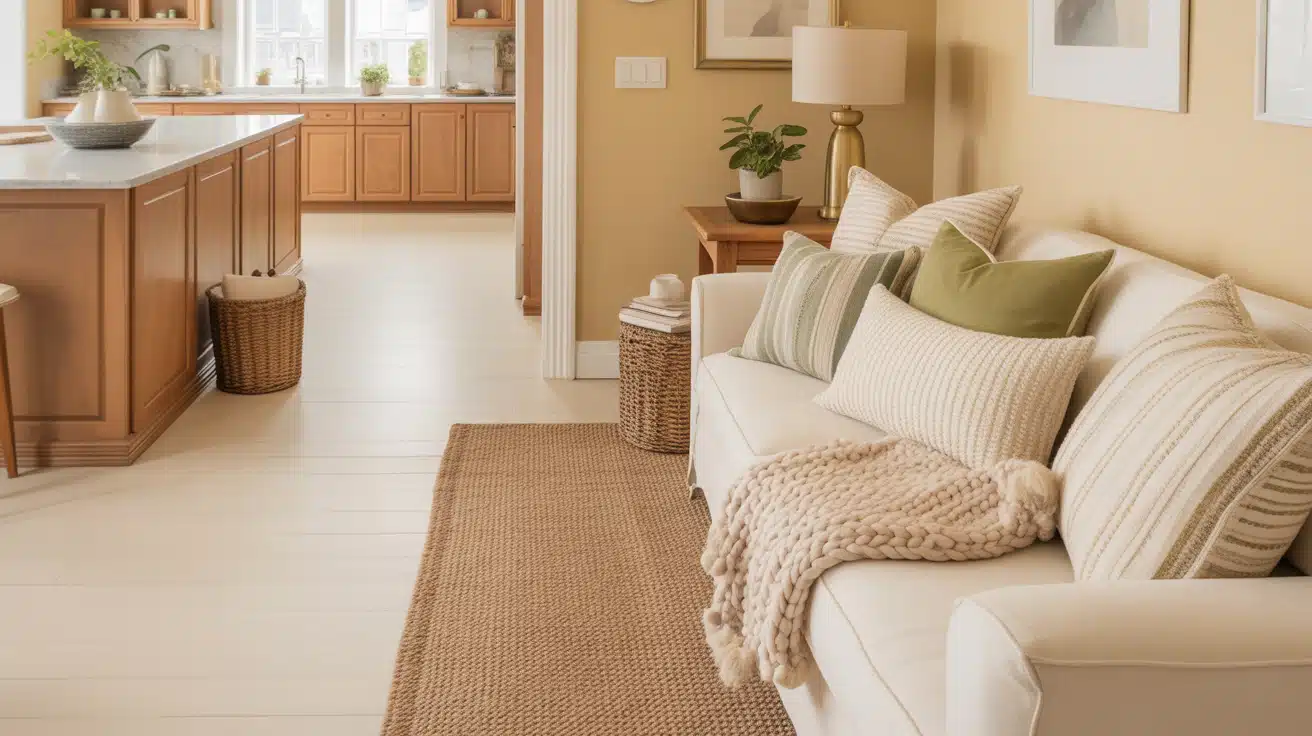
Decorating a keeping room is all about creating warmth and balance while keeping the space uncluttered.
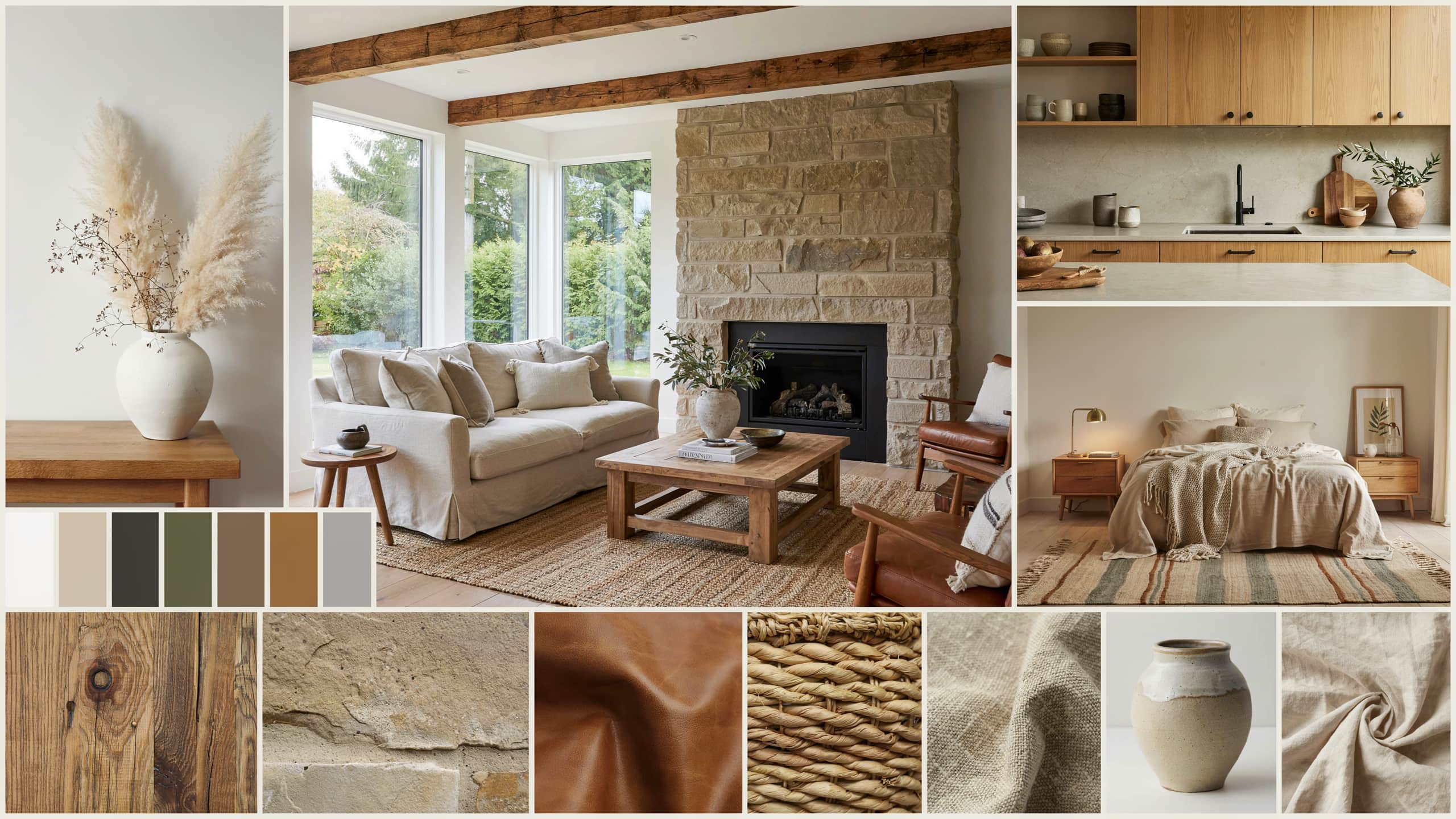
1. Choose a Cozy Color Palette
Stick with soft, calming tones that feel warm and inviting:
- Creamy whites create a clean, bright backdrop
- Warm gray or taupe adds sophistication without feeling cold
- Soft green tones like sage bring a natural, relaxed vibe
- Muted blues offer a peaceful, calming effect
- Earthy neutrals ground the space and pair well with wood accents
2. Layer Textures for Interest
Mix different materials to add depth and comfort:
- Woven throws add warmth and a handmade feel
- Linen or cotton pillows bring softness and a casual style
- Natural fiber rugs define the seating area and add texture underfoot
- Wood or rattan accents introduce organic, natural elements
3. Use Practical, Space-Saving Decor
Choose pieces that look good and serve a purpose:
- Baskets for storage keep clutter hidden while adding style
- Slim shelving displays decor without taking up floor space
- Multi-purpose ottomans provide seating, footrests, and hidden storage
Avoid overcrowding the space with heavy furniture or too many accessories to maintain a light, open feel.
Best Keeping Room Decor
A few thoughtful pieces can transform a keeping room from simple to stunning.
1. Furniture Essentials
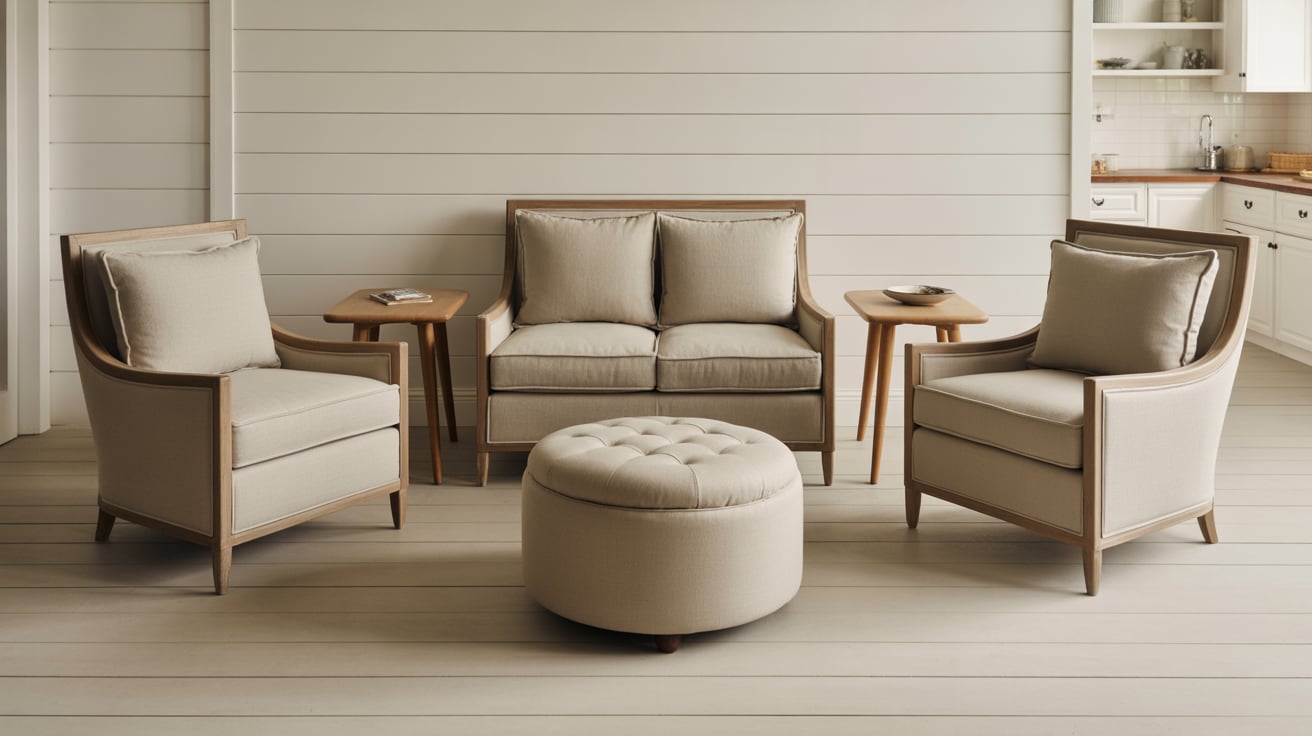
- Small loveseat for cozy seating without taking up too much space
- Pair of armchairs to create a conversational setup
- Upholstered ottoman that doubles as a footrest or extra seat
- Compact side tables for drinks, books, and lamps
2. Lighting Must-Haves
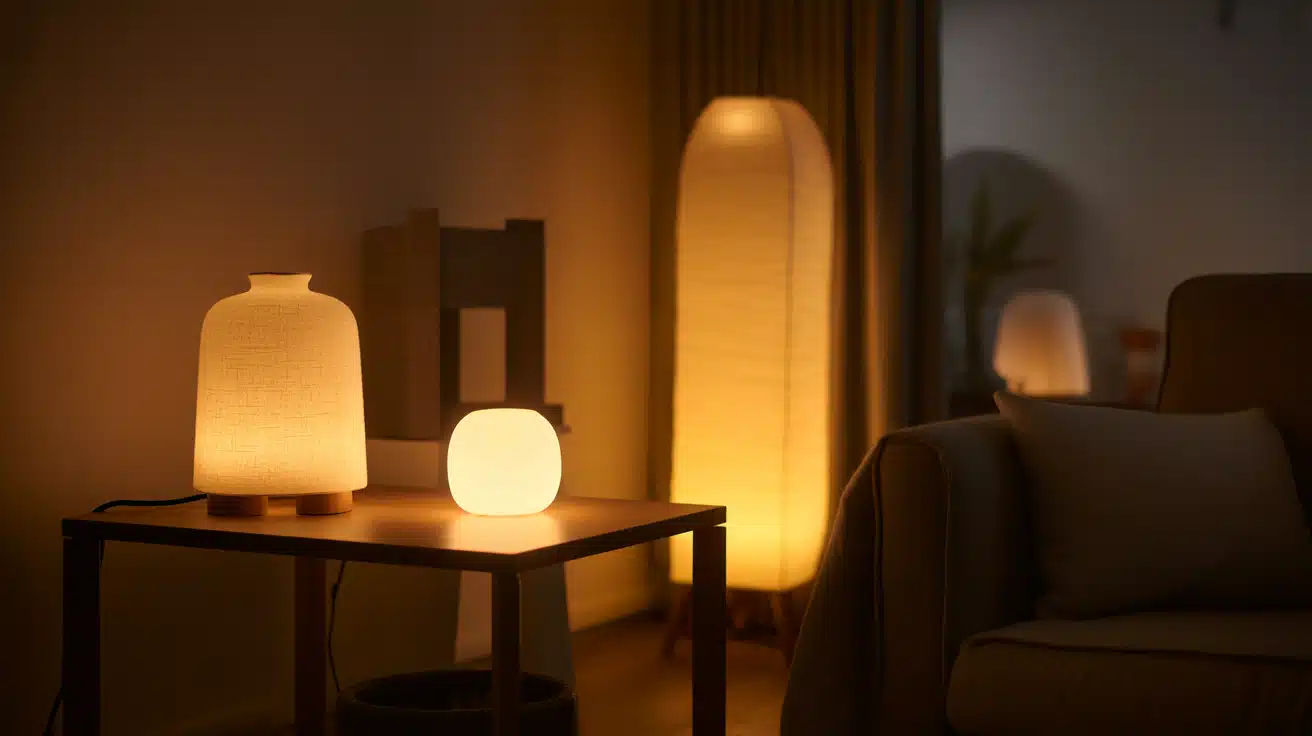
- Table lamps for soft, focused light on side tables
- Floor lamps to brighten corners and add height
- Soft, warm lighting for an atmosphere that feels inviting and relaxed
3. Cozy Textiles
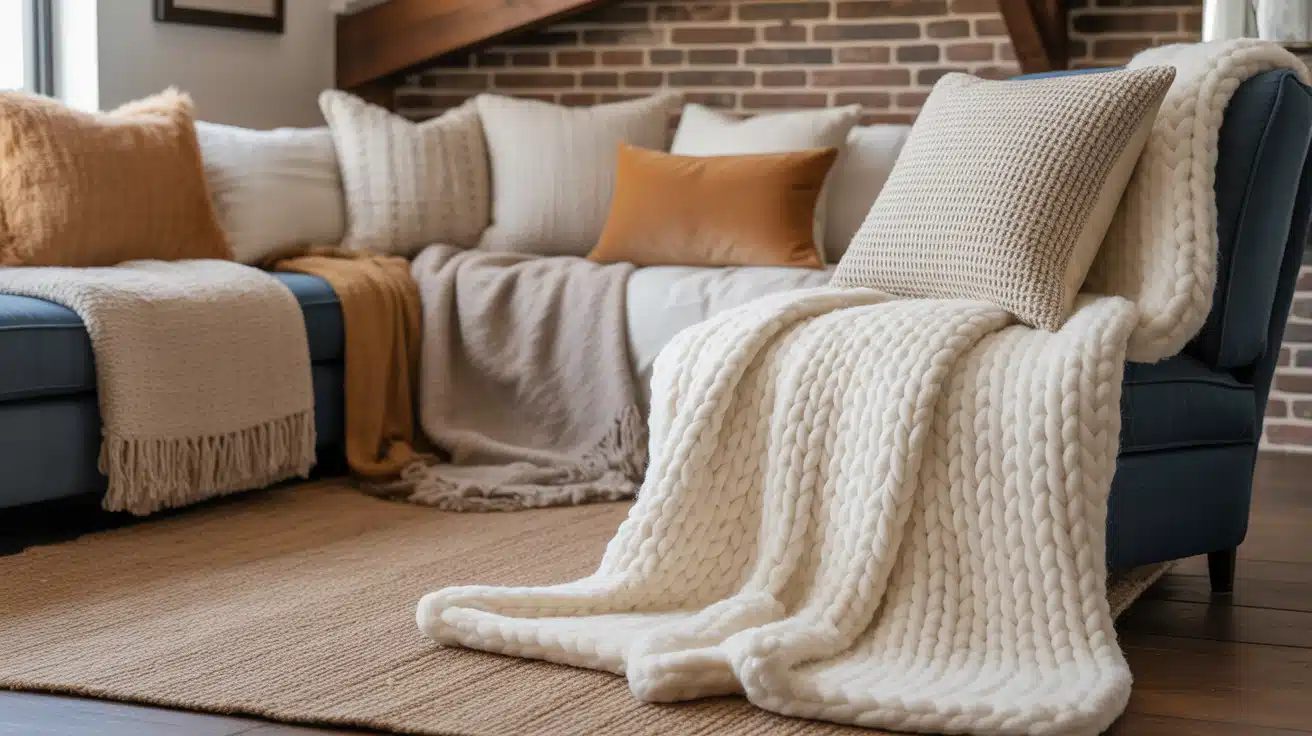
- Throw blankets draped over chairs or the loveseat for instant warmth
- Plush pillows in different textures to add comfort and style
- Soft area rug to define the space and add underfoot coziness
4. Storage
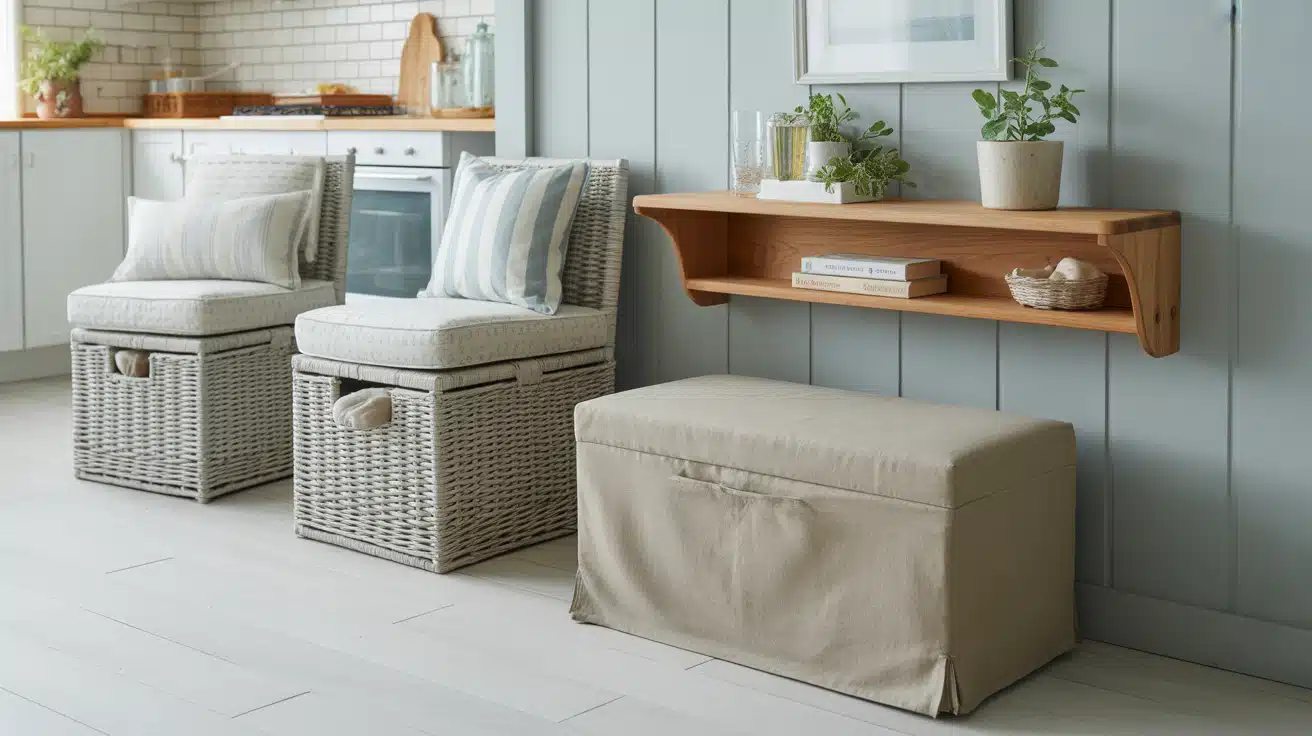
- Woven baskets to hide clutter while adding natural texture
- Low-profile shelves for displaying decor without blocking sightlines
- A hidden storage ottoman to keep the space tidy and functional
These elements bring comfort, purpose, and personality to the space.
Don’t Make These Keeping Room Mistakes
Keeping rooms are simple by nature, but a few common mistakes can make them feel off-balance:
| Mistake | Why It’s a Problem |
|---|---|
| Using furniture that’s too big for the space | Oversized pieces make the room feel cramped and hard to move through |
| Blocking kitchen walkways | Creates traffic jams and disrupts the natural flow between spaces |
| Relying on harsh overhead lighting | Makes the space feel cold and uninviting instead of warm and cozy |
| Cluttering the room with too many decor items | Takes away from the clean, simple vibe a keeping room should have |
| Making it feel like a second living room instead of a cozy nook | Loses the casual, kitchen-connected purpose that defines the space |
Purpose of a Keeping Room in Modern Homes
Today’s keeping room creates a warm landing spot beside the kitchen, giving people a cozy place to relax, talk, or unwind without disrupting meal prep.
It blends comfort with convenience and turns an unused corner into one of the most welcoming spaces in the home.
Instead of guests crowding around the kitchen island or wandering off to another room, they have a dedicated spot that keeps everyone connected while meals are being made.
Summing It Up
A keeping room may have roots in history, but it fits perfectly into the way we live today.
By adding a small, comfortable seating area next to your kitchen, you create a space that encourages connection, improves flow, and adds everyday comfort to your home.
It’s not about formal entertaining or expensive renovations; it’s about making your kitchen area feel warmer and more welcoming.
If you’re planning a renovation or simply rethinking your layout, consider adding a keeping room. It’s a simple upgrade that can make a big difference in how your home feels.
What are your thoughts on keeping rooms? Share your ideas in the comments below!