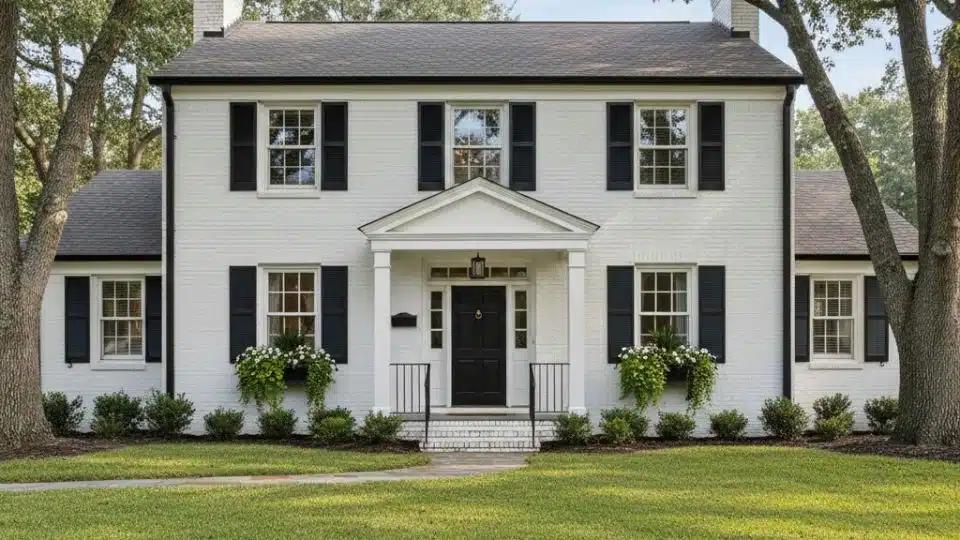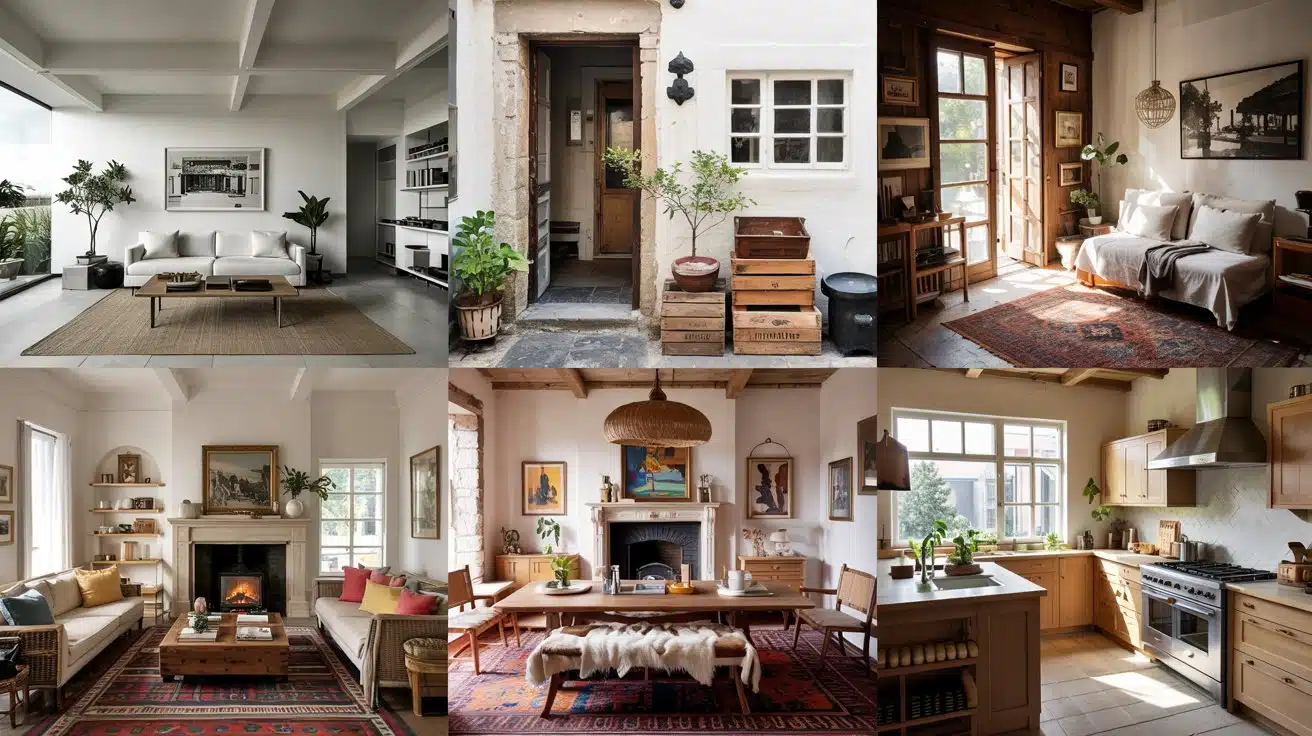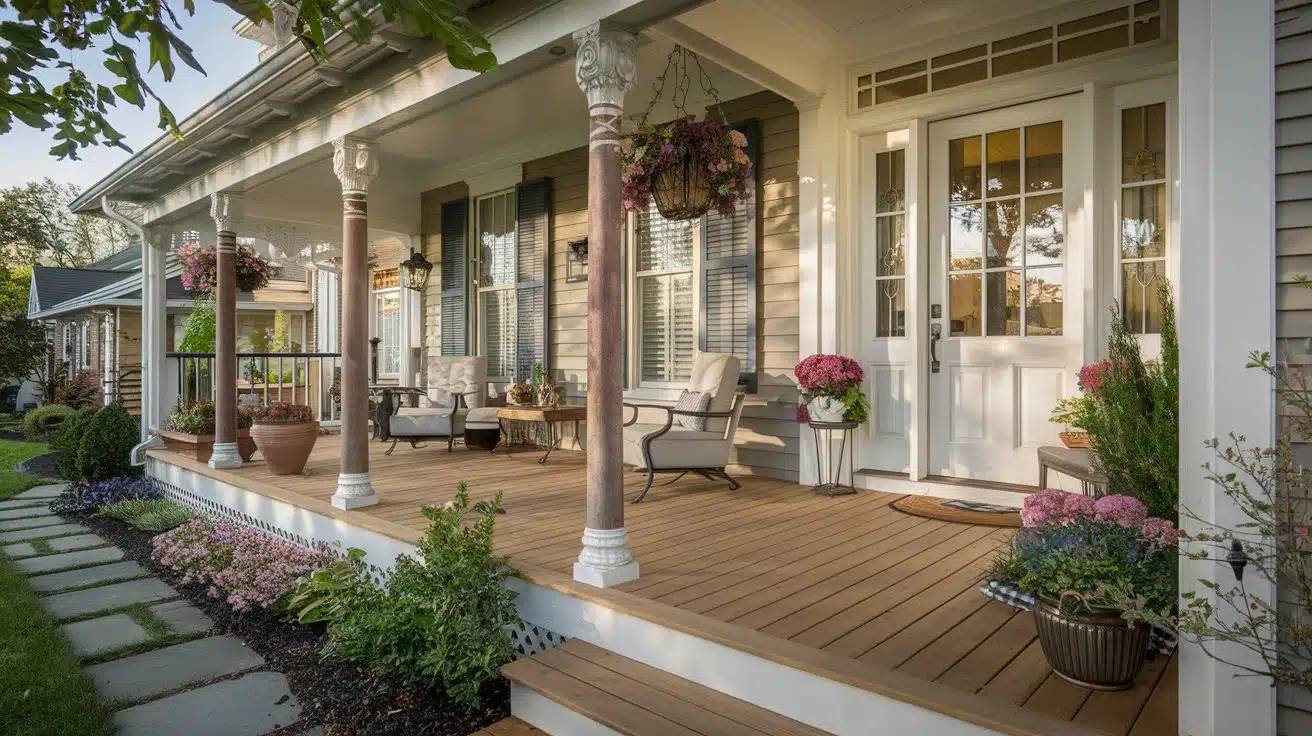

Are you running out of space at home but don’t want to move?
Adding more rooms might be the perfect solution for your growing family. Many homeowners wonder about the financial commitment before starting such a project.
The cost involved will help you make smarter decisions and avoid budget surprises later.
Adding space to your home comes with different price tags based on various project details. Some additions cost a few thousand dollars, while others cost six figures.
With the right planning, you can design the extra space you need while staying financially comfortable.
In this blog, I’ll walk you through cost estimates, key factors that impact your budget, and practical tips to reduce expenses on your addition.
What’s an Average Home Addition Cost?
The typical home addition cost ranges from $22,000 to $75,000 for most standard projects. Smaller additions stay on the lower end while larger builds reach higher price points quickly.
Here are typical cost ranges you should expect
- Basic room addition: $20,000 to $50,000 for simple spaces.
- Mid-range addition: $50,000 to $100,000 for standard features.
- High-end addition: $100,000 to $200,000+ for luxury finishes.
- Bathroom addition: $25,000 to $90,000, depending on size and fixtures.
These numbers give you a starting point for your budget planning process. Remember that your final costs depend on many variables specific to your home and location preferences.
Factors That Influence Home Addition Costs
Knowing these factors gives you a more accurate picture of the total cost to add a room to your homebefore finalizing your construction plans.
Size and Square Footage
Larger additions cost more simply because they require more materials and labor hours. A 200-square-foot room costs less than a 400-square-foot space with identical features and finishes throughout.
Location and Regional Pricing
Where you live greatly impacts construction costs due to labor rates and material availability. Urban areas typically charge more than rural areas for the same type of building work.
Material Quality and Finishes
Choosing premium materials like hardwood floors or granite counters increases costs compared to basic options. Your finish selections can quickly add thousands of dollars to the project budget.
Foundation and Structural Requirements
Building on a slope or adding a second story requires extra structural support and foundation work. These technical requirements add substantial costs to your overall addition project from the start.
Permits and Professional Fees
Building permits, architect fees, and engineer costs add several thousand dollars to your budget. Most locations require official approvals before any construction work can legally begin on your property.
Cost Breakdown by Type of Home Addition
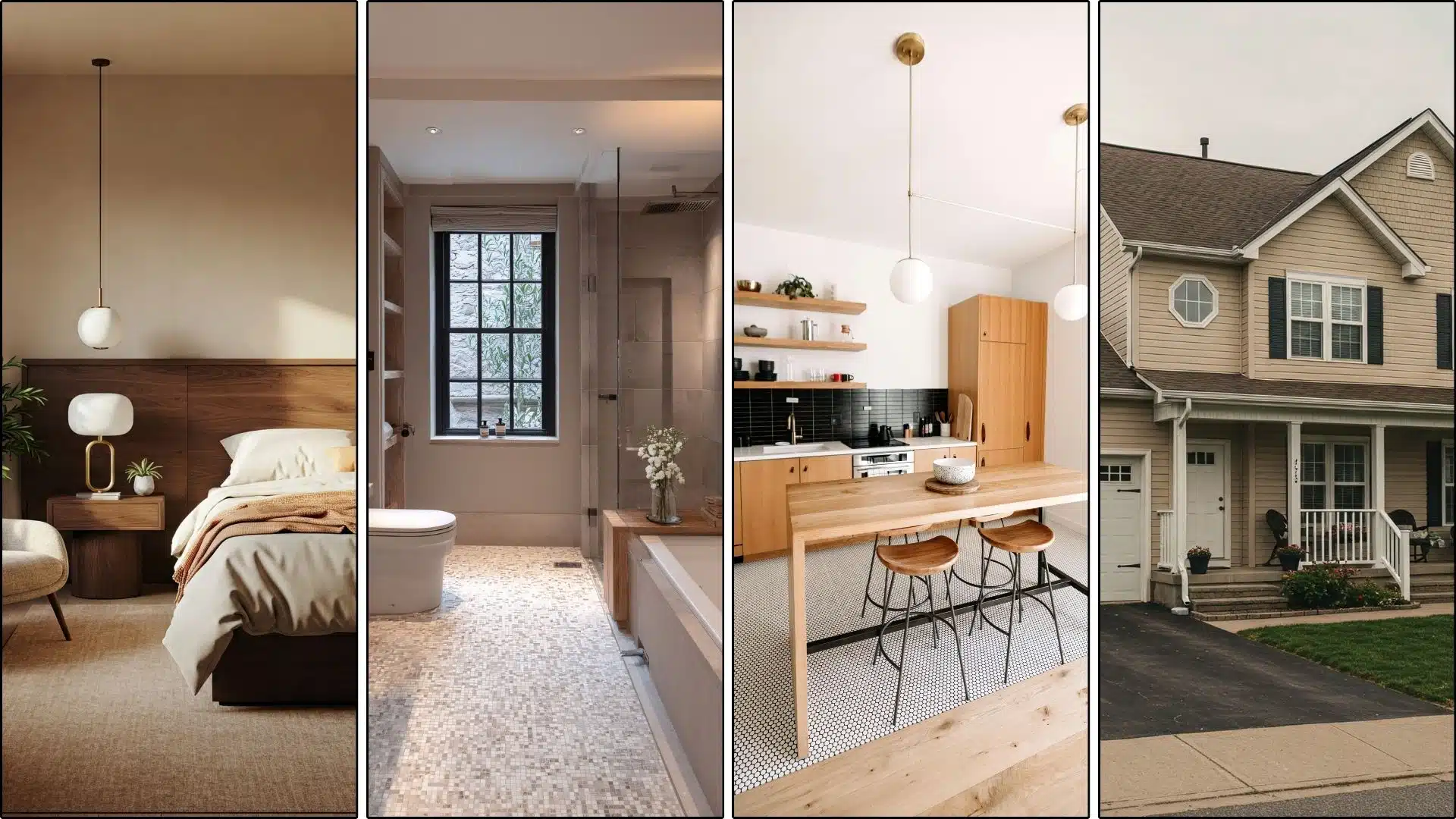
Different addition types come with varying price tags based on complexity and construction requirements. These differences help you choose the right option for your needs.
1. Bedroom Addition
Adding a bedroom typically costs $25,000 to $60,000 for a standard room. This includes framing, electrical, flooring, windows, and basic finishes throughout the new space.
Main cost breakdown
- Expect to spend $4,000 to $12,000 on foundation and concrete work.
- Framing your walls and structure will run $8,000 to $15,000.
- Budget $3,000 to $8,000 for wiring and electrical outlets.
- Plan for $5,000 to $15,000 on floors and interior finishes.
- Set aside $2,000 to $6,000 for windows and entry doors.
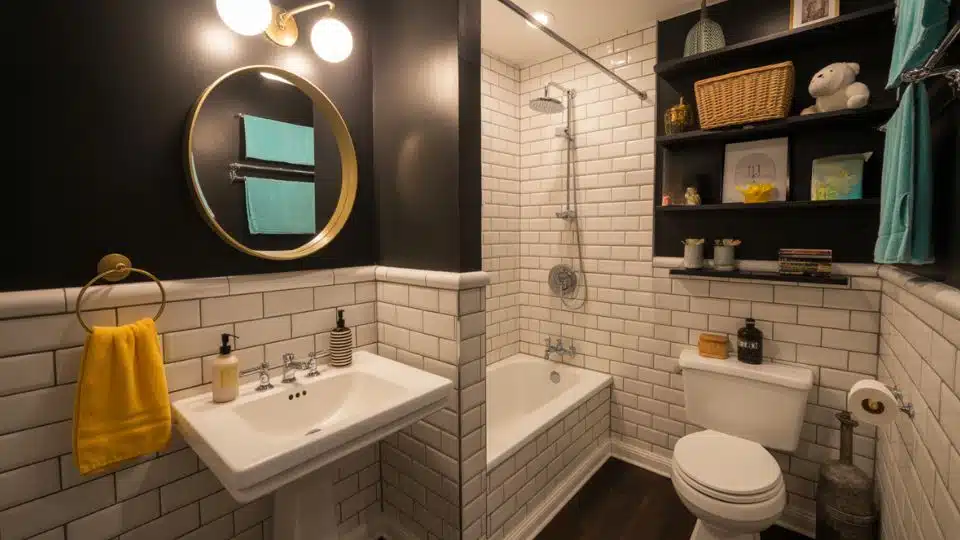
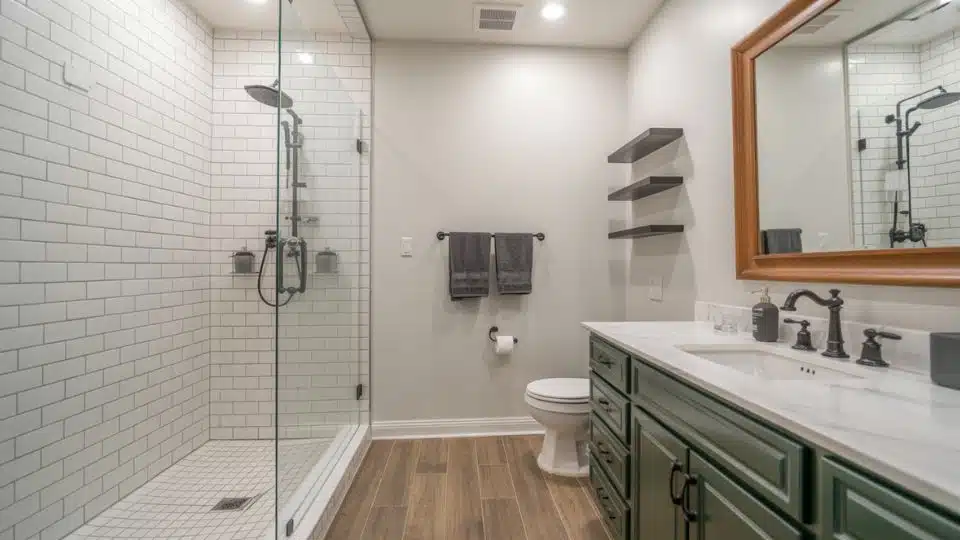
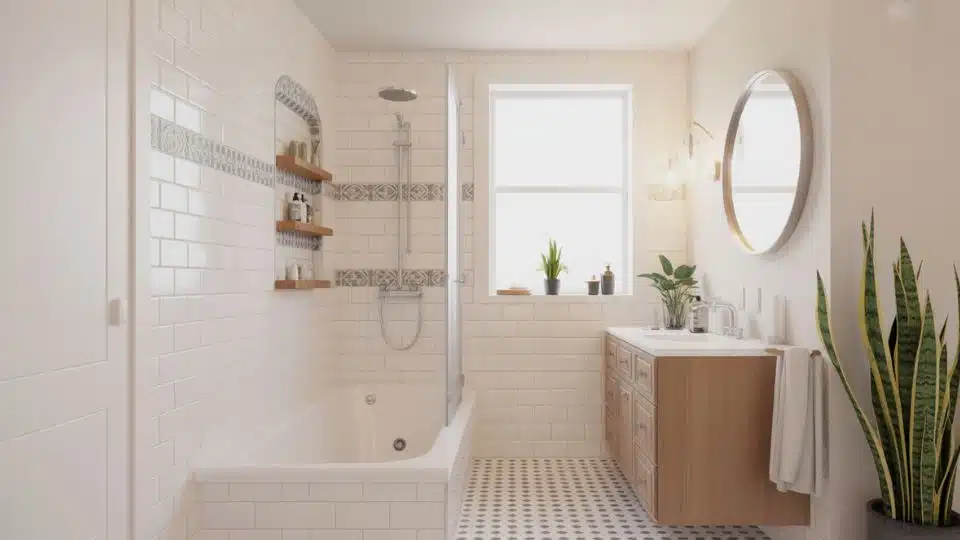
2. Bathroom Addition
Bathroom additions range from $25,000 to $90,000, depending on size and fixture quality. This higher price mainly reflects the added plumbing and waterproofing work bathrooms require.
Main cost breakdown
- You’ll need $5,000 to $15,000 for water lines and drain installation.
- Plan to spend $3,000 to $12,000 on your toilet, sink, and shower.
- Waterproofing and tile work costs $4,000 to $10,000.
- A proper exhaust fan runs $1,500 to $3,500 installed.
3. Kitchen Addition
A kitchen addition costs $50,000 to $150,000, depending on the size, appliances, and cabinet quality you select for your cooking and dining space.
Main cost breakdown
- You’ll spend $8,000 to $20,000 on cabinets and storage units.
- Countertops will cost $3,000 to $12,000, depending on the material.
- Plan for $5,000 to $15,000 on appliances like a stove and refrigerator.
- Plumbing and gas lines cost $4,000 to $10,000 to install.
- Electrical work for outlets and lighting needs $3,000 to $8,000.
4. Second Story Addition
Adding a second floor costs $100,000 to $300,000 because it requires major structural modifications and reinforced foundations to ensure proper support for the upper level.
Main cost breakdown
- Strengthening your foundation costs $20,000 to $50,000.
- A new staircase costs $5,000 to $15,000, depending on style.
- Replacing your roof will cost $10,000 to $25,000.
- Building out all rooms upstairs costs $50,000 to $150,000.
Hidden or Unexpected Costs to Consider
People generally forget about the extra expenses that often arise during addition projects. Planning for these costs prevents budget overruns and financial stress during construction.
- Temporary housing: Living elsewhere during construction can cost thousands of dollars extra each month.
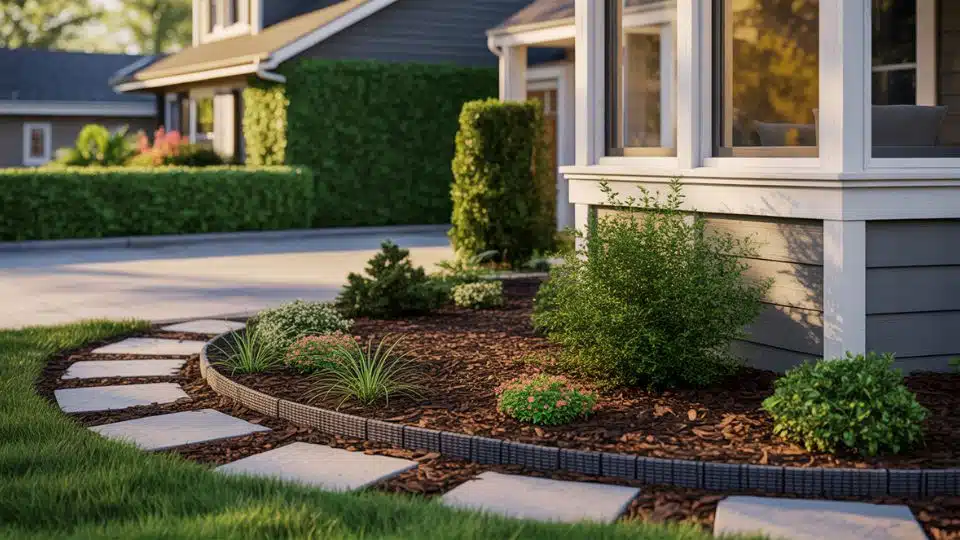
- Landscaping repair: Restoring damaged grass, plants, and walkways after building work finishes.
- HVAC upgrades: Your heating and cooling system may need expansion to accommodate additional space.
- Furniture and decor: New rooms need furnishings, adding $5,000 to $20,000 easily.
- Property taxes: Your home’s value increases, raising your annual tax bills permanently.
- Utility costs: More space means higher monthly bills for electricity, gas, and water.
How to Budget and Save on Your Home Addition?

Smart planning helps you control costs without sacrificing quality on your addition project. Start by getting at least three detailed quotes from licensed contractors in your area.
Comparing bids helps you understand fair market pricing and identify any unusually high offers. Several strategies can reduce your overall spending while maintaining good results.
Budget and saving tips
✓ Do some work yourself if you have skills.
✓ Schedule during off-peak construction seasons.
✓ Choose mid-range materials over premium options.
✓ Reuse existing doors and windows when possible.
✓ Apply for home improvement loans with good rates.
✓ Stay involved to prevent costly delays.
✓ Order materials in bulk for discounts.
✓ Avoid major design changes mid-project.
Following these strategies helps your project stay efficient, cost-effective, and organized, ensuring quality results that last while preventing delays or unexpected budget increases.
Hiring the Right Contractor for the Job
Selecting a qualified contractor is the most important decision you’ll make for your addition. Start by asking friends and family for recommendations of builders they’ve used.
Check online reviews and ratings on multiple platforms to see consistent feedback patterns. Verify that any contractor holds the required licensing and insurance for your state.
Request references from recent clients and actually call them to ask about their experiences. Get detailed written estimates that break down all costs, including materials, labor, and timelines.
Review the contract carefully before signing, and ensure it includes payment schedules and warranties. Establish a communication plan to determine how often you’ll receive updates.
Wrapping It Up
To summarize, planning a home addition requires careful consideration of costs and professional help needed.
Knowing these elements helps you set realistic expectations before construction begins. Hidden expenses often surprise homeowners during projects.
Choosing the right contractor and preparing financially ensures your project runs smoothly from start to finish.
Taking time to research and plan properly saves money long term. Your addition should enhance your home without straining your finances.
Quality work costs more upfront but provides better results later.
Have you started planning your home addition, or do you have questions about costs? Share your thoughts below!