Your hardwood choice defines your home’s warmth and character for decades. It shapes how rooms feel. It influences resale value. It affects daily maintenance.
This decision matters more than you might think. Oak and walnut are America’s two favorite hardwoods. Both deliver proven durability and lasting beauty.
Yet they couldn’t be more different. Oak brings timeless warmth and versatility. Walnut offers rich luxury and dignity.
Their appearance, durability, cost, and upkeep differ significantly. This guide compares oak vs walnut side by side. You’ll understand which wood matches your lifestyle, style, and budget.
By the end, you’ll make a confident choice. No second-guessing. No regrets. Just the perfect hardwood for your home.
Basics of Oak and Walnut
Before comparing their color, grain, and cost, it helps to understand what makes each wood unique. Both oak and walnut are prized American hardwoods, but their origins, character, and design appeal set them apart in distinct ways.
Oak
Oak grows native across North America. It’s known for exceptional strength and open grain patterns. Classic golden tones instantly warm any room. Oak works beautifully in farmhouse, rustic, or transitional homes.
Bright, open rooms showcase oak’s best qualities. The light color expands small spaces. Oak handles high-traffic areas without flinching. It’s durable, affordable, and incredibly forgiving.
Oak Pros and Cons:
| Pros | Cons |
|---|---|
| Durable and affordable for most budgets | Grain can appear busy in dark stains |
| Versatile for many finishes and stains | Slightly heavier texture than walnut |
| Excellent choice for high-traffic areas | May yellow subtly over many years |
Oak is the practical choice for most American households. It beautifully balances durability, affordability, and versatility. If your family is active and your budget is modest, Oak won’t disappoint you.
Walnut
American black walnut commands respect and attention. Deep chocolate hues create instant complexity. Fine-grain patterns feel refined and refined. Walnut is suited to modern, mid-century, or luxury interiors.
This wood shines in low-traffic or statement furniture. Walnut ages beautifully, developing a rich patina. It’s easy to work and finish professionally. Homeowners love its high-end appeal and visual impact.
Walnut Pros and Cons:
| Pros | Cons |
|---|---|
| Luxurious, dark color with smooth grain | More expensive than oak, significantly |
| Ages beautifully with developing rich patina | Shows scratches and dust easily |
| Easy to work with and finish | Softer, less dent-resistant than oak |
Whether you’re drawn to oak’s natural strength and warmth or walnut’s smooth, rich refinement, both woods bring lasting value and timeless beauty to any home.
Key Differences Between Oak and Walnut
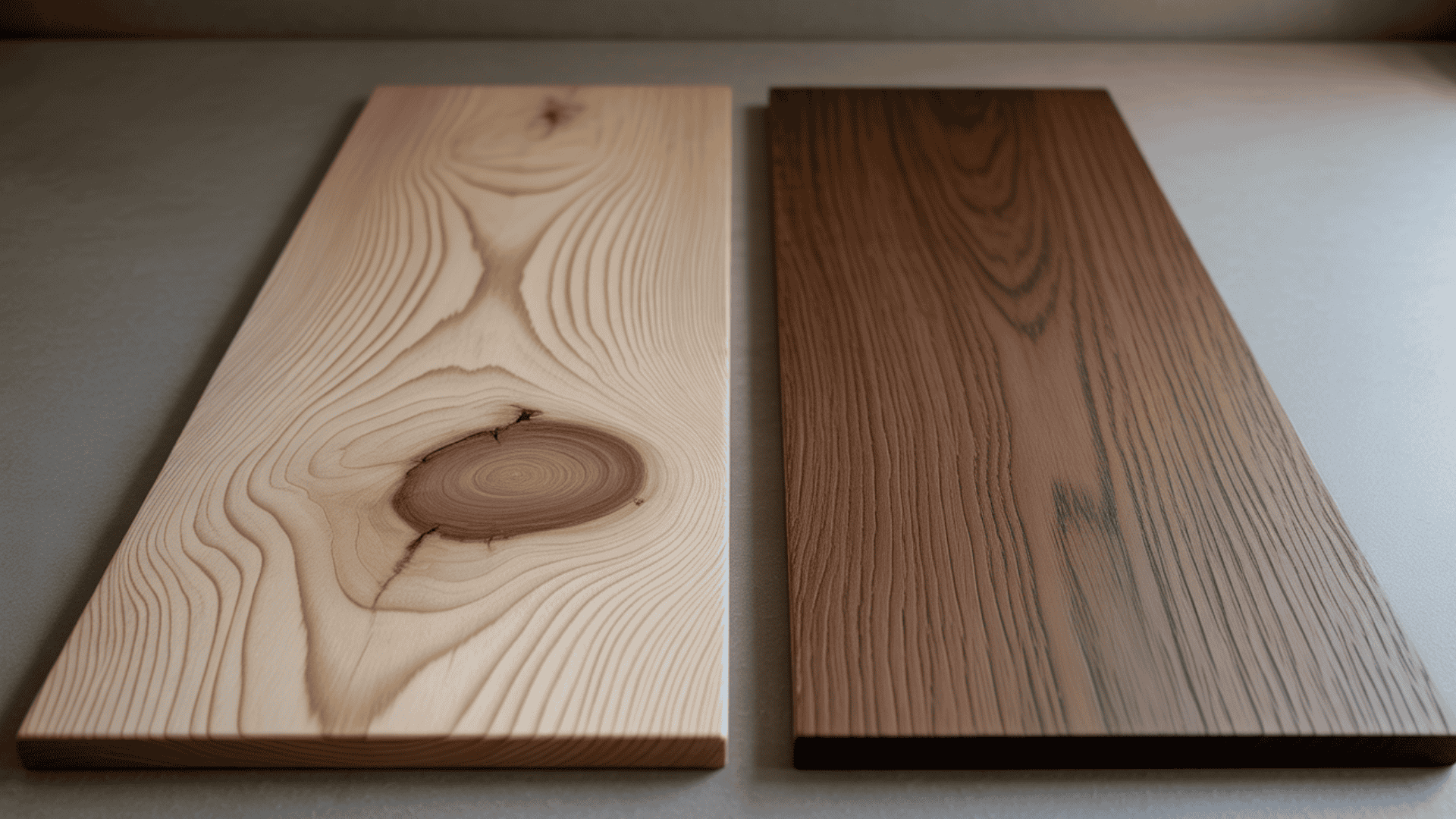
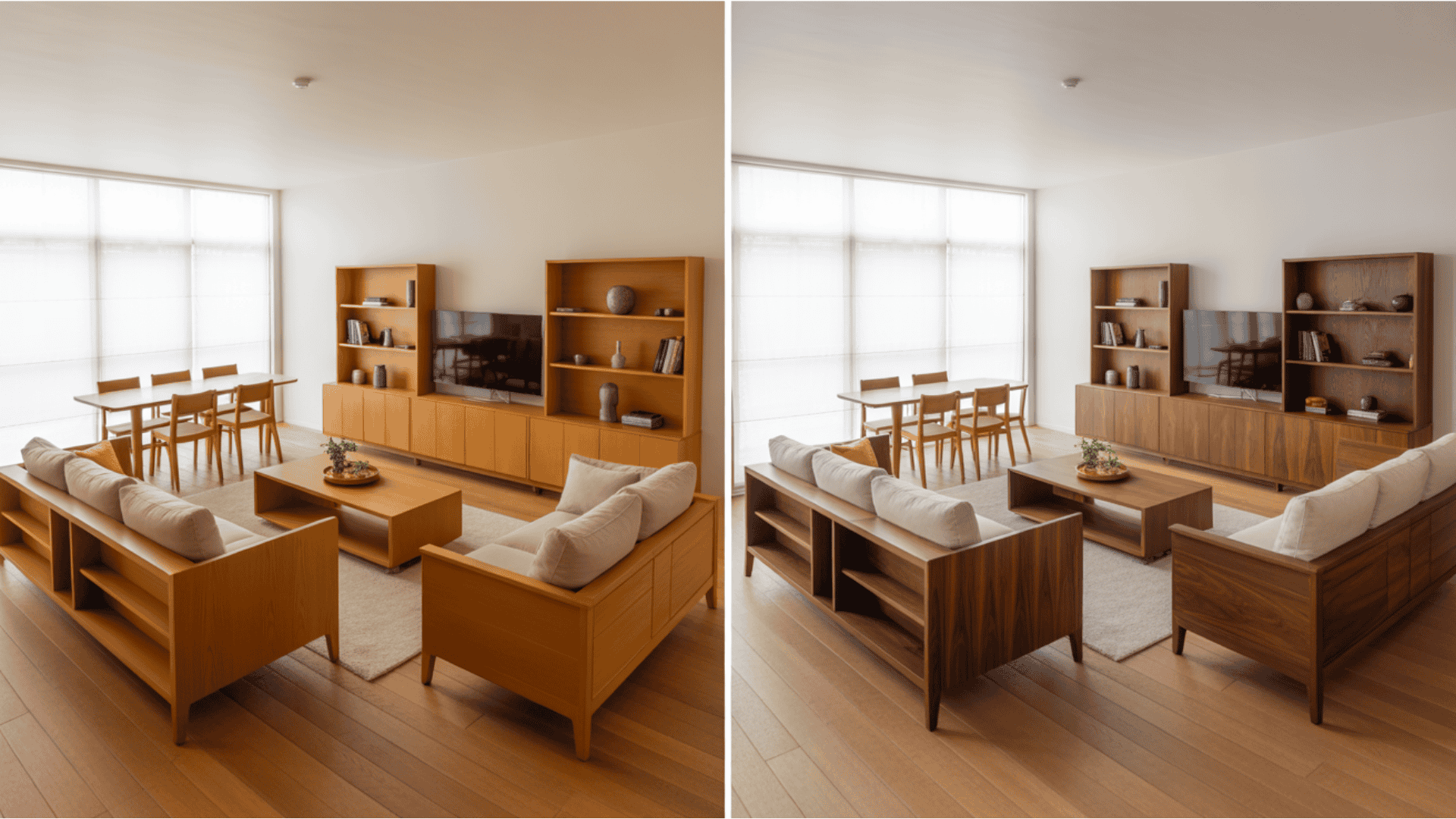
Oak and walnut differ across every important measure from appearance and durability to cost and maintenance. Understanding these distinctions helps you make a clear, confident decision for your home.
1. Color and Tone
Oak: Oak ranges from light to medium brown with warm golden or reddish undertones. Its brightness helps open up rooms and creates a welcoming, timeless atmosphere.
Walnut: Walnut features deep brown to rich chocolate hues, sometimes with purple or gray undertones. It adds a sense of luxury and refinement, perfect for sleek, modern spaces.
2. Grain Pattern and Texture
Oak: Known for its prominent, open grain, oak adds natural texture and visible character to floors and furniture, making it ideal for rustic or traditional settings.
Walnut: Walnut has a smooth, fine grain that can appear straight, wavy, or curly, giving it a refined, polished surface that suits high-end or contemporary interiors.
3. Hardness and Durability
Oak: With a Janka rating between 1,290 and 1,360, oak is harder and more resistant to dents and wear great for high-traffic areas or family homes.
Walnut: At about 1,010 on the Janka scale, walnut is slightly softer but still durable. It’s best for furniture, low-traffic rooms, or spaces where aesthetics matter more than toughness.
4. Aging and Color Change
Oak: Over time, oak tends to deepen slightly, developing a warm amber hue that improves its natural character.
Walnut: Walnut lightens subtly with sun exposure, softening its dark tones into a golden brown patina that still looks rich and inviting.
5. Style and Design Fit
Oak: Complements farmhouse, rustic, and transitional interiors with its natural warmth and textured appearance.
Walnut: Fits seamlessly into modern, mid-century, or luxury spaces, adding depth, contrast, and refined charm.
6. Maintenance and Upkeep
Oak: Its lighter color and open grain make it easier to maintain, disguising dust, scuffs, and everyday wear.
Walnut: Needs more care to preserve its deep finish; regular dusting and occasional polishing keep it looking rich and even-toned.
Oak’s higher hardness makes it more practical for active homes, while walnut’s fine grain and dark tone upgrade the look of formal, design-driven spaces. The best choice depends on your priorities: durability or distinction.
Cost Comparison: Oak vs Walnut Pricing
When choosing between oak and walnut, cost often becomes the deciding factor. While both are American hardwoods with lasting value, their price differences reflect availability, growth rates, and market demand.
| Category | Oak | Walnut |
|---|---|---|
| Average Flooring Cost (per sq. ft.) | $4 to $8 | $8 to $15 |
| Average Furniture Cost | Moderate; widely available | Premium; luxury-priced |
| Installation Cost | Comparable for both | Comparable for both |
| Maintenance Cost | Low to moderate | Low to moderate |
| Availability (U.S. Market) | Abundant and domestic | Limited, slower-growing, and scarcer |
| Sustainability | Readily sourced from FSC-certified forests | Available domestically but less abundant |
| Long-Term Value | Cost-effective, practical, timeless appeal | High-end, refined, elevated resale value |
| Best For | Budget-conscious homeowners and family spaces | Upscale interiors and statement pieces |
In short, oak delivers everyday durability at a reasonable cost, while walnut offers luxury and prestige for those willing to invest more. Both remain strong, sustainable choices that add long-term beauty and value to your home.
Available Varieties of Oak and Walnut Wood
Both oak and walnut come in several distinct varieties, each offering its own look, texture, and performance. Knowing these variations helps you choose the right wood that fits your space, style, and durability needs.
Oak Varieties
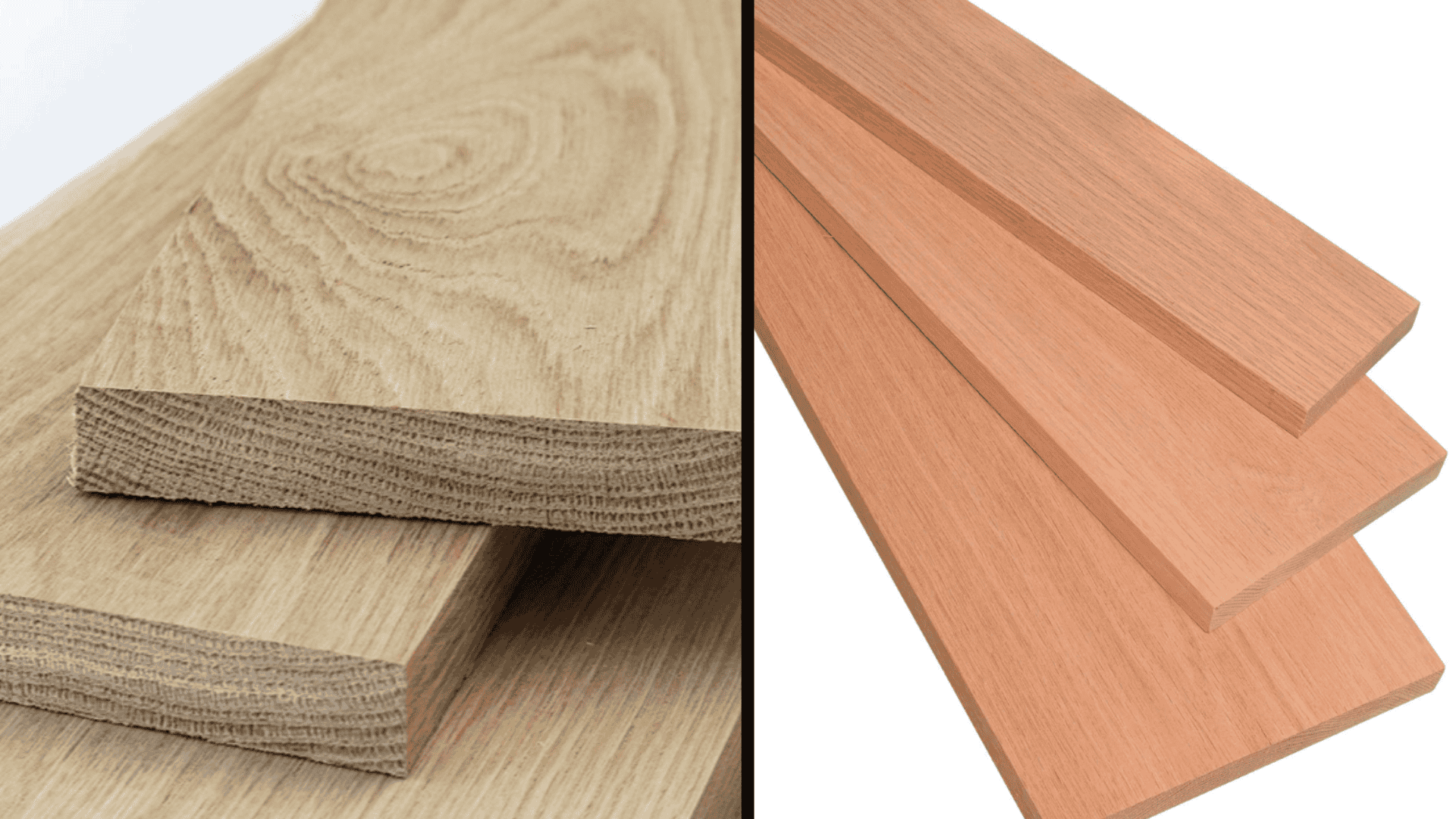
- Red Oak (Quercus rubra): Warm, reddish tones with open grain. Traditional charm works in many settings. Classic choice for farmhouse and rustic homes.
- White Oak (Quercus alba): Beige-gray hues with tighter grain. Higher moisture resistance than red oak. Better for kitchens and bathrooms.
Walnut Varieties
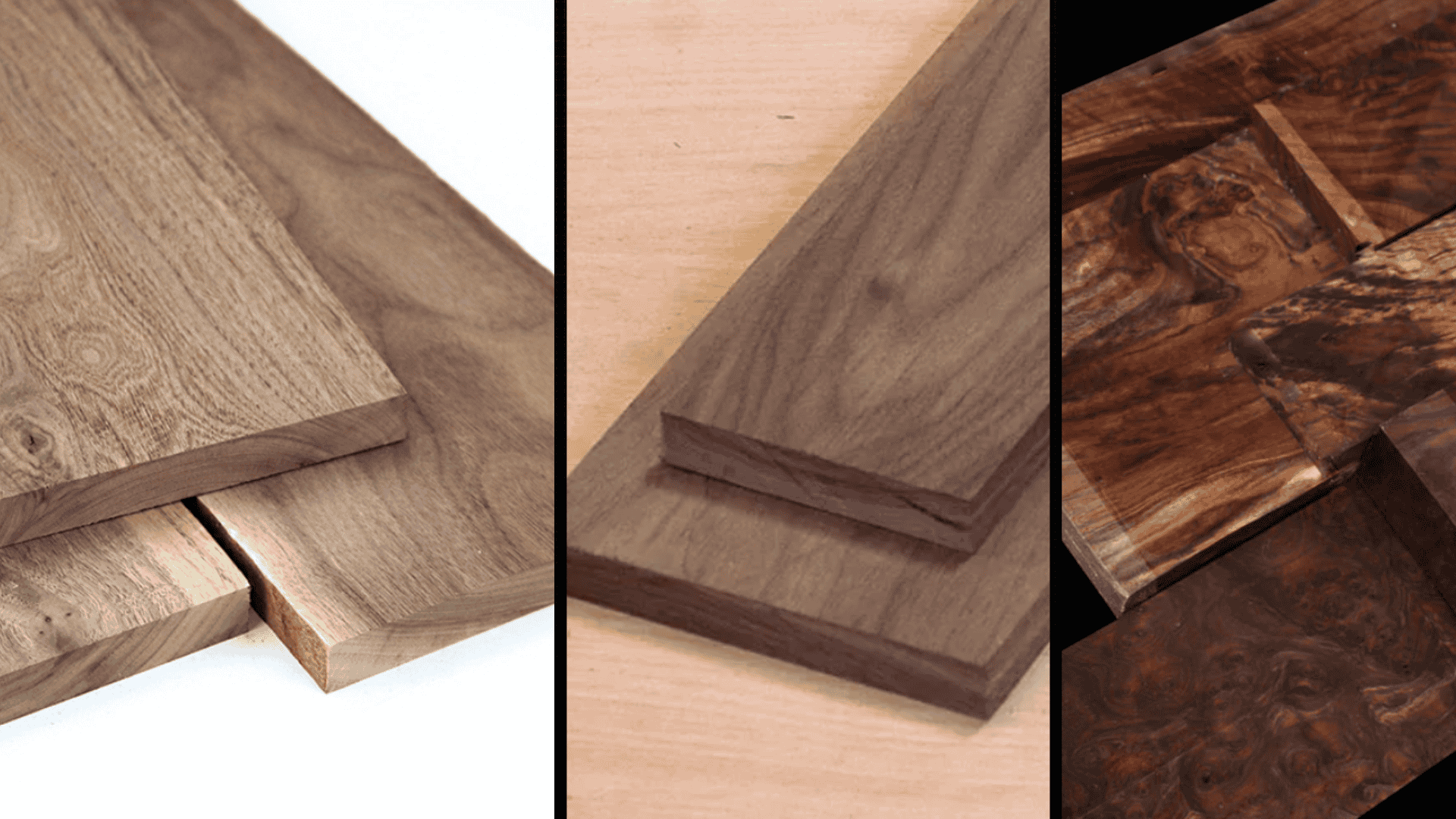
- American Black Walnut (Juglans nigra): The standard for U.S. interiors. Deep brown heartwood with excellent workability. Perfect for furniture and flooring projects.
- English/European Walnut (Juglans regia): Lighter in color than American walnut. Primarily used as a decorative veneer wood. Less common in residential settings.
- Claro Walnut (Juglans hindsii): Unique figuring with artistic grain patterns. Used in luxury custom furniture only. Specialty option for discerning homeowners.
Whether you prefer the golden warmth of oak or the deep richness of walnut, each variety brings its own character and beauty. Knowing these differences helps you choose the wood that best complements your home’s design and lifestyle.
Maintenance and Care Tips for Both Oak and Walnut
When it comes to maintaining the beauty of oak and walnut, understanding their unique needs is key. Here are some essential tips to ensure both types of wood stay in top condition.
Tip 1: Regular Cleaning and Protection
Use a damp microfiber mop for routine cleaning. Soft cloths work best on finished surfaces. Avoid harsh chemical cleaners on hardwood. Water damage comes from excess moisture.
Vacuum regularly to remove dust and debris. Sand particles scratch wood under foot traffic. Weekly cleaning prevents buildup and wear. This simple routine significantly extends the life of wood.
Tip 2: Preventing Scratches and Damage
Place felt pads under all furniture legs. Rugs in high-use areas protect floors. Entry mats catch dirt and sand from the outside. These simple steps prevent major damage.
Oak hides scratches better than walnut naturally. Walnut shows every mark and dust particle. Walnuts benefit from periodic oiling. Keep oiling materials and pads on hand.
Tip 3: Refinishing and Long-Term Care
Refinish every 8 to 10 years for longevity. Both woods refinish beautifully and completely. Professional refinishing costs $3 to $10 per square foot. Many homeowners tackle high-traffic areas first.
Maintain indoor humidity between 35 and 55 percent. Wood expands and contracts with changes in moisture. Humidifiers prevent excessive shrinking during winter. Dehumidifiers control summer moisture levels.
Choosing Between Oak and Walnut for Your Furniture
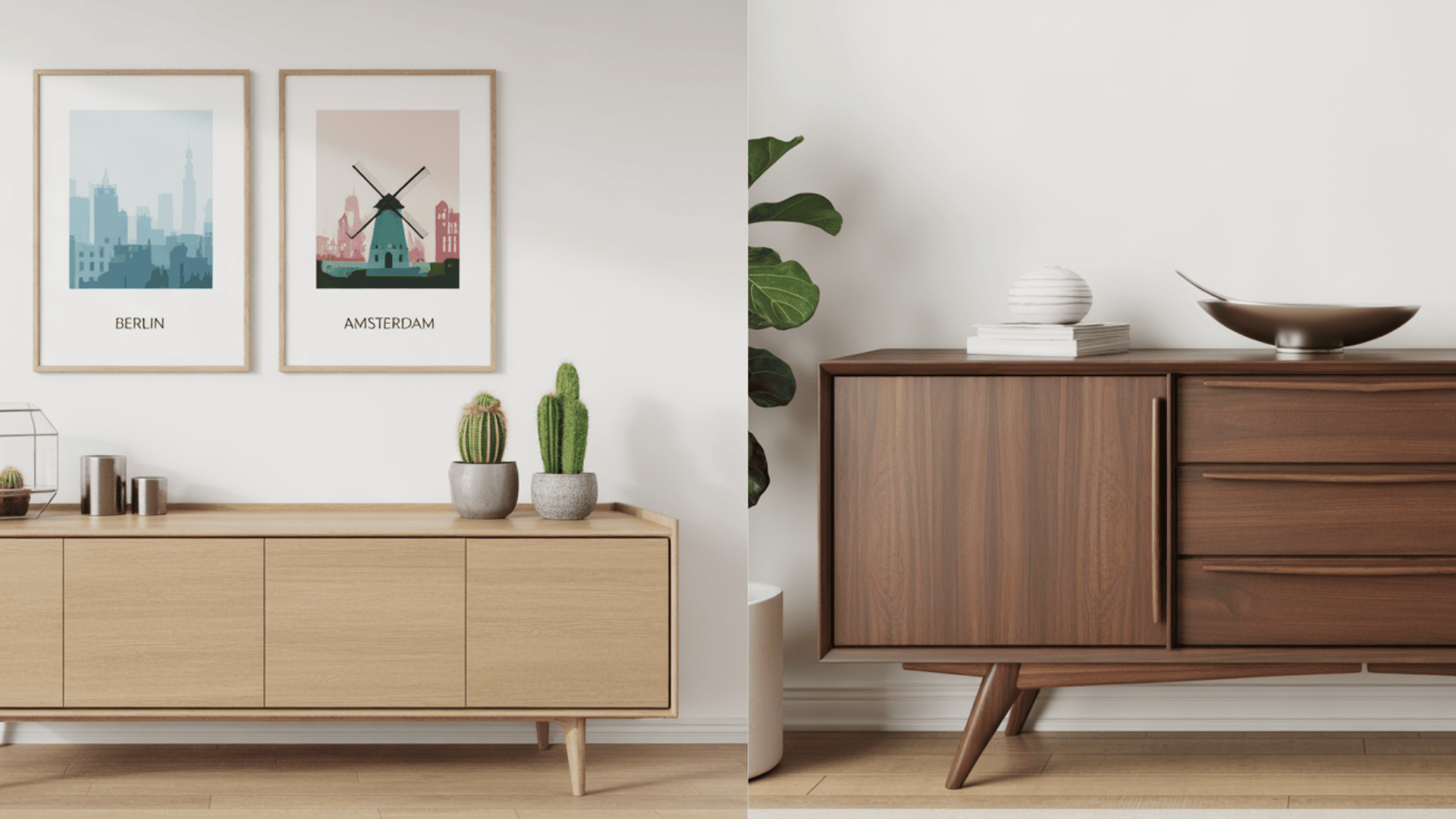
Choosing between oak and walnut furniture comes down to your home’s design style, lighting, and lifestyle needs. Both are timeless hardwoods, but the right choice depends on whether you value durability and versatility or luxury and statement appeal.
Choose Oak Furniture if you want:
- Light, natural color that brightens smaller rooms.
- A durable and affordable option for everyday use.
- Family-friendly pieces that handle wear and tear gracefully.
- A classic look for rustic, traditional, or transitional spaces.
- Furniture that hides scratches, fingerprints, and dust easily.
- Lower maintenance and simpler cleaning routines.
- Readily available materials with shorter lead times.
Choose Walnut Furniture if you want:
- Deep, luxurious color with a smooth, refined grain.
- High-end pieces that instantly draw attention.
- A refined, timeless look suited to modern or mid-century interiors.
- Premium character and strong resale value.
- Furniture that feels cultivated and one-of-a-kind.
- A unique grain pattern that adds visual depth.
- Willingness to invest more for craftsmanship and exclusivity.
In the end, oak furniture offers everyday strength, versatility, and approachable beauty, while walnut furniture brings artistic depth, warmth, and luxury. The best choice is the one that matches how you live and the atmosphere you want your home to express.
Conclusion
Both oak and walnut are premium American hardwoods. Each brings unique beauty and distinct character to homes.
Oak delivers strength, affordability, and timeless warmth. Perfect for everyday living and active families.
Walnut offers refinement, luxury, and rich tones. Ideal for refined interiors and statement pieces. Your choice depends on three key factors. Consider your home’s natural lighting first. Evaluate your household’s traffic and activity level.
Assess your budget realistically for the project. See real samples in natural lighting before deciding. Visit showrooms and view both woods together.
Ready to decide? Schedule a consultation with a local hardwood specialist today. They’ll help you compare samples in your own space and lighting.
c