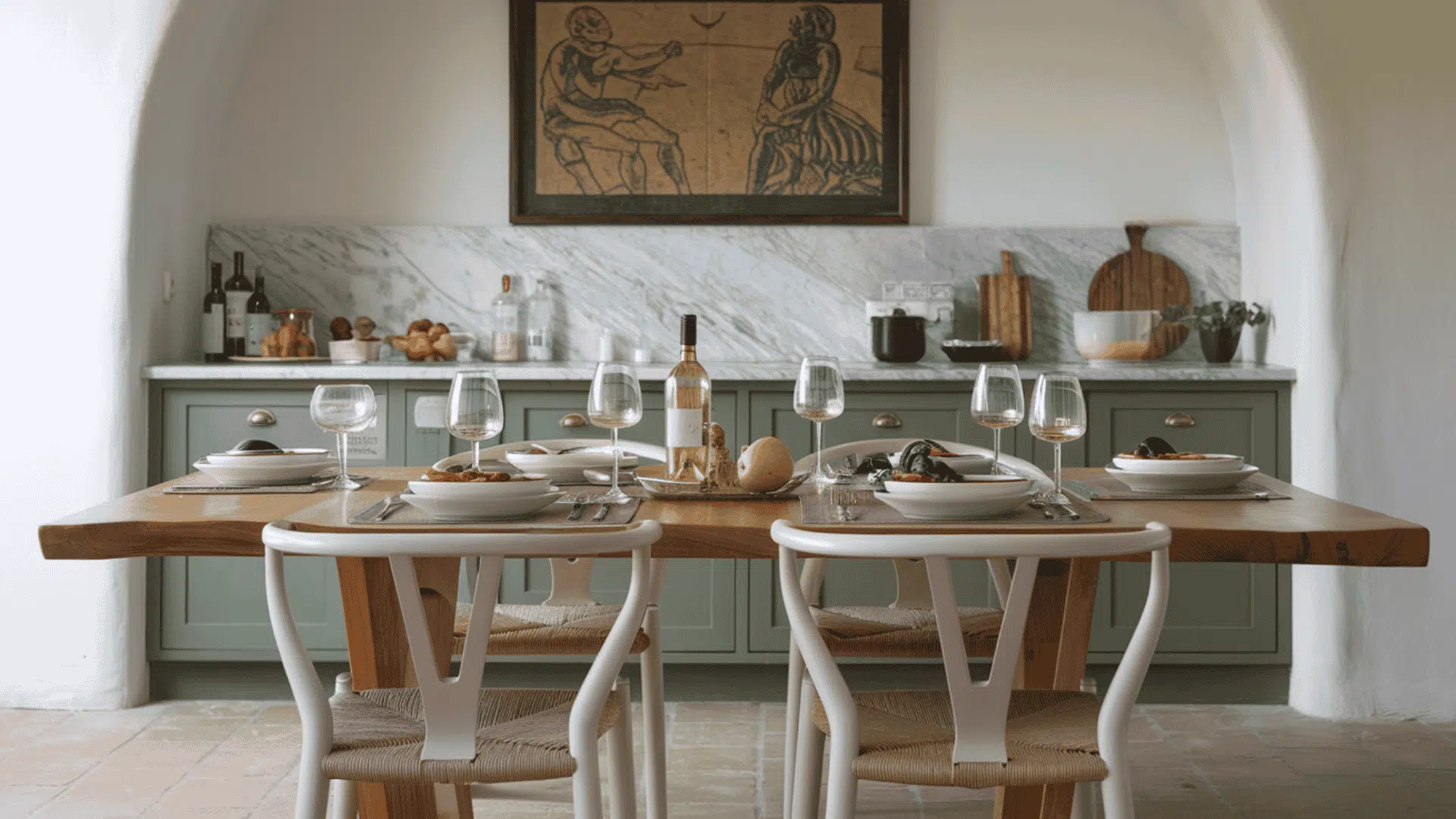
Your knees bump the table. Your elbows won’t rest right. Someone always feels cramped. That awkward feeling during meals?
It’s not you, it’s your table height.
Most people don’t realize that table height controls everything. It affects comfort, posture, and how you actually gather. Getting it wrong ruins even the best dinners.
The good news? Furniture makers have perfected this.
Standard dining tables measure 28 to 30 inches for a reason. This guide shows you the exact measurements to pick the right height for your space, family, and style.
By the end, you’ll know how to match tables with chairs, measure your room correctly, and create a dining setup that feels natural and comfortable, not awkward or cramped.
What Is the Standard Dining Table Height?
Standard dining tables measure 28 to 30 inches from the floor to the tabletop. This range has been used for decades and is widely recommended by the furniture industry.
It’s considered the most comfortable and functional height for dining, allowing you to rest your feet flat on the floor, bend your elbows naturally at about 90 degrees, and maintain a neutral sitting posture.
A table within this range complements most dining chairs and keeps your space visually balanced and proportionate.
- Ergonomic comfort: A properly sized table supports good posture and helps reduce back and neck strain during long meals.
- Adequate leg clearance: The height provides enough space for your knees and legs to move freely, ensuring you can shift positions comfortably.
- Visual balance: This proportion creates harmony in dining rooms, aligning with nearby furniture like countertops or buffets.
- Design consistency: Manufacturers follow this standard to make chairs and tables universally compatible, so mixing and matching furniture is easy.
- Health and functionality: The right height keeps your body aligned and prevents tension that can develop from eating or working at a table that’s too high or too low.
The28–30 inch table height is more than a design tradition; it’s a proven ergonomic standard that blends comfort, function, and style. It keeps your dining experience relaxed and makes it the ideal height for most homes.
Dining Chair and Its Relationship to Table Height
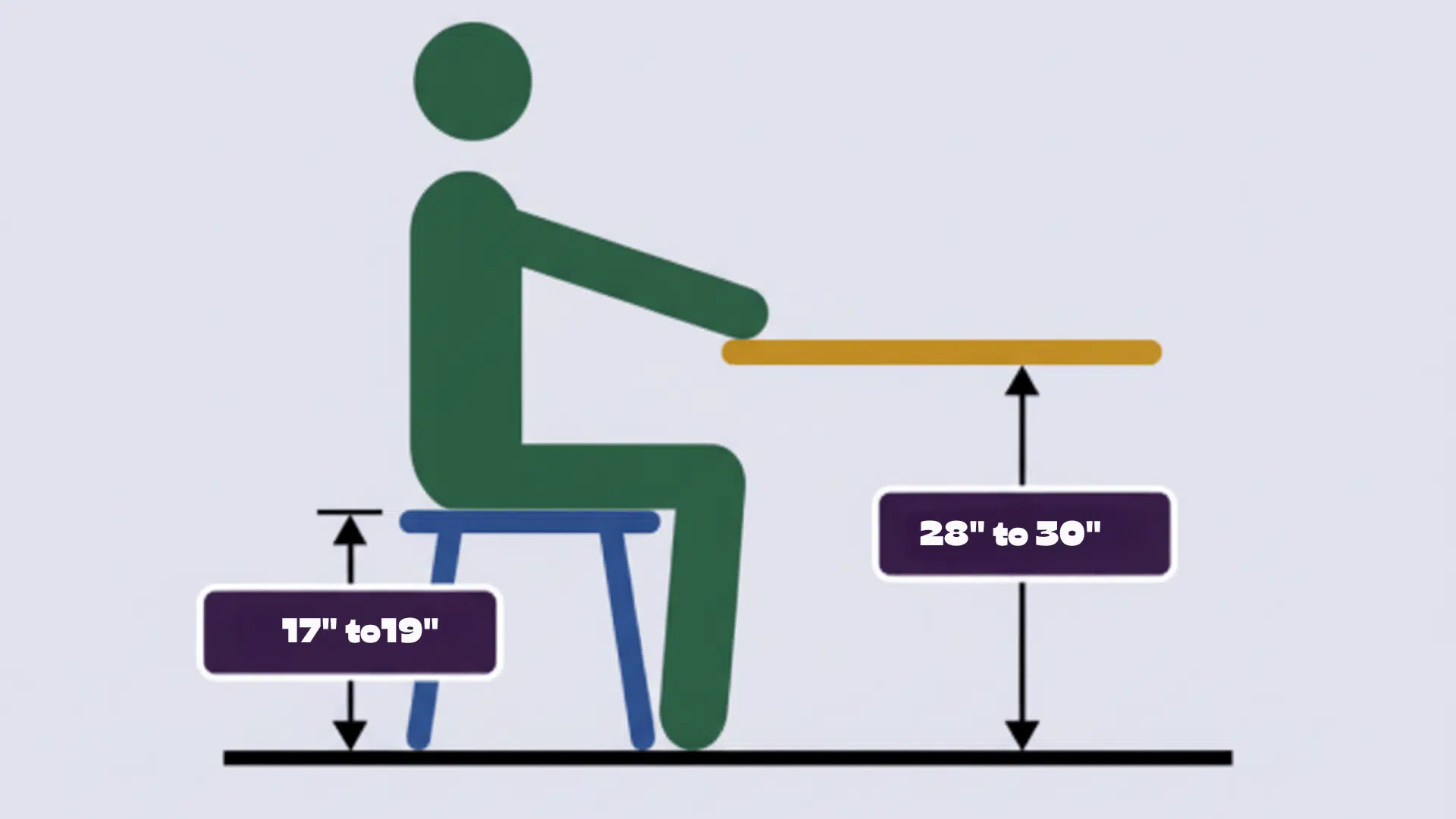
The height of your dining chair is just as important as your table. Getting this balance right ensures comfort, proper posture, and a dining experience that feels natural and relaxed.
1. Standard Dining Chair Seat Heights
Dining chairs should be 17 to 19 inches to match a 28 to 30-inch table. This height is measured from the floor to the top of the seat. A 17-inch chair works best with a 28-inch table. A 19-inch chair pairs nicely with a 30-inch table.
Most modern dining chairs fall within this range. Some older antique chairs may be shorter. Always measure before purchasing to avoid surprises.
2. The Inch Rule: Clearance and Comfort
The gap between your seat and the table matters. The “10 to 12 inch rule” means the distance from the seat top to the underside of the table should be 10 to 12 inches. This space allows comfortable legroom. It lets you slide the chair in and out easily.
3. Factors That Affect Your Comfort Level
Table apron thickness or decorative skirts reduce clearance. An ornate table base may cut into leg room. Always account for this when measuring.
Armrests may prevent sliding chairs from moving too easily. If your chairs have arms, test them under the table first. Cushions also affect comfort. A thick cushion can raise you up by 2 inches. This changes your clearance.
When your chair and table heights align, dining feels effortless and inviting. The right combination supports posture, comfort, and movement, turning every meal into an enjoyable, well-balanced experience.
How to Choose the Right Table Height for Your Space?
Choosing the right table height goes beyond measurements; it’s about how your family lives and moves. Consider comfort, room size, and your home’s design style to create a perfect balance and function.
Consider Who Uses Your Table
Think about your household first. Do you have young children? Are most people in your home taller or shorter? If your entire family is taller than average, you may want to find a slightly taller dining table and chairs.
Standard height works for average-sized adults. It accommodates most teenagers and older kids. Toddlers can use booster seats. But if your family is very tall, consider a 30-inch table paired with 19-inch chairs for extra comfort.
Measure Your Dining Space Carefully
Space planning is just as important as height. The dining table will need about 3 feet of breathing space from every direction to allow for seats to be pulled in and out comfortably.
Here’s how to measure your room:
- Write down your room’s length and width.
- Subtract 6 feet from each measurement.
- The result shows how large your table can be.
- Leave a minimum of 36 inches on all sides.
This space should also not include any other furniture, so you must account for any hutches, sideboards, or other furniture planned for placement close to the dining room table.
Design Style and Visual Balance
Your design choice affects which height works best. For maximal ergonomic comfort, you and your loved ones should be able to sit around a dining table with your feet comfortably placed on the ground.
- Standard height (28 to 30 in) is equal to Formal, traditional, timeless.
- Counter height (34 to 36 in) is modern, casual, and open-concept.
- Bar height (40 to 42 in) is equal to entertaining, contemporary, and social.
Choose based on your home’s style. A formal dining room calls for standard height. A kitchen with an island suits counter height better.
Other Common Table Heights for Homes
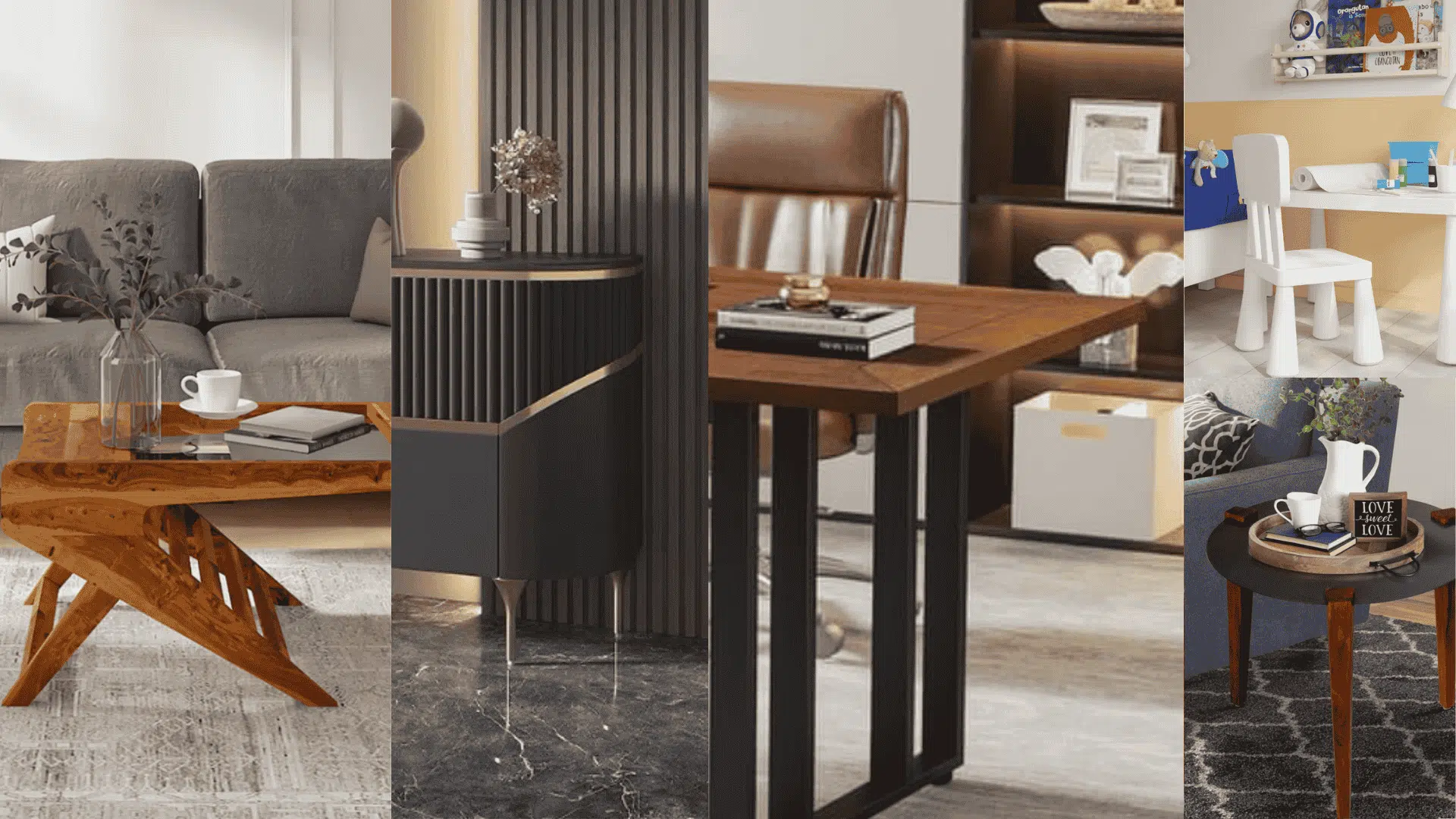
Beyond dining tables, every room in your home follows its own height standards. Understanding common table heights helps you choose pieces that feel comfortable, practical, and visually balanced throughout your space.
1. Coffee Tables: Low and Accessible: Coffee tables often measure between 16 to 18 inches in height. They sit lower than dining tables. This height lets you rest drinks or books easily. Your coffee table should be no higher than the arm of your sofa.
2. Console and Entryway Tables: Console tables typically measure 30–36 inches tall. They work at entryways and hallways. They’re perfect for displaying décor or holding keys and mail. The height reaches your average waist.
3. Side Tables and Accent Pieces: Side tables next to sofas usually measure 22–30 inches tall. They should align roughly with the arm of your chair or sofa. This makes it easy to set down a glass or book without reaching too far.
4. Office and Desk Heights: Office desks come in various heights, but the standard desk height is about 29 to 30 inches. This matches the dining table height. When you type, your elbows should bend at 90 degrees.
5. Children’s Table Heights: Preschool tables measure 18–22 inches tall. Elementary school tables range from 22–26 inches. Smaller children can benefit from standard-height tables, while taller people may prefer counter-height tables.
Here’s a quick reference table summarizing the section clearly and neatly:
| Table Type | Height Range | Key Purpose |
|---|---|---|
| Dining | 28–30 in | Standard for meals; pairs with 17–19 in chairs. |
| Coffee | 16–18 in | Lower for easy reach from the sofa. |
| Console | 30–36 in | Waist height, for entryways or décor. |
| Side | 22–30 in | Aligns with the sofa or chair arm. |
| Desk | 29–30 in | For typing comfort, elbows at 90°. |
| Children’s | 18–26 in | Sized for preschool to elementary use. |
Knowing these standard table heights ensures consistency, comfort, and harmony across your home. Whether it’s for work, décor, or relaxation, the right height enhances both function and overall design appeal.
Conclusion
Choosing the right standard table height comes down to three things: your body, your space, and your style. Standard dining tables in the U.S. are 28 to 30 inches tall.
Pair this with 17- to 19-inch chairs for a perfect 10- to 12-inch clearance. Measure your room first. Allow 36 inches of space on all sides. Test tables before buying.
Consider counter height for modern kitchens or bar height for entertaining spaces.
Remember: comfort matters more than trends. The right table height keeps you comfortable during meals and makes your home feel balanced and intentional.
Ready to find your perfect table? Start by measuring your space. Today’s the first step to a dining area your family will love.