Need to replace a worn-out door in your manufactured home?
Mobile home interior doors require specific dimensions that standard house doors can’t match. These specialized doors differ from regular residential doors.
Choosing the wrong size wastes money and creates installation headaches. This guide covers everything you need to know about buying, sizing, and installing interior mobile home doors.
You’ll learn about material options, where to shop online and locally, and how to measure correctly.
Whether you need a bathroom door that resists moisture or a budget-friendly bedroom door, this buying guide helps you make the right choice for your manufactured home.
What Are Mobile Home Interior Doors?
Mobile home interior doors are specially designed doors built to fit the unique specifications of manufactured and mobile homes. These doors differ from standard residential doors in several key ways.
Key differences include:
- Thickness: Most mobile home doors measure 1⅜ inches thick, while standard house doors are typically 1¾ inches thick.
- Weight: Mobile home interior doors are lighter to reduce stress on the home’s structure.
- Frame compatibility: These doors fit narrower frames common in manufactured housing.
Mobile home interior doors come in three main material types:
Hollow-Core Doors: These are the most common and affordable option. They feature a cardboard honeycomb interior with a thin wood veneer or composite exterior. They’re lightweight and easy to install.
Wood Veneer Doors: These doors have a thin layer of real wood over an engineered core. They offer better appearance and slightly more durability than basic hollow-core options.
Composite/WPC Doors: Water-resistant wood-plastic composite doors work well in bathrooms and laundry areas. They resist moisture damage and warping better than traditional materials.
When shopping for interior mobile home doors, always verify that the specifications match your home’s requirements. Standard house doors won’t fit properly in mobile home frames without significant modification.
Standard Sizes & Dimensions
Getting the right size matters when replacing interior mobile home doors. Wrong measurements lead to gaps, poor fit, and wasted money. Common door sizes for mobile homes are:
| Width | Height | Thickness | Common Use |
|---|---|---|---|
| 24 inches | 78 inches | 1⅜ inches | Small closets |
| 28 inches | 78 inches | 1⅜ inches | Bathrooms |
| 30 inches | 78 inches | 1⅜ inches | Bedrooms |
| 32 inches | 78 inches | 1⅜ inches | Master bedroom |
Knowing these standard sizes makes it easier to choose a replacement door that fits perfectly for your mobile home interiors.
How to Measure Your Door Opening?
Width measurement: Measure from inside the frame on both sides. Take three readings: top, middle, and bottom. Use the smallest measurement.
Height measurement: Measure from the floor to the top of the frame. Check both left and right sides.
Thickness check: Measure the existing door’s thickness with a tape measure or caliper.
Write down all measurements before shopping. Add your frame’s condition to your notes. Damaged frames may need repair before installing new doors.
Once we’ve seen the standard sizes and dimensions, it’s important to consider the variety of types and styles available, as these choices directly influence both the functionality and aesthetic of your mobile home interiors.
Types & Styles of Mobile Home Interior Doors
Choosing the right style affects both function and appearance in your mobile home. Here are the main options available.
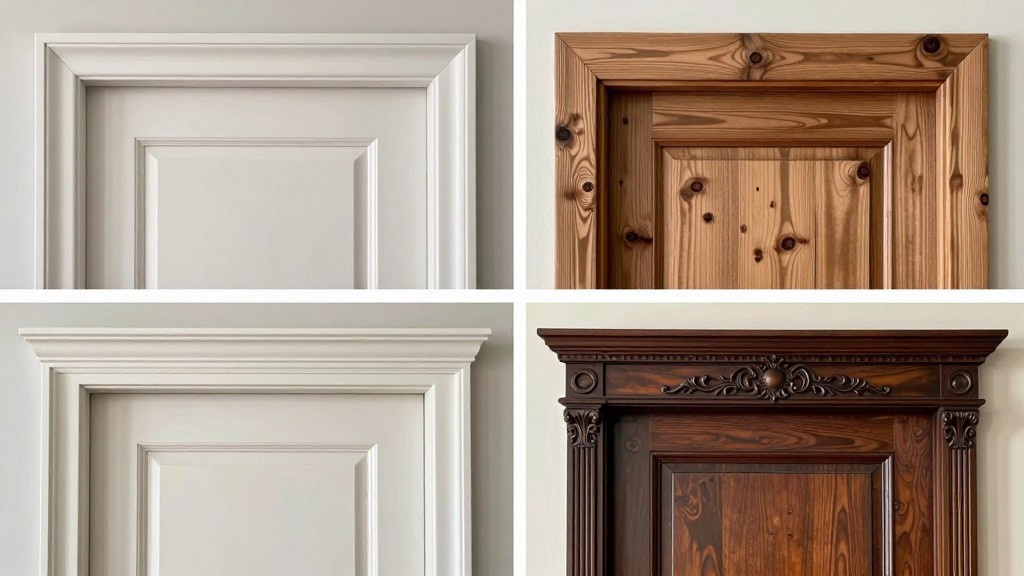
1. Flush Doors
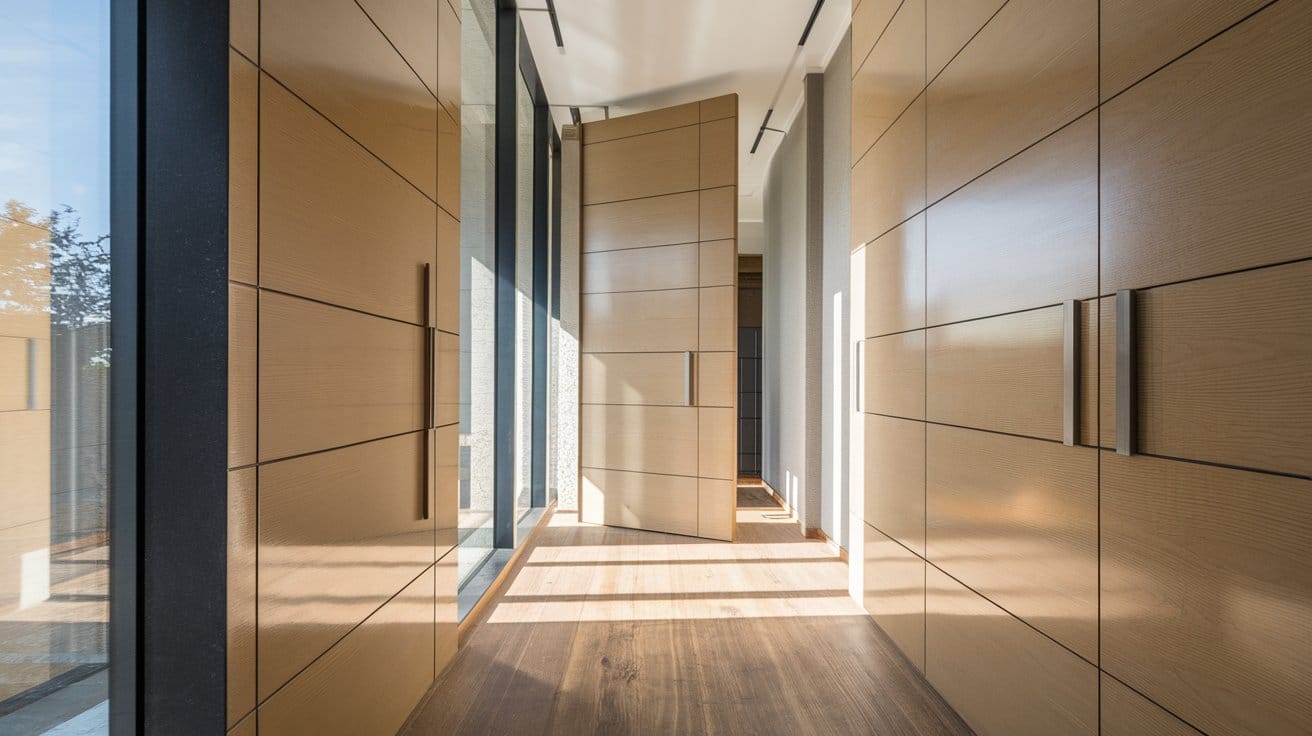
Flush doors have a smooth, flat surface with no raised panels or decorative elements. They’re the most budget-friendly option for mobile home interior doors.
Benefits:
- Cost-effective pricing
- Modern, minimalist look
- Easy to paint or stain
- Lightweight construction
Best for: Renters, tight budgets, contemporary home styles
2. Panel Doors
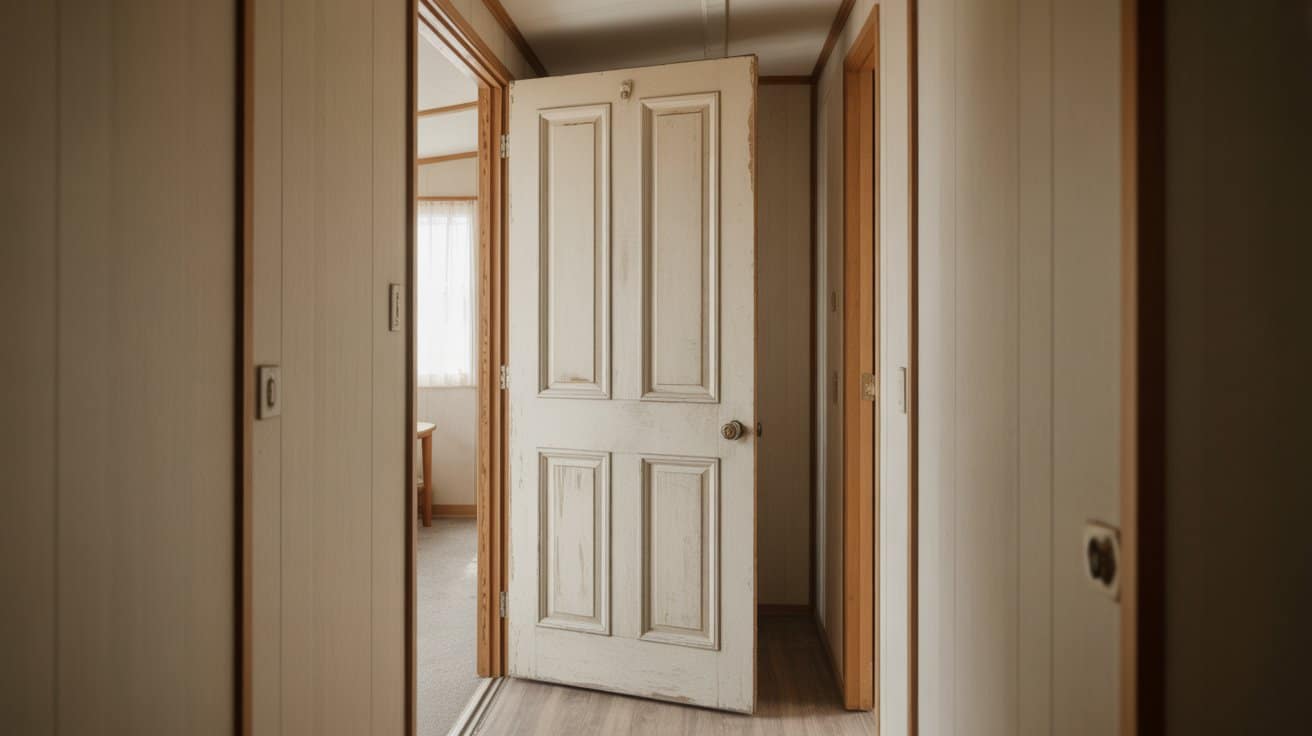
Panel doors feature raised or recessed rectangular sections that add visual interest. Common configurations include 2-panel, 4-panel, and 6-panel designs.
Benefits:
- Traditional, classic appearance
- More durable than flush doors
- Available in various panel patterns
- Adds character to rooms
Best for: Traditional decor, formal spaces, homes with architectural detail
3. Waterproof/WPC Doors
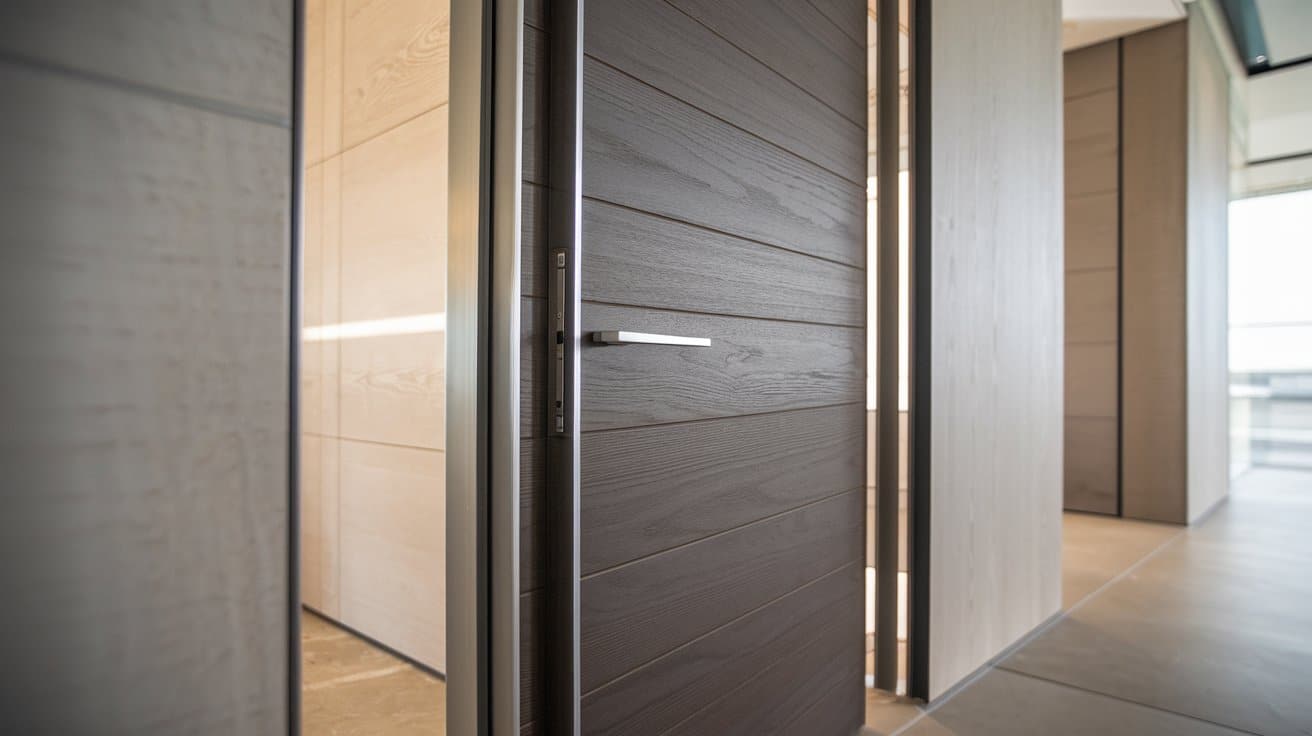
Water-resistant doors made from wood-plastic composite (WPC) handle moisture without warping or swelling. They combine wood fibers with plastic polymers.
Benefits:
- Won’t rot or deteriorate from moisture
- Resists mold and mildew
- Longer lifespan in wet areas
- Low maintenance requirements
Best for: Bathrooms, laundry rooms, areas near water sources
4. Sliding/Bifold Doors
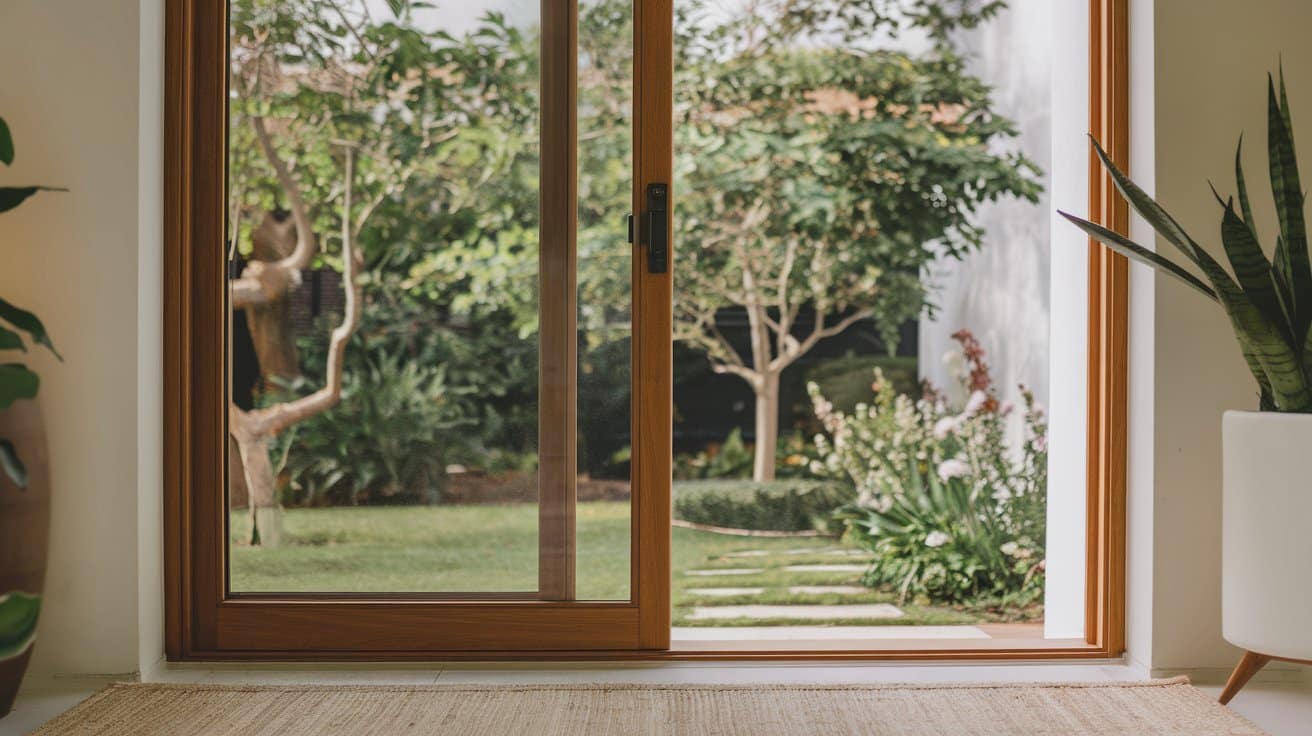
Space-saving doors work well in tight areas where swing clearance is limited. Sliding doors move along a track, while bifold doors fold in half.
Sliding door benefits:
- No floor space needed for swing
- Smooth operation
- Modern appearance
- Good for closets
Bifold door benefits:
- Wider opening access
- Compact when open
- Cost-effective
- Easy installation
Best for: Small bedrooms, closets, laundry areas with limited space
5. Barn Doors
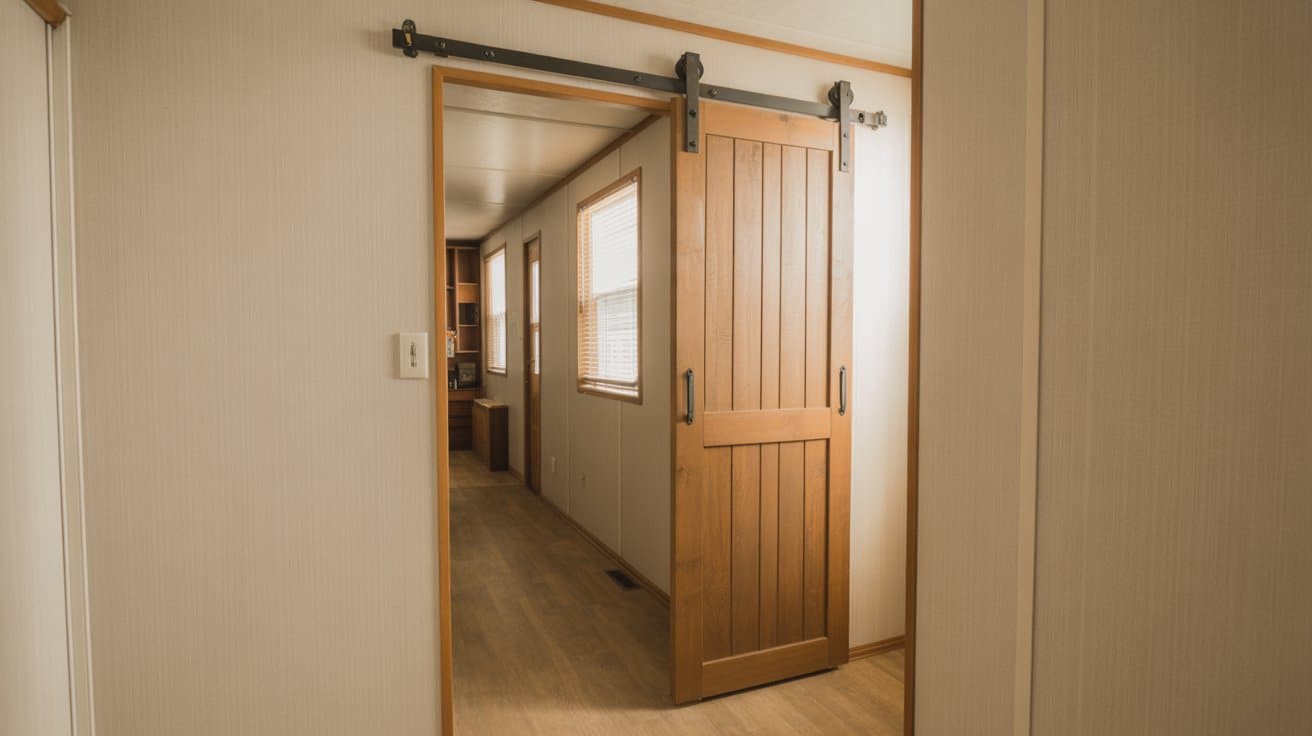
Barn doors slide along an exposed track mounted above the doorway, adding a rustic or modern accent while saving floor space.
Benefits:
- Space-saving design without a recessed wall cavity
- Stylish, customizable appearance with a range of finishes and hardware
- Adds character and visual interest to any room
- Easy to operate and versatile for various interior styles
Best for: Owners looking for a decorative touch, living rooms, bedrooms, closets, or pantries
Consider your room size, moisture levels, and style preferences when selecting interior mobile home doors. Each type serves different needs and budgets.
Once you know the different types and styles, the next step is choosing the right door. This buying guide will help you make the best decision for your mobile home.
Buying Guide for Mobile Home Interior Doors
Finding the right place to buy interior mobile home doors affects price, selection, and convenience. Here’s what each option offers.
Online Retailers
Buying your mobile home interior doors online offers convenience, a wide selection, and often competitive pricing, making it easier to find the perfect door without leaving home. Some options are:
- Mobile Home Parts Store
- Mobile Home Outfitters
- Lowe’s
- Home Depot
- Menards
- Amazon
- 84 Lumber
- McCoy’s Building Supply
- Builder’s Surplus
Physical/Local Stores
Visiting local stores lets you see and feel the doors in person, compare materials and finishes firsthand, and get expert advice from knowledgeable staff:
- Local hardware stores
- Mobile home supply centers
- Building material suppliers
- Specialty door shops
- Mobile home dealerships
Now that you’ve selected the right door for your mobile home, let’s look at how to install it properly with our step-by-step installation tips.
Installation Tips for Mobile Home Interior Doors
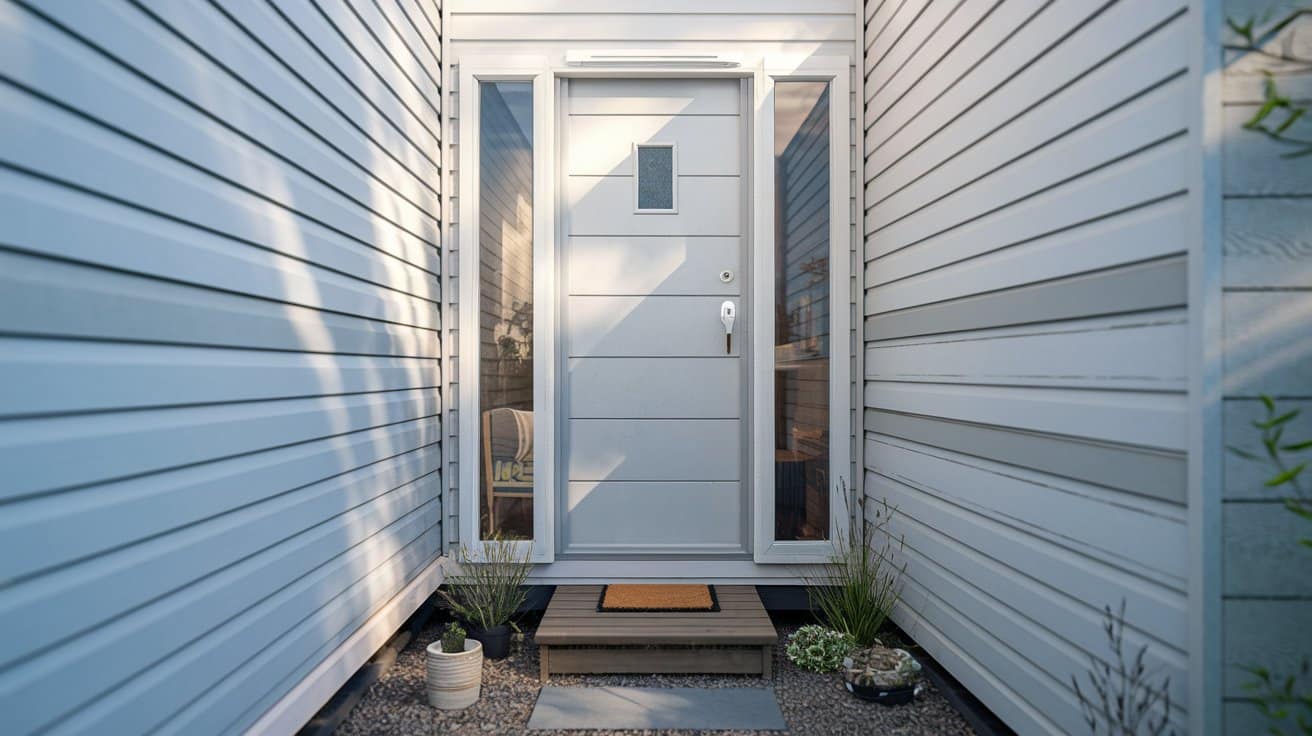
Installing interior mobile home doors correctly ensures smooth operation and proper fit. Here’s what you need to know.
Step 1: Remove Old Door
Remove the hinge pins from bottom to top. Lift the old door out of the frame.
Step 2: Check Frame Condition
Inspect the frame for damage, rot, or warping. Repair any issues before installing the new door.
Step 3: Mark Hinge Locations
Place the new door in the opening. Mark where the hinges will attach.
Step 4: Install Hinges
Chisel out mortises if needed. Attach hinges to the door first using the provided screws. Don’t overtighten.
Step 5: Hang the Door
Lift the door into place and attach the hinges to the frame. Use shims to adjust spacing if needed.
Step 6: Install Hardware
Attach the doorknob or handle. Install latch plate on frame. Test the operation before finishing.
With the right choice, proper installation, and a little care, your mobile home interior doors can combine style, functionality, and lasting durability, uplifting every room in your home.
Conclusion
Choosing the right interior mobile home doors starts with accurate measurements and knowing your specific needs.
Remember that mobile home doors differ from standard residential options in size, thickness, and weight.
Select materials based on room location; use moisture-resistant WPC for bathrooms and cost-effective hollow-core for bedrooms and closets.
Shop online for the best selection, or visit local stores to inspect quality firsthand. Proper installation and regular maintenance significantly extend the lifespan of the door.
Ready to upgrade your mobile home? Measure your openings, compare prices, and order interior mobile home doors that fit perfectly.
Start shopping today for durable, attractive doors that improve your home’s function and appearance.
Frequently Asked Questions
Are Mobile Home Interior Doors Different?
Yes, mobile home interior doors are lighter, thinner, and more affordable than standard doors, fitting smaller frames. They save space but are less soundproof.
Why Do Mobile Home Doors Have Gaps at The Bottom?
Mobile home doors often have bottom gaps to allow air circulation, accommodate flooring thickness, and prevent sticking in shifting or settling homes.
Why Do Mobile Home Back Doors Open Outward?
Mobile home back doors open outward to maximize interior space, improve safety during emergencies, and accommodate narrower door frames common in mobile homes.
How Much Should An Interior Door Cost?
Interior doors typically cost $50 to $150 for hollow-core, $150 to $330+ for solid-core, with installation adding $100 to $300.
Can You Put a Regular Door on A Mobile Home?
Yes, you can install a regular door on a mobile home, but frame modifications, wall reinforcement, and careful measurements are needed.