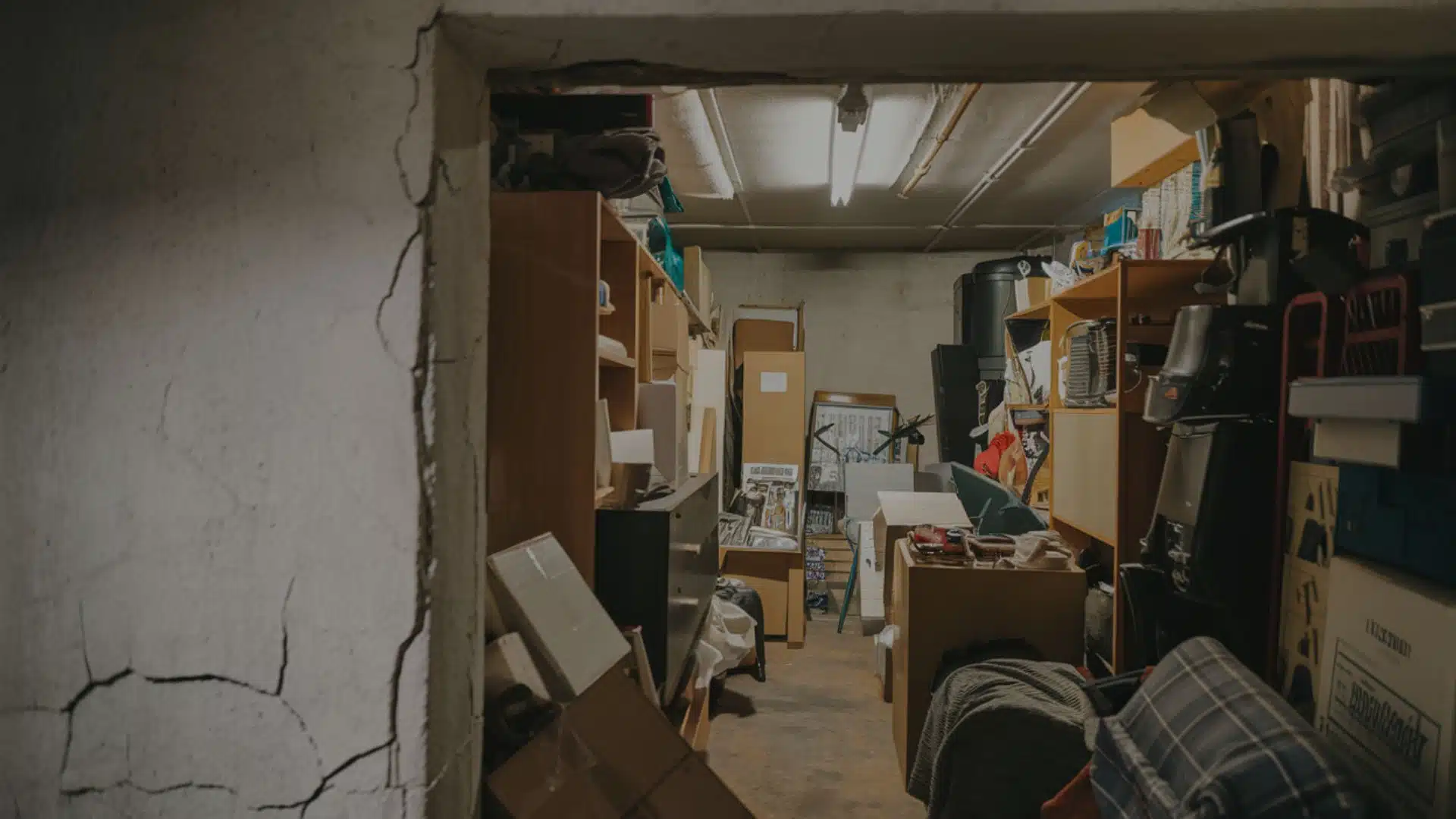
Have you noticed cracks forming in your basement walls and wondered what it might take to get them fixed?
This is a common concern for property owners. Foundation cracks can range from minor cosmetic issues to serious structural problems that demand immediate attention.
Knowing repair costs helps you budget appropriately and make informed decisions about protecting your home.
Whether you’re dealing with small surface cracks or larger structural concerns, knowing what to expect financially can ease your stress.
Knowing the cost estimates helps you plan your repair budget effectively.
In this blog, I’ll show you everything you need to know about the costs to fix the cracked foundation.
How Much Does Foundation Crack Repair Cost?
The cost of foundation crack repair typically ranges from $250 to $15,000, depending on the severity and type of damage.
Minor cosmetic cracks may only require simple sealing, while major structural issues may require extensive excavation and reinforcement, which can cost significantly more.
Most homeowners spend between $500 and $2,500 on standard basement wall crack repairs for moderate issues.
The national average for basement crack repair is around $1,200, though your costs may vary depending on several factors.
Getting multiple quotes from licensed contractors helps ensure you’re paying a fair price for quality work.
Cost by Types of Foundation Cracks
Different crack types require different repair approaches, which directly affect the total cost of fixing them. The kind of crack you have helps you anticipate the repair method and associated costs.
| Crack Type | Average Cost Range | Severity Level |
|---|---|---|
| Hairline Cracks | $250 – $800 | Low |
| Vertical Cracks | $500 – $2,000 | Low to Moderate |
| Horizontal Cracks | $1,500 – $10,000 | High |
| Stair-Step Cracks | $2,000 – $8,000 | Moderate to High |
| Settlement Cracks | $3,000 – $15,000 | High |
Horizontal and stair-step cracks often indicate serious structural problems that require immediate professional assessment and comprehensive repair.
Factors that Affect Repair Pricing
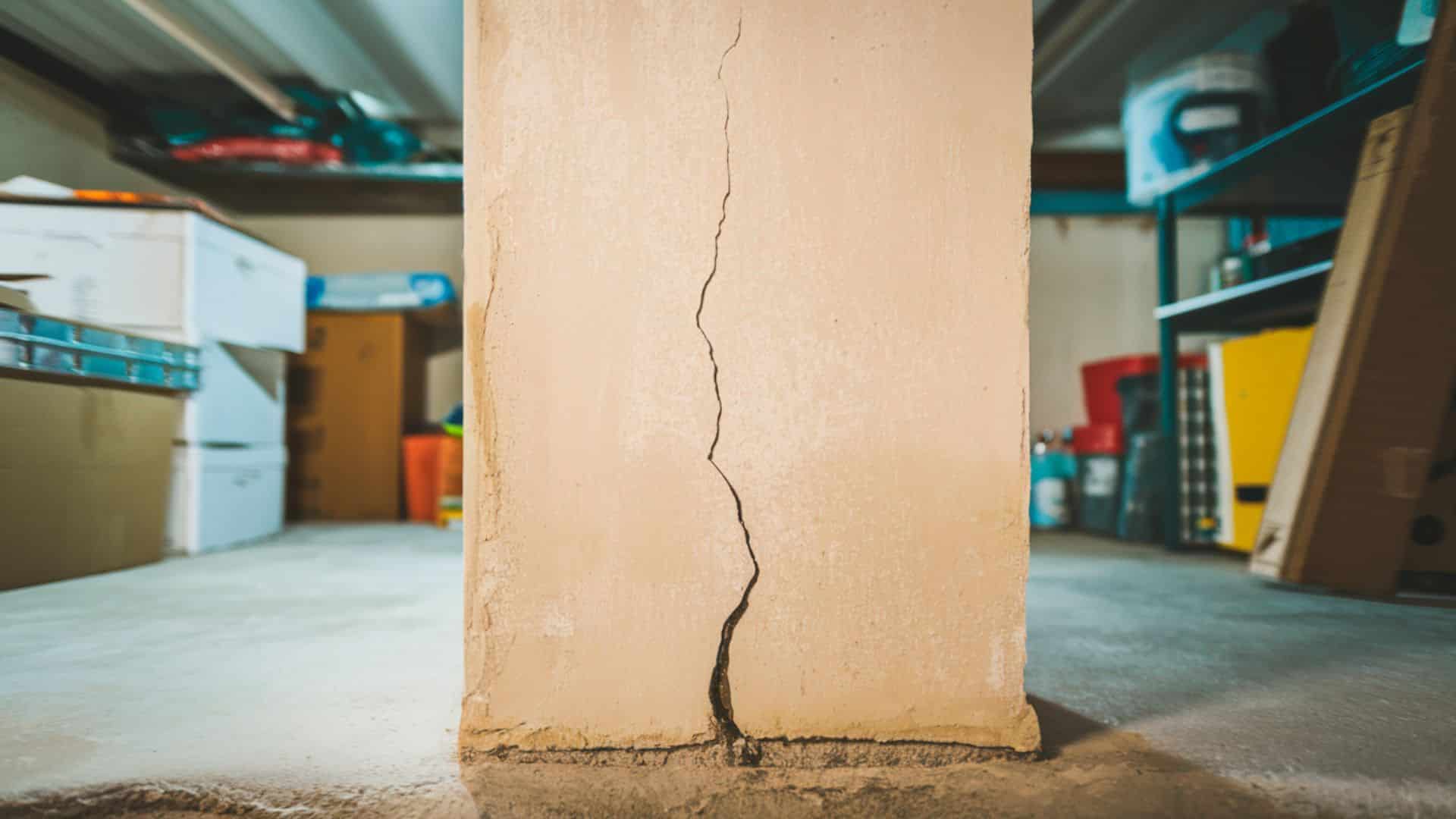
Several factors influence how much you’ll ultimately pay to fix cracks in your basement walls and foundation, depending on your specific situation and needs.
Crack Size and Severity
Larger cracks require more materials, labor, and time to repair properly, which increases the overall cost of the project significantly for most homeowners.
Location and Accessibility
Cracks in hard-to-reach areas or those requiring excavation around your home’s exterior will cost more to fix than interior repairs that don’t need digging.
Foundation Type
Poured concrete, concrete block, and stone foundations each require different repair techniques and materials, with varying price points, which affect what contractors will charge for the work.
Labor and Regional Costs
Contractor rates vary widely by location, with urban areas typically charging higher rates than rural areas due to higher demand and higher living expenses.
Underlying Causes
If poor drainage or soil issues caused the cracks, addressing those root problems significantly increases the total repair expense but prevents future damage.
Average Cost by Repair Method
The repair technique your contractor recommends will significantly impact your final bill for fixing basement wall cracks.
Different methods work better for specific crack types, and each comes with its own pricing structure and benefits.
Simple cosmetic repairs using epoxy or polyurethane injection typically cost less than methods requiring extensive structural work and reinforcement.
More involved techniques, such as installing carbon fiber straps or underpinning, provide stronger, longer-lasting solutions but come at higher prices.
- Epoxy Injection: $300 to $1,500 per crack; ideal for non-structural concrete cracks that need bonding and sealing.
- Polyurethane Foam Injection: $400 to $2,000, works well for active leaks and provides flexible waterproofing.
- Carbon Fiber Reinforcement: $1,500 to $5,000, strengthens bowed or cracked walls without major excavation.
- Steel I-Beams or Wall Anchors: $4,000 to $12,000, support severely bowed walls and prevent further movement.
- Underpinning: $8,000 to $15,000+, stabilizes settling foundations by extending them to deeper, stable soil.
DIY vs. Professional Foundation Repairs
Some minor cracks can be handled with DIY methods, while serious structural issues always require professional expertise and equipment.
| Aspect | DIY Repairs | Professional Repairs |
|---|---|---|
| Cost Range | $50 – $300 | $500 – $15,000 |
| Best For | Hairline, non-structural cracks | Structural cracks, bowing walls |
| Time Required | 2-4 hours | 1-5 days |
| Warranty | None | 1-25 years typical |
| Long-term Success | Variable results | High with proper installation |
Professional repairs offer warranties, proper diagnosis, and solutions that address underlying causes rather than just covering up visible symptoms.
Signs You Need Immediate Repair
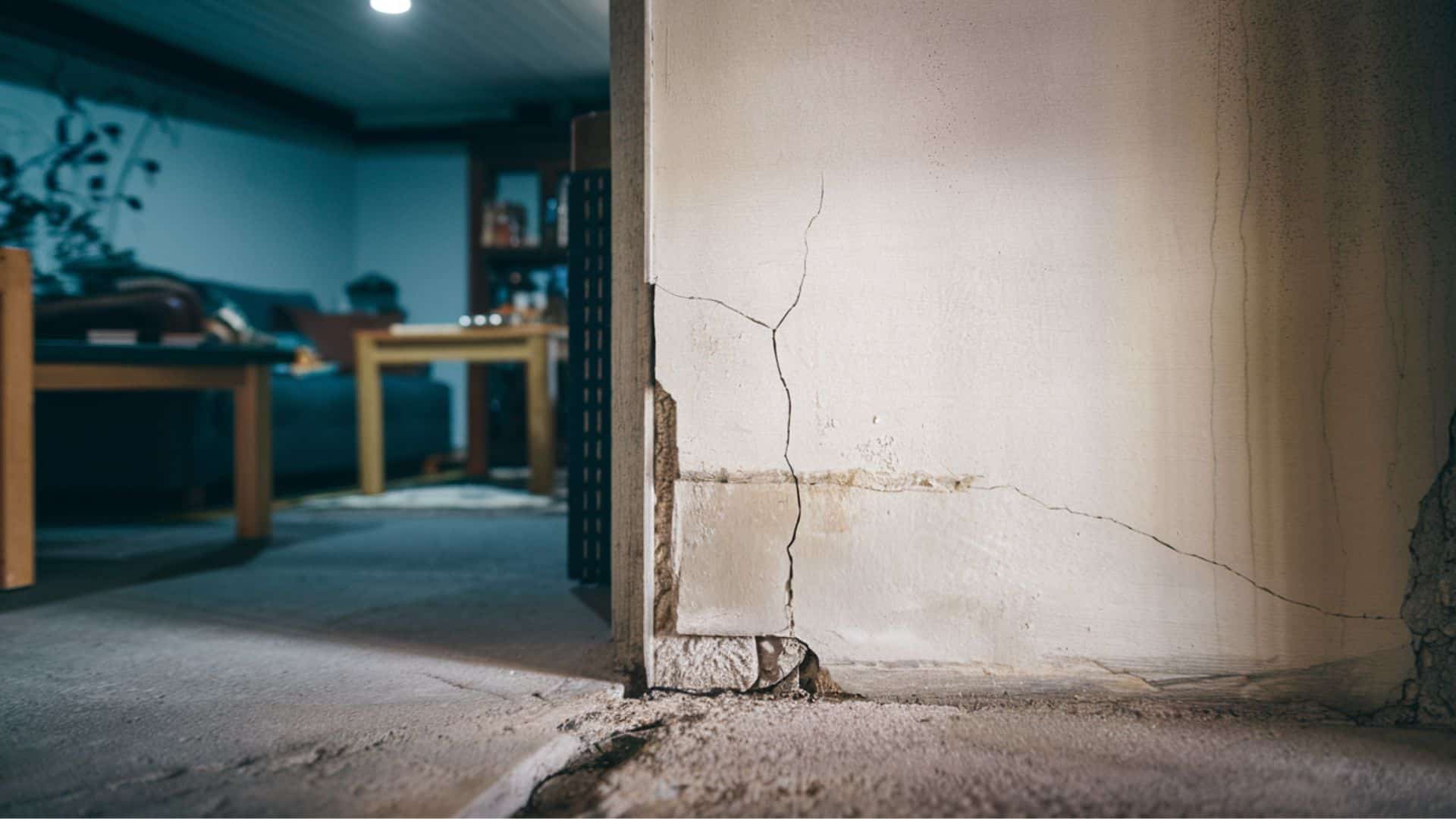
Certain warning signs indicate your foundation cracks need urgent attention before they worsen and create more expensive problems.
Neglecting foundation issues can weaken your home’s structure and raise repair expenses over time.
Horizontal or stair-step cracks: These patterns indicate significant pressure on your foundation walls, which could lead to collapse.
Water seepage: Moisture coming through cracks indicates waterproofing failure and potential for mold growth and structural deterioration.
Doors and windows sticking: Misalignment suggests foundation movement that’s affecting your entire home’s structural integrity.
Gaps between walls and ceilings: These indicate significant foundation settlement and require immediate professional evaluation.
Cracks wider than 1/4 inch: Large gaps allow water infiltration and suggest structural problems requiring prompt repair.
Bowing or bulging walls: Visible wall deformation shows extreme pressure that demands urgent reinforcement to prevent failure.
How to Prevent Future Foundation Cracks?
Taking preventive measures can help you avoid costly foundation repairs and maintain your home’s structural integrity over time.
Consider these simple tips
- Keep gutters clean and ensure downspouts direct water at least six feet away from your foundation perimeter.
- Grade your yard so surface water flows away from your house rather than pooling near the foundation.
- Install proper drainage systems, like French drains, if your property has persistent water problems.
- Maintain consistent moisture levels in the soil around your foundation to prevent expansion and contraction cycles.
- Avoid planting large trees too close to your house, as roots can cause pressure and steal moisture.
- Monitor your basement regularly for new cracks or changes to existing ones that might indicate problems.
Wrapping It Up
To summarize, repairing cracks in your basement walls requires careful consideration of severity, repair techniques, and professional expertise.
Repair prices can vary depending on the extent of damage and the complexity of work involved.
While minor issues might tempt DIY attempts, structural concerns always demand licensed contractors who provide warranties and lasting solutions.
Investing in proper fixes now prevents catastrophic failures and water damage later.
Don’t overlook warning signs such as horizontal fractures or wall deformation, which signal urgent action. Regular maintenance and smart drainage practices keep future issues at bay.
What concerns do you have about your basement? Share your questions below!