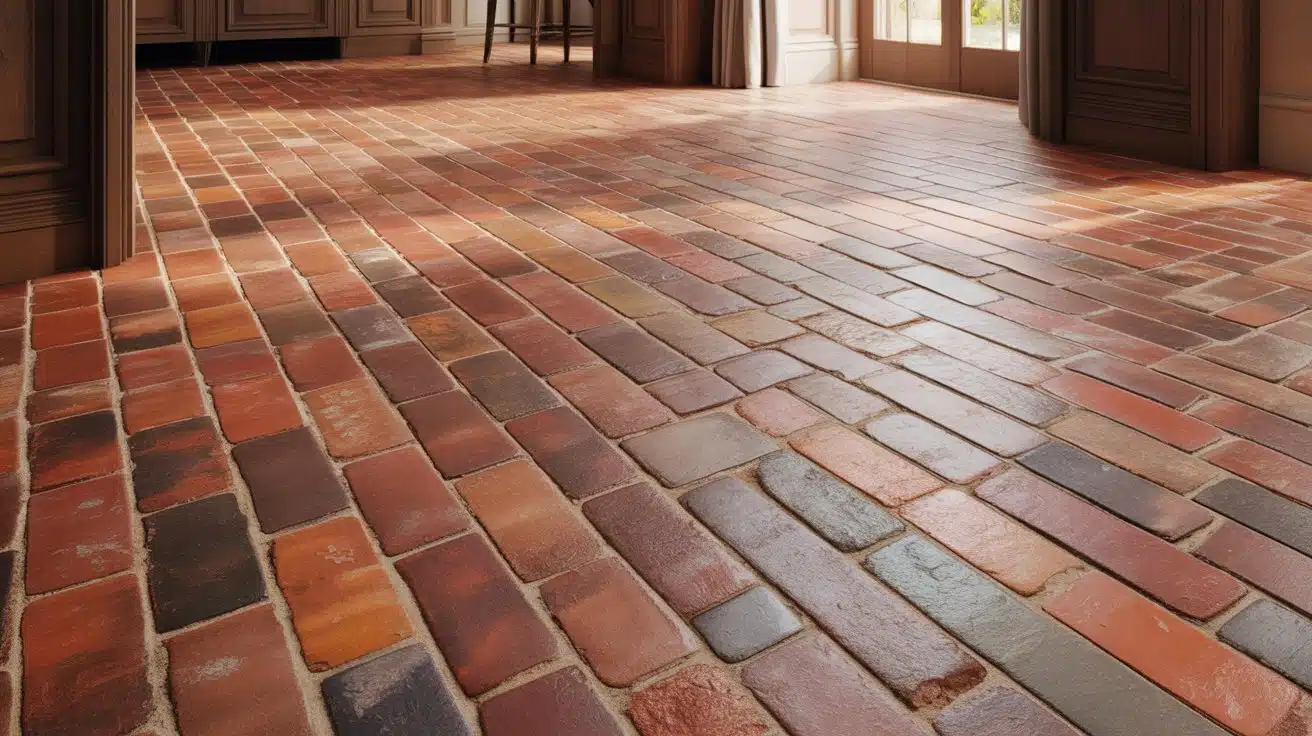
Looking for flooring that combines old-world character with modern durability?
Brick flooring has returned to residential design as owners seek natural materials with lasting appeal. Unlike temporary trends, brick floors offer years of service while maintaining their warm, natural appearance.
This guide covers everything you need to know about thin brick flooring, from learning the difference between full bricks and brick floor tile to choosing patterns and handling installation.
Renovating a kitchen or designing an entire home, you’ll learn how to select, buy, and care for brick floors that enhance your space without the complexity of traditional masonry.
See how brick flooring can bring timeless charm, practical durability, and unique texture to every room in your home.
What is Brick Flooring?
Brick flooring refers to floor surfaces made from fired clay bricks or thin brick tiles designed specifically for interior and exterior use. These materials bring a traditional, warm look to homes while offering practical benefits.
Traditional brick flooring uses full-thickness bricks, typically 2-3 inches thick. These work well for outdoor patios, walkways, and commercial spaces.
Thin brick floor tiles are the modern solution for owners. These tiles measure only ½ to ¾ inch thick. They weigh much less than full bricks but maintain the authentic look and texture.
The key differences include:
- Weight: Thin brick tiles are 70-80% lighter than full bricks
- Installation: Easier to handle and apply with standard tile adhesive
- Cost: More affordable per square foot
- Versatility: Can be installed over existing floors in many cases
Most thin brick options come in natural earth tones, such as reds, browns, oranges, and creams. Some products feature a weathered or reclaimed appearance, adding character.
Now that we know what brick flooring is, let’s see its advantages and drawbacks to see if it’s the right choice for your home.
Pros & Cons of Brick Flooring
Knowing both the benefits and limitations helps you decide whether brick flooring is the perfect choice and whether it fits your home’s style.
| Pros | Cons |
|---|---|
| Extremely durable and long-lasting | Hard surface underfoot |
| Warm and timeless appearance | Requires sealing and ongoing maintenance |
| Multiple layout patterns available | Higher upfront cost |
| Works indoors and outdoors | The surface can be uneven |
| Low environmental impact | Cold in the winter months |
With the pros and cons in mind, it’s important to know the key differences between full brick flooring and brick floor tiles before making a decision.
Choosing the Right Brick Flooring: Comparison
Choosing between traditional brick, thin brick tiles, and brick-look ceramic tiles depends on your specific needs and space.
1. Traditional Full Bricks
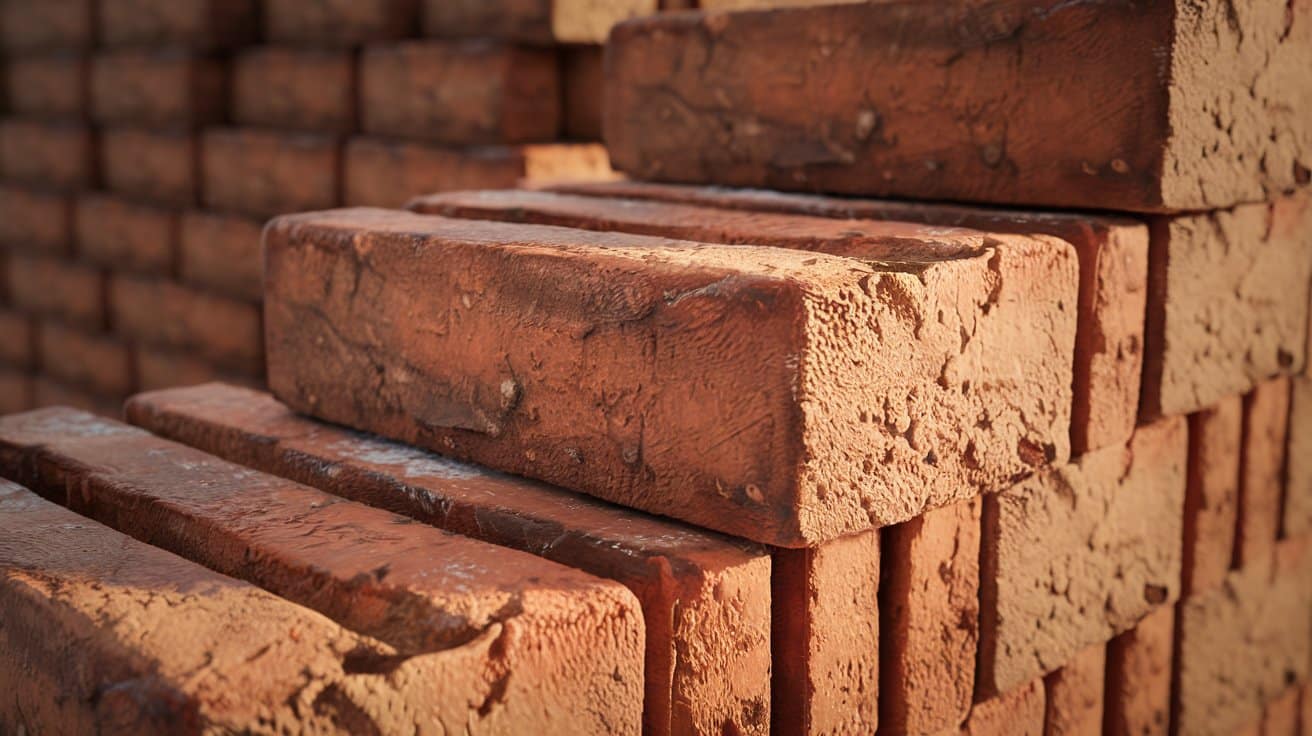
Full-thickness bricks work best for:
- Outdoor patios and pathways
- Garage floors
- Basement floors with concrete subfloors
- Commercial or industrial spaces
2. Thin Brick Floor Tiles
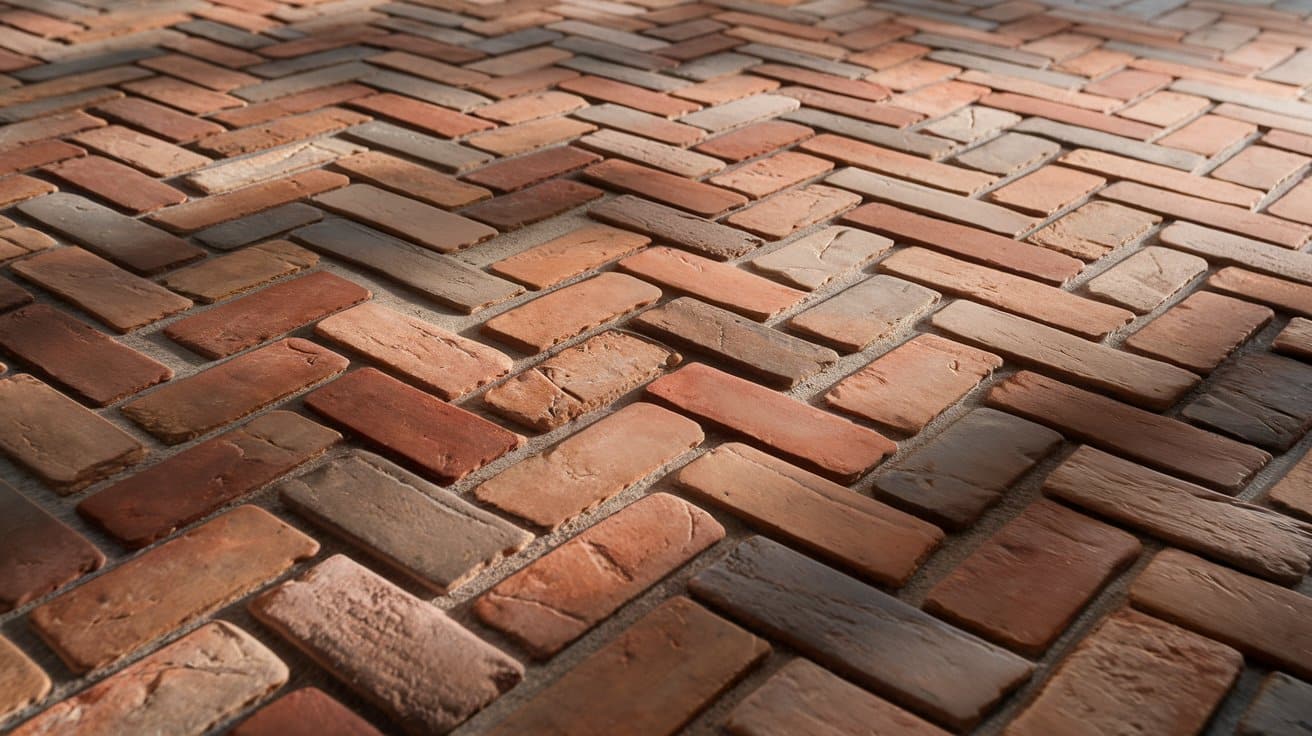
These are actual bricks cut into thin slices. Best for:
- Residential kitchens and dining rooms
- Entryways and mudrooms
- Sunrooms and enclosed porches
- Accent areas in living spaces
3. Brick-Look Ceramic or Porcelain Tiles
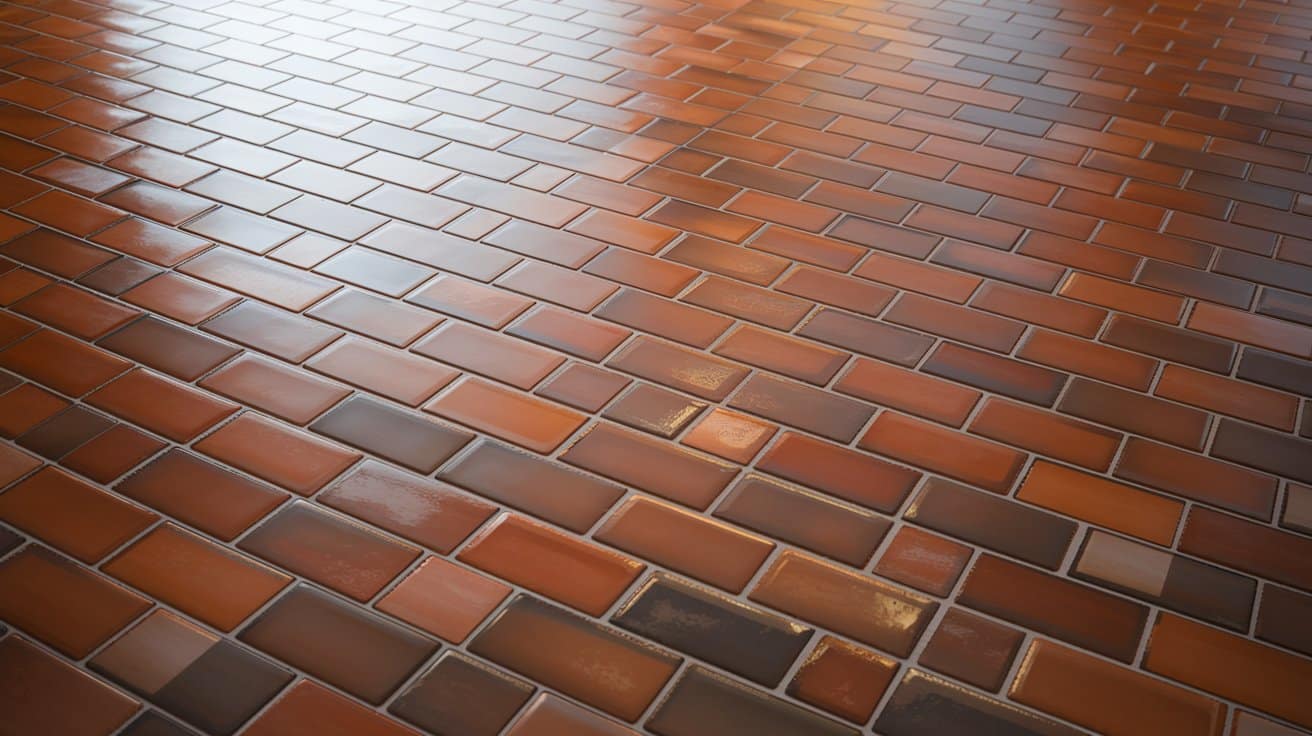
Manufactured tiles that mimic a brick appearance. Consider for:
- High-moisture areas like bathrooms
- Homes with very active use
- Budget-conscious projects
- Areas needing a warmer underfoot feel
With a clear knowledge of brick flooring types, it’s time to see how to choose the right option for your home.
How to Choose the Right Brick Flooring for Your Home?
Selecting the best brick flooring involves evaluating several practical factors specific to your space.
1. Indoor vs Outdoor Application
Indoor spaces need thin brick tiles. These work over plywood subfloors, concrete slabs, or existing tile. Outdoor areas can use either thin brick or full-thickness pavers. For covered porches, thin brick works well.
2. Foot Traffic Assessment
For high-traffic areas like kitchens and hallways, opt for smooth or lightly textured, hard-fired bricks in darker colors, and plan for more frequent sealing.
In low-traffic spaces such as dining rooms or home offices, you can choose more textured or decorative patterns, lighter colors, and seal less often.
3. Climate Considerations
In hot, humid regions, brick stays naturally cool but should be well-sealed to prevent moisture and mold. In cold climates, consider radiant heating or rugs and seal thoroughly to protect against snow damage.
In dry areas, brick performs well with less sealing, though textured surfaces may collect dust.
4. Surface Finish Selection
Smooth brick finishes are easier to clean, more comfortable underfoot, and show wear less, making them ideal for homes with young children.
Textured or tumbled finishes offer a more authentic, slip-resistant look that hides imperfections but requires more cleaning.
5. Color and Pattern Decisions
Red and orange offer a warm, traditional feel, browns and tans are neutral and versatile, mixed colors add visual interest and hide dirt, while whitewashed or painted bricks create a modern farmhouse look.
Once you’ve chosen the right type of brick flooring, the next step is to pick a pattern and style that complements your space.
Popular Brick Flooring Patterns & Styles
The pattern you choose affects both appearance and installation complexity. Here are proven options for residential brick floors.
1. Running Bond (Traditional Linear)
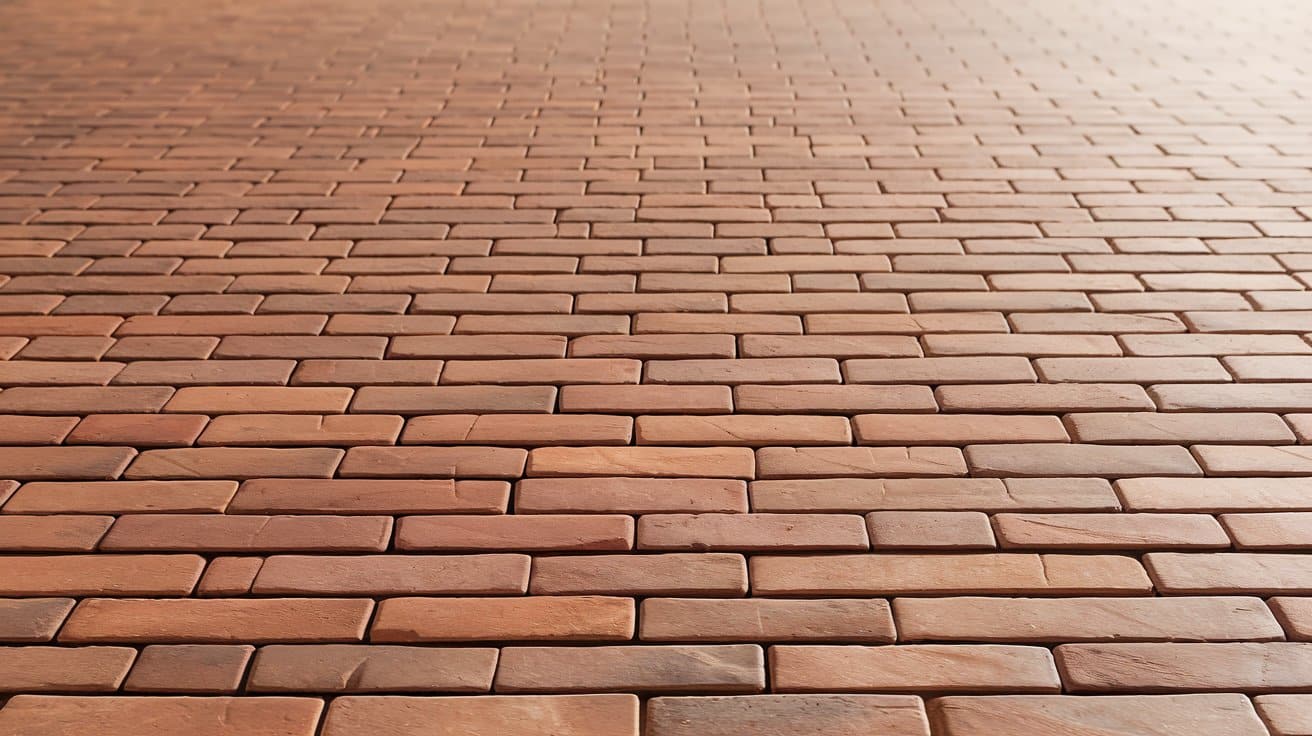
The most common brick floor pattern is the horizontal, half-offset layout. Ideal for hallways, kitchens, and rectangular rooms, it’s easy for DIY projects and creates a classic look that visually elongates space.
2. Herringbone
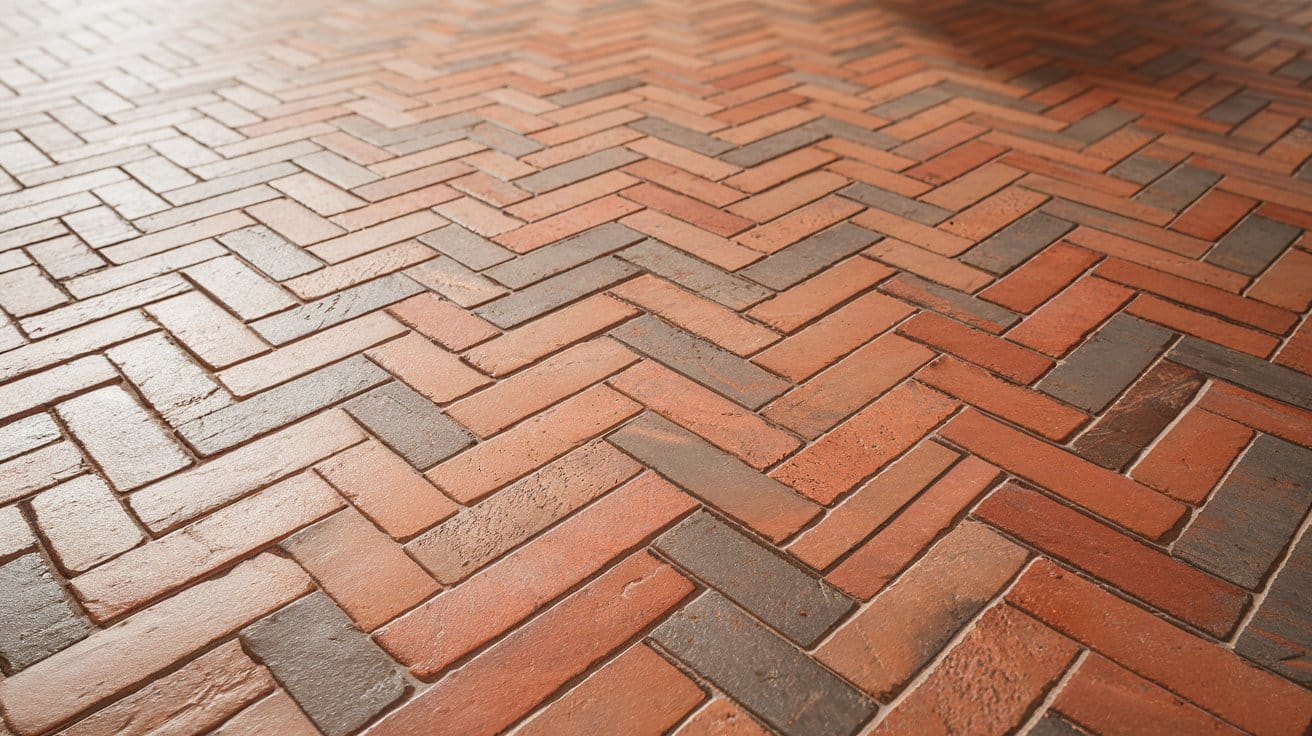
The herringbone pattern arranges bricks in a V-shaped zigzag, with each brick set at a 45-degree angle. Best for entryways, dining rooms, or feature areas, it adds movement, draws the eye, and can make rooms feel larger.
3. Basketweave
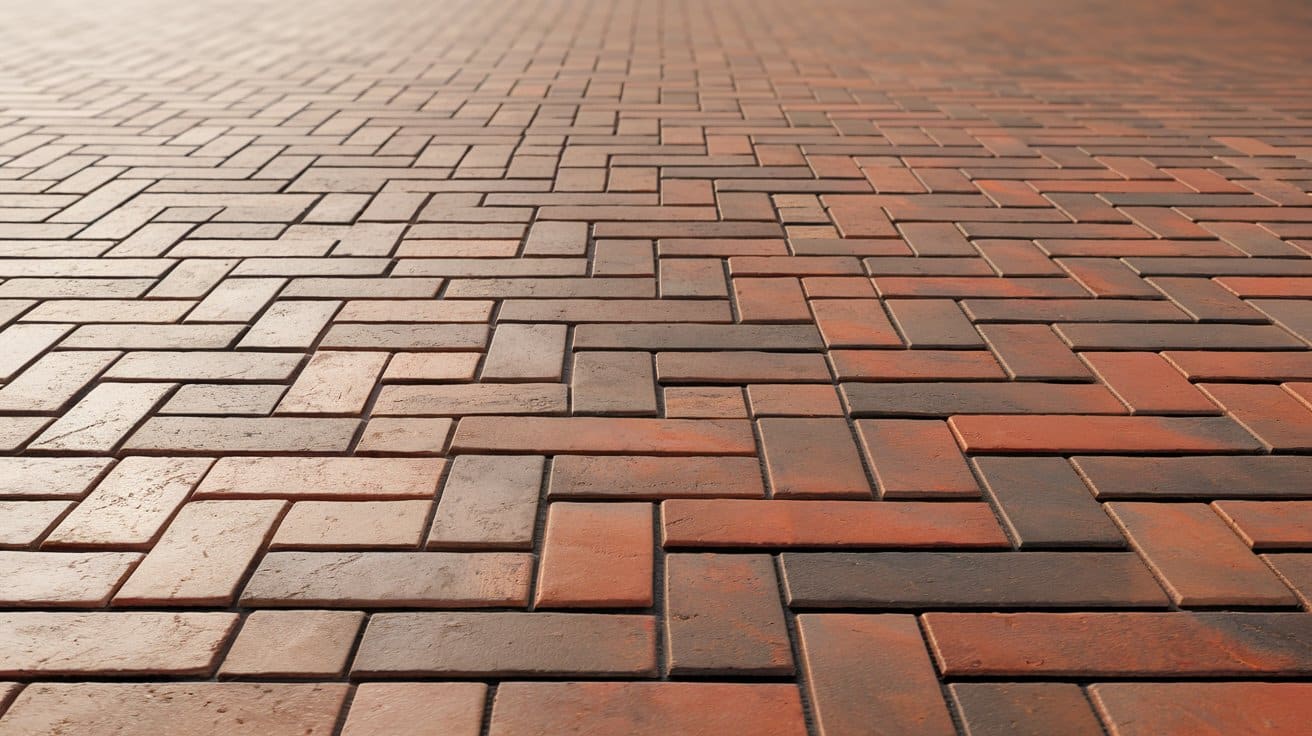
The basketweave pattern alternates pairs of horizontal and vertical bricks to create a woven look. Ideal for patios, mudrooms, and casual spaces, it adds traditional texture and requires careful alignment.
4. Stacked Bond
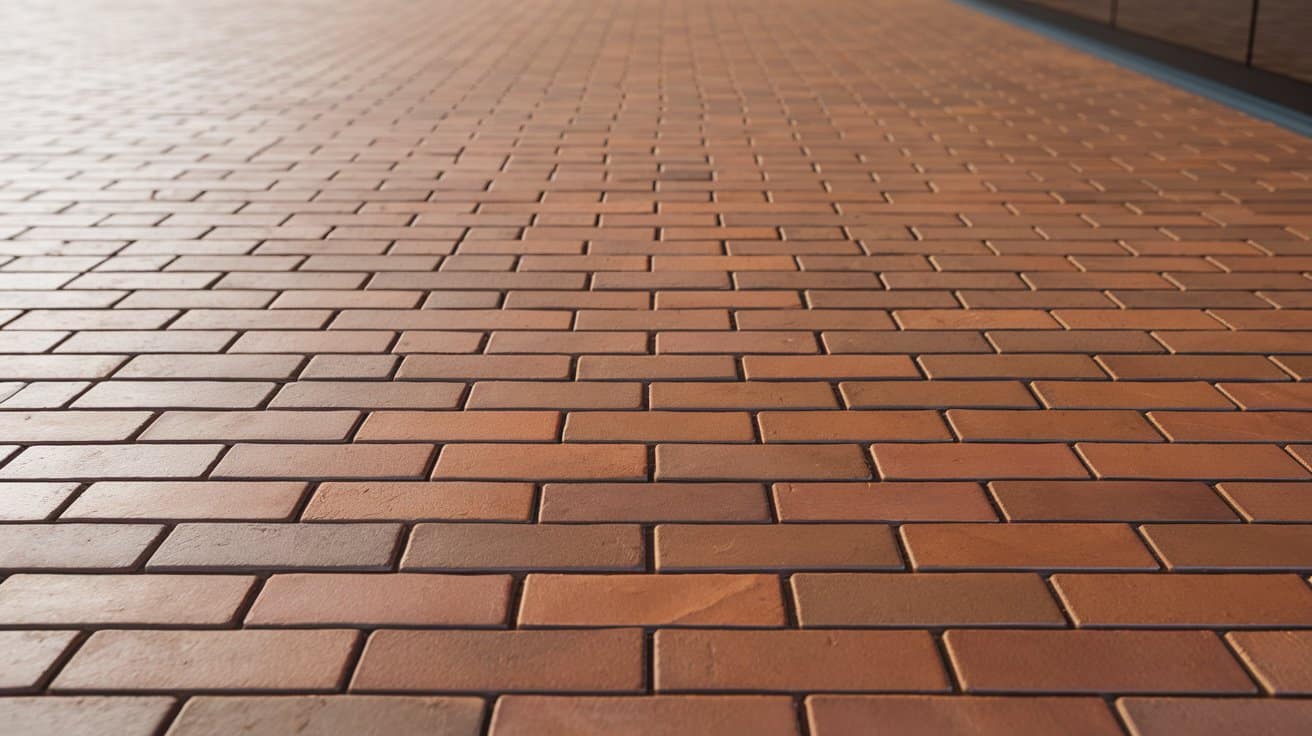
The stack bond pattern aligns bricks in perfect rows and columns, forming a clean grid. Best for modern or contemporary homes, it’s easy to install and creates a formal, orderly look.
Because it highlights size variations, it works best with uniform, precise tiles.
5. Pinwheel (Hopscotch)
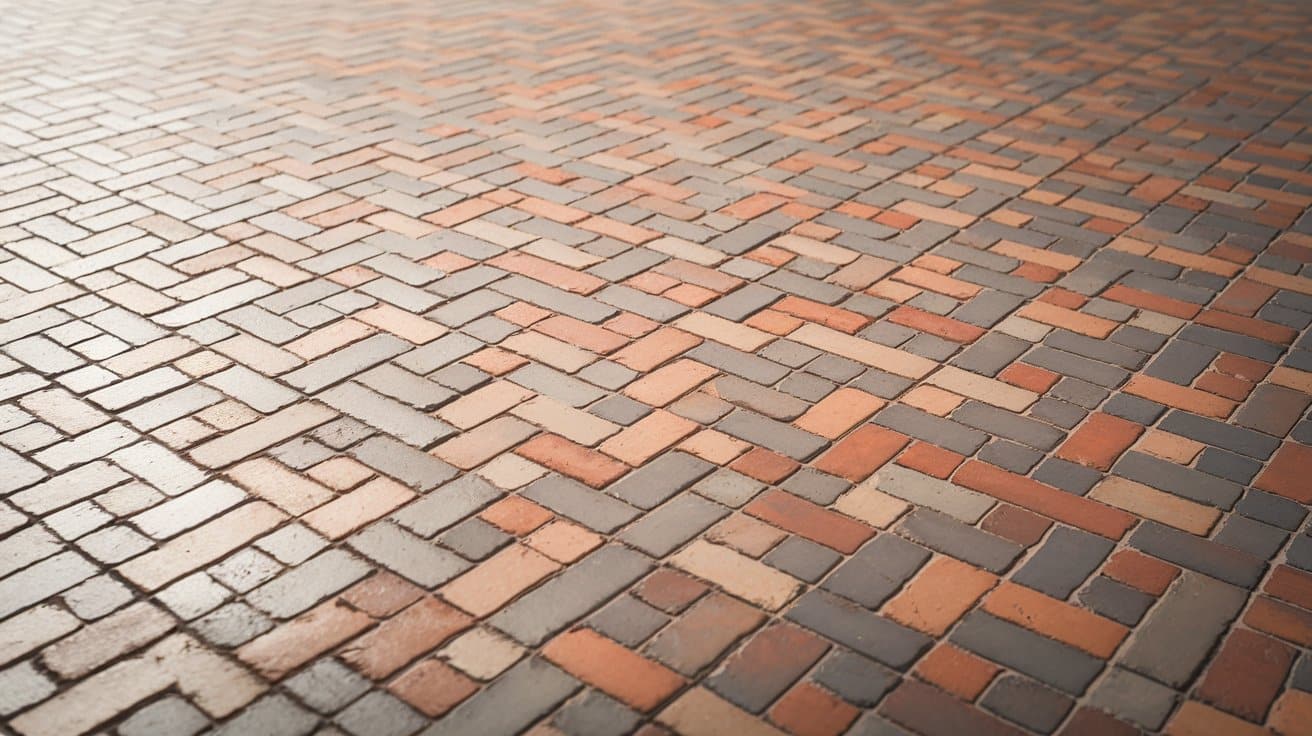
The pinwheel pattern alternates small square bricks with rectangular bricks in a rotating layout. Ideal for accent areas, small spaces, or decorative borders, it adds playful character and requires moderate skill due to varying brick sizes.
6. Reclaimed or Random Pattern
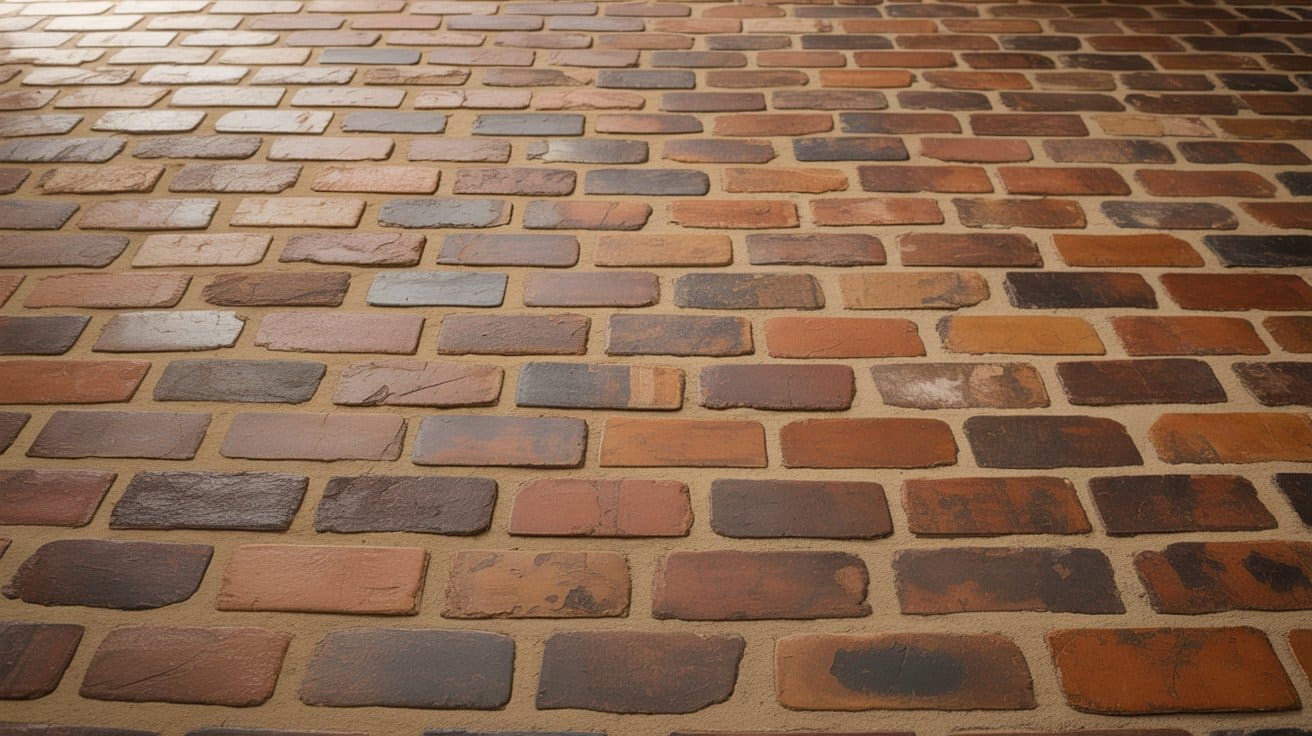
The random or eclectic pattern uses bricks of varying sizes and colors without a set layout. Perfect for farmhouse, rustic, or vintage-style homes, it creates an organic, authentic look and requires moderate planning to balance.
After selecting your preferred brick flooring and style, it’s essential to learn the installation process for a durable, beautiful result.
Installation Tips for Brick Flooring
Proper installation determines how well your brick floor performs and how long it lasts. Follow these guidelines whether you hire a professional or tackle the project yourself.
Plan your layout: Dry-lay bricks to determine cuts and pattern alignment. Start from the room center or the most visible wall.
Apply adhesive: Spread only as much as you can tile in 15-20 minutes. Don’t let it skin over.
Set bricks: Press firmly with a slight twisting motion. Use spacers for consistent grout lines (typical: ⅜ to ½ inch).
Check the level frequently: Use a long, straight edge. Adjust bricks before the adhesive sets.
Allow proper cure time: Wait 24-48 hours before grouting. Don’t walk on a freshly installed surface.
Grout joints: Use sanded grout for joints wider than ⅛ inch. Pack fully and clean excess within 20 minutes.
Clean and seal: Remove grout haze after 48 hours. Wait 1-2 weeks, then apply penetrating sealer.
Once you know how to install brick flooring, the next step is to find high-quality thin brick tile options that fit your design and budget.
Top Thin Brick Floor Tile Options to Buy
These floor-rated products offer quality, durability, and good value for residential projects.
- Glen-Gery Thin Brick Pavers (Genuine Thin Brick)
- Belden Brick Thin Paver Collection
- Old Mill Brick Cafe Collection (Thin Brick Tile)
- Daltile Reminiscent Collection (Brick-Look Porcelain)
- General Shale Thin Brick (Floor-Rated)
- Brick-It Handmade Thin Brick
Whether updating a single room or designing your dream home, brick flooring offers timeless beauty, durability, and character that only gets better with age.
Conclusion
Your home deserves flooring that works as hard as it looks good.
Brick flooring checks both boxes with its natural durability and warm character that improves over time. Thin brick tiles make this classic material accessible for modern renovations without major structural work.
Focus on three critical decisions: match the brick type to your traffic patterns, commit to regular sealing schedules, and choose installation methods that fit your skill level.
The initial investment pays off through decades of performance and a look that synthetic materials simply can’t replicate.
Take time to order samples, calculate true project costs including sealing and maintenance, and don’t rush the decision. Your floor is a long-term commitment; make it count.