Does your fireplace need to be put out, but you’re not sure which is the safest method?
Knowing how to properly put out a fireplace fire prevents house fires, chimney damage, and serious burns.
Many owners make critical mistakes when extinguishing fires: using water on hot brick, leaving embers unattended, or disposing of ashes too soon.
This guide provides clear, step-by-step instructions for safely putting out a fire in a fireplace.
You’ll learn essential safety preparations and proven techniques that protect your home and family from fire-related accidents.
By following these methods, you can enjoy your fireplace worry-free. Safe practices make a cozy fire much more enjoyable.
Fireplace Safety Tips: How to Prevent Fires Before They Start
The best way to put out a fire in a fireplace is to prevent problems in the first place. Regular maintenance stops most issues.
1. Use the Right Wood
Choose seasoned wood that has been dried for 6 to 12 months, and avoid wet or green wood. Store firewood off the ground, cover the top, and allow for airflow to keep it properly seasoned.
The best types of firewood are oak, maple, ash, and birch, while pine, other softwoods that spark, and treated, painted, or stained wood should be avoided.
2. Chimney Cleaning
- Creosote causes most chimney fires.
- Clean at least once a year; twice if used frequently.
- Professional cleaning includes the flue, structure, damper, cap, and debris check.
- Immediate cleaning if creosote is>1/8 inch thick, glazed, has a strong odor, or is falling off.
3. Maintain Airflow and Ventilation
While burning, avoid overloading logs, leave space between them, keep the fire screen in place, and never close the damper.
Watch for warning signs such as smoke in the room, a struggling fire, sooty glass, or blackened bricks. If smoke persists, contact a professional for help.
4. Use Fire Screens and Space Logs Properly
- Keep a sturdy fire screen in place whenever the fireplace is in use to prevent sparks from escaping.
- Avoid overloading the fireplace with logs to maintain safety.
- Leave adequate space between logs to ensure proper airflow.
5. Wear Protective Gear
Handling logs and adjusting a live fire can be dangerous. Wearing heat-resistant gloves protects your hands from burns while allowing you to safely manage the fire.
Even small sparks or sudden shifts in burning logs can cause serious injuries if precautions are not taken.
While preventing fires is the first line of defense, it’s equally important to know how to safely put out a fire if the unexpected happens. Here’s a step-by-step guide to handling a fireplace fire.
Step-by-Step Guide to Putting Out a Fireplace Fire
Essential Tools You Need
Keep these items within easy reach when you have a fire burning:
- Metal poker for moving logs
- Long-handled shovel for ash removal
- Fire screen to contain sparks
- Metal ash bucket with a tight lid
Follow these steps in order for safe results. Rushing causes accidents. Patience and attention ensure the best outcome
Step 1: Stop Adding Fuel
Don’t add more logs when you want the fire to end. This takes 30 minutes to 2 hours, depending on the size of the wood.
Step 2: Spread the Embers and Logs
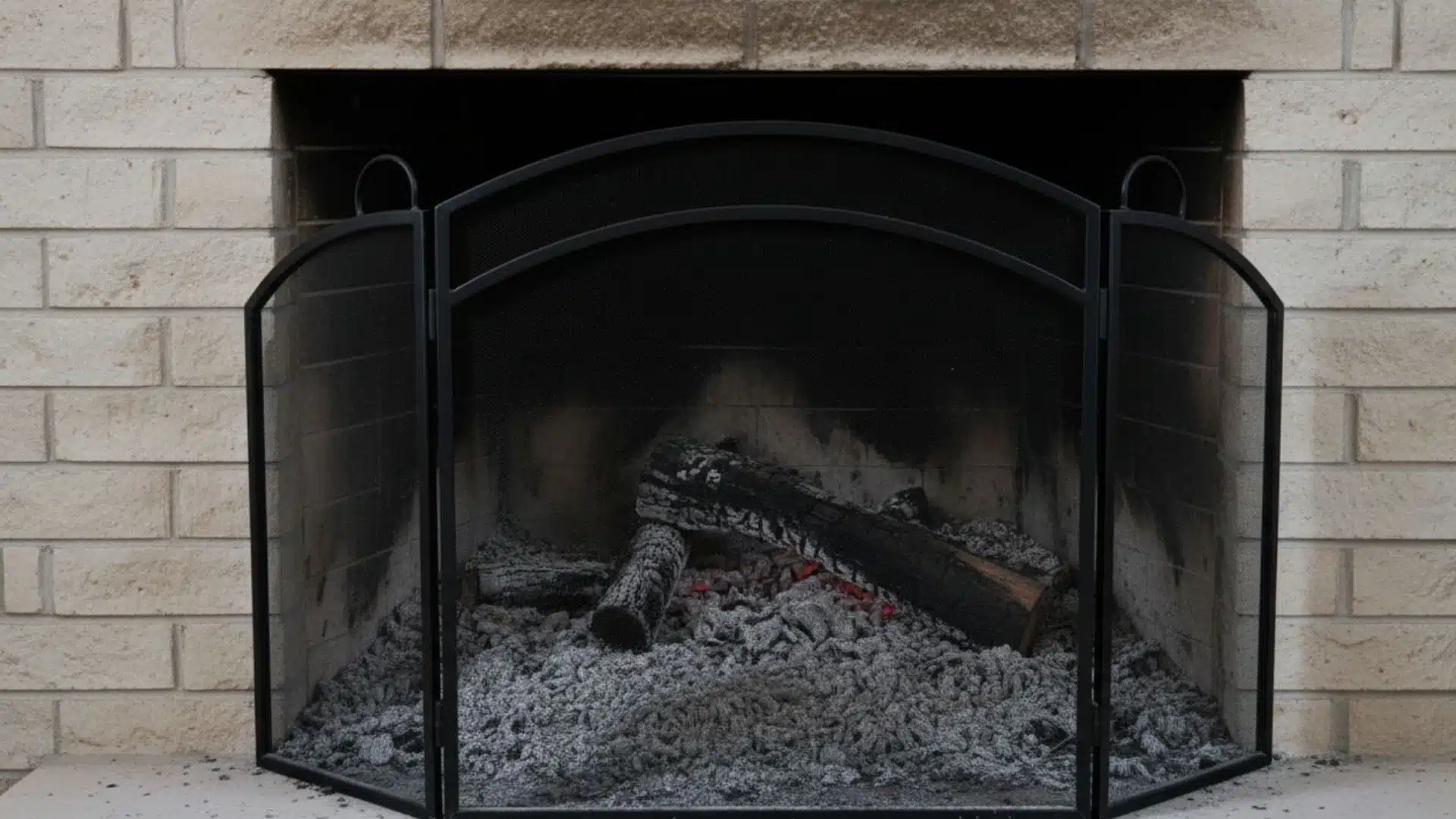
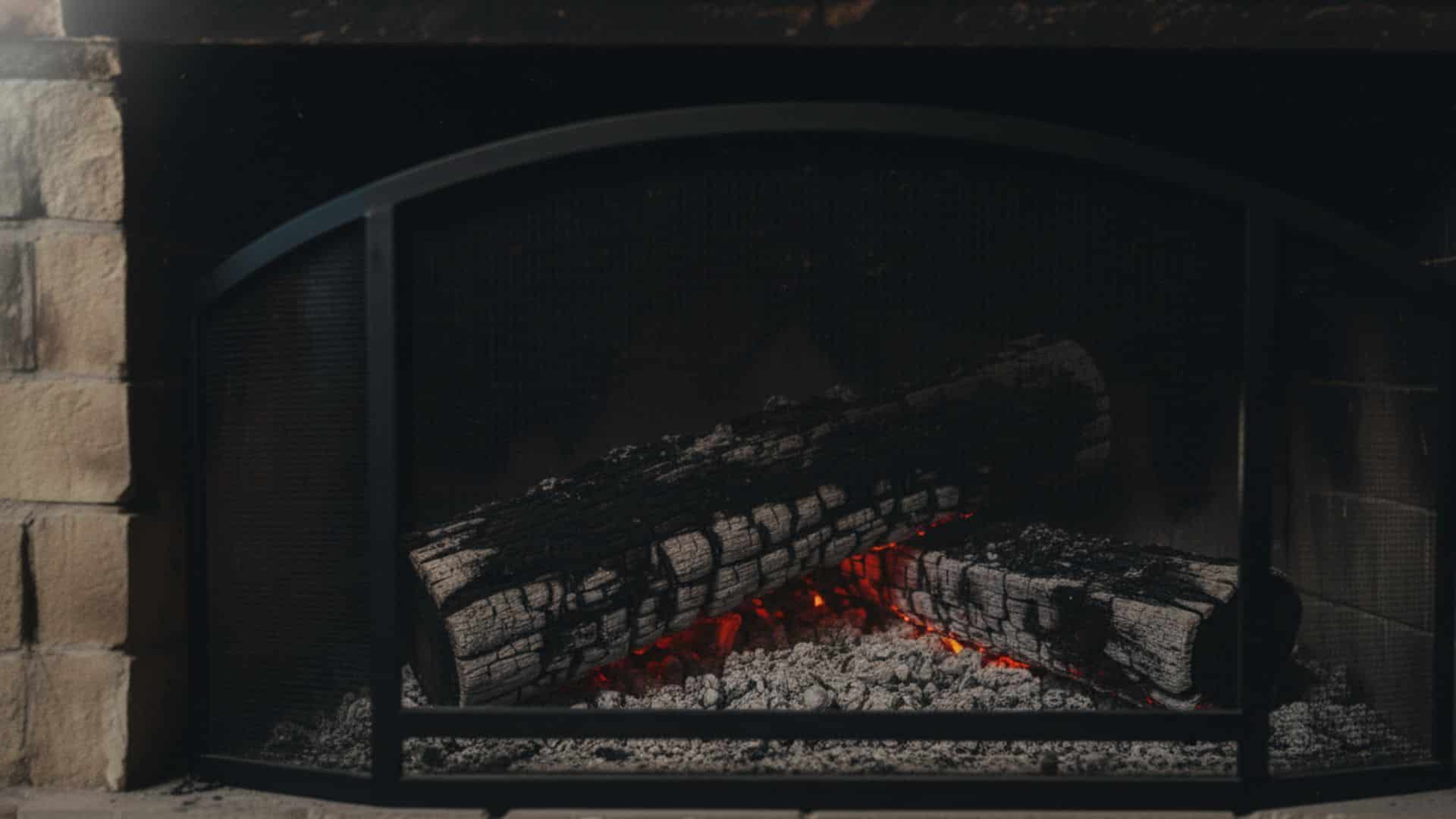
Use your metal poker to spread burning logs apart. Push the logs gently apart, then spread the embers across the firebox floor. Keep the fire screen in place while you work
Step 3: Smother Remaining Heat and Embers
For small embers, sprinkle baking soda directly on them. Never pour water directly on hot masonry, and only use water as a last resort in an emergency
Step 4: Wait for Complete Cooling
This cooling period is crucial when you safely put out a fire in a fireplace. Embers that look dead can still be dangerously hot.
Step 5: Dispose of Ashes Safely
Scoop ashes into your metal bucket. Store the bucket outside on concrete or dirt and wait 24-48 hours before dumping it in the trash.
Even with precautions in place, mistakes happen; knowing the most common errors when putting out a fireplace fire can help you stay safe.
Common Mistakes to Avoid When Extinguishing a Fire
Even experienced fireplace users make these errors. Knowing them helps you stay safer.
Paying attention to these details prevents costly damage, and following proper techniques protects your home and loved ones from fire-related accidents.
| Mistake | What Happens | Safe Alternatives / Tips |
|---|---|---|
| Pouring Water on Hot Masonry | Can crack bricks, damage mortar, and cause steam burns due to thermal shock. | Use a fine-mist spray only in emergencies. Let the fire burn down naturally, spread logs to cool it, and use baking soda on the embers. |
| Leaving Fire Unattended | Logs can roll out, sparks can land on carpets, children or pets may get too close, leading to house fires. | Always stay in the room while the fire burns, use a sturdy screen, and fully extinguish it before leaving or going to bed. |
| Ignoring Sparks Outside the Fireplace | Sparks can land on rugs, in firewood piles, or on decorations, potentially causing delayed ignition. | Sweep sparks back into the firebox, maintain a 3-foot clear zone, use a proper fire screen, and keep flammable items away. |
| Not Disposing of Ashes Safely | Ashes remain hot long after the fire is out and can reignite if handled incorrectly. | Use metal containers, store outside on concrete, and wait at least 48 hours before disposal. Avoid plastic, cardboard, or storing near structures. |
Avoiding these common mistakes makes sure your fireplace fire is put out safely, protecting both your home and loved ones.
Conclusion
Learning how to safely put out a fireplace fire protects your home from preventable accidents.
Follow the complete cooling process, dispose of ashes properly in metal containers, and never rush the extinguishing steps.
Regular chimney maintenance and the use of seasoned wood help prevent dangerous creosote buildup that can cause chimney fires.
Keep safety equipment nearby and always supervise active fires. If you notice signs of a chimney fire, roaring sounds, dense smoke, or flames in the flue, call 911 immediately.
Apply these techniques every time you use your fireplace. Safe practices today prevent emergencies tomorrow.
What safety steps will you add to your next fire?