Do modular homes depreciate over time?
This question stops many buyers from considering factory-built housing. The truth might surprise you.
Modular homes typically appreciate like traditional houses when built correctly. The confusion often comes from mixing up modular and manufactured homes, two very different products.
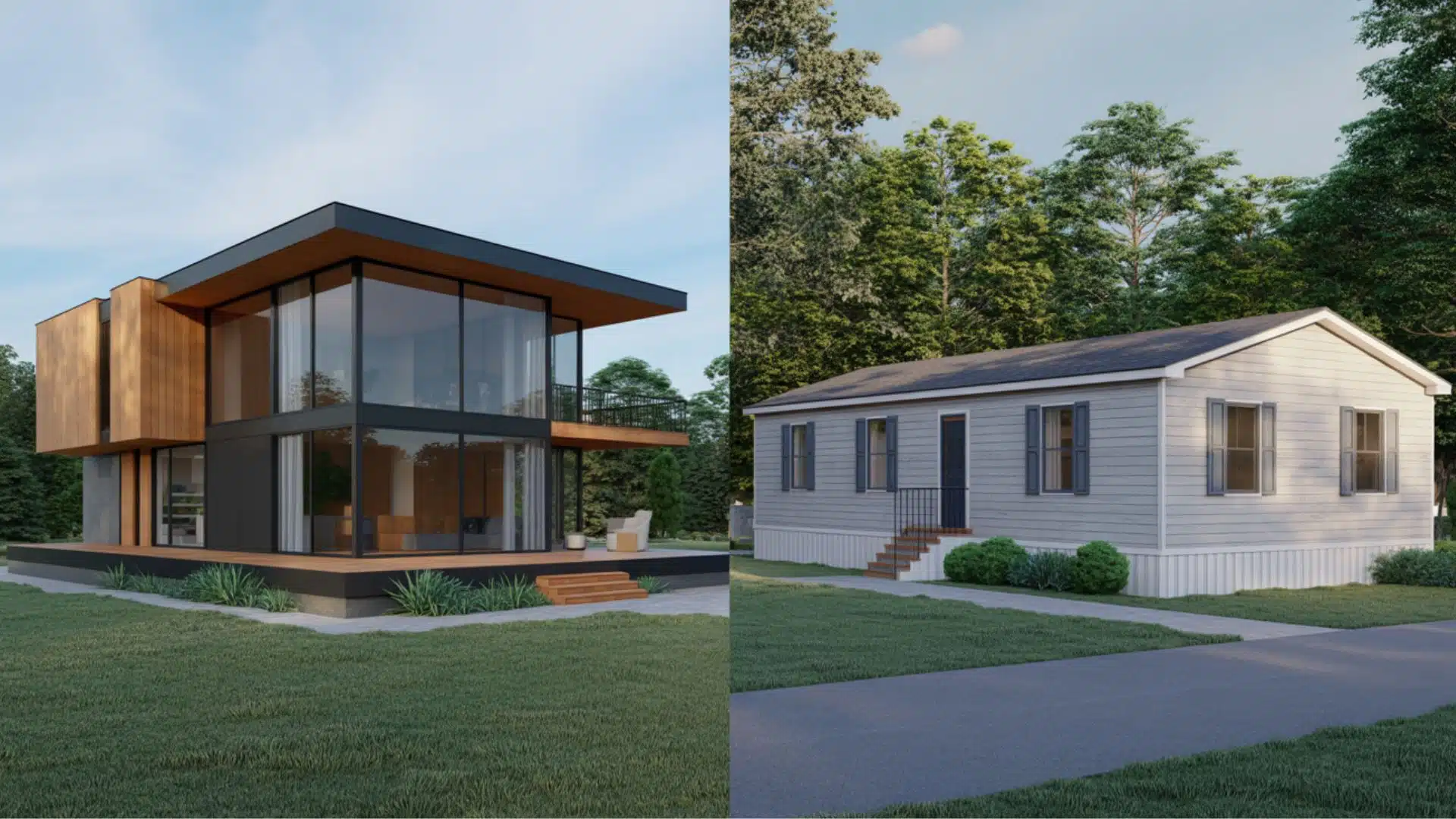
Modular homes follow local building codes and sit on permanent foundations. Manufactured homes are subject to federal HUD standards and may depreciate.
This guide explains how modular homes hold value, what affects appreciation rates, and how they compare to manufactured housing.
Knowing these differences helps you make smarter housing decisions and protect your investment for years ahead.
What is a Modular Home?
A modular home is built in sections at a factory and then transported to your property for assembly.
These homes follow the same building codes as traditional houses, either the International Residential Code (IRC) or the regulations in your state.
The construction happens in a controlled environment. Each section is built with precision. Once complete, the modules are delivered to your site. Crews then assemble them on a permanent foundation.
Key characteristics include:
- Built to local or state building codes
- Requires a permanent foundation
- Cannot be moved after installation
- Same quality standards as site-built homes
- Eligible for traditional mortgage financing
The quality matches traditional construction. Materials are identical. The only difference is where the building happens, in a factory instead of on your land.
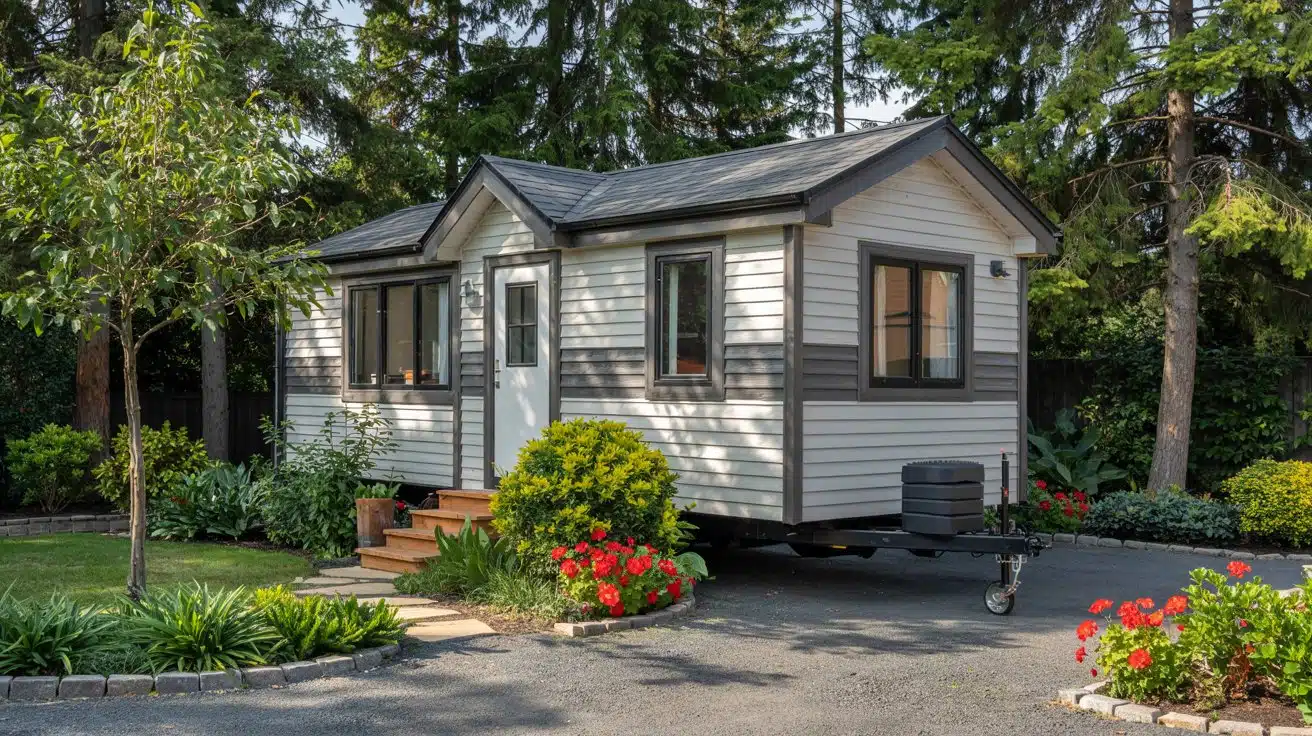
What is a Manufactured (Mobile) Home?
Manufactured homes follow different rules. The federal government regulates them through HUD (Department of Housing and Urban Development) standards, not local building codes.
Important distinctions:
- Built to HUD Code, not IRC
- Often placed on leased land
- May sit on a non-permanent foundation
- Designed with mobility features
- Typically financed through chattel loans
The construction quality differs from that of modular homes. HUD standards are less strict than most local building codes. This affects durability and lifespan.
Many manufactured homes sit in communities where you rent the land. You own the structure but not the ground beneath it. This setup creates unique challenges for value retention.
Manufactured homes are affordable and flexible, but their value often depends on land and foundation. This sets the stage for how modular homes hold or lose value over time.
Do Modular Homes Depreciate?

Research shows that modular homes appreciate at rates similar to those of site-built homes when installed correctly.
A study found that modular homes on permanent foundations maintain value comparably to traditional construction.
Real estate data supports this. In stable or growing markets, modular homes gain value at the same pace as their site-built neighbors. The key factors are:
- Proper installation on a permanent foundation
- Compliance with local building codes
- Location in established neighborhoods
- Regular maintenance and updates
Value retention depends on initial quality, site preparation, market conditions, and home maintainance.
Multiple lending institutions now offer the same mortgage terms for modular and site-built homes. This equal treatment reflects confidence in modular home values.
Scenarios Where Depreciation Could Occur
Even though modular homes typically appreciate, certain situations can reduce value:
- Poor maintenance
- Unfavorable locations
- Mistaken identity
- Installation problems
- Documentation gaps
To prevent depreciation:
- Keep detailed records of all work
- Follow recommended maintenance schedules
- Address repairs promptly
- Update outdated features
- Maintain curb appeal
Modular homes usually retain or increase in value when well-built and maintained, but manufactured homes tend to depreciate .
Do Manufactured Homes Appreciate?

Manufactured homes face different value pressures than modular homes. Historical data shows they often lose value, especially in the first several years.
This is because HUD construction standards are less demanding than IRC codes. This affects durability.
Mobility features work against value. Even if you never move the home, it was designed to be movable. This means lighter materials, different construction techniques, and less permanent installations.
Land lease situations create the biggest challenge. When you don’t own the land, you face:
- Monthly lot rent that can increase
- Risk of community closure
- No equity growth from land value
- Difficulty finding buyers willing to take over the lease
Buyers view these homes differently. Many see them as temporary housing rather than permanent investments. This perception affects demand and pricing.
Exceptions: When Manufactured Homes Can Appreciate
Not all manufactured homes lose value. Specific conditions allow them to gain worth over time.
Permanent foundation placement changes everything. This opens doors to:
- Better financing options
- Lower insurance costs
- Standard home mortgages
- Improved resale potential
Land ownership provides stability. When you own both home and land, you control more variables. Land typically gains value. This can offset any depreciation on the structure itself.
Strategic location choices matter greatly. Manufactured homes in desirable areas with limited housing supply may appreciate. High-quality neighborhoods with good schools and amenities support values.
Quality and age play roles. Newer manufactured homes built to modern HUD standards are better constructed than older models. Homes from reputable manufacturers with good maintenance records perform better.
Market conditions can override typical patterns. In areas with housing shortages or rapid growth, all housing types gain value. Strong markets lift all boats.
Regardless of type, a home’s value ultimately depends on location, upkeep, and market conditions.
Factors That Affect Home Value

A home’s value isn’t determined by construction type alone. Several key factors, from location to upkeep, play a critical role in how much it appreciates or depreciates.
1. Location and Neighborhood
Where you place your home matters more than how it was built. A modular home in a strong market with good schools and low crime will gain value. The same home in a declining area may struggle.
Consider these location factors:
- School district quality
- Distance to employment centers
- Crime rates and safety
- Property tax rates
- Neighborhood growth trends
Manufactured homes face additional location challenges. Land ownership plays a major role. If you own the land, your home sits on a firmer foundation, both literally and financially.
2. Construction Quality & Compliance
Building codes determine long-term value. Modular homes must meet the same standards as on-site-built homes. This includes structural requirements, electrical systems, plumbing, and energy efficiency.
For modular homes:
- IRC or local code compliance
- Regular inspections during construction
- Same materials as site-built homes
- Built to withstand transportation and assembly
For manufactured homes:
- HUD Code compliance only
- Less stringent structural requirements
- Different material standards
- May not meet local building codes
The difference shows up over time. Homes built to stricter codes last longer. They handle the weather better. They require fewer repairs. All of this protects value.
3. Foundation & Land Ownership
Your foundation type affects whether your home counts as real property. Real property gains value. Personal property often loses value.
Modular homes require permanent foundations. This means concrete footings, crawl spaces, or basements. The home becomes permanently part of the land.
Manufactured homes may sit on:
- Concrete slabs
- Pier and beam systems
- Steel frame foundations
- Temporary support structures
When a manufactured home lacks a permanent foundation, lenders view it as personal property. Personal property loses value over time. Land ownership matters equally.
4. Financing & Market Perception
How buyers finance their purchase affects value. Traditional mortgages signal stability. They show that lenders trust the property will hold value.
Modular home financing:
- Eligible for conventional mortgages
- FHA and VA loan approval
- Similar rates to site-built homes
- Standard 15- or 30-year terms
Manufactured home financing:
- Often limited to chattel loans
- Higher interest rates
- Shorter loan terms (10-15 years)
- Smaller pool of potential buyers
Market perception creates a feedback loop. When buyers know they can get good financing, demand increases. Higher demand supports values.
Some appraisers and real estate agents still misunderstand modular homes. They may mistake them for manufactured homes. This can temporarily affect appraisals, but the trend is improving as education spreads.
Modular Homes vs Manufactured Homes: Comparison
Knowing the differences helps explain why values diverge. Recognizing these distinctions allows for more informed decisions and clearer communication.
| Feature | Modular Homes | Manufactured Homes |
|---|---|---|
| Construction Code | IRC or local building codes | HUD federal standards |
| Foundation Type | Permanent (required) | Often semi-permanent or temporary |
| Financing Options | Standard mortgages, FHA, and VA | Chattel loans, limited mortgage options |
| Expected Longevity | 50+ years with maintenance | 20-40 years typical |
| Appreciation Potential | Similar to site-built homes | Often depreciates; exceptions exist |
| Customization Level | High – same as site-built | Limited by HUD requirements |
| Installation | Requires crane and foundation work | Can be installed on various foundations |
| Moving After Install | Not possible without destruction | Difficult but sometimes possible |
| Property Classification | Real property | Often personal property |
| Resale Market | Similar to traditional homes | Smaller buyer pool |
| Insurance Costs | Standard owners rates | May require specialized coverage |
| Inspection Requirements | Same as site-built homes | HUD inspection only |
This comparison shows why modular homes typically hold value better. They align more closely with traditional housing in construction, financing, and legal classification.
Conclusion
Modular homes generally appreciate when maintained well and placed correctly.
They follow the same building codes as site-built houses, qualify for traditional mortgages, and perform similarly in real estate markets. Regular inspections and timely upgrades can further protect their value.
Manufactured homes often depreciate unless they sit on permanent foundations and are owned with the land. Learning the long-term costs and potential resale challenges is crucial.
The key difference lies in construction standards, foundation type, and property classification.
Your home’s value depends on location, maintenance, quality documentation, and market conditions more than construction method.
Choose wisely, maintain consistently, and treat your modular home like any quality real estate investment.