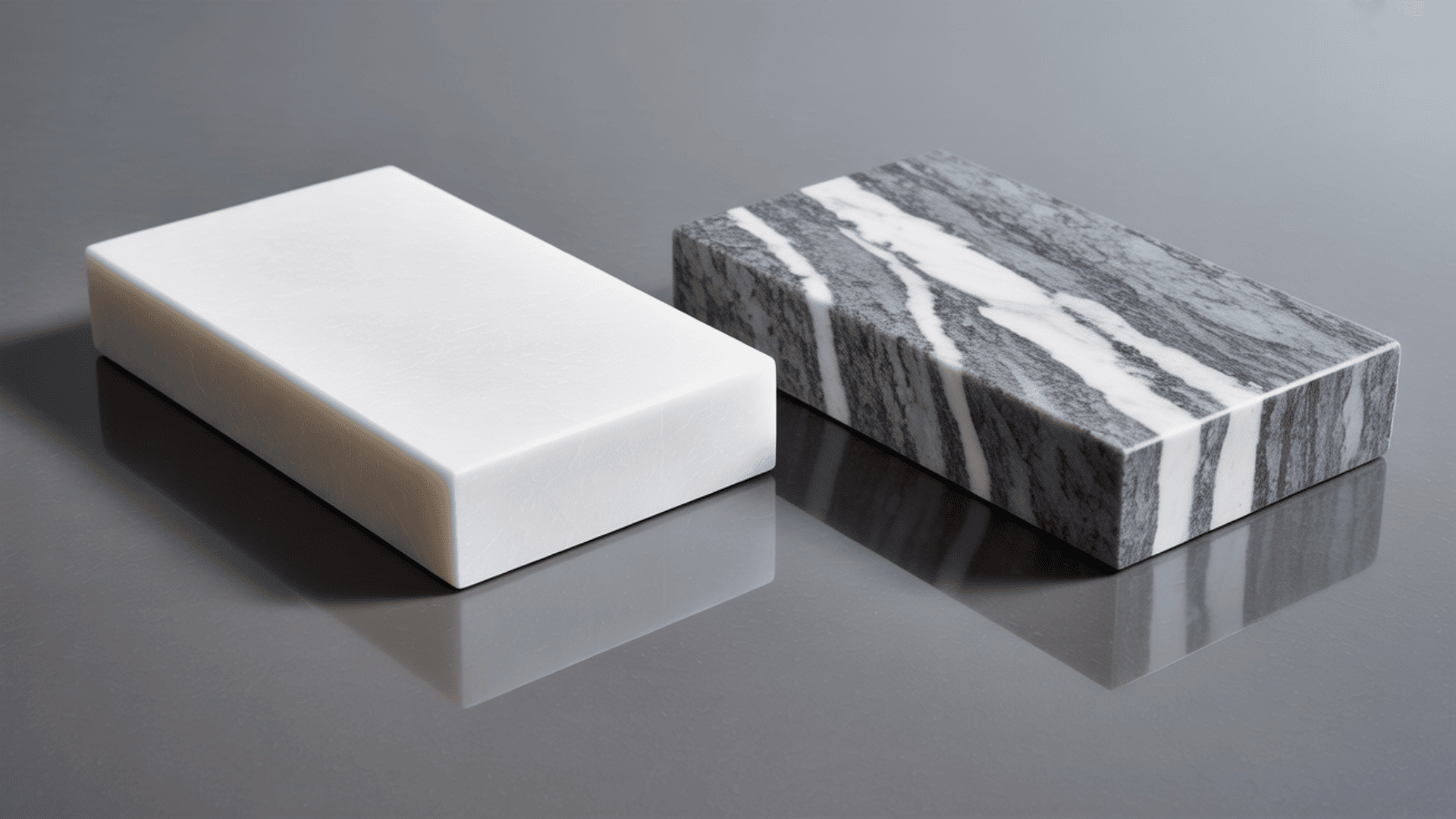
Planning a kitchen remodel? You’re standing in a showroom. A fabricator asks about thickness. Suddenly, you’re confused between the different available thickness options.
Quartz countertop thickness isn’t just about looks. It affects durability, cost, and how your kitchen functions day to day.
Thickness determines whether your counters can handle cutting boards and hot pans. It influences whether edges chip easily. It even impacts your project’s total cost.
This guide explains everything you need to know about quartz countertop thickness. You’ll learn standard options available.
You’ll know how thickness pairs with edge styles. Most importantly, you’ll find the right combination for your home and budget.
By the end, choosing your perfect quartz countertop will feel confident and straightforward.
What Is Quartz and Why Its Thickness Matters
Quartz countertops are engineered stone surfaces made from natural quartz crystals blended with polymer resins.
This mix creates a smooth, non-porous material that resists scratches, stains, and bacteria far better than many natural stones.
Because it’s man-made, quartz also offers consistent color and pattern, making it a favorite choice for modern kitchens and bathrooms.
Standard quartz countertop thickness options:
- ½ inch (1.3 cm): Best suited for vertical applications like backsplashes or wall panels.
- ¾ inch (2 cm): Common in budget-friendly projects or minimalist designs; may need extra support.
- 1¼ inch (3 cm): The standard quartz thickness for most American kitchen countertops, providing the best balance of strength, style, and durability.
Most manufacturers and installers agree that 3 cm (about 1.25 inches) is the ideal thickness for quartz countertops, aligning with industry standards for natural stone such as granite or marble.
Thinner slabs are sometimes used for secondary spaces, but for everyday kitchen use, a 3 cm countertop delivers lasting performance and timeless appeal.
How to Choose the Right Quartz Countertop Thickness?
Different slab thicknesses place different demands on your cabinetry. Check whether your base cabinets can handle the weight before committing.
- How You Use the Space: Choose thicker quartz for heavy daily use and thinner options for light-use or decorative areas.
- Cabinet and Structural Support: Ensure your cabinets can support the slab, as thinner quartz typically requires additional reinforcement.
- Desired Aesthetic and Style: Pick the thickness that matches your design vision, from minimalist 2 cm to substantial 3 cm.
- Budget and Fabrication Costs: Thicker slabs cost more, so balance your preferred look with your project budget.
- Edge Profile Compatibility: Certain edge styles look and perform better depending on the slab thickness you choose.
- Overhang and Island Design: Thicker quartz handles deeper overhangs more safely, while thinner slabs often require brackets.
- Size of Large Slab Sections: Large islands and long spans stay more stable and crack-resistant with 3 cm quartz.
- Long-Term Maintenance and Durability: Thicker countertops offer better durability, fewer chips, and greater long-term reliability.
Quartz Countertop Thickness Options
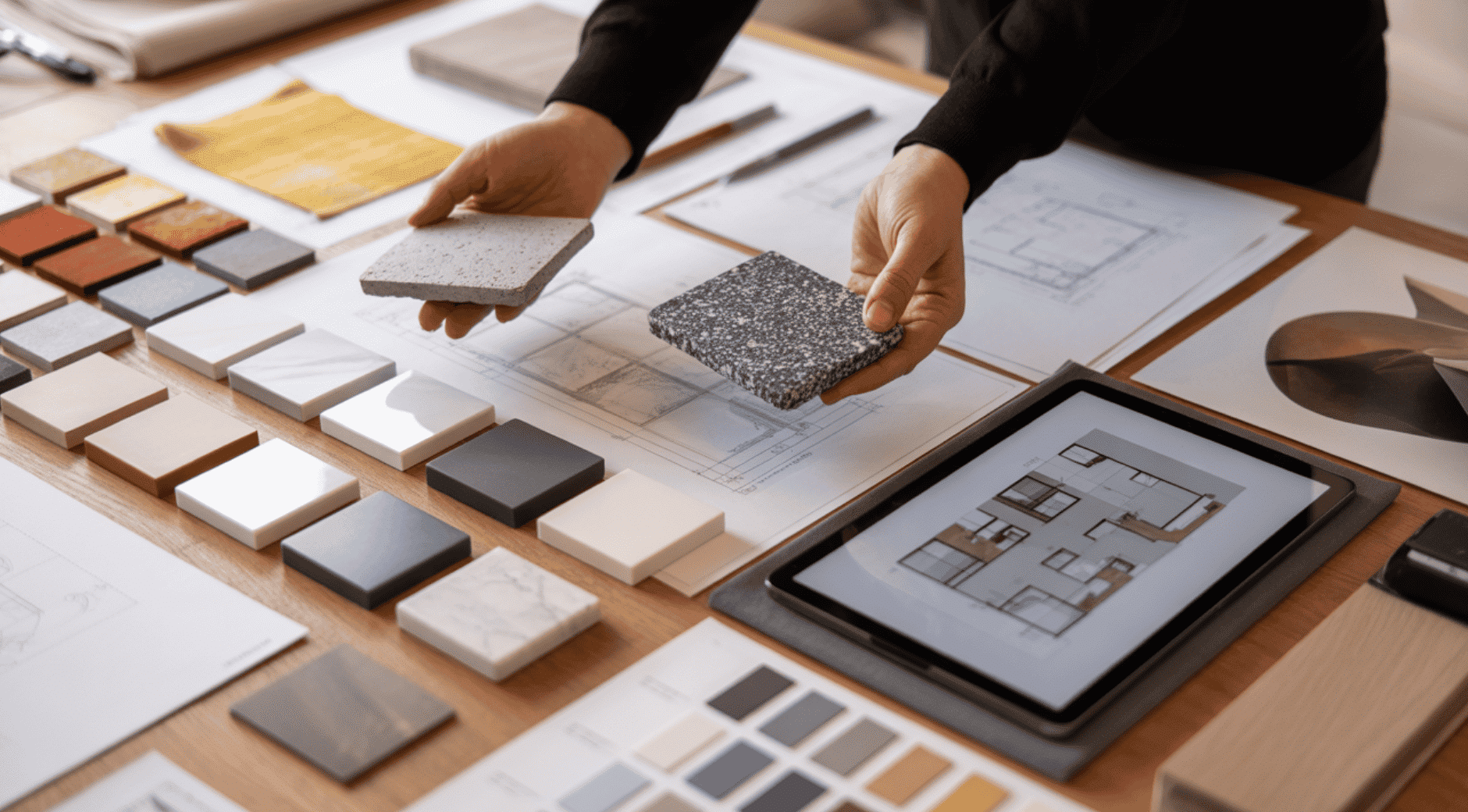
Understandingquartz countertop thickness options helps homeowners choose the right balance of durability, cost, and design, ensuring each surface performs beautifully in its intended space.
1 cm Thin and Lightweight
One-centimeter slabs are very thin. They’re perfect for wall cladding and backsplashes. Use them for fireplace surrounds and furniture accents. These slabs require full substrate support underneath. Never install them as floating countertops.
They work beautifully for vertical applications. They’re light and easy to transport. This thickness costs significantly less than thicker options. However, they’re not suitable for kitchen work surfaces.
2 cm Modern and Affordable
A thickness of 2 centimeters is standard in modern kitchens. Many designers prefer this sleek appearance. It offers good durability for moderate use. Homeowners appreciate the lighter, cleaner visual look.
Two cm slabs need plywood or bracing for full support underneath. They work well for bathroom vanities and smaller kitchens. This thickness balances affordability with functionality. Edges require more attention to prevent chipping.
3 cm Standard and Durable
Three centimeters is the standard thickness. Most high-end kitchens use this size. It’s the strongest option for heavy daily use.
Three cm slabs are self-supporting when properly installed. They resist cracking and damage remarkably well. They showcase beautiful edge profiles without appearing fragile.
Islands and main kitchen counters demand this thickness. This option costs more but lasts longer and handles impact better. The substantial appearance adds a touch of luxury to any kitchen.
Selecting the ideal quartz countertop thickness depends on your space, budget, and style preferences. Each option offers distinct advantages for lasting beauty and everyday functionality.
Quartz Edge Profiles: Matching Style with Thickness
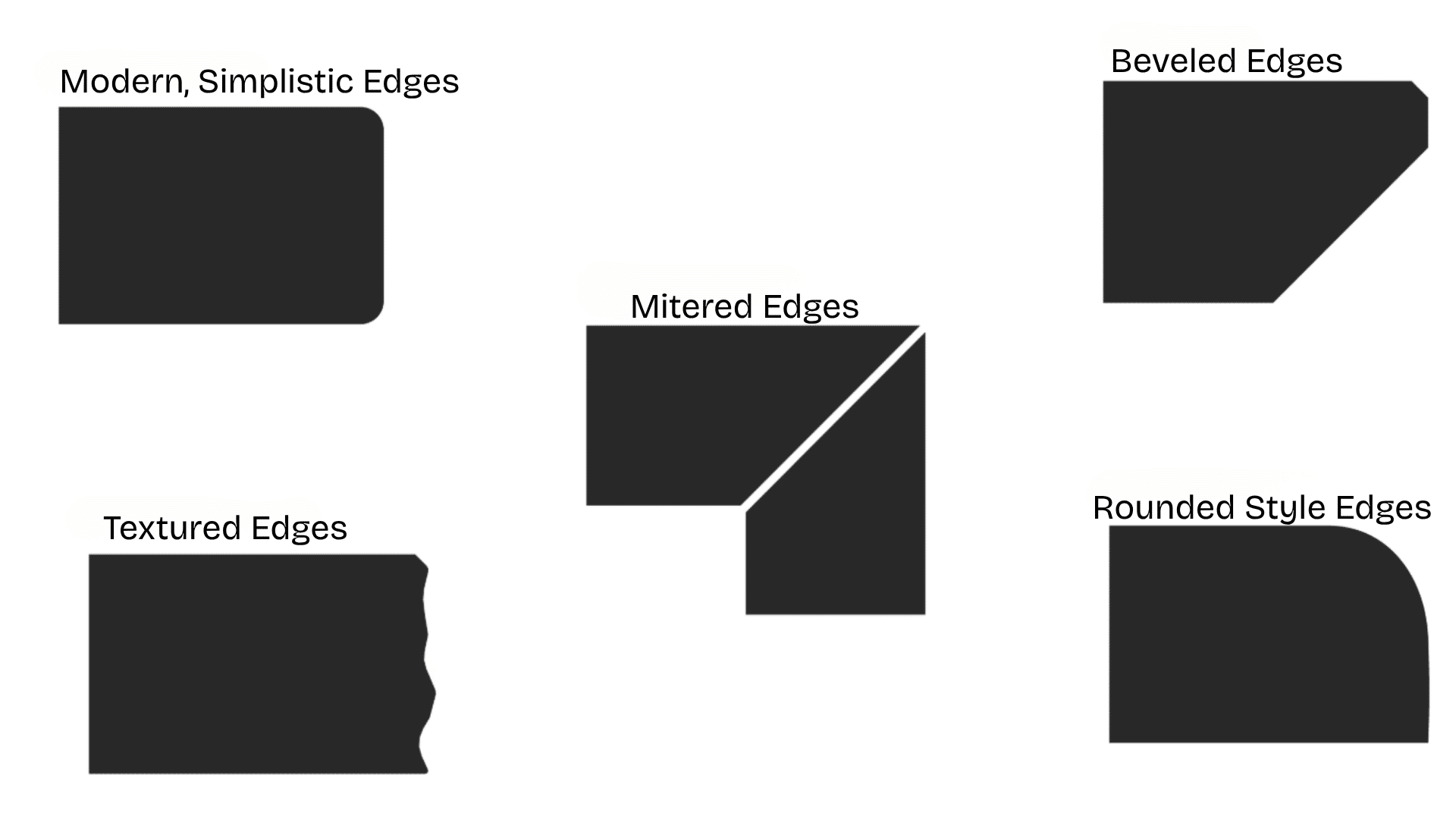
Edge profiles are the finishing touch on your countertops. They influence both aesthetics and practicality. Different thicknesses support different edge styles. Your edge choice affects the overall look and durability.
- Rounded Style Edges: Fully rounded edges, like bullnose and demi-bullnose, soften the countertop’s look. They suit 2 cm and 3 cm quartz, offering a safe, smooth feel ideal for family kitchens and dining spaces.
- Modern, Simplistic Edges: Straight and Ridgeline edges create clean, modern lines that emphasize simplicity. Perfect for 2 cm and 3 cm slabs, they’re affordable, contemporary, and visually extend countertop length while minimizing clutter.
- Beveled Edges: Beveled and Ledge edges feature a subtle angled cut for refined dimension. Ideal for 3 cm quartz, they balance classic and modern appeal while minimizing visible wear at corners.
- Mitered Edges: Mitered edges join two pieces at 45 degrees to mimic thicker stone. Compatible with quartz 1 cm to 3 cm thick, they create a seamless, luxurious finish that beautifully highlights natural veining.
- Textured Edges: Hand-chiseled or Moraine edges add rustic charm and tactile depth. Suitable for 2 cm and thicker quartz, they deliver a handcrafted character perfect for farmhouse, Tuscan, or natural-inspired designs.
Choosing the right quartz edge profile enhances both style and strength, ensuring your countertop’s thickness and finish work together for lasting beauty and effortless functionality.
Thickness and Edge Combinations for Every Use Case
Choosing thickness and edge style together creates harmony. Different applications demand different combinations.
1. Kitchen Countertops and Islands
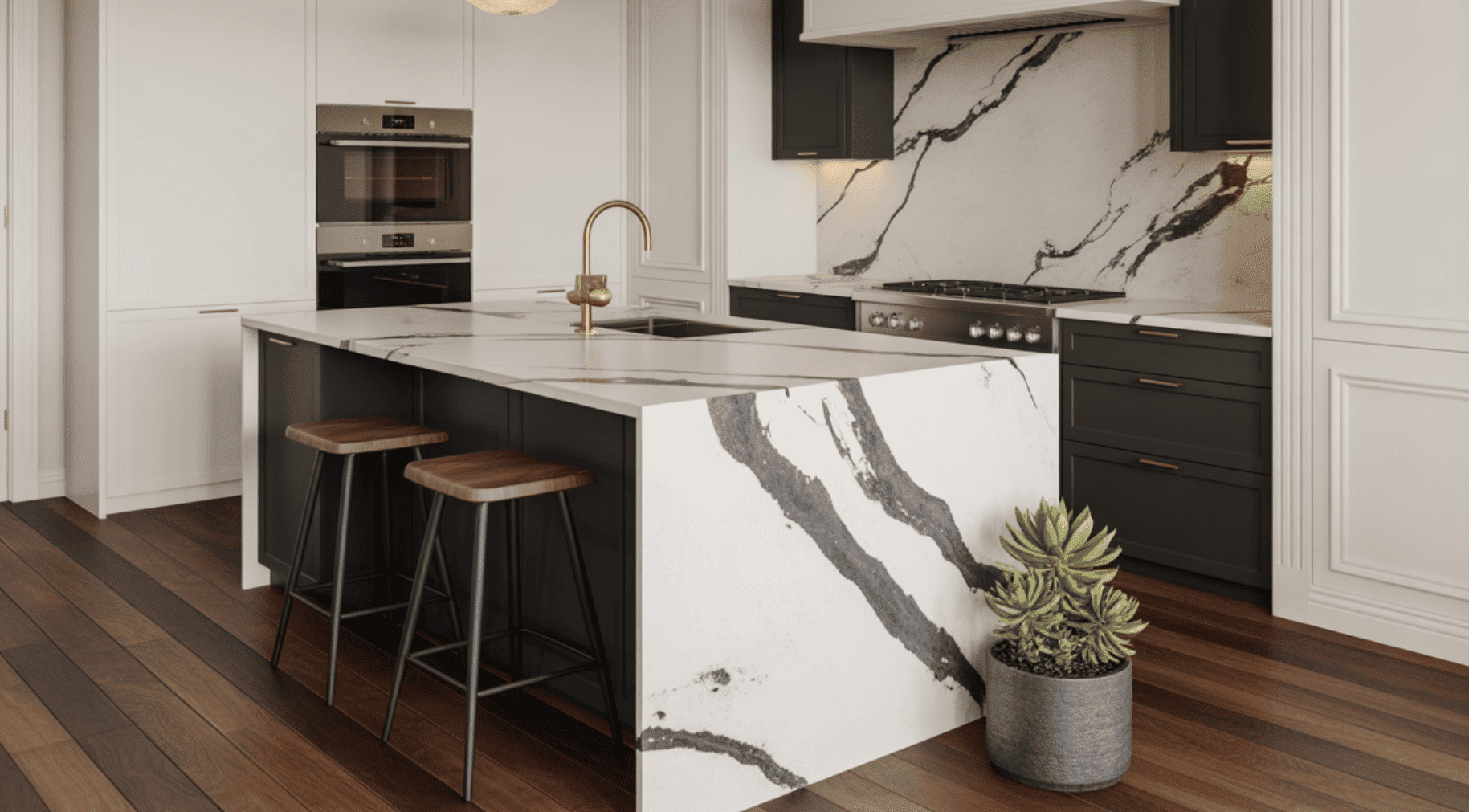
Recommendation: 3 cm thickness with Piedmont or Bullnose edge
Three-centimeter handles handle heavy use and hot cookware. Rounded edges provide comfort in island seating areas.
This combination looks luxurious and performs reliably. It resists impact damage from dropped items. This is the most popular choice for primary kitchens.
2. Bathroom Vanities
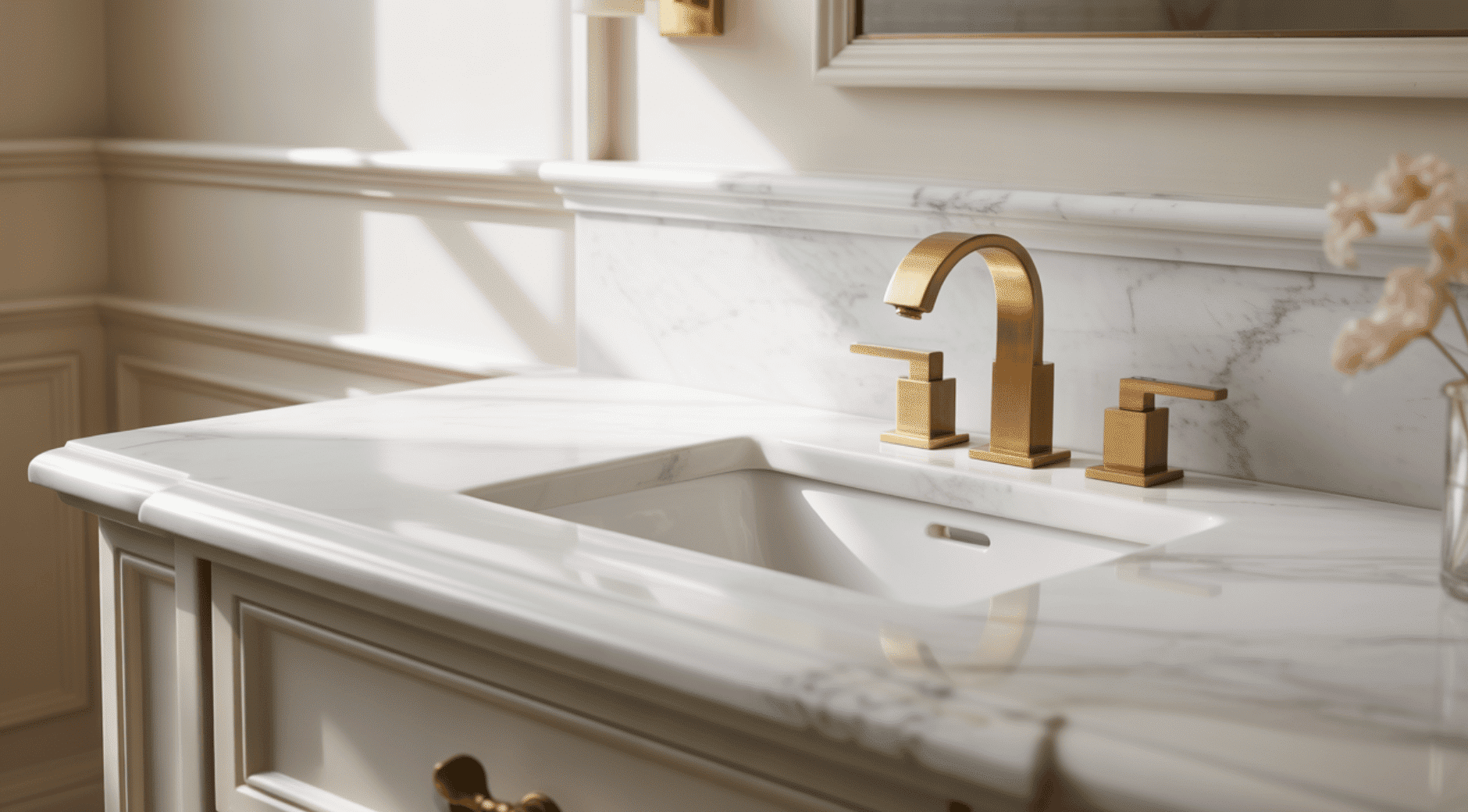
Recommendation: 2 cm thickness with Beveled or Straight edge
Bathrooms experience lighter use than kitchens. Two centimeters provides adequate strength. Beveled edges add subtle sophistication to bath spaces. Straight edges keep the look clean and modern.
This thickness costs less while performing just as well.
3. Backsplashes and Wall Installations
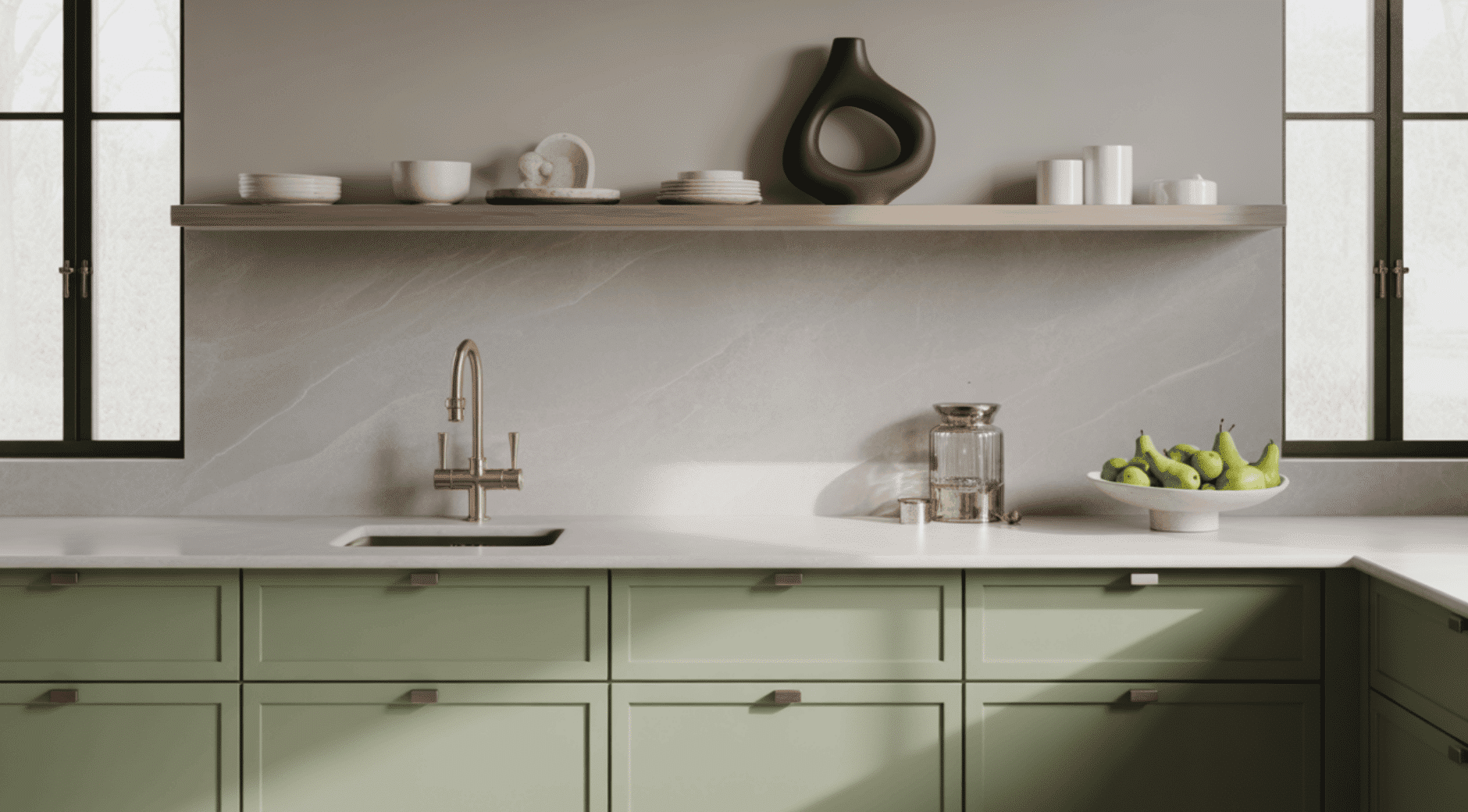
Recommendation: 1 cm thickness with a Straight edge
Thin slabs work perfectly for vertical applications. No support load makes thin profiles ideal. They’re lightweight and easy to install. Straight edges keep installation clean and simple. This is the most budget-friendly option available.
4. Bars and Floating Shelves
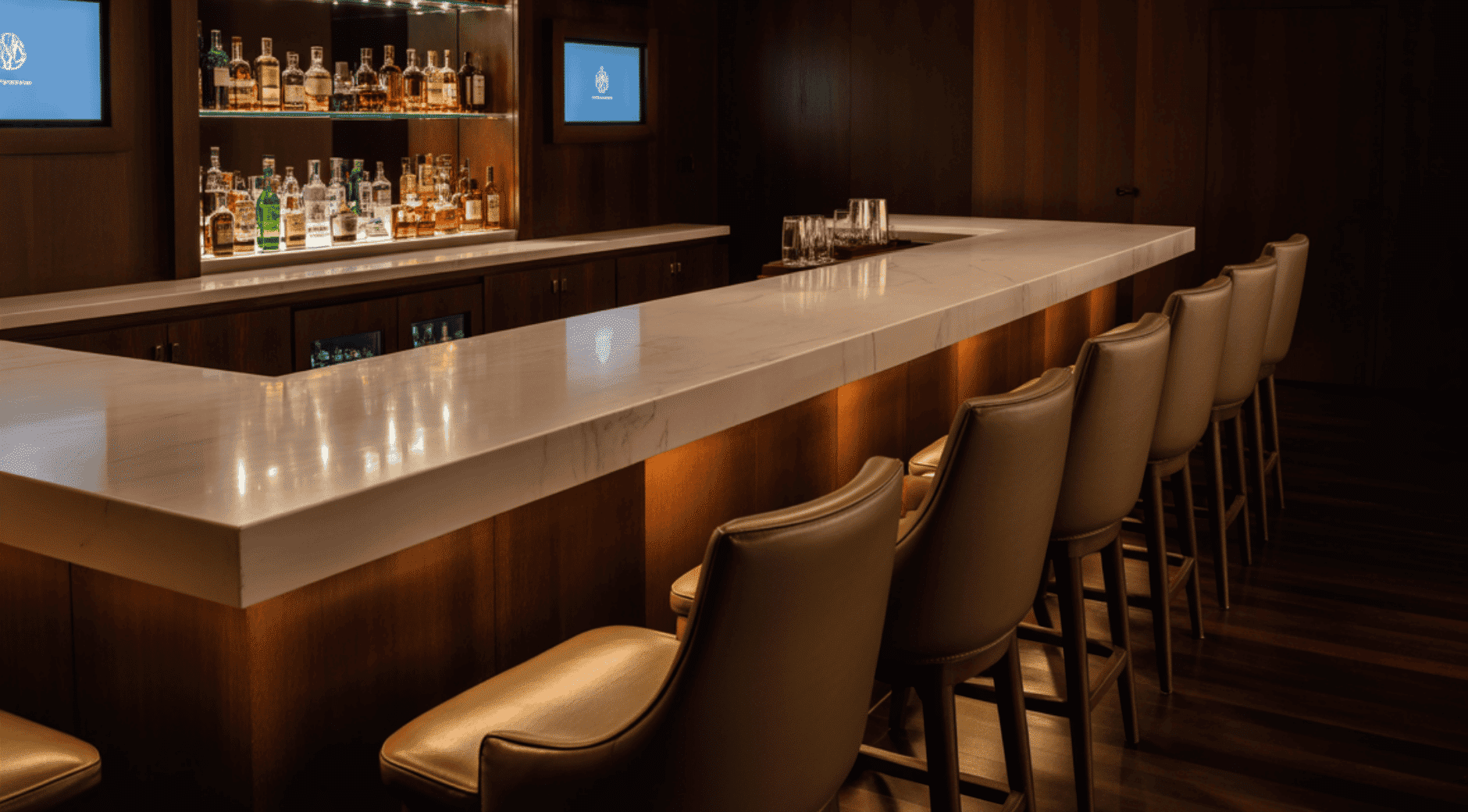
Recommendation: 2 cm thickness with Mitered edge
Two-centimeter slabs provide adequate support with bracing. Mitered edges create visual thickness and weight. The clean lines enhance modern design styles.
Proper bracing is essential for safety and stability. This combination balances appearance and functionality.
Balancing thickness and edge style creates countertops that are visually seamless, structurally sound, and perfectly tailored to your kitchen, bathroom, or decorative design goals.
Advantages and Disadvantages of Quartz Countertops
Before selecting the right quartz countertop thickness, it’s important to understand both its strengths and weaknesses to ensure it fits your home’s design and performance needs.
| Pros | Cons |
|---|---|
| Highly Durable: Resistant to scratches, chips, and daily wear. | Not Fully Heat-Proof: Direct heat can damage resin binders; trivets are essential. |
| Stain-Resistant: Repels coffee, wine, and oil stains easily. | Heavy Weight: Requires sturdy cabinet bases and professional installation. |
| Non-Porous Surface: Prevents bacteria buildup and doesn’t require sealing. | Costly Repairs: Fixing chips or cracks can be expensive. |
| Low Maintenance: Only needs mild soap and water for cleaning. | Higher Cost: More expensive than laminate or tile countertops. |
| Consistent Color & Pattern: Uniform look across slabs, ideal for modern designs. | UV Sensitivity: Prolonged outdoor exposure can cause fading or discoloration. |
| Versatile: Available in multiple quartz countertop thicknesses and edge styles for any application. | Complex Installation: Requires precise fabrication and coordination during fitting. |
Quartz countertops offer long-lasting beauty and strength, but recognizing their few drawbacks helps homeowners make informed choices for style, durability, and proper installation support.
Conclusion
The ideal quartz countertop thickness depends on your space, but 3 cm remains the gold standard for strength, beauty, and value in most American kitchens.
2 cm quartz offers a sleek, contemporary appeal for modern homes and bathrooms, while 1 cm thickness suits backsplashes or decorative accents perfectly.
Your decision should balance function, design, and budget to achieve the right combination of performance and style. The right edge profile enhances durability and ties your whole look together.
Ready to start your project? Visit a trusted local quartz fabricator, explore slab samples, and compare edge finishes in person.
Seeing your options firsthand ensures your new countertop looks and performs exactly as you imagined.