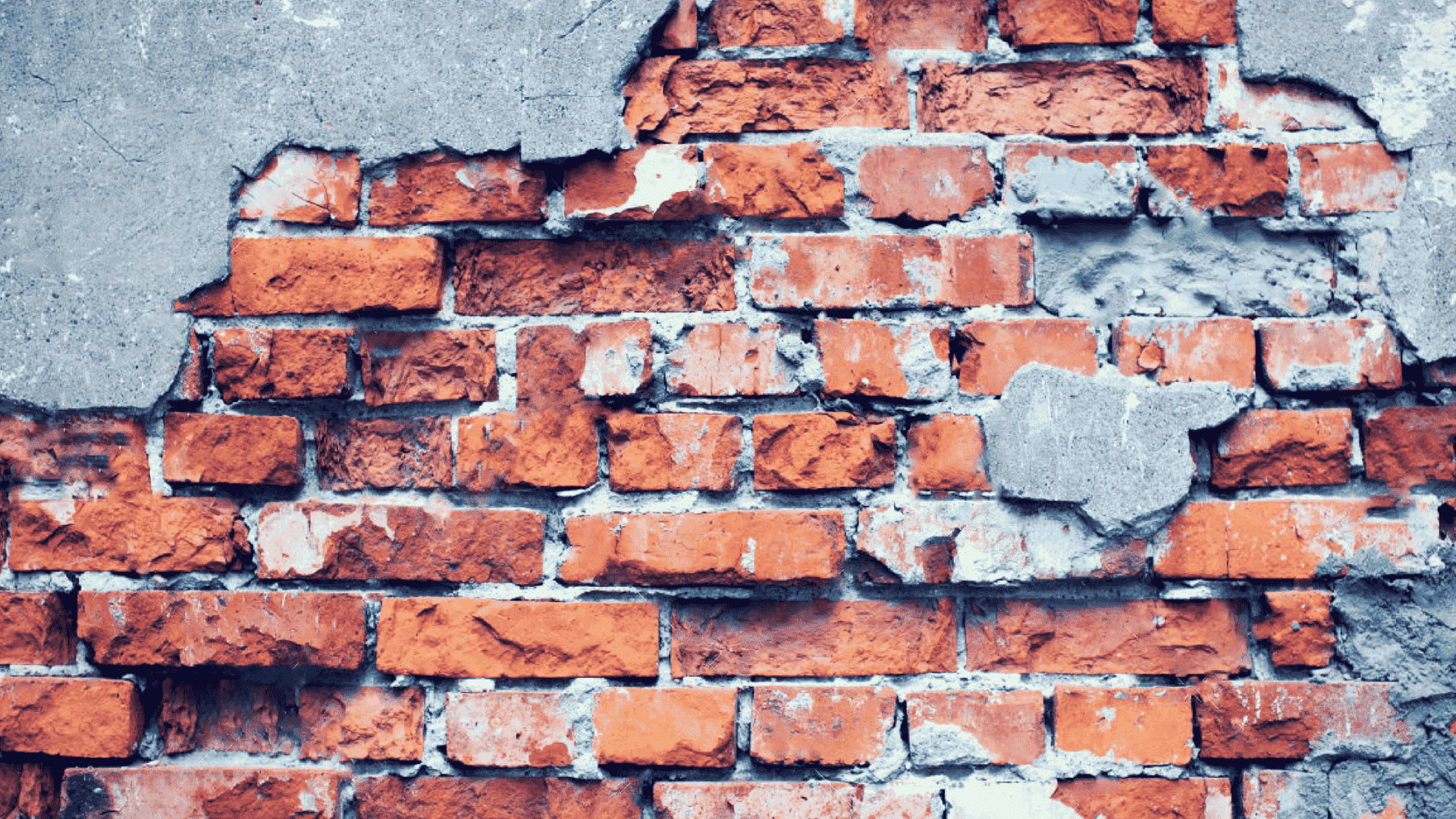
Spalling brick occurs when the brick’s face flakes, chips, or crumbles. This isn’t just a cosmetic issue for residents. It signals deeper moisture and structural problems that demand your attention early.
Brick is durable, but spalling reveals that water is infiltrating your walls. Left unchecked, this deterioration can lead to costly repairs, mold growth, and compromised structural integrity.
In this blog, you’ll learn how to spot the early warning signs, understand what causes spalling in your home, and know whether to tackle repairs yourself or call a professional. We’ll also share prevention tips to protect your brick for years to come.
By the end, you’ll know to act quickly and protect your home’s value.
What Is Spalling Brick?
Spalling is when the outer layer of a brick separates and falls away. You’ll see flaking, chipping, or crumbling on the brick’s face.
This differs from normal surface wear, which happens gradually over decades. True spalling is a deterioration issue, not simple aging.
It indicates that moisture has entered the brick, causing internal damage. The brick loses its integrity from the inside out, creating visible damage on the surface.
This process accelerates if you ignore it. Residents in U.S. climates should pay close attention to spalling. The freeze-thaw cycles in northern states make this problem especially common.
Even in southern homes with high humidity, there is a risk of spalling from constant moisture exposure.
Spalling Brick Causes: Identify the Problem Early
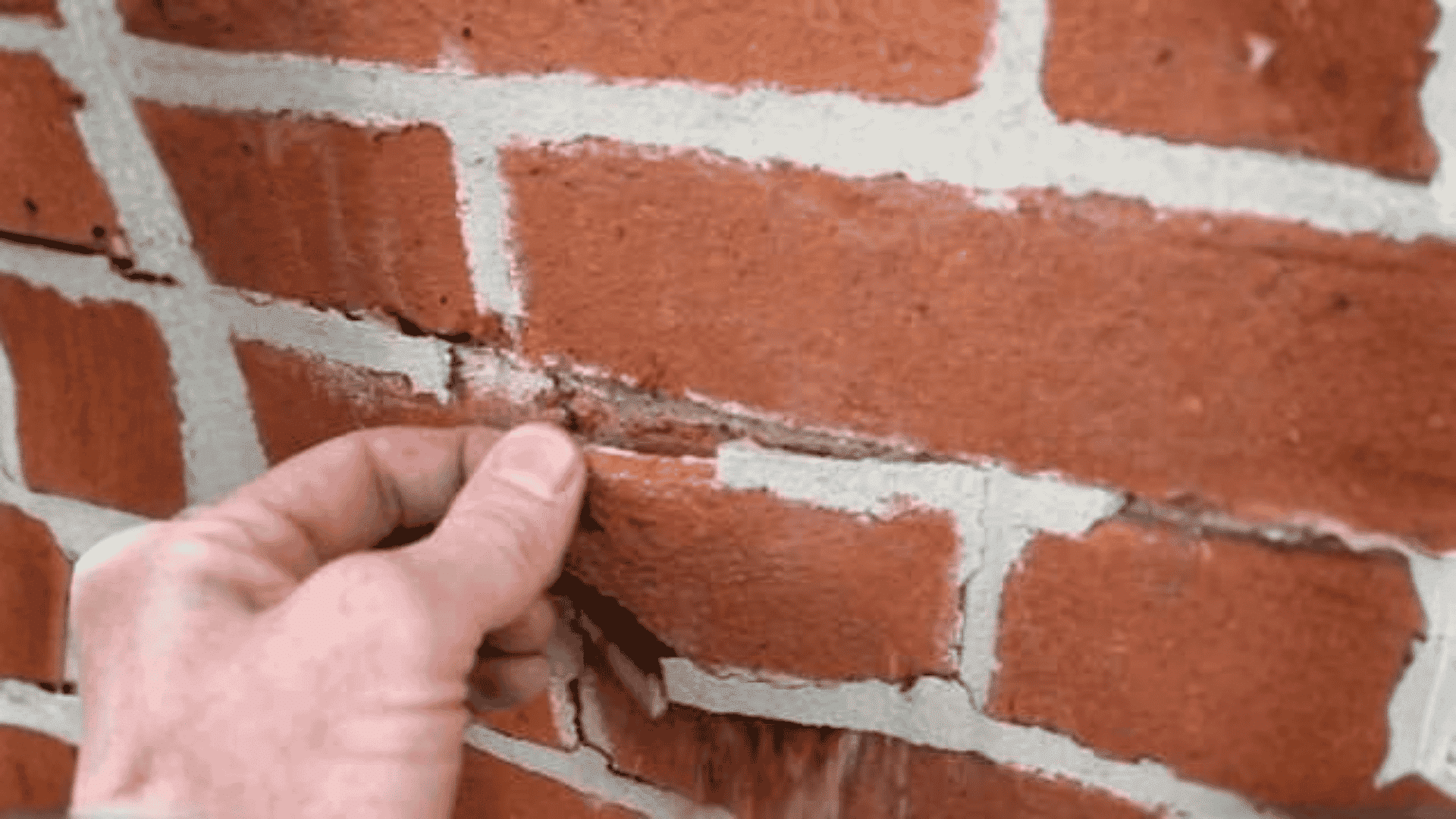
Catching spalling early prevents expensive repairs later. Here are the visible signs you should watch for on your brick walls:
- Flaking or peeling brick surfaces: The brick face chips off in small or large pieces. The brick appears rough or uneven where it was once smooth.
- Brittle, crumbly bricks: When you touch the brick, it feels soft or powdery. Pieces crumble away easily under light pressure.
- Brick dust or debris at the wall base: Small pieces of brick accumulate on the ground below affected areas. You may see a fine powder collection near the foundation.
- Cracks parallel to mortar joints: Cracks run horizontally or vertically along the mortar lines. Deep pits or holes appear in the brick faces themselves.
- White salt-like deposits: Efflorescence (white crusty buildup) signals moisture movement through the brick. Discoloration or staining indicates water intrusion and damage.
- Damp patches inside your home: Interior walls near brick show moisture or wet spots. You notice dampness near the foundation or below exterior brick.
If you’re seeing any of these signs, you likely have spalling. Act early to avoid costly structural repairs. Early detection significantly protects your home and wallet.
What Causes Spalling Brick? The Root Problems
Spalling doesn’t happen randomly. Specific causes create the conditions for brick deterioration. Understanding these causes helps you prevent future damage.
1. Moisture Infiltration Is the Primary Culprit
Brick is porous and absorbs water from rain, snow, and ground moisture. Once water enters the brick, it begins the spalling process. This moisture creates internal pressure that pushes the brick face outward.
2. Freeze-Thaw Cycles Accelerate Spalling Dramatically
In U.S. northern climates, water inside bricks freezes during winter. Frozen water expands, putting pressure on the brick walls. When it thaws in spring, the brick weakens further. This cycle repeats year after year, causing progressive damage.
3. Poor Drainage Around Your Home Creates Moisture
Clogged gutters overflow, directing water toward your foundation. Downspouts positioned too close to the house force water against brick walls.
Improper soil grading causes water to pool near the foundation. Damaged windowsills and flashing allow rain to penetrate the brick.
4. Use of Inappropriate Repair Materials
Non-breathable sealants trap moisture inside the brick instead of allowing it to escape. Hard cement mortars used on soft, older bricks create incompatible bonds. High-pressure washing damages brick surfaces and opens them to water intrusion.
5. Salt Crystallization Damages the Brick from Within
In coastal areas or where road salt is used, salt enters the brick through moisture. As water evaporates, salt crystals form inside the brick. These crystals expand, creating internal pressure that shatters the brick face.
6. Age and Weathering Make Older Bricks More Vulnerable
Over the decades, brick gradually loses its strength and density. Older U.S. homes often have softer brick that spalls faster than modern brick. Weather exposure compounds this weakening process year after year.
Unless you fix the root cause, repairing the bricks alone won’t produce lasting results. The water will continue infiltrating, and spalling will return.
How to Repair Spalling Brick: Step-by-Step Instructions
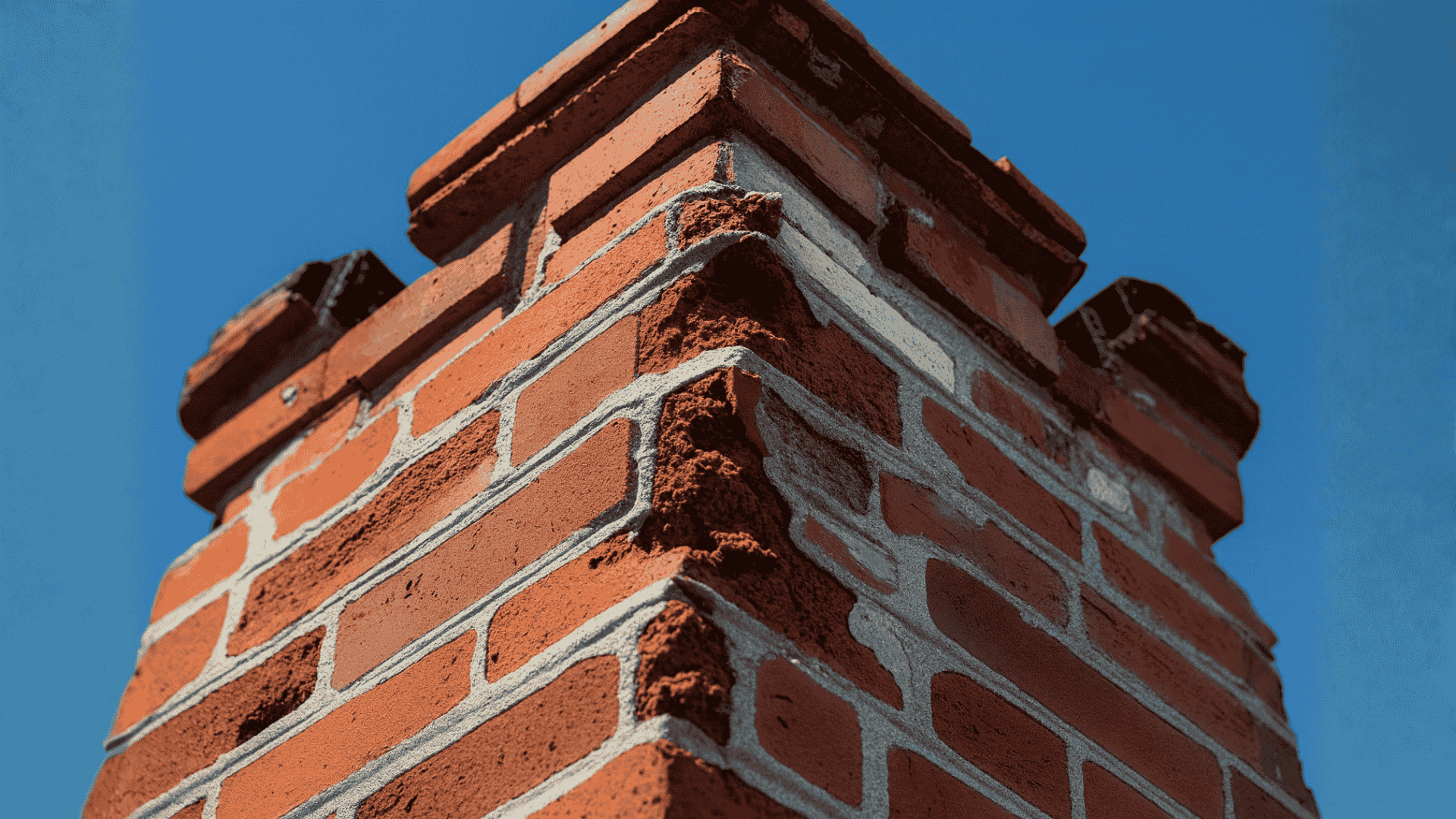
Some spalling repairs are manageable for homeowners with moderate DIY skills. Here’s how to safely and effectively fix spalling brick.
Step 1: Inspection and preparation
Identify which bricks are failing and the extent of the damage. Remove all loose material carefully with a chisel. Clean the area thoroughly to prepare for repair work. Check surrounding bricks for early signs of spalling.
Step 2: Choose compatible materials
Match the brick type, color, and texture of your existing wall. Select mortar that matches the original mix used in your home. Avoid rigid cement mortar on older, softer bricks. Using incompatible materials will cause future spalling.
Step 3: Replace damaged bricks
Remove damaged bricks carefully without disturbing the surrounding masonry. Extract mortar from joints around the damaged brick. Insert new bricks and apply fresh mortar to all joints. Tool the joints to match existing mortar lines and texture exactly.
Step 4: Apply protective sealing
Once the repair cures completely (typically 7 to 14 days), apply a breathable masonry sealant. Never use non-breathable coatings that trap moisture inside. Breathable sealants reduce future moisture infiltration while allowing proper evaporation.
Safety precautions matter during any brick repair:
- Wear protective gear: Use a dust mask to avoid inhaling brick dust. Safety goggles protect your eyes from debris and mortar spray.
- Use proper tools: A cold chisel and hammer to remove mortar and brick safely. Never use power tools for initial brick removal.
- Work carefully: Rushing increases the risk of injury and leads to poor-quality repairs. Take breaks when tired to maintain focus and safety.
With care, patience, and attention to detail, these steps will help restore your brickwork’s strength, appearance, and long-term durability.
Preventing Spalling Brick: Maintenance Tips That Work
Prevention is far easier than repair. Regular maintenance catches problems before they become serious spalling issues.
| Task | Maintenance | When |
|---|---|---|
| Inspections | Check brick, mortar, gutters, and flashing for damage. | Spring & fall |
| Drainage | Direct downspouts 4-6 feet away. Maintain grading. No vines on the brick. | Twice yearly |
| Sealants | Apply breathable sealant only. Skip vapor-tight coatings. | Every 3-5 years |
| Cleaning | Use soft brushes gently. Avoid pressure washing and harsh chemicals. | As needed |
| Water entry points | Repair flashing, gutters, and chimney caps immediately. | Upon damage |
| Freeze-thaw prep | Seal cracks before winter. Apply breathable sealant. | Before winter |
| Records | Document brick condition with photos and repair tracking. | Ongoing |
Why It’s Important to Fix Spalling Brick: The Real Risks
Ignoring spalling brick creates serious problems affecting your safety and finances.
Structural integrity weakens as spalling spreads, compromising walls and chimneys that no longer support their own weight.
Water infiltration damages insulation and framing while promoting mold growth in damp cavities. Repair costs escalate dramatically; early intervention costs hundreds, while major repairs cost thousands or tens of thousands.
Most landlord insurance policies don’t cover gradual deterioration, leaving you responsible for all expenses. Falling brick fragments also create safety hazards for family members, pets, and visitors.
Early intervention protects your home and wallet by preventing costly structural failures. Acting now keeps minor problems small rather than letting them become major emergencies.
Final Thoughts
Spalling brick is a serious issue that demands early attention.
You now understand what spalling is, how to spot the warning signs, and what causes this damage. Timely action preserves your home’s value and prevents major repairs.
Start today: inspect your brickwork and check your gutters. Clean out debris and ensure water drains away from your foundation.
If you’ve spotted spalling or are unsure about your brick’s condition, consider scheduling a professional masonry inspection.
Your brick walls have protected your home for years. Now protect them by acting on what you’ve learned.
Have you noticed spalling on your brick walls? Share your experience in the comments below and let us know what solutions worked for you!