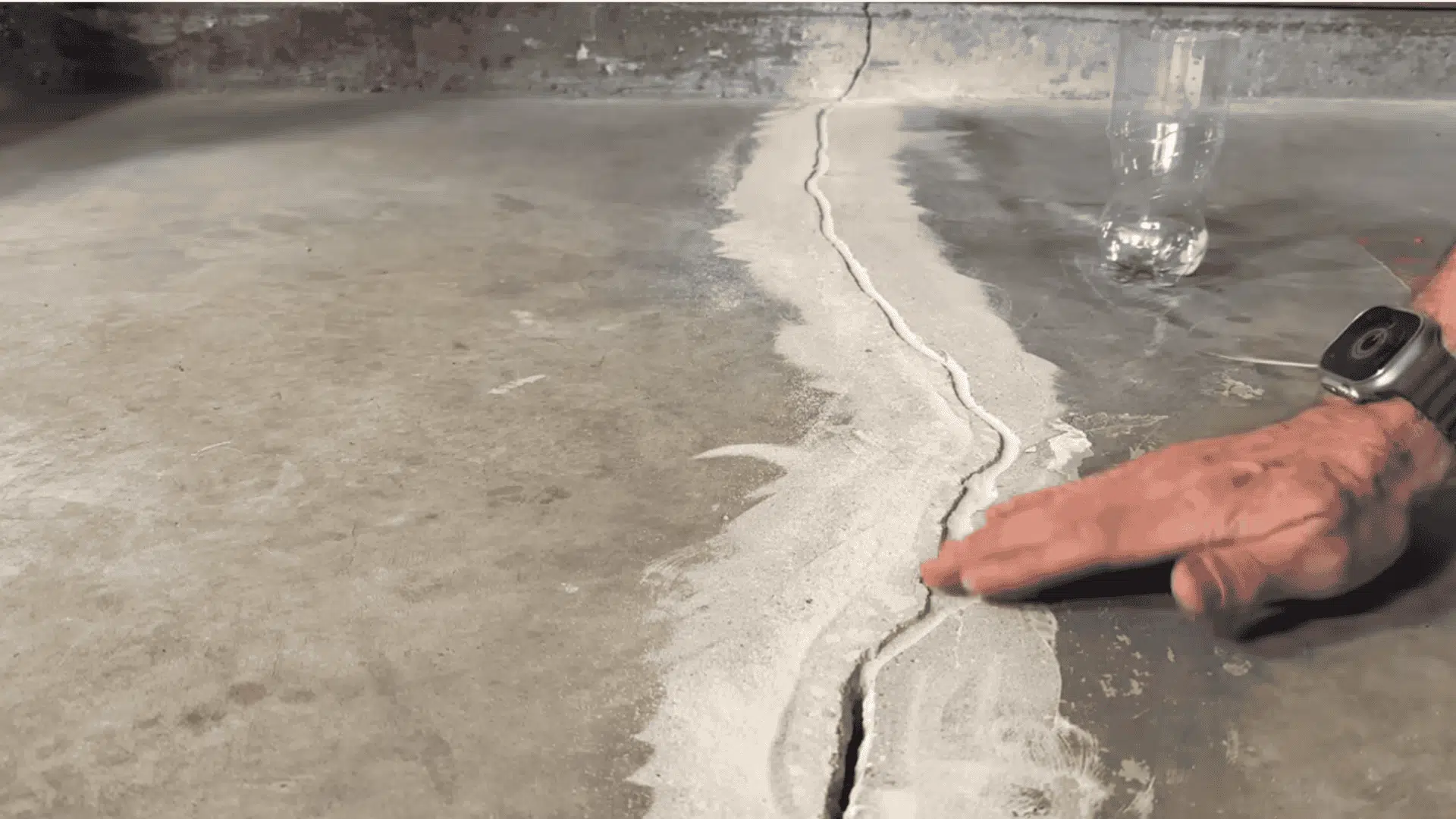
You spot a line across your basement floor and instantly wonder what it means.
Is it harmless, or a sign of something more serious? Many residents feel this worry the first time they notice a crack. The reality is that some cracks are entirely normal, while others deserve closer attention.
In this post, I break down why cracks form, what the different types actually mean, and how to tell the difference between a simple surface flaw and a potential foundation problem.
You’ll learn the common causes, how to interpret the cracks you see, and Prevention Strategies that truly help.
By the end, you’ll feel more confident knowing when to monitor a crack and when it’s time to call in a professional.
What is a Crack in the Basement Floor?
A crack in the basement floor is simply a separation or break that forms within the concrete slab over time. These openings can appear for a variety of reasons, from natural curing of the concrete to changes in the soil beneath your home.
While some cracks are harmless and part of normal aging, others can signal underlying issues that need attention.
Noticing a crack doesn’t automatically mean there’s a serious problem, but it does mean the floor is responding to the conditions around it.
Knowing why these cracks appear helps you decide when a simple observation is enough and when further action may be needed.
6 Types of Basement Floor Cracks and What They Mean
Not all basement floor cracks are a warning sign. Some are harmless and cosmetic, while others point to serious issues beneath the slab. Knowing which is which helps you respond correctly and avoid unnecessary repairs.
1. Heaving Cracks
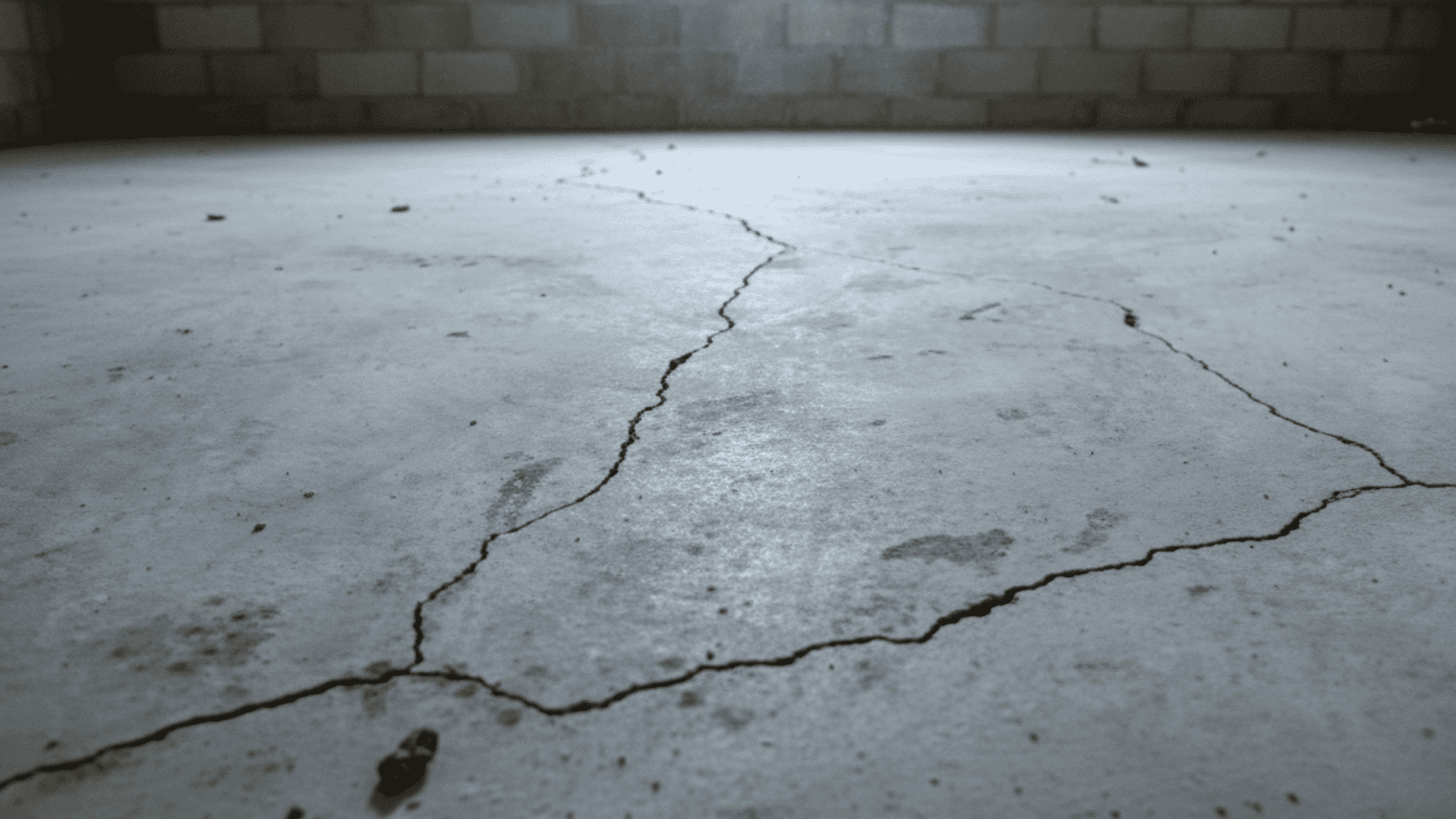
When a crack rises upward, or the slab looks lifted, the soil beneath is expanding. This is especially common in clay-rich soil that swells when wet. Heaving can shift the slab enough to break it apart or push it above adjoining sections.
What to do: Contact a foundation professional. Heaving rarely resolves on its own and needs expert intervention.
2. Sinking or Settlement Cracks
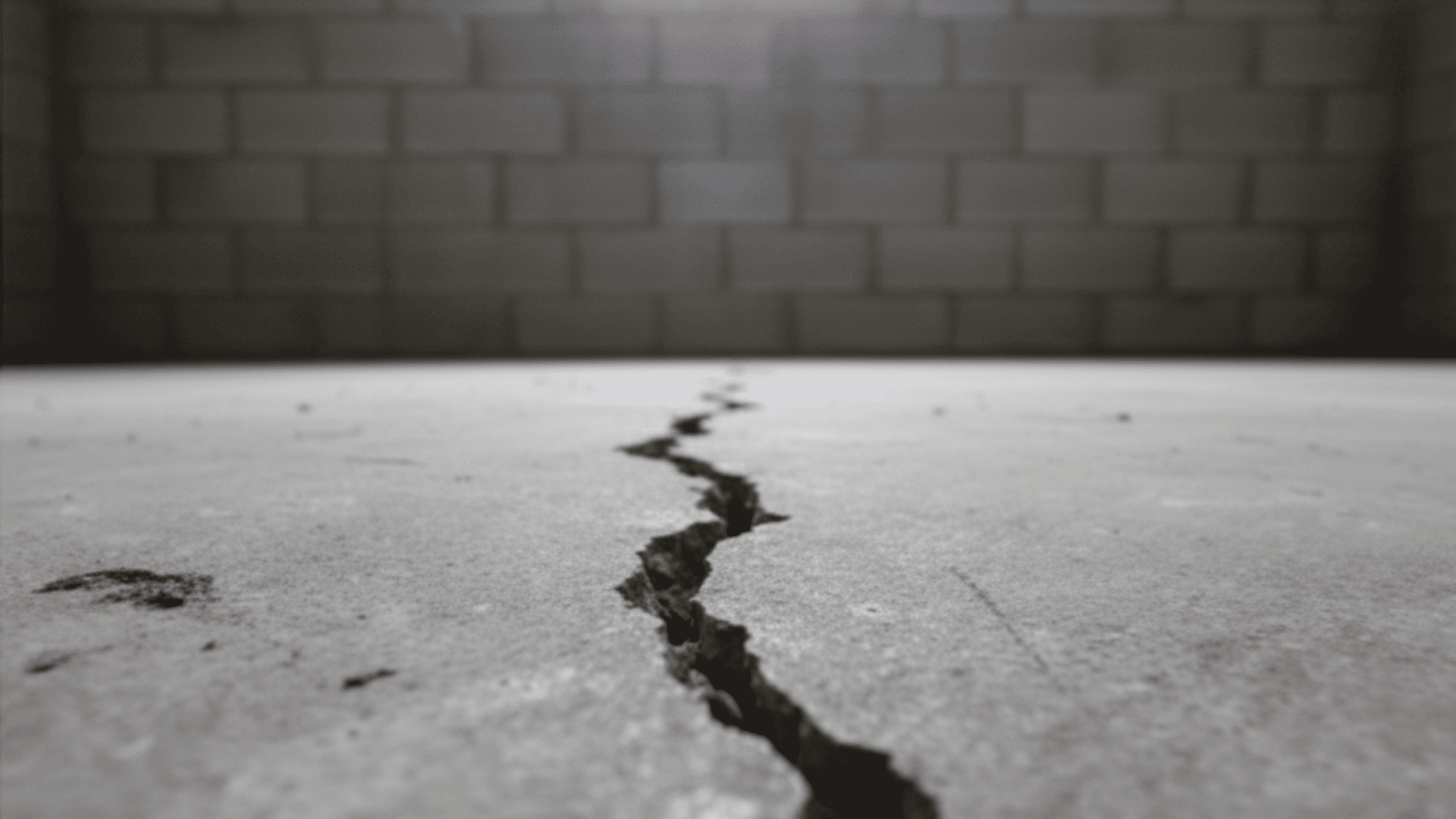
If a section of the floor dips lower than the rest, the soil underneath may have compressed, washed out, or weakened. This creates a sloping, uneven surface that worsens over time.
What to do: Level the slab using a lifting method such as polyurethane injection to stabilize the floor.
3. Cove Joint Cracks (Wall–Floor Gaps)
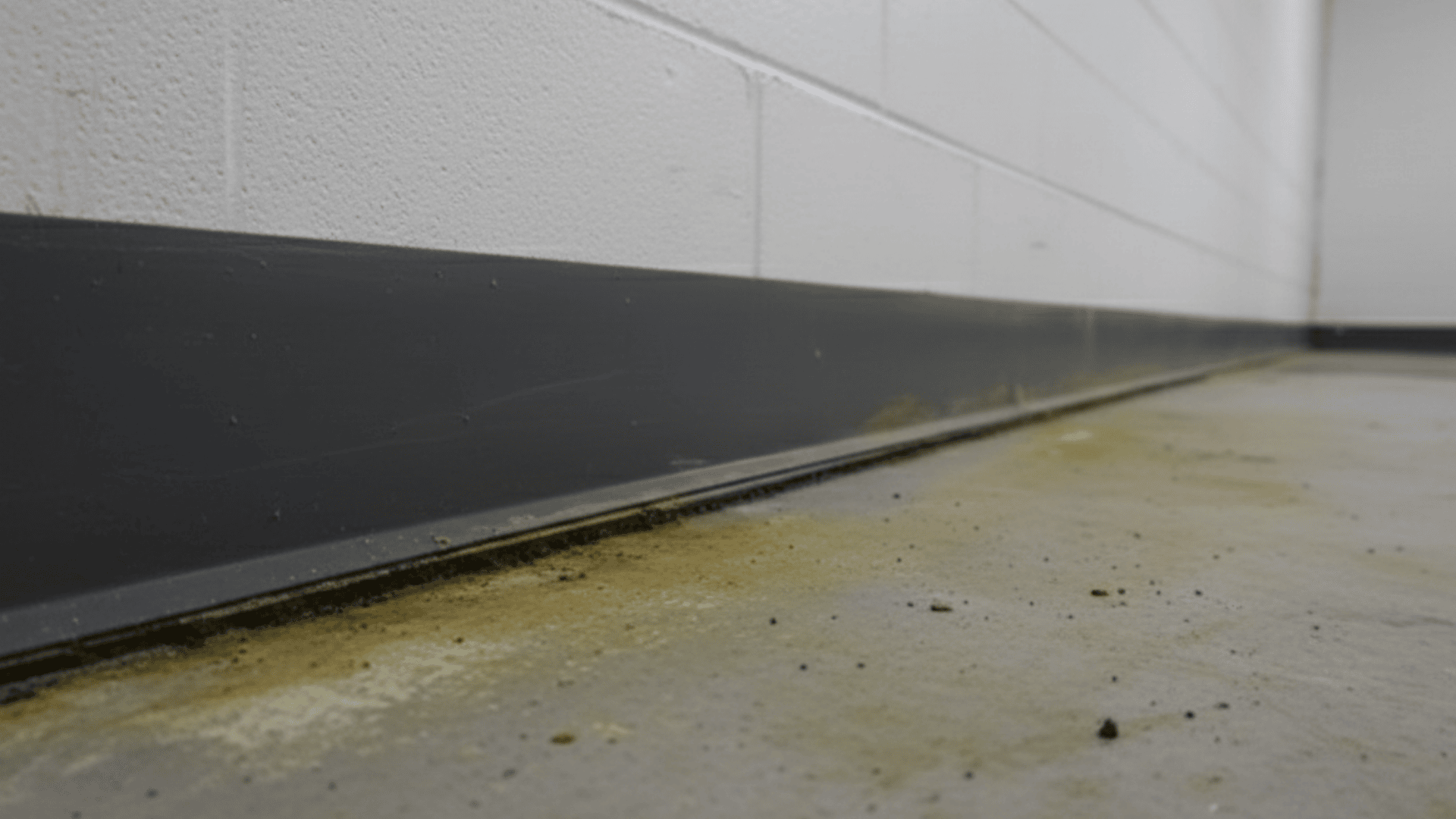
The small gap where the floor meets the wall, called the cove joint, is a common entry point for groundwater. Rising soil moisture forces water through this seam, especially after heavy rain.
What to do: Instead of sealing the gap, install an interior drainage system with a sump pump to relieve water pressure.
4. Hairline Cracks
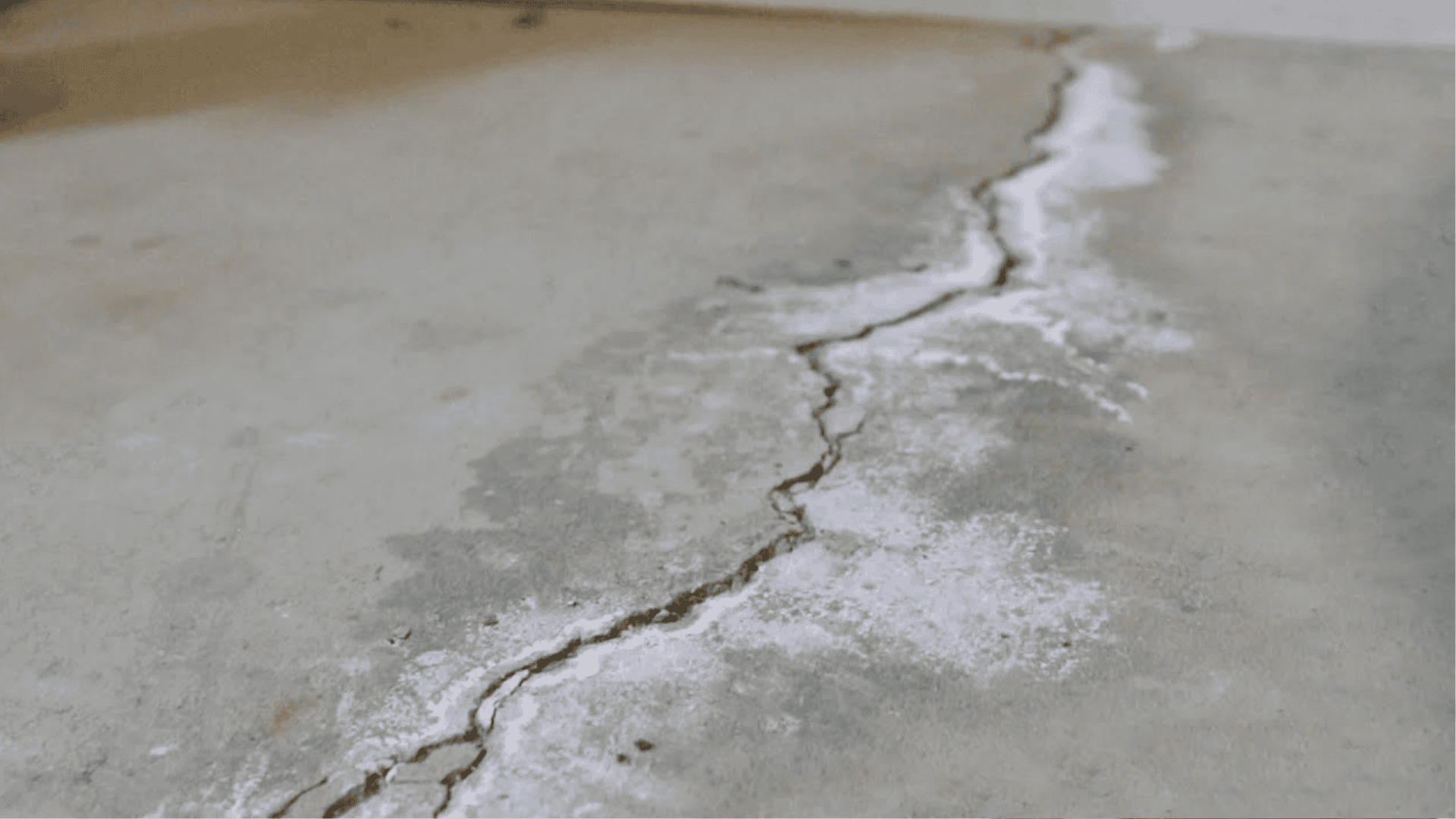
Thin, shallow, spider-like cracks are normal and usually caused by concrete shrinkage as the slab cures. They can appear months or even a year after pouring the floor.
What to do: Nothing. As long as they stay dry and don’t widen, hairline cracks are harmless.
5. Cracks Wider Than 1/8 Inch
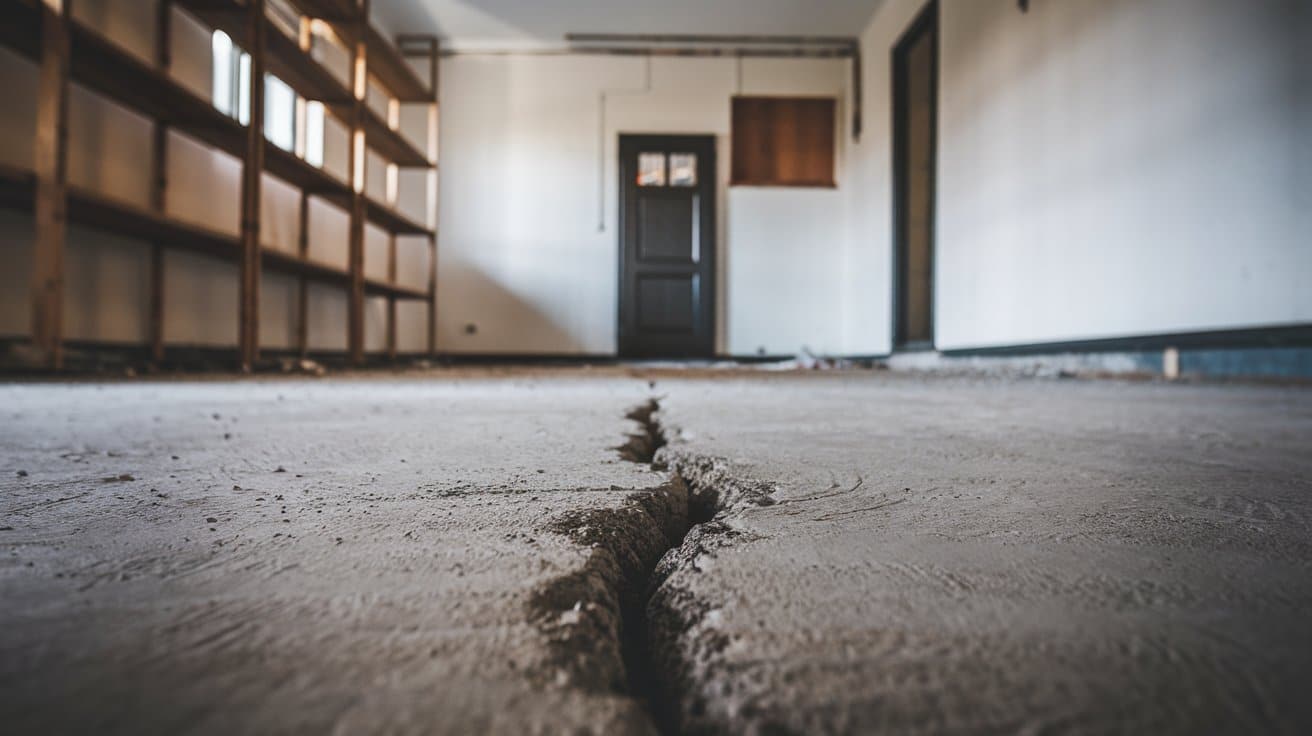
These cracks typically form from shrinkage but become wide enough to allow moisture, radon, and soil odors to enter. They aren’t usually structural, but shouldn’t be ignored.
What to do: Seal these cracks to prevent gas and moisture infiltration.
6. Spalling or Flaking Concrete
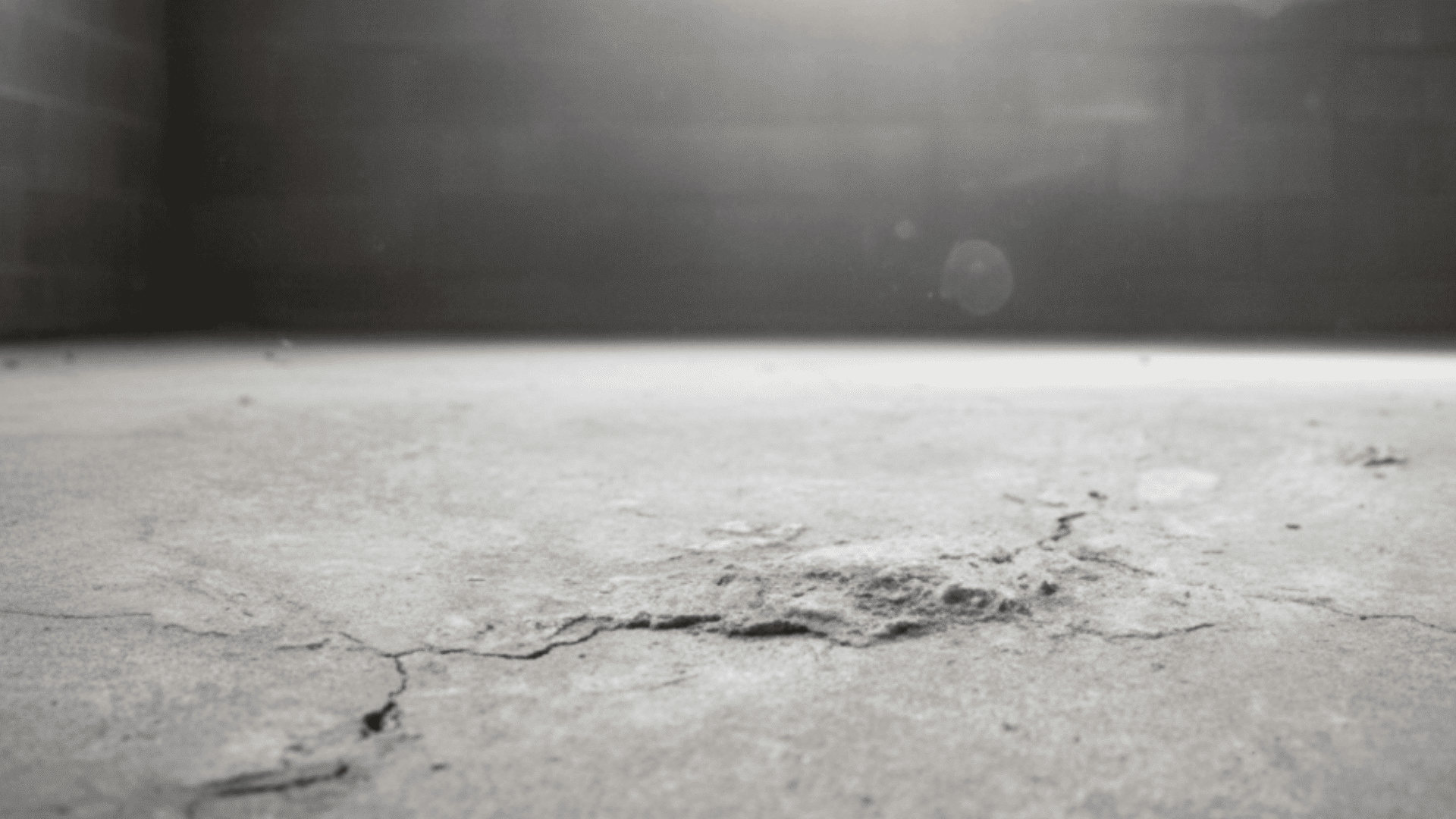
When the surface layer flakes away, the slab may appear damaged, but the issue is often due to a wet concrete mix or poor curing, not structural failure.
What to do: Avoid painting over it. Instead, consider resurfacing or adding waterproof basement flooring to improve the appearance.
Common Causes of Cracks in Basement Floors
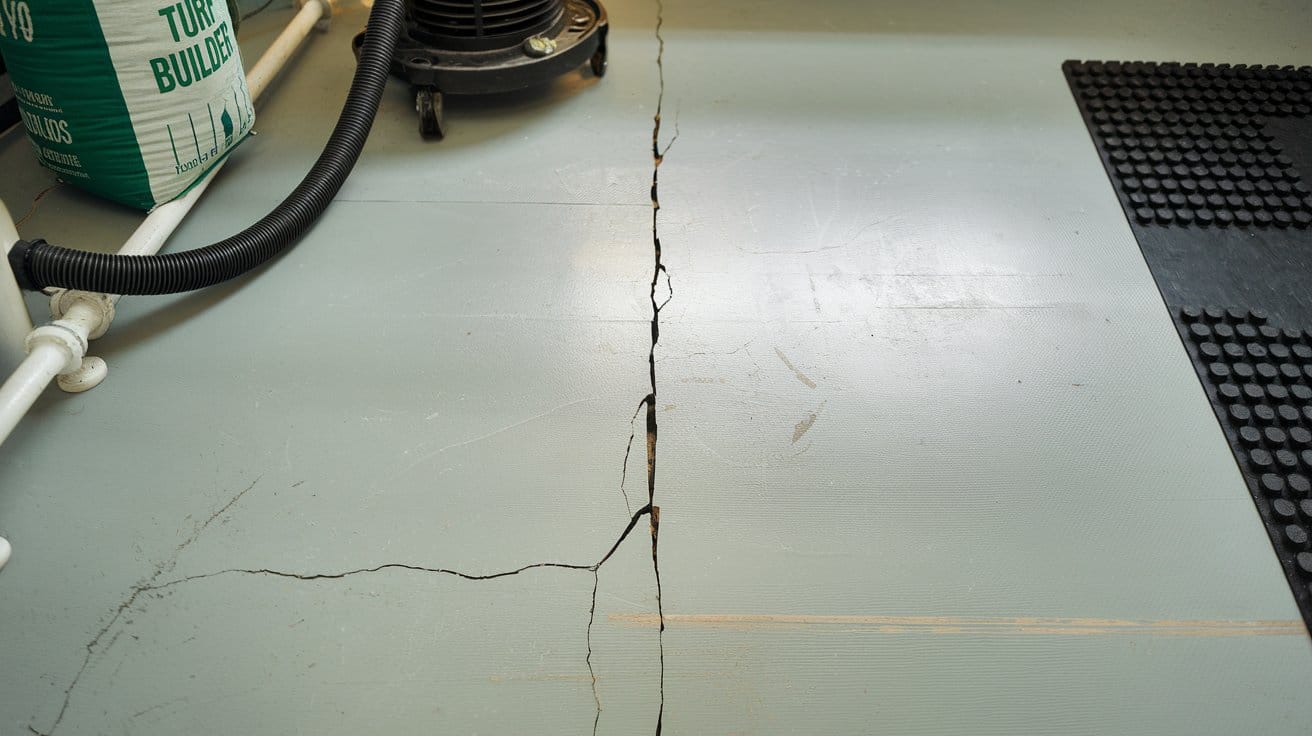
Understanding why basement concrete crack situations develop is the first step toward addressing them. Multiple factors contribute to this common occupant challenge.
1. Concrete Shrinkage and Curing
Concrete naturally contracts as it dries and hardens. During the curing phase, moisture evaporates, causing slight shrinkage. When this happens unevenly, hairline cracks often appear across the surface.
These cracks are usually harmless and part of the normal drying process. Builders use control joints to guide where shrinkage cracks form, intentionally reducing random breakage.
2. Normal Settling and Soil Adjustment
Every home experiences some degree of settling after construction. Over time, the soil beneath your foundation compresses under the weight of your home. If the soil settles unevenly, it can stress the concrete slab and cause thin to moderate cracks.
Most settling occurs within the first five years after the home is built, but poorly compacted soil can cause movement much later.
3. Soil Movement and Expansive Clay
Certain soil types, especially clay, expand when wet and shrink when dry. These changes create constant pressure beneath your basement floor.
In wet seasons, the floor may lift slightly (heaving), while dry periods cause the slab to drop again. This repeated movement weakens concrete, leading to long, irregular cracks that can widen over time.
4. Hydrostatic Pressure and Poor Drainage
Water collecting around your foundation increases hydrostatic pressure against the concrete. When that pressure becomes too great, it pushes moisture through tiny pores or existing cracks, enlarging them further.
Homes with poor drainage, short downspouts, or clogged gutters are especially vulnerable to this kind of cracking and water seepage.
5. Construction and Material Defects
Improper concrete mixing, weak reinforcement, or missing control joints often result in premature cracking. If builders use too much water in the mix, the concrete becomes weaker once cured.
Lack of rebar or mesh can also leave the slab unsupported, increasing the likelihood of cracking under stress. Poor workmanship at the cove joint where the floor meets the wall is another common weak point.
6. Temperature Fluctuations and Freeze-Thaw Cycles
In regions with cold winters, basement floors are subject to expansion and contraction as temperatures change. When water inside or beneath the concrete freezes, it expands, causing surface pressure and cracking.
Repeated freeze-thaw cycles gradually widen small cracks and allow more moisture to enter, creating a cycle of damage over time.
7. Heavy Loads and Foundation Stress
Storing weighty objects like safes, large freezers, or heavy equipment can overload thin basement slabs. Over time, this added weight causes the floor to settle unevenly or develop pressure fractures.
Poor structural design or load distribution can also lead to diagonal or radiating cracks near load-bearing walls or support columns.
Prevention and Risks of Cracks in the Basement
Maintaining a healthy foundation is key to avoiding costly basement repairs. By taking simple preventive steps, you can reduce the risk of cracks and ensure your home remains structurally sound.
| Prevention Strategies | Risks of Ignoring Cracks |
|---|---|
| Proper Grading & Drainage: Ensure soil slopes away from the foundation and clean gutters regularly to prevent water buildup. | Water Intrusion & Mold: Cracks allow water in, creating mold risks and damaging the structure. |
| Control Basement Moisture: Keep humidity below 60% with dehumidifiers and a sump pump to prevent moisture buildup. | Structural Damage: Ignoring cracks can lead to foundation settlement or shifting, causing long-term damage. |
| Regular Foundation Inspections: Check for cracks or unevenness to catch problems early. | Increased Repair Costs: Small issues can escalate into costly repairs if left unaddressed. |
| Avoid Overloading Basement Floors: Distribute heavy items evenly to prevent additional stress on the floor. | Property Value Decrease: Visible cracks can decrease your home’s value due to buyer concerns. |
By addressing potential issues early, you can protect your foundation from damage, reduce repair costs, and maintain your home’s value. Consistent monitoring and timely intervention are essential to keep your basement in top condition.
When It’s Structural: What That Means
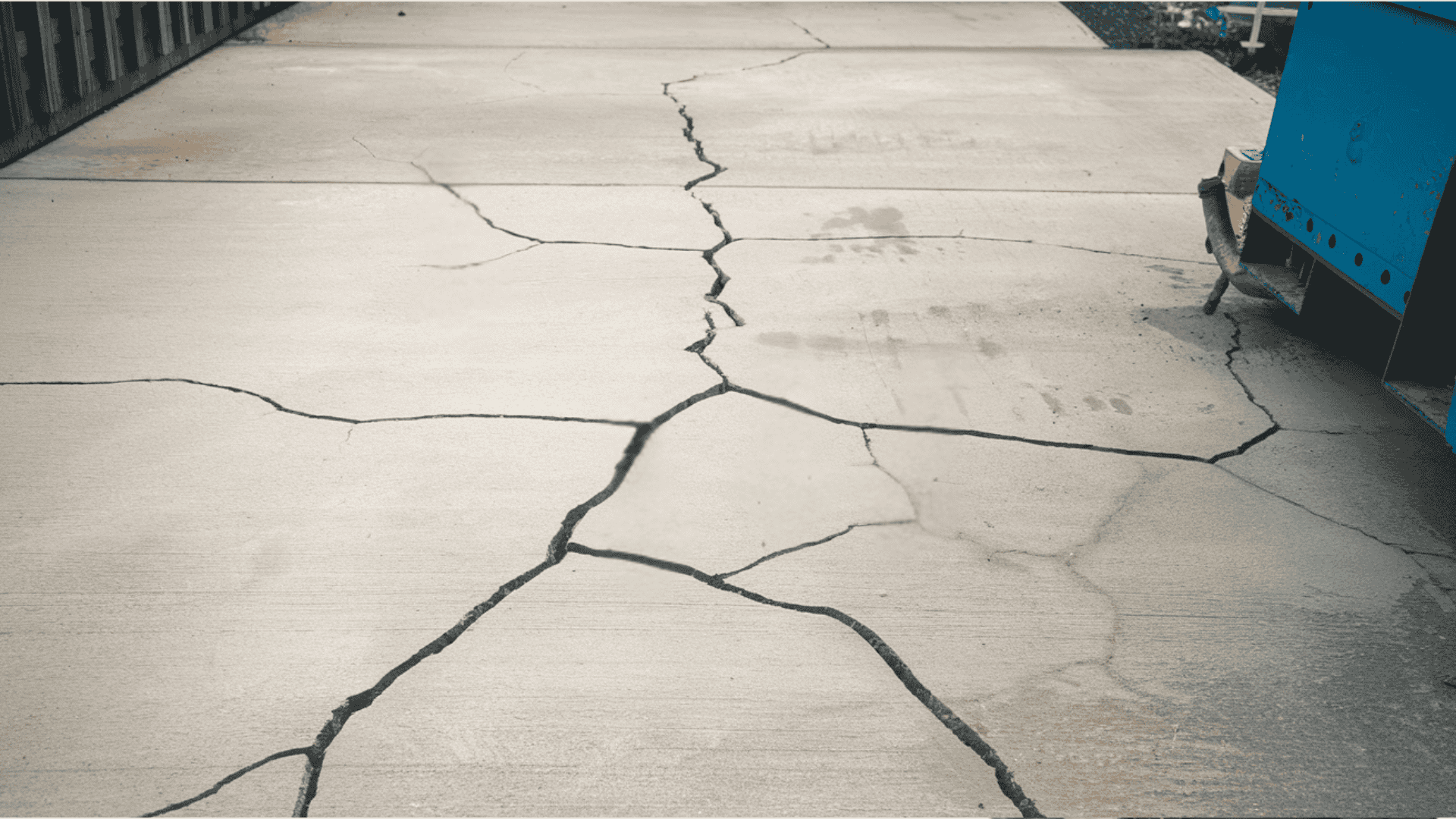
When cracks go beyond the surface, they can signal a structural issue. Here’s how to recognize the signs, understand the risks, and take the right next steps.
Signs of Structural Problems:
- The foundation slab shifts unevenly, indicating ongoing settlement.
- Heaving causes parts of the floor to lift upward.
- Basement walls lean or crack, indicating pressure from soil or water.
- Cracks continue to widen or lengthen over time despite repairs.
Why Structural Cracks Are Serious:
- Water intrusion becomes more frequent and severe.
- Mold growth spreads in damp areas, affecting air quality.
- Radon gas can enter through deep cracks.
- Floors grow uneven, posing tripping hazards and safety issues.
- Walls may bow or fail, leading to costly structural repair.
- Your home’s value drops, and insurance complications can arise.
What to Do Next:
- Contact a licensed foundation repair professional immediately.
- Request a comprehensive inspection and written report outlining causes and solutions.
- Compare multiple quotes to understand cost, timeline, and repair methods.
- Ask about warranties and long-term performance guarantees.
- Document everything, including photos, reports, and invoices, to support resale value and insurance claims.
Structural cracks demand professional attention. Acting quickly not only prevents further damage but also protects your home’s safety, stability, and long-term value.
When to Call a Professional?
If cracks in your basement floor keep widening, allow water to seep through, or cause parts of the floor to lift or sink, it’s time to call a professional.
A foundation specialist or structural engineer can identify the root cause and prevent further damage.
It’s also wise to seek expert help if you notice stair-step cracks on walls, musty odors, or recurring leaks. Acting early protects your home’s stability and saves money on major repairs.
Conclusion
Cracks in the basement floor are widespread. Most residents encounter them. The key is understanding which ones matter. Hairline cracks usually pose no threat.
Monitor them for changes. More expansive cracks in the basement concrete require professional evaluation. Act quickly if you spot water or rapidly growing cracks.
Prevention works best when proper drainage and moisture control are maintained. Don’t panic at the first crack. Get it evaluated if it concerns you. Document everything for your records. Your basement floor’s health protects your entire home.
Start measuring cracks in your basement today. Contact a foundation specialist if you notice warning signs. Early attention prevents expensive repairs.