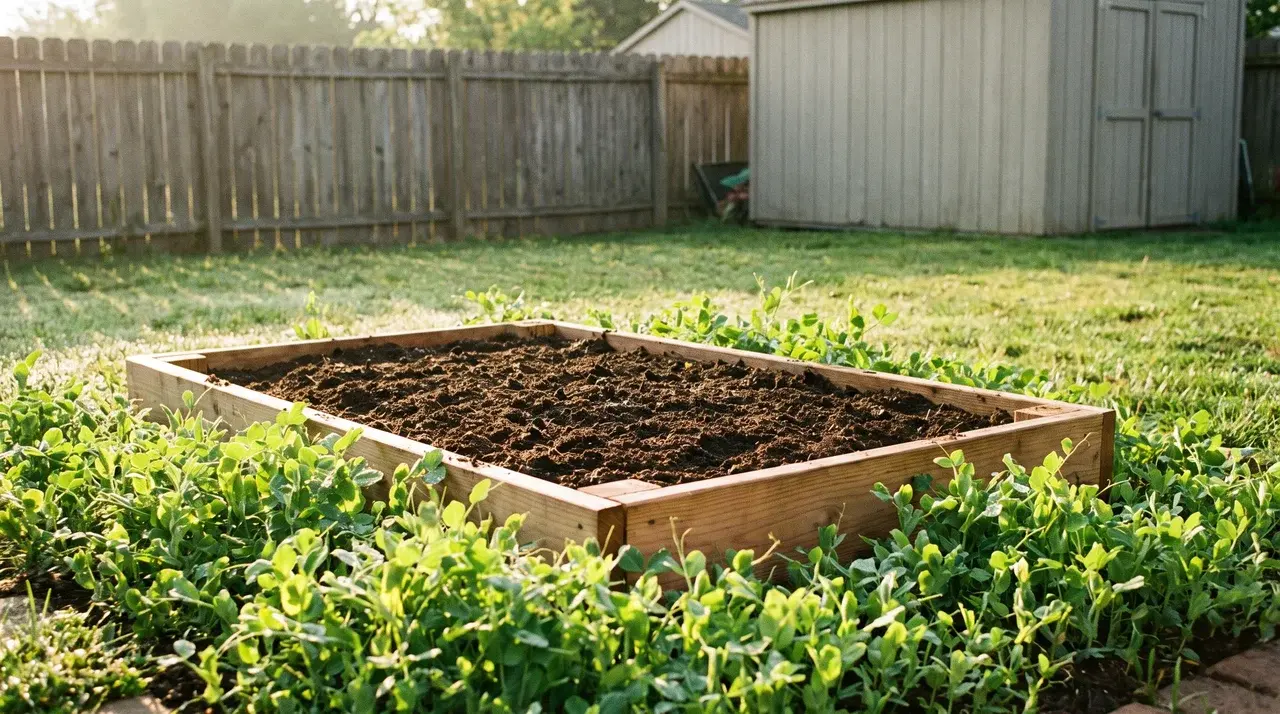
Bare dirt and a blank plan can feel like the hardest part of getting started.
Learning how to start a garden really comes down to five things: sunlight, soil, the right plants, a few basic tools, and a watering routine you can stick to.
Get those right and everything else falls into place.
This blog walks you through each step, from picking your spot to your first harvest, so you can skip the trial and error most beginners go through.
What Do You Need to Start a Garden?
You need five basic things to start a garden successfully. No expensive equipment. No prior experience.
Just the right setup from day one.
- A sunny location with at least 6 hours of direct light daily.
- Healthy, workable soil that drains well.
- The right plants for your local climate and season.
- Basic tools like a trowel, watering can, and gloves.
- A simple watering plan you can stick to each week.
That is all. Start with these five, and you are already ahead.
Pro Tip: Do not buy anything until you know where your garden will go. Location decides everything.
How to Start a Garden: Step-by-Step for Beginners
Getting the setup right matters more than effort alone. These six steps build on each other. Skip one, and the next gets harder.
Step 1: Pick the Right Location
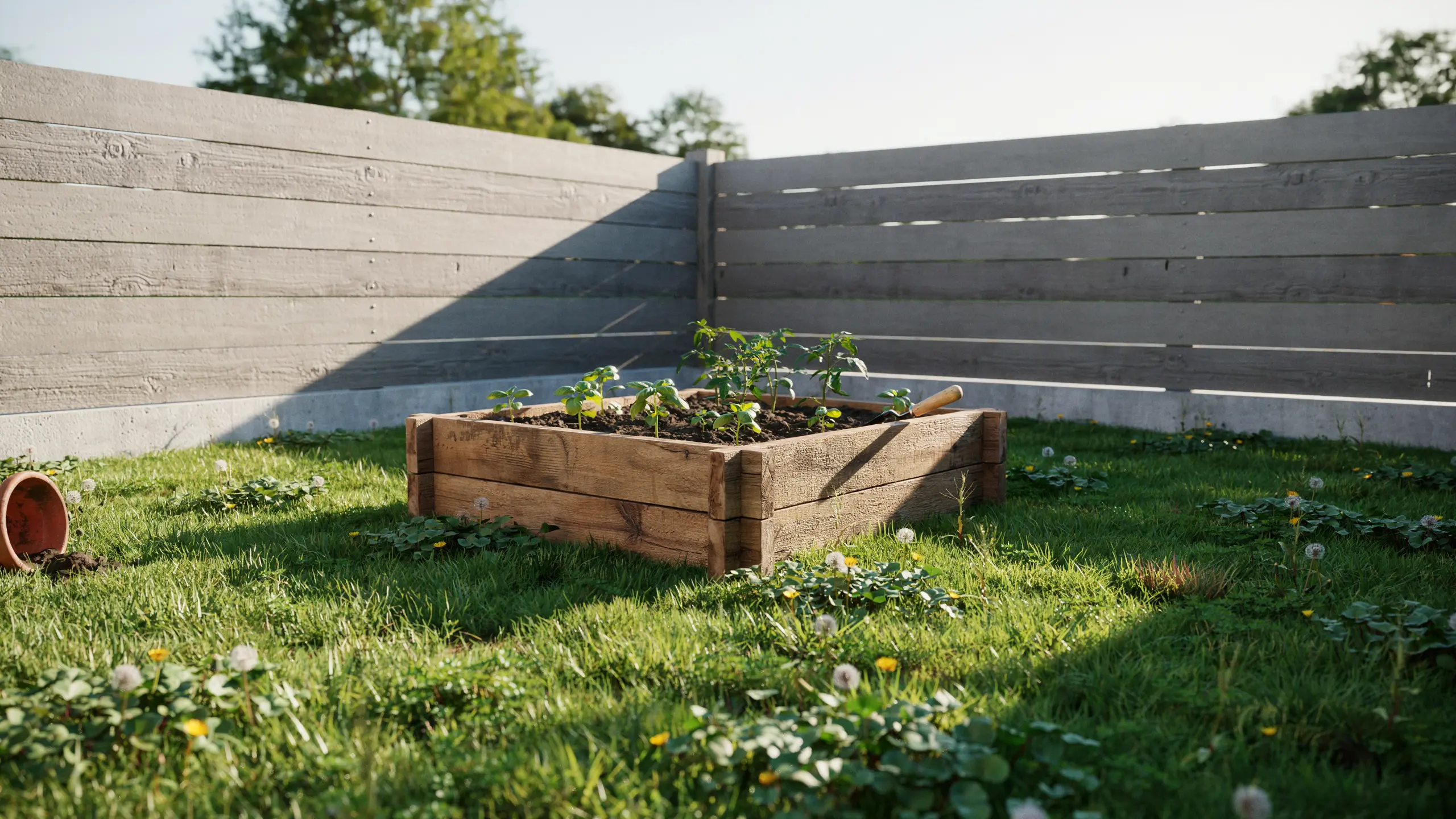
The right location is the most important decision you will make. A bad spot means struggling plants, no matter how much effort you put in.
Most vegetables need 6–8 hours of sun, while leafy greens and herbs tolerate shade.
Watch the sun all day, then choose a well-drained spot. A 4×4 raised bed is an ideal beginner-friendly size.
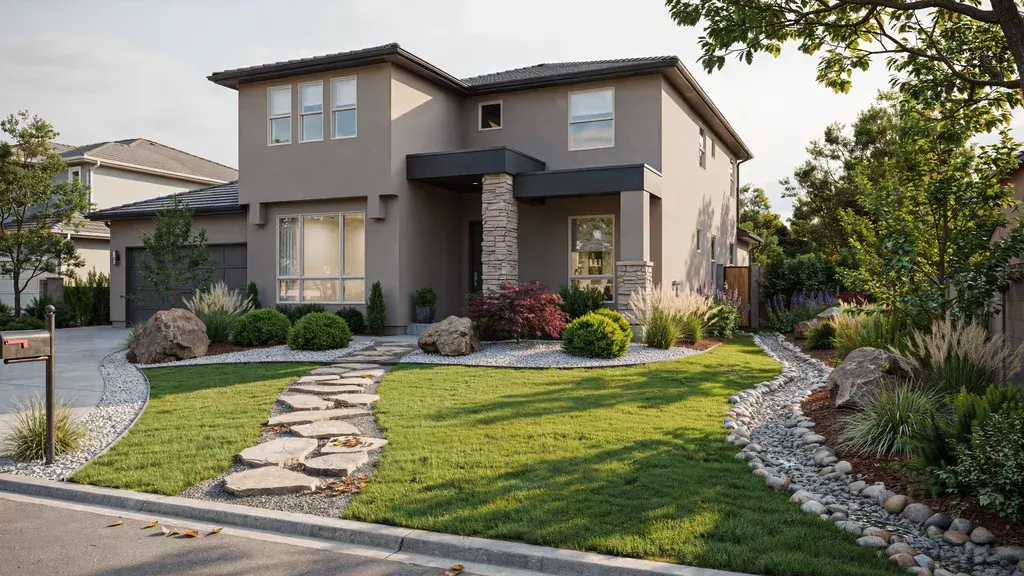
If you’re mapping out where everything goes, it helps to plan your outdoor space as a whole before you break ground.
Pro Tip: Pick a spot close to a water source. Walking far to water plants every day gets old fast.
Step 2: Test and Prepare Your Soil
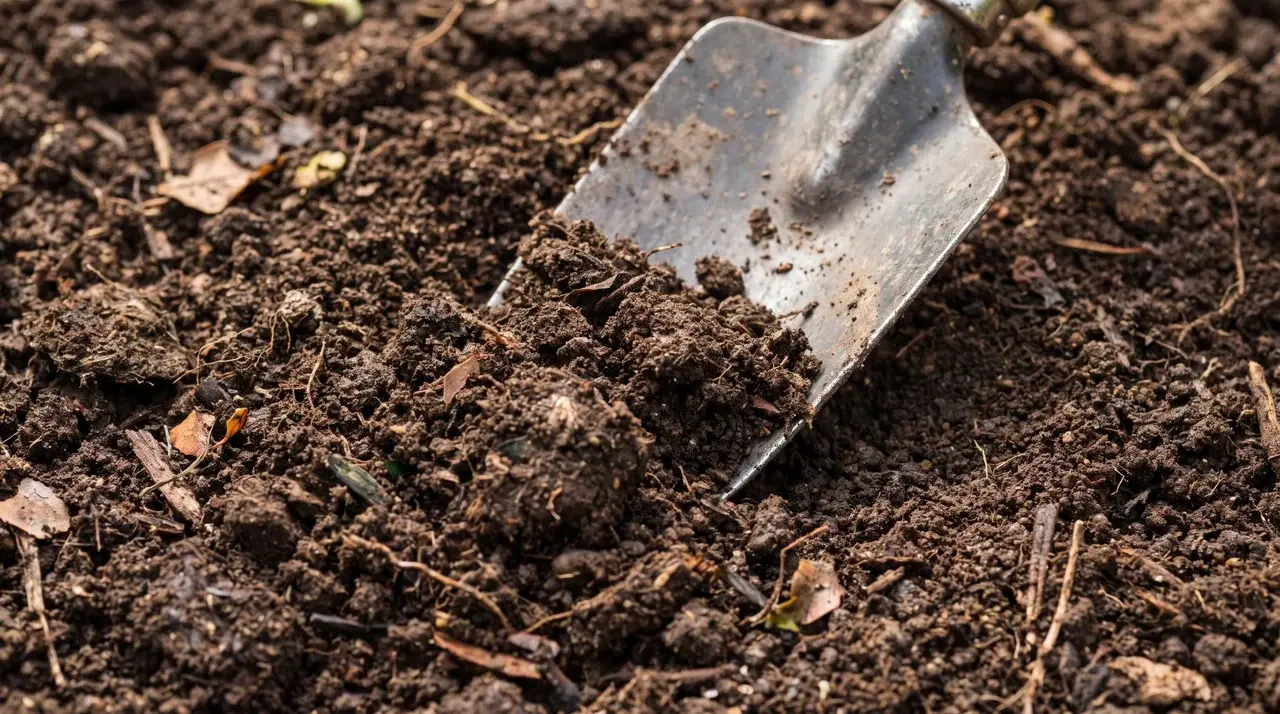
Good soil is the foundation of a thriving garden. Skipping this is why many first gardens fail.
Test your soil before planting anything: basic kits are available at garden centers for under $15, and they’ll check pH, nitrogen, phosphorus, and potassium.
Vegetables prefer soil with a pH of 6.0–7.0. Mix in compost, adding sand for clay soil or extra compost for sandy soil.
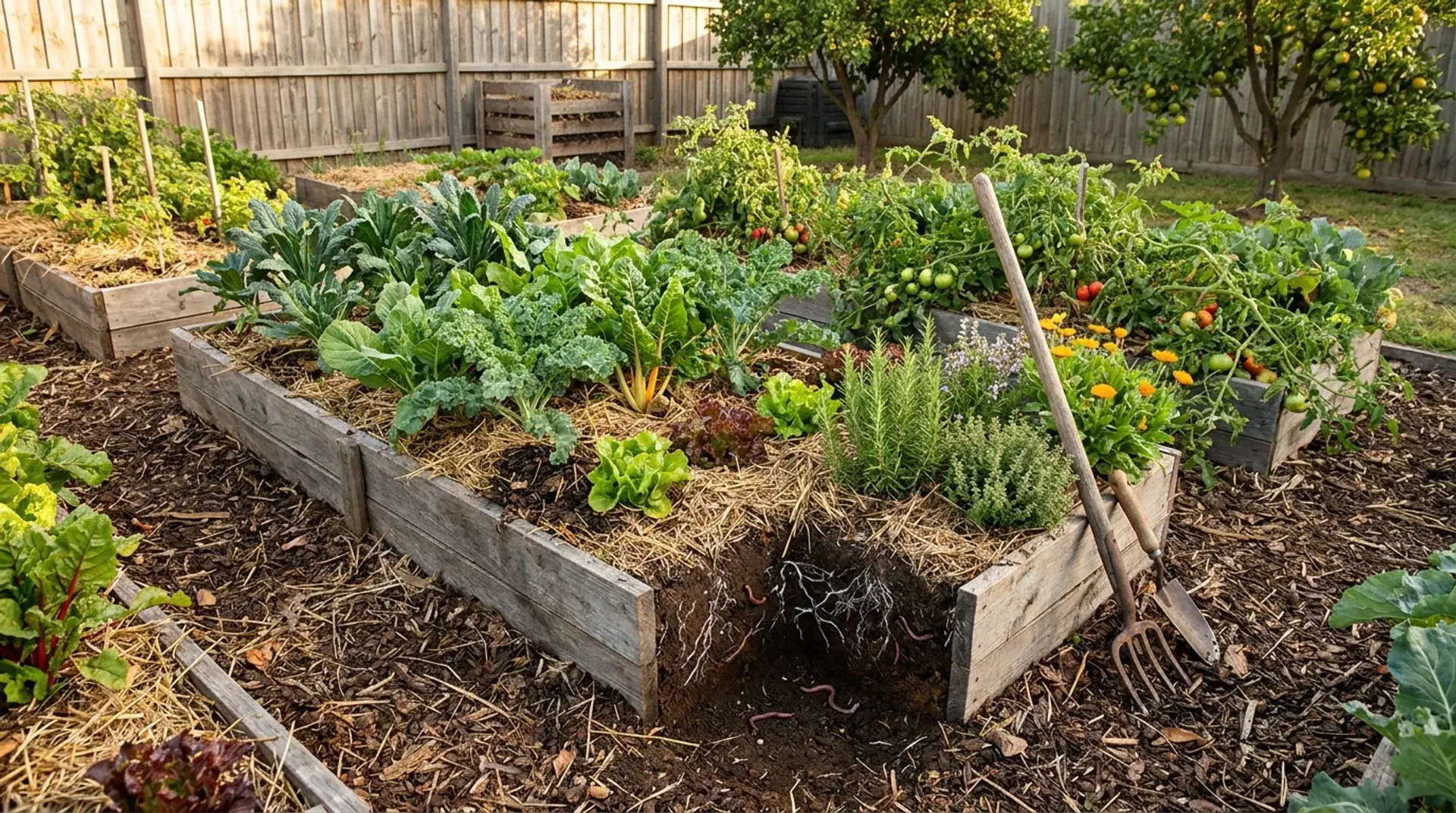
Raised beds let you skip native soil problems entirely by building your own mix, and a raised garden bed is one of the cheapest ways to get there without overspending on fill dirt.
Step 3: Choose the Right Plants
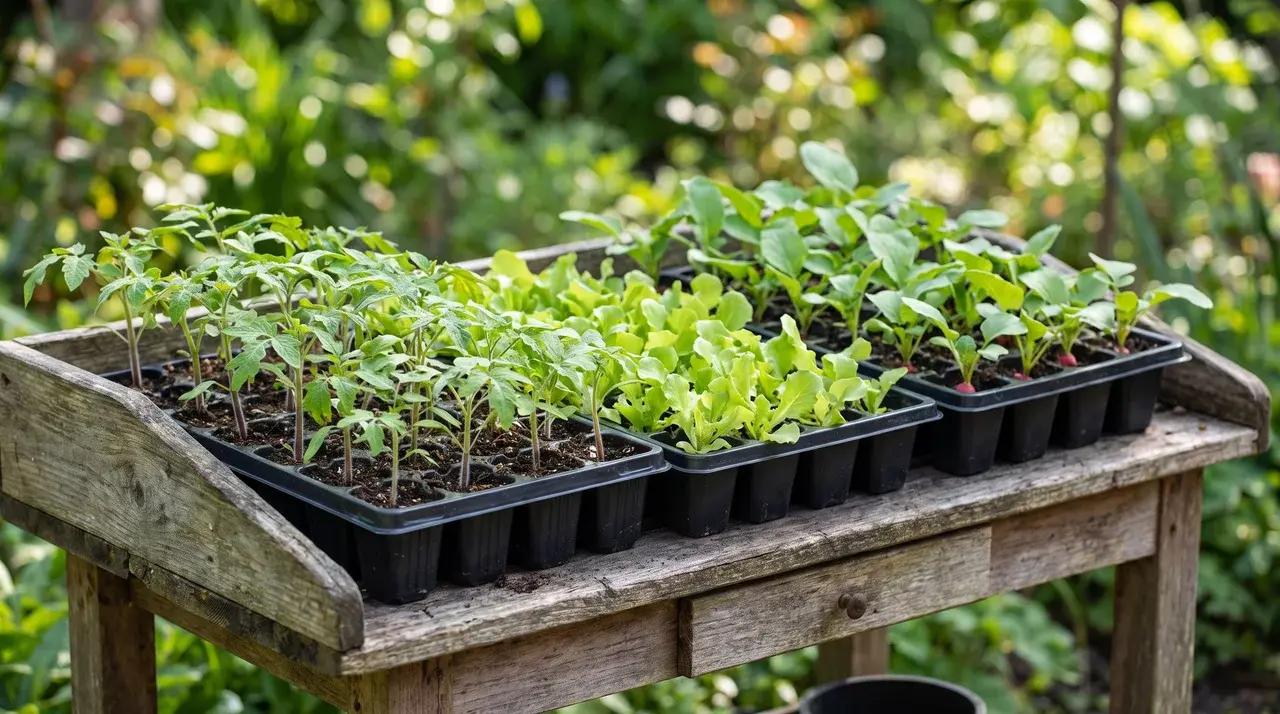
The wrong plants in the wrong season are the top reason beginner gardens fail. Start with easy, fast-growing varieties to build your confidence first.
Tomatoes, zucchini, green beans, radishes, and lettuce are all solid picks for first-time gardeners; radishes are ready to harvest in just 25 days.
Stick to 3 to 5 plant types in your first season. For region-specific variety picks, Texas A&M AgriLife publishes a solid reference on what actually performs well locally.
Seeds vs. Transplants: Which Should You Pick?
Seeds are cheaper and offer more variety, while transplants save time and give slow-growing vegetables a stronger start.
| Option | Cost | Growth Time | Best Used For |
|---|---|---|---|
| Seeds | Lower | Longer | Beans, Radishes |
| Transplants | Higher | Faster | Tomatoes, Peppers |
Best approach: Use transplants for tomatoes and peppers, and direct-sow beans and radishes straight into the soil.
Step 4: Plant Your Garden
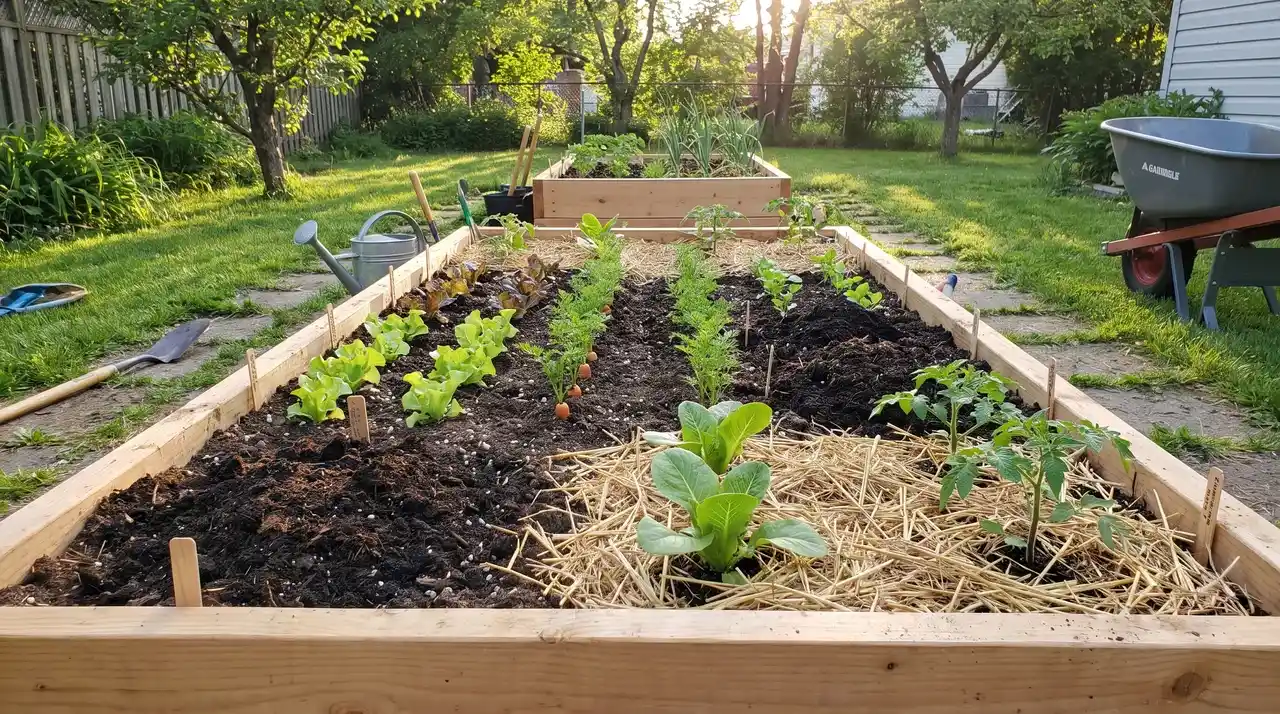
Planting correctly gives your garden the best start. Follow these steps in order, and do not skip any.
Mark out your garden bed before digging anything. Loosen the soil to a depth of at least 12 inches with a garden fork, then mix compost evenly across the bed.
Check spacing on your seed packet or transplant label before planting. Set seeds or transplants at the correct depth, following label instructions.
Water gently to settle the soil, then add a thin layer of mulch to retain moisture, following the same budget-friendly mulch routine that works for any bed or border.
Pro Tip: Do Not Rush Step 4d. Crowded Plants Compete for Nutrients and Rarely Produce Well.
Step 5: Water Your Garden the Right Way
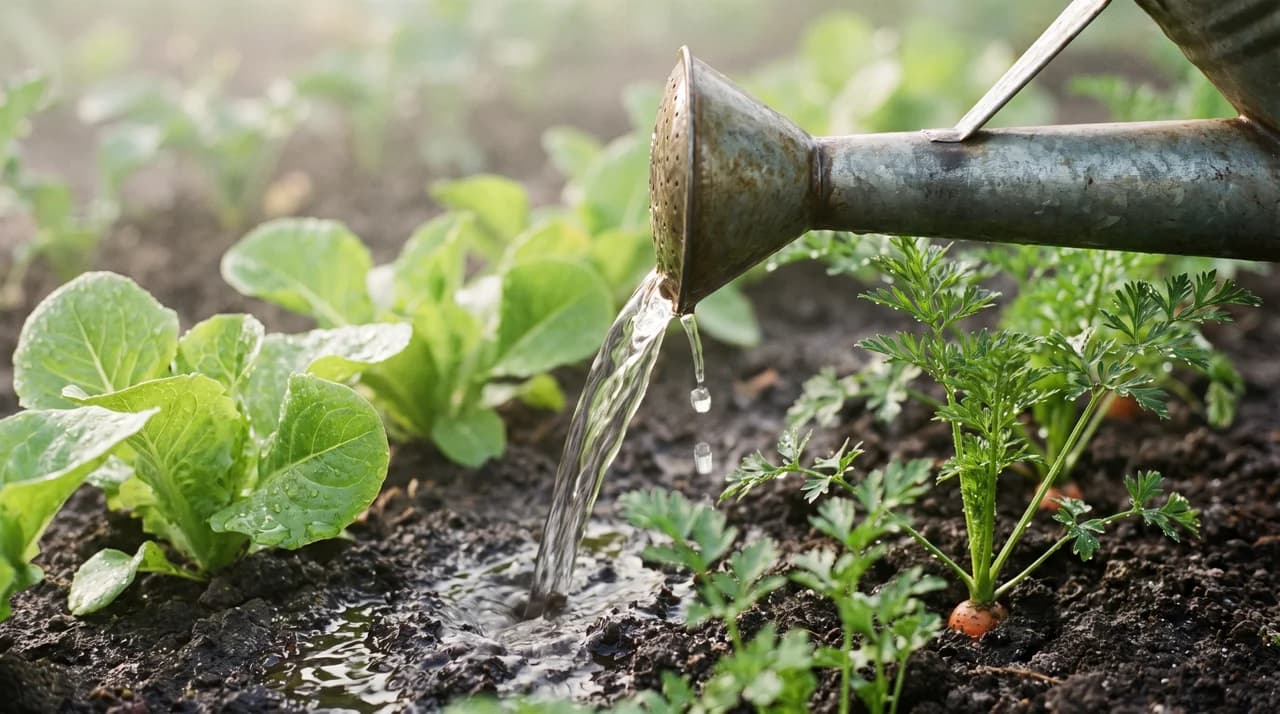
Your garden needs about 1 Inch of water per week. Overwatering and underwatering are two of the most common reasons beginner gardens fail.
How to Know when to Water:
- Push your finger 1 inch into the soil.
- If it feels dry at that depth, it is time to water.
- Water in the morning to reduce evaporation and lower the risk of disease.
Watering guide by plant type:
Plant | How Often to Water | Soil Depth to Check |
Tomatoes | Every 2 to 3 Days | 6 to 8 Inches |
Lettuce | Every 1 to 2 Days | 3 to 4 Inches |
Zucchini | Every 3 to 4 Days | 6 Inches |
Herbs | Every 2 to 3 Days | 2 to 3 Inches |
Maintain Your Garden Week by Week
A garden needs regular attention. It does not have to take hours each week. A few consistent tasks make a big difference over time.
Time Period | Tasks | Purpose |
Weeks 1 to 2 | Water consistently and watch for new growth | Helps seeds sprout and roots establish properly |
Weeks 3 to 4 | Check for pests, remove wild weeds, and top up mulch | Protects young plants and retains soil moisture |
Weekly | Pull small weeds while they are easy to remove | Prevents competition with crops |
Every 3 to 4 Weeks | Feed plants with a balanced fertilizer | Supports steady growth and improves yield |
Common Mistakes Beginners Make
Every beginner makes mistakes. Knowing them ahead of time saves you frustration and wasted money if you’re working on a shoestring budget or planning a backyard overhaul on a tighter budget for later.
- Planting too much too soon: A small, well-managed bed is better than a large, neglected one.
- Skipping soil preparation: Regular watering cannot make up for poor-quality soil.
- Watering on a fixed schedule: Check the soil and water only when it feels dry.
- Ignoring spacing rules: Overcrowded plants compete for water, nutrients, and sunlight.
- Giving up after one plant dies: One failed tomato plant does not mean the entire garden has failed.
Conclusion
You now know how to start a garden without having to guess your way through it.
Pick a sunny spot, prep your soil, choose beginner-friendly plants, and stick to a simple watering routine.
Skip a step, and the next one gets harder, so work through them in order.
Start small this season, build on what works, and let your confidence grow along with your plants. What are you planting first? Share your pick in the comments below.
Frequently Asked Questions
How Much Does It Cost to Start a Garden?
A basic 4×4 raised bed with soil, seeds, and tools runs $50 to $150. Costs drop each season since tools and beds are reusable.
Can I Start a Garden Without a Yard?
Yes, containers and pots work well for herbs, lettuce, and even compact tomato varieties on a patio, balcony, or windowsill.
What Is the Best Time of Year to Start a Garden?
Spring, after the last frost, is easiest for most vegetables. Check your local frost date before planting anything outdoors.
Do New Gardens Need Fertilizer Right Away?
Not immediately. Healthy compost-mixed soil feeds young plants for the first few weeks. Start light fertilizing once seedlings show real growth.