What if one design choice could reshape your home? Mulled windows do exactly that.
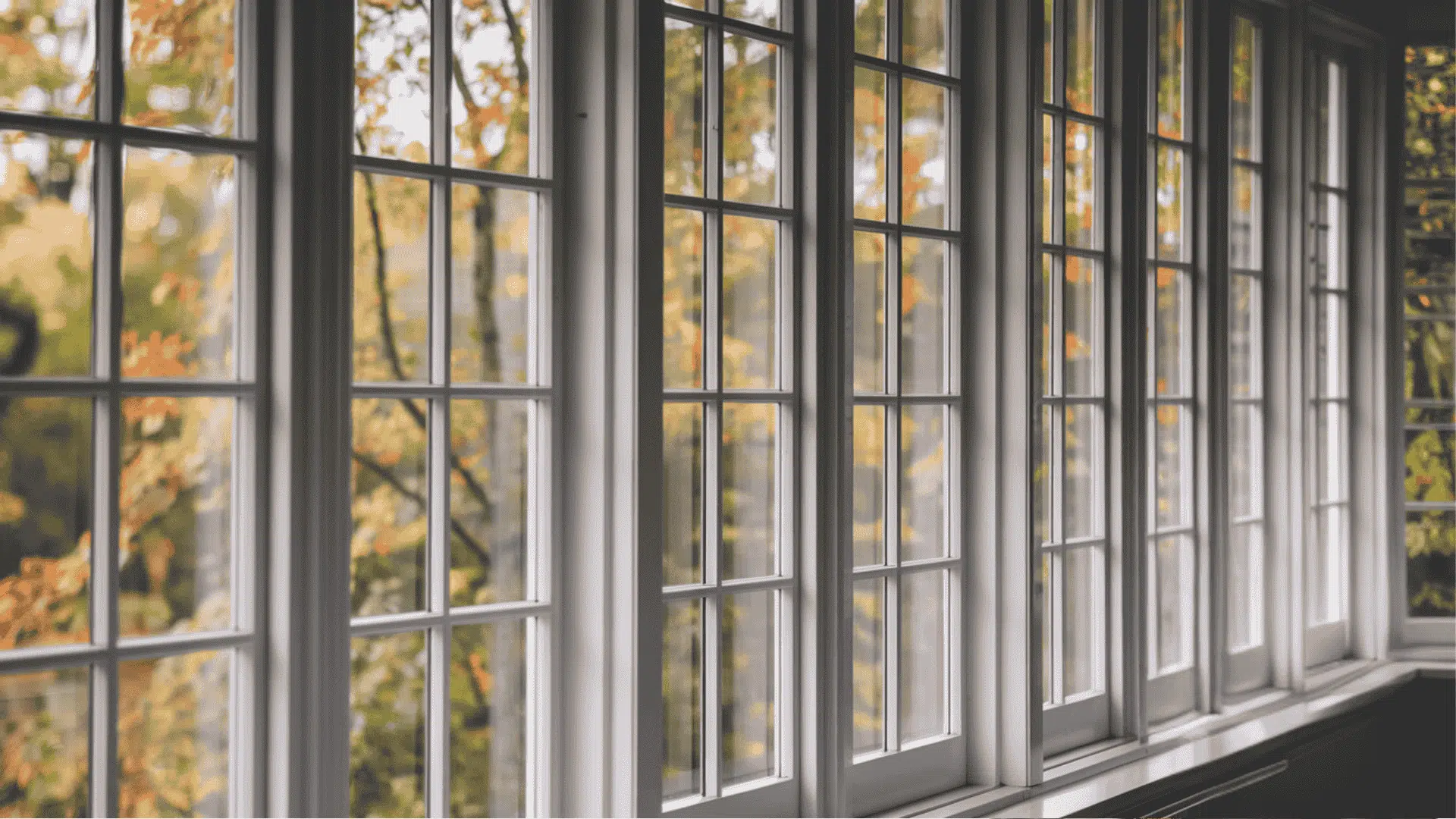
These architectural features join two or more window units into one striking assembly, creating glass walls that flood interiors with natural light.
Large glass openings improve spaces instantly. Mulled windows have become popular in homes for creating bold design statements and expanding outdoor views.
This blog explains what mulled windows are, their real benefits and drawbacks, and how to shop for them.
You’ll learn about cost considerations, installation requirements, and what sets mulled windows apart from traditional options.
Whether you’re renovating or building new, this information helps you make smart choices. Let’s explore whether these windows fit your home’s needs and budget.
What Are Mulled Windows?
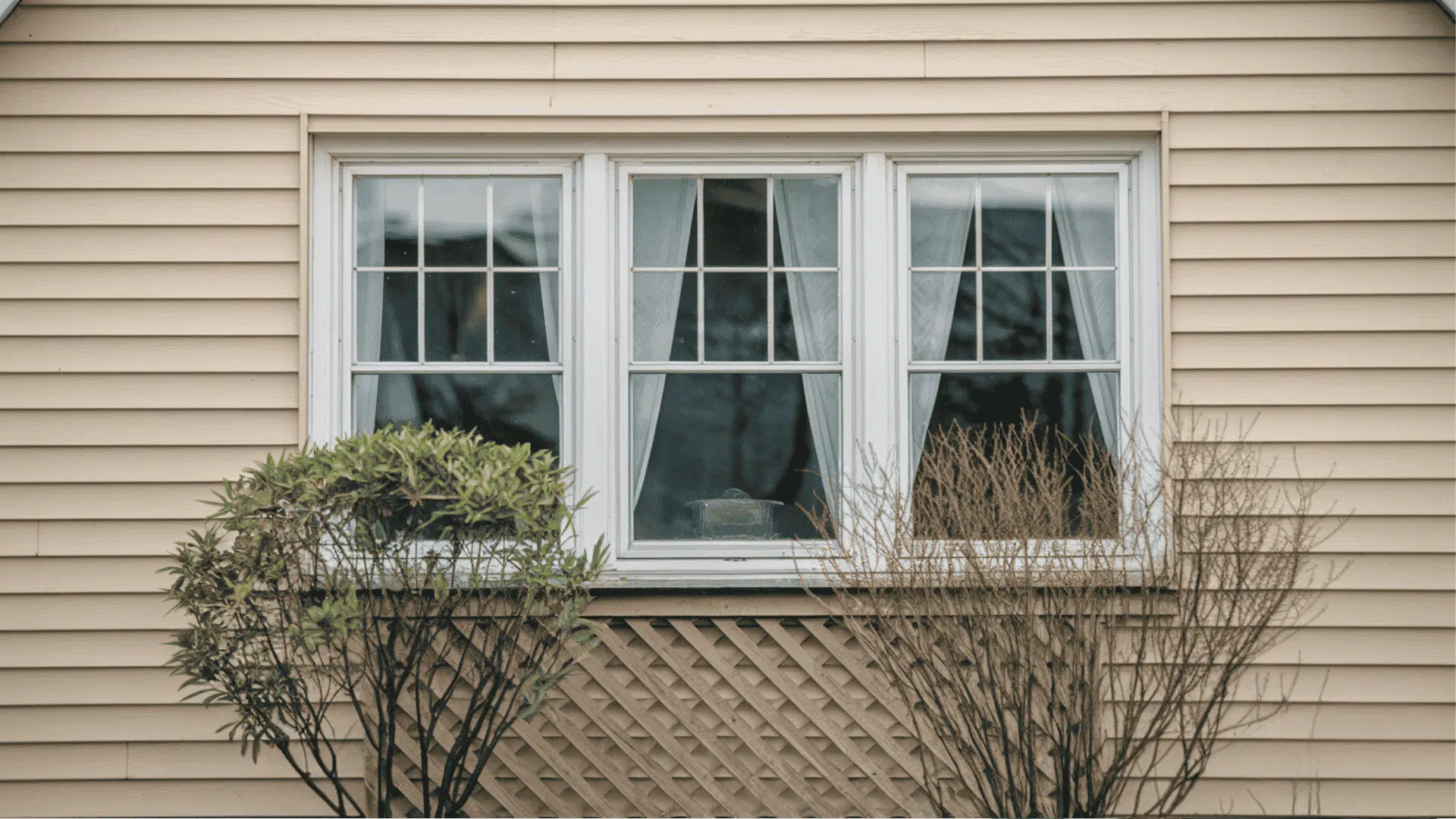
Mulled windows are two or more window units joined together at their frames to form one larger assembly. The frames connect vertically or horizontally, creating the appearance of a single giant window opening.
This creates a unified opening that functions as a cohesive unit rather than separate, independent windows side by side.
How Mulled Windows Are Assembled:
- Factory-mulled options: units are assembled by the manufacturer before shipping to you for installation.
- Field-mulled assemblies: units arrive separately and get joined on-site after installation begins.
- Two-wide configurations: two windows combined horizontally to achieve standard-width expansion.
- Three-wide configurations: three units joined for larger, more dramatic glass walls.
- Tall stacked arrangements: windows stacked vertically to create floor-to-ceiling effects.
This setup creates larger glass areas and fewer frame interruptions than separate windows. The unified look appeals to modern home designs, emphasizing open floor plans and abundant natural light.
Many residents choose these windows for their premium appearance, which commands attention in any room.
Pros and Cons of Mulled Windows
Before deciding whether mulled windows are a good fit for your project, weigh their advantages and drawbacks. Here’s a quick breakdown of what they offer and where they may fall short.
| Pros | Cons |
|---|---|
| Creates expansive, uninterrupted glass views that brighten interiors | Higher upfront investment due to labor, size, and materials |
| Delivers a sleek, modern aesthetic that suits open floor plans | Requires precise installation and strong structural framing |
| Fewer frame breaks improve insulation and potential energy efficiency | Repairs or glass replacement can be more complex |
| Allows creative configurations mixing fixed and operable windows | Limited independent window operation once units are joined |
| Boosts curb appeal and home value with a high-end look | A heavier weight may increase shipping and handling costs |
Mulled windows are ideal for homeowners who value light-filled, open interiors and modern style. They offer a premium look and performance, just plan for professional installation and a slightly higher upfront cost.
Mulled vs. Non-Mulled Windows
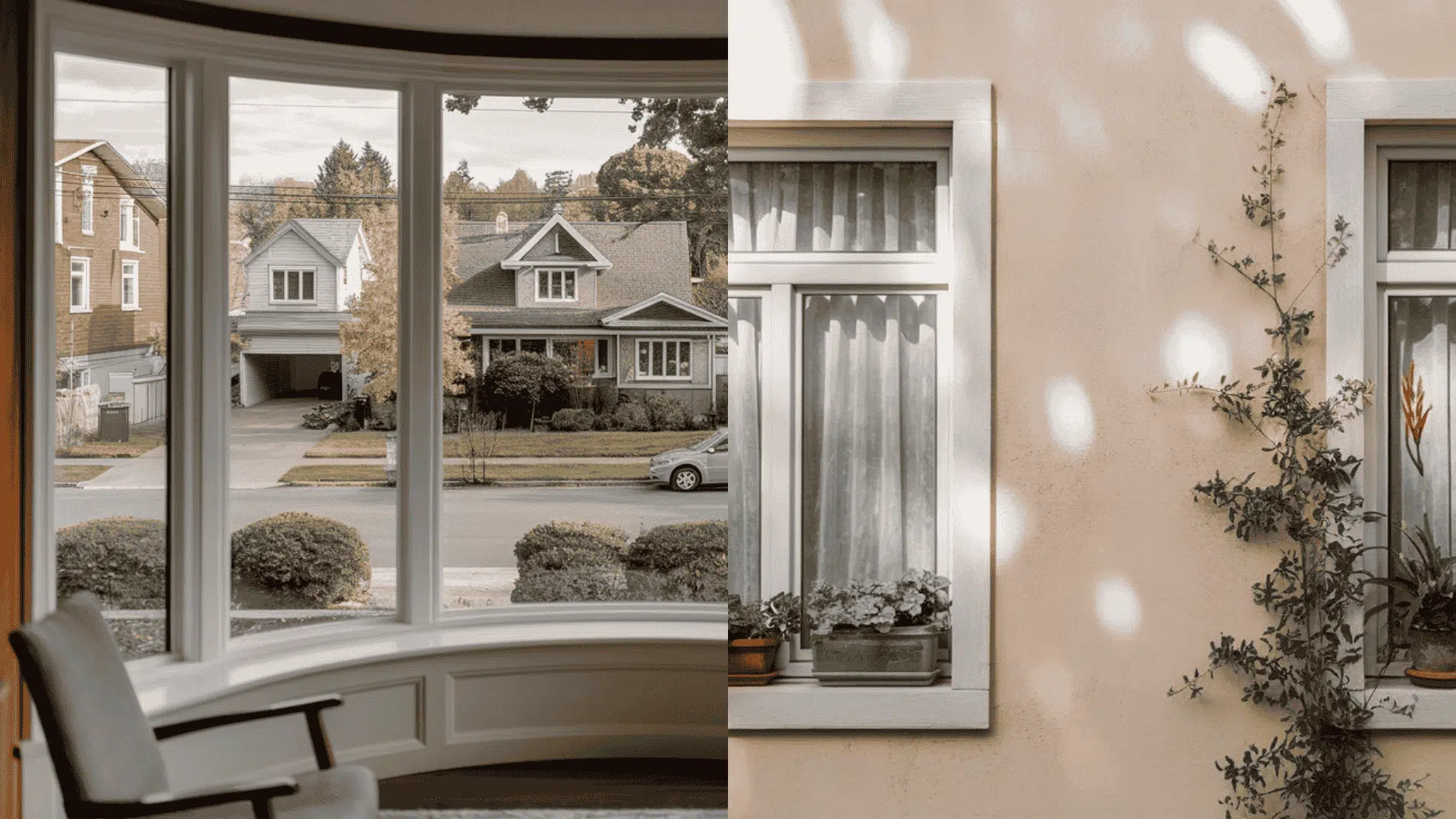
Before choosing your next window upgrade, it’s essential to understand how mulled and non-mulled windows differ. Each option offers unique benefits, installation needs, and aesthetic outcomes.
| Feature | Mulled Windows | Non-Mulled Windows |
|---|---|---|
| Appearance | Unified, expansive glass with fewer frame breaks. Large opening effect. | Traditional framing with visible separations between units. |
| Installation | Requires structural support and careful joining. Higher complexity. | Simpler installation, each unit is independent. Lower complexity. |
| Cost | Higher upfront due to size, joinery, and labor. | Budget-friendly per unit. Gradual installation is possible. |
| Maintenance | Assembly failure may affect the whole section. Repairs are more complex. | Individual units are easier to replace without affecting neighbors. |
| Ventilation | Limited independent operation since units are joined. Fewer vent options. | Each window opens independently. Maximum flexibility. |
| Best For | Large openings, modern homes, and living rooms want a “glass wall” effect. | Smaller spaces, traditional layouts, room-by-room upgrades. |
Choose mulled windows when you have wide openings, want expansive views, prefer modern design, and have budget flexibility. Choose non-mulled windows when budget matters more, and you need independent operation.
Pro Tip: Check local building codes, especially in wind or hurricane zones. Large assemblies may need engineered headers or reinforced mullions for safety.
Mulled Window Options and Price Tiers
These windows come in three main price ranges, depending on size, materials, and level of customization.
- Entry-Level ($1,500–$3,500): Smaller assemblies with vinyl or basic fiberglass frames. Standard glass options. Minimal customization. Factory pre-mulled. Good for modest openings.
- Mid-Range ($4,000–$8,000): Larger three-wide configurations. Upgraded fiberglass or clad wood frames. Premium glass with Low-E and argon fills. More customization is available. Better performance.
- Premium ($9,000–$15,000+): Large floor-to-ceiling assemblies. Premium wood or aluminum-clad frames. Triple-pane glass. Full factory milling. Custom finishes. Maximum performance and aesthetics.
Top mulled window Manufacturers
- Pella offers factory-mulled systems with extensive customization options.
- Marvin provides design flexibility with multiple mulling configurations.
- Viwinco specializes in energy-efficient mulled window systems.
- Local custom window manufacturers often provide tailored solutions.
These prices apply only to units. Add costs for installation, structural modifications, permits, and finishing. Get complete quotes before deciding.
Tips for Buying a Perfect Mulled Window
Investing in mulled windows is a big decision, and choosing the right setup can make all the difference in performance, appearance, and longevity. Use these practical tips to make an informed purchase.
Tip 1: Check Structure First
Before ordering, consult a contractor or structural engineer. Large mulled assemblies may need reinforced framing or headers to safely support added weight and meet code requirements.
Tip 2: Compare Materials
Select materials suited to your home and climate. Fiberglass and aluminum-clad wood frames offer durability and strength, while vinyl provides an affordable option for smaller openings.
Tip 3: Look for Efficiency Ratings
Energy-efficient glass reduces long-term costs. Choose ENERGY STAR or NFRC-certified windows for improved insulation and year-round comfort.
Tip 4: Opt for Factory-Mulled Assemblies
Factory mulling creates cleaner, stronger joints and a polished finish. On-site assembly can work, but may increase alignment issues or air leaks.
Tip 5: Gather Multiple Quotes
Get at least three quotes from licensed installers. Compare total project costs, including framing, labor, and materials, not just window prices.
Tip 6: Confirm Warranties
Check coverage for seals, joints, and frame integrity. A strong warranty protects your investment against defects and weather-related damage.
When you shop with structure, efficiency, and quality in mind, your mulled windows will not only elevate your home’s design but also deliver lasting value and performance for years to come.
Conclusion
Mulled windows are a great way to enhance your home with more natural light and a modern, open feel. That’s the beauty of well-chosen mulled windows.
These assemblies enhance home design with expansive light, modern aesthetics, and lasting value.
While they require greater investment and precise installation, the result is a timeless structural feature that enhances any space and improves everyday comfort.
Partner with trusted manufacturers likePella, Marvin, and Viwinco, and consult certified installers to ensure performance, warranty coverage, and energy efficiency match your climate for optimal results.
Ready to upgrade your view? Request a free quote from a local window professional today and turn your home into a showcase of light, elegance, and enduring comfort that stands the test of time.