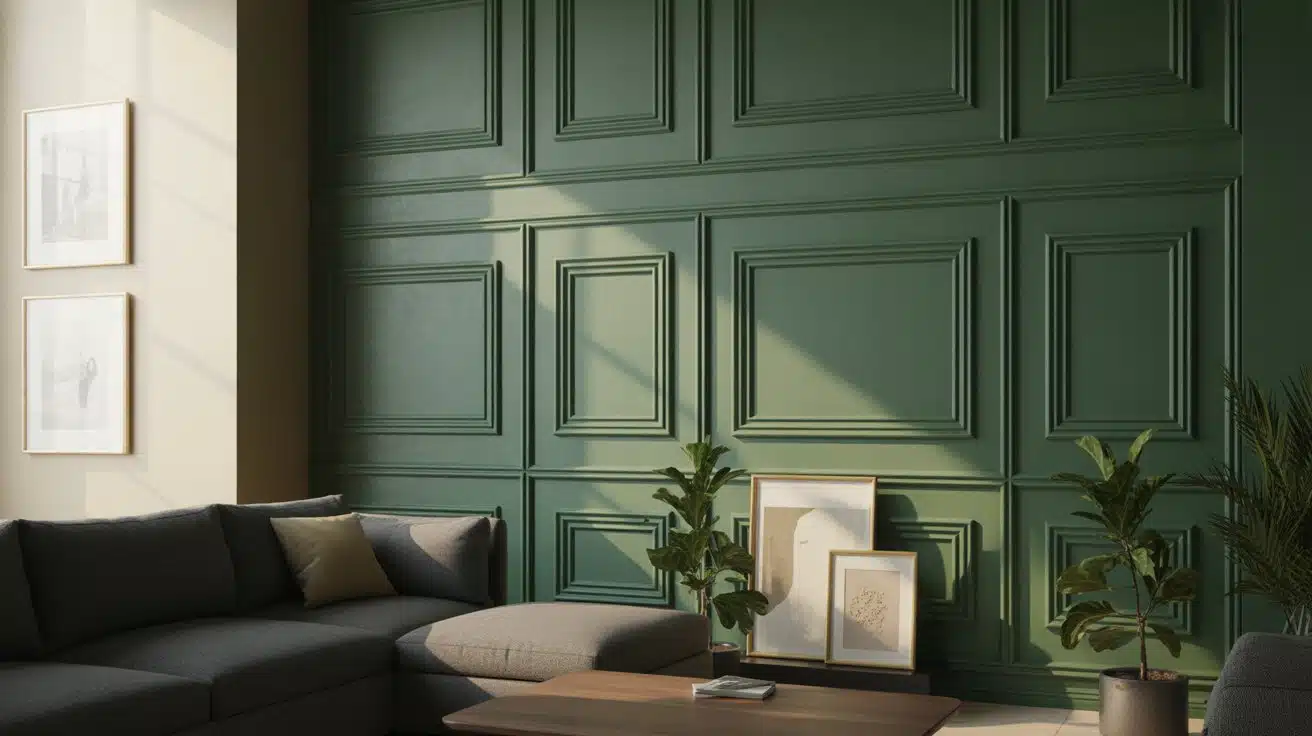
Looking to add character to plain walls without major renovation?
Wall paneling offers a practical solution that combines style with function. Covering imperfections, adding insulation, or simply refreshing your interior, the right panels can completely change a room’s look.
From classic wood to modern 3D designs, there are wall paneling options for every budget and style.
This guide covers all major materials: wood, PVC, WPC, metal, and more, plus popular styles such as wainscoting, board-and-batten, and fluted panels.
You’ll learn how to choose interior wall panels that match your space, handle maintenance, and stay on budget. Let’s see your options.
What is Wall Paneling?
Wall paneling is a design technique in which materials such as wood, PVC, or metal are attached to interior walls. It has been used for centuries, starting in medieval castles where wooden panels helped keep rooms warm.
Today, it serves both practical and design purposes in homes and offices. The main reasons people choose wall panels include:
- Hiding wiring and pipes: Panels create a clean look by covering electrical conduits and plumbing lines
- Better insulation: They help control temperature and reduce noise between rooms
- Protection: Panels shield walls from moisture, scratches, and everyday wear
- Visual appeal: They add depth, texture, and character to plain walls
Unlike paint or wallpaper, wall panels add a three-dimensional element to your space. Paint is flat. Wallpaper adds a pattern. But panels add physical texture and structure, changing how light falls across your walls.
Types of Wall Paneling by Material
Choosing the right material affects how your panels look, last, and perform. Here are the most common options.
1. Wood Wall Panels
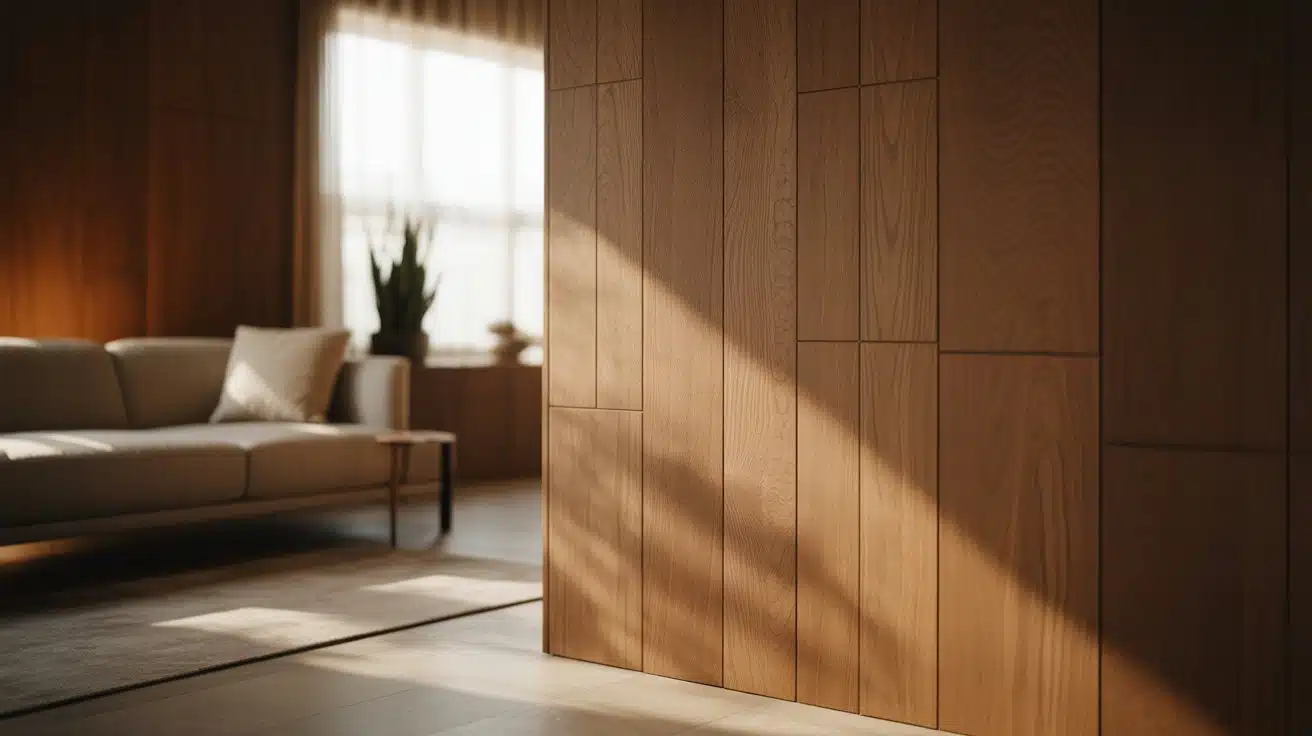
Wood remains the most popular choice for interior wall panels. Solid wood gives you natural grain patterns and long-lasting quality. Oak, pine, and walnut are common choices.
MDF panels cost less than solid wood. They have a smooth finish that’s easy to paint. Plywood panels are lightweight and affordable. They’re often used for temporary installations or budget projects.
2. PVC Wall Panels
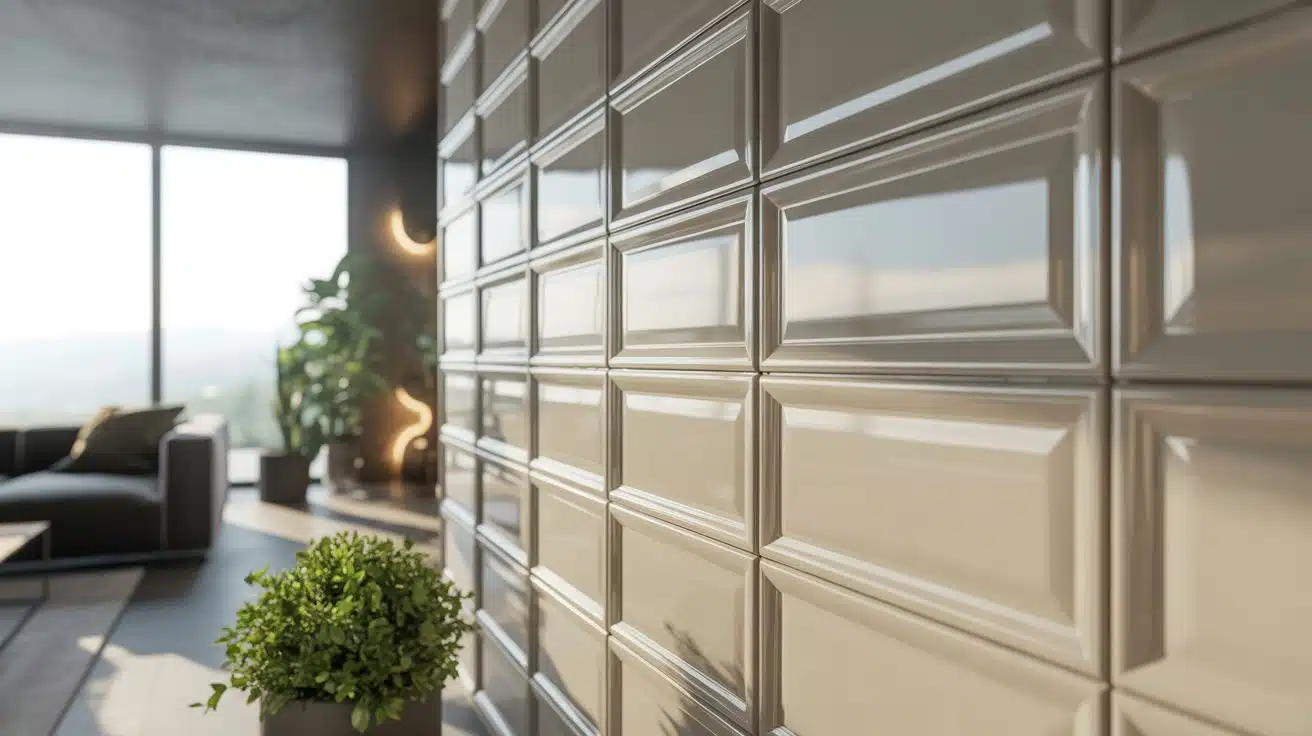
PVC (polyvinyl chloride) panels are made of plastic. They resist water completely, making them perfect for wet areas.
These panels come in many colors and finishes. Some mimic wood or tile. They snap together easily, making DIY installation easier.
3. WPC Wall Panels (Wood-Plastic Composite)
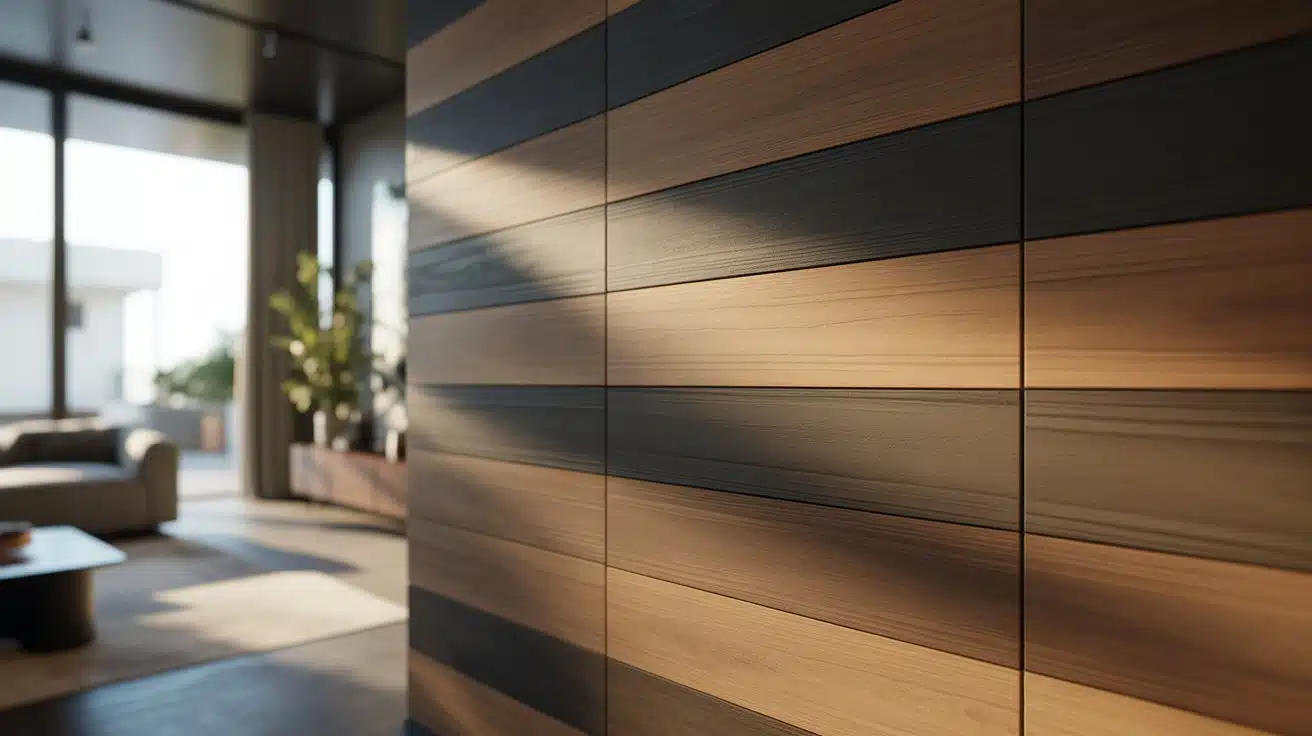
WPC combines wood fiber with plastic. This creates a material that looks like wood but resists water like plastic.
These panels work indoors and outdoors. They don’t rot, warp, or need much care. Many are made from recycled materials.
4. Metal Wall Panels
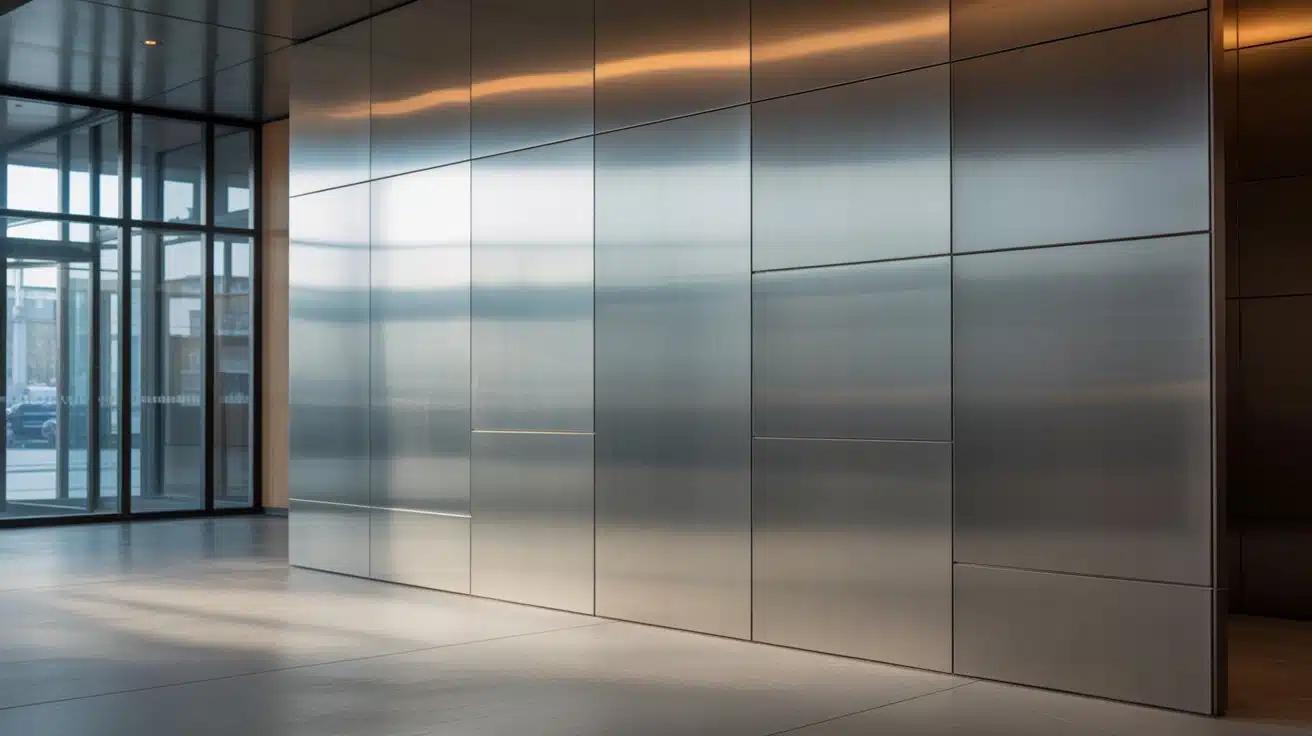
Metal panels use materials like stainless steel, aluminum, or copper. They create a modern, industrial feel.
These panels resist fire and last for decades. Some have brushed finishes. Others are polished or come in different colors.
5. Glass and Mirror Panels
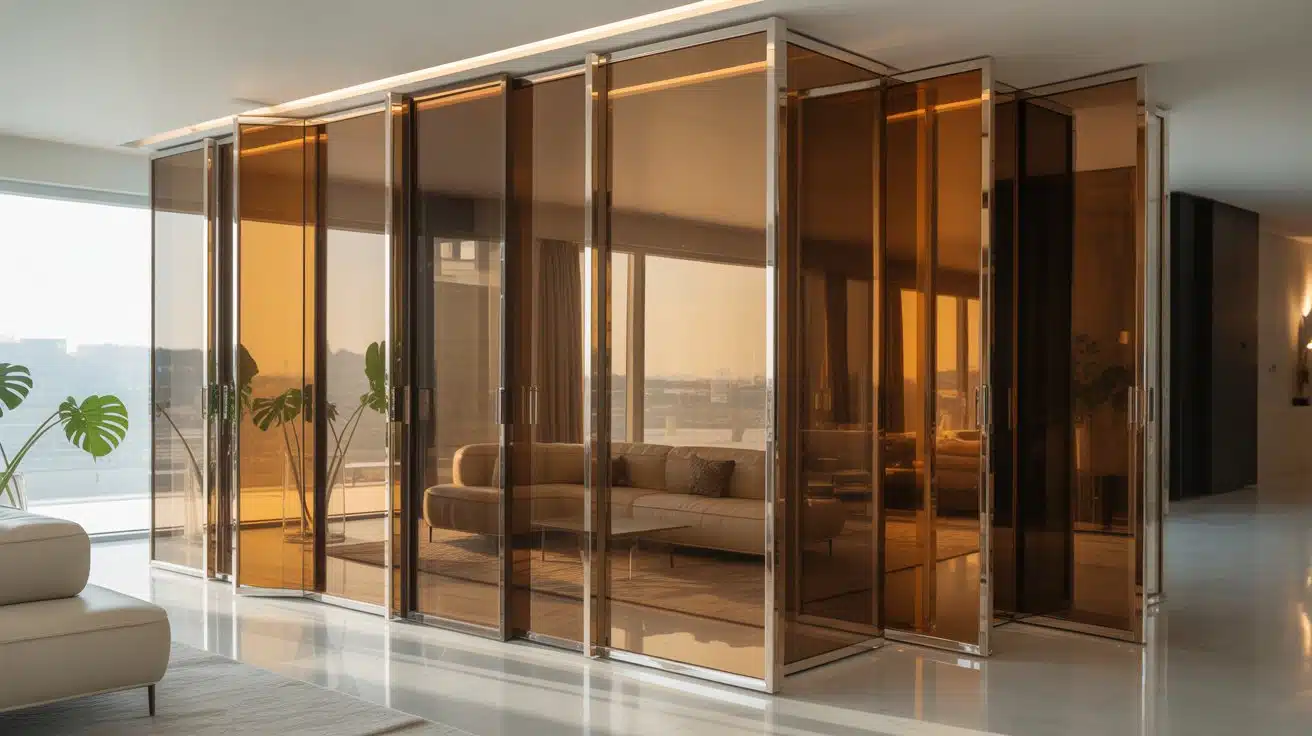
Glass panels reflect light, making rooms feel bigger. Frosted glass adds privacy while allowing light to pass through. Mirror panels double the visual space.
These work well as accent pieces. You can combine them with other materials for contrast.
6. Fabric and Upholstered Wall Panels
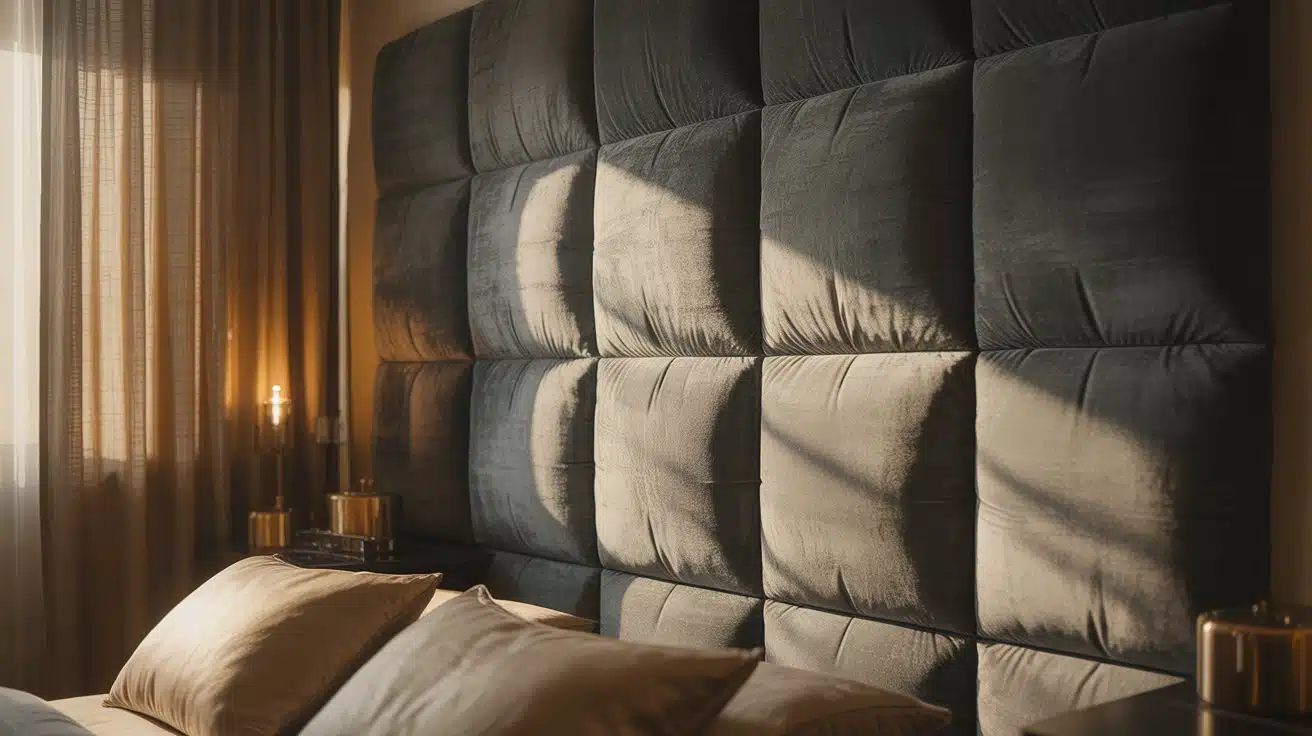
These panels have fabric padding. They absorb sound and soften hard spaces.
Common in home theaters, bedrooms, and offices. You can choose from hundreds of fabric colors and textures.
7. Stone, Tile, and Brick Panels
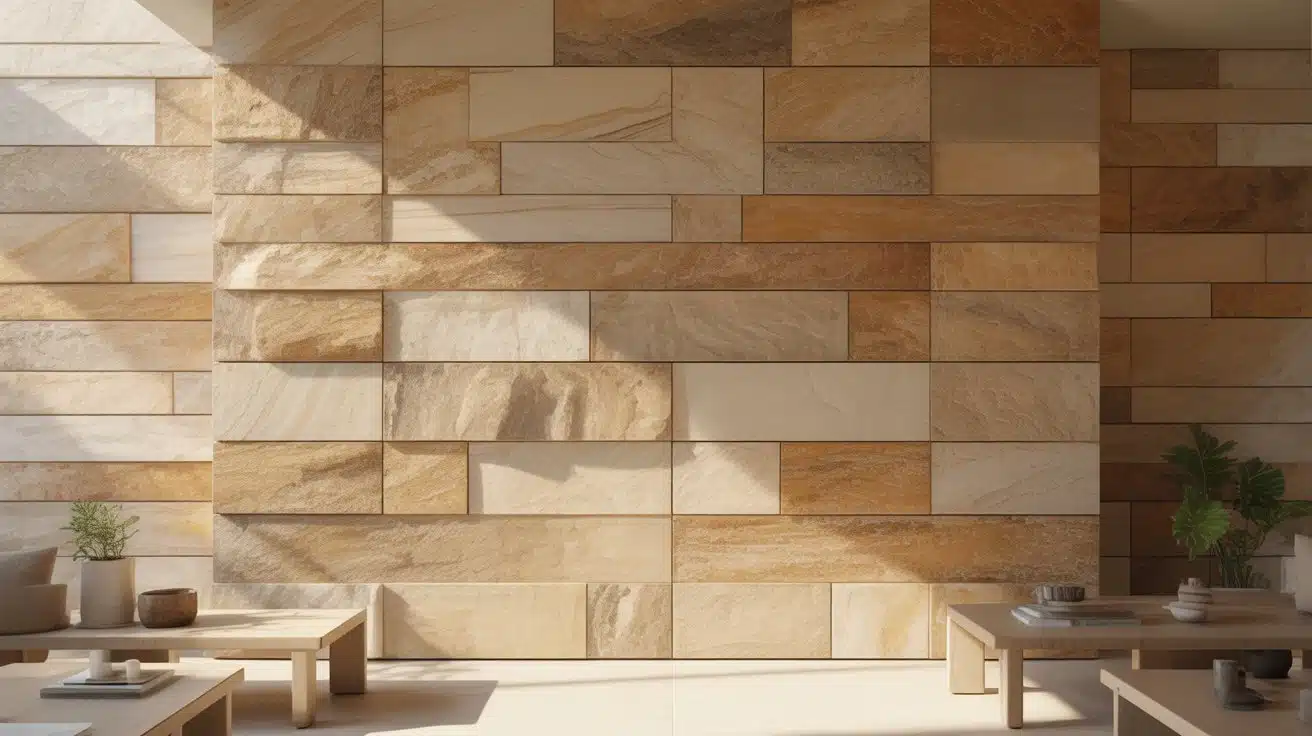
Natural stone panels use materials like marble or slate. Tile panels come in ceramic or porcelain. Brick panels can be real brick or thin veneers.
These create statement walls with texture and weight. They work in both traditional and modern settings.
8. Eco-Friendly and Recycled Materials
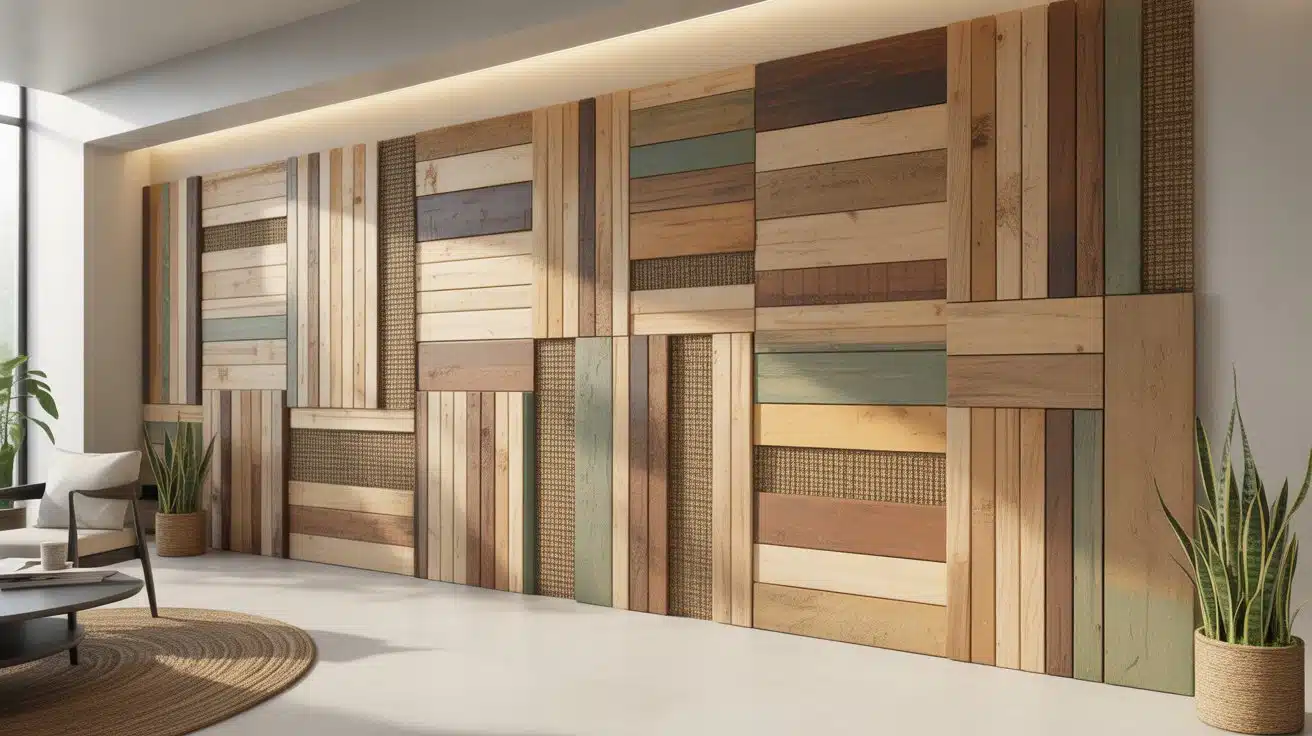
More people want sustainable options. Look for:
- FSC-certified wood from managed forests
- Recycled WPC made from post-consumer plastic
- Cork panels (renewable and biodegradable)
With a knowledge of the different types of wall paneling materials, let’s see popular wall paneling ideas to inspire your next design project.
Popular Wall Paneling Ideas and Styles
Different styles create different moods. Here are twenty-one proven options that work in real homes.
1. Vertical Wood Panels
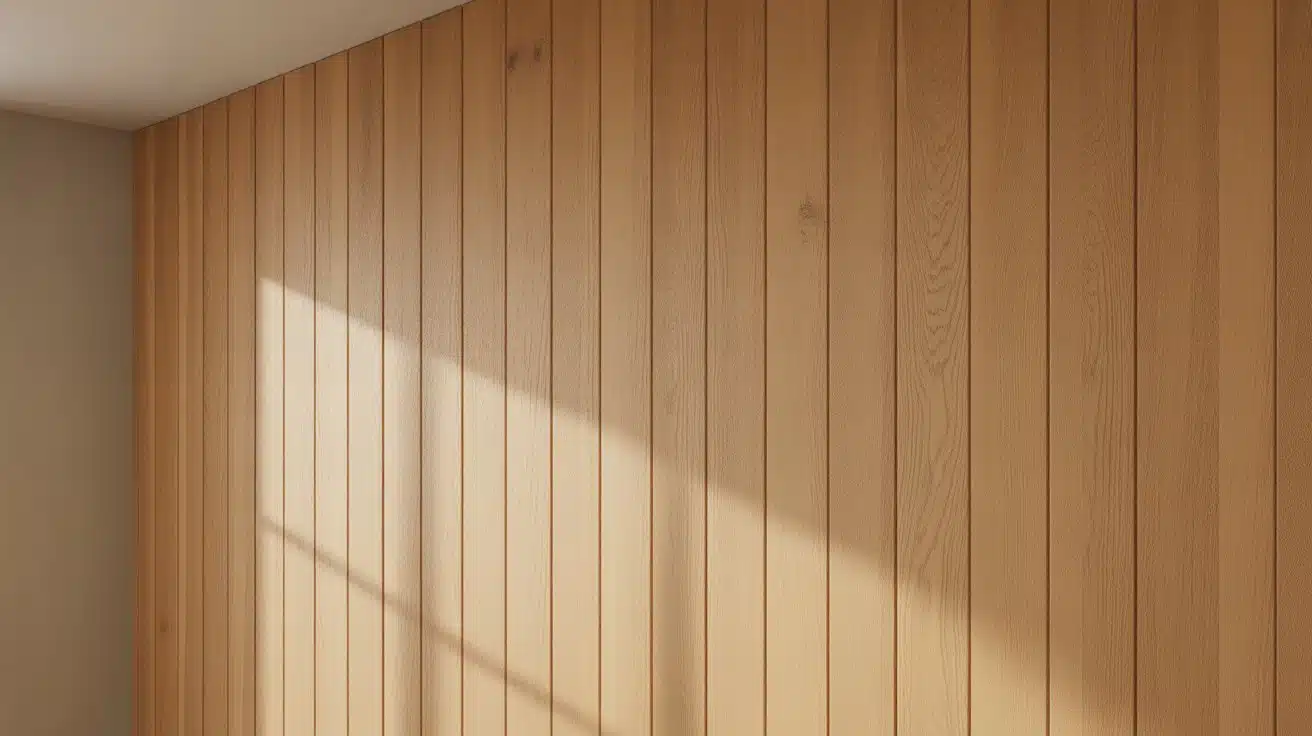
Vertical panels run from floor to ceiling. They make ceilings look higher than they are.
This style works in both modern and traditional spaces. The clean lines add structure without feeling heavy.
2. Horizontal Wood Panels
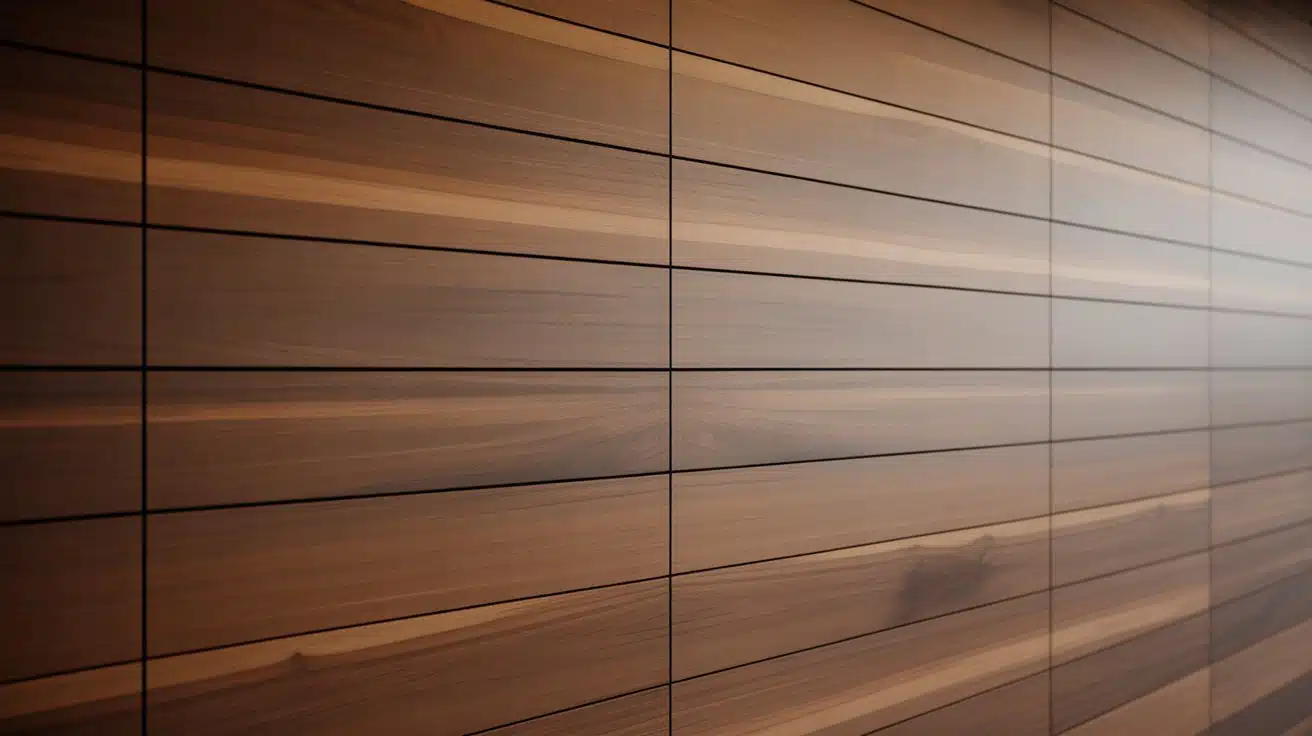
Horizontal panels run sideways across walls. They make narrow rooms appear wider.
Popular in Scandinavian and coastal designs. Creates a relaxed, informal feel.
3. Board and Batten Panels
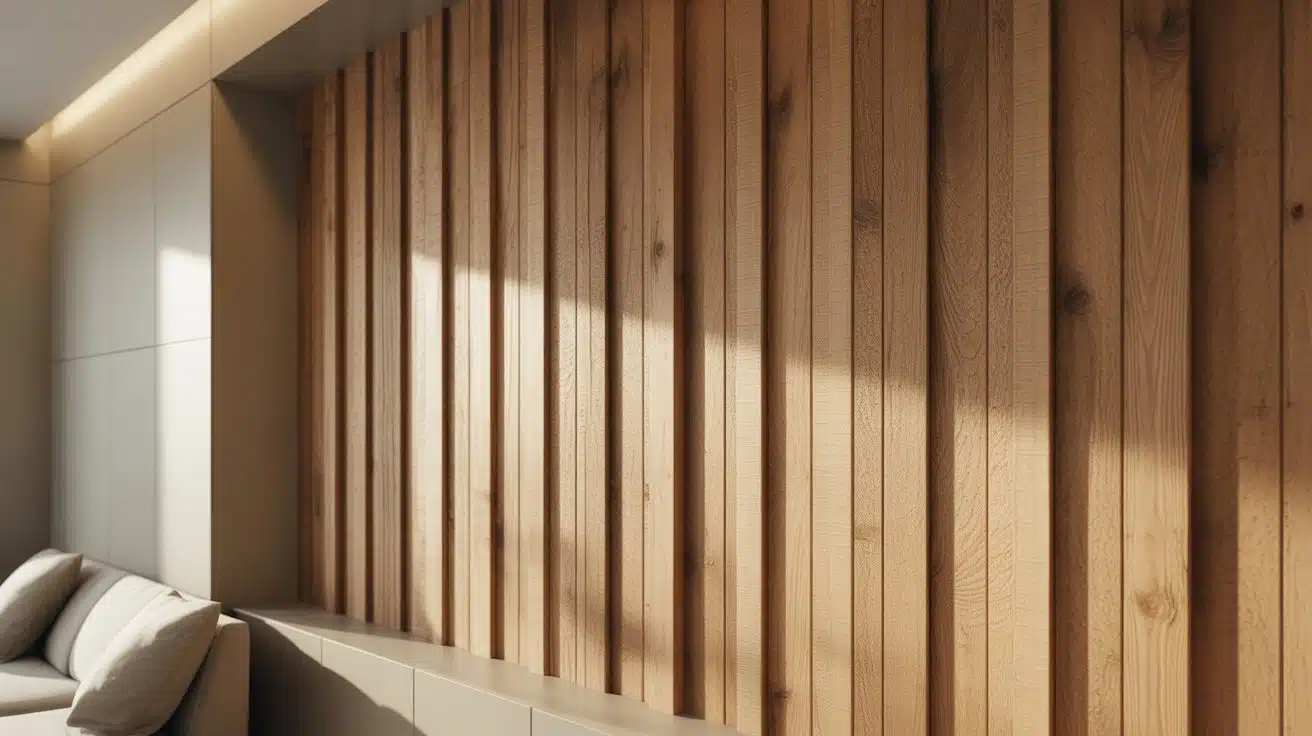
This classic style uses wide flat panels with narrow strips (battens) placed vertically over the seams.
Creates strong vertical lines. Works well in farmhouse, traditional, and transitional designs.
4. Wainscoting Panel
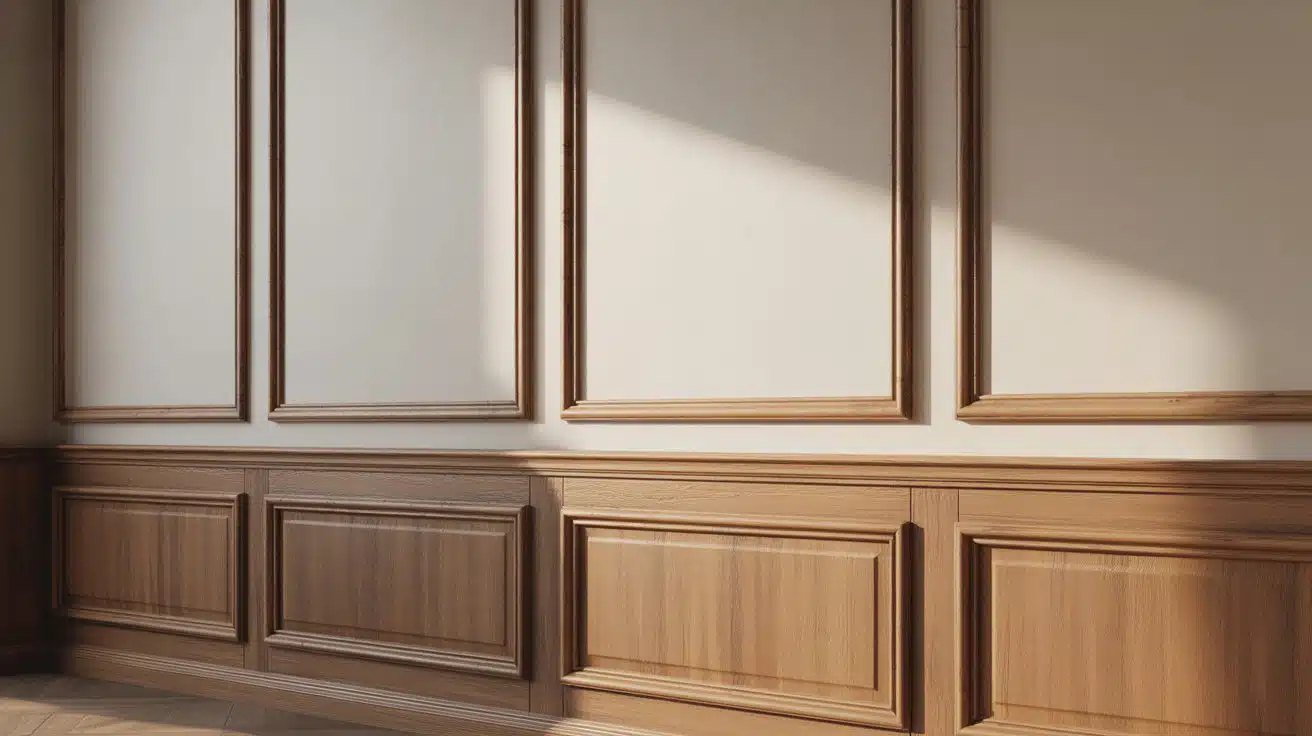
Wainscoting covers the lower third or half of a wall. Originally used to protect walls from furniture damage.
Adds formal elegance. Common in traditional and colonial-style homes.
5. Beadboard Paneling
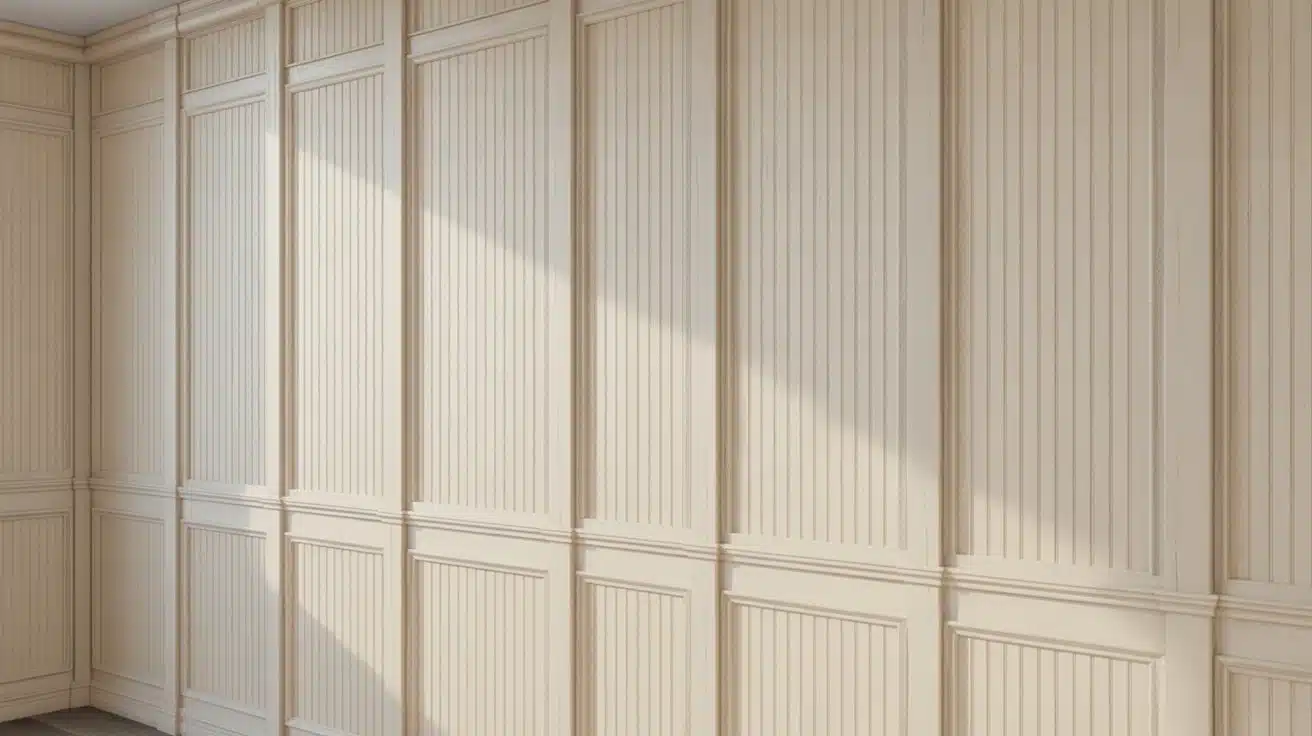
Beadboard features narrow vertical planks with a small ridge (bead) between each one.
Creates texture without being too bold. Popular in cottage, coastal, and traditional styles.
6. 3D Wall Panels
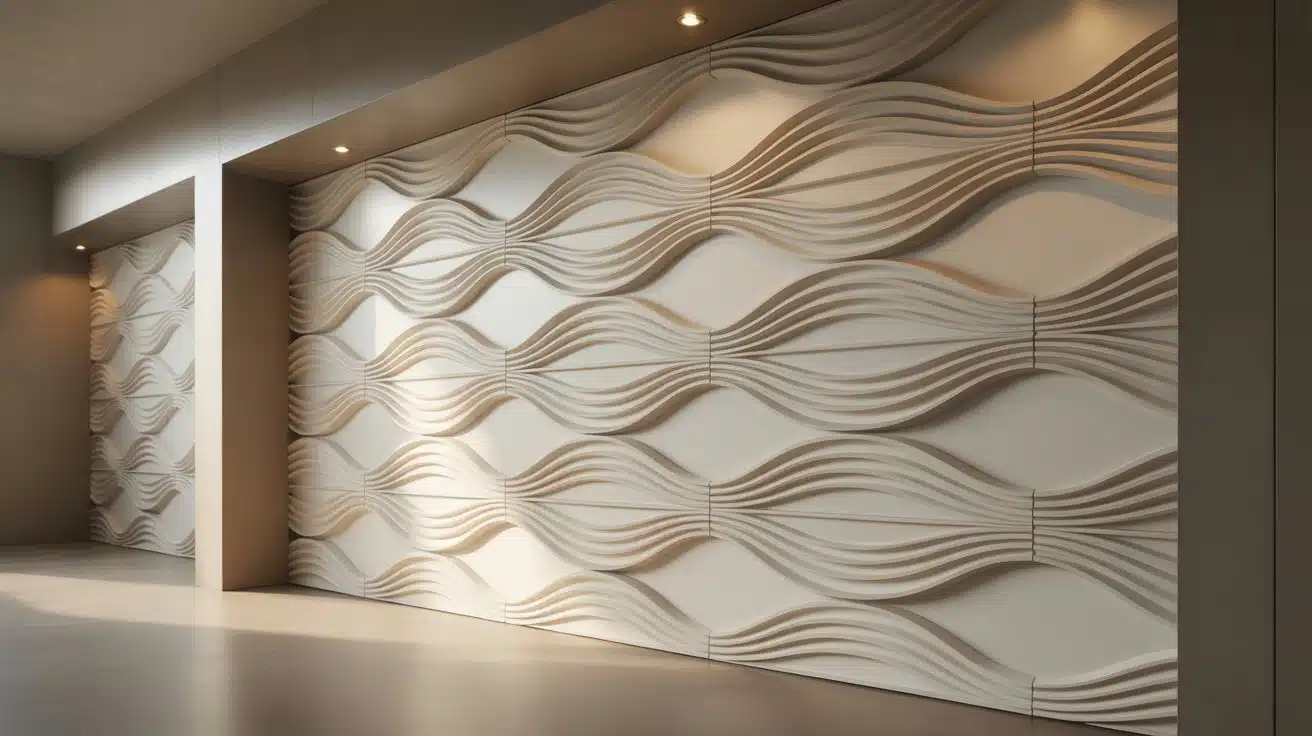
These panels have geometric patterns that pop out from the wall. Shapes include waves, squares, hexagons, and abstract designs.
They create dramatic shadows as light changes throughout the day. Popular in modern and contemporary spaces.
7. Fluted Wall Panels
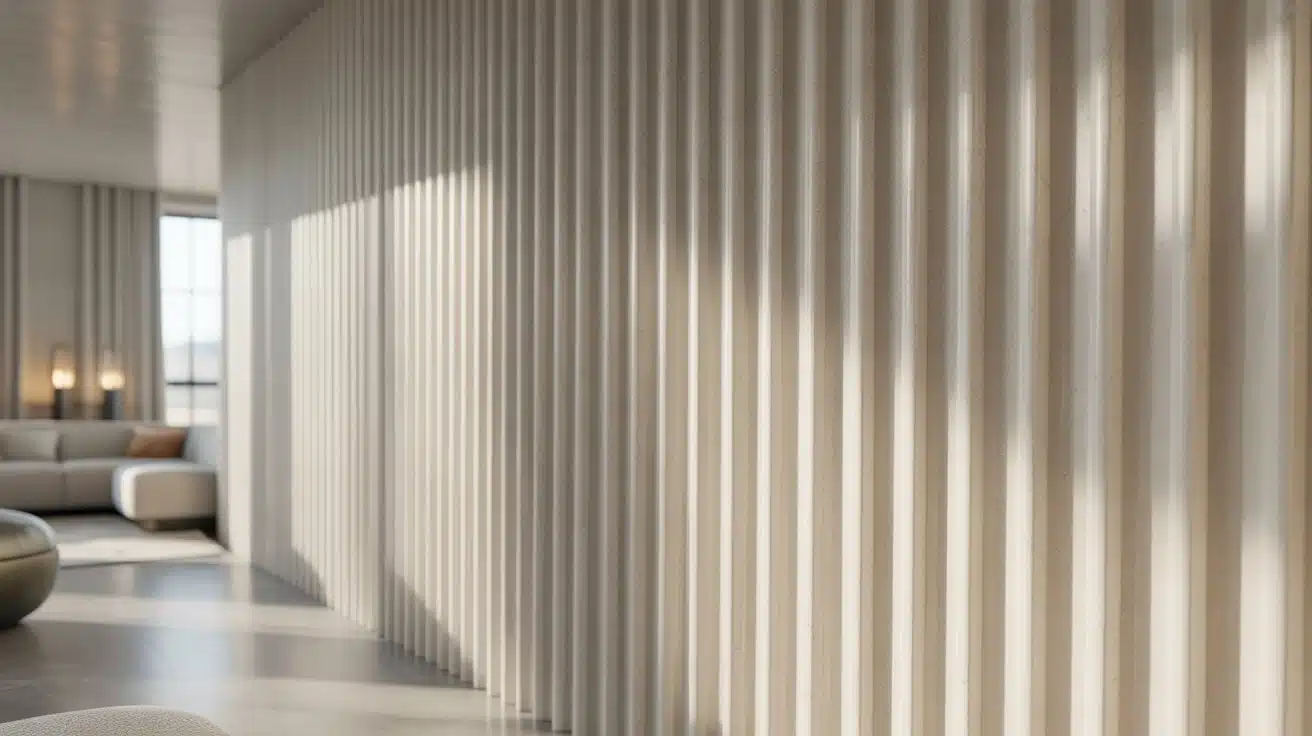
Fluted panels have vertical grooves running parallel along the surface. This creates a subtle texture.
Very popular right now in minimalist and modern homes. Works well in neutral colors.
8. Minimalist Designs Panel
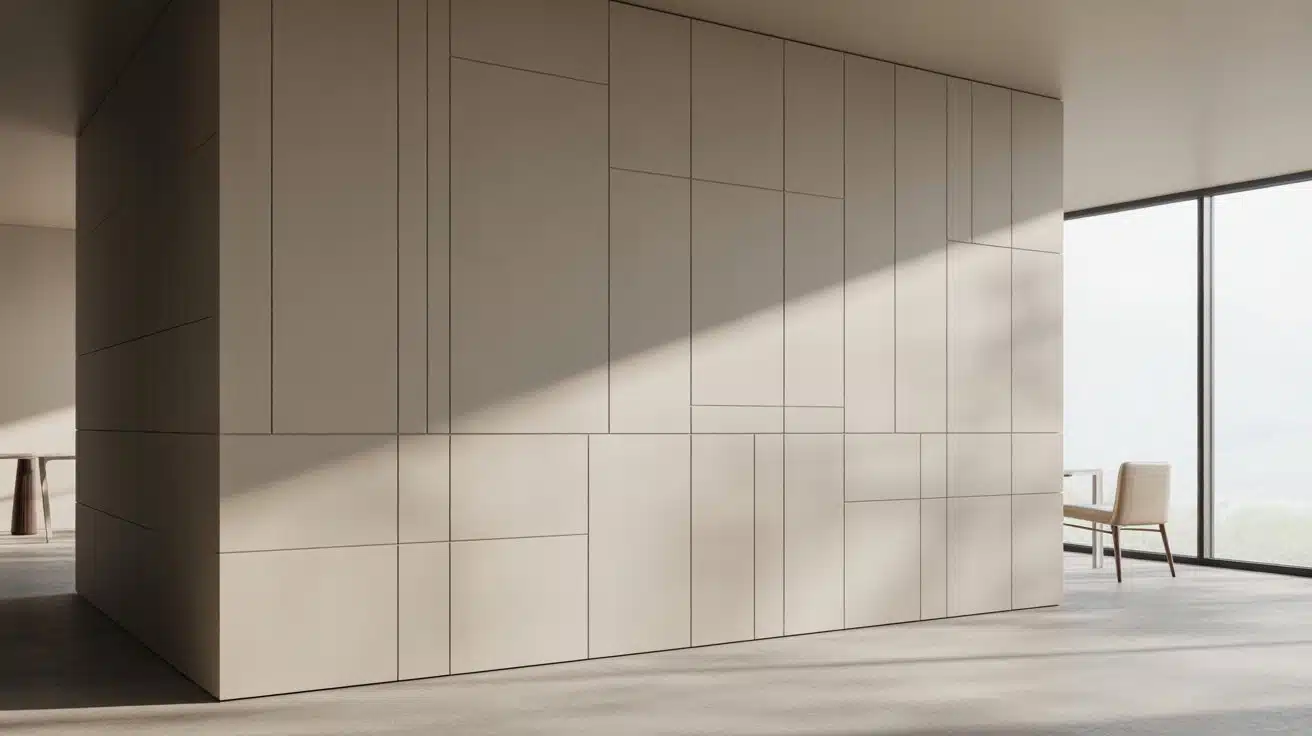
Simple, clean lines dominate. Think fewer decorative details and more focus on material quality.
Neutral colors like white, beige, and gray, as well as natural wood tones, remain most popular.
9. Smart PanelFeatures
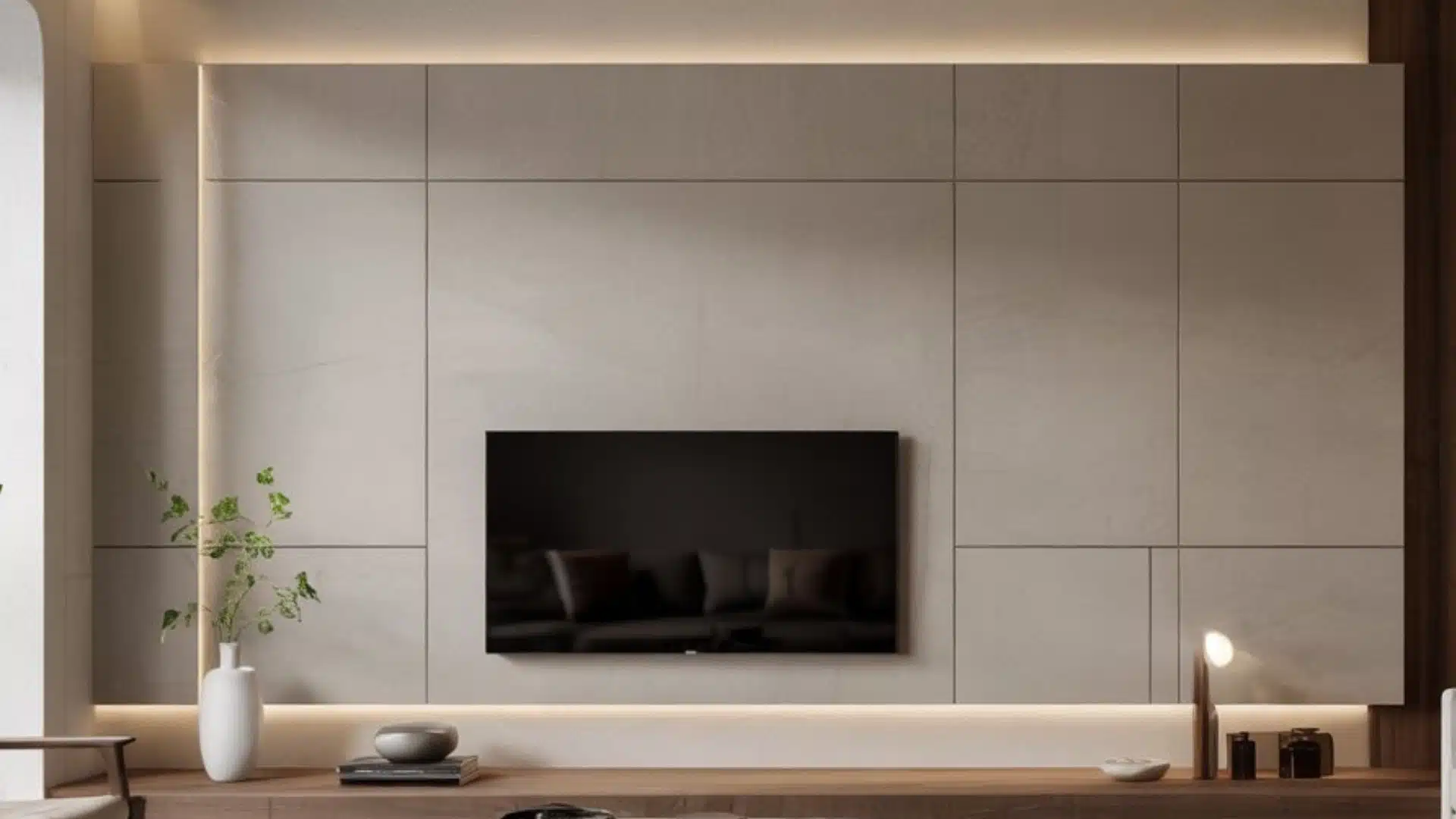
Some newer panels include built-in features. Acoustic panels with tested sound absorption ratings for home theaters
LED-integrated panels with backlighting built into the design. Magnetic panels that let you attach artwork without nails
10. Shiplap Paneling
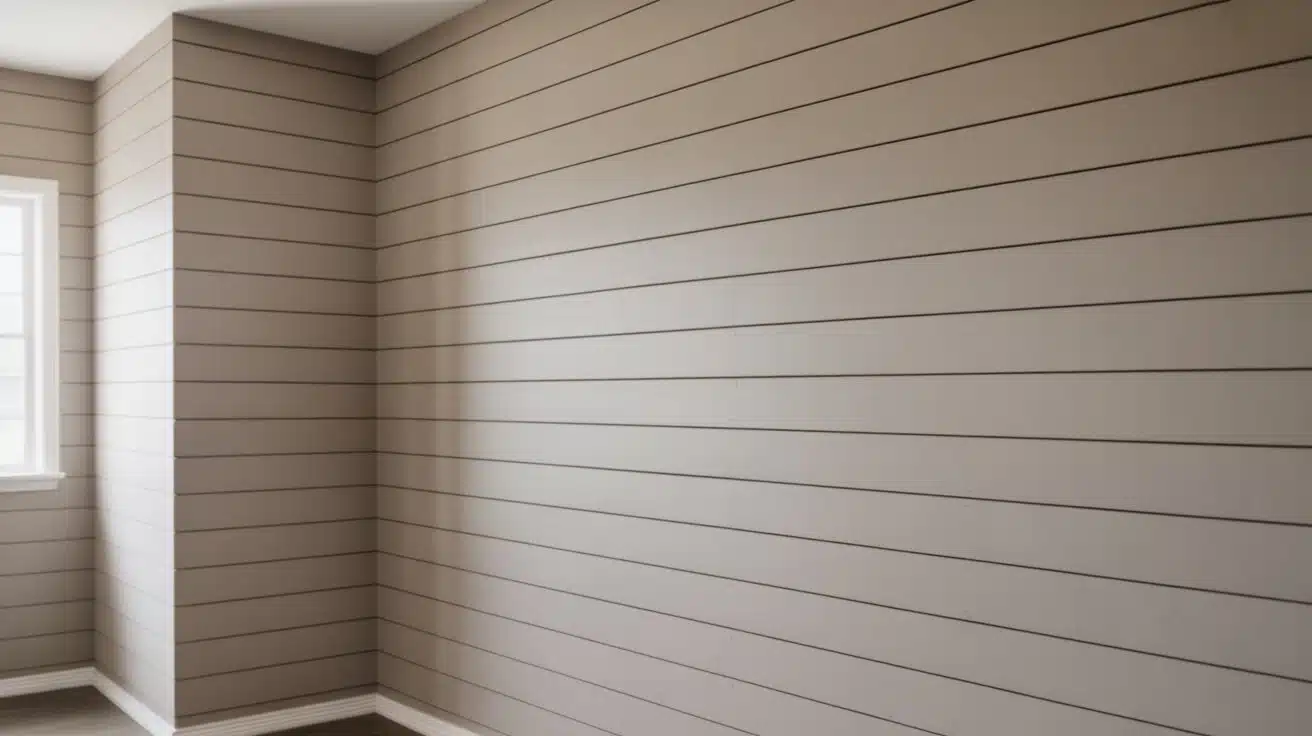
Shiplap uses overlapping boards with visible seams between each plank. The gaps create horizontal shadow lines.
This style brings rustic, coastal, or farmhouse charm. Popular in living rooms, kitchens, and bedrooms.
11. Lattice Wall Paneling
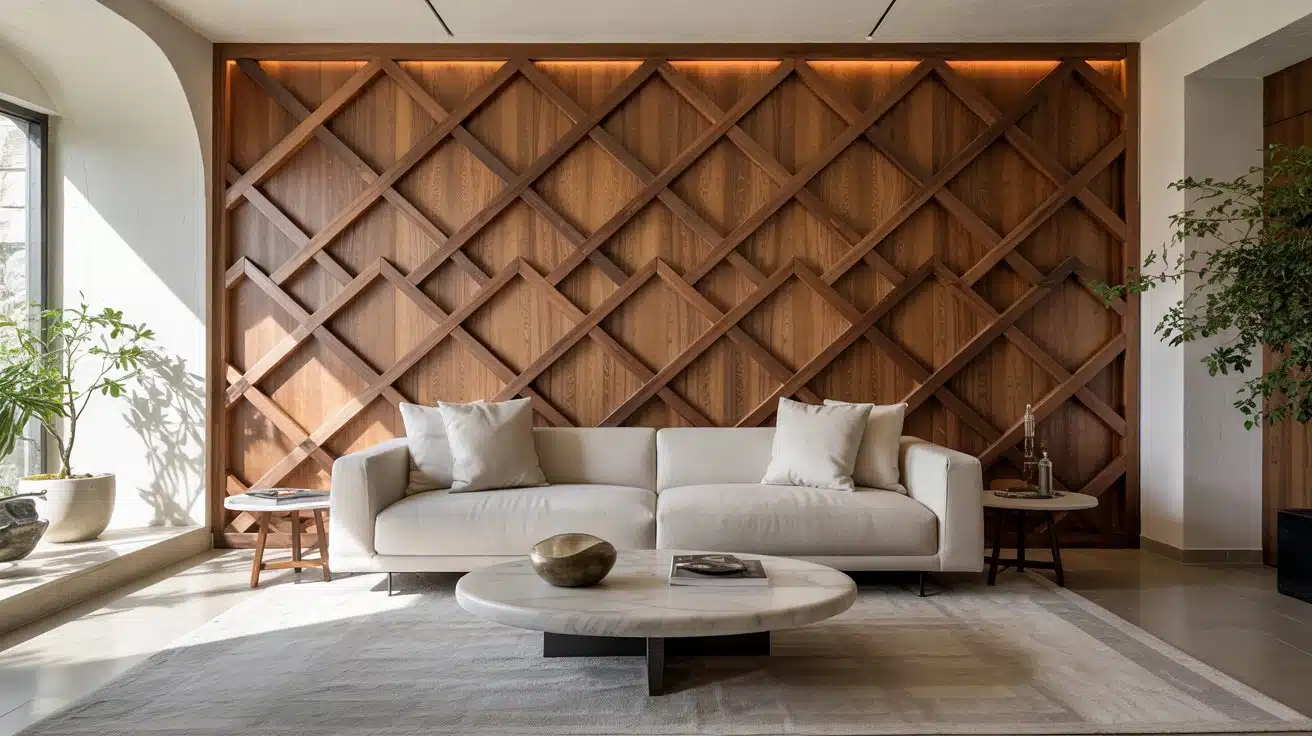
Lattice panels feature crisscross patterns with diamond or square openings. Traditionally used outdoors, they are now used for decorative texture indoors.
Creates an open, airy feel while adding visual interest. Works well as room dividers or accent sections. It can be painted or stained to match any decor style.
12. Reeded Paneling
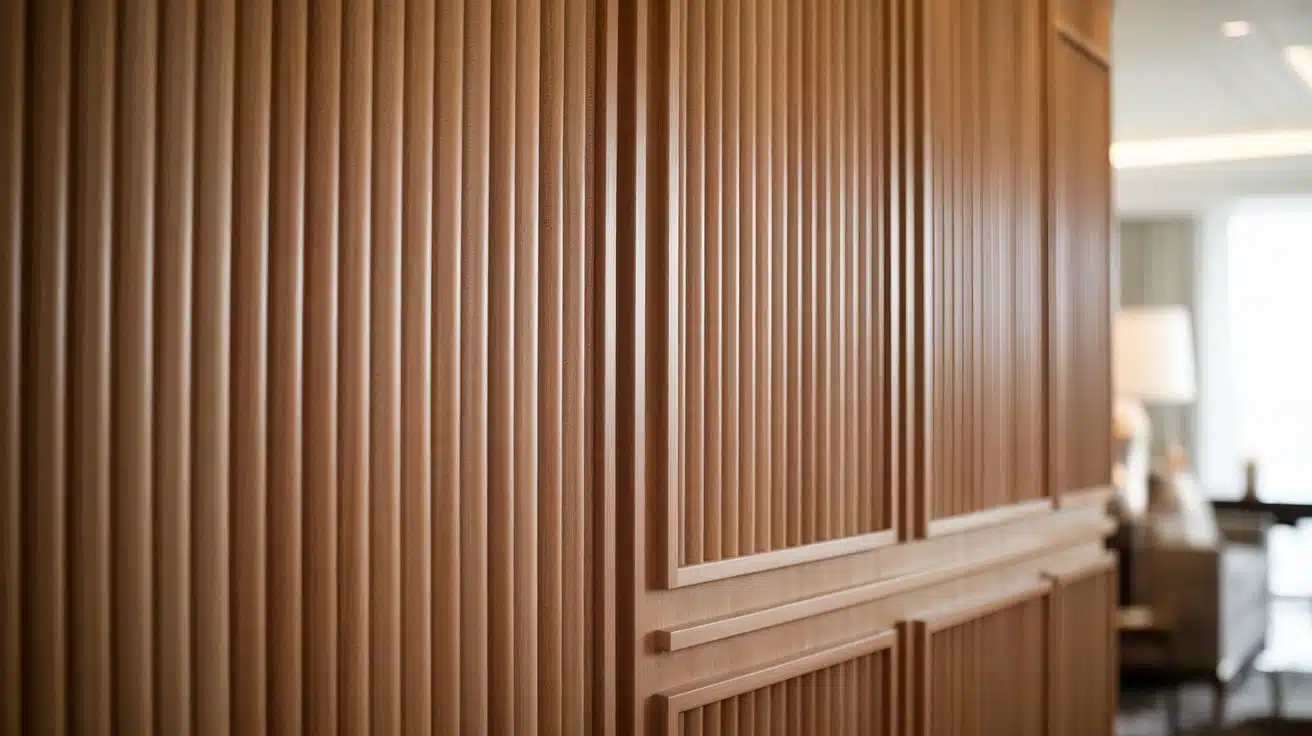
Reeded panels feature thin vertical ridges across the surface.
Adds subtle texture and rhythm without overpowering a room. Perfect for minimalist or modern homes that need gentle visual interest.
13. Slatted Wall Paneling
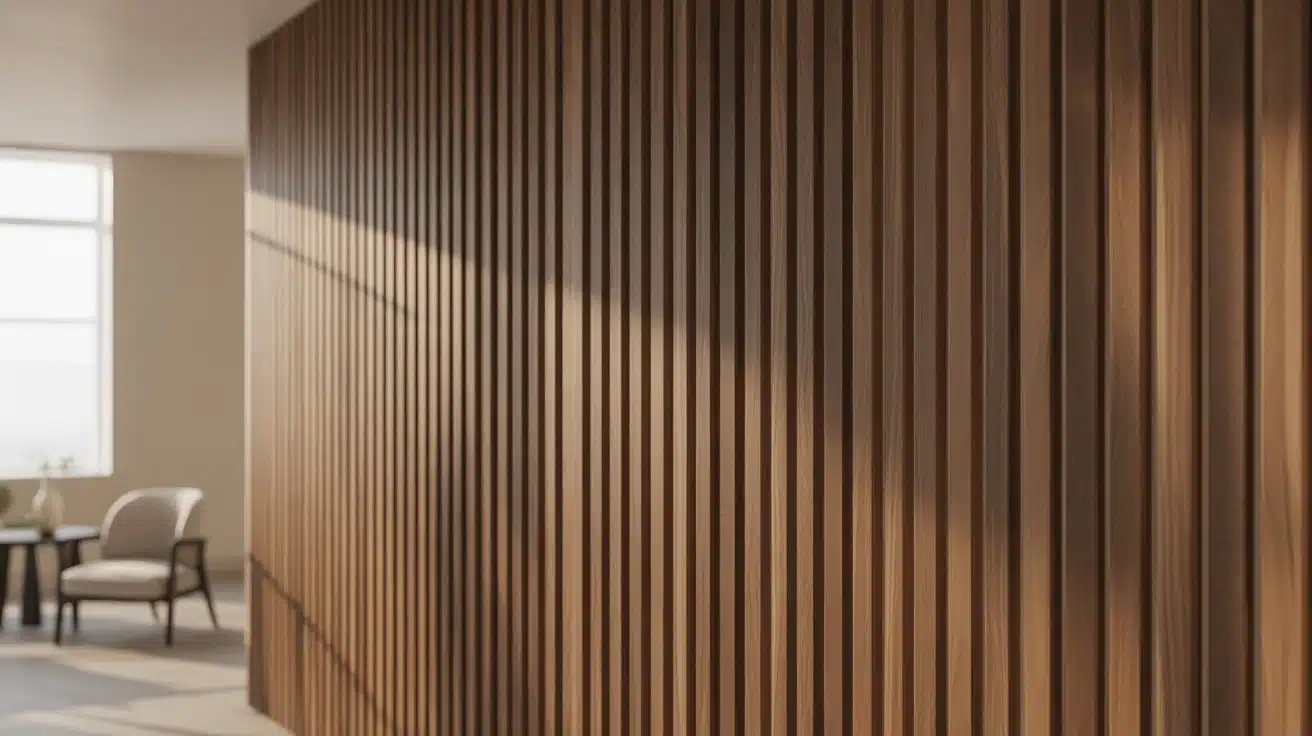
Slatted panels use vertical or horizontal slats with gaps between them. Creates a sculptural, contemporary feel.
The gaps allow light to pass through or create shadow patterns. Some slatted designs also improve room acoustics by absorbing sound.
14. Geometric Patterned Panels
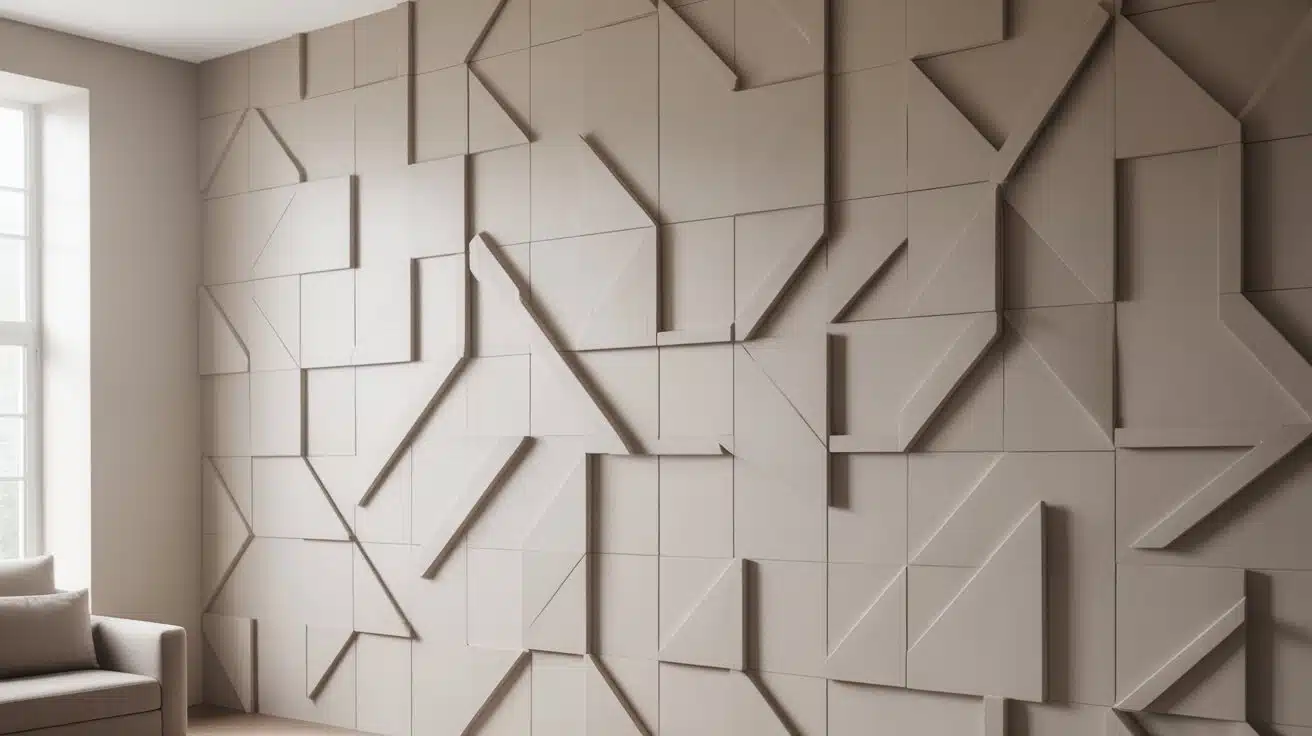
These panels come in diamond, triangle, hexagon, or other geometric shapes. They are arranged in repeating patterns.
Works best when limited to one wall to avoid visual overwhelm.
15. Herringbone Layout
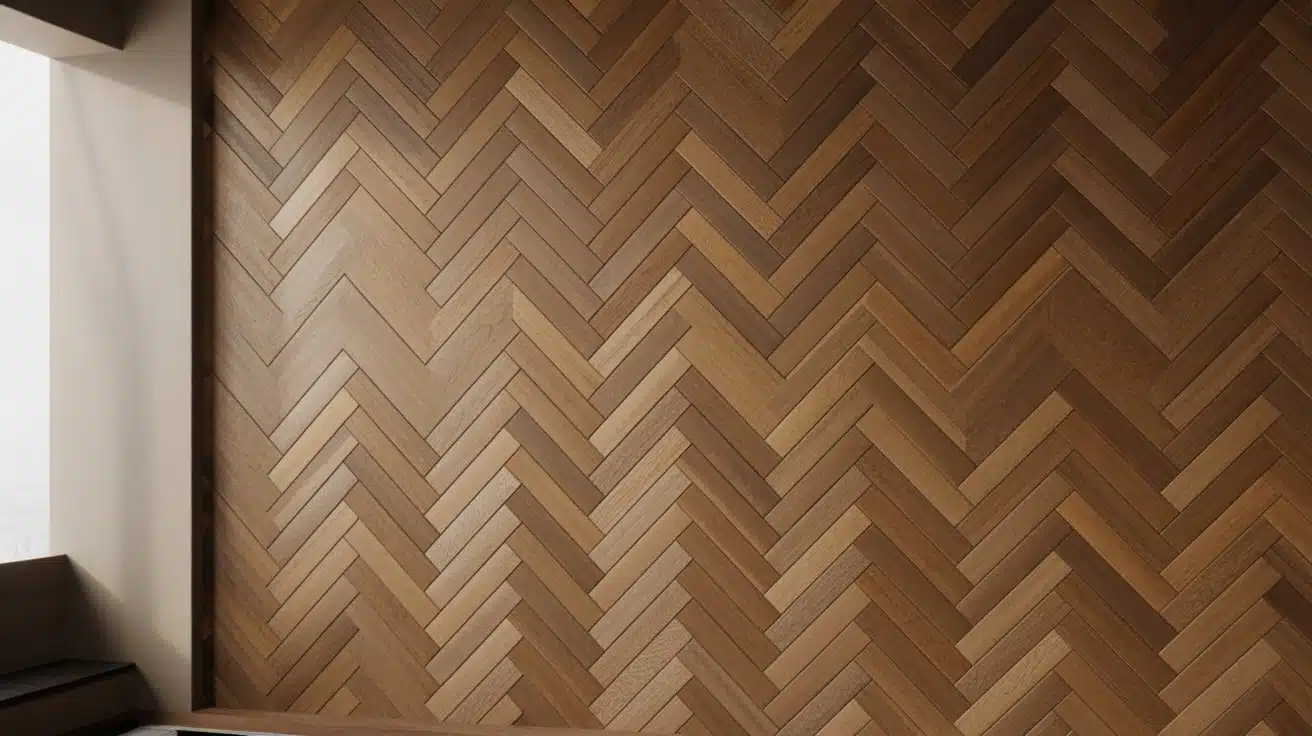
Wood planks arranged in a herringbone pattern create a zigzag effect. Each plank angles at 45 degrees to the next.
Adds dynamic movement and visual interest.
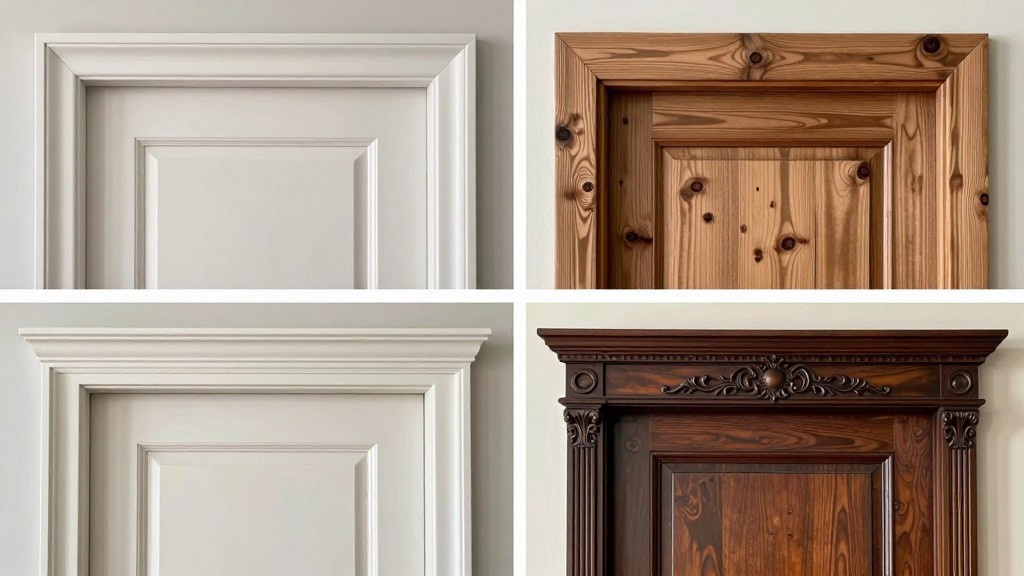
16. Picture-Frame Molding
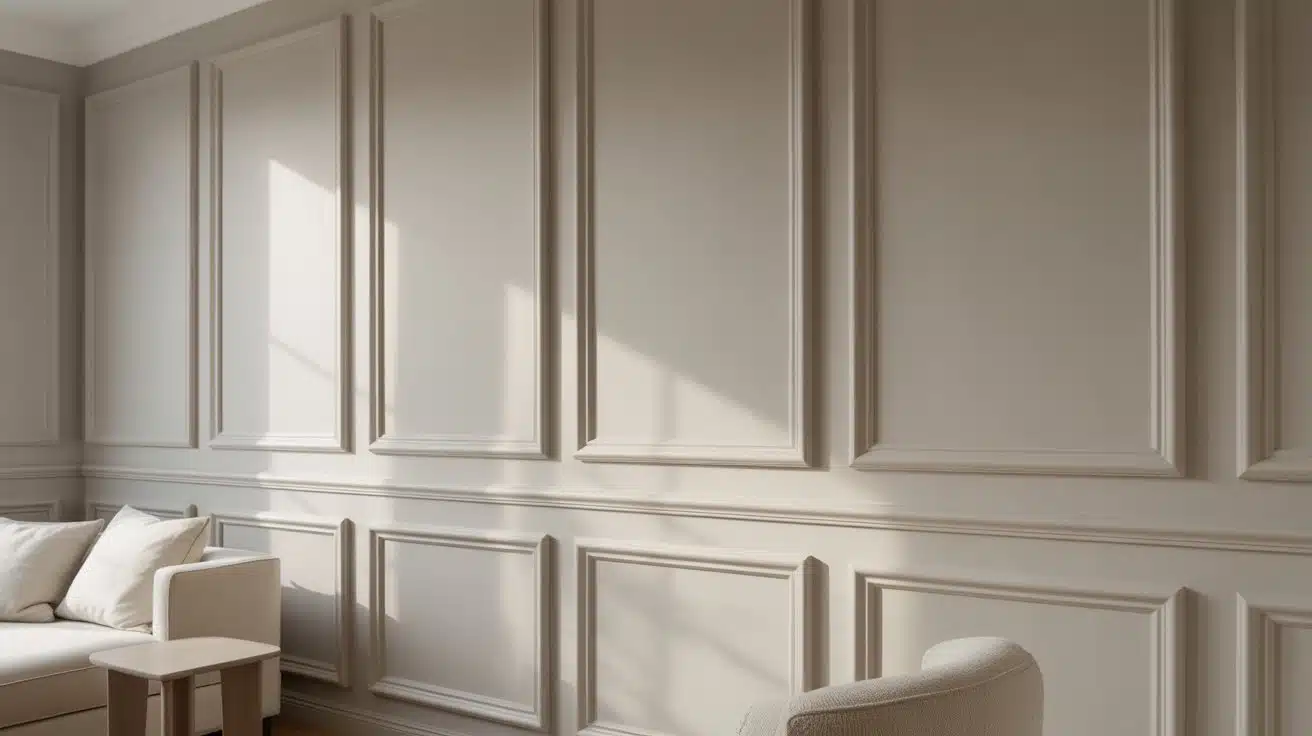
This style uses trim arranged as rectangular or square “frames” on the wall. Creates raised panel effects without full paneling.
It can be painted to match or contrast with the walls.
17. Two-Tone Paneling
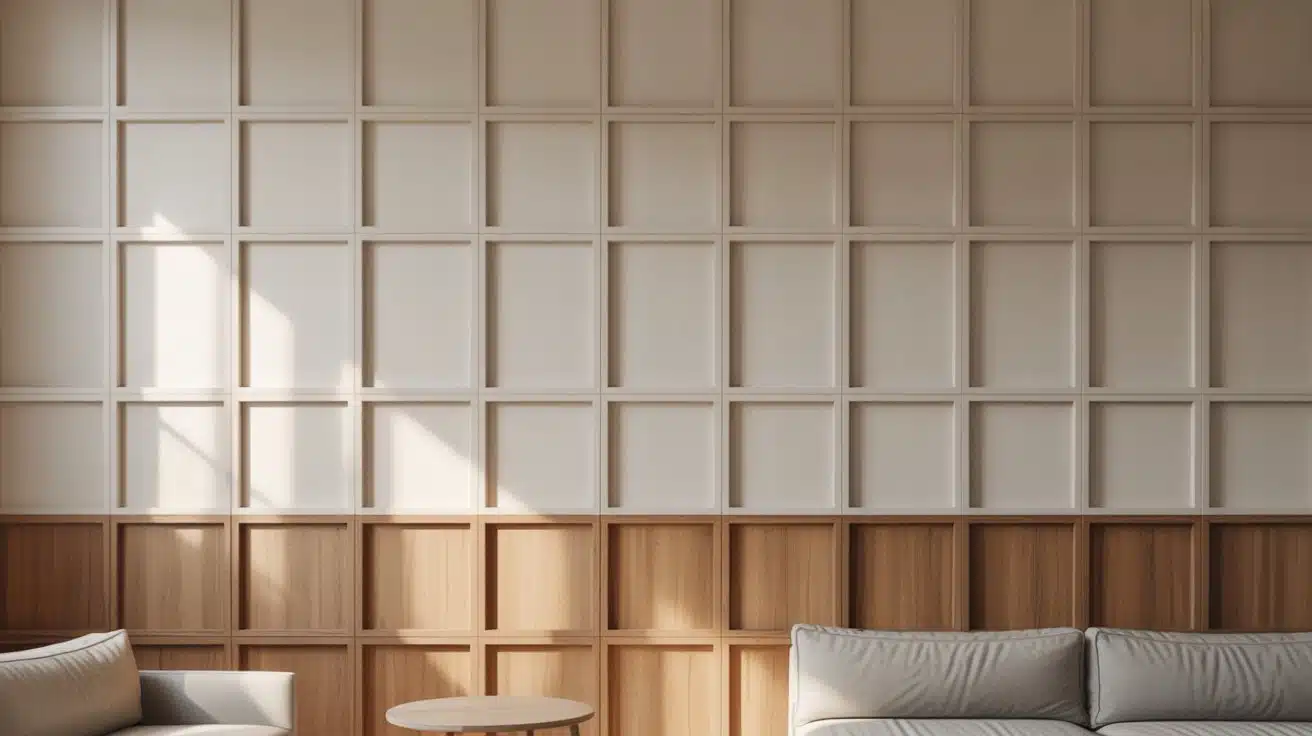
Combines panels in one color with the upper wall in another. Or mixes wood tones with painted sections.
Creates contrast and visual depth. Helps define space and can make rooms feel larger or cozier, depending on color choices.
18. Victorian-Style Raised Panels
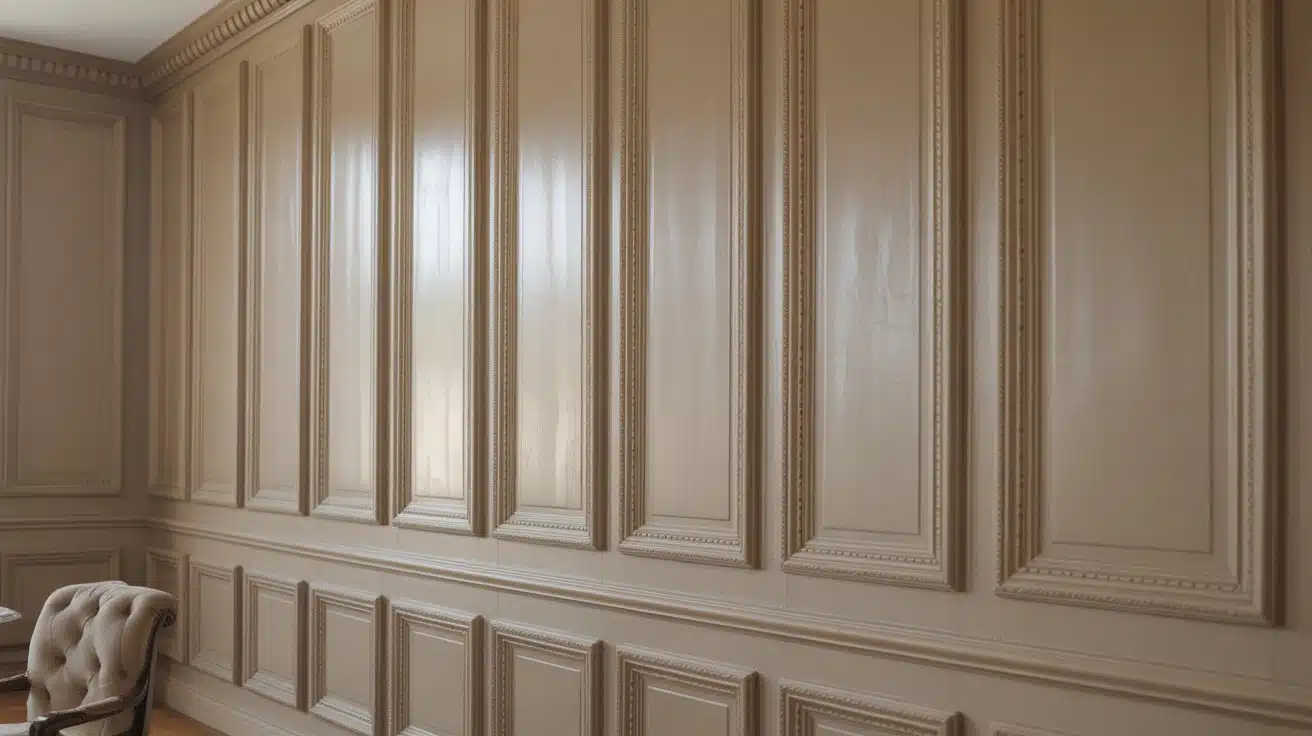
Ornate traditional panels inspired by historic millwork. Features detailed molding and raised center sections.
Perfect for formal interiors. Adds period character to older homes or creates traditional ambiance in new spaces.
19. Mix of Wood and Painted Panels
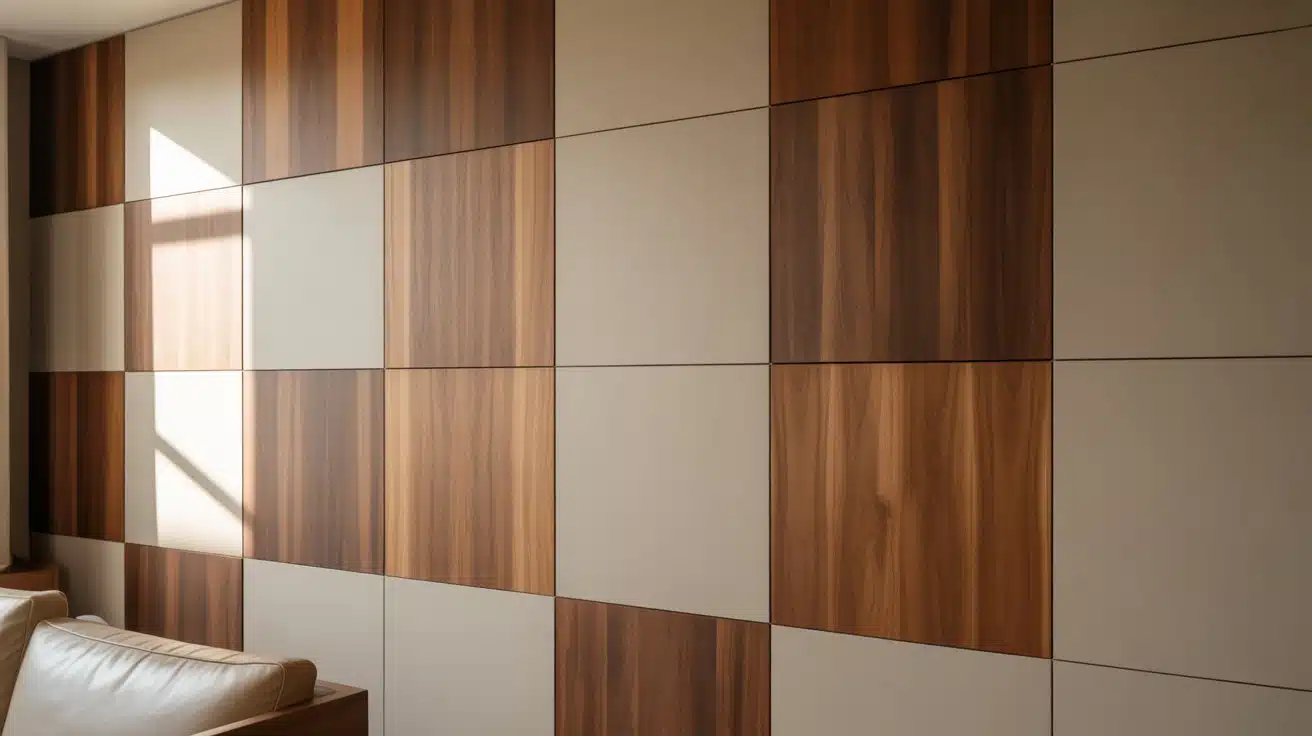
Combines natural wood tones with painted trim or panels in the same space. The wood brings warmth while the paint adds color control.
Works well when wood panels form the base and painted molding frames them, or vice versa.
20. Mirrored or Gloss Panels
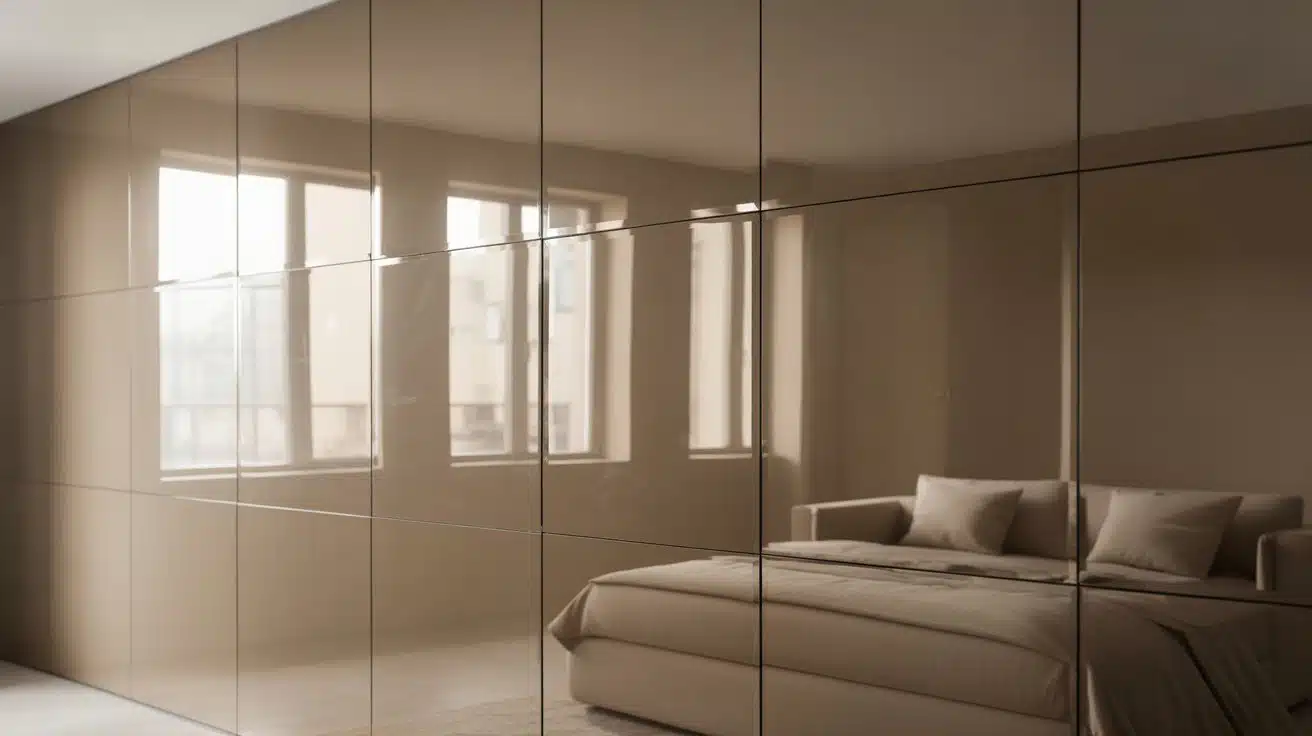
Reflective panels use glass, acrylic, or high-gloss finishes. They bounce light around the room, creating depth.
Opens up smaller rooms visually. Adds a luxurious, modern touch.
21. Floating Modular Panels
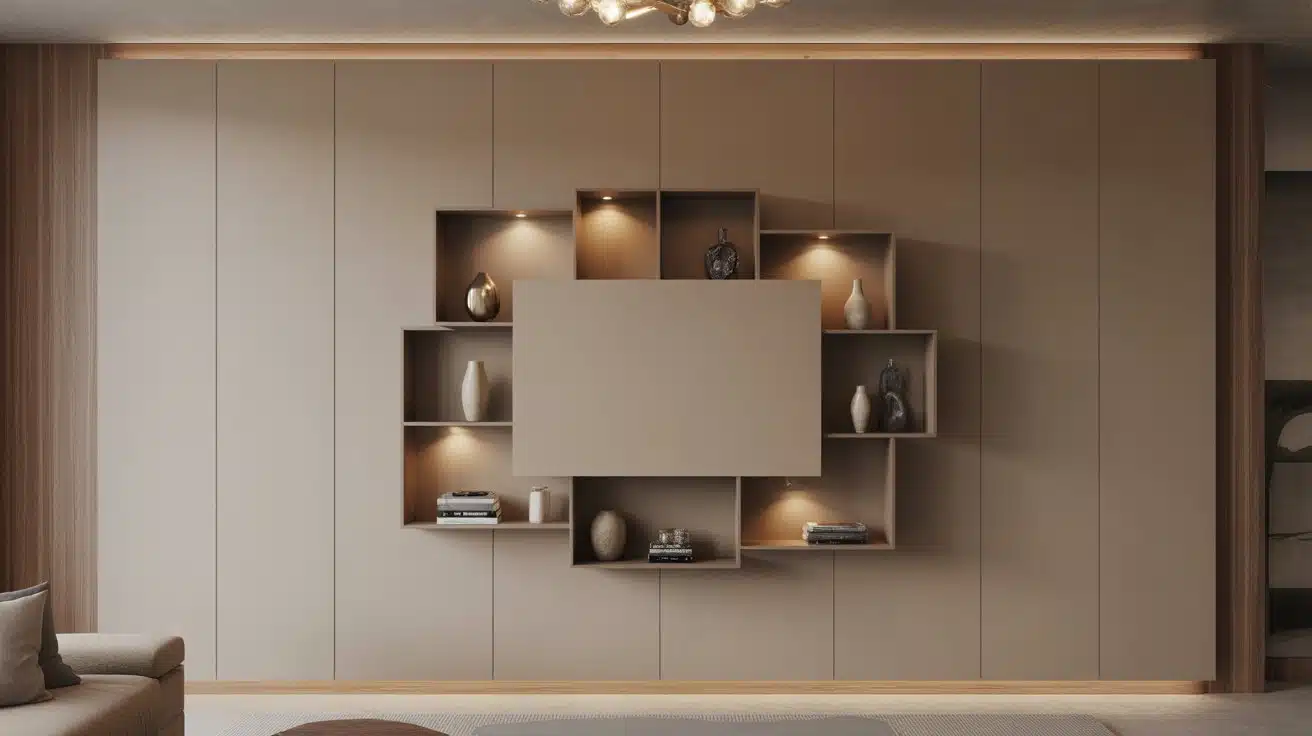
Individual panels mount with visible gaps between them. Creates a floating, three-dimensional effect on walls.
The spacing adds shadow play and modern visual interest. Panels can be wood, metal, or composite materials.
After checking out wall paneling ideas and styles, the next step is learning how to choose the right wall paneling that fits your space, style, andneeds.
How to Choose the Right Wall Paneling?
Picking the right panels means matching material and style to your needs. Here’s what to consider.
1. Consider Your Room Type
Choose panels by room: wood, WPC, or 3D for living rooms/bedrooms; PVC or tile for bathrooms/kitchens; fabric or wood for home offices; WPC, PVC, or metal for basements.
2. Match Your Design Style
For different styles, choose panels that match the vibe: fluted, 3D, or metal for modern spaces; board-and-batten, wainscoting, or beadboard for traditional homes; exposed brick, metal, or raw wood for industrial interiors; and horizontal or reclaimed wood for farmhouse and rustic looks.
3. Factor in Your Budget
Wall panel costs vary by material: budget options like PVC, MDF, or peel-and-stick run $1–$5 per sq ft; mid-range choices such as plywood, basic wood, or WPC cost $5–$15.
Premium panels like solid hardwood, metal, stone, or custom upholstered range $15–$50+. DIY can save on installation, but professionals ensure a polished finish.
4. Think About Installation
Installation ease varies by material: peel-and-stick panels, PVC snap-together, and beadboard sheets are easy.
Vertical or horizontal wood panels and board-and-batten are moderately difficult; stone veneers, metal panels, and large 3D installations are best handled by professionals.
Common Mistakes to Avoid While Choosing Wall Paneling
- Using the wrong material for the space
- Skipping wall preparation
- Poor installation
- Ignoring moisture barriers
- Forgetting expansion gaps
Once you know how to choose the right wall paneling, it’s important to consider its maintenance and durability to ensure your walls stay beautiful for years to come.
Maintenance and Durability of Wall Paneling
Understanding the maintenance and durability of wall paneling is key to keeping your walls looking great and lasting for years.
Cleaning Tips by Material:
Different wall panel materials require different cleaning approaches. The table below summarizes practical cleaning tips for each panel type.
| Panel Type | Cleaning Instructions |
|---|---|
| Wood Panels | Dust weekly with a soft cloth. For deeper cleaning, use a damp cloth with mild soap. |
| PVC Panels | Wipe with any household cleaner. Avoid abrasive scrubbers, as they can scratch the surface. |
| WPC Panels | Clean like PVC. Most marks wipe off with water. No special products are needed. |
| Metal Panels | Use glass cleaner to remove fingerprints. Stainless steel cleaners help prevent streaks. |
| Glass Panels | Use standard glass cleaner. Microfiber cloths prevent streaking. |
| Fabric Panels | Vacuum regularly with a brush attachment. Spot clean stains immediately. |
| Stone or Tile Panels | Wipe with water or mild cleaner. Seal natural stone every 1–2 years to prevent staining. |
By following these simple cleaning guidelines, you can maintain the appearance and longevity of your wall panels with minimal effort.
Expected Lifespan by Material:
- Wood: 20–30 years (50+ for solid wood
- PVC: 15–25 years
- WPC: 25–30 years
- Metal: 30–50+ years
- Glass: Permanent
- Fabric: 10–15 years
- Stone/Tile: 50+ years
Whether you’re renovating a room or designing a new space, wall paneling offers endless possibilities to combine style, functionality, and personality, making every wall a statement.
Conclusion
The world of wall paneling offers something for every space and style preference. From traditional wainscoting to modern fluted designs, each type serves both form and function.
Start small if you’re hesitant. One accent wall tests the style without full commitment. Mix materials for added depth, combine wood with painted sections, or pair slatted panels with smooth surfaces.
Remember that panels solve real problems beyond appearance. They hide imperfections, improve insulation, reduce noise, and protect walls from daily wear.
Whether updating a bedroom, refreshing a living space, or adding character to a hallway, the right wall panels make the difference.
Ready to upgrade your walls? Measure your space, pick your favorite style from this guide, and start planning your installation.