Waking up to water dripping from your ceiling in a mobile home is every occupant’s nightmare. Yet, over a million manufactured homes across the U.S. experience plumbing issues each year.
Mobile home plumbing isn’t just a smaller version of traditional systems’s engineered differently to meet HUD standards, save space, and stay lightweight.
Knowing how it works gives you control over maintenance, helps you spot issues early, and saves money on emergency repairs.
In this post, I’ll explain how mobile home plumbing systems are built, the parts that keep them running, and the most common problems (with solutions).
You’ll also learn about HUD code standards, easy diagnostic steps, and practical maintenance tips to keep your system working smoothly year-round.
What Is Mobile Home Plumbing and How Does it Work?
Mobile home plumbing is a compact, HUD-approved system that uses lightweight PEX supply lines and ABS or PVC drains to move water in and out of the home.
Most pipes run beneath the floor rather than inside walls, making the layout easy to access and repair.
Fresh water comes in through small, flexible lines, wastewater exits through simplified venting and drainage, and the entire system is built to handle movement, save space, and stay efficient year-round.
What Makes Mobile Home Plumbing Unique?
Mobile home plumbing follows federal HUD standards instead of local building codes. This distinction affects how every component is built and maintained, so understanding these differences helps you make smarter repair and upgrade choices.
Key Structural Differences:
- Under-floor supply lines instead of in-wall piping for easier access.
- Smaller pipe diameters to fit compact layouts.
- PEX tubing for flexibility and freeze resistance.
- Space-saving water heaters are often tankless or cabinet-mounted.
- Simplified DWV systems that still need proper venting.
Unlike traditional homes with rigid copper or large PVC lines, mobile homes rely on lightweight, flexible materials designed for movement and efficiency.
PEX is now standard for supply lines, while ABS or PVC handles drainage. The main shut-off valve is typically located under the home or near the entrance.
Regional Design Variations:
- Cold climates: Added insulation and frost-proof fittings.
- Hot regions: Expansion joints prevent cracks from forming due to heat.
- Seismic zones: Flexible connectors for safety compliance.
Your regional climate influences how your plumbing performs year-round. These design choices reflect decades of HUD research focused on durability, mobility, and ease of repair.
Mobile Home Plumbing System Pieces and Parts
Understanding your mobile home’s plumbing components helps you make smarter purchasing decisions and communicate clearly with repair professionals.
1. Supply Line Materials
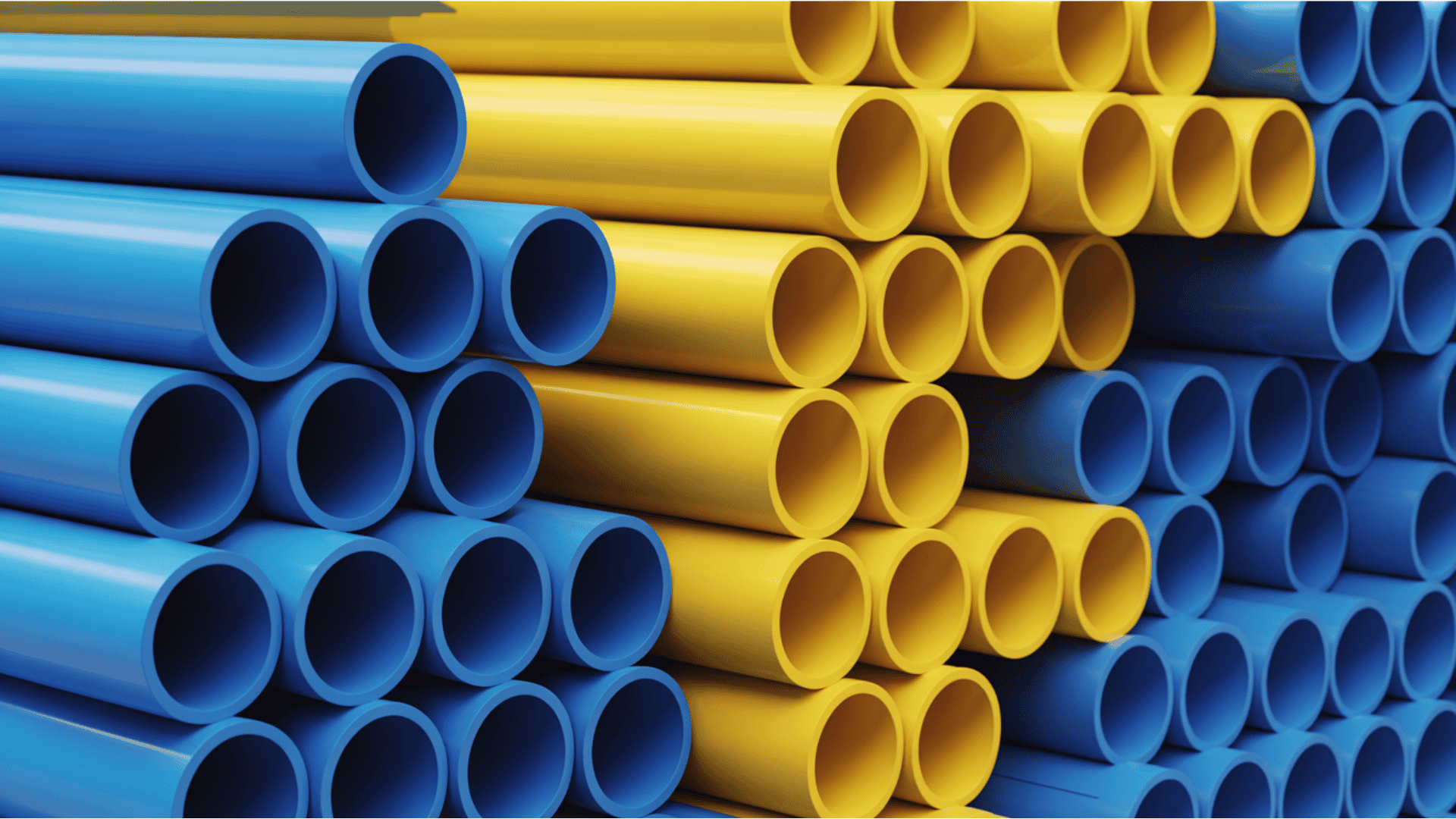
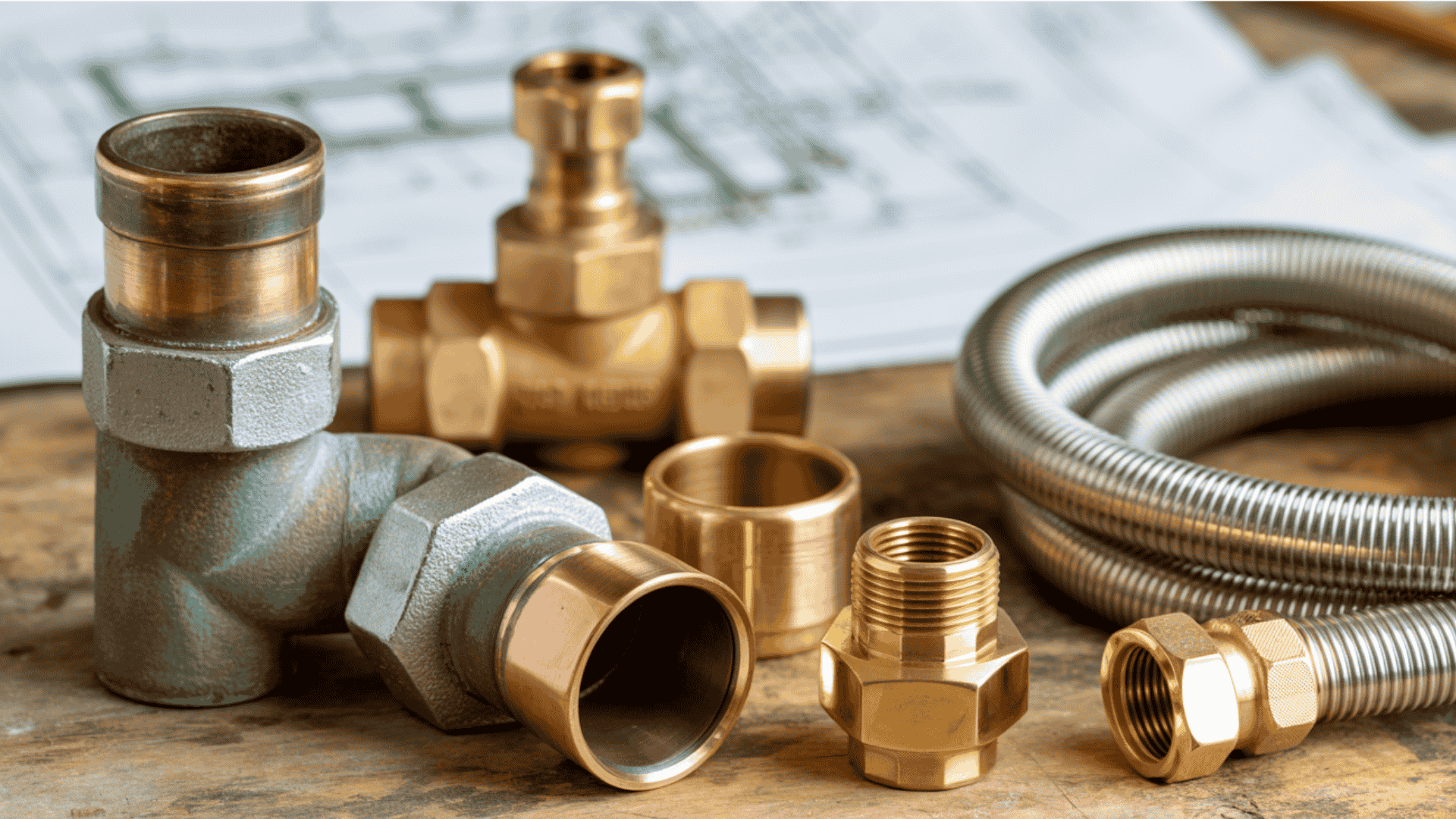
These lines deliver fresh water throughout your home and form the backbone of your plumbing system. PEX tubing is the most common material in modern mobile homes thanks to its flexibility, freeze resistance, and easy installation.
PVC and CPVC work well in warmer climates, though they lack PEX’s flexibility. Copper remains a durable option but is rarely used in newer models due to its weight and higher cost.
Because mobile homes often use different thread sizes than site-built houses, always verify compatibility before purchasing fittings or adapters.
2. Drainage and Vent Components
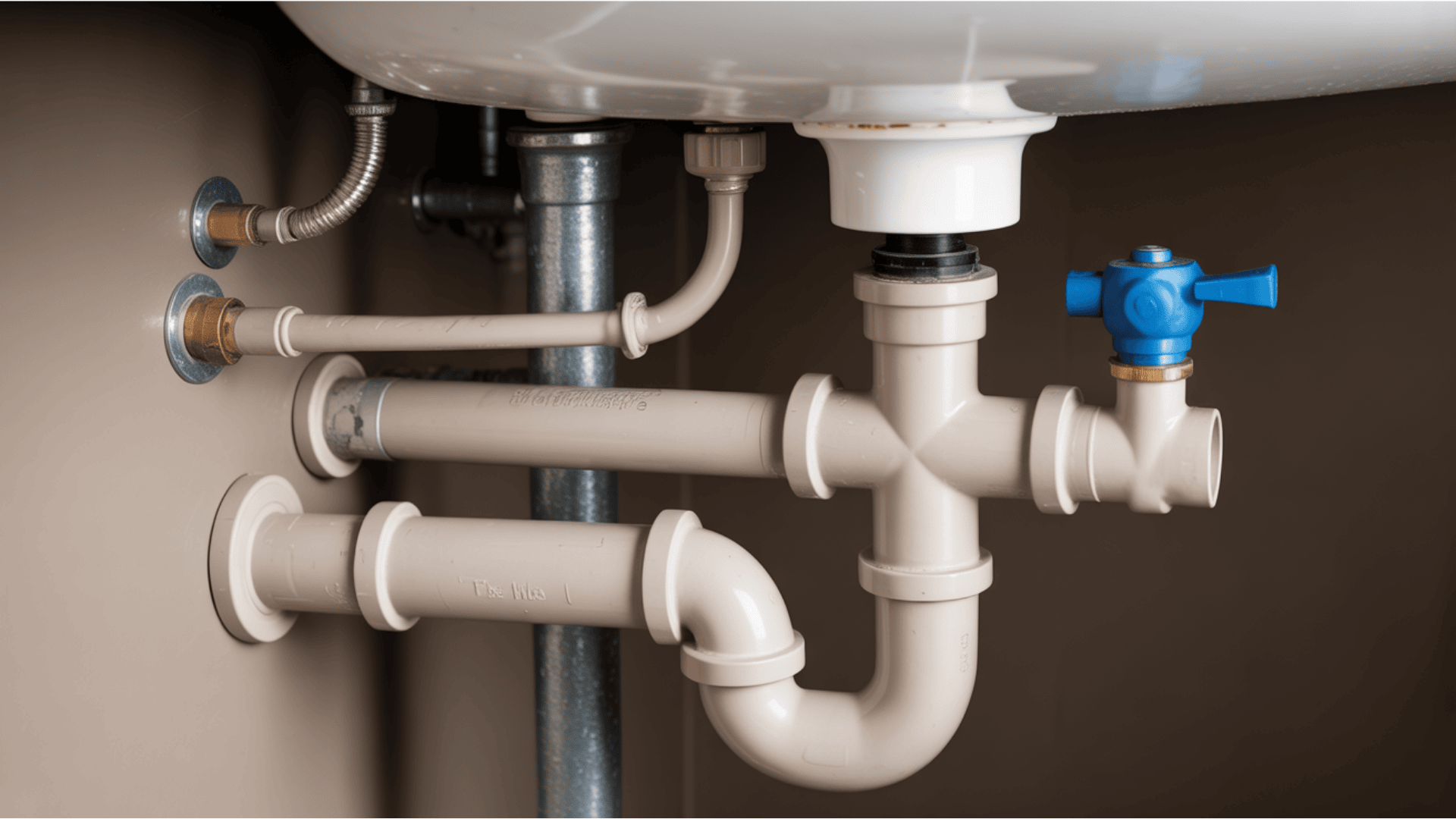
These parts manage wastewater removal and air circulation within your plumbing system. ABS and PVC drainpipes are the most common choices, offering lightweight strength and corrosion resistance.
Clean-outs provide essential access for clearing blockages, while vent stacks prevent sewer gases from entering the home by allowing airflow through the drains.
Poor venting is one of the most frequent causes of slow drainage and unpleasant odors, so ensuring proper ventilation is key to reliable performance.
3. Fixtures and Connection Parts
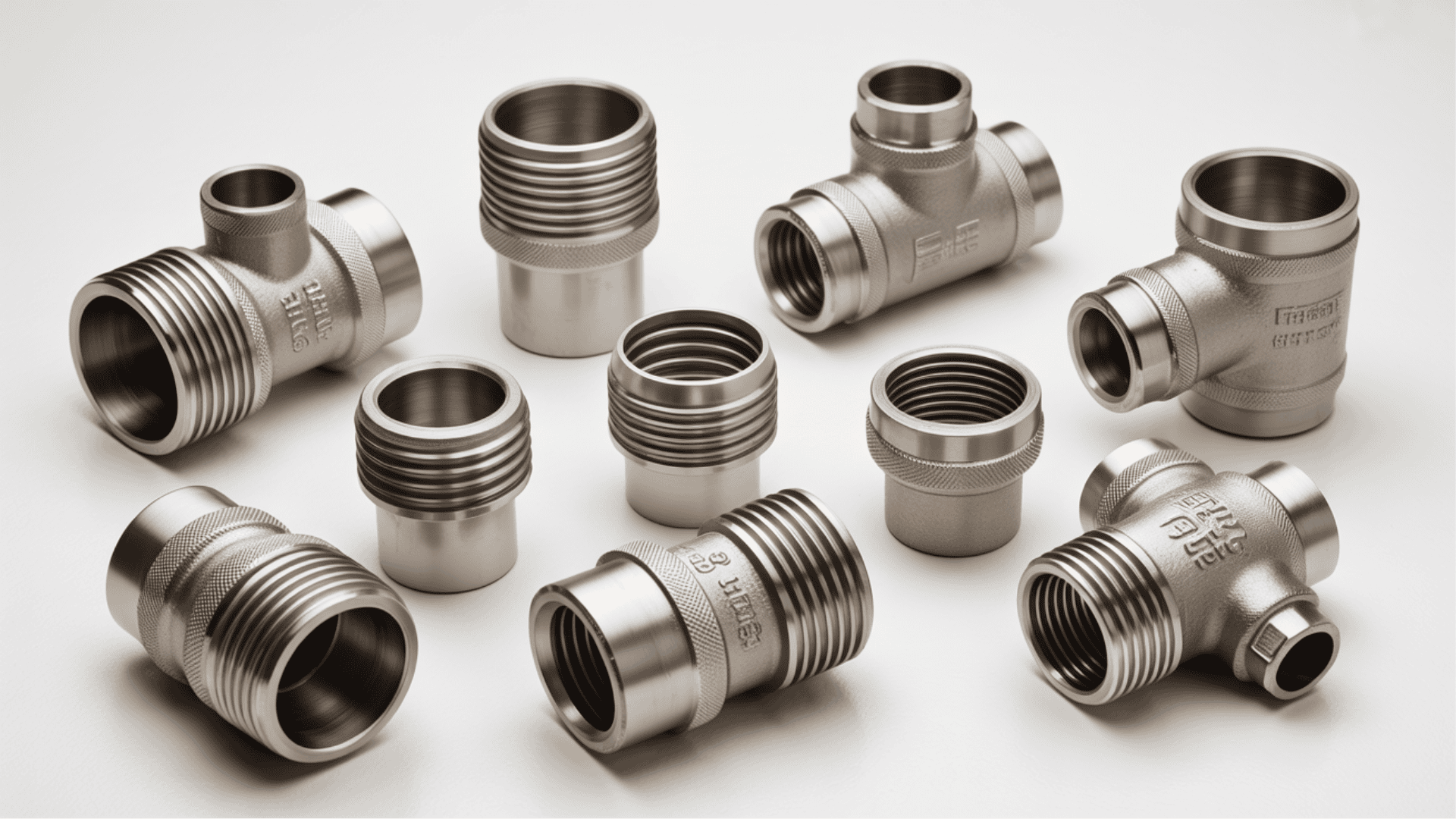
Fixtures and connectors link your supply and drainage systems to everyday appliances and plumbing features.
Faucets, shut-off valves, and adapters designed specifically for mobile homes account for different pressure ratings and thread patterns.
Wax rings and bolts ensure a tight seal, preventing leaks and water damage. Choosing NSF-certified components guarantees safety and compliance with national plumbing standards, while using mobile-home-compatible fittings avoids threading mismatches that can cause leaks.
By selecting quality materials, ensuring compatibility, and investing in certified parts, you can keep your mobile home’s plumbing system durable, efficient, and built to last.
Common Mobile Home Plumbing Problems
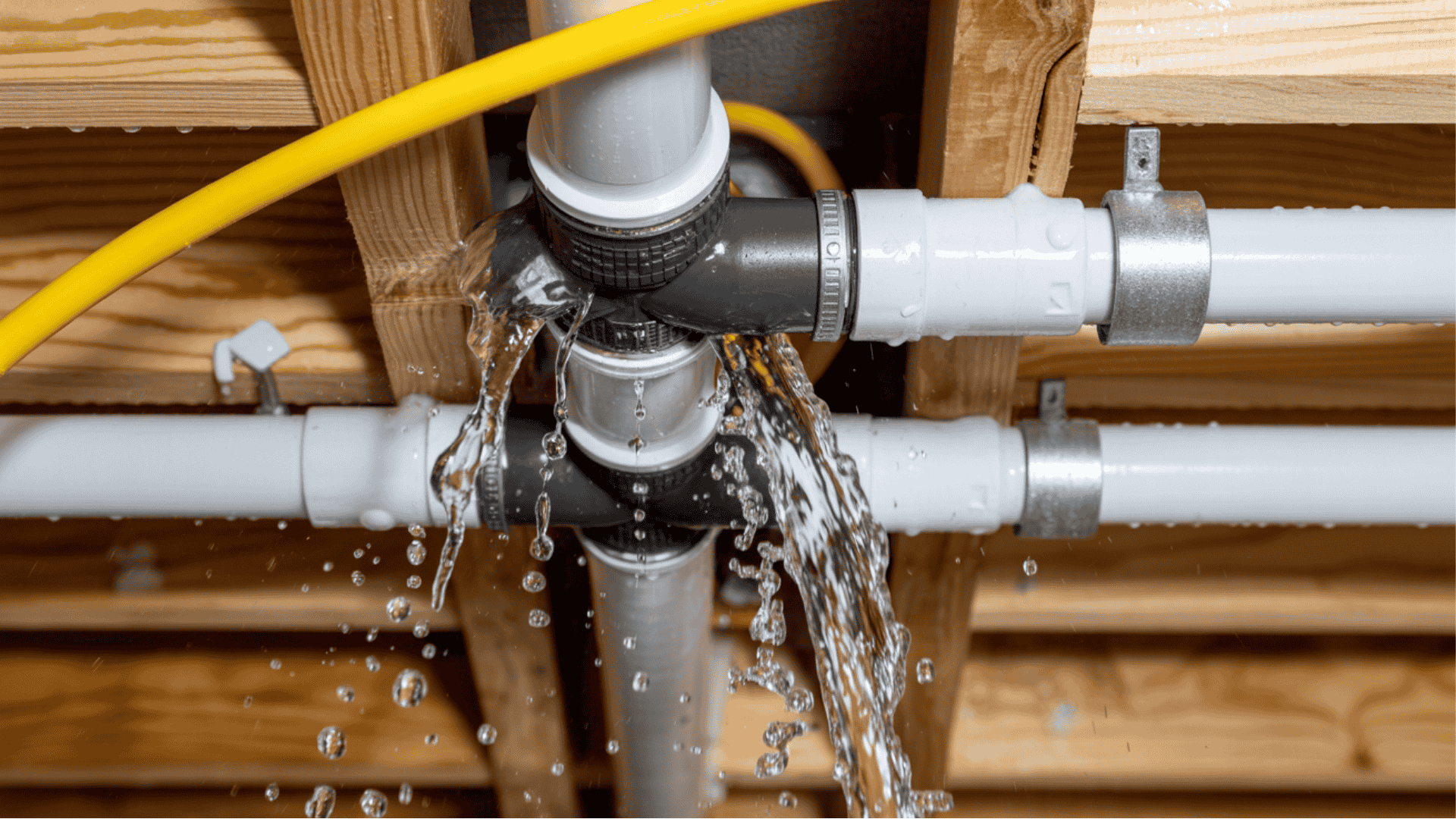
Even well-maintained mobile homes can develop plumbing issues over time. Lightweight materials, compact layouts, and constant vibration from movement can strain pipes and fittings.
1. Leaking Pipes
Cause: Leaks often develop from loose fittings, vibration during transport, or aging pipe joints. Over time, small drips can lead to water damage under floors or behind cabinets.
Solution: Tighten fittings carefully and replace any worn connectors with PEX-compatible parts. Applying plumber’s tape around threaded joints helps maintain a watertight seal and prevents future leaks.
2. Low Water Pressure
Cause: Sediment, rust, or mineral buildup inside narrow pipes can reduce water flow. Faulty regulators or clogged aerators also commonly restrict pressure in older systems.
Solution: Flush your plumbing lines and clean faucet aerators using vinegar or a descaling solution. If the problem persists, replace clogged sections or upgrade outdated supply lines to restore consistent pressure.
3. Frozen Pipes
Cause: Exposed under-floor lines and poor insulation make mobile homes especially vulnerable to freezing temperatures. When water inside pipes freezes, it expands and can cause cracks or bursts.
Solution: Wrap exposed pipes with foam insulation or install electric heat tape in colder climates. Always shut off the main valve during extended freezes to prevent damage from burst lines.
4. Clogged Drains
Cause: Smaller drainpipes in mobile homes are prone to clogs from grease, soap scum, and hair. Over time, buildup narrows the pipe’s interior, slowing drainage and causing odors.
Solution: Use a drain snake or enzyme-based cleaner to remove blockages naturally. Avoid chemical drain cleaners, as they can weaken plastic pipes and cause long-term damage.
5. Running Toilets
Cause: Constantly running water usually points to a worn-out flapper, misaligned float, or faulty fill valve. This wastes water and increases utility costs if left unchecked.
Solution: Replace the flapper and adjust the fill valve to control tank water levels. Most repair kits cost under $20 and can be installed in minutes without special tools.
6. Gurgling or Slow Drains
Cause: Air trapped in pipes or partial clogs often cause bubbling or slow drainage. These symptoms usually indicate a venting issue or an obstruction in the drain line.
Solution: Inspect and clear vent pipes of debris, such as leaves or nests. Running water through all traps also helps re-establish air balance and eliminate gurgling noises.
7. Sewer Odors
Cause: Musty or sulfur-like smells indicate venting problems, dry P-traps, or buildup in the drain system. Sewer gases can enter living areas if vents are blocked or water seals dry out.
Solution: Pour water into infrequently used drains to refill traps and flush out odor-causing gases. Check vent stacks regularly for obstructions, and use a trap-seal primer for persistent issues.
8. Water Heater Issues
Cause: Over time, sediment buildup reduces heating efficiency and can strain the tank. Malfunctioning thermostats or corroded components can also cause inconsistent water temperatures.
Solution: Drain and flush the tank at least once a year to remove sediment. Test heating elements and replace worn-out pressure relief valves to ensure safe, efficient operation.
9. Leaky Faucets
Cause: Dripping faucets usually stem from worn washers, damaged O-rings, or aging cartridges. Even small leaks waste gallons of water and can stain sinks or fixtures.
Solution: Shut off the water supply and replace the faulty cartridge or washer. Most faucet brands offer affordable, brand-specific kits that make the repair quick and leak-free.
With basic tools, routine checks, and a little confidence, you can handle many of these issues yourself and keep your mobile home’s plumbing in top condition for years to come.
HUD Code and Mobile Home Plumbing
Since 1976, all manufactured homes have followed HUD code standards for safety, water efficiency, and structural integrity.
HUD regulates:
- Pipe sizes: Supply lines must be 3/8″–1″; drain lines typically 3″ ABS.
- Supports: Horizontal pipes need hangers every 4 feet to prevent sagging or joint stress.
- Clean-outs: Required at every 360° change in drain direction for easy maintenance.
- P-traps: Each fixture needs one to block sewer gases; proper venting keeps them effective.
- Vents: Must allow airflow via roof stacks or air admittance valves to prevent gas buildup.
- Inspections: Check joint seals, drain slope, pipe supports, and clearances. Keep plastic pipes 18″ from water heaters and 6″ off the ground
Complying with HUD standards ensures consistent water delivery, fewer leaks, and easier repairs. When upgrading, always check parts and installation methods for HUD approval to stay compliant and maintain warranty coverage.
Maintenance of Mobile Home Plumbing System
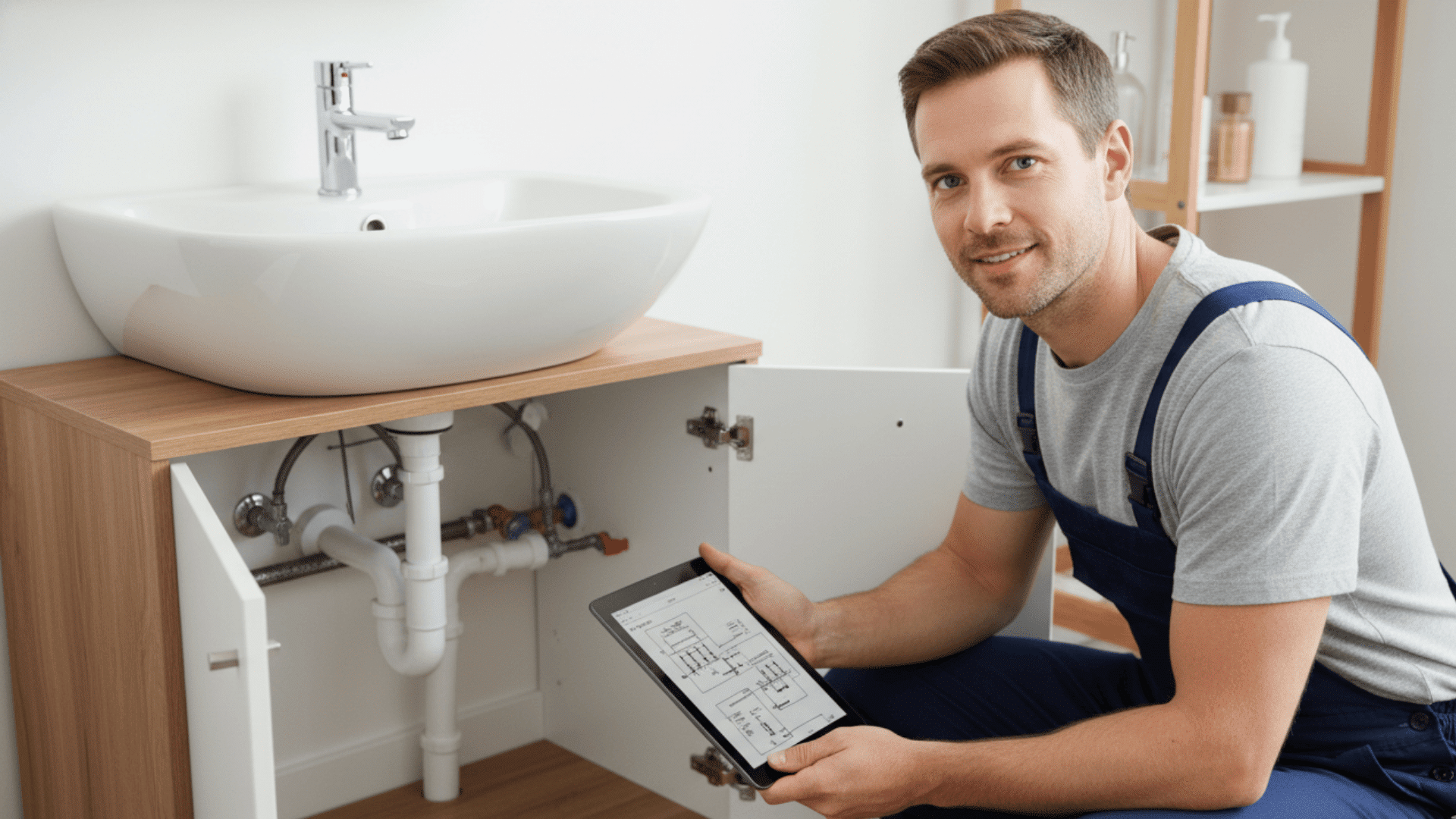
Regular upkeep prevents costly plumbing emergencies and keeps your mobile home system running efficiently.
Monthly Maintenance
- Check under sinks for leaks or water spots.
- Inspect visible pipes for cracks or corrosion.
- Test the main shut-off valve every few months.
- Clear drain clean-outs to prevent clogs or odors.
- Inspect the water heater for sediment or leaks.
- Schedule yearly professional checks to catch hidden issues.
Quick Fixes
- Tighten fittings or replace worn faucet cartridges.
- Add foam insulation to exposed pipes.
- Clean drain screens regularly.
- Always shut off water before repairs and seek professional help if unsure.
Consistent maintenance extends system life, prevents emergencies, and helps you spot small issues before they turn into major repairs.
Handling Plumbing Repairs: DIY vs. Professional Help
Choosing between a DIY fix and professional help depends on your skill level, the type of issue, and legal requirements in your state. The table below highlights when you can safely handle repairs yourself and when it’s best to call a licensed plumber.
| Aspect | DIY Repairs | Professional Repairs |
|---|---|---|
| Examples | Faucet cartridge, small clogs, PEX fitting, pipe insulation | Burst pipes, sewer backups, gas lines, full repipes |
| Tools & Cost | Basic tools: under $50 | Specialized tools; higher labor cost |
| Skill Level | Moderate, for careful residents | Advanced, licensed expertise needed |
| Permit Needs | Usually not required | Required in many states (FL, TX, CA) |
| Risks | Minor leaks or poor seals | Major damage, code, or insurance issues |
| Find Help | DIY guides, manufacturer manuals | ASSE directory, state licensing boards |
Tackling small repairs on your own can save time and money, but major plumbing issues should always be left to qualified professionals. Knowing the difference keeps your system safe, compliant, and working efficiently.
When to Replace Mobile Home Plumbing Systems?
Upgrading your mobile home plumbing improves efficiency, safety, and overall home value. It’s important to know when your system needs attention and how to plan replacements properly to avoid unnecessary costs or compliance issues.
- Frequent leaks or aging parts: Repeated repairs signal system fatigue; consider updating supply lines or fittings.
- Outdated materials: Older homes with polybutylene or metal piping should be replaced with modern PEX or CPVC.
- Climate relocation: Moving between cold and hot regions may require insulation, new pipe materials, or adjustments to pressure.
- Fixture additions: Adding showers, dishwashers, or pressure-boosting systems may need stronger supply lines.
- Code and warranty compliance: Follow HUD and local building standards, and keep receipts or warranties for future inspections.
Upgrading with the rightmobile home plumbing parts ensures compatibility, protects insurance coverage, and adds long-term value.
Smart planning and proper documentation make your plumbing safer, more efficient, and ready for years of reliable use.
Conclusion
Your mobile home plumbing system deserves attention and care. Understanding how it works, recognizing early warning signs, and selecting quality mobile home plumbing parts keep your system running reliably for years.
Water damage ranks among the costliest repairs in mobile homes. Prevention through regular maintenance costs far less than emergency repairs.
Start today by locating your main shut-off valve and labeling it clearly. Schedule a professional inspection if you haven’t had one recently. Keep this guide handy for reference during maintenance seasons.
Share your mobile home plumbing experiences in the comments below, or download our free seasonal maintenance checklist.
Taking control of your plumbing system means taking control of your home’s health and your peace of mind.