Hurricanes destroy thousands of homes every year. Families lose everything because Typical homes are not engineered to handle the intense forces hurricanes generate.
But what if your home could withstand Category 5 storms?
Hurricane-resistant construction uses specific materials, engineering principles, and design strategies to keep families safe during disasters. This guide covers everything from reinforced concrete walls to smart roofing systems and impact-rated windows.
You’ll learn about structural features, modern designs, budget expectations, and how to find certified builders who specialize in storm-zone construction.
If you are building new or upgrading an existing property, understanding these techniques helps you make informed decisions. Your home can be both a comfortable living space and a fortress against nature’s fury.
What Makes Homes Hurricane-Resistant?
Hurricane-proof homes are built differently from standard houses. Engineers design them to survive extreme weather conditions that would damage regular buildings.
These homes rely on core structural priorities that improve durability and keep the building stable during severe hurricane forces.
- Wind load resistance: enables the structure to stay stable when powerful gusts push against it.
- Flood protection: stops rising water from reaching indoor areas.
- Impact resistance: reduces the harm caused by fast-moving storm debris.
- Structural continuity: keeps every component connected so the home performs as a unified system.
Building codes play a major role in hurricane zones. Regional weather patterns determine which standards apply. Florida has stricter requirements than inland states. Coastal areas face higher wind speeds and storm surge risks.
The goal is simple: create a home that protects families when storms hit. This requires specific materials, construction techniques, and careful planning from the start.
Key Structural Features for a Hurricane-Proof House
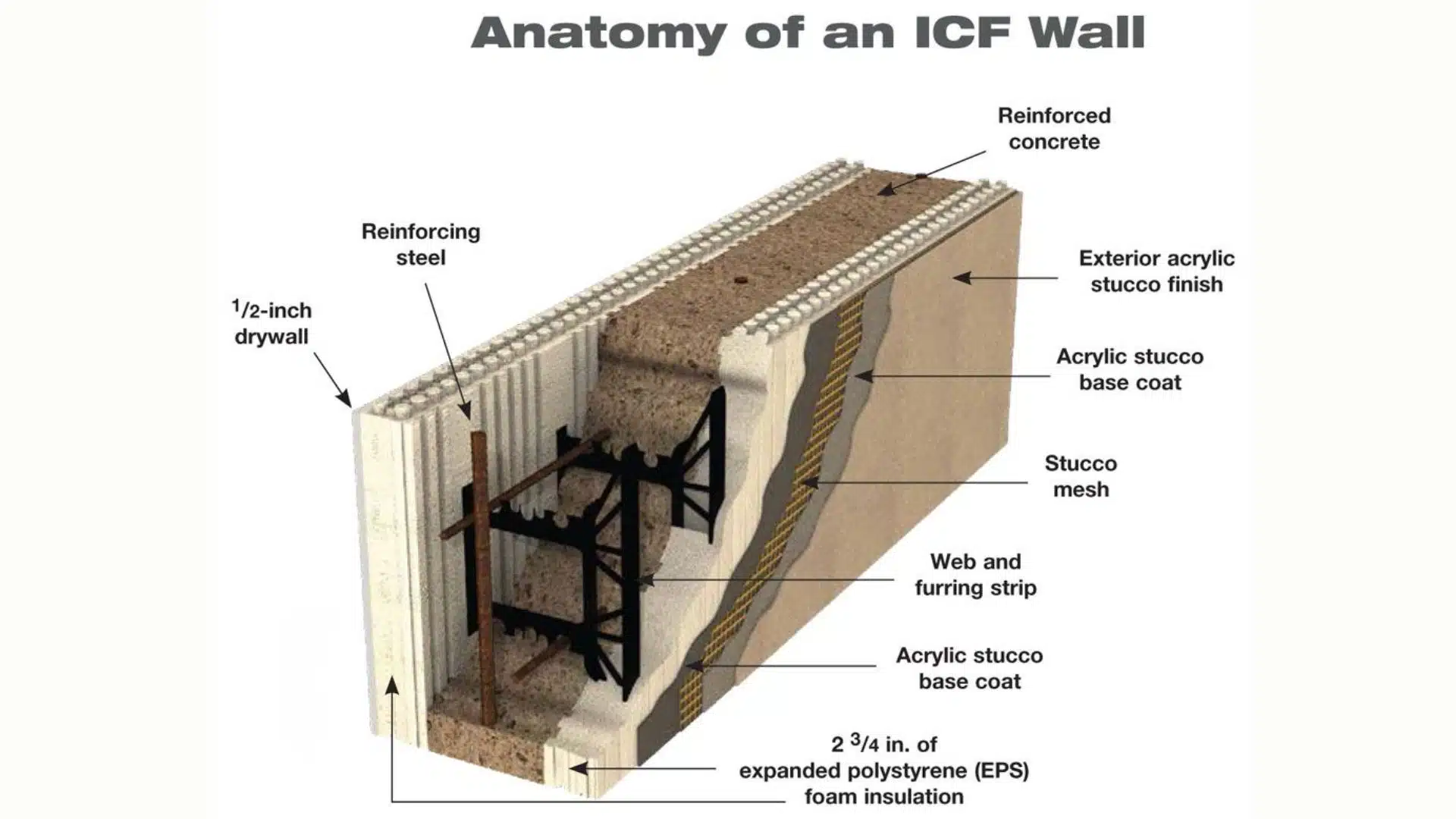
Here are essential components that make homes hurricane-resistant and help protect families from extreme wind, flooding, and debris during severe storms.
Reinforced Concrete Core
The foundation of hurricane protection starts with solid reinforced concrete at the center. Steel reinforcing bars (rebar) run vertically and horizontally through the concrete, creating an impenetrable structural barrier that can withstand winds exceeding 200 mph and resist impacts from flying debris.
1. Reinforcing Steel
The steel rebar grid visible in the infographic provides tensile strength that concrete alone cannot achieve.
This steel framework prevents cracking, maintains structural integrity during extreme stress, and ensures the wall moves as a unified system rather than breaking apart under hurricane forces.
2. 2¾ Inches of Expanded Polystyrene (EPS) Foam Insulation
High-density EPS foam panels on both sides of the concrete core serve dual purposes. They provide exceptional thermal insulation while also contributing to structural stability. This foam remains dimensionally stable and won’t deteriorate over time, ensuring long-term performance.
3. Web and Furring Strip
These critical connectors hold the inner and outer foam layers in precise alignment during concrete placement. They create a sturdy framework that maintains consistent wall thickness and provides attachment points for both interior and exterior finishes.
4. Stucco Mesh
Embedded within the exterior stucco system, this reinforcing mesh prevents cracking and ensures the stucco coating adheres permanently to the foam surface. It distributes stress across the entire wall face, preventing failure points during hurricane-force winds and driving rain.
5. Acrylic Stucco Base Coat
This intermediate layer bonds the mesh to the foam substrate while creating a smooth, uniform surface.
The acrylic formulation provides flexibility that accommodates minor building movements without cracking, ensuring the protective barrier remains intact through multiple storm seasons.
6. Exterior Acrylic Stucco Finish
The final weather-resistant layer protects against wind-driven rain, moisture penetration, and UV degradation.
This acrylic coating creates a waterproof shield while allowing vapor transmission, preventing moisture buildup that could compromise the wall system over decades of service.
7. ½-Inch Drywall
Standard interior drywall provides a conventional finish surface while the engineered wall system behind it delivers extraordinary protection.
This familiar interior surface makes ICF construction indistinguishable from traditional homes on the inside while providing far superior hurricane resistance.
Why ICF Walls Outperform Traditional Construction?
This multi-layered ICF wall system creates a monolithic structure where all components work together. Unlike wood-frame construction that can be torn apart by hurricane winds, ICF walls form a continuous concrete shell reinforced with steel.
The result is a home that withstands extreme weather while providing superior insulation, soundproofing, and long-term durability that traditional construction simply cannot match.
Hurricane-Resistant Home Design Solutions
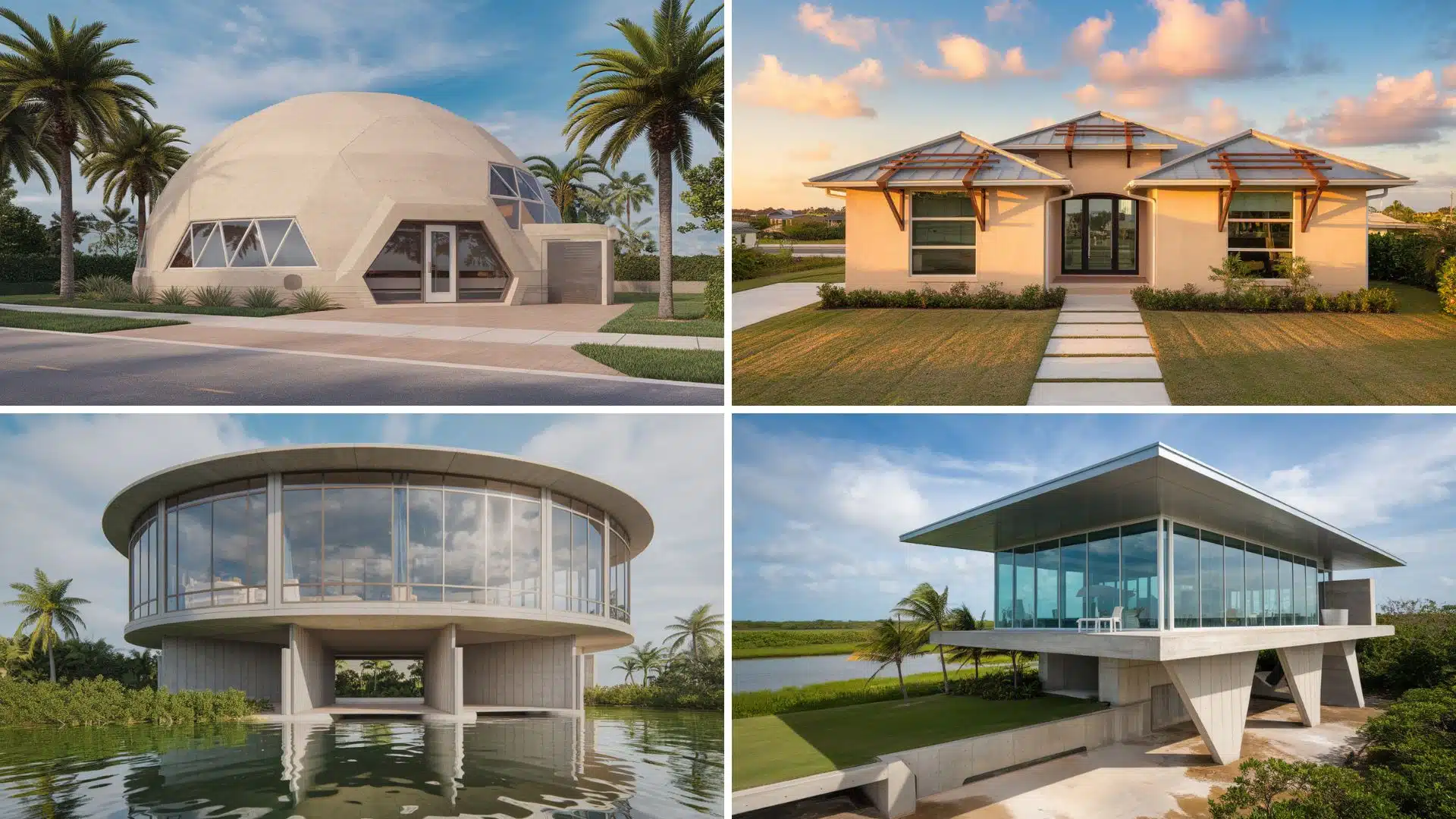
Modern builders use creative approaches to enhance hurricane resistance. Here are seven design strategies that work.
1. Dome and Curved Home Designs
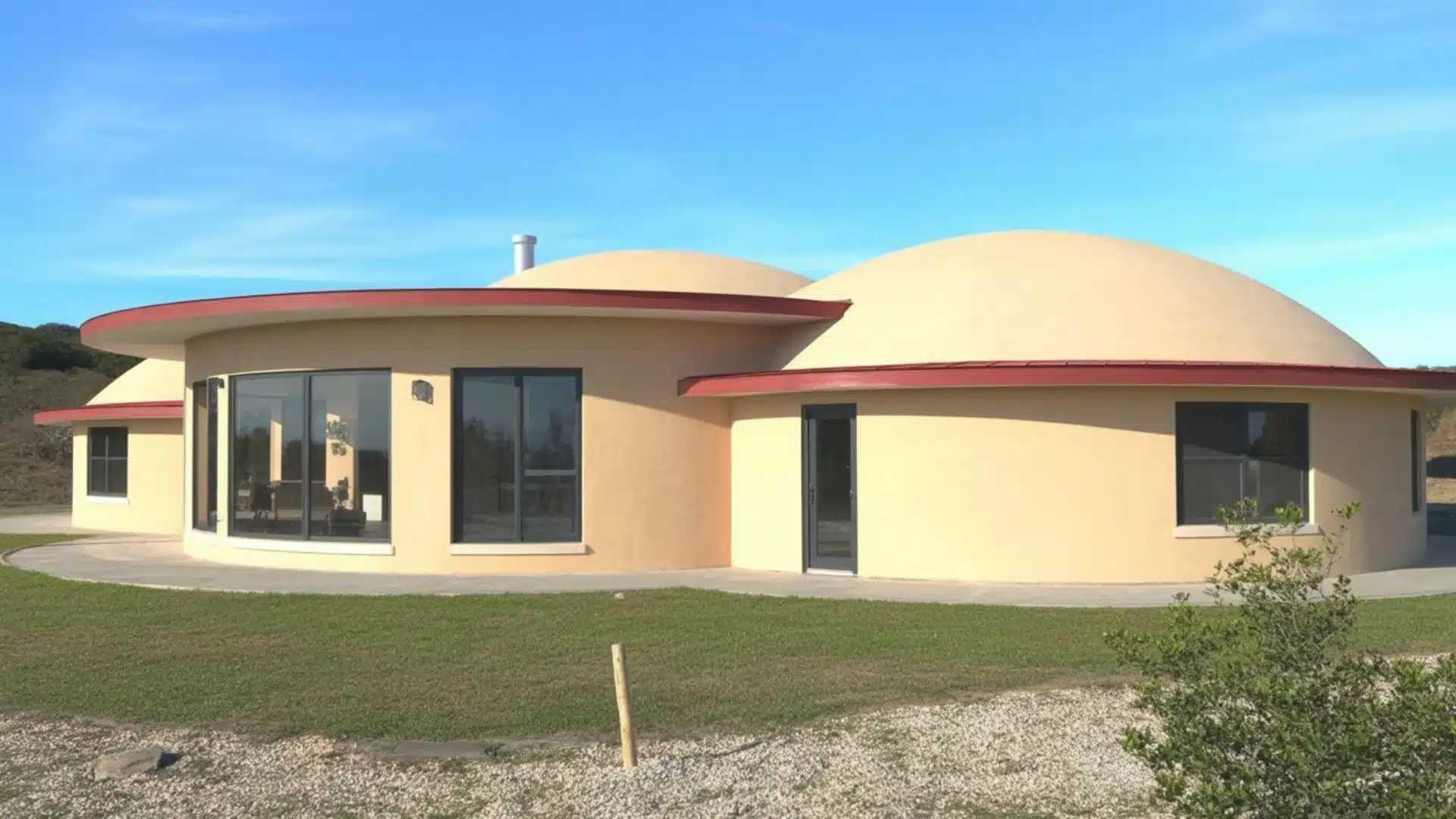
Round shapes deflect wind better than flat surfaces. Domes have no corners where wind pressure builds up. This design reduces structural stress by up to 30% compared to traditional homes.
2. Monolithic Concrete Home Designs
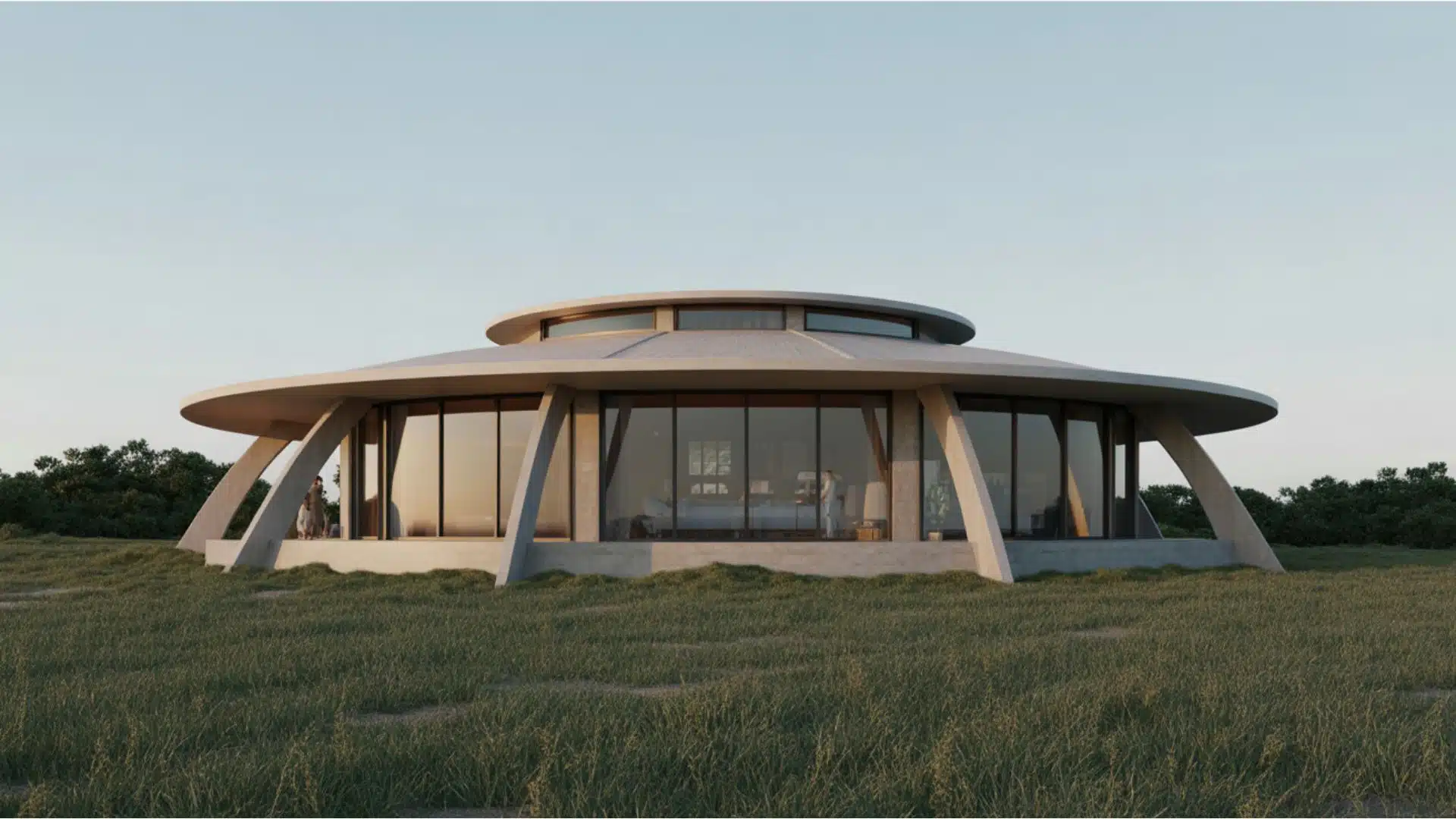
These homes are poured as single concrete units. Walls, roof, and foundation form one continuous piece. There are no weak joints or seams for wind to exploit.
3. Modular and Prefabricated Hurricane-Rated Homes
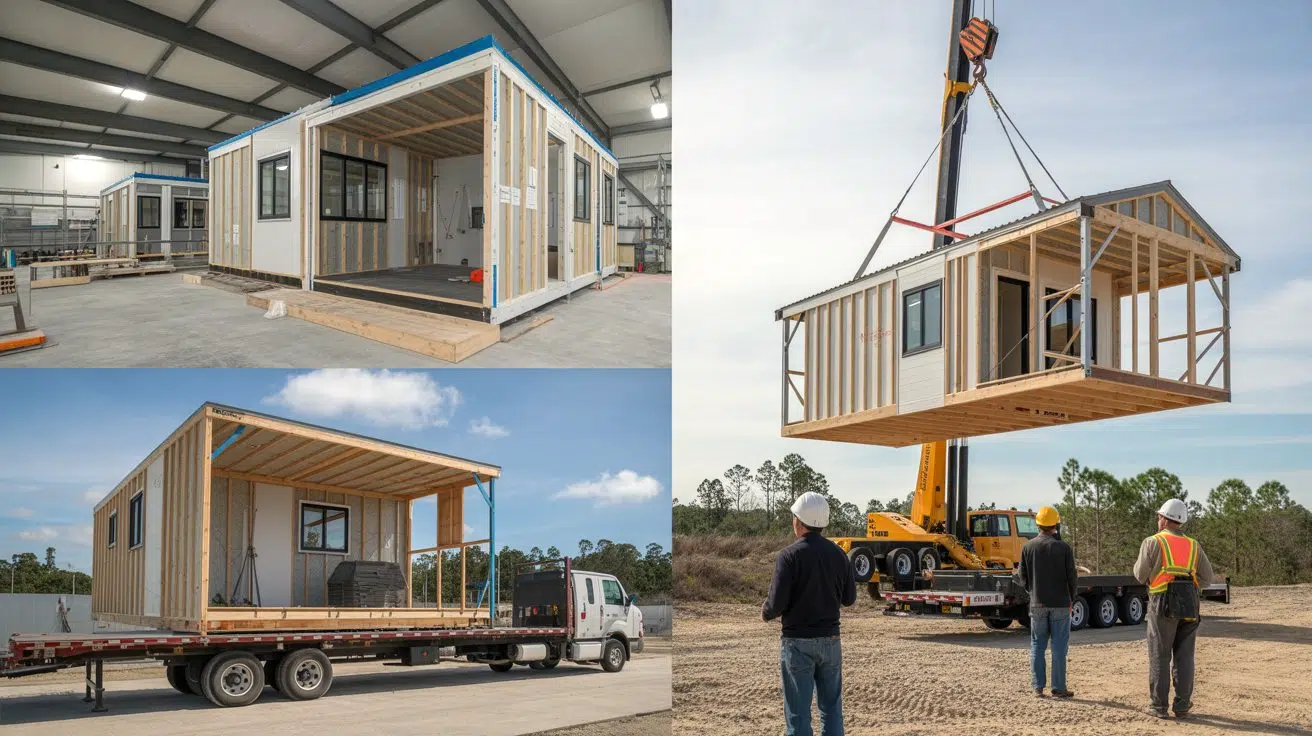
Factory-built modules meet strict quality standards. Each section gets tested before shipping. Assembly on-site takes less time and ensures consistent construction quality.
4. Coastal Homes Built Above Flood Level
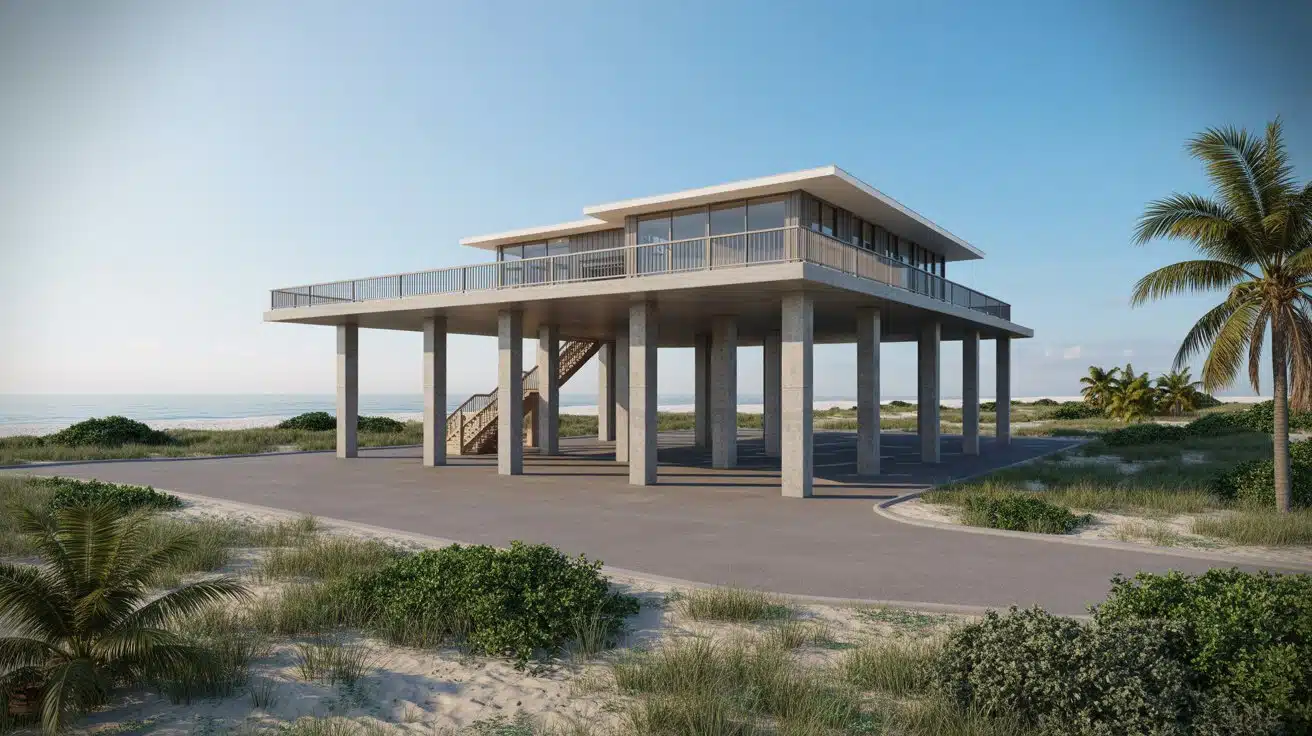
Raising homes on strong columns protects against flooding. Open space below lets storm surge pass underneath. This design is common in high-risk coastal zones.
5. Smart Wind-Deflecting Roofing Systems
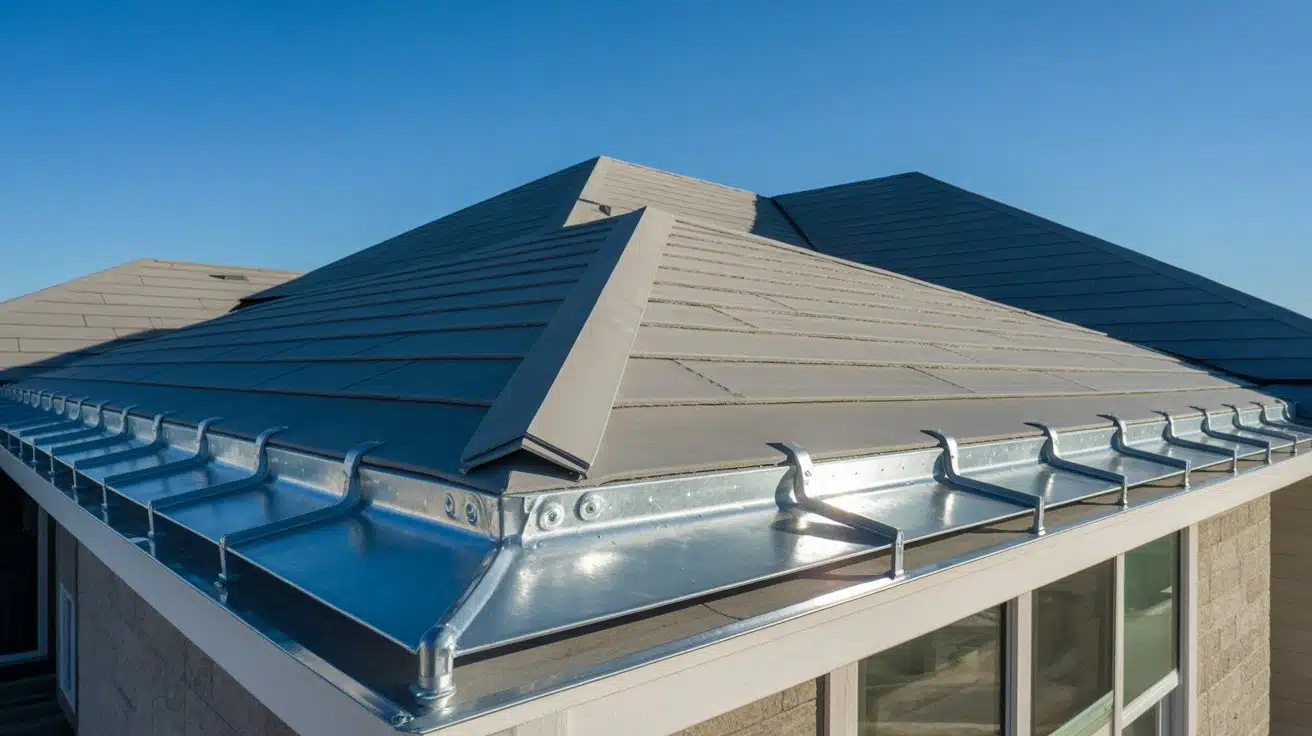
Advanced roof designs channel wind away from vulnerable areas. Aerodynamic profiles and reinforced edges prevent uplift. Some systems include pressure vents that balance interior and exterior forces.
6. Built-In Storm Shelters and Safe Rooms
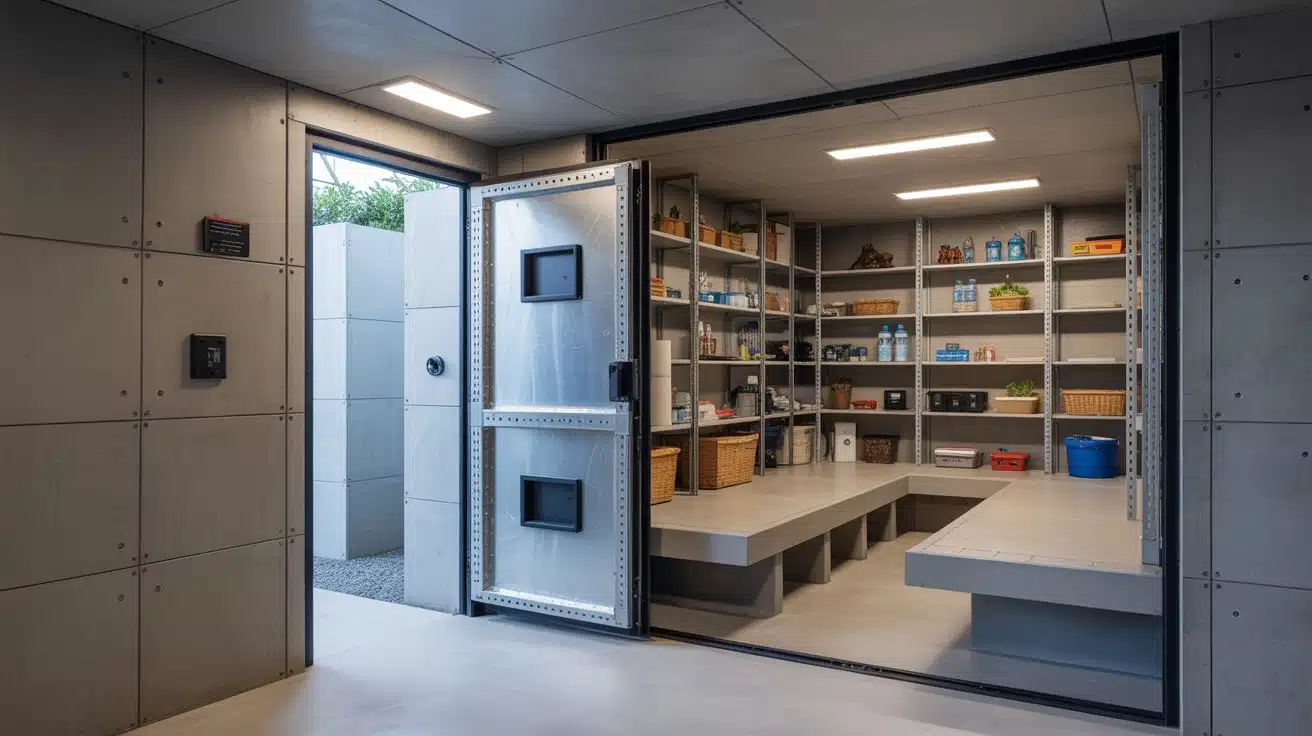
Built-in safe rooms provide protection when evacuation is not possible. These spaces use reinforced concrete or steel. They meet FEMA standards for wind and impact resistance.
7. Using Recycled or Sustainable Materials
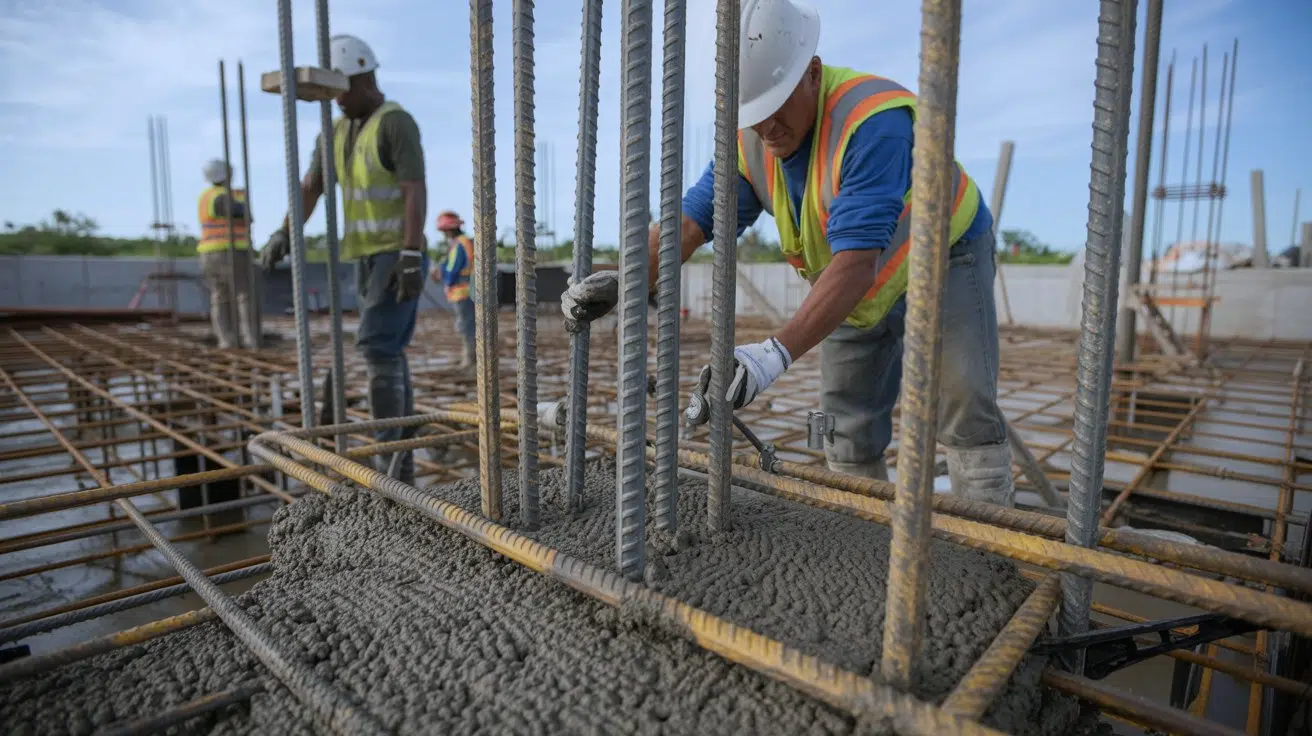
New materials offer both strength and environmental benefits. Recycled steel reinforcement works as well as new metal. Sustainable concrete mixes reduce carbon footprint without sacrificing performance.
Hurricane Construction Budget and Cost Estimates
Building hurricane-resistant homes costs more than standard construction. Here is what to expect:
| Category | Estimated Cost Range | Key Factors |
|---|---|---|
| Foundation & Structural Reinforcement | +20–30% over standard builds | Soil type, flood zone rating |
| Roofing System (Hurricane-Rated) | $10–15 per sq. ft. | Roof shape, materials |
| Storm-rated window and door systems | $3,000–$12,000+ | Size, material, certification level |
| Site grading and water flow planning | Varies widely | Local flood risks, grading needs |
| Backup Power / Safe Rooms | $5,000–$25,000+ | Generator type, safe room specs |
| Overall Added Cost | ~10–25% more | Materials, builder expertise |
The added expense pays off through lower insurance costs and reduced storm repairs. Many homeowners recover the extra cost within five to ten years.
Hurricane Building Code Compliance and Quality Checks
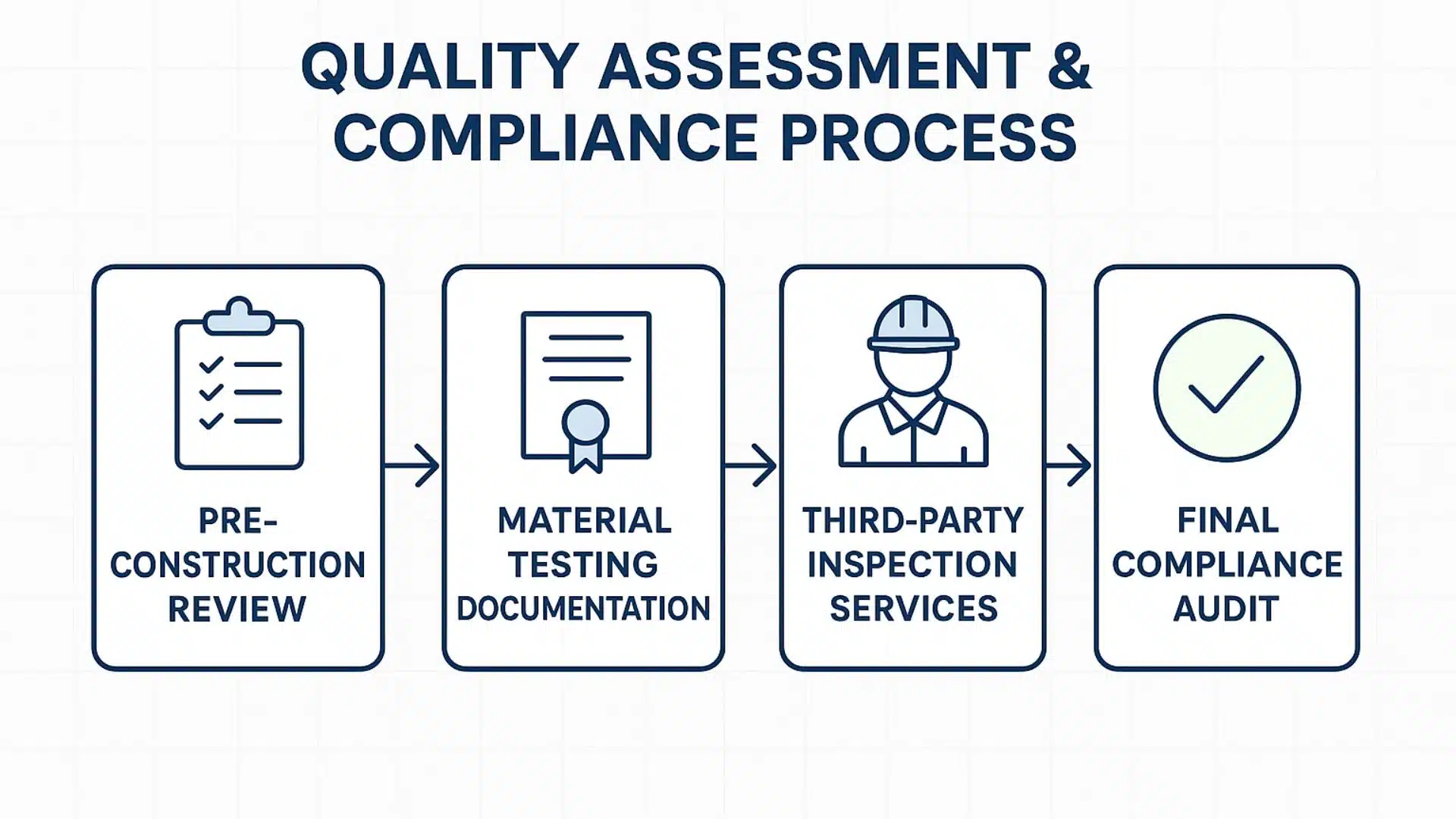
Quality assessment protects homeowners from costly repairs and safety risks after storms hit. Proper oversight ensures builders follow hurricane codes and use materials that perform under extreme conditions.
A systematic compliance approach involves multiple checkpoints throughout construction. This process verifies that every component works together to create a fully integrated hurricane-resistant system for your family.
- Pre-Construction Review: Evaluate the builder’s background, including required licensing, industry training, and previous hurricane-zone work, before approving contracts. Confirm their specific knowledge of storm-region construction needs.
- Material Testing Documentation: Obtain manufacturer certificates showing wind-speed ratings, impact resistance scores, and ASTM testing results. Ensure products meet FEMA recommendations for hurricane-prone areas.
- Third-Party Inspection Services: Hire independent structural engineers to assess foundation anchoring, wall-to-roof connections, and fastener placement at key construction milestones throughout the build.f
- Final Compliance Audit: Request complete records, including permit approvals, code inspection sign-offs, and warranty papers. Store these digitally and physically for insurance purposes.
Tips for Building or Purchasing a Hurricane-Resistant Home
Keep these points in mind throughout your project:
- Find qualified builders through reliable sources: Search state building departments, FEMA’s safe room directory, and ICC contractor listings for certified professionals. Professional associations like NAHB and insurance company recommendations provide verified contractor lists in hurricane zones.
- Verify specialized credentials and experience: Seek FORTIFIED Home training, storm-resistant building courses, and documented regional work. Companies focused on modular storm-ready homes deliver consistent factory-tested strength.
- Invest in certified, tested materials: Documentation matters when storms come. Only buy products that meet recognized standards from manufacturers like PGT Industries for windows or GAF for roofing systems.
- Prioritize elevation and drainage planning early: Water damage causes more problems than wind. Get this right from the beginning with proper foundation design.
- Schedule regular inspections and updates: Check your home annually for wear and damage. Replace worn components before the next storm season.
- Treat the house as a long-term safety investment: The extra cost now prevents massive losses later. Your family’s safety is worth every dollar spent on proper construction.
Conclusion
Building a hurricane-resistant home requires investment, planning, and expert guidance.
The extra 10-25% in construction costs pays off through lower insurance premiums, reduced storm damage, and, most importantly, family safety during extreme weather events.
Remember the essentials: work with certified builders, use tested materials, emphasize smart water control, and maintain your protective features annually.
Do not overlook openings, roofing, or exterior barriers. These parts determine whether your home withstands or collapses during hurricanes.
Hurricane-resistant construction is not just about walls and roofs. It’s about creating lasting security for the people you love.
Start your project with careful research, hire skilled contractors, and treat every choice as a responsible long-term planning step.
Ready to build storm-proof? Consult local hurricane-zone specialists today.