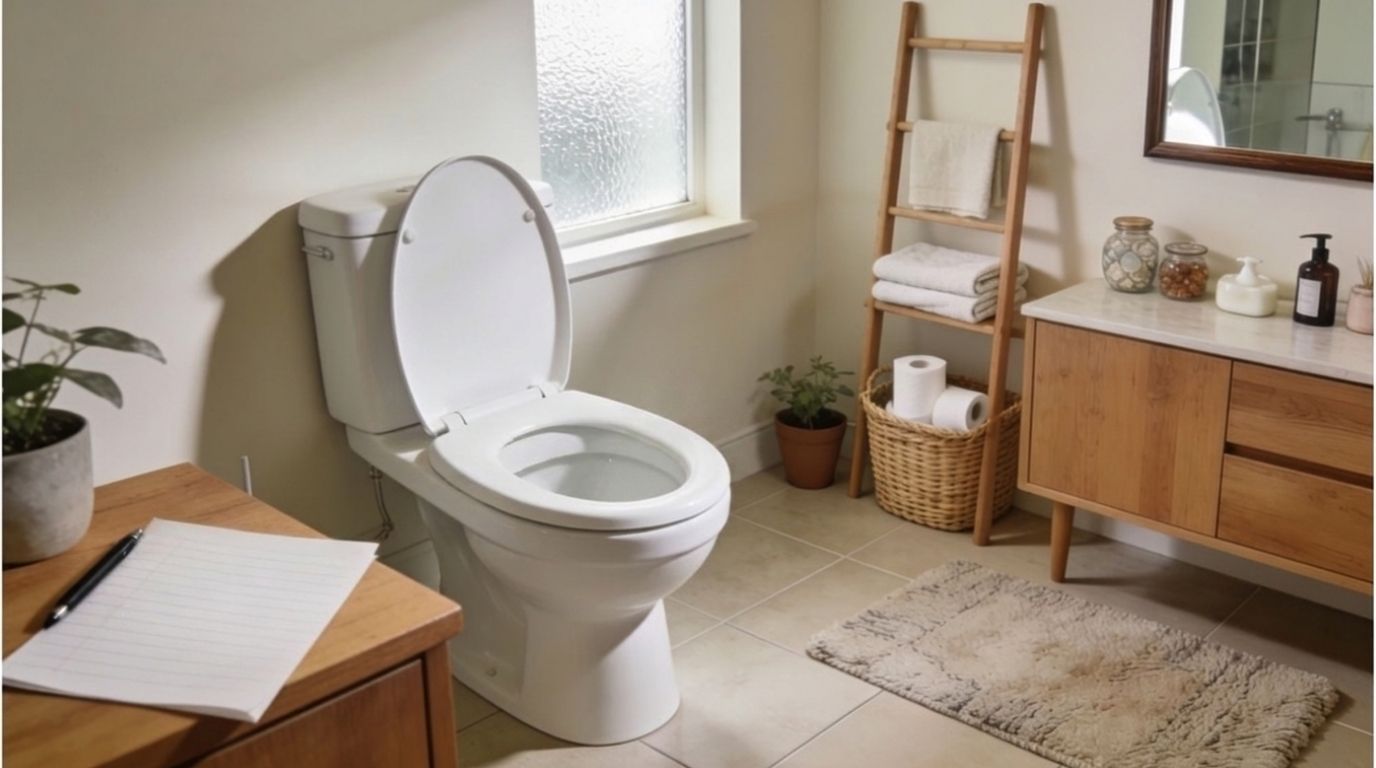
A toilet seat that wobbles or hangs off the edge is more than annoying; it usually means the wrong size got ordered.
Measure your toilet seat in ten minutes to avoid buying the wrong size.
Grab a flexible tape measure, and I’ll walk you through the four numbers that matter: length, width, bolt spread, and bowl shape.
Get these right and your new seat, whether standard, soft-close, or bidet, will sit flush and feel steady every time.
Are Toilet Seats a Universal Size?
No, toilet seats are not universal. Most fit one of two standard sizes, round or elongated, but the shape, bolt spacing, and hinge style still have to match your toilet.
A seat that’s close but not exact will wobble, gap, or sit crooked, which is why measuring your own bowl matters more than trusting the size on the box.
A new seat is also one of the easiest, lowest-cost swaps in a budget bathroom remodel, so getting the size right the first time keeps that project moving.
What You’ll Need
Before measuring your toilet seat, gather a few simple tools to record accurate dimensions.
Having the right items nearby makes the process quicker and helps avoid mistakes when choosing a replacement seat.
| Tool | Why You Need It |
|---|---|
| Tape measure | A flexible or cloth tape works best for measuring curved toilet rims accurately. |
| Pen and paper or phone notes | Helps record measurements so you can compare sizes when shopping. |
| Screwdriver or wrench (optional) | Useful for removing the old seat if bolts are difficult to reach. |
How to Measure a Toilet Seat: Step-by-Step Guide
To measure accurately, record these four key dimensions before choosing a new toilet seat. Each measurement helps confirm the seat size, shape, and mounting style so you can find the right fit without guesswork.
Use a flexible tape measure and write down each number carefully for the best results.
Step 1: Measure the Length
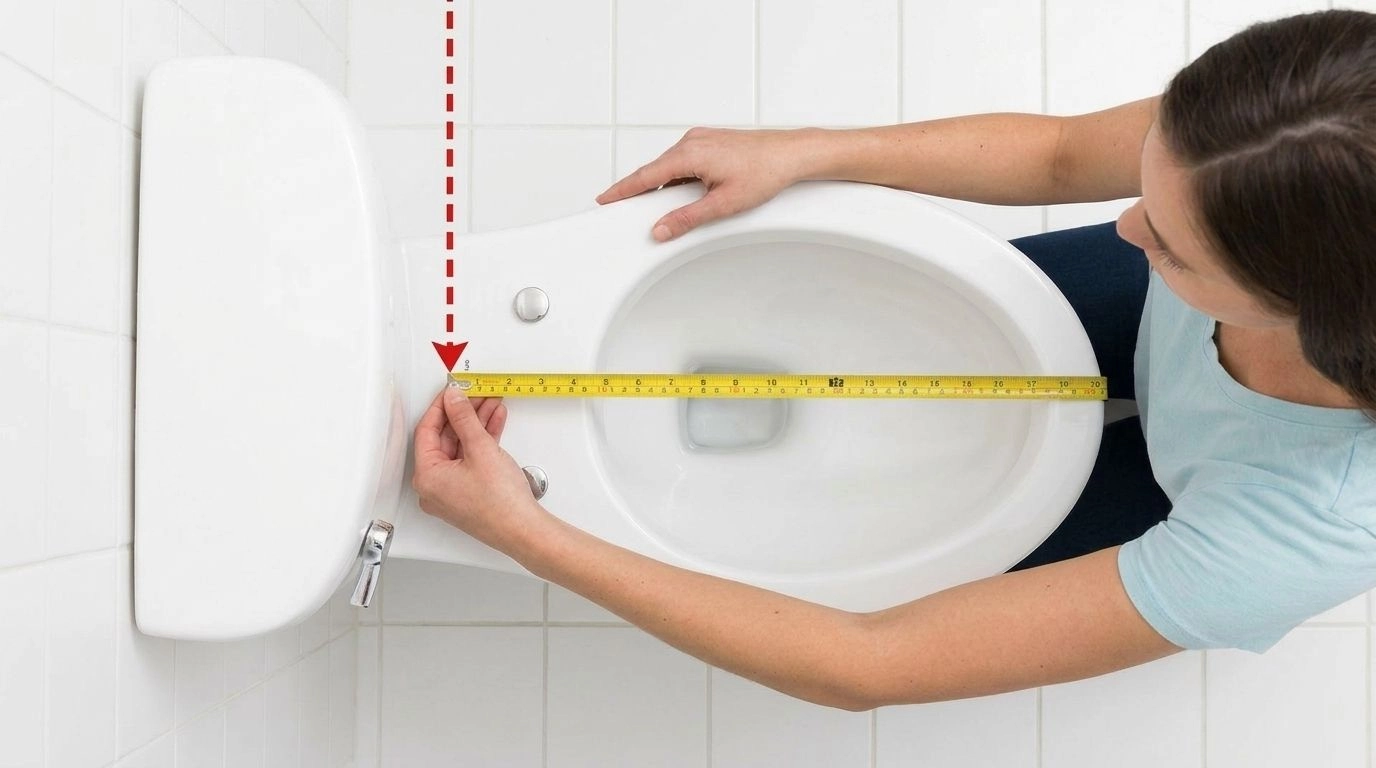
Place the tape measure at the center point between the two mounting bolt holes at the back of the toilet bowl.
From there, extend the tape straight toward the front outer edge of the bowl rim, following the longest point of the seat area.
Measure bowl length to identify the right toilet seat shape and fit.
Measure carefully from the correct starting point, as even a small difference can lead to choosing a toilet seat that does not fit properly.
Step 2: Measure the Width
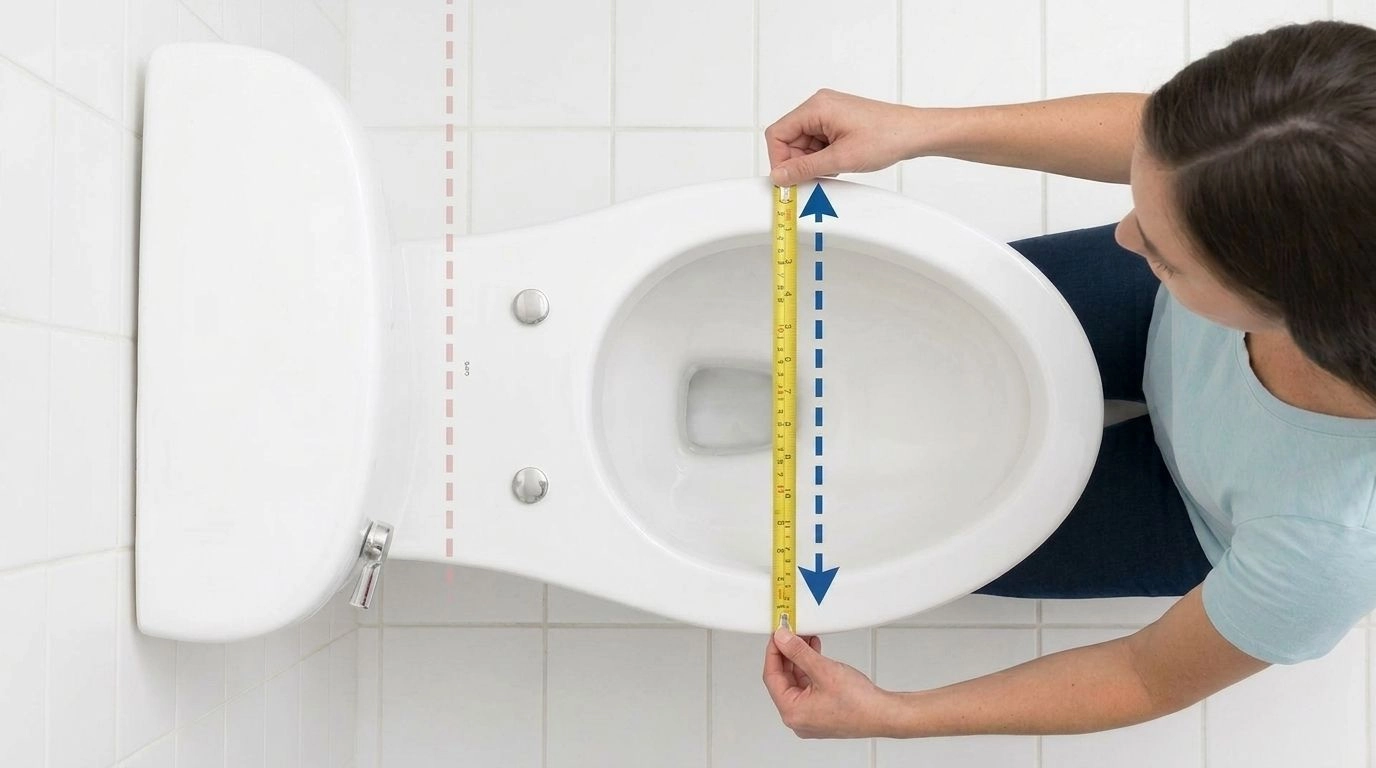
Measure across the widest part of the toilet bowl from one outer edge of the rim to the other.
This width ensures that your new seat will sit evenly and perfectly match the shape of your toilet, giving you a comfortable and secure fit.
Most standard U.S. toilets are around 14.5 inches wide, but some compact, specialty, or space-saving designs may be narrower.
Recording this measurement is especially helpful when replacing seats on smaller or uniquely shaped toilets.
Step 3: Measure the Bolt Spread
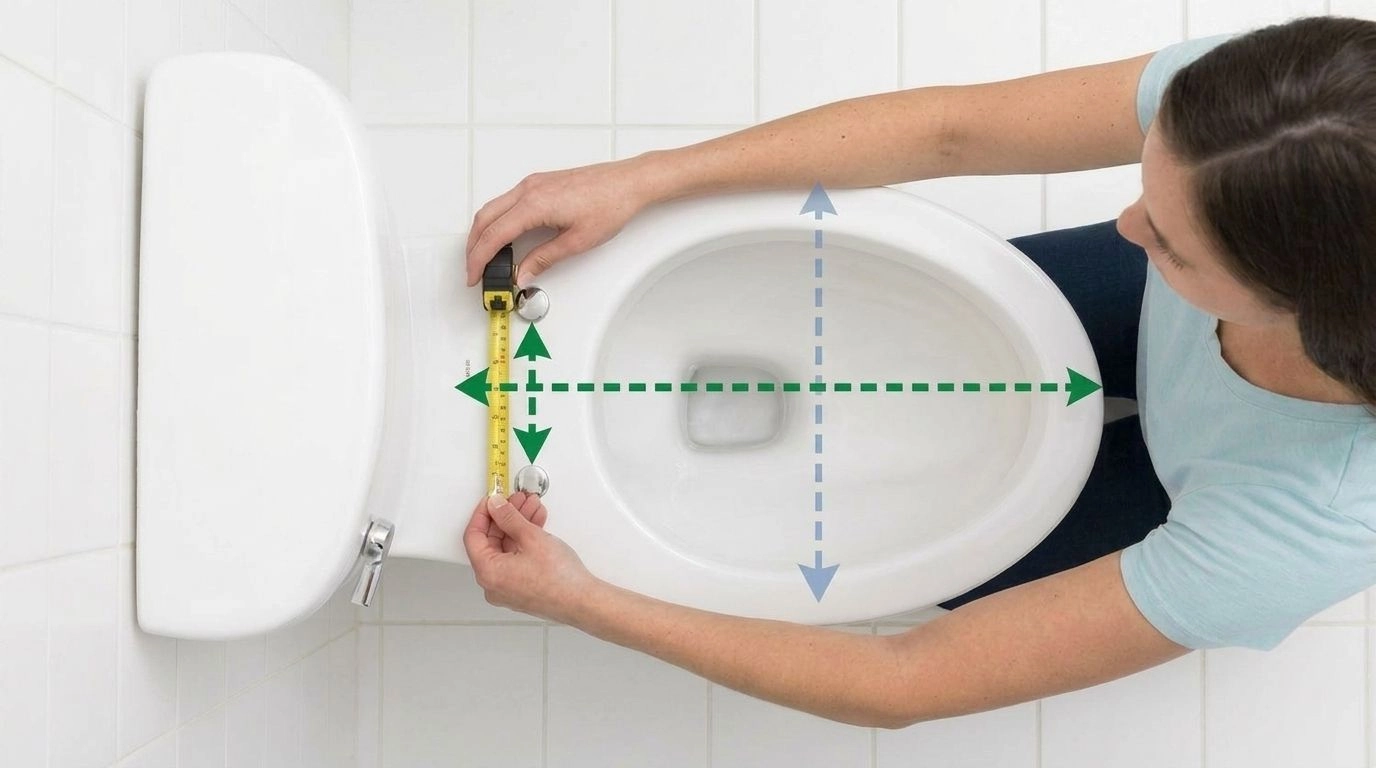
Measure the distance between the two mounting holes by placing the tape measure from the center of one bolt hole to the center of the other.
This helps ensure the new seat or bidet attachment lines up correctly with the existing mounting points.
Most standard U.S. toilets have a bolt spread of about 5.5 inches, but some specialty models may vary.
Step 4: Identify Toilet Type
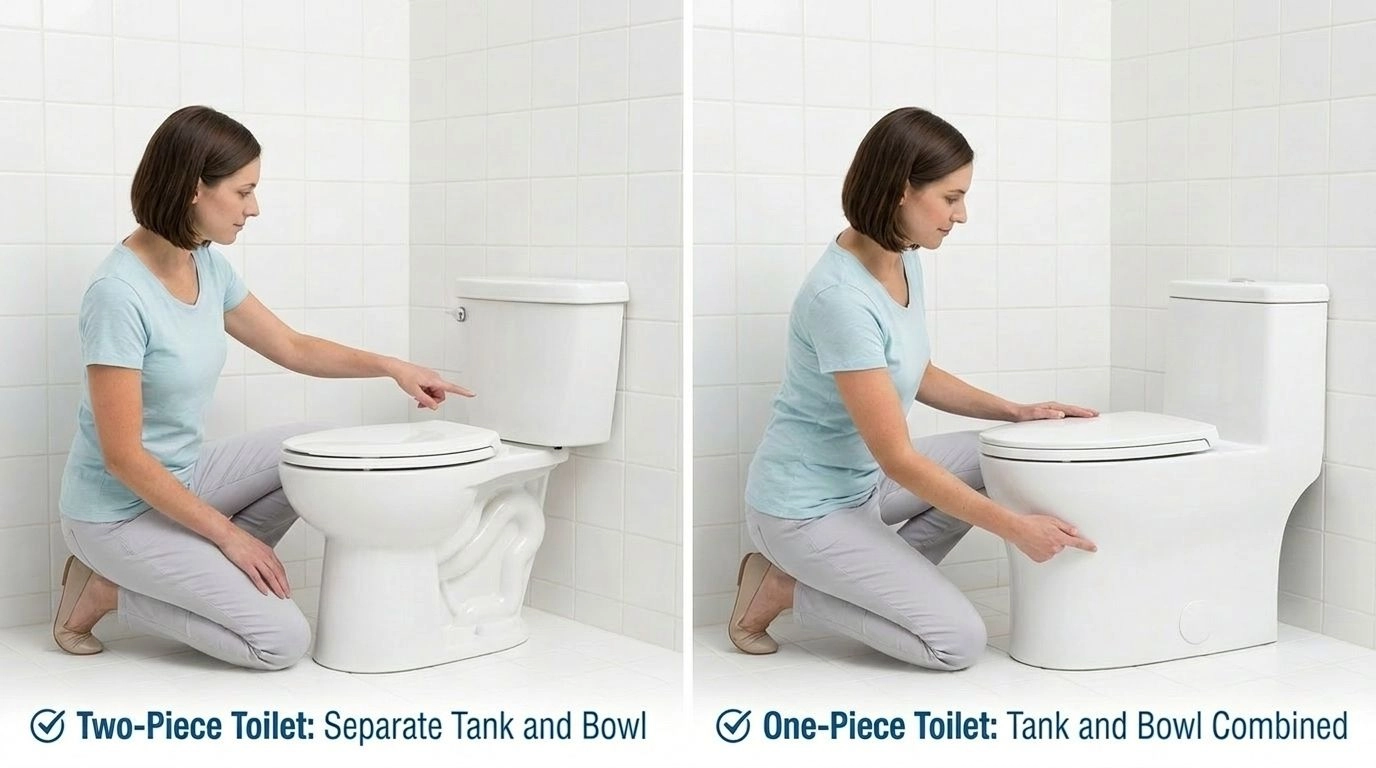
Not all toilets are built the same, and the design can affect which seats work properly. Identifying your toilet type helps you make the right choice before buying
- Two-piece toilets: These toilets have a separate tank and bowl. They are the most common style and usually work with standard toilet seats.
- One-piece toilets: These have a smooth, continuous design in which the tank and bowl are joined as a single unit. Because of their curved shape and limited space near the back, some one-piece toilets may not support certain seat styles or bidet attachments.
- Skirted toilets: These have a smooth base that hides the trapway, and they sometimes need special mounting brackets, so check seat requirements before buying.
Round vs. Elongated Bowls Without a Tape
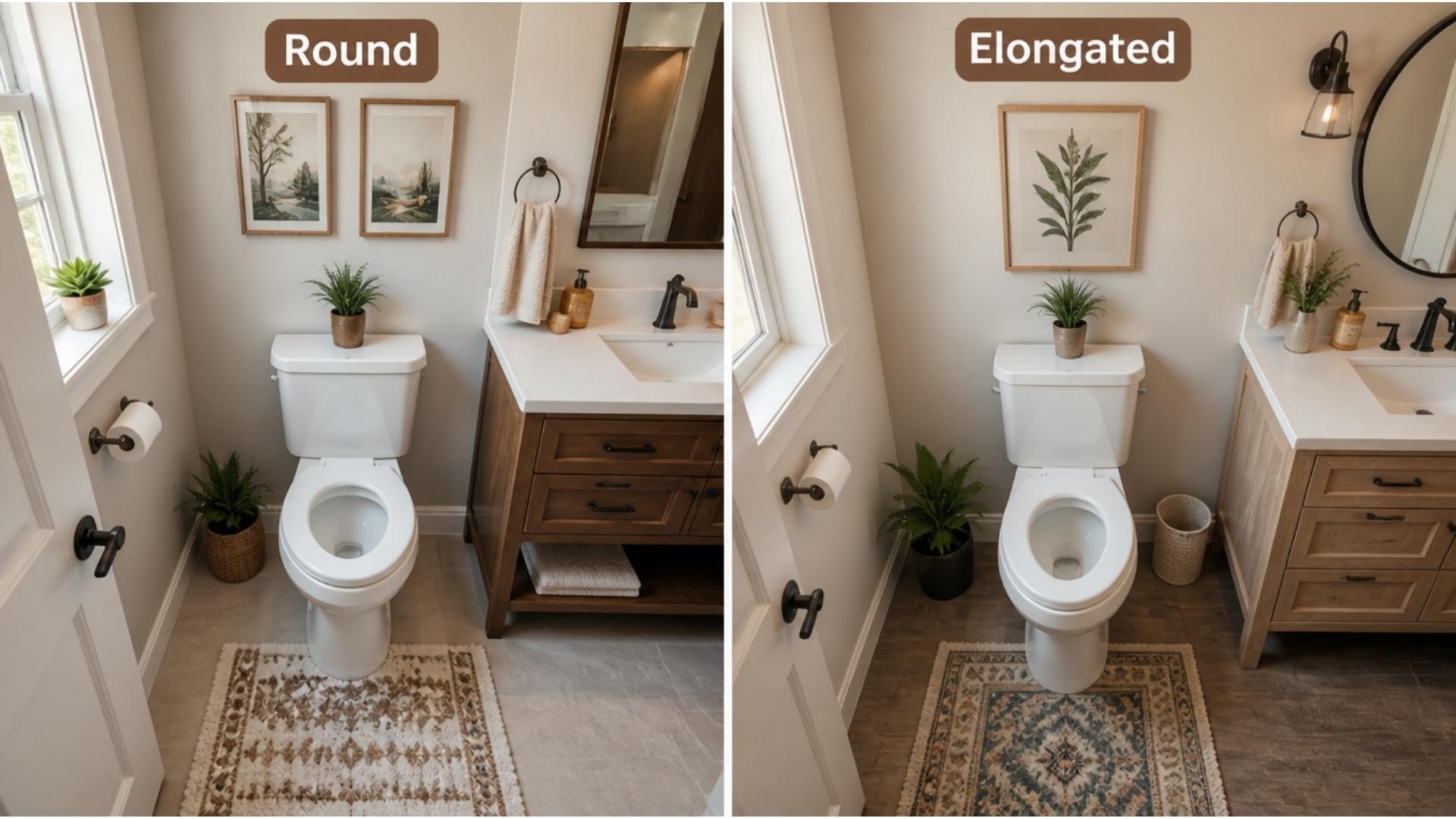
Not every toilet seat measurement requires a tape measure. In many cases, you can identify your toilet bowl shape by simply looking at its design.
| Feature | Round Bowl | Elongated Bowl |
|---|---|---|
| Shape | More circular design with a shorter front area | Longer oval shape with extra space extending forward |
| Appearance | Compact and evenly curved from the top view | Stretches farther toward the front for a larger profile |
| Seating Area | Smaller seating space | Larger seating area for added comfort |
| Best For | Small bathrooms, powder rooms, and spaces where saving space matters | Modern bathrooms and users who prefer more comfort |
| Standard Length | Around 16.5 inches | Around 18.5 inches |
| Standard Width | Around 14.5 inches | Around 14.5 inches |
| Bolt Spread | Around 5.5 inches | Around 5.5 inches |
If you are still unsure about your bowl shape, check inside the toilet tank lid. Many manufacturers include the toilet model number and bowl details there, which can help confirm the correct seat style without measuring.
Common Toilet Seat Measuring Mistakes
Avoiding a few common measuring mistakes can make the difference between a toilet seat that fits perfectly and one that needs to be returned.
- Measuring the old seat instead of the bowl: Always measure the bare toilet bowl for the most accurate fit.
- Starting the tape at the bolt edge: Measure from the center of the mounting holes to get the correct length.
- Checking only the length: Width matters too, especially for compact or uniquely shaped toilet bowls.
- Ignoring unusual bowl shapes: D-shaped, square, or modern toilet designs need shape-specific seats. Standard round or elongated seats may not fit properly.
Taking accurate measurements before shopping helps you avoid poor fits, installation issues, and unnecessary replacements.
Final Tips for Buying the Right Toilet Seat
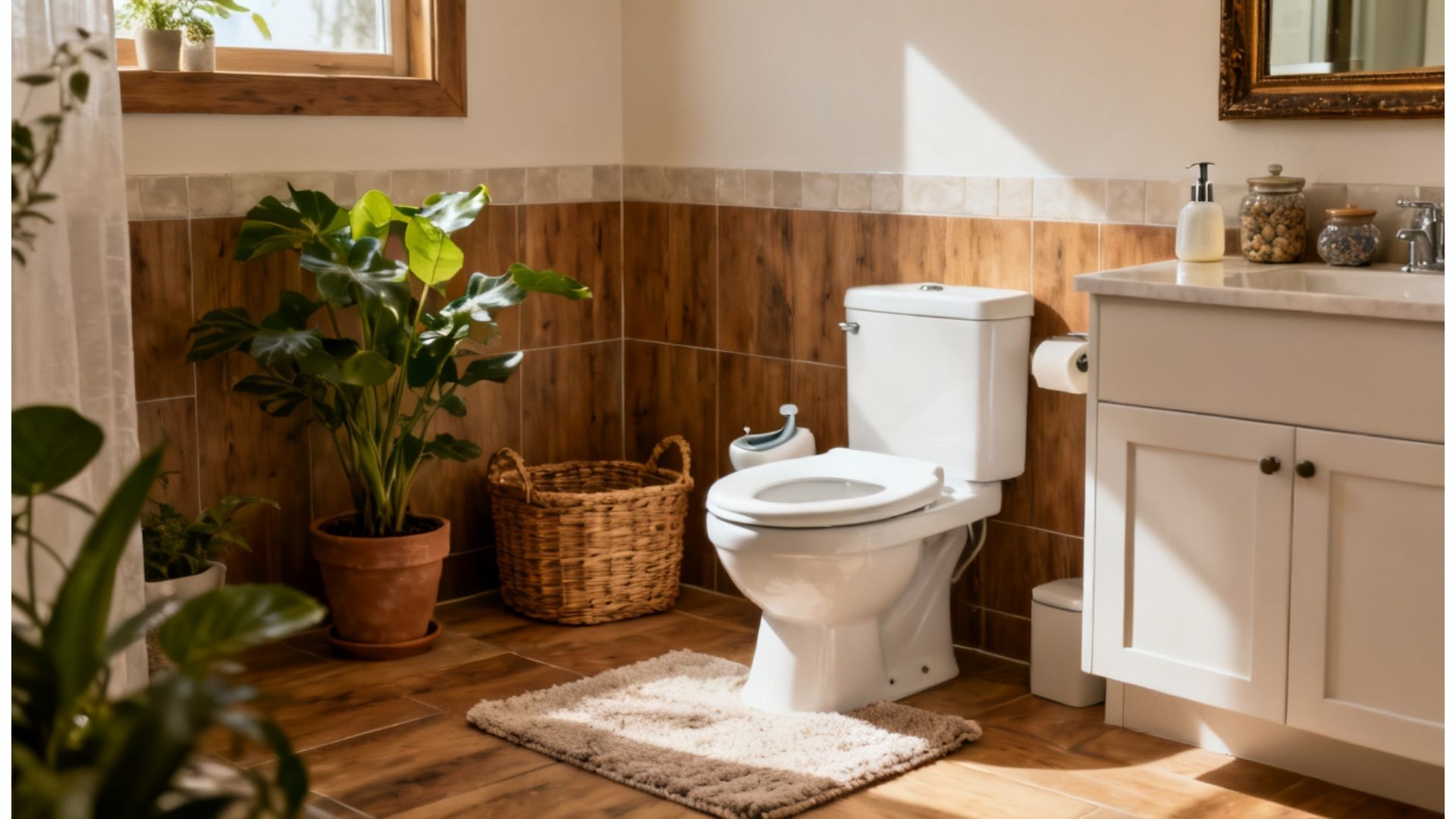
Before you buy a new toilet seat, take a moment to confirm these key details. A proper fit means better comfort, easier installation, and fewer surprises later.
- Always measure your bowl first, not the old seat.
- Use a flexible tape measure for accuracy.
- Double-check width and bolt spread, especially for bidets.
- For skirted or one-piece toilets, check seat compatibility before purchasing.
Following these steps ensures a perfect fit, whether you’re installing a regular, soft-close, or bidet toilet seat.
Correct measurements save time, money, and hassle, and they make the rest of a low-cost bathroom refresh go a lot smoother too.
Conclusion
Measuring a toilet seat isn’t hard once you know where to place the tape.
Record your bowl length, width, and bolt spread, note the shape, and check for any quirks in the bidet or skirted toilet before you buy.
Skip these steps, and you risk gaps, wobble, or a seat that never sits right.
I’ve measured plenty of toilets, and the flexible tape trick never fails me. Take five minutes this week to measure yours, write the numbers down, and shop with confidence knowing what will fit.
Frequently Asked Questions
Should I Remove the Old Seat Before Measuring?
Yes, removing the old seat gives full access to the bolt holes and bowl edges, so your measurements come out more accurate before buying a replacement.
What if My Toilet Isn’t a Standard Oval Shape?
For D-shaped, square, or custom toilets, buy a seat made for that specific brand/model (e.g., Kohler, Toto).
What Else Should I Consider when Buying a New Seat?
Check the hinge type (top-fixing or bottom-fixing) and consider a soft-close lid. Top-fixing is ideal for toilets where you can’t reach underneath to tighten bolts.
Can I Use a Round Seat on an Elongated Toilet?
No, a round seat leaves the front of an elongated bowl exposed, and an elongated seat overhangs a round bowl’s edge.
How Long Does a Toilet Seat Usually Last?
Most seats last around five years with normal use, though hinges and finish can wear out sooner in high-traffic bathrooms.