Want more living space without spending a fortune on a full home addition? A 3-season room might be exactly what you need.
It’s an enclosed sunroom built for spring, summer, and fall, giving you a bright, comfortable space to relax, entertain, or dine without dealing with bugs or bad weather.
But how much does it really cost? What materials work best? And is it actually worth the investment?
This guide breaks down everything you need to know: real pricing, design ideas, material options, and comparisons to other sunroom types.
By the end, you’ll know if a 3-season room is the right fit for your home and budget.
What Is a 3-Season Room?
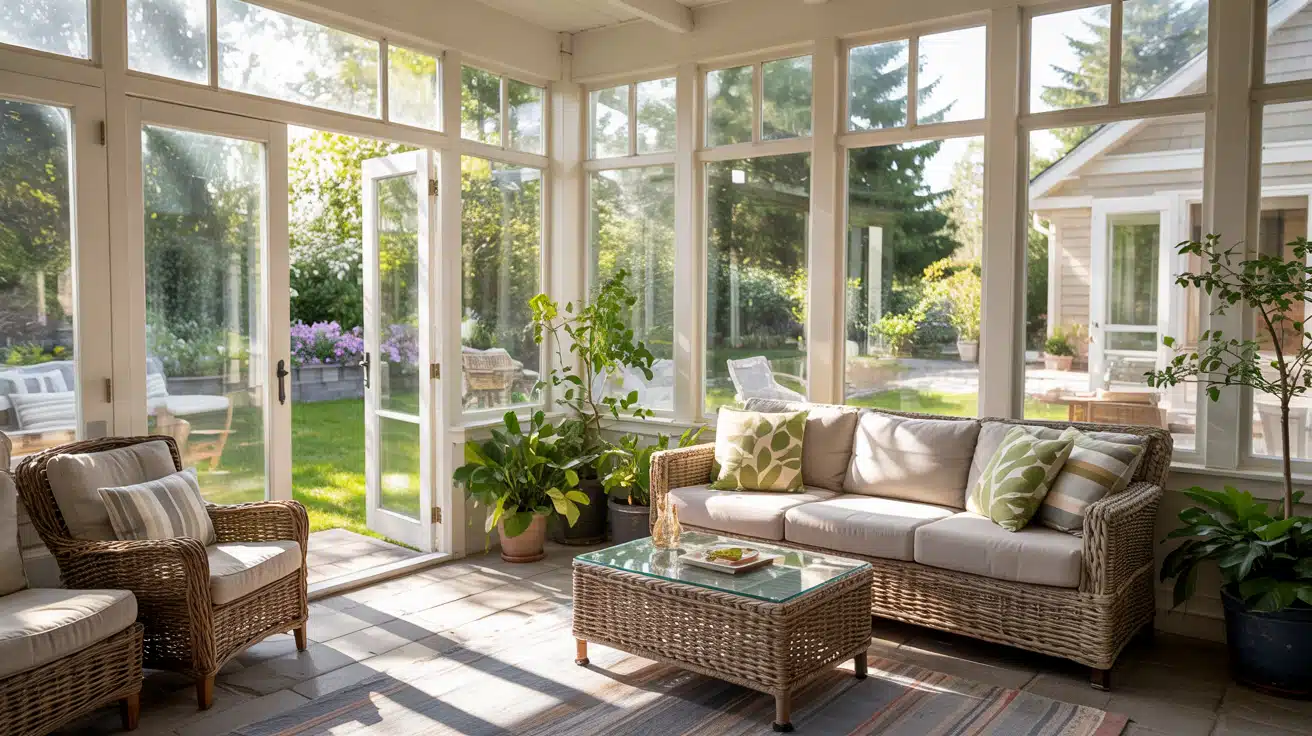
A 3-season room is an enclosed sunroom built for spring, summer, and fall use. It’s not fully insulated like a 4-season room, but it gives you far more comfort than a basic screened porch.
Think of it as a protected outdoor space with large windows, light frames, and enough flexibility to enjoy fresh air without dealing with bugs or sudden rain.
Key Features:
- Operable windows for natural airflow
- Light but durable framing that keeps costs reasonable
- Weather-resistant flooring to handle moisture
- Optional electricity for ceiling fans and lighting
- Flexible seasonal use from spring through fall
This type of room works well for relaxing, eating meals, hosting friends, or just spending time outside without the hassle of insects or unpredictable weather.
3-Season Room Compared to Other Sunroom Types
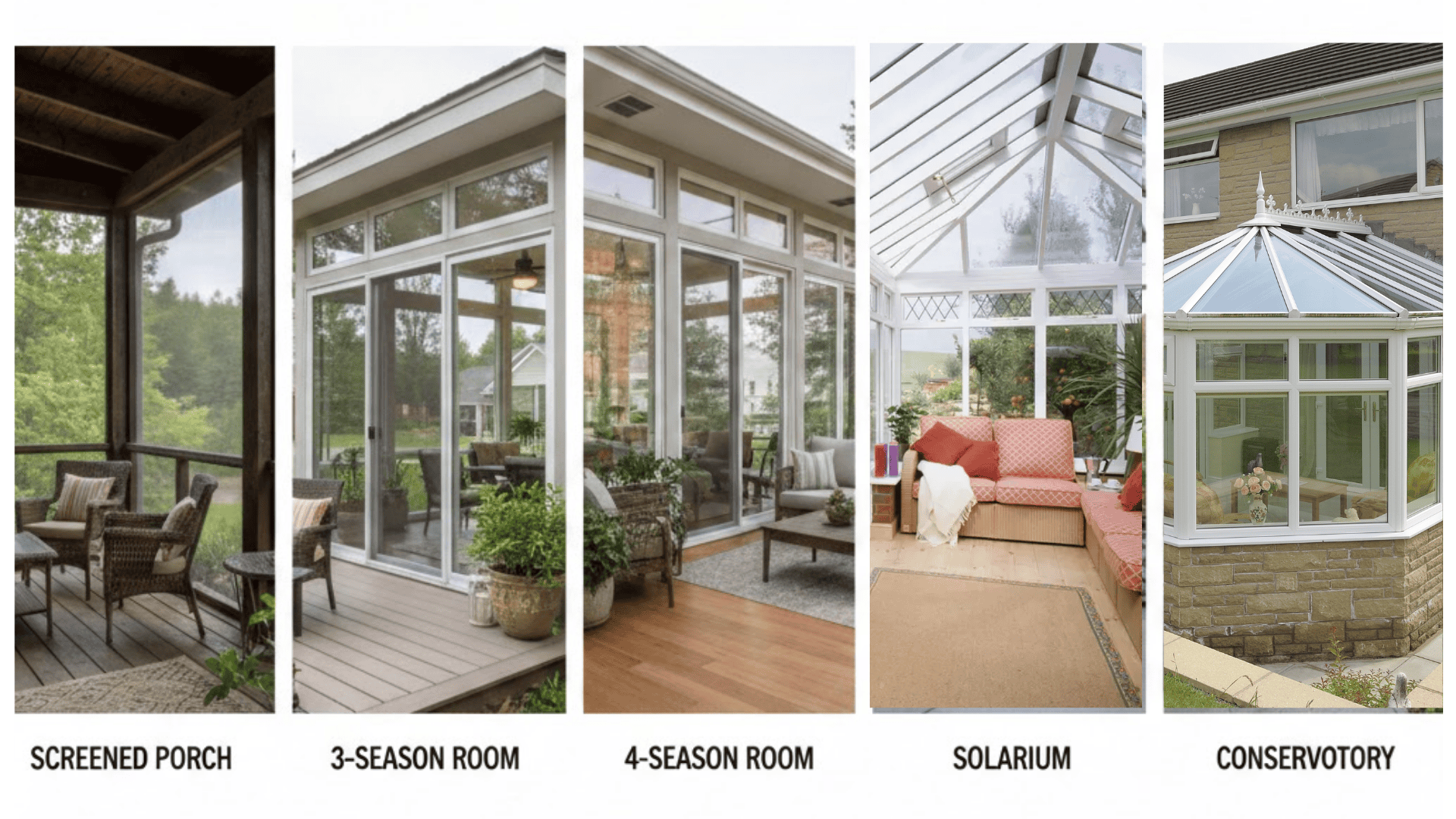
Not sure which sunroom type fits your needs? Here’s a straightforward comparison of a 3-season room against other popular options.
| Sunroom Type | Usable Seasons | Insulation Level | HVAC Ready | Best For |
|---|---|---|---|---|
| Screened Porch | Summer | None | No | Breezy, open-air spaces |
| 3-Season Room | Spring–Fall | Minimal | Optional space heaters/fans | All-purpose seasonal room |
| 4-Season Room | Year-round | Full insulation | Yes | Full indoor comfort in all temperatures |
| Solarium | Year-round (with HVAC) | Varies | Often requires added HVAC | Maximum sunlight |
| Conservatory | Year-round | High-end construction | Yes | Architectural statement spaces |
This table makes it easy to see where a 3-season room fits in terms of budget, comfort, and year-round usability. It offers a middle ground between affordable screened porches and fully insulated 4-season additions.
How Much Does a 3-Season Room Cost?
The cost of building a 3-season room depends on several things: size, window quality, labor rates in your area, and whether you go prefab or custom. Most homeowners spend between $15,000 and $50,000, but smaller conversions or prefab kits can bring that number down.
- Average Price Range: Most projects nationwide cost $15,000–$50,000, depending on materials, size, and location.
- Cost per Square Foot: Expect to pay $80–$250 per sq. ft., depending on the quality of materials and the level of customization you choose.
Prefab vs. Custom Costs
| Build Type | Price Range | Notes |
|---|---|---|
| Prefab 3-season rooms | $8,000–$25,000 | Fastest and most budget-friendly |
| Custom builds | $20,000–$50,000+ | Designed to match the home’s architecture |
| Conversions (porch/patio/deck) | $6,000–$20,000 | Biggest savings because the foundation already exists |
Cost Breakdown
| Project Component | Typical Cost |
|---|---|
| Windows & doors | $3,000–$12,000 |
| Framing | $4,000–$10,000 |
| Roofing | $2,000–$8,000 |
| Electrical | $800–$3,000 |
| Flooring | $1,000–$5,000 |
| Labor | 50–60% of the total |
| Permits | $200–$1,000 |
What Affects the Cost?
Several factors decide if you’ll pay closer to $15,000 or $50,000.
- Room Size: Larger spaces require more materials, labor, and windows, which quickly raise the total price.
- Window Quality: Tempered or low-E glass costs more upfront but improves comfort and protects against UV damage over time.
- Foundation Type: Building a new concrete slab costs thousands more than converting an existing patio or deck foundation.
- Roofing Material: Basic asphalt shingles keep costs low, while polycarbonate panels or glass roofs significantly increase the budget.
- Regional Labor Rates: Contractors in high-demand cities or areas with strict building codes tend to charge higher per-project rates.
- Custom Features: Adding skylights, French doors, ceiling fans, built-in shelving, or space heaters will increase your final cost.
9 Stylish 3-Season Room Ideas
Ready to design your space, but not sure where to start? Here are nine practical, stylish ideas that work for different budgets, home styles, and how you plan to use the room.
1. Bright Breakfast Nook
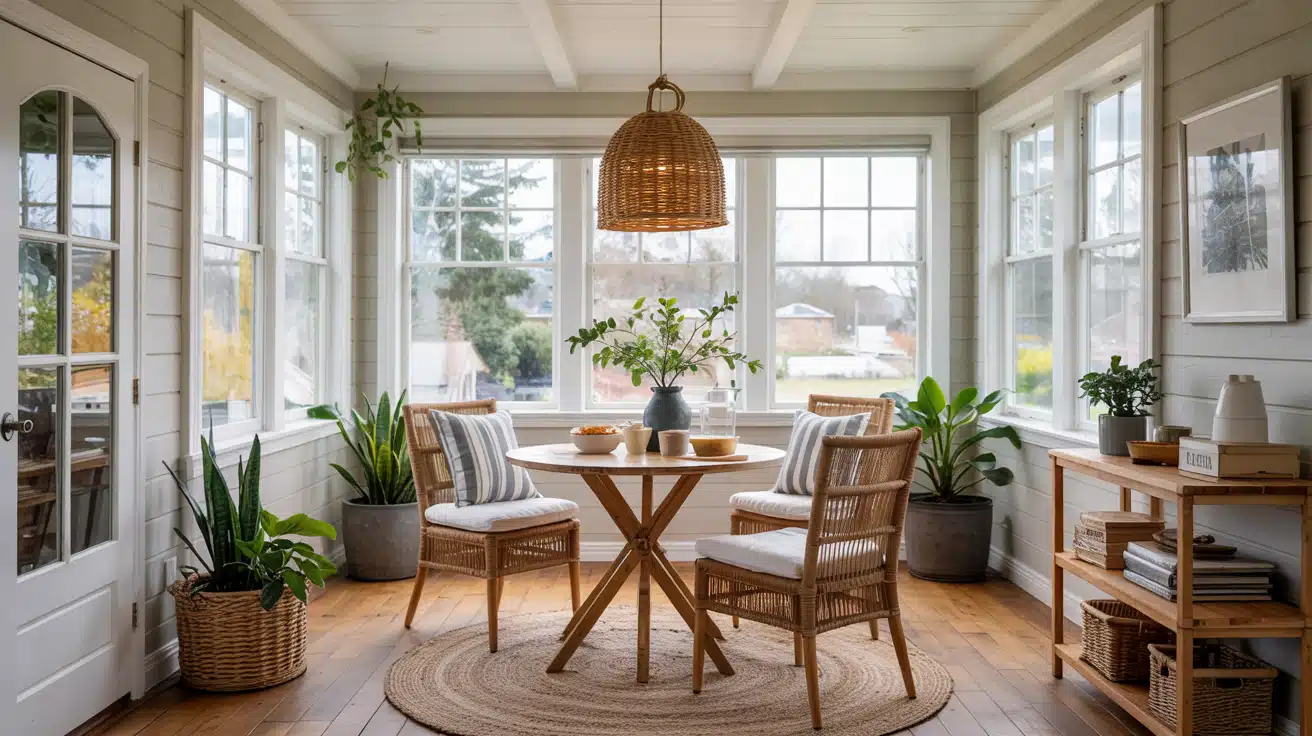
Turn your 3-season room into a cozy morning spot with a small dining table, woven chairs, and soft natural light.
It’s the perfect place to sip coffee and enjoy the sunrise without stepping outside. Keep the colors light and the setup simple for a calm, refreshing start to your day.
2. Modern Minimalist Space
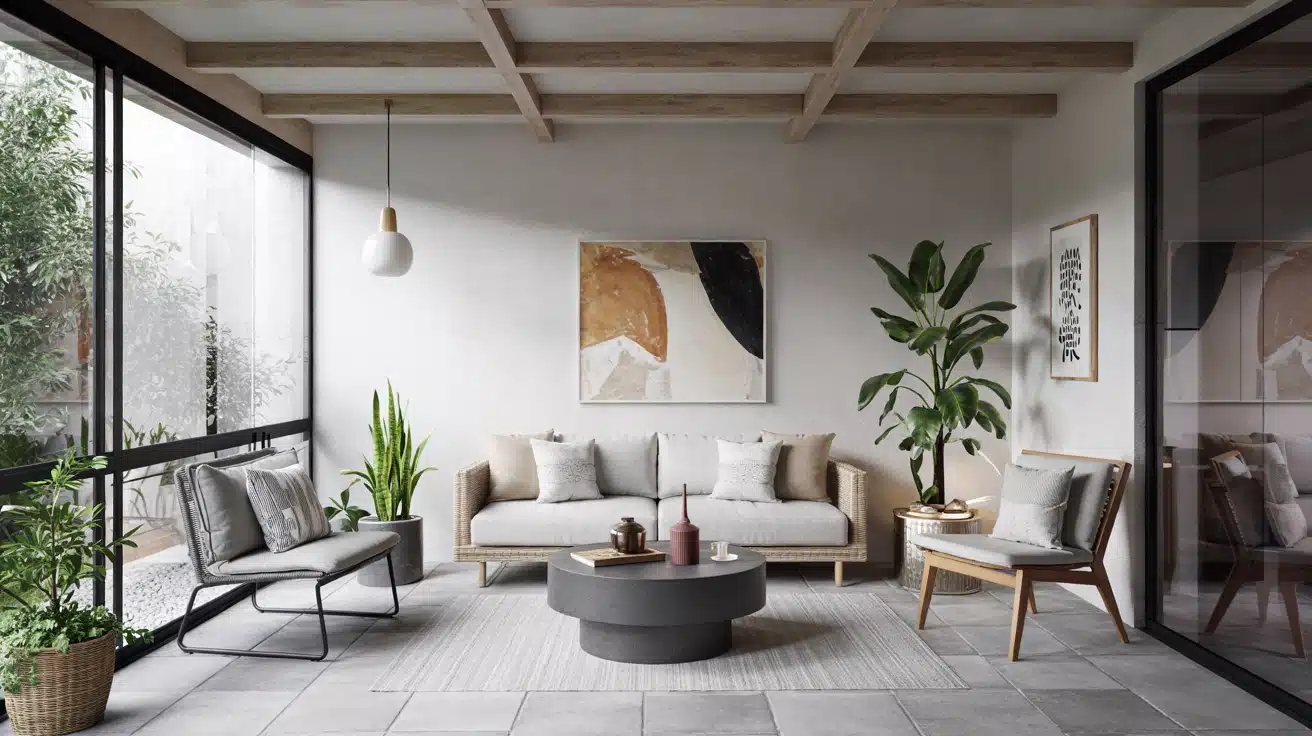
Use slim metal frames, neutral tones, and clean lines for a sleek, contemporary look. This style works well if you want a clutter-free zone that feels open and airy.
Stick to grays, whites, and blacks with just a few carefully chosen pieces of furniture.
3. Indoor Garden Lounge
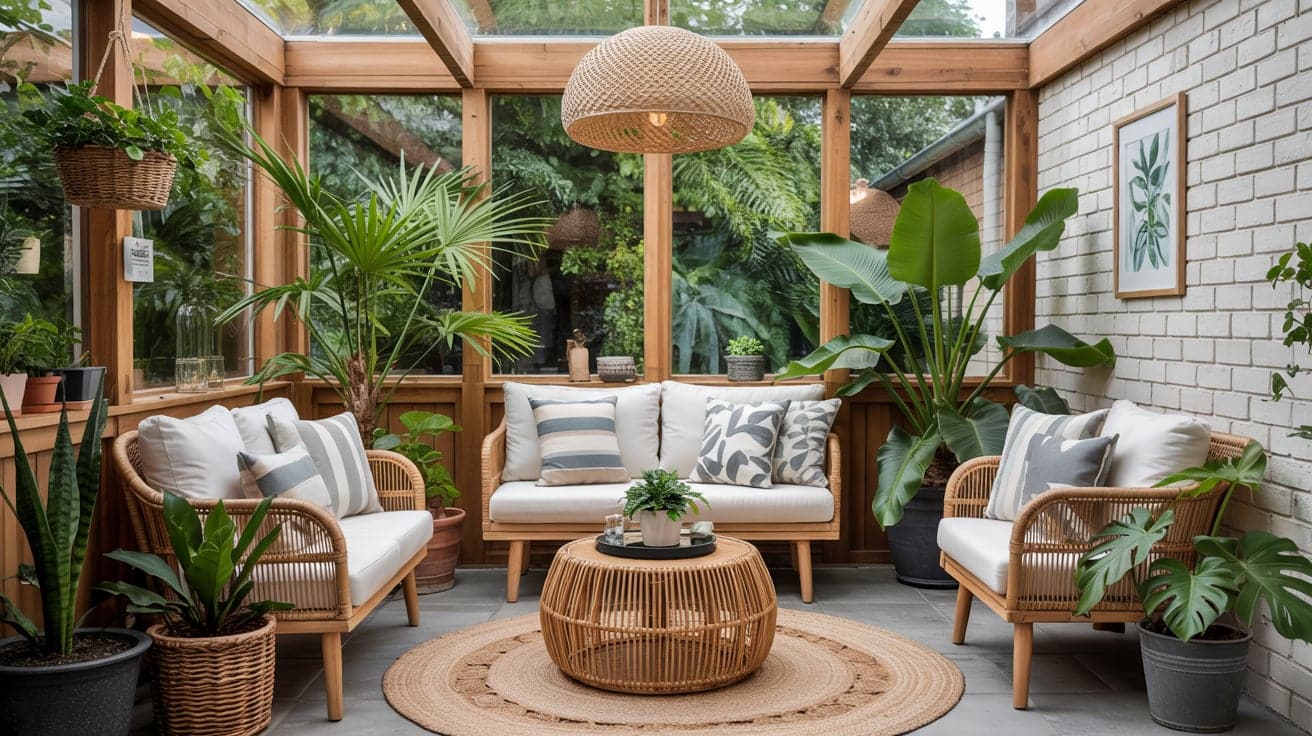
Add potted palms, hanging planters, and rattan seating to create a calm, nature-focused oasis. This setup brings the outdoors in while keeping bugs and weather out.
It’s ideal for anyone who loves plants and wants a green space to relax in year-round during mild months.
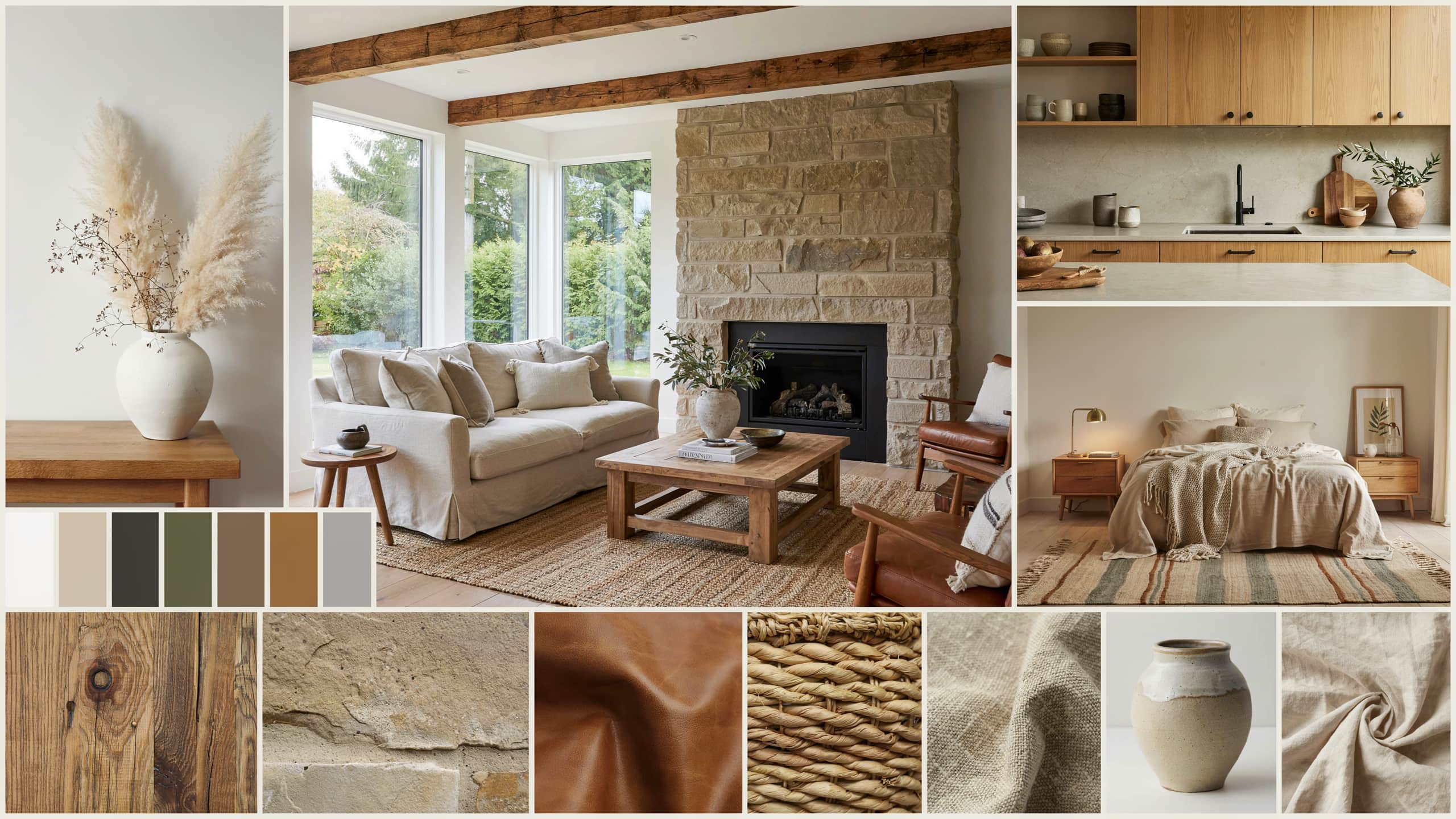
4. Rustic Cottage Retreat
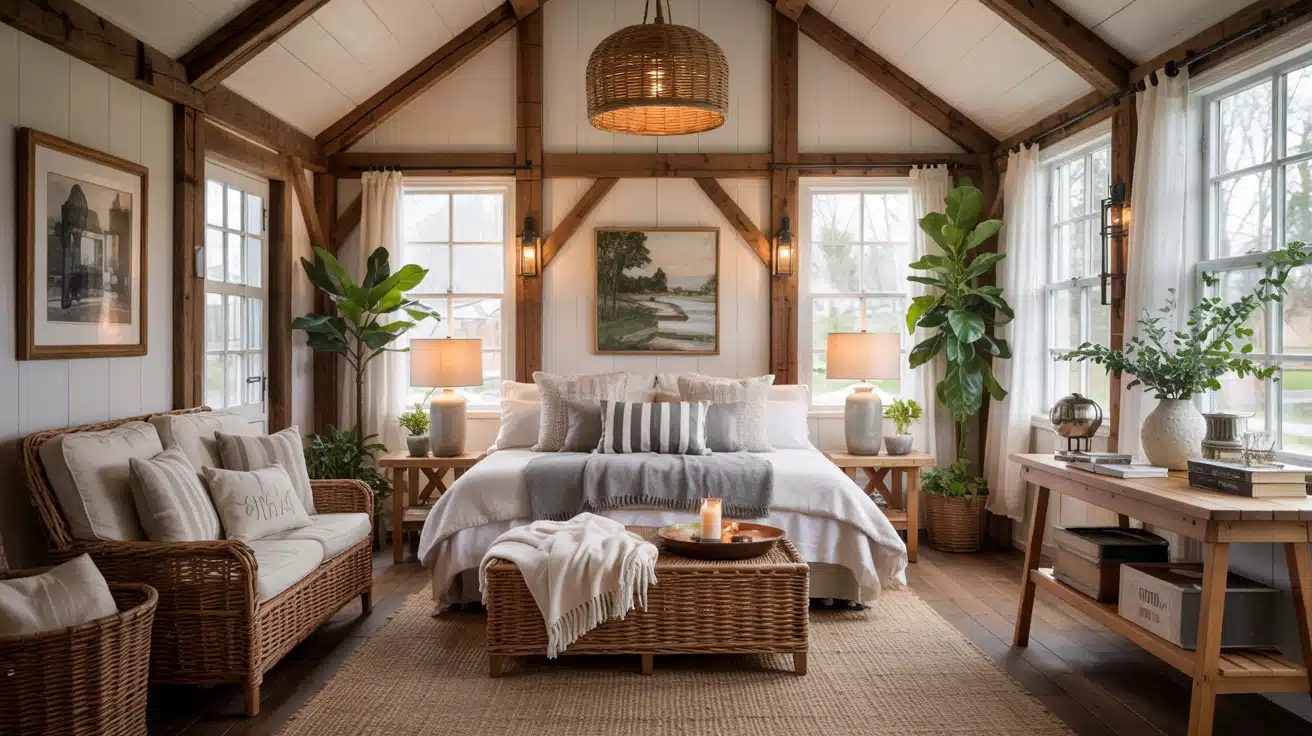
Use wood beams, soft textiles, and warm colors for a cottage-style relaxation space. Think cozy throws, vintage furniture, and earthy tones like cream, brown, and sage green.
This design creates a homey, lived-in feel that’s perfect for unwinding after a long day.
5. Entertainment-Friendly Room
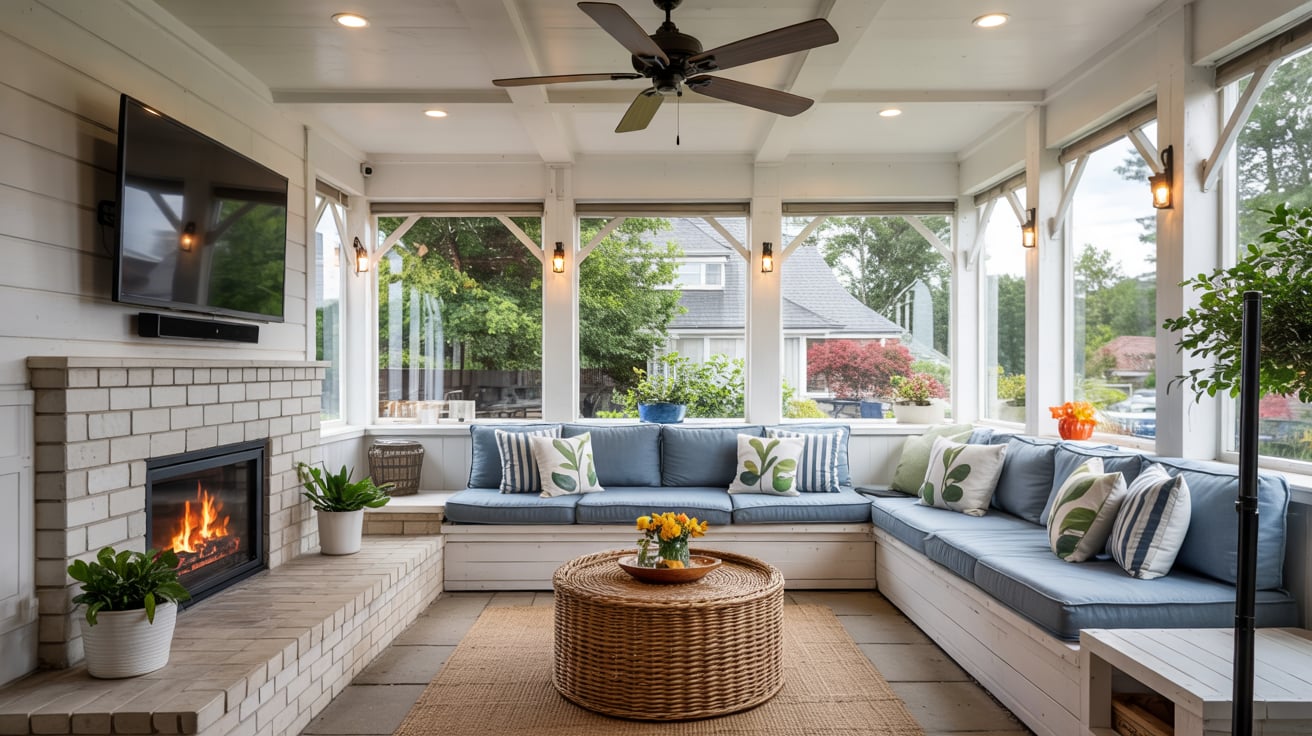
Incorporate a wall-mounted TV, built-in benches, and a ceiling fan for family movie nights or gatherings. Add some throw pillows and side tables to make it comfortable for guests.
This setup turns your 3-season room into a go-to spot for entertaining during warmer months.
6. Seasonal Dining Room
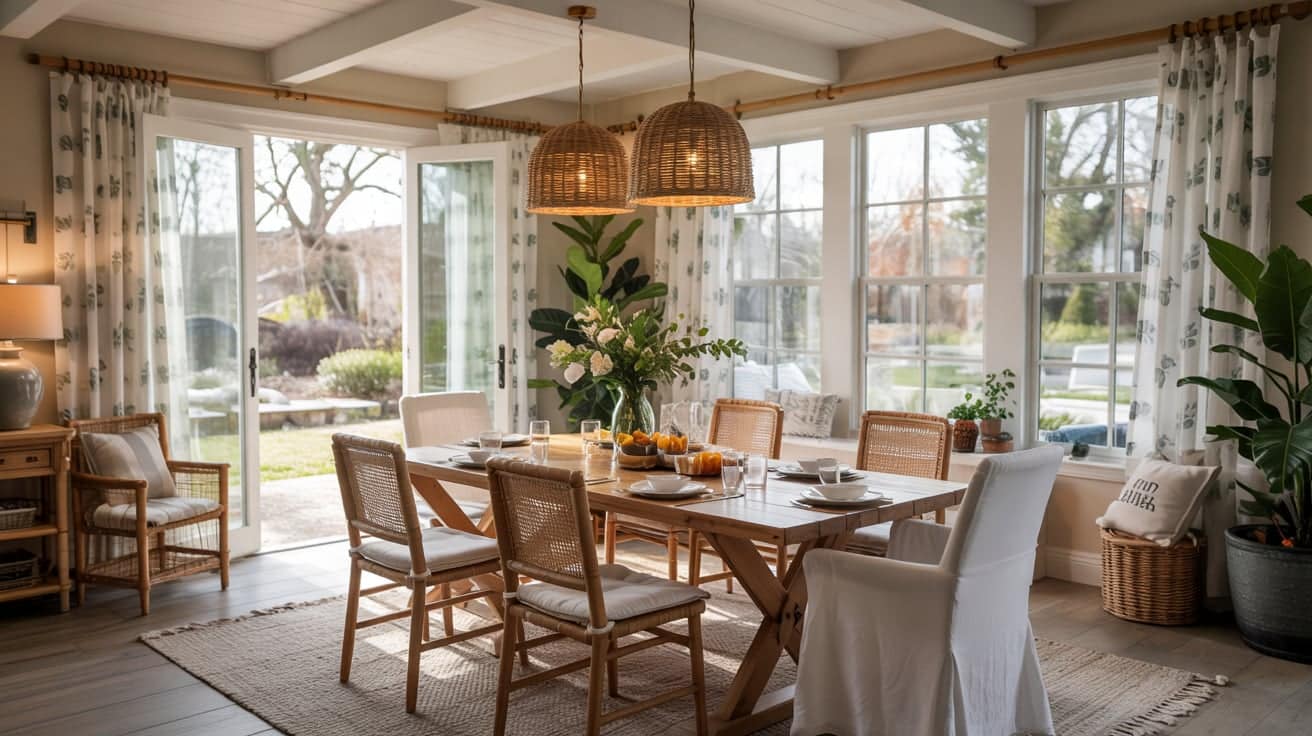
Set up a full dining table, overhead lighting, and washable fabrics for casual meals in spring and fall. Choose furniture that’s easy to clean and weather-resistant in case moisture gets in.
It’s a great way to enjoy family dinners with a view without committing to a formal dining addition.
7. Small Cozy Reading Corner
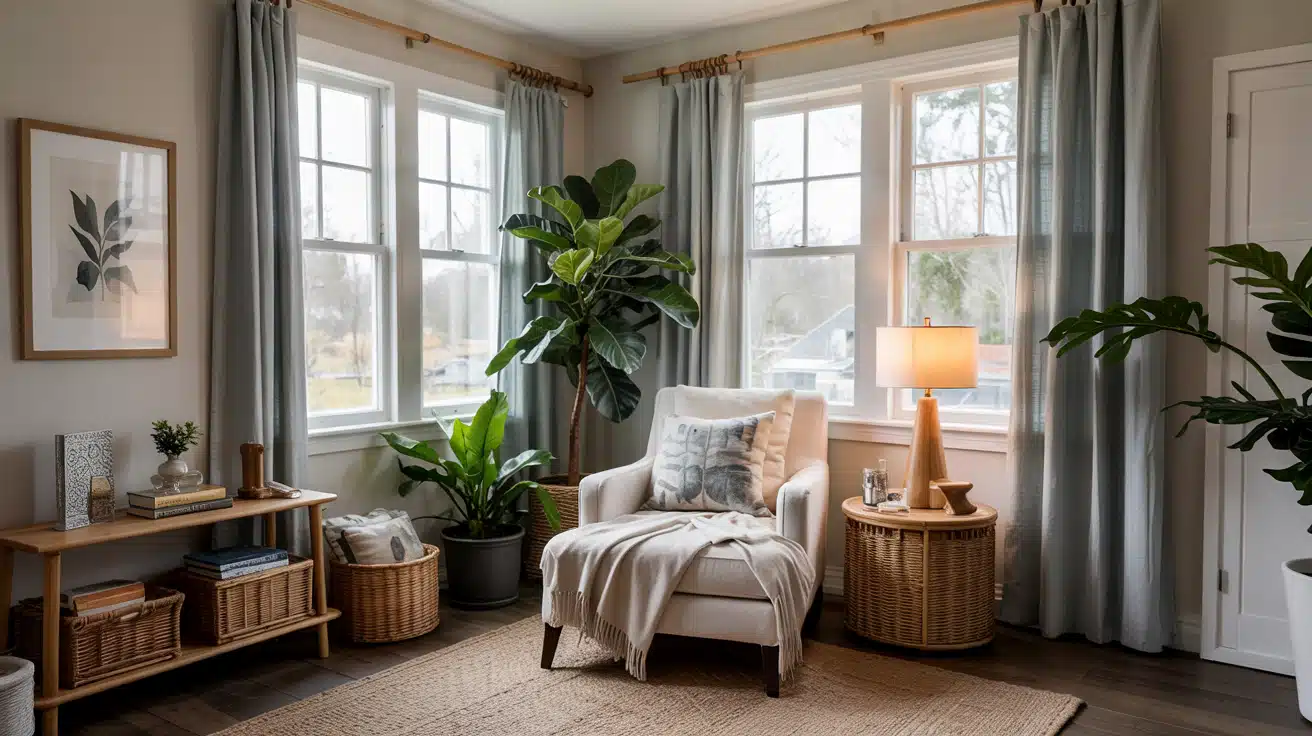
Perfect for smaller 3-season rooms, add a chaise lounge, floor lamp, and side table for a personal retreat. Keep it simple with a soft blanket and a few favorite books nearby.
This creates a quiet escape where you can read, nap, or just enjoy some peace.
8. Indoor Outdoor Bar Area
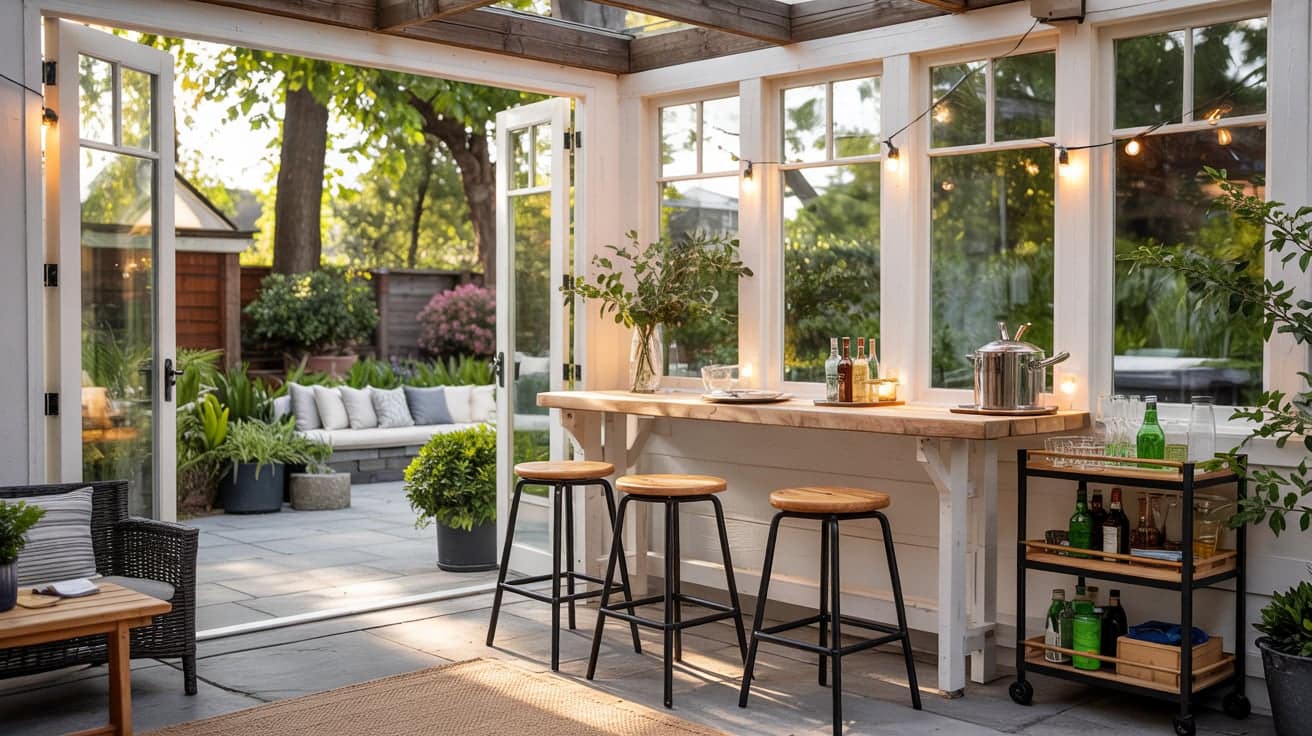
Install a bar-height table, stools, and a beverage station for weekend hosting. Add some open shelving for glasses and a small fridge if your budget allows.
This setup is fun for cocktails, game nights, or casual get-togethers with friends.
9. Scandinavian-Inspired Sunroom
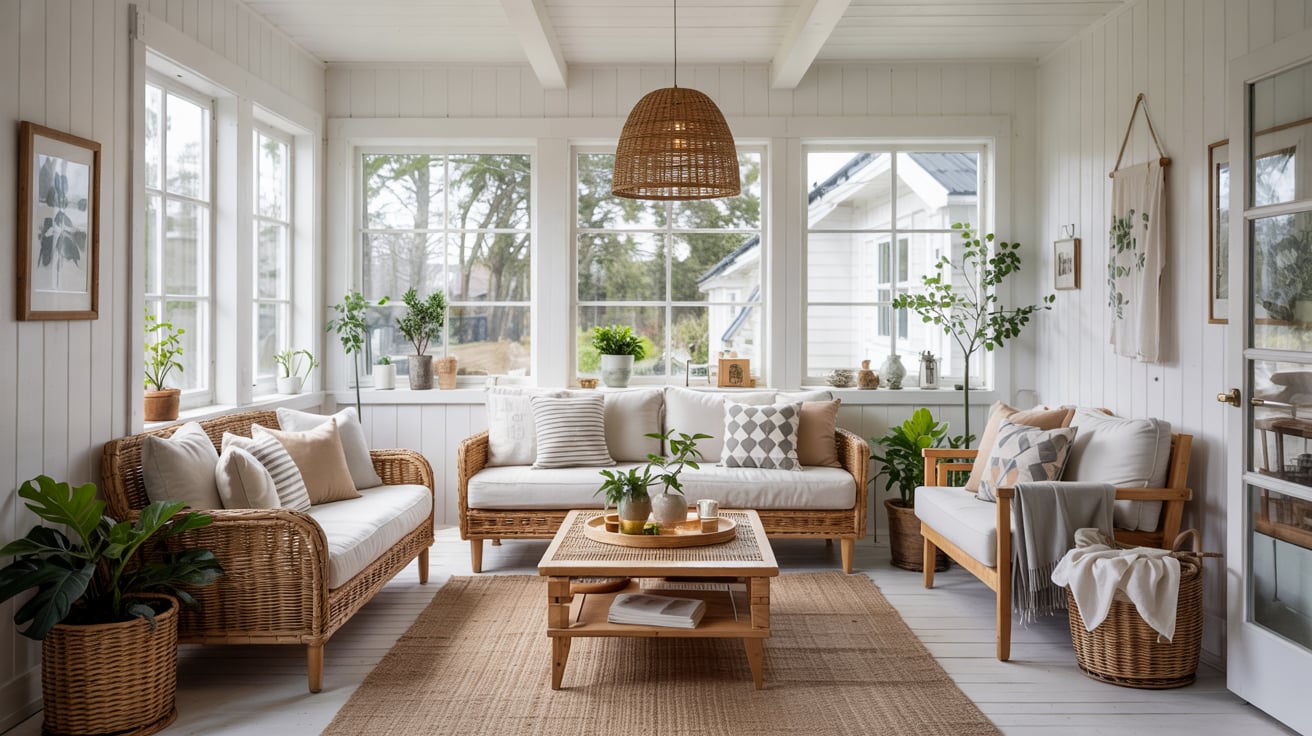
Use light wood furniture, white walls, and crisp, airy décor for a bright, Nordic-inspired vibe. Keep patterns minimal and stick to natural materials like linen, cotton, and birch.
This style feels clean and calm and works beautifully in smaller or medium-sized 3-season rooms.
Pros and Cons of a 3-Season Room
Before you commit to building a 3-season room, weigh the benefits against the limitations. Here’s a balanced look at what you gain and what trade-offs to expect.
| Pros | Cons |
|---|---|
| More affordable than 4-season rooms | Not fully comfortable in extreme cold |
| Bright, airy space for relaxing or entertaining | Not usually connected to central HVAC |
| Adds a flexible living space | Less energy-efficient than insulated additions |
| Works well with many home styles | Limited use during the winter months |
This comparison makes it easy to see whether a 3-season room fits your budget and climate, and how you plan to use the space throughout the year.
Best Materials for a 3-Season Room
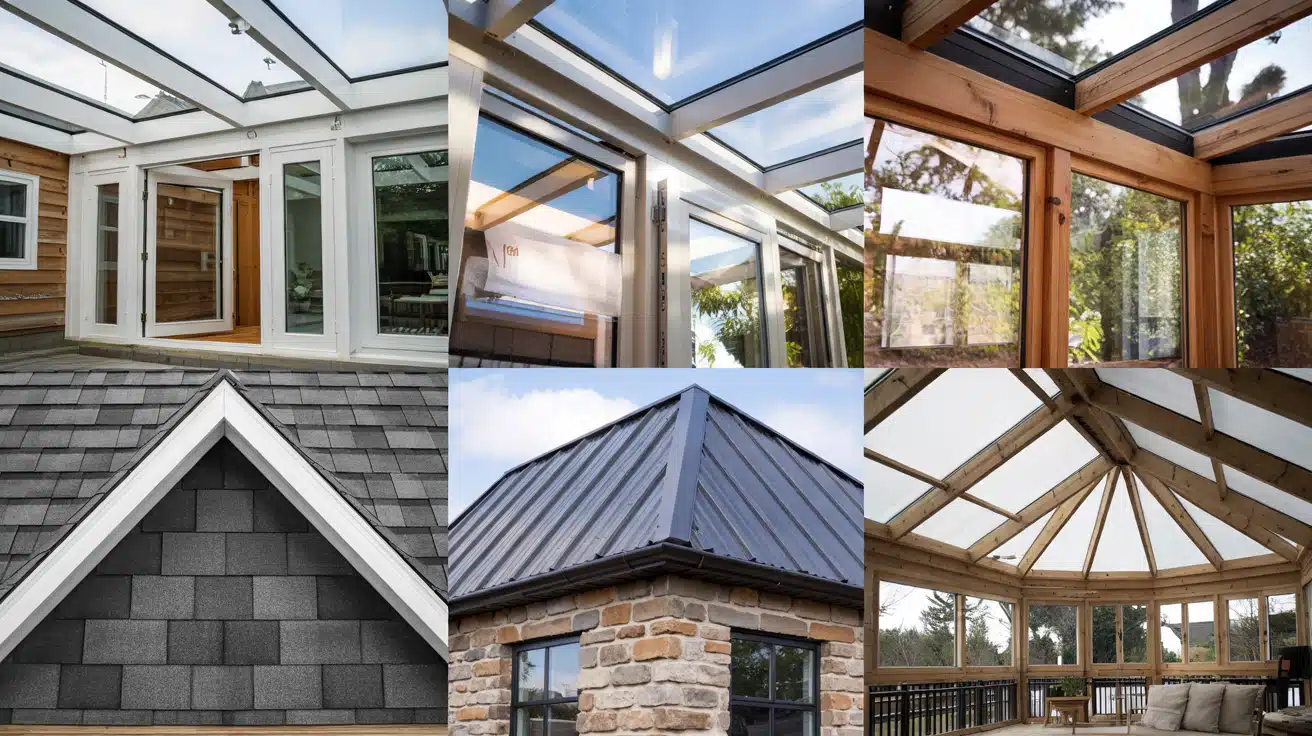
Choosing the right materials affects both the look and longevity of your 3-season room. Here’s a breakdown of the most popular options for framing, windows, and roofing.
Framing Options
- Vinyl: Affordable and low-maintenance, vinyl framing resists moisture and never needs painting, making it a smart choice for budget-conscious homeowners.
- Aluminum: Strong, sleek, and durable, aluminum frames offer a modern look and hold up well over time with minimal upkeep.
- Wood: Wood framing gives a warm, natural look but requires more maintenance like staining or sealing to prevent rot and weather damage.
Window Options
- Single-Pane: The most budget-friendly option, single-pane windows work fine for mild seasons but offer less insulation than other types.
- Tempered Glass: Stronger and safer than standard glass, tempered glass is harder to break and more durable in high-traffic areas.
- Low-E Coated: Low-E coated glass blocks UV rays and reduces heat buildup, keeping your room cooler in summer while protecting furniture from fading.
Roofing Choices
- Asphalt Shingles: The most common and affordable option, asphalt shingles match most home roofs and are easy to install and replace.
- Metal Roofing: Long-lasting and weather-resistant, metal roofs handle heavy rain and snow well and add a clean, modern look.
- Polycarbonate Panels: Lightweight and translucent, polycarbonate panels let in natural light while protecting against the elements, though they may yellow over time.
Is a 3-Season Room Worth It?
A 3-season room offers excellent value for anyone who wants more living space on a budget.
It enhances your home’s comfort, natural light, and resale appeal, especially in areas with mild springs and falls.
If you love spending time outdoors but want protection from bugs, rain, and wind, it’s a worthwhile investment.
You get the benefits of indoor comfort without the high cost of a fully insulated addition, making it one of the smartest ways to expand your usable space.
Closing Remarks
A 3-season room is one of the smartest ways to add space, comfort, and style to your home without breaking the bank.
With flexible designs, reasonable costs, and the ability to convert existing porches or patios, it offers real value to homeowners who want more usable living space during mild-weather months.
From cozy reading nooks to bright dining areas, the right design can make your 3-season room the go-to spot in your home for most of the year.
Ready to get started? Share your design ideas in the comments below, or reach out to a local contractor to discuss costs and options for your property.