When people think about home interiors, they often focus on paint colors, furniture, and flooring.
But door casing style is one of those finishing details that quietly pulls everything together. The right casing around your doorways can add personality, depth, and a sense of Purpose to any room.
From simple flat stock to richly detailed Craftsman and Victorian profiles, there are door casing styles to suit every type of home and budget.
This post covers door casing styles, their costs, which materials hold up best, and which style fits each room. You will also find the most common mistakes people make, so you can skip the do-overs.
What Is Door Casing?
Door casing is the trim that frames the visible border around a door opening. It covers the gap between the wall and the door jamb, that raw, unfinished edge you would see if the casing were not there.
It does two things at once. Practically, it seals the gap and protects the wall edge from knocks and scuffs. Visually, it gives the doorway a finished, defined look that ties into the rest of the room’s trim.
Door casing is also part of a larger trim system that includes baseboards, window casings, and crown molding. When these elements share the same profile family, the room feels intentional rather than assembled from leftovers.
Mitered vs. Butted Casing: What’s the Difference?
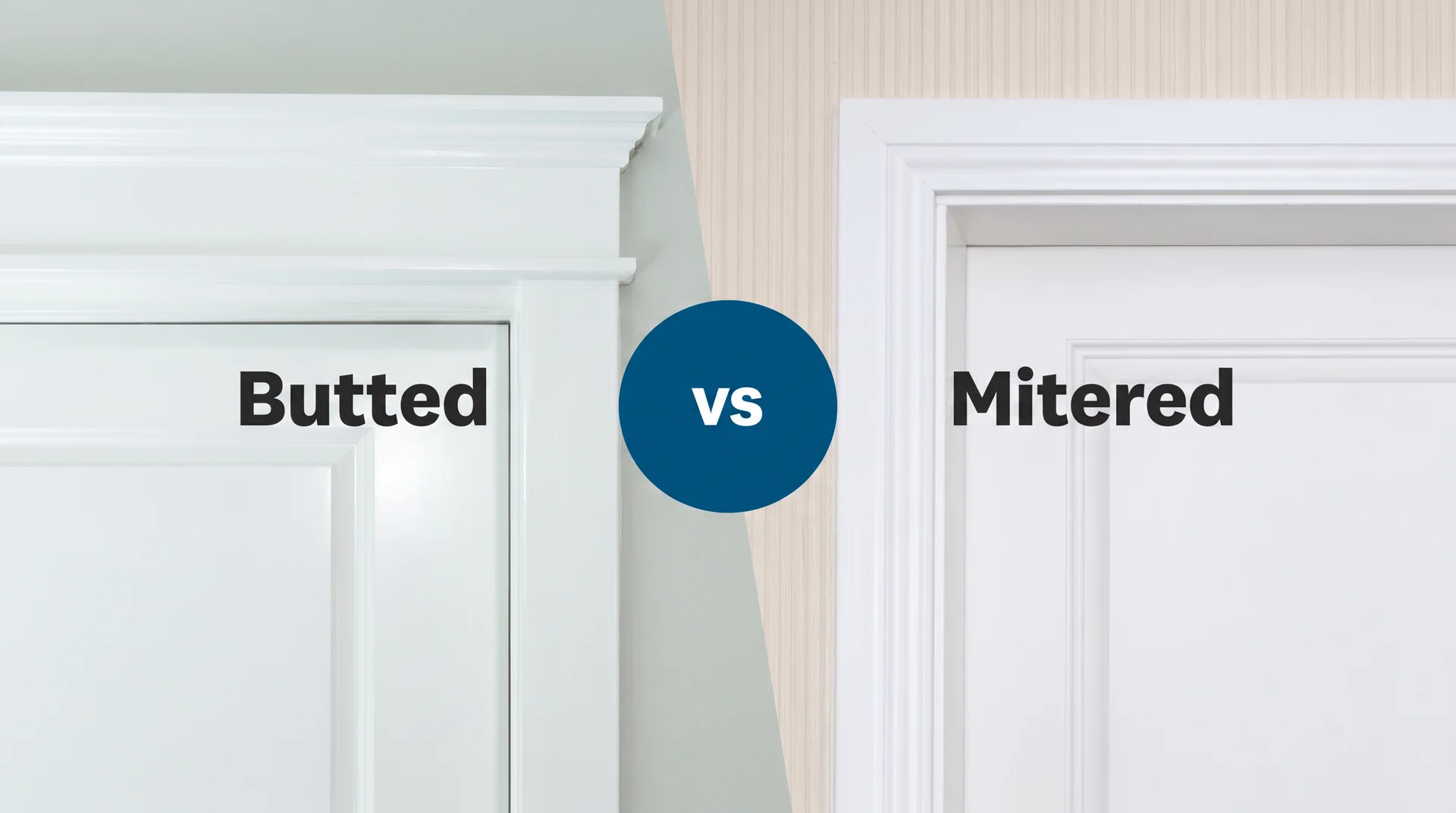
Before getting into individual styles, it helps to know the two basic joint types used in all door casing installations.
- Mitered casing uses 45-degree angled cuts at the corners where the side pieces meet the top piece. The result is a clean diagonal seam, the same joint you see on picture frames. Most traditional and formal styles use mitered joints.
- Butted casing uses straight 90-degree cuts. The side pieces run vertically and stop at the top piece, which sits flat on top of them. A square-corner block (also called a plinth block or rosette block) often covers this joint. Craftsman and Colonial styles frequently use this approach.
Butted casing is generally easier to cut and install. Mitered casing looks cleaner on modern profiles but requires more precise cuts to avoid visible gaps.
12 Door Casing Styles
From simple flat profiles to richly detailed woodwork, door casing styles span a wide spectrum. Here are 12 popular styles to help you find the right fit for your space.
1. Flat Stock Door casing
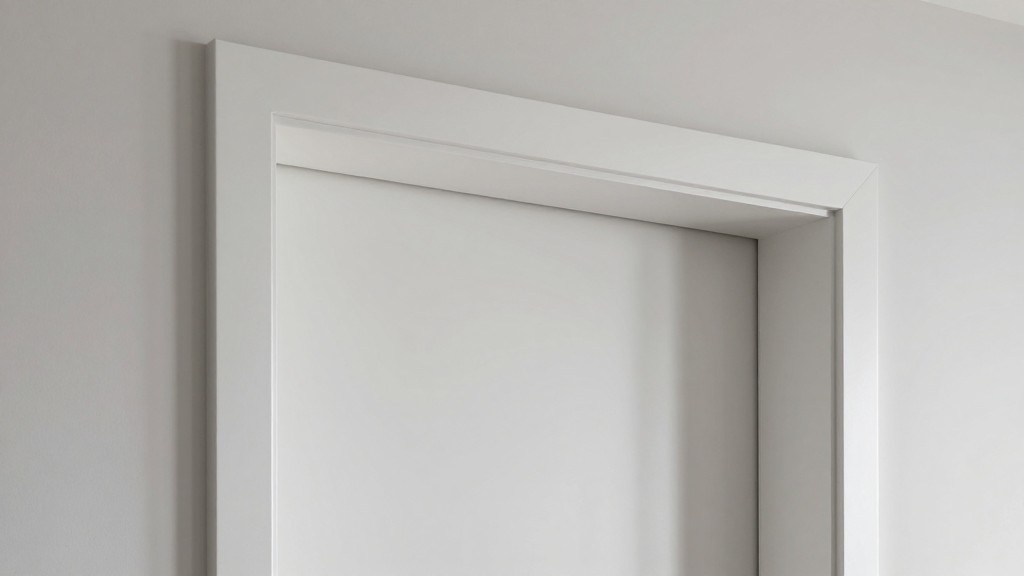
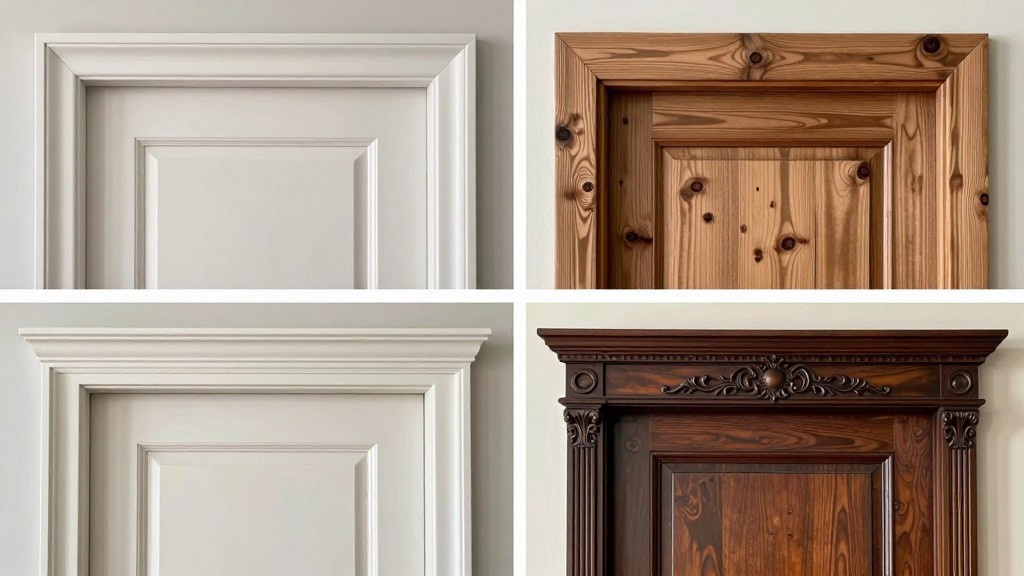
Flat stock casing has a smooth, plain surface with no curves or decorative cuts. It is the most straightforward option available.
It fits naturally in minimalist, contemporary, and Scandinavian-style interiors. The profile stays flush with the wall, so it does not compete with other design elements in the room.
- Best for: modern, minimalist, and industrial spaces
- Joint type: typically mitered
- DIY difficulty: easy, straight cuts only
2. Colonial Door Casing
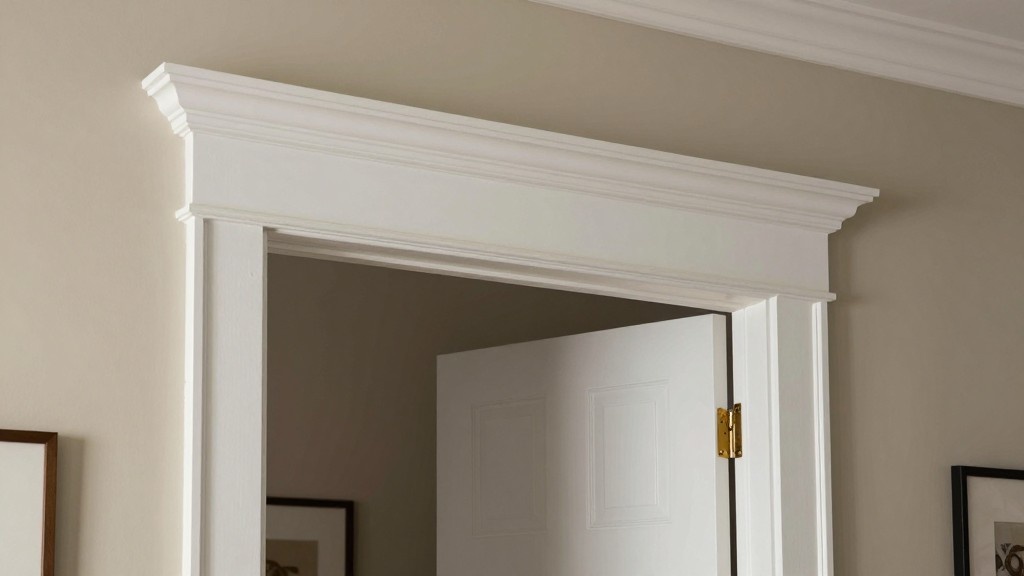
Colonial casing features a slightly curved, S-shaped profile. It is one of the most widely used door casing styles in American homes, having been so for decades.
The curved edge adds a bit of visual interest without going into ornate territory. It fits well in traditional, transitional, and Colonial-style homes.
- Best for: traditional, transitional, and ranch-style homes
- Joint type: butted or mitered
- DIY difficulty: easy
3. Craftsman Door Casing
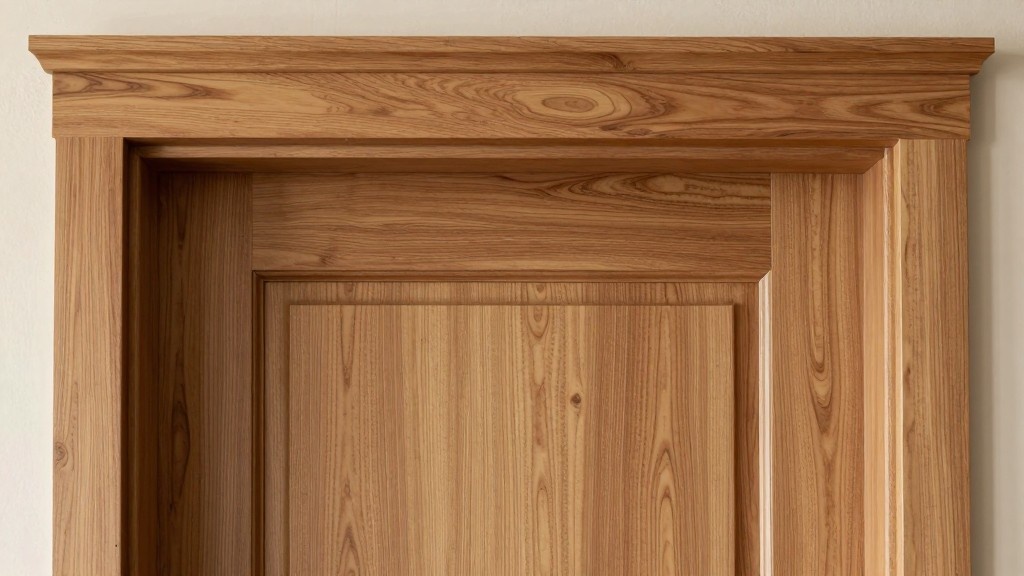
Craftsman casing is thick, flat, and square-edged. It has a purposeful, handmade appearance inspired by the Arts and Crafts movement, a style that valued quality materials and visible construction over ornamentation.
The wide profile makes a statement on its own, which is why it works well in open floor plans where doorways naturally become focal points. It is the most commonly installed style in bungalow and craftsman-style homes across the US.
- Best for: craftsman bungalows, farmhouses, rustic interiors
- Joint type: butted, often with a plinth block at the base
- DIY difficulty: moderate
Pro Tip: Paint craftsman casing in a creamy neutral or deep charcoal to add depth without adding extra trim detail.
4. Modern Door Casing
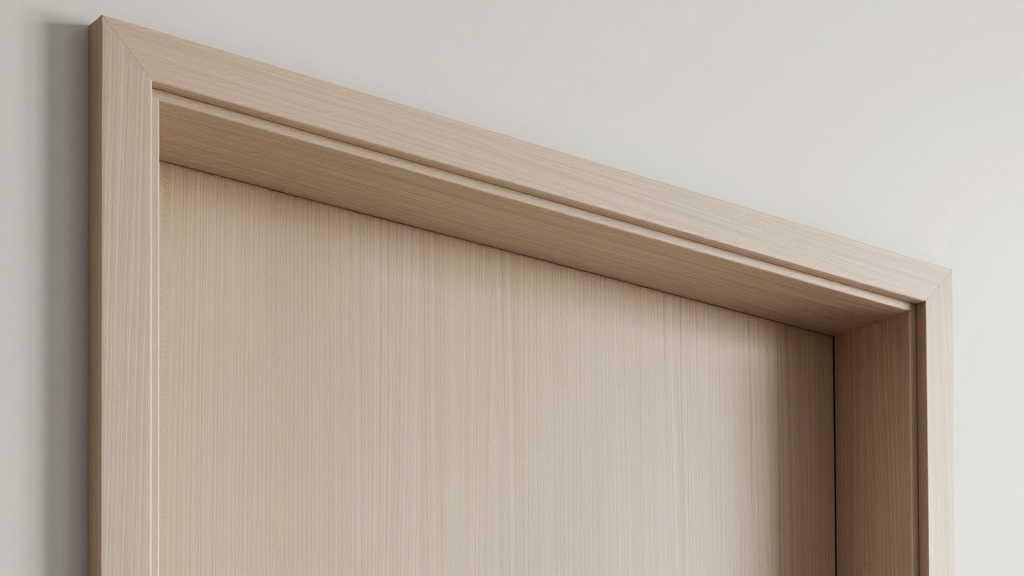
Modern door casing uses thin, flat profiles with sharp edges. The goal is to frame the door without drawing attention to the trim itself.
Currently, one of the biggest trends in modern casing is painting it in bold black or charcoal tones. Against a white wall, the contrast creates a strong visual line without any added profile detail.
- Best for: contemporary, minimalist, and open-concept homes
- Joint type: mitered
- DIY difficulty: easy
5. Victorian Door Casing
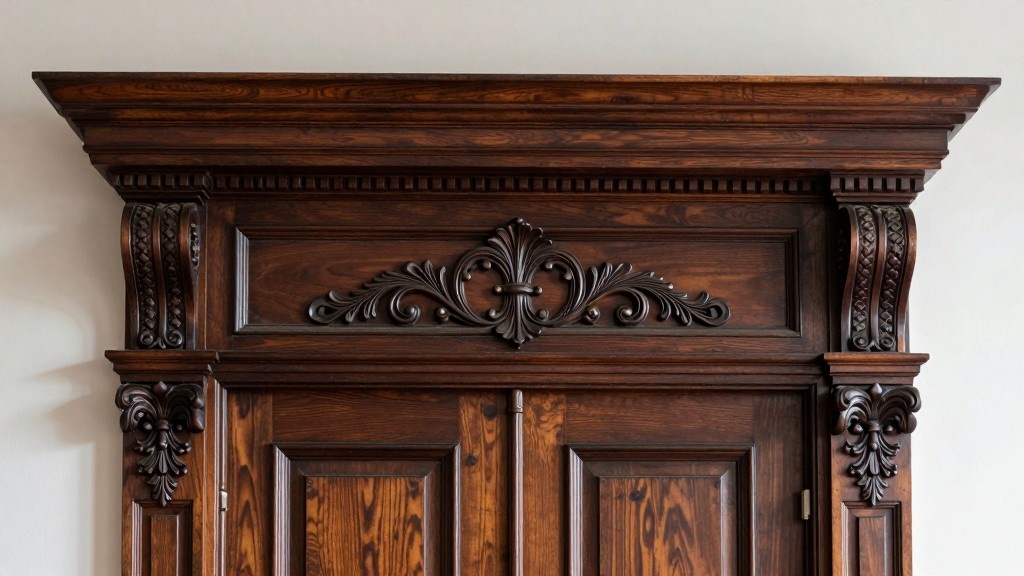
Victorian casing uses multiple layers of trim stacked together, often with carved or fluted details. It reflects the decorative style of late 19th-century homes, where elaborate woodwork was a sign of quality craftsmanship.
This style only works in homes with the architectural bones to support it, high ceilings, wide hallways, and period-appropriate interiors. In a small modern room, it looks out of place.
- Best for: Victorian, Edwardian, and historically styled homes
- Joint type: mitered, often with plinth and corner blocks
- DIY difficulty: high, multiple layers and precise cuts required
6. Farmhouse Door Casing
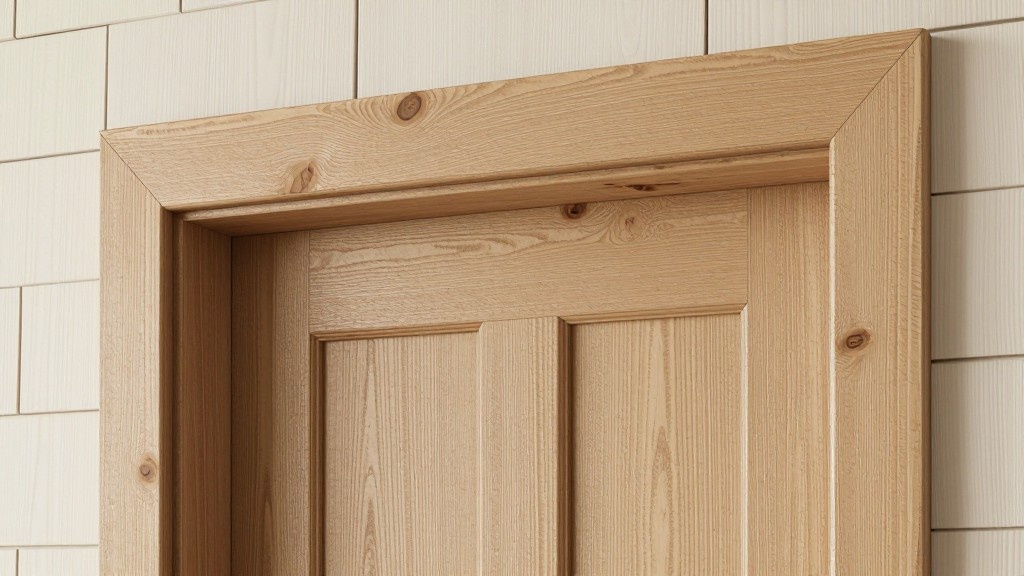
Farmhouse casing is wide, flat, and unadorned. It draws from simple country architecture — thick boards without decorative cuts.
It pairs naturally with shiplap walls, barn doors, open shelving, and neutral palettes. Whitewashing or dark-staining the boards adds character without adding profile complexity.
- Best for: farmhouse, country, and modern farmhouse interiors
- Joint type: butted
- DIY difficulty: moderate
7. Raised Panel Door Casing
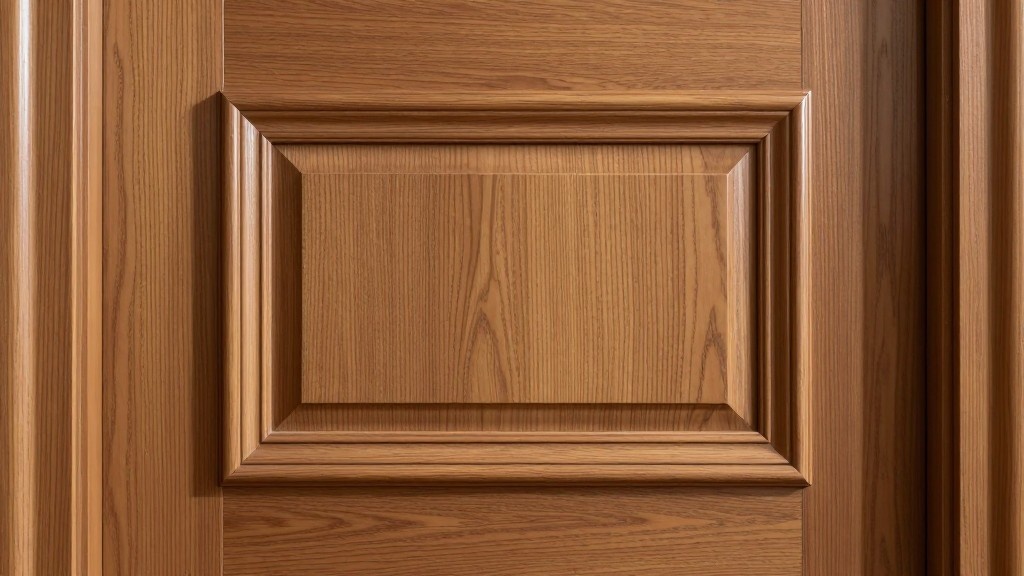
Raised panel casing adds a three-dimensional quality to a doorway by incorporating a panel that projects outward from the wall surface.
It is most common in formal rooms, dining rooms, home libraries, and entry halls in traditional-style homes. The added depth creates a sense of weight and permanence that flat profiles cannot replicate.
- Best for: formal dining rooms, studies, and traditional homes
- Joint type: typically mitered
- DIY difficulty: great
8. Stepped Door Casing
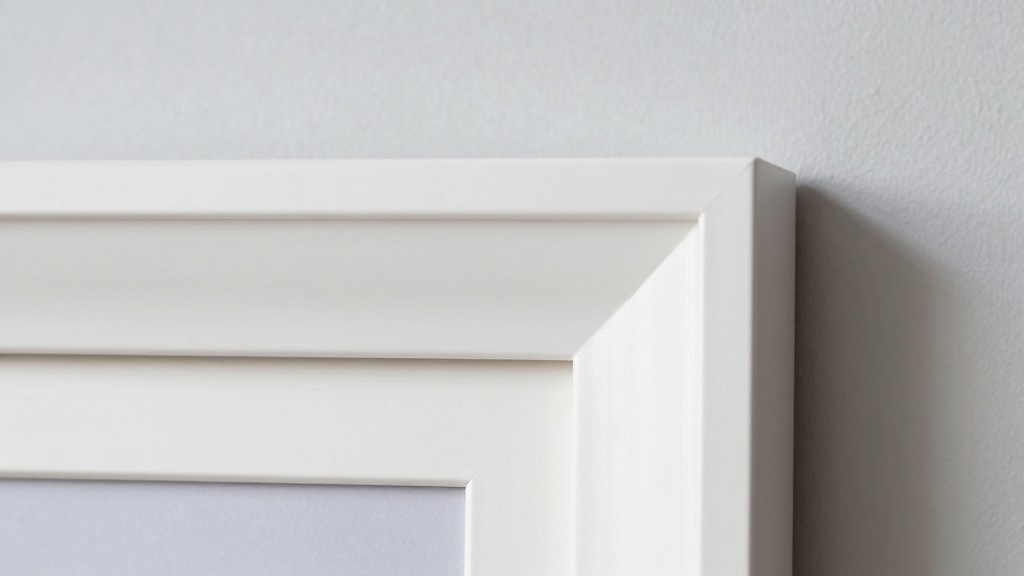
A stepped casing uses two or more pieces of trim, layered at different depths. Each layer sits slightly behind the one in front, creating a tiered effect around the doorway.
It adds dimension without the elaborate detail of Victorian or raised panel styles. It works in both classic and updated traditional spaces.
- Best for: traditional and transitional homes
- Joint type: mitered
- DIY difficulty: moderate
9. Shaker Door Casing
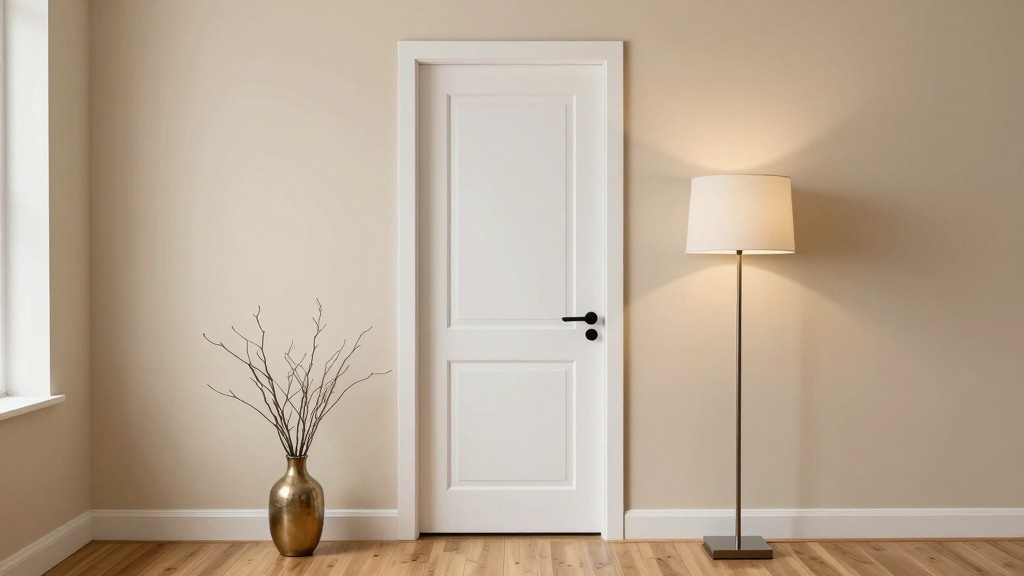
Shaker casing is defined by clean, flat faces and right-angle corners. It comes from Shaker design philosophy, which valued function and simplicity over decoration.
It is one of the most adaptable styles available. It coordinates with Shaker-style cabinetry, works in modern and transitional interiors, and holds up well across a range of room sizes.
- Best for: modern, transitional, and Shaker-style homes
- Joint type: butted or mitered
- DIY difficulty: moderate
10. Rustic Wood Door Casing
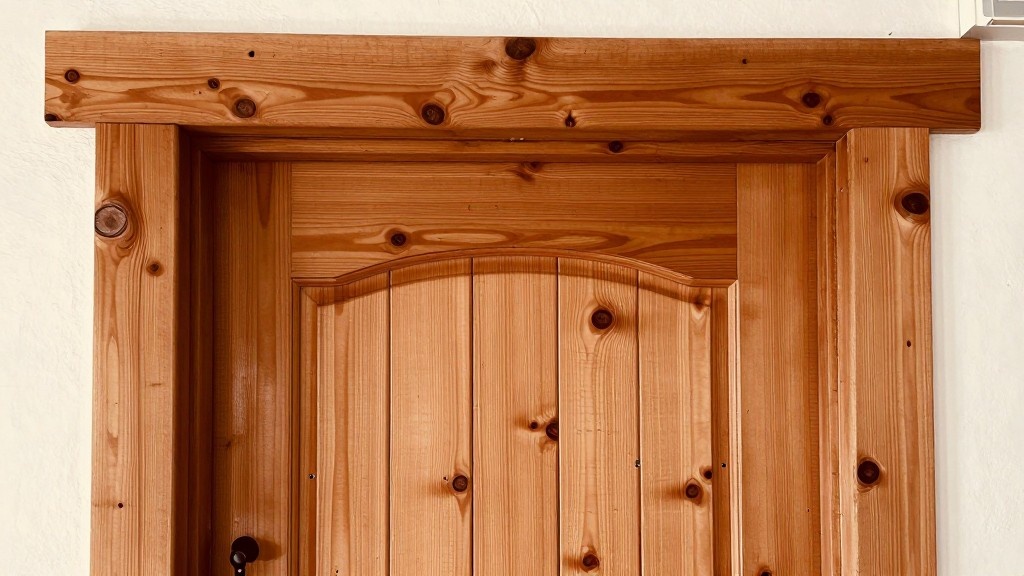
Rustic casing uses natural timber, often rough-cut or reclaimed. The grain, knots, and organic variation in the wood are part of the look, not something to hide.
It suits cabin-style, industrial, and nature-inspired interiors where raw materials are a feature rather than a fallback.
- Best for: cabins, mountain homes, industrial, and nature-inspired interiors
- Joint type: butted
- DIY difficulty: moderate
11. Arched Door Casing
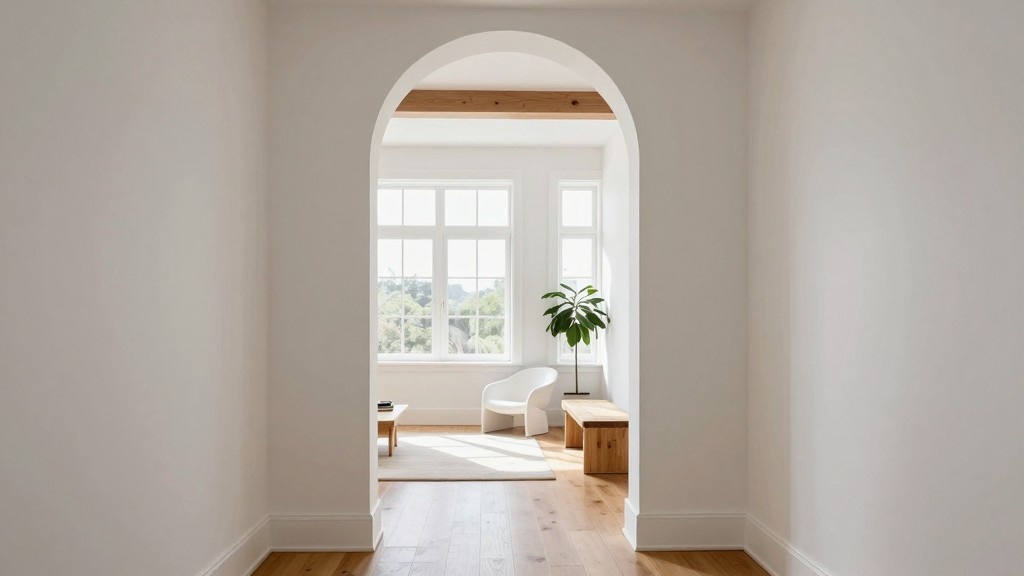
Arched casing follows the curve of an arched doorway rather than running in straight vertical and horizontal lines. The trim is bent or cut into segments to trace the arch shape cleanly.
It adds a soft, architectural quality to the opening. You will find it most often in Mediterranean, Spanish Colonial, and traditionally styled homes where arched doorways are a defining feature of the architecture.
- Best for: Mediterranean, Spanish Colonial, and period-style homes with arched openings
- Joint type: segmented cuts or flexible trim to follow the curve
- DIY difficulty: high, requires precise segmented cuts or a flexible trim material
12. Fluted Door Casing
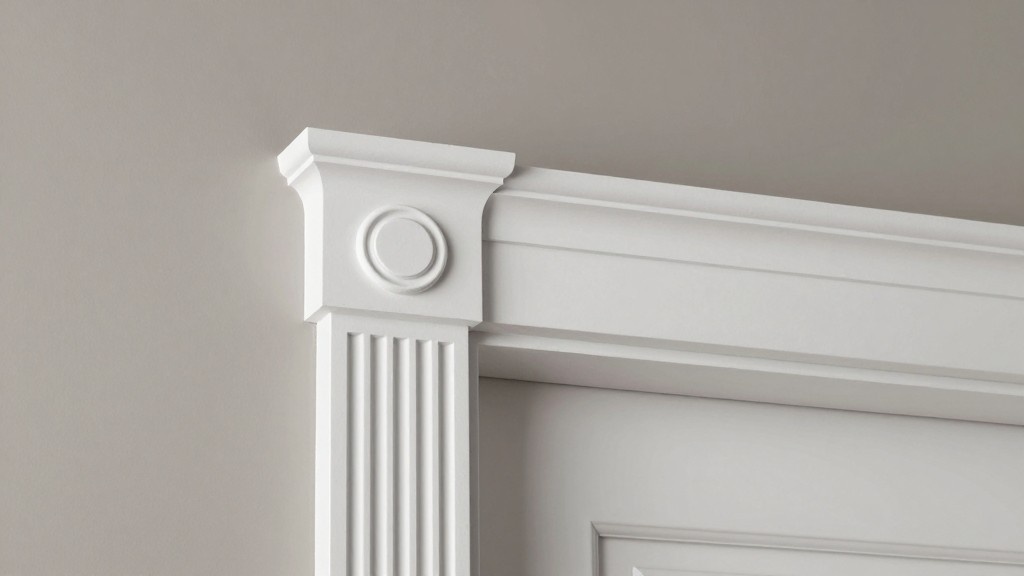
Fluted casing features vertical grooves cut into the face of the trim. The grooves draw the eye upward and give the doorway a tall, formal quality drawn from classical Greek and Roman architecture.
It is most at home in formal entryways, dining rooms, and high-ceilinged spaces. The vertical lines also make low-ceilinged rooms feel taller.
- Best for: formal entryways, dining rooms, and classical or Georgian-style homes
- Joint type: mitered
- DIY difficulty: great
Cost Breakdown of Door Casing Styles
Understanding costs upfront helps you plan without surprises. The figures below cover material and labor for a standard interior door. Costs may vary based on location and contractor rates.
| Door Casing Style | Material (per linear ft) | Labor (per door) |
|---|---|---|
| Flat Stock | $1 – $2 | $40 – $60 |
| Colonial | $2 – $3 | $60 – $80 |
| Craftsman | $3 – $4 | $75 – $100 |
| Modern | $1.50 – $2.50 | $50 – $70 |
| Victorian | $5 – $8 | $120 – $180 |
| Farmhouse | $2.50 – $3.50 | $65 – $90 |
| Raised Panel | $4 – $6 | $100 – $140 |
| Beaded | $2.50 – $3.50 | $70 – $95 |
| Stepped | $3.50 – $5 | $85 – $110 |
| Shaker | $3 – $4 | $75 – $100 |
| Rustic Wood | $4 – $5.50 | $90 – $120 |
| Arched | $6 – $9 | $140 – $200 |
| Fluted | $4.50 – $6.50 | $110 – $150 |
Note: These are general estimates based on typical US market rates. Always get quotes from local contractors before budgeting a project.
DIY or Hire a Pro?
Simple styles like flat stock, Colonial, and backband casing are good DIY projects. You need a brad nailer and a miter saw for mitered joints, or just a circular saw for straight-cut butted styles.
Craftsman, Shaker, and stepped casing require more accurate cuts but are manageable with some experience.
Victorian, fluted, and raised panel casing involves multiple layers and precise angles. Unless you have prior trimming experience, hiring a professional for these styles will save you time and help you avoid costly mistakes.
Materials Used for Door Casing
Choosing the right material is just as important as picking the right style. Here is what each option offers:
The right material depends on where the casing goes and how it will be finished.
- MDF (Medium Density Fiberboard) Smooth surface, takes paint well, and costs less than solid wood. Good for most interior rooms. Not suited for high-moisture areas like bathrooms, it absorbs water and swells.
- Solid Wood (Pine, Poplar, Oak) can be painted or stained. Pine and poplar are budget-friendly and widely available. Hardwoods like oak cost more but resist dents better. Seal properly before installing in bathrooms or kitchens.
- PVC or Vinyl Fully moisture-resistant. Does not warp, rot, or need sealing. The best choice for bathrooms, laundry rooms, and any space with frequent humidity. Not ideal for staining — it only takes paint.
- Polyurethane is lightweight, pre-primed, and moisture-resistant. It holds decorative profile detail well and costs less than wood in complex shapes. A practical choice for Victorian or fluted profiles where wood would be expensive.
Which Door Casing Style Works Best in Each Room?
Not every door casing style works equally well in every room. The function, size, and overall feel of a space should guide your choice.
Here is a room-by-room look at what tends to work best.
1. Living Room
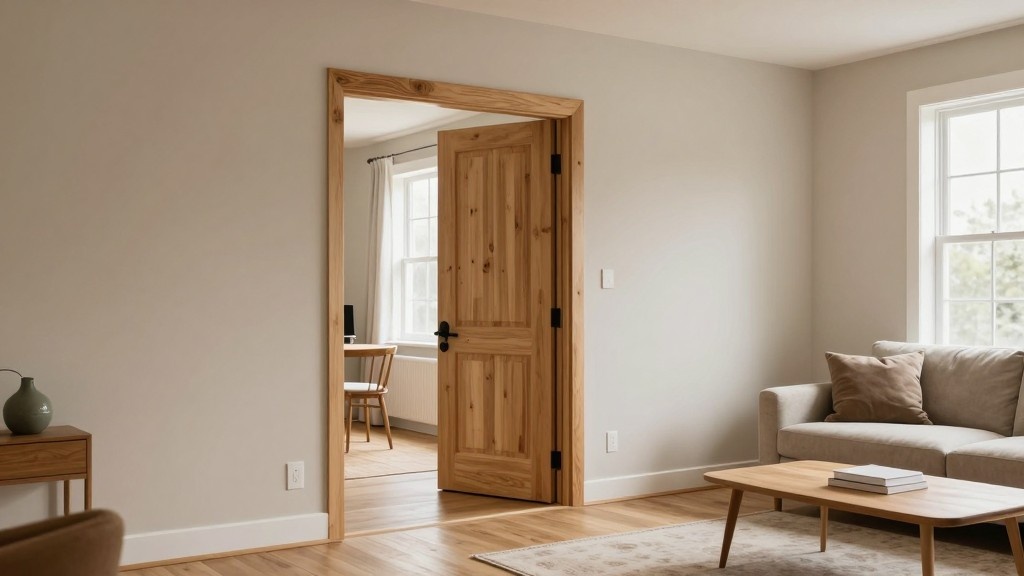
The living room sees the most foot traffic and the most eyes. Craftsman, stepped, or fluted profiles work well here; they add presence without overdoing it.
For modern or open-concept living rooms, flat stock or Shaker casing keeps the look clean and consistent with the architecture.
2. Bedroom
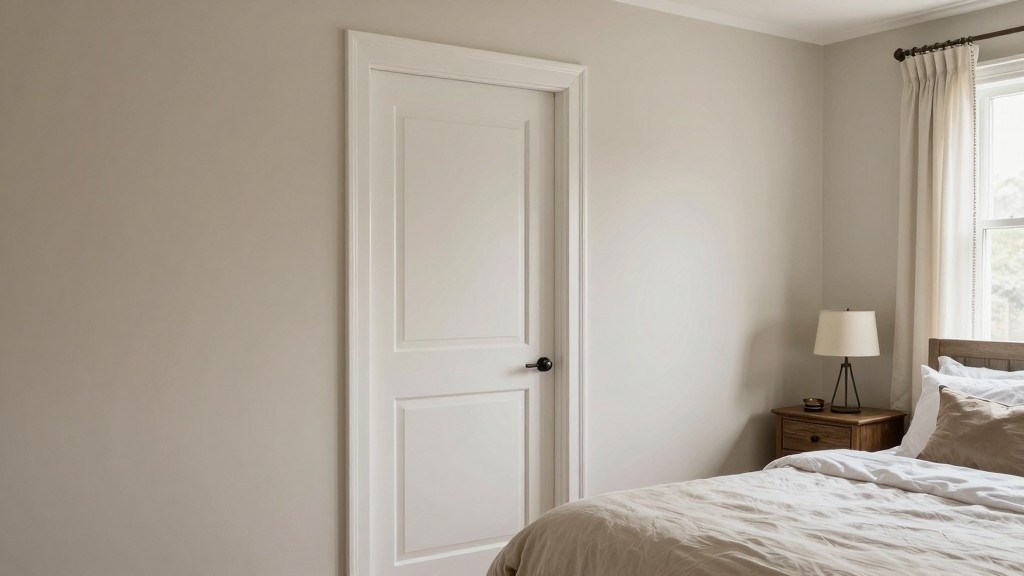
Bedrooms benefit from something understated. Shaker and Colonial profiles are the most popular choices for bedrooms, simple enough to stay in the background, with just enough shape to look finished.
For a warmer, cozier feel, beaded or farmhouse casing adds quiet character without visual noise.
3. Kitchen
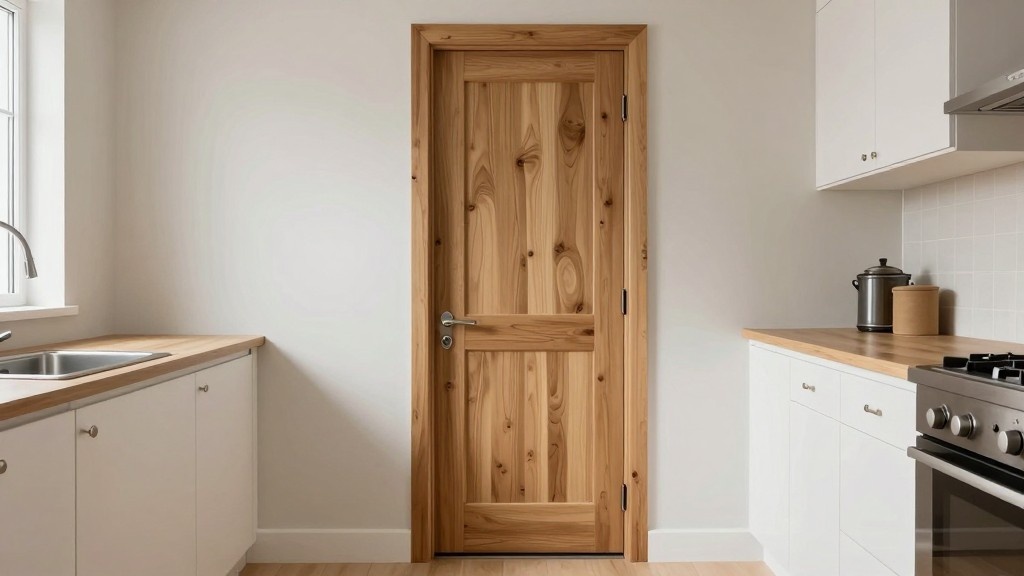
Kitchens need low-maintenance casing that can handle moisture and cleaning. Flat stock and backband profiles are solid picks, easy to wipe down, and long-lasting.
Farmhouse casing also fits well in kitchens that lean toward a casual, warm look, especially when paired with shiplap walls or open shelving.
4. Bathroom
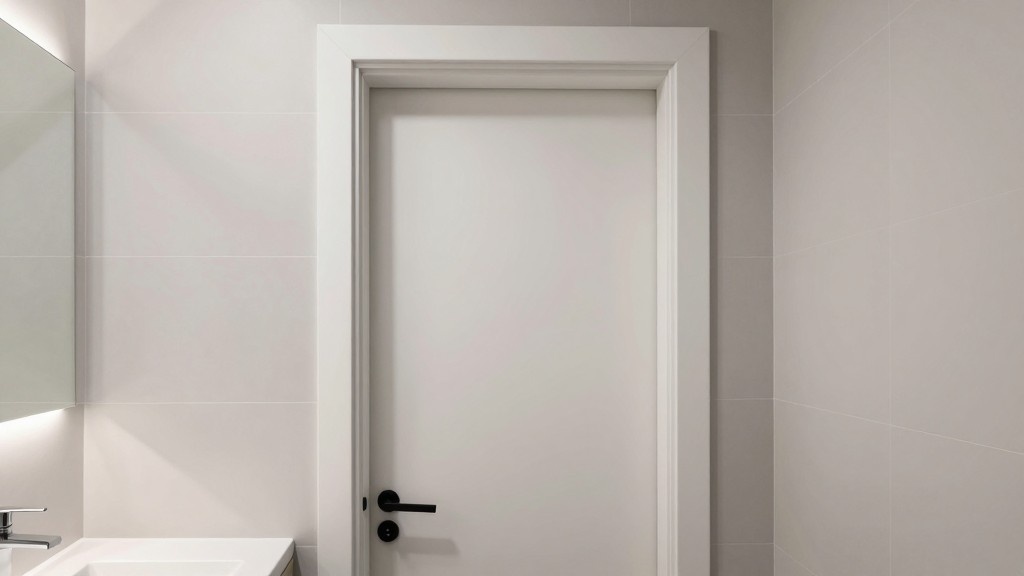
Moisture is the main concern in bathrooms. Flat stock or modern profiles in PVC or well-sealed MDF hold up best.
Keep the profile simple and compact. Heavy trim in a small bathroom makes the space feel smaller. Stick to 2 to 2.5-inch widths in most standard bathrooms.
5. Entryway
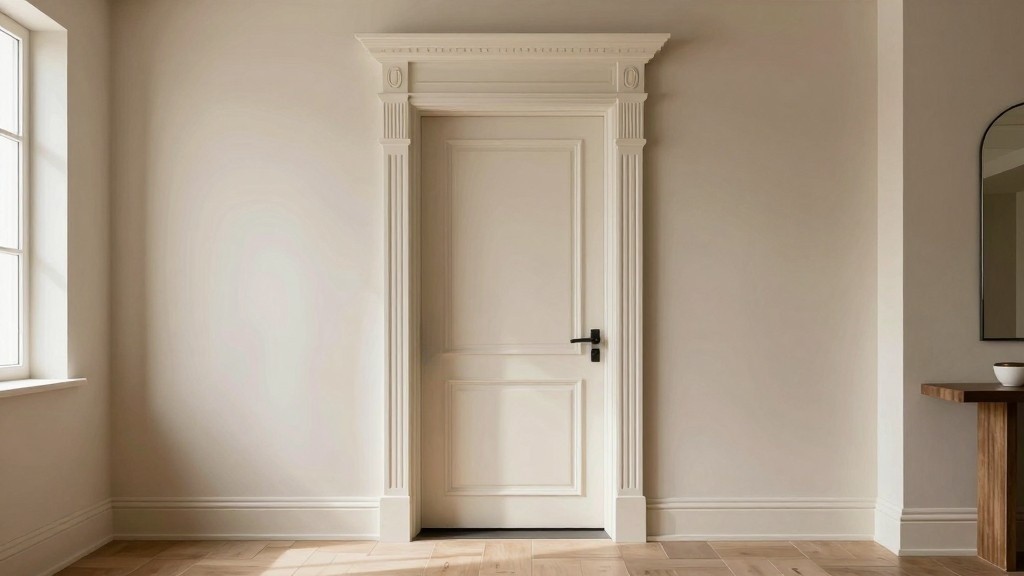
The entryway is the first thing guests see. This is the place to use a stronger profile. Fluted, Victorian, or picture-frame casing styles work well here.
If the doorway is arched, the arched casing follows the curve, adding a softer, architectural quality to the opening. It is used frequently in Mediterranean, Spanish Colonial, and traditionally styled homes.
Pro Tip: Interior trim designers recommend using your most detailed casing on the interior side of the front entry door, then scaling down the trim weight for secondary interior doors.
How to Choose the Right Door Casing Style?
Start with your home’s architecture: a craftsman bungalow suits thick, square-edged trim, while a Victorian home calls for layered, detailed profiles, and a modern space works best with thin, flat casing.
Once you have a direction, match the casing to your existing trim. Your door casing should coordinate with your baseboards, window casings, and crown molding in the same profile family.
Room size matters too; wider casings can overpower small rooms, and narrow profiles look undersized in large, open spaces. The standard casing width is 2¼ inches, but you can go up to 3.5 inches in rooms with higher ceilings. Get that right, and the rest of the decision falls into place.
Conclusion
Selecting the right door casing style can change a room’s look without a full renovation. This guide covered 12 distinct casing styles, how to match them to different rooms, what they cost, and the mistakes worth avoiding.
From the simplicity of flat stock to the detailed appeal of Victorian trim, the key is making sure your choice fits your home’s overall design and the needs of each space.
A well-chosen casing is a small finishing touch that makes a real difference.
Frequently Asked Questions
What Is the Standard Size for Door Casing?
Standard door casing is typically 2.5 inches wide, though widths can range from 2 to 3.5 inches depending on the style and room size.
What is the Difference Between Door Trim and Casing?
Door trim covers all molding around a door, while casing specifically frames the gap between the jamb and wall.
What are the Parts of A Door Casing Called?
A door casing has two vertical legs, a horizontal head casing at the top, and plinth blocks at the corners.