What thickness of plywood should you use for your roof?
This is one of the most common questions homeowners and builders ask when starting a roofing project.
Choosing the correct plywood size ensures strong support and prevents long-term roof damage or costly fixes later.
Knowing the key factors before choosing plywood helps you plan better and avoid unnecessary repairs in the future.
It also ensures your roof can handle weather, weight, and wear for years to come.
In this blog, I’ll show you the standard plywood sizes used for roofing and help you understand which factors matter most for your specific situation.
What Is Roof Sheathing and Why Does It Matter?
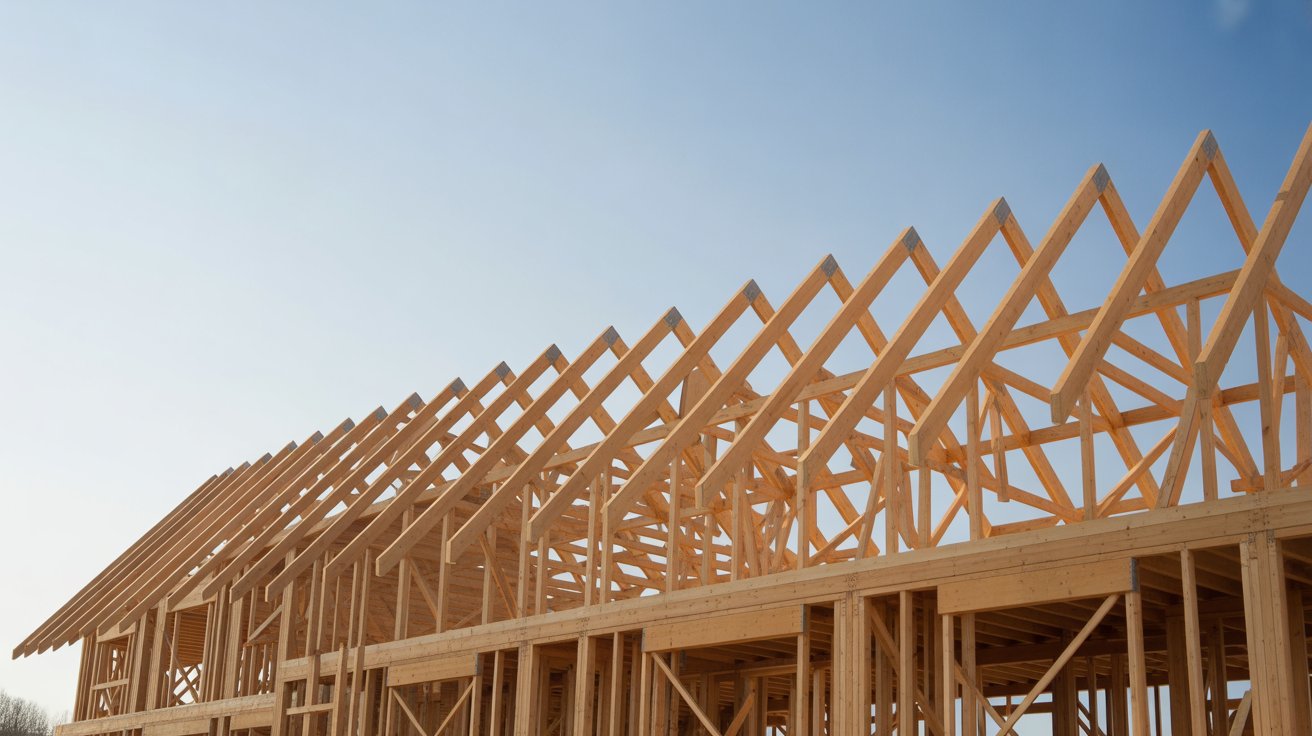
Roof sheathing is the layer of material installed over your roof’s frame, usually made from plywood or OSB. It creates a solid surface where shingles, tiles, or metal roofing can be securely and evenly attached.
Why Does It Matter?
- Sheathing distributes the weight of your roof and anything on it, such as snow or workers.
- It blocks wind, moisture, and pests before your final roofing material goes on.
- Roofing materials need a flat base to stick properly and last longer.
- Good sheathing improves insulation and stops air from leaking through gaps.
Without quality sheathing, your roof becomes vulnerable to damage, moisture intrusion, and premature wear, all of which can cost thousands to repair.
Common Plywood Thicknesses Used for Roof Sheathing
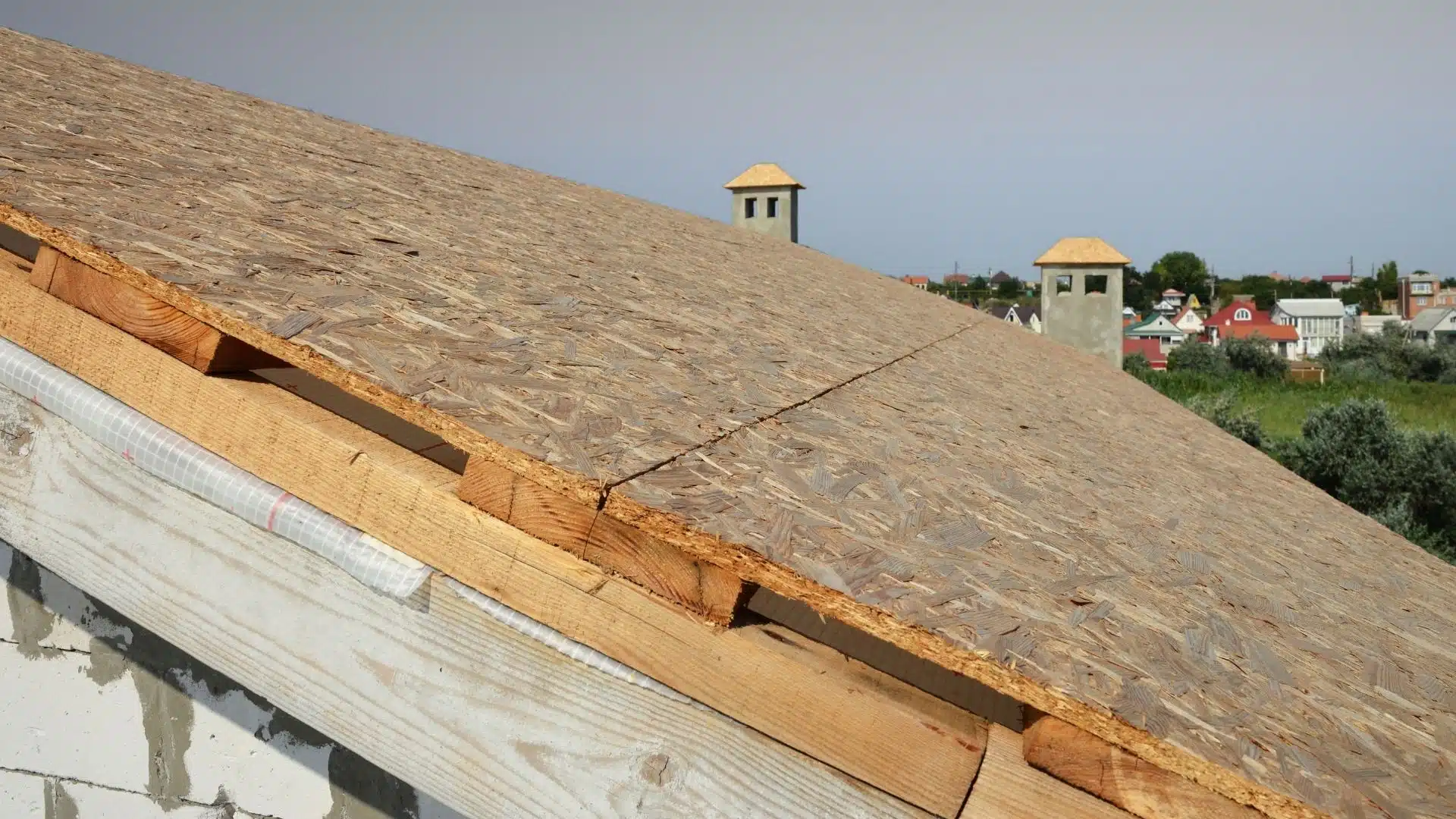
Plywood for roofs typically comes in a few standard thicknesses, each suited to different structural needs and rafter spacing requirements.
Common sizes include
- 3/8 inch: Suitable for very close rafter spacing, typically 16 inches or less, and lighter roof loads.
- 1/2 inch: A popular choice for residential roofs with rafters spaced 16 to 24 inches apart under normal conditions.
- 5/8 inch: Recommended for wider rafter spacing or roofs that will carry heavier loads like tile or slate.
- 3/4 inch: Used in areas with heavy snow loads or when extra strength and durability are required.
Most building codes specify minimum thickness based on rafter spacing, so always check local requirements before purchasing your materials.
Factors that Affect the Right Plywood Size
Selecting the correct plywood thickness goes beyond following a chart; it depends on several important factors related to your roof.
Rafter Spacing
The spacing between rafters determines how much support your sheathing must provide to maintain proper strength and lasting stability.
Roof Load Requirements
Consider the weight your roof must support, including roofing materials, snow, maintenance workers, and any equipment installed on top of the structure throughout the year.
Local Building Codes
Your area may have specific regulations that dictate minimum plywood thickness based on climate, wind zones, and snow load ratings that must be followed legally.
Type of Roofing Material
Dense materials like concrete tiles or slate require sturdier sheathing to prevent bending and maintain roof stability over the years of exposure.
Climate and Weather Conditions
Areas exposed to strong winds, constant rain, or heavy snow loads need robust sheathing to withstand increased pressure and maintain the roof’s structural integrity.
Plywood vs. OSB: Which Is Better for Roofing?
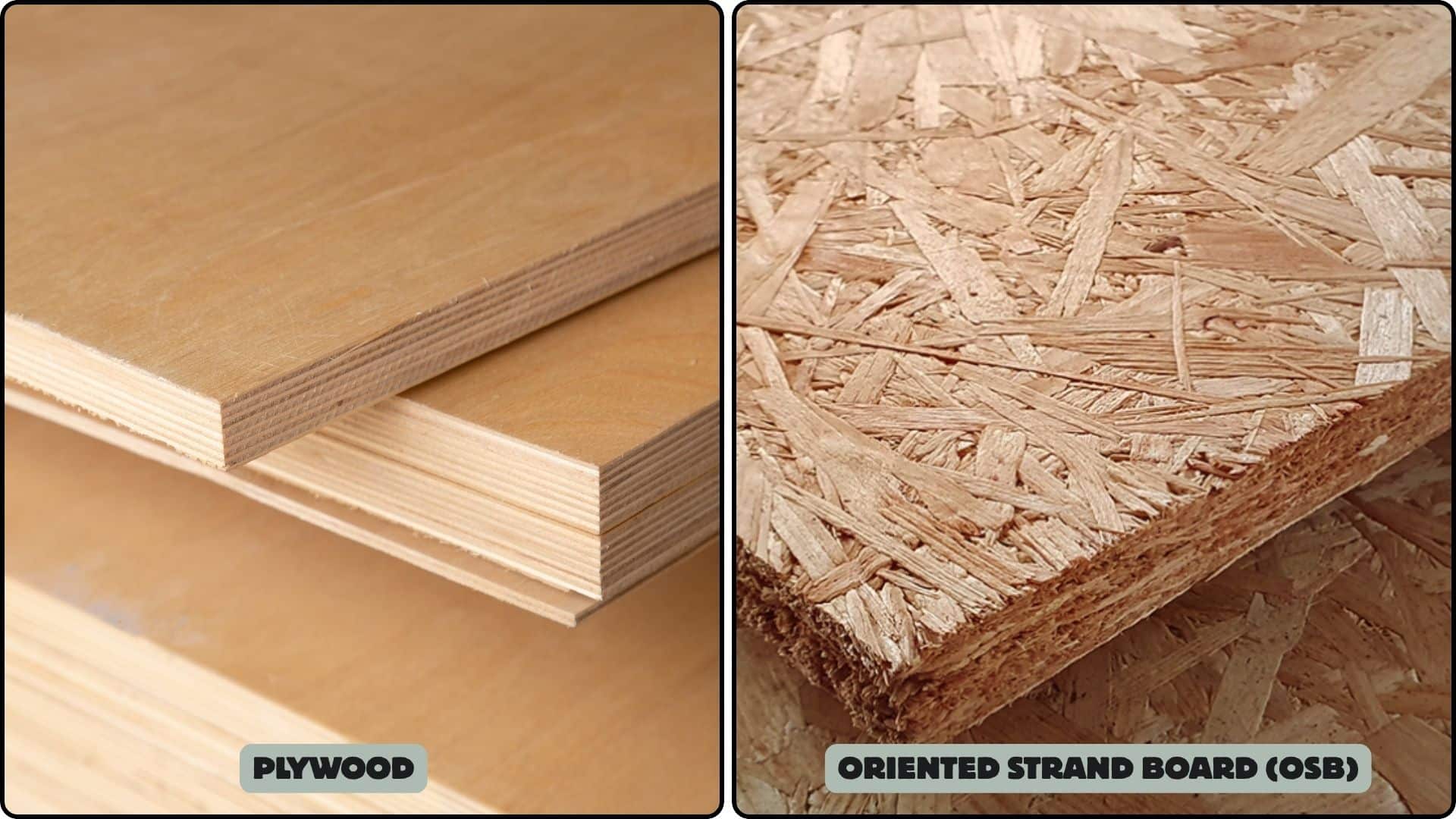
Both plywood and oriented strand board (OSB) are used for roof sheathing, but they have different strengths and weaknesses.
| Plywood | OSB |
|
|
Both materials meet building codes when properly rated, so your choice may come down to cost, availability, and moisture concerns.
Recommended Plywood Thickness for Different Types of Roofs
Choosing the right plywood thickness depends on your roofing material and the spacing of your rafters for proper support.
Use this quick reference guide to match your roof type and rafter spacing with the correct plywood thickness for safe installation.
| Asphalt Shingles and Metal Roofing |
|
| Clay Tiles, Concrete Tiles, and Slate |
|
| Heavy Snow Load Areas |
|
Thicker plywood helps prevent your roof from bending or failing under heavy loads and harsh weather, ensuring your structure stays strong over time.
Tips for Installing Roof Plywood Correctly
Proper installation ensures your roof sheathing performs well and lasts as long as your home does without causing future problems.
Key installation tips
- Use the right fasteners: Galvanized nails or screws rated for exterior use prevent rust and hold sheathing securely to rafters.
- Leave expansion gaps: Allow 1/8 inch between sheets to let the wood expand and contract with temperature and humidity changes.
- Stagger the joints: Offset plywood seams between rows to improve strength and prevent weak points in the roof structure.
- Install perpendicular to the rafters: Lay sheets across the rafters, not parallel to them, to maximize load distribution and structural support.
- Check for level and alignment: Make sure each sheet is flat and properly aligned before fastening to avoid bumps in the finished roof.
Common Mistakes to Avoid
Even experienced builders can make errors that weaken the roof or lead to costly repairs down the line if not careful.
- Using plywood that is too thin for your rafter spacing or roof load.
- Skipping local building code requirements and failing inspections later on.
- Not protecting plywood from rain during installation causes swelling and warping.
- Spacing fasteners too far apart reduces holding power in high winds.
- Installing sheets over uneven or misaligned rafters creates weak spots underneath.
Wrapping It Up
To summarize, selecting the right plywood thickness for your roof ensures long-term durability and prevents costly repairs.
Your plywood choice should balance roof design, weight, and code standards for safe, durable construction.
Lighter options suit simple roofs, while heavier coverings require reinforced sheathing for extra support. Always account for climate factors, such as snow loads, and follow proper installation techniques.
Taking time to choose the right plywood protects your home from weather damage and structural problems for decades.
What size plywood are you planning to use for your roof project? Share your thoughts or questions in the comments below!