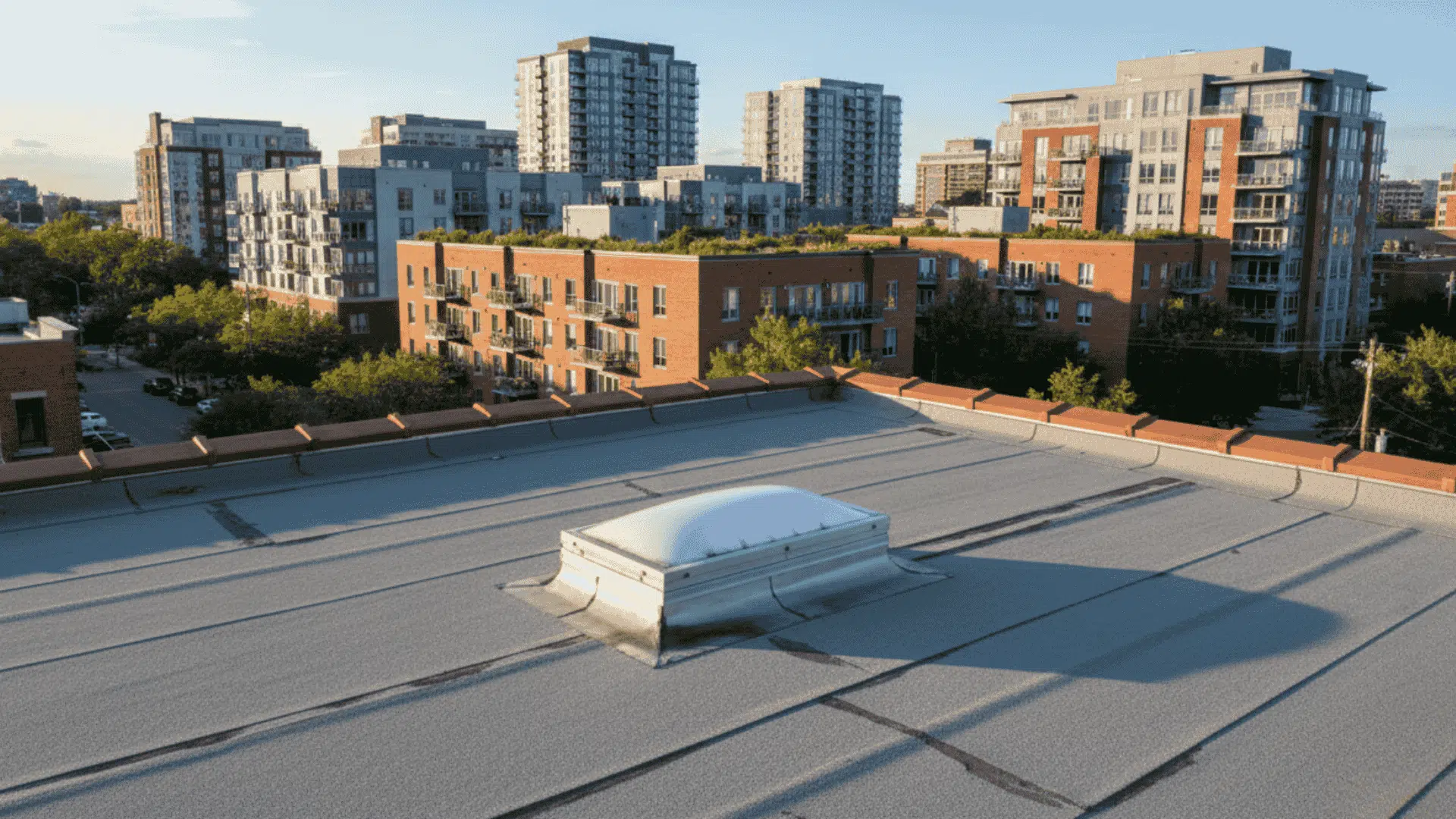
Modified bitumen roofing is one of the most trusted systems for flat and low-slope roofs, but many people don’t really know how it works.
Modified bitumen roofing can seem confusing at first. People hear the name but rarely know what the system actually includes or how it performs on a flat roof.
In this blog, I break it down in a way that’s easy to follow. You’ll see what the material is made of, how the layers work together, and why different membrane types matter in other climates.
We’ll look at installation options, common uses, and the benefits that make this system dependable.
You’ll also learn what affects its lifespan, how much maintenance it needs, and how it compares to other flat roofing choices.
What Is a Modified Bitumen Roof?
A modified bitumen roof is an asphalt-based roofing system enhanced with specialized polymers to increase flexibility, strength, and weather resistance.
These polymers, typically SBS (styrene-butadiene-styrene) or APP (atactic polypropylene), convert basic asphalt into a high-performance membrane that performs exceptionally well on flat and low-slope roofs across the United States.
Developed in the 1960s, modified bitumen technology revolutionized the roofing industry by improving on traditional built-up roofs (BUR).
The innovation of adding SBS created a more elastic, durable, and easier-to-install material, paving the way for the modern systems used today, including torch-down roof installations, a popular heat-fused application method.
Multi-Layer System:
Modified bitumen roofing is built with multiple layers that work together to create a strong, flexible, and weather-resistant surface. Here are the five layers explained properly:
- Base Layer: A reinforced sheet made from fiberglass or polyester that provides structural strength.
- Bitumen Layer: The asphalt-polymer blend that delivers waterproofing and flexibility.
- Membrane Sheet: The main modified bitumen sheet is applied over the base for added durability.
- Cap Sheet: A finished surface layer that offers UV protection and resists wear and weathering.
- Protective Topcoat – A final coating that improves resistance to sun, rain, snow, and temperature changes, extending the roof’s lifespan.
Compared to older built-up roofing systems, modified bitumen offers a lighter, more flexible, and less labor-intensive option while maintaining the robust, multi-ply protection that commercial and residential property owners value.
Types of Modified Bitumen & Installation Methods
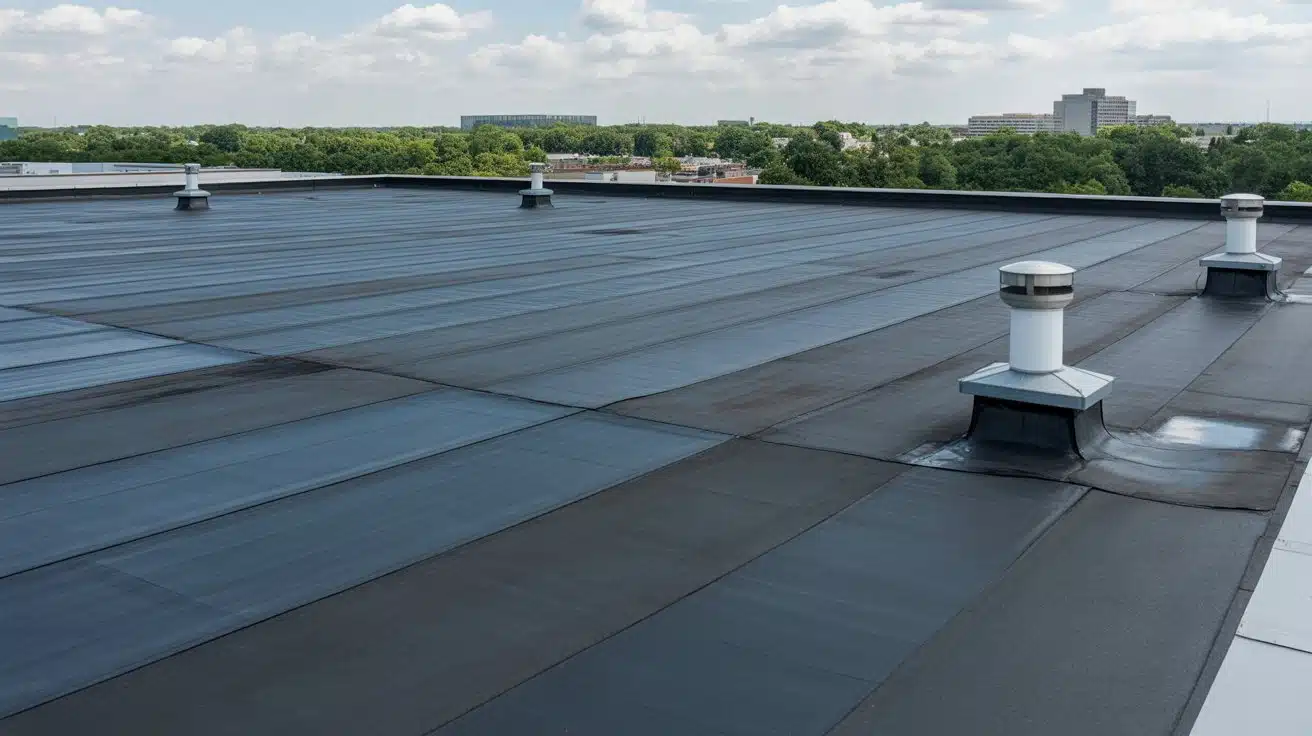
Modified bitumen comes in two main types. Each performs differently based on climate and conditions.
| Feature | SBS Membranes | APP Membranes |
|---|---|---|
| Best For | Cold climates & freeze-thaw cycles | Hot climates & intense UV exposure |
| Flexibility | Remains flexible in freezing temperatures | Superior UV and heat resistance |
| Performance | Excellent for foot traffic and impacts | Resists weathering in extreme heat |
| U.S. Regions | Northern states | Southern and southwestern states |
In short, choosing between SBS and APP membranes depends largely on climate flexibility matters in the cold, while UV resistance is key in the heat.
Installation Methods for Modified Bitumen
Different installation methods suit different projects and budgets.
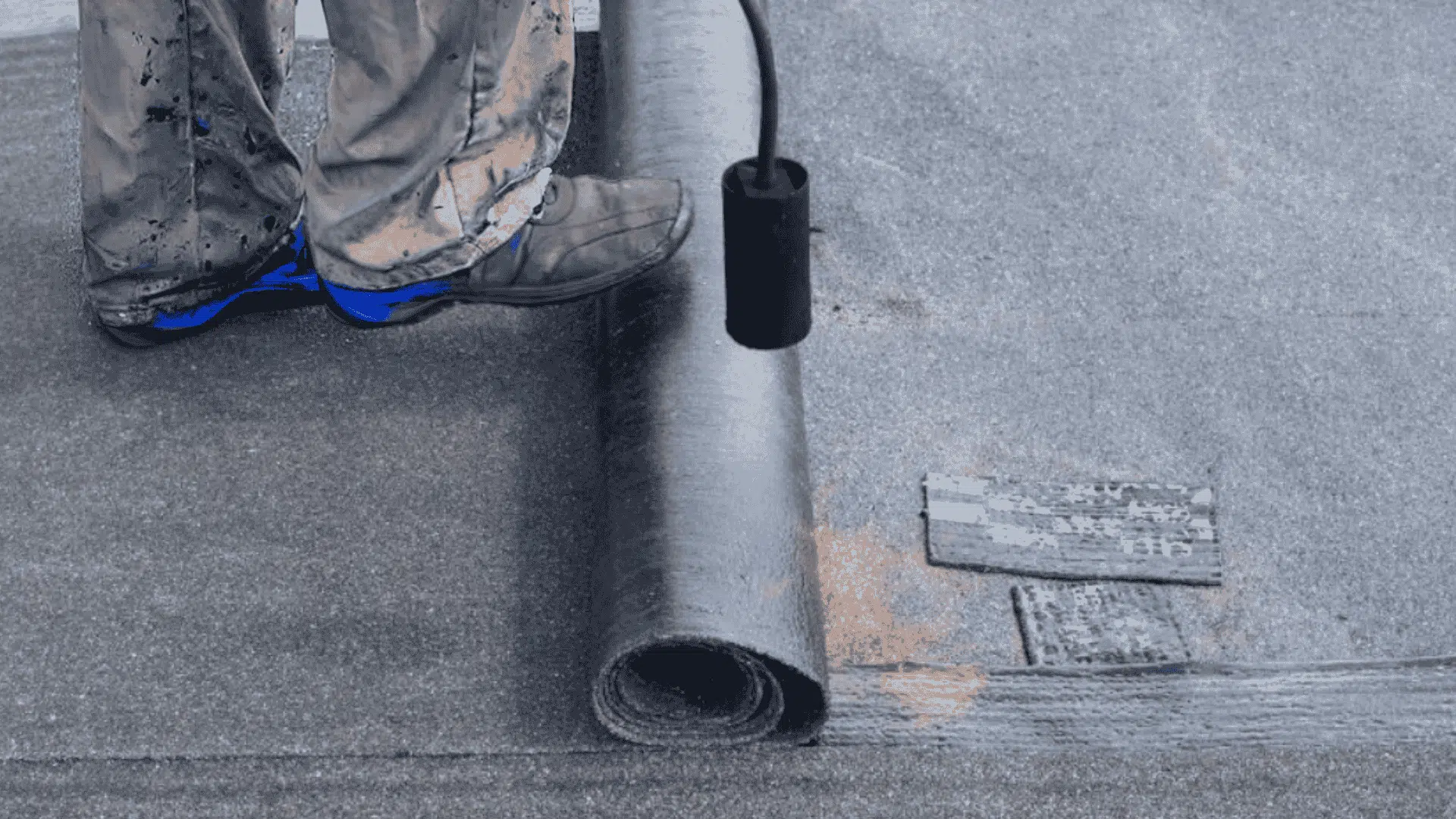
- Torch-Applied: Roofers heat the membrane with a torch. Creates strong, smooth bonds, the most common method for APP membranes.
- Self-Adhered: Peel-and-stick application. No heat required. Safer installation process. Suitable for DIY-friendly projects.
- Cold-Applied: Uses liquid adhesives. No open flames. Safest option available. Takes longer to cure.
- Hot Asphalt: Traditional mopping method. Heat and asphalt bond the sheets. Requires experienced roofers and higher installation costs.
- Mechanically Fastened: Fasteners secure the membrane. Suitable for windy regions. Reduces heat-related risks. It may compromise waterproofing if done incorrectly.
Each installation method offers a balance between safety, performance, and cost. The right choice depends on the building type, local fire codes, and the installer’s expertise.
Ultimately, understanding both membrane types and installation techniques helps property owners make informed decisions, ensuring their modified bitumen roof performs reliably in any climate.
Characteristics & Benefits of a Modified Bitumen Roof
A modified bitumen roof is valued for its strength, adaptability, and consistent performance across different climates. Built to handle everything from northern snow to southern heat, it provides lasting protection and efficiency.
1. Weather Resistance
Modified bitumen membranes endure temperature swings, UV exposure, and heavy rain. The polymer blend prevents cracking in cold weather and softening under extreme heat, maintaining reliable protection year-round.
2. Waterproofing & Flexibility
Its multi-layer structure forms a watertight barrier, with seams sealed through heat or adhesive. In torch-down roof systems, heat-fused seams provide exceptional waterproofing.
SBS-modified membranes also flex with building movement, reducing cracks and leaks over time.
3. Energy Efficiency & Longevity
Reflective coatings and light-colored cap sheets help lower roof temperatures and cooling costs, particularly in warm U.S. regions.
With professional installation, a modified bitumen roof typically lasts 20–30 years, resisting punctures and foot traffic better than many alternatives.
4. Cost-Effectiveness & Customization
Though slightly costlier upfront, it delivers long-term savings through durability and low maintenance. Surface finishes can be designed to be textured, smooth, or reflective to meet performance and design needs.
In short, modified bitumen roofs combine durability, flexibility, and value, making them a proven choice for flat and low-slope roofs across the United States.
Applications: Where Modified Bitumen Roofing Is Used
Modified bitumen roofing is a versatile and reliable choice for flat and low-slope roofs, offering exceptional durability and weather resistance for various building types.
- Office buildings: Modified bitumen provides long-lasting protection and minimal maintenance, making it an excellent choice for commercial spaces.
- Retail centers: The system’s durability can withstand foot traffic and harsh weather conditions, providing reliable protection for high-traffic areas.
- Schools: Its weather-resistance and ease of installation make it a popular choice for educational buildings that require a low-maintenance roof.
- Warehouse and industrial facilities: Ideal for heavy-equipment operations, the multi-layered design offers enhanced strength and durability, reducing repair costs and extending the roof’s lifespan.
- Multifamily buildings: Modified bitumen offers excellent protection for apartment complexes and other multi-unit dwellings with flat or low-slope roofs.
- Residential flat roofs: Homeowners with flat roofs can benefit from the system’s waterproofing, flexibility, and energy-efficient options, such as reflective coatings.
Whether for commercial, industrial, or residential applications, modified bitumen provides long-lasting, cost-effective protection, making it a top choice for flat roofing systems across the U.S.
Modified Bitumen vs. Other Flat Roofing Systems
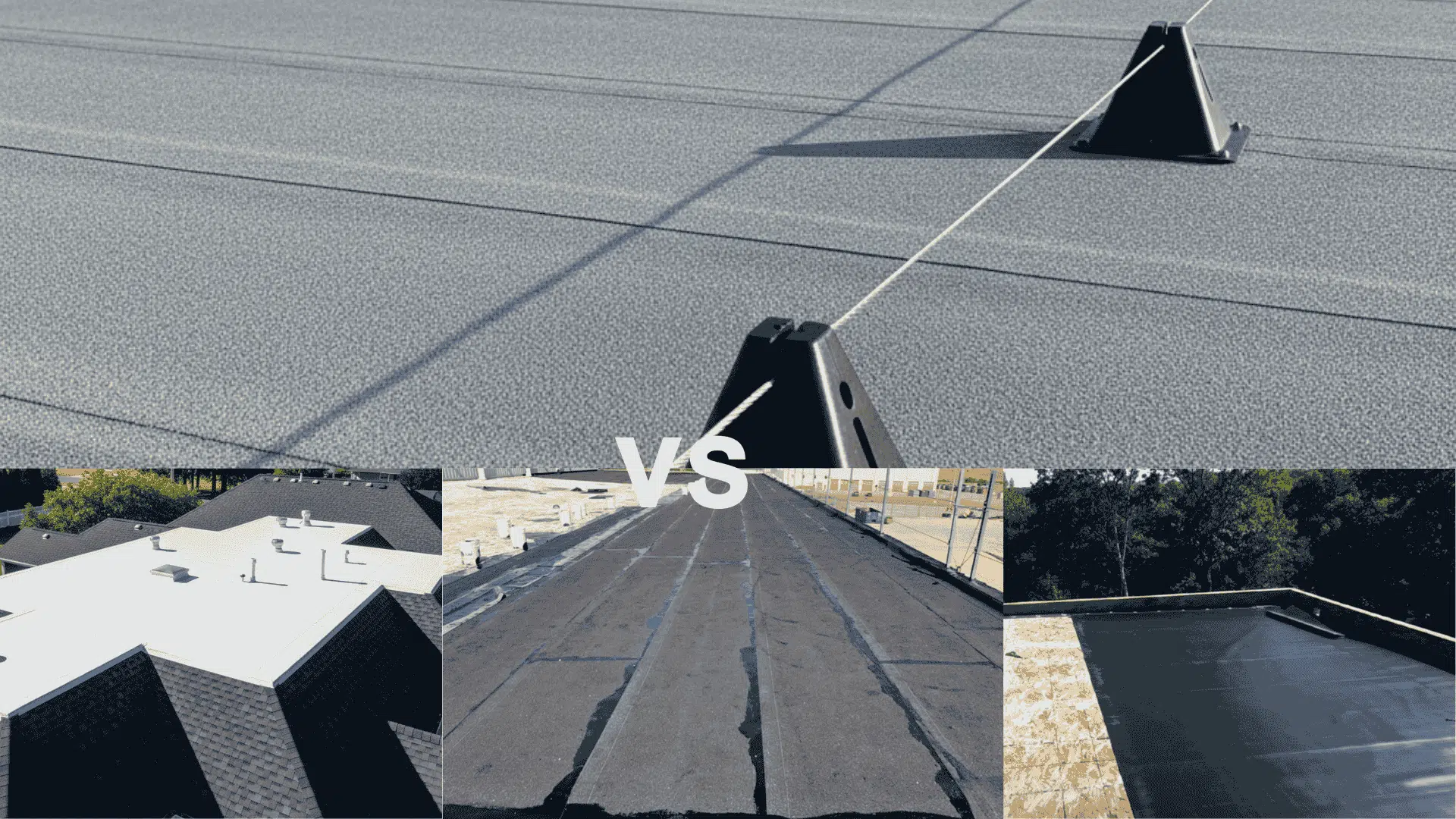
Torch-down roofing is an installation method for modified bitumen, not a separate system. Roofers use heat to apply the membrane.
This clarification is essential for property owners. Modified bitumen offers multiple installation options beyond torch-down application.
| Roofing Type | Lifespan | Cost | Installation | Best For |
|---|---|---|---|---|
| Modified Bitumen | 20-30 years | $4 – $7.50 | Heat, cold, or self-adhered | Flat roofs, commercial buildings |
| TPO | 15-20 years | $4 – $14 | Mechanically fastened or glued | Budget-conscious projects |
| EPDM Rubber | 40-50 years | $5 – $12 | Fully adhered or mechanically fastened | Long-term durability needs |
| Built-Up Roofing | 20-40 years | $4.50 – $7 | Multiple tar layers with gravel | Heavy foot traffic areas |
Modified bitumen outperforms TPO in cold climates. EPDM lasts longer but costs more upfront. Built-up roofing handles heavy traffic well.
Modified bitumen balances durability, cost, and ease of repair. Most property owners choose modified bitumen for its versatility and proven track record.
Maintenance and Issuesof a Modified Bitumen Roof
Modified bitumen roofing typically lasts 20 to 30 years with proper care. Some roofs last even longer in mild climates. Regular maintenance prevents early failure and extends the roof’s life.
Maintenance Practices
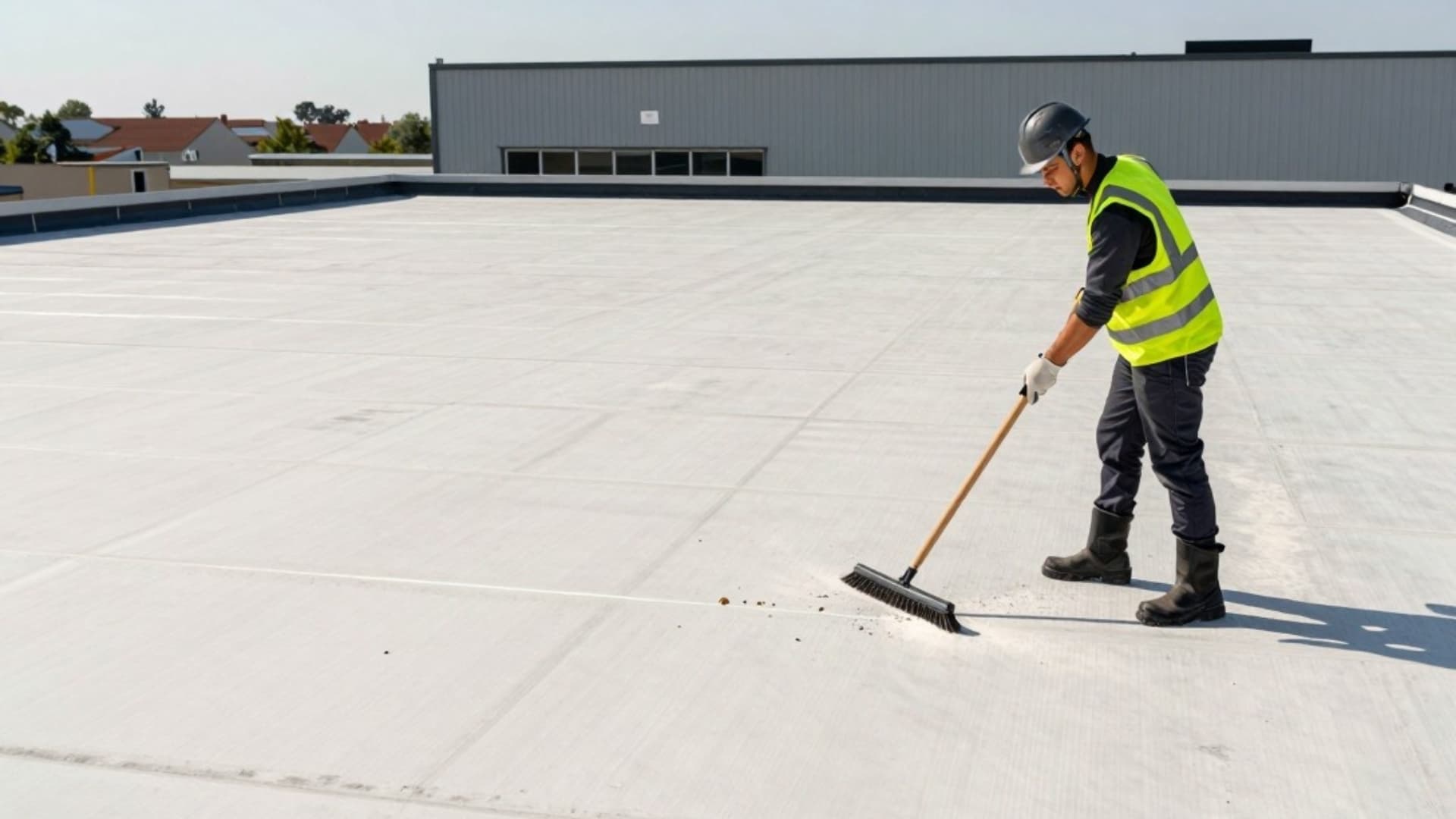
Inspect the roof twice per year, ideally in the spring and fall. Remove debris, such as leaves and branches, that can trap moisture, clear gutters and drains to prevent standing water.
Check seams for separation or lifting edges. Address minor issues immediately to prevent water damage.
Common Issues to Watch For
Blisters form when moisture gets trapped in layers. These weaken the membrane over time. Seam separation allows water to penetrate between sheets. Ponding water sits on the roof after rainfall. This adds weight and speeds deterioration.
Prevention & Quick Repairs
Proper drainage prevents most water problems. Ensure slopes direct water to gutters effectively—repair minor tears or punctures with patches. Replace damaged sections before water enters the building.
Professional roofers can perform these repairs affordably. Regular maintenance protects your investment and keeps repairs to a minimum.
The key to maximizing your roof’s lifespan is consistent care. Twice-yearly inspections take just a few hours. Early detection saves thousands in repair costs. A well-maintained modified bitumen roof will serve your building faithfully for decades.
Final Thoughts
Modified bitumen roofing remains a top choice for flat and low-slope roofs. This system delivers durability lasting 20 to 30 years. Waterproofing protects buildings from leaks.
The material withstands extreme temperatures and weather conditions. Whether commercial or residential, modified bitumen offers real value. A long lifespan means fewer replacements.
Maintenance costs stay low. Repairs are affordable and straightforward. Torch-down, cold adhesive, and self-adhered options provide flexibility. Multiple membrane types suit different climate zones.
This adaptability makes modified bitumen suitable for nearly every flat roof. Your roof protects your most valuable asset. Please don’t leave it to chance. A qualified roofer can assess your roof and recommend solutions.
Take action now, contact a licensed roofing contractor for a free inspection and estimate.