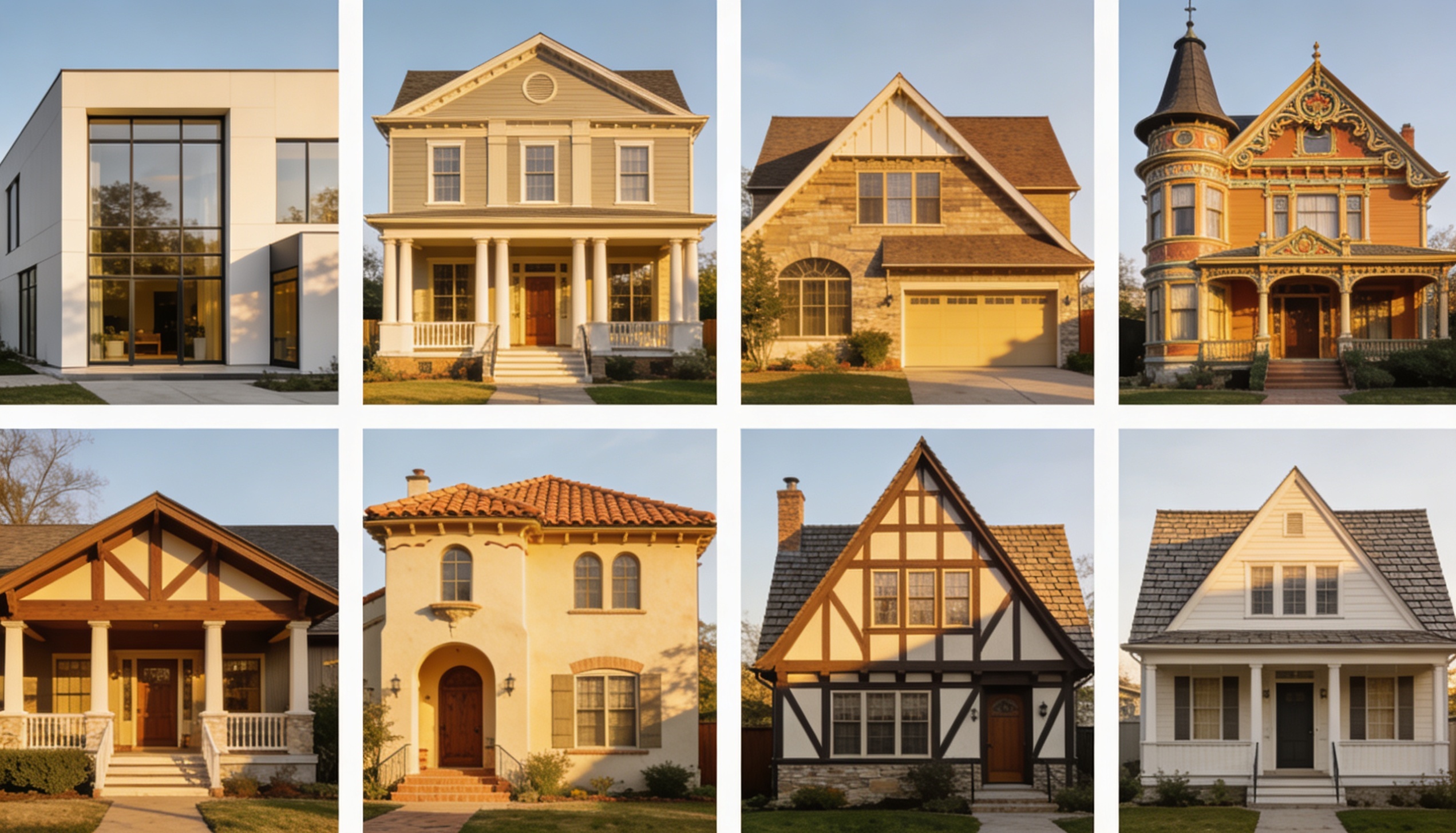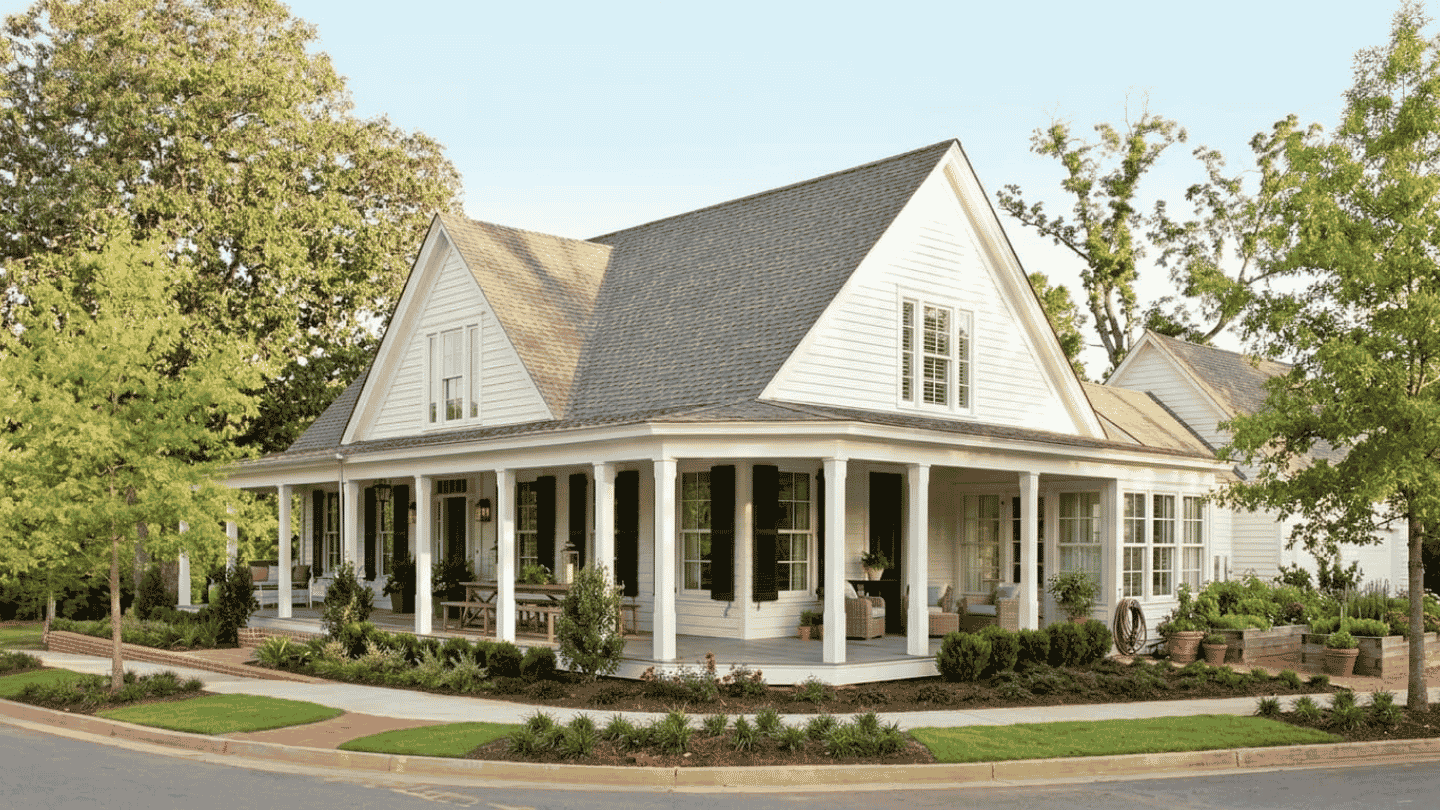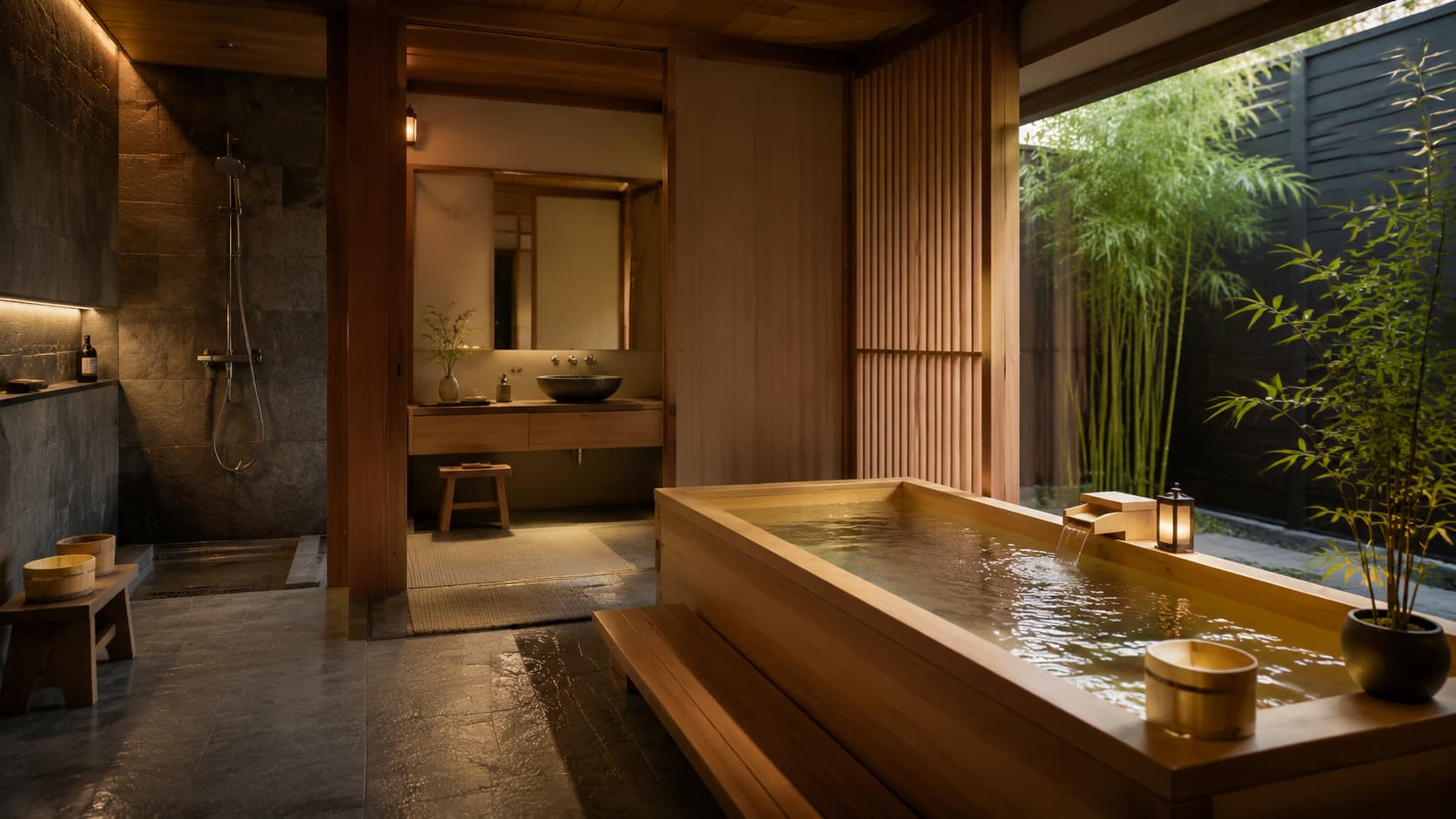
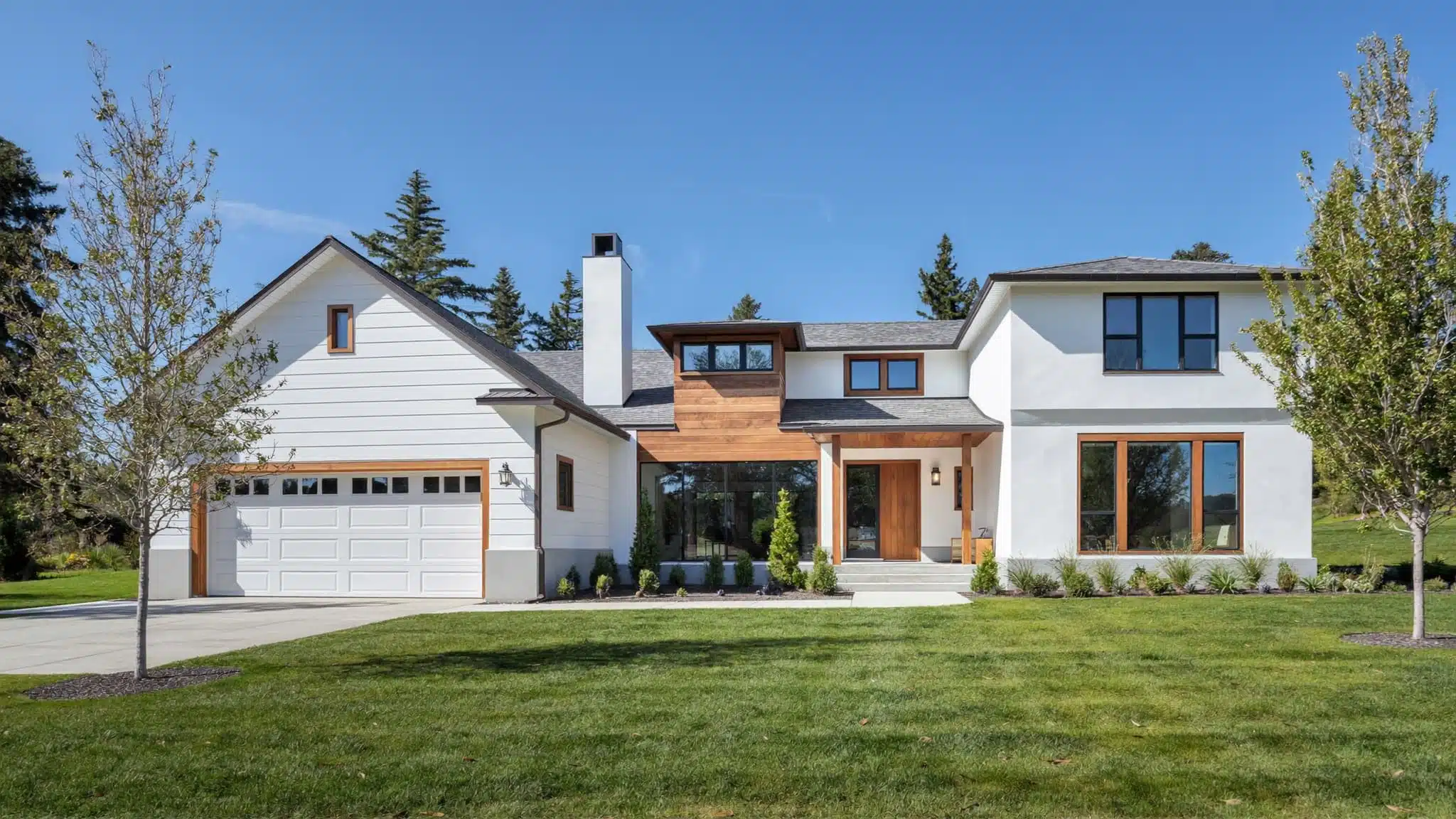
You walk down a street and feel it before you can name it. One house feels heavy and formal. The next feels like a deep breath. Another looks like it belongs in a fairy tale.
Most buyers scan listings without knowing what separates a Cape Cod from a Craftsman, or why a modular home costs less to build than a site-built one.
That gap makes the whole search harder than it needs to be. This guide covers the different types of houses, from architectural styles rooted in 17th-century New England to barndominiums on rural Texas lots today.
You will also find a comparison table at the end to match your life to the right structure.
What Are the Different Types of Houses?
The term type of houses covers two distinct categories. Understanding the difference between these categories helps you avoid confusion when searching for a home.
| Category | What It Covers | Example |
|---|---|---|
| Architectural Style | The appearance of the home: roofline, materials, windows, and design era | Colonial, Craftsman, Victorian |
| Structural Type | The way the home is built and legally owned: land rights, shared walls, ownership type | Condo, Townhouse, Duplex |
For example, a townhouse can be built in the style of a Colonial or a Craftsman, depending on when it was constructed.
- Architectural style describes how a house looks and its aesthetic characteristics.
- Structural Type refers to the physical construction and ownership rights associated with the property.
I have walked through subdivisions where every home was technically a “townhouse,” but one block looked Colonial and the next looked Mediterranean. The structure was the same. The style was completely different. Knowing that split saves buyers from comparing apples to oranges during a home search.
23 Different Types of Houses
Now that we’ve covered the key differences between architectural styles and structural types, let’s plunge into distinct house types.
Architectural House Styles
1. Colonial
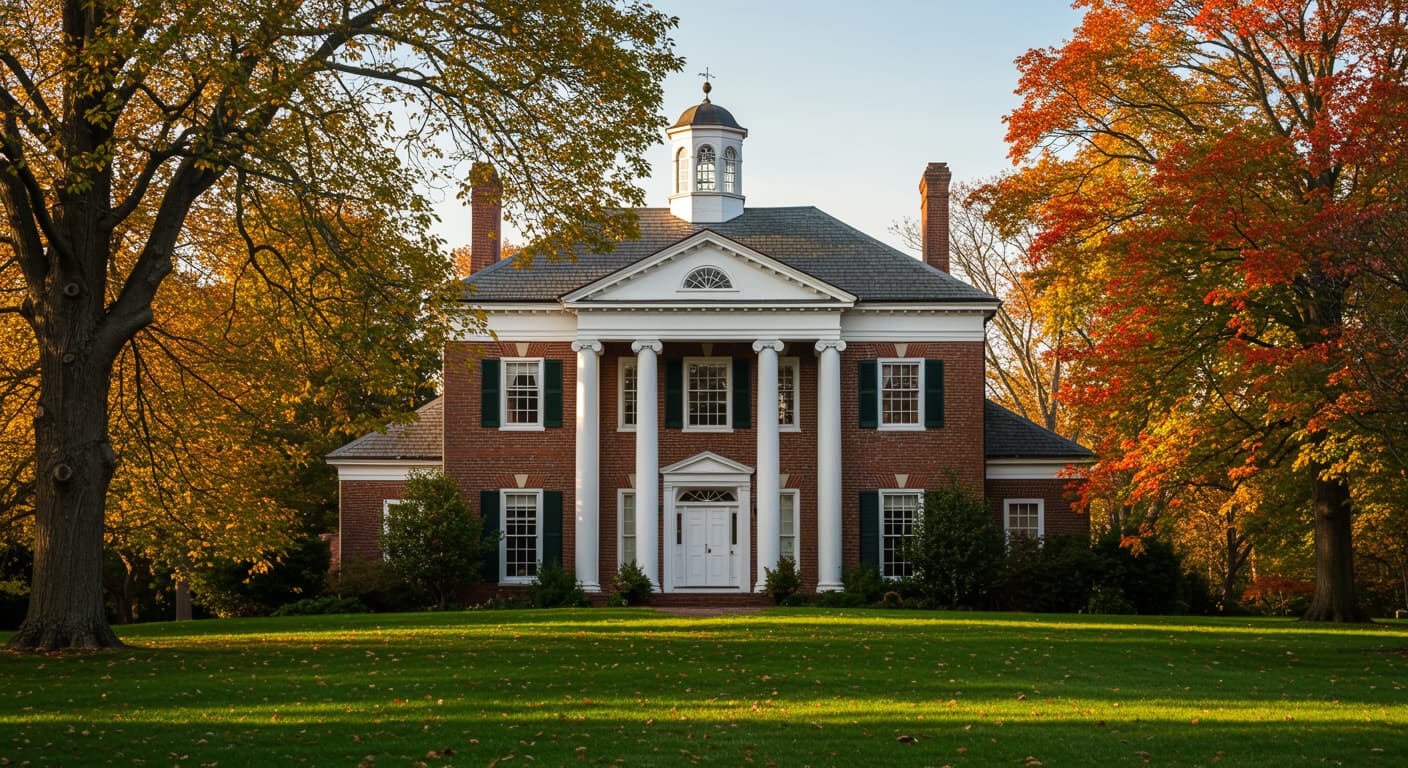
Colonial homes span the 1600s through the late 1700s. The formal, symmetrical style most people recognize today, centered door, evenly spaced windows, and brick or clapboard siding, became the standard during the 18th century.
Two stories, formal rooms flanking a central hallway, and a facade that looks like it could be folded perfectly in half. Inside, the layout is orderly and deliberate; every room has a purpose and a place.
Found across the Northeast and Mid-Atlantic, though Colonial-inspired homes are also found nationwide. If the windows match perfectly on both sides of the front door, you’re looking at a Colonial.
2. Craftsman / Bungalow
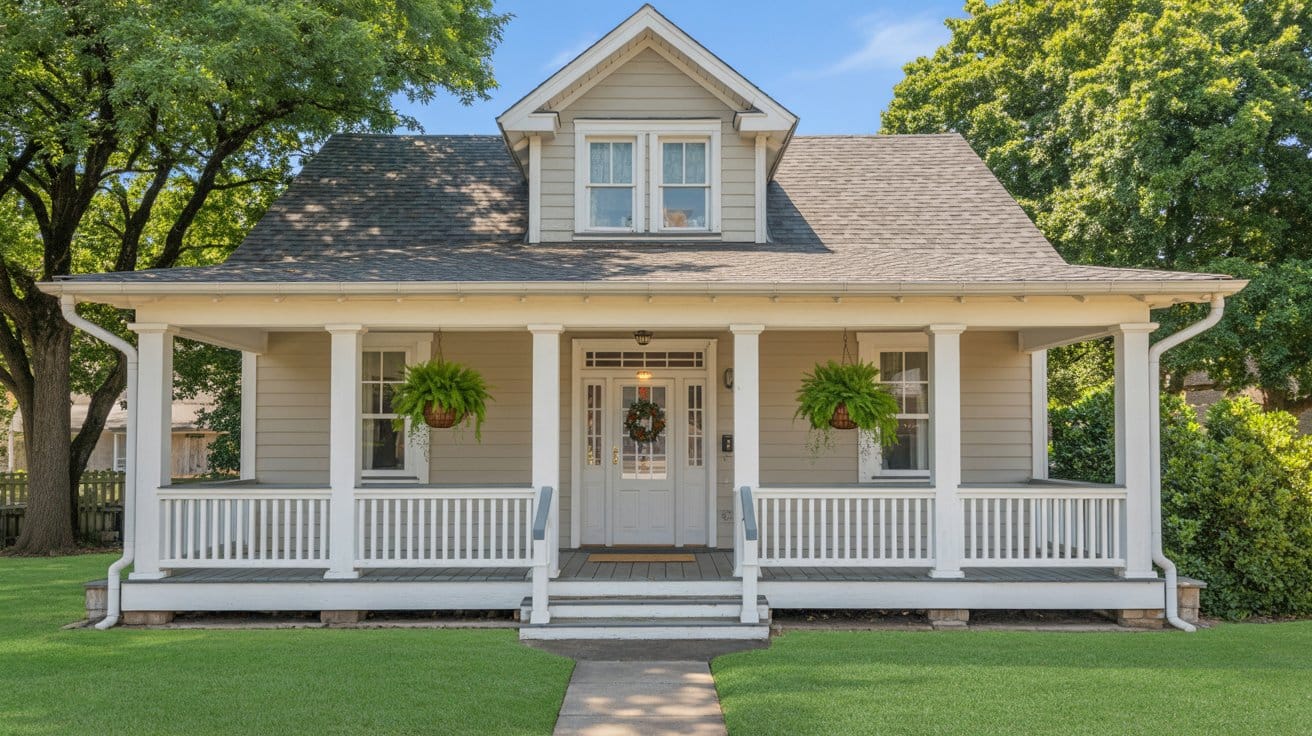
One of the most loved styles of architecture, the Craftsman, grew out of the early 1900s Arts and Crafts movement as a direct rejection of Victorian excess.
A wide front porch with tapered columns resting on brick or stone piers. Low-pitched gabled roof with exposed rafter tails. Natural wood, stone, and earthy materials inside and out.
Built-in cabinetry and open-concept interiors were Craftsman signatures long before “open concept” became a listing buzzword.
The front porch is the giveaway. It’s wide and welcoming, with chunky columns that look like they grew out of the ground rather than being bolted on. Craftsman homes pair well with wide covered or wraparound porches that define the street-facing character of the house.
3. Victorian
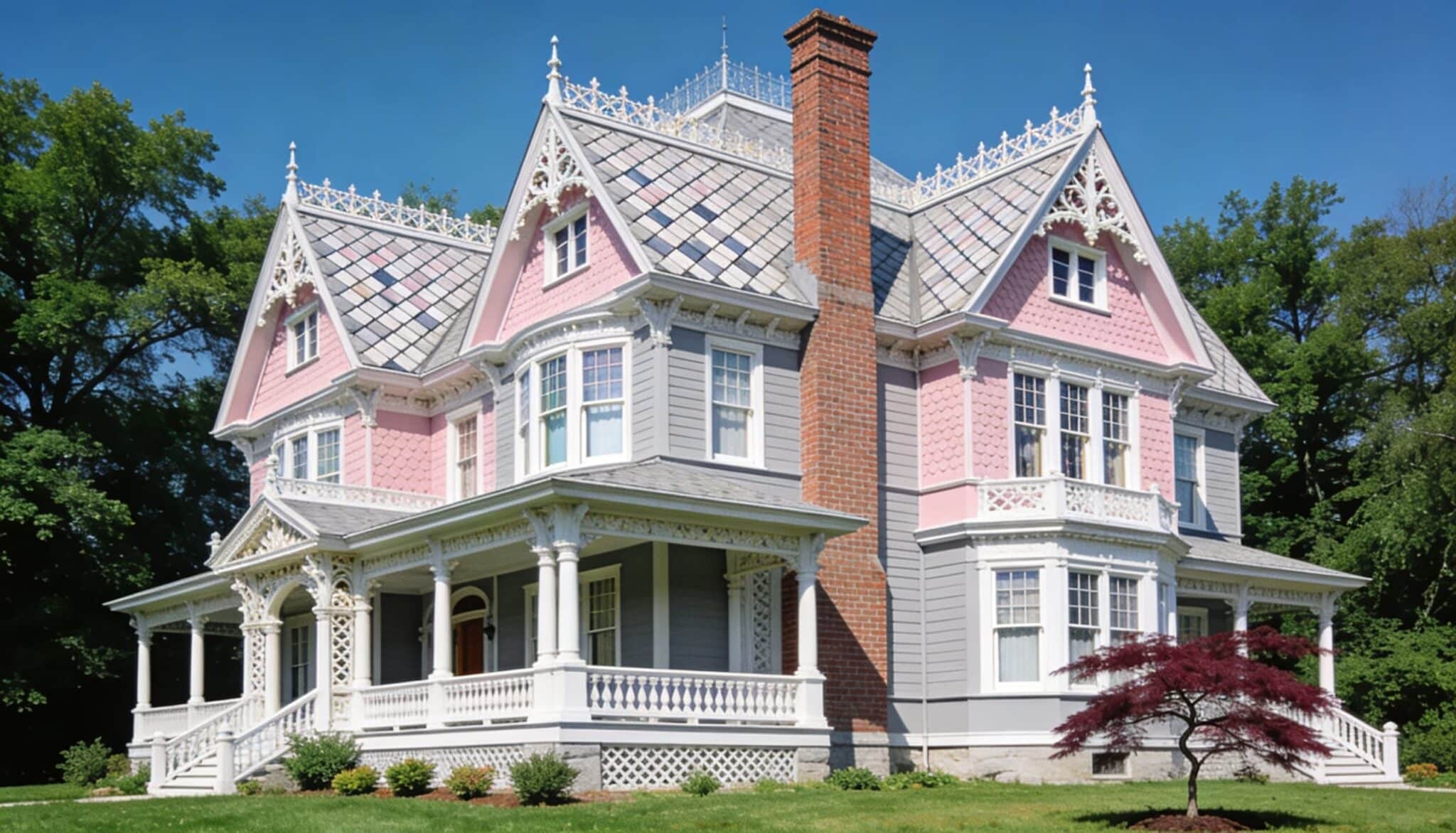
Victorian homes are impossible to mistake. They are the houses that look like someone enjoyed every single architectural detail and then added three more.
Asymmetrical facades, steeply pitched rooflines, ornate millwork (often called “gingerbread”), bay windows, turrets or towers, and bold exterior paint, usually multiple colors layered to highlight trim.
Queen Anne, Italianate, and Second Empire each carry slightly different rooflines and ornamentation.
Queen Anne is the most common in the US and the most dramatically decorated.
San Francisco’s “Painted Ladies” are the most photographed examples, but Victorians appear across the Northeast, in small towns of the Midwest, and in older urban neighborhoods nationwide.
4. Tudor
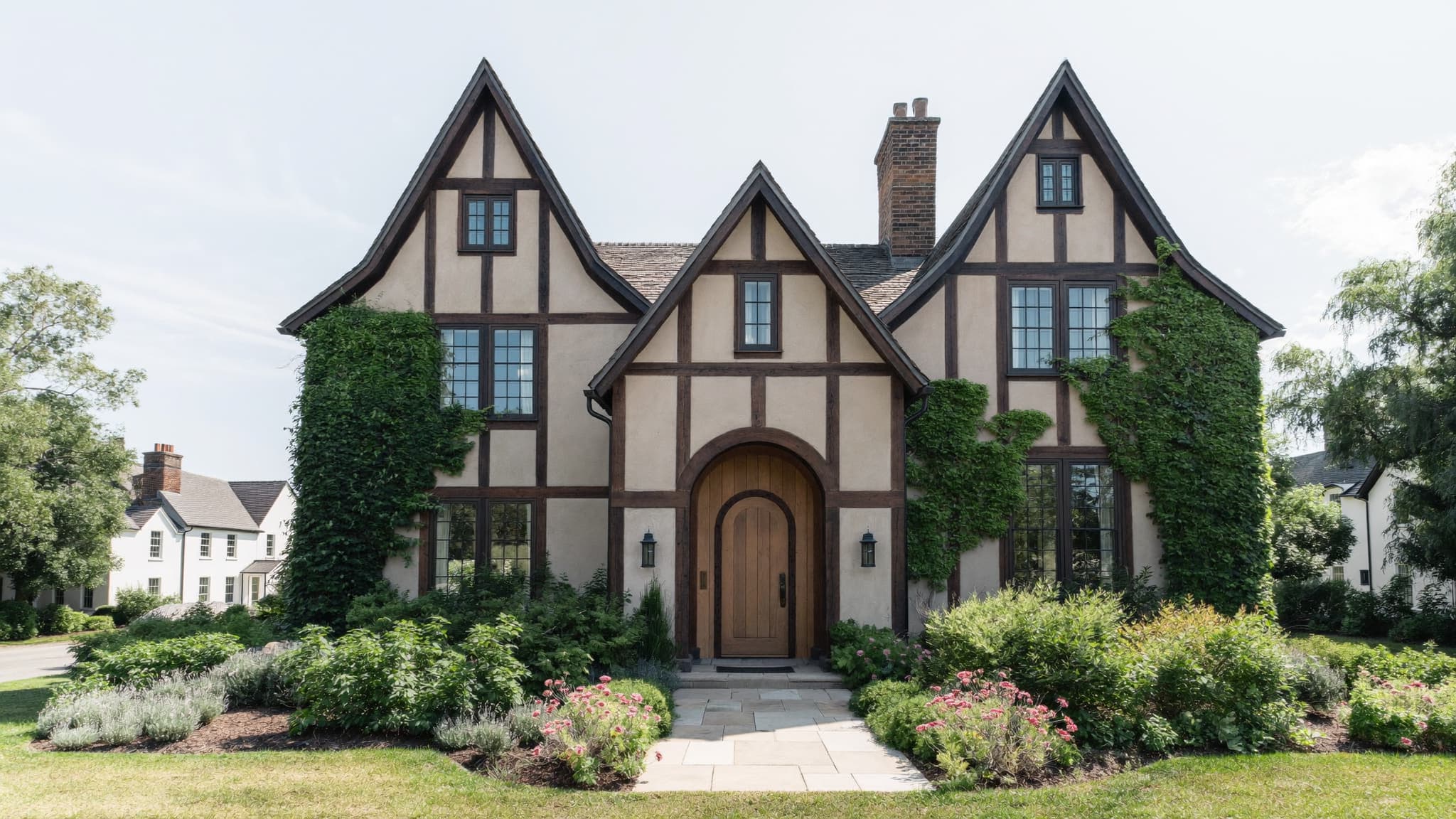
Tudor-style homes first appeared in the US in the late 19th century, drawing from English medieval design.
The style peaked in popularity during the 1920s and 1930s, when it briefly outsold even the Colonial Revival in suburban neighborhoods.
Wealthy buyers who made their money in the booming stock market were its biggest fans, earning the nickname “Stockbroker Tudor.”
Half-timbering, steep multi-gabled rooflines, arched doorways with thick wood doors, and tall, narrow windows with small individual panes.
Built for buyers who want Old World character that genuinely stands out on the street. No two Tudors look quite the same.
5. Cape Cod
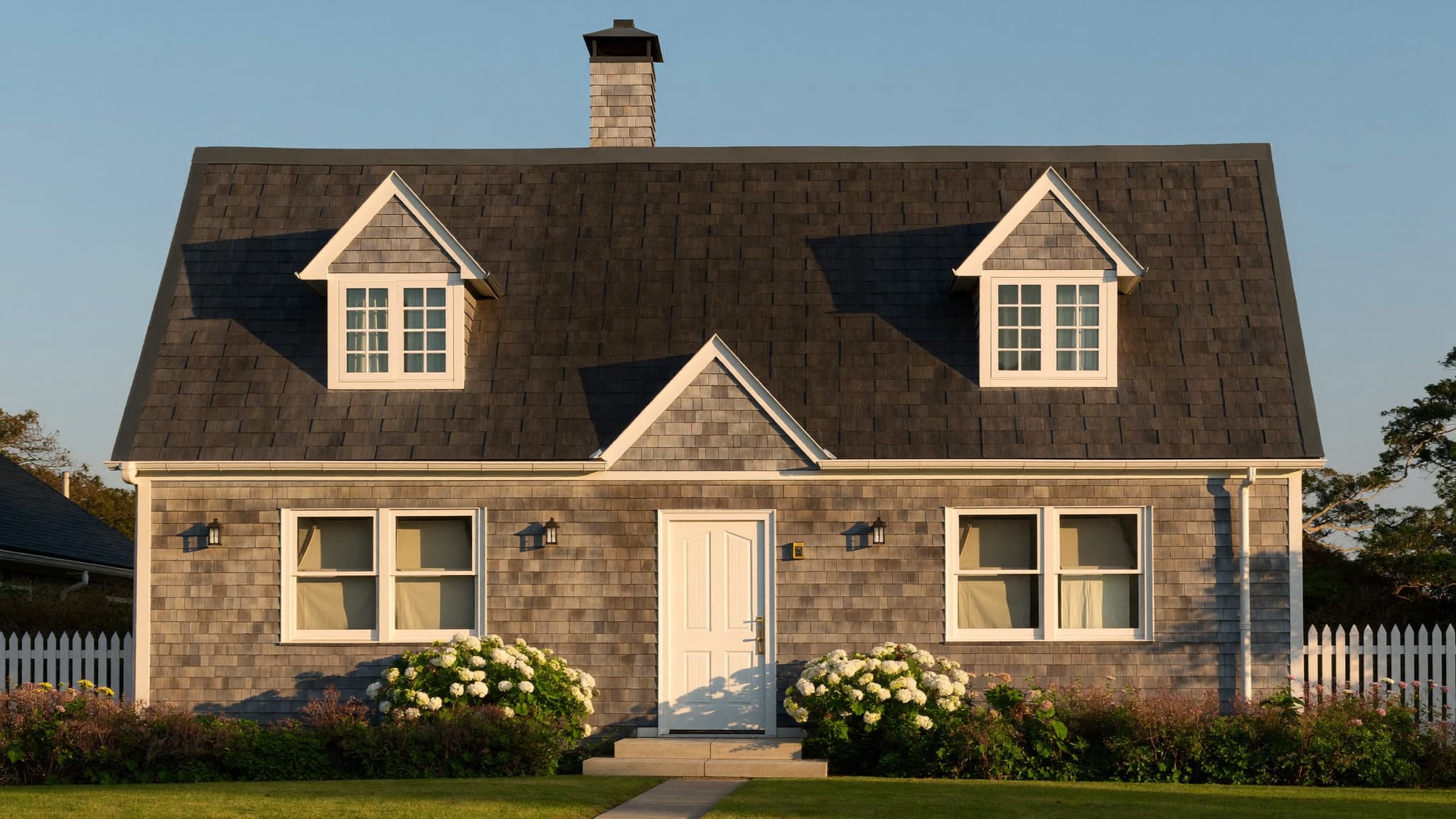
Designed by 17th-century New England settlers, the Cape Cod is one of the oldest house designs still standing in the US.
The roof pitch is steep, typically between 8:12 and 12:12 according to most architectural references, and it creates the 1.5-story structure that defines the style. The roof is the upper floor’s walls, which is why upper bedrooms feel tucked in rather than open.
Central chimney, symmetrical facade, centered front door. Dormer windows bring light into upper bedrooms without adding a full second floor.
6. Ranch / Rambler
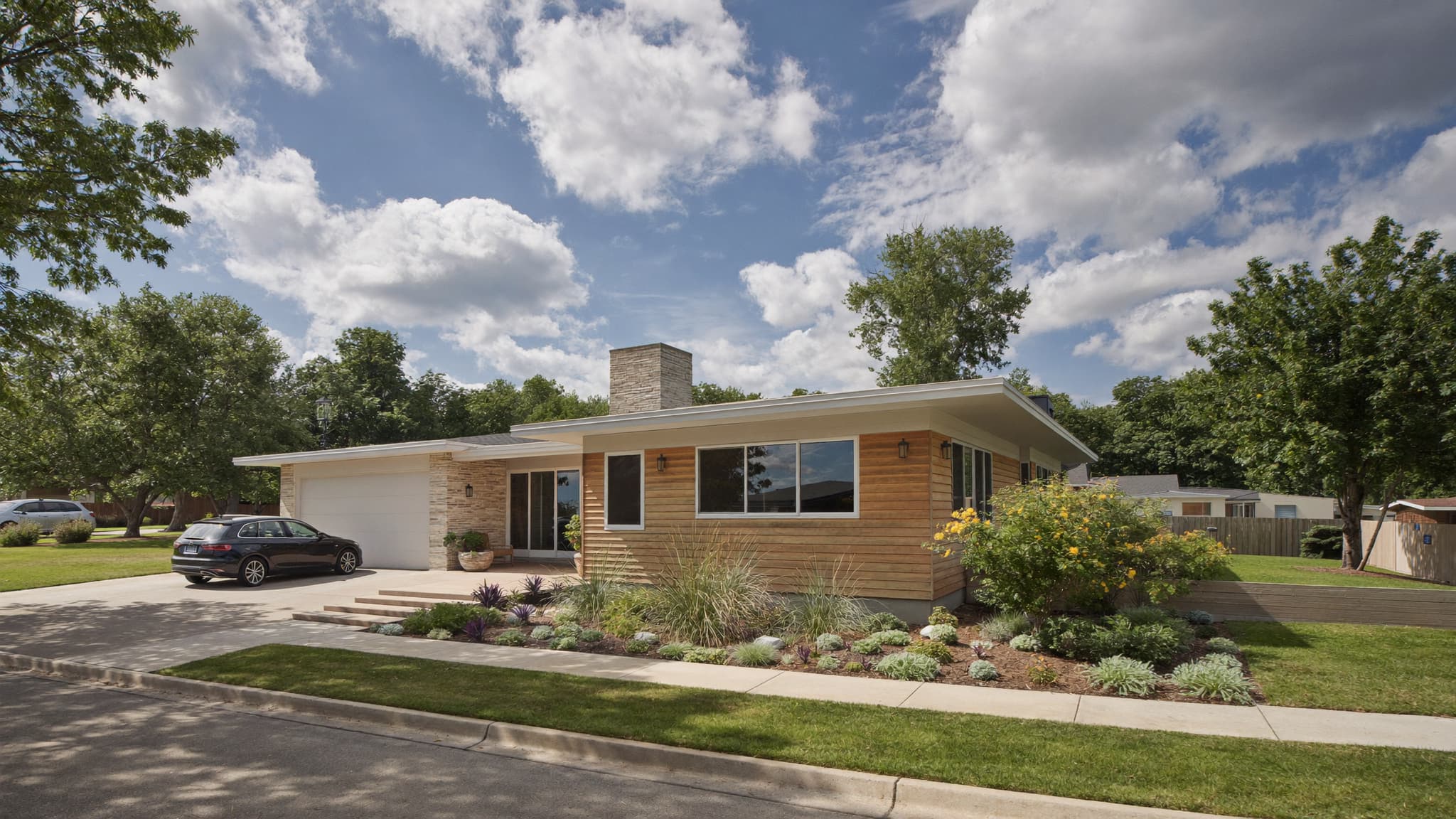
The ranch is one of the most common house styles in America, first appearing in the 1920s and exploding during the post-World War II building boom.
The style was a hit with the post-war middle class from the 1940s through the 1970s, and it’s having a serious second act right now among buyers who want single-level living.
“Ranch” and “rambler” describe the same house. “Ranch” is used in the South and Midwest. “Rambler” is the regional term in the Pacific Northwest and parts of the Mid-Atlantic. Same structure, different vocabulary depending on zip code.
Single story, long horizontal profile, low-pitched roof, attached garage, and a backyard connection through sliding glass doors or a rear patio. Open or semi-open floor plan throughout.
Ranches work well for empty nesters, buyers who need step-free access, and families who want open-plan living without a two-story footprint.
7. Farmhouse/Modern Farmhouse
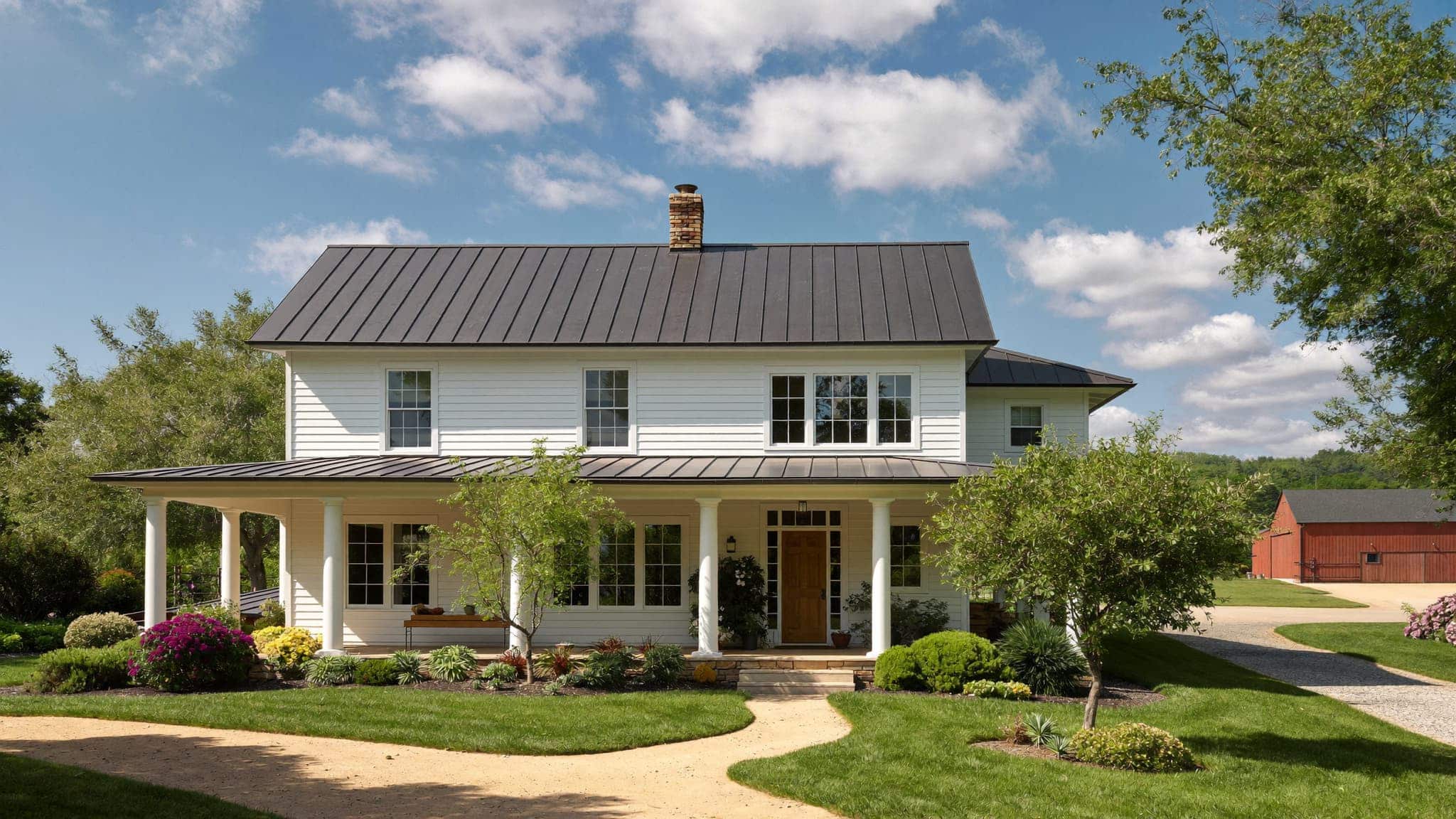
The traditional farmhouse was never designed to be beautiful. It was designed to work, and that functional honesty is exactly what made it appealing again.
Traditional farmhouses are functional two-story structures built for working land: wraparound porches, simple rooflines, practical layouts, and metal or standing-seam roofs.
The “modern farmhouse” is a design aesthetic, not an architectural style, layered onto any structure using board-and-batten siding, black window frames, shiplap walls, and barn-door hardware.
Buyers on rural or larger suburban lots who want warmth and outdoor connection. The traditional exterior holds resale value better than any trending interior look. The siding material you pair with a farmhouse, whether it’s fiber cement board-and-batten or engineered wood lap, affects both appearance and long-term maintenance.
8. Mediterranean / Spanish Revival
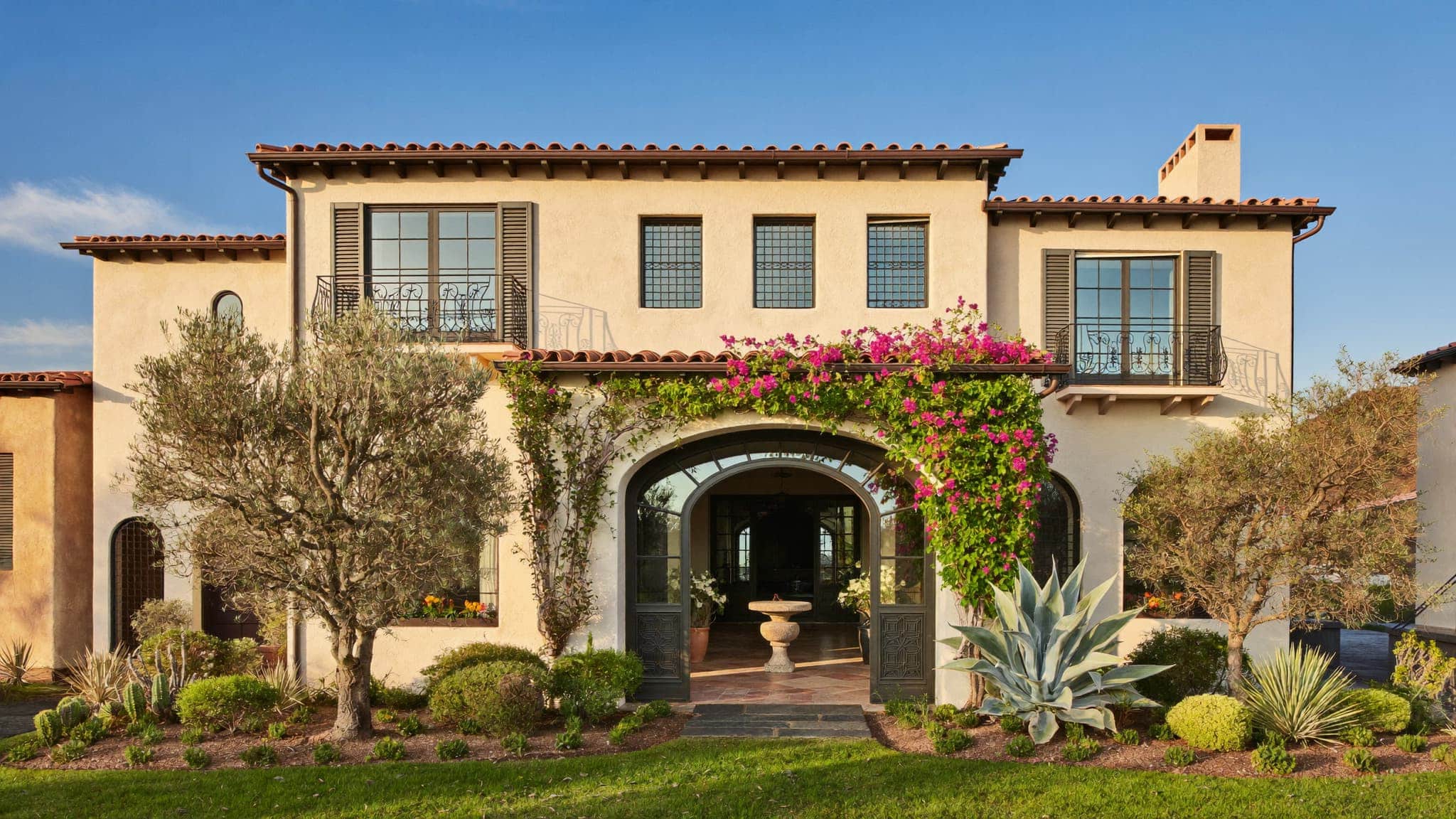
Built for sun, heat, and outdoor living, Mediterranean and Spanish Revival homes carry a character that reads as effortlessly relaxed from the street.
Red clay tile roof, smooth stucco exterior in white or warm earth tones, arched windows and doorways, wrought iron details, and interior courtyard space in larger builds.
These homes were designed for hot, dry climates.
Thick stucco walls act as natural insulation. Best suited to California, the Southwest, and Florida.
In cold or wet climates, clay tile and stucco demand more maintenance than most buyers anticipate.
9. Mid-Century Modern
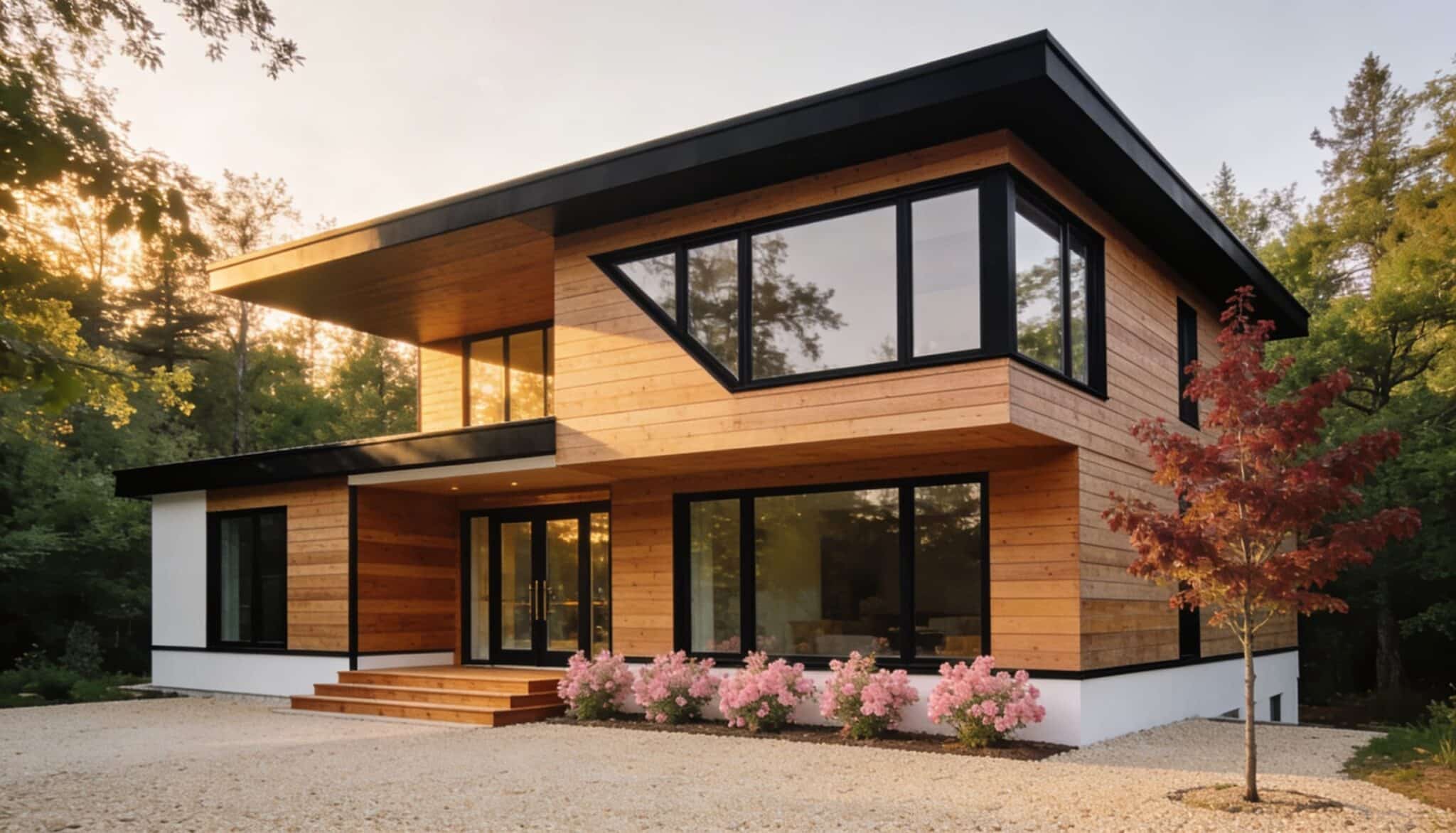
Born of the postwar optimism of the late 1940s through roughly 1970, mid-century modern homes connected indoor living to the outdoors in a way no previous American residential style had.
Flat or low-sloped rooflines, floor-to-ceiling glass, open floor plans, post-and-beam construction, and natural materials like wood and stone. Carports instead of garages. Strong horizontal emphasis.
Mid-century modern refers to a design era. The style reached its greatest popularity in North America from roughly 1945 to 1970. “Contemporary” means built now in the current style. They share a visual language but come from different eras.
10. Contemporary / Modern
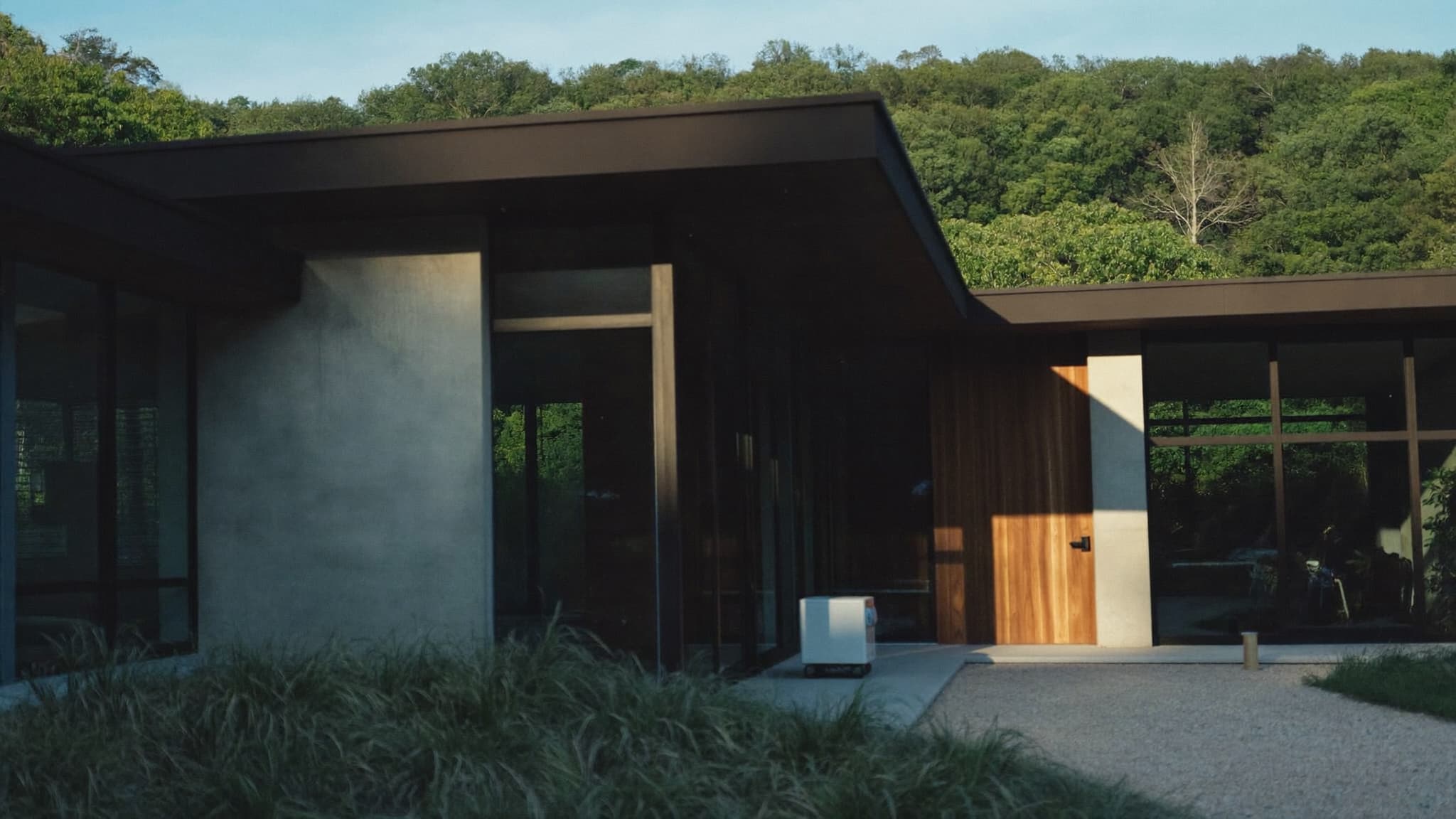
Contemporary architecture is the only style on this list that is always moving, because it reflects what architects and builders are doing right now.
Clean geometric lines, flat or minimal-pitch roofs, large windows, mixed materials including concrete, steel, glass, and wood, and a near-total absence of applied ornamentation.
In my work designing residential projects, I have seen buyers confuse “modern” with “contemporary” more than any other style pairing. Modern is a fixed historical period. Contemporary is whatever is being built today, and it changes every decade.
11. Cottage
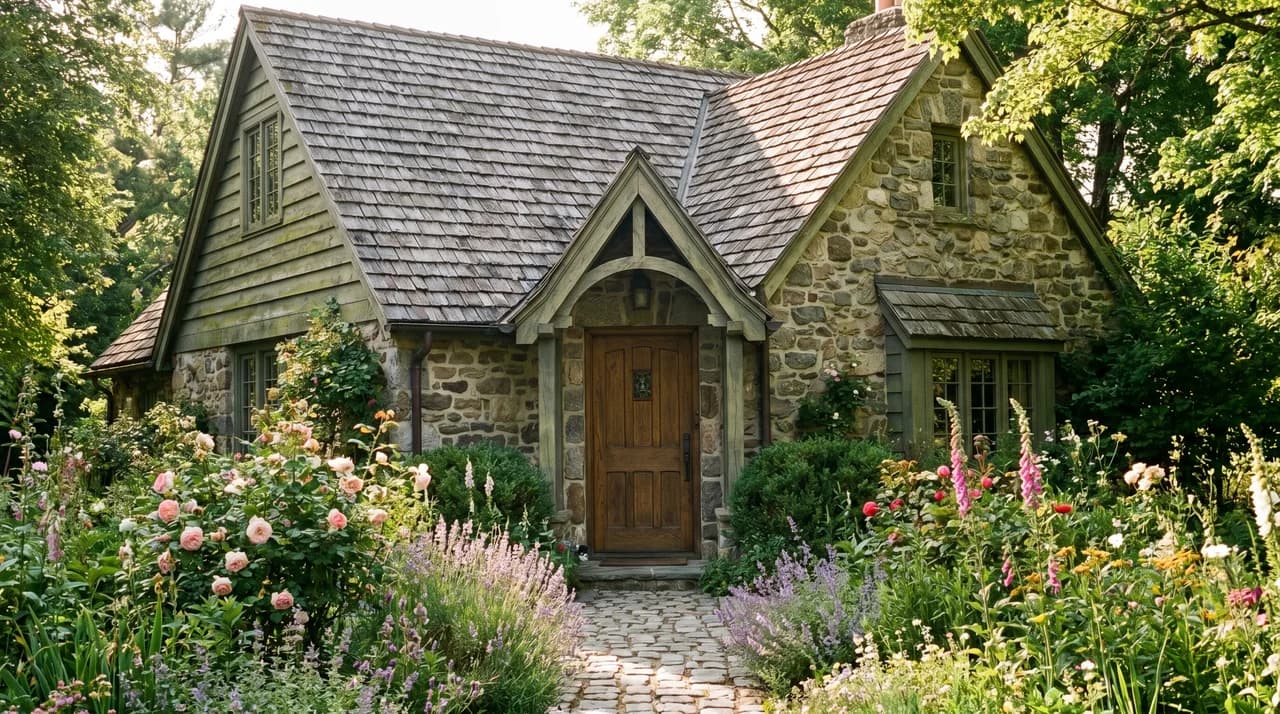
Small in footprint and high in character, the cottage is a style that rewards restraint in a way that larger homes rarely can.
Small total area (typically under 1,500 square feet), steeply pitched rooflines, cozy interior scale, and prominent natural exterior materials, including stone, brick, or wood.
Front gardens and naturalistic landscaping are common partners.
“Cottage” appears loosely in real estate listings to mean anything small and charming.
True cottage architecture has specific markers: low ceilings, irregular rooflines, nooks, and a sense that the house grew organically over time.
Also read: Types of Exterior House Stone
12. A-Frame
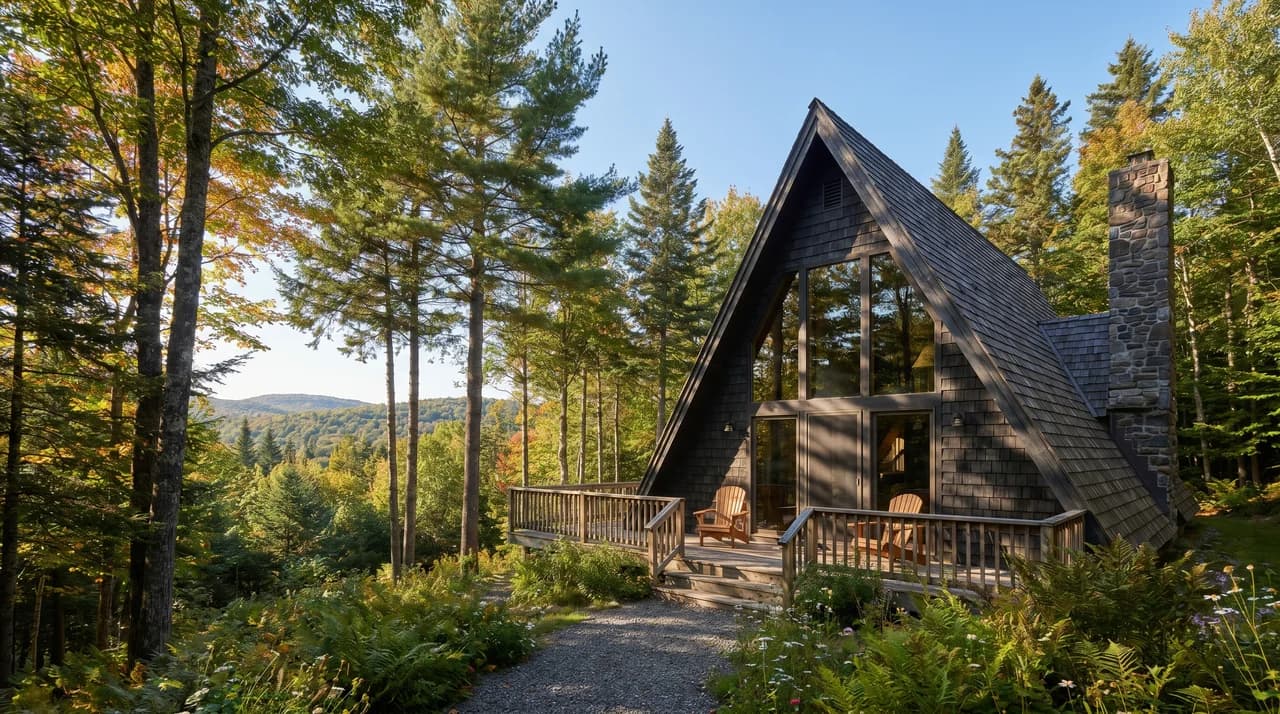
Few house shapes are as immediately recognizable as the A-Frame, where the roof and the walls are the same surface running steeply from a single peak down toward the ground.
The triangular cross-section creates a roofline that doubles as the exterior wall on both sides.
The result is a dramatic peak, wide glass panels at the front and rear, and a loft-style upper level where headroom tightens at the edges.
The triangular geometry means usable square footage is concentrated in the center of the structure.
Upper sleeping lofts are characterful but tight.
Structural Types of Houses
13. Single-Family Detached Home
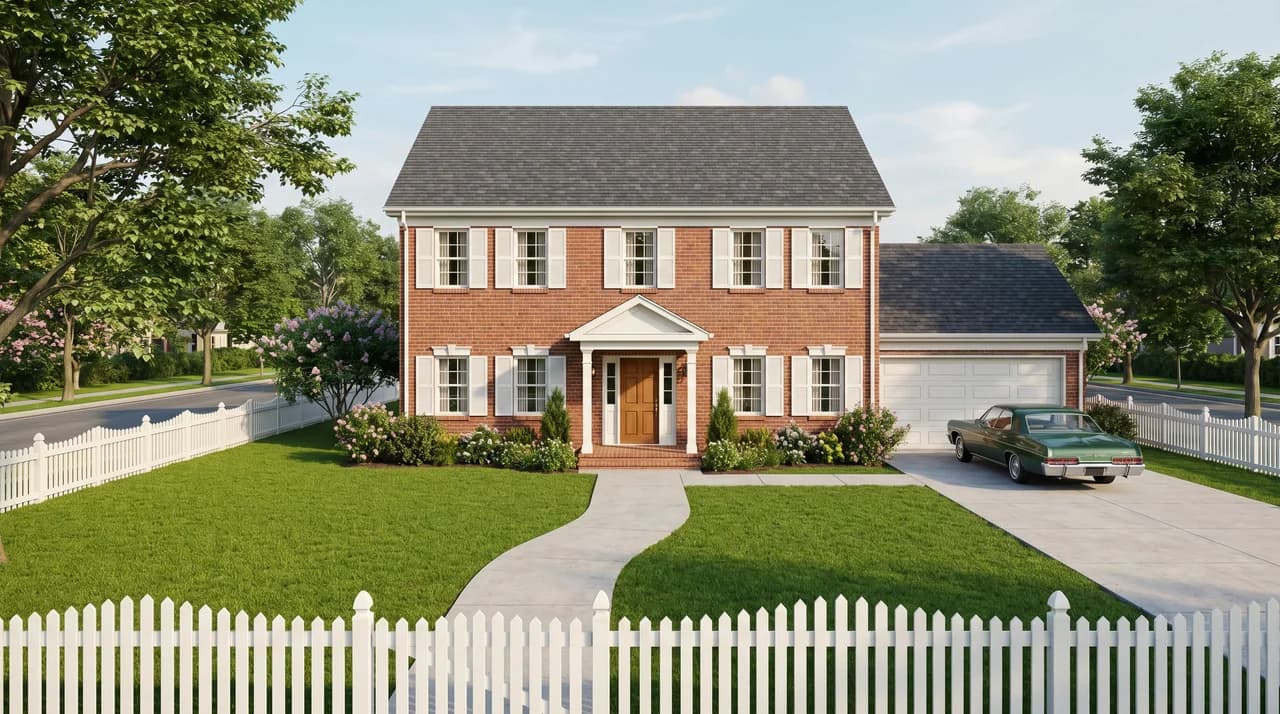
The most common housing structure in the US, and the one most people picture when they imagine “owning a home.”
A standalone structure on its own lot. The owner holds title to both the building and the land beneath it, with no shared walls.
Full privacy, no shared walls or ceilings, maximum customization rights (subject to local zoning), and historically strong appreciation over time.
Every maintenance responsibility falls on the owner. No shared costs, no management company handling the roof.
14. Townhouse / Row House
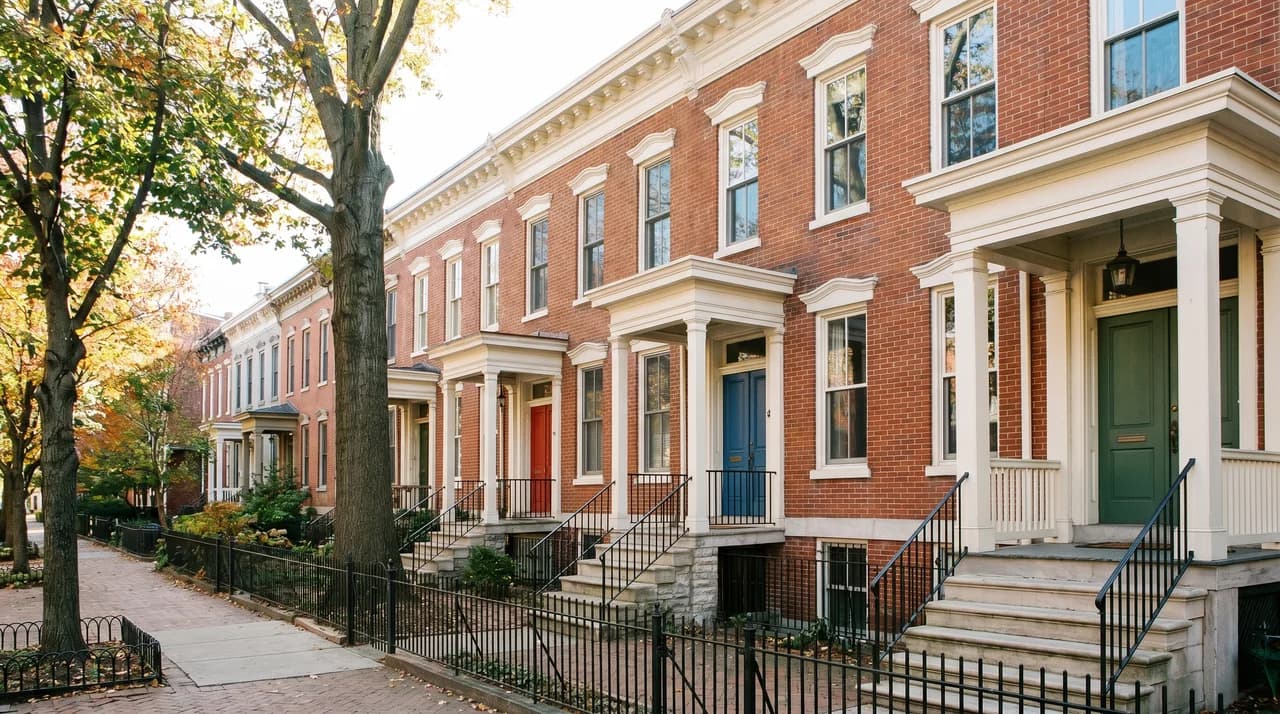
A townhouse gives buyers more space than a condo at a lower price point than a detached home, but the trade-off comes in the form of shared walls and HOA involvement.
A multi-story home attached to neighboring units on one or both sides.
The owner typically holds the interior and the land beneath the unit (unlike a condo), and an HOA usually manages exterior maintenance.
Most townhouses come with an HOA that covers roofing, exterior upkeep, and common areas, but also sets rules on paint colors, fencing, short-term rentals, and visible modifications.
15. Duplex / Triplex
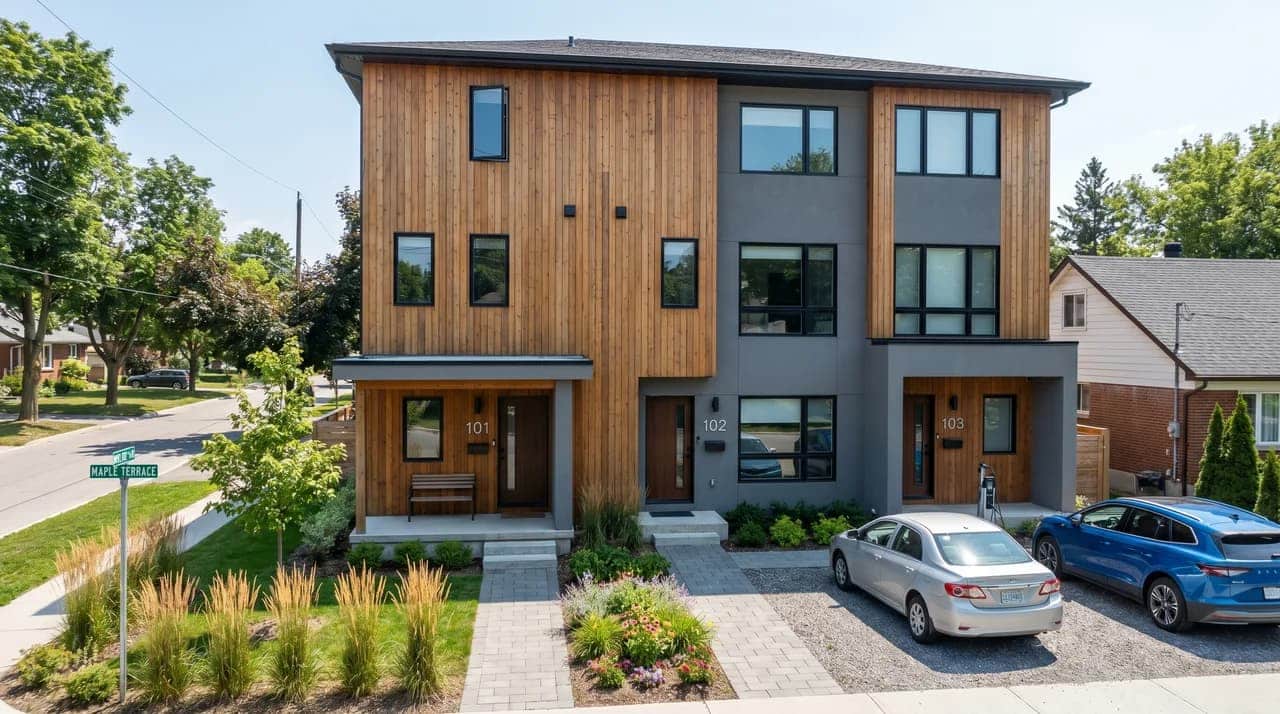
A duplex or triplex is one structure divided into two or three separate living units, each with its own entrance, kitchen, and living space.
A single building containing two (duplex) or three (triplex) fully independent homes.
The owner may live in one unit and rent the others or rent all units as an investment property.
Buy a duplex, live in one unit, rent the other. Rental income can offset a significant portion of the mortgage, sometimes covering it entirely in strong rental markets.
This is one of the most accessible entry points into real estate investment.
16. Condominium (Condo)
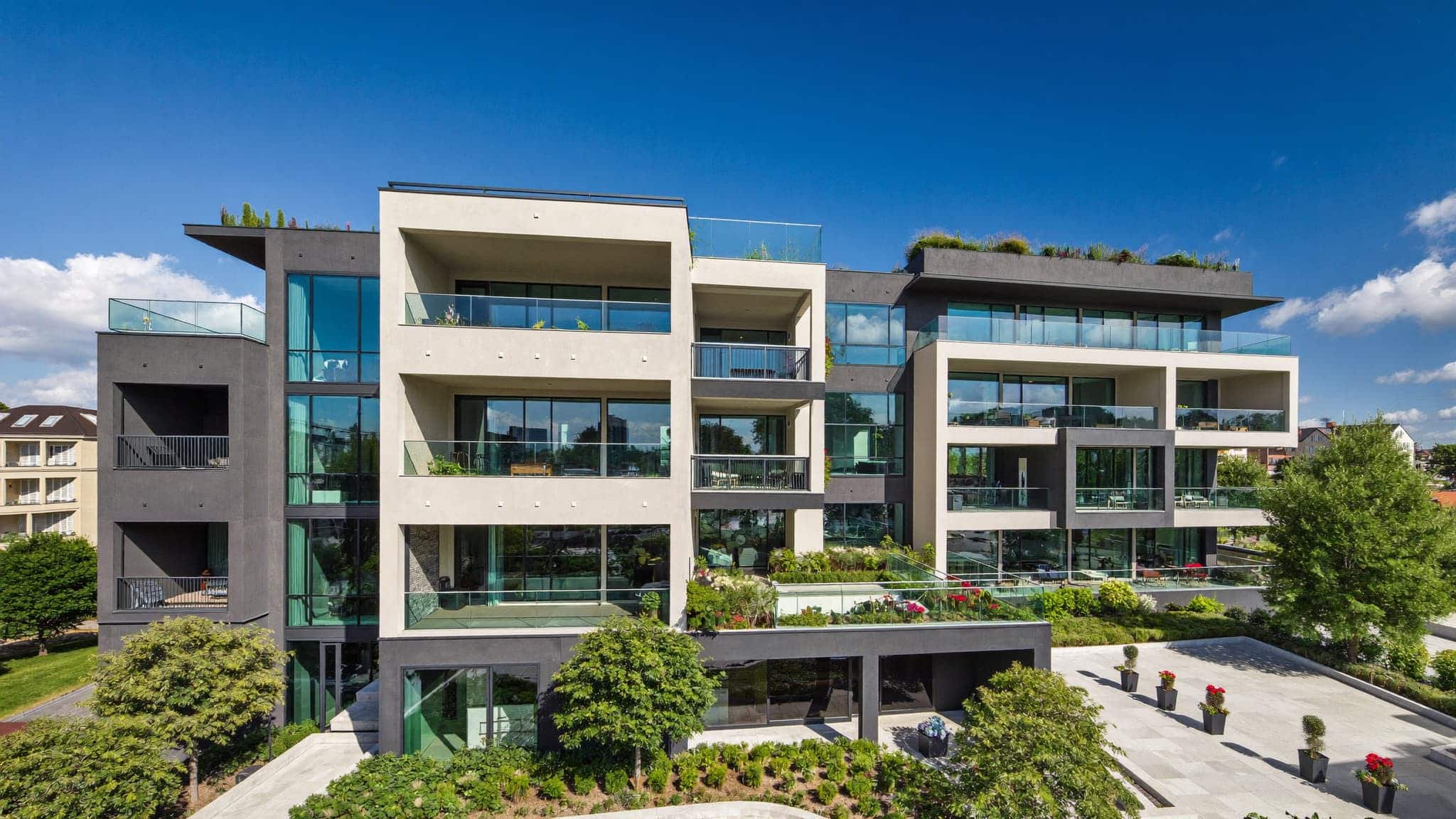
A condo gives you ownership of the space inside your unit. Everything outside that unit, including the walls, roof, hallways, and grounds, belongs to the homeowners’ association.
You own the interior of your unit. The HOA owns the exterior structure, the land, and all common areas.
The clearest distinction is land ownership.
Condo owners don’t own the land beneath their unit. Townhouse owners typically do, and townhouses rarely sit inside a large shared building.
17. Co-op
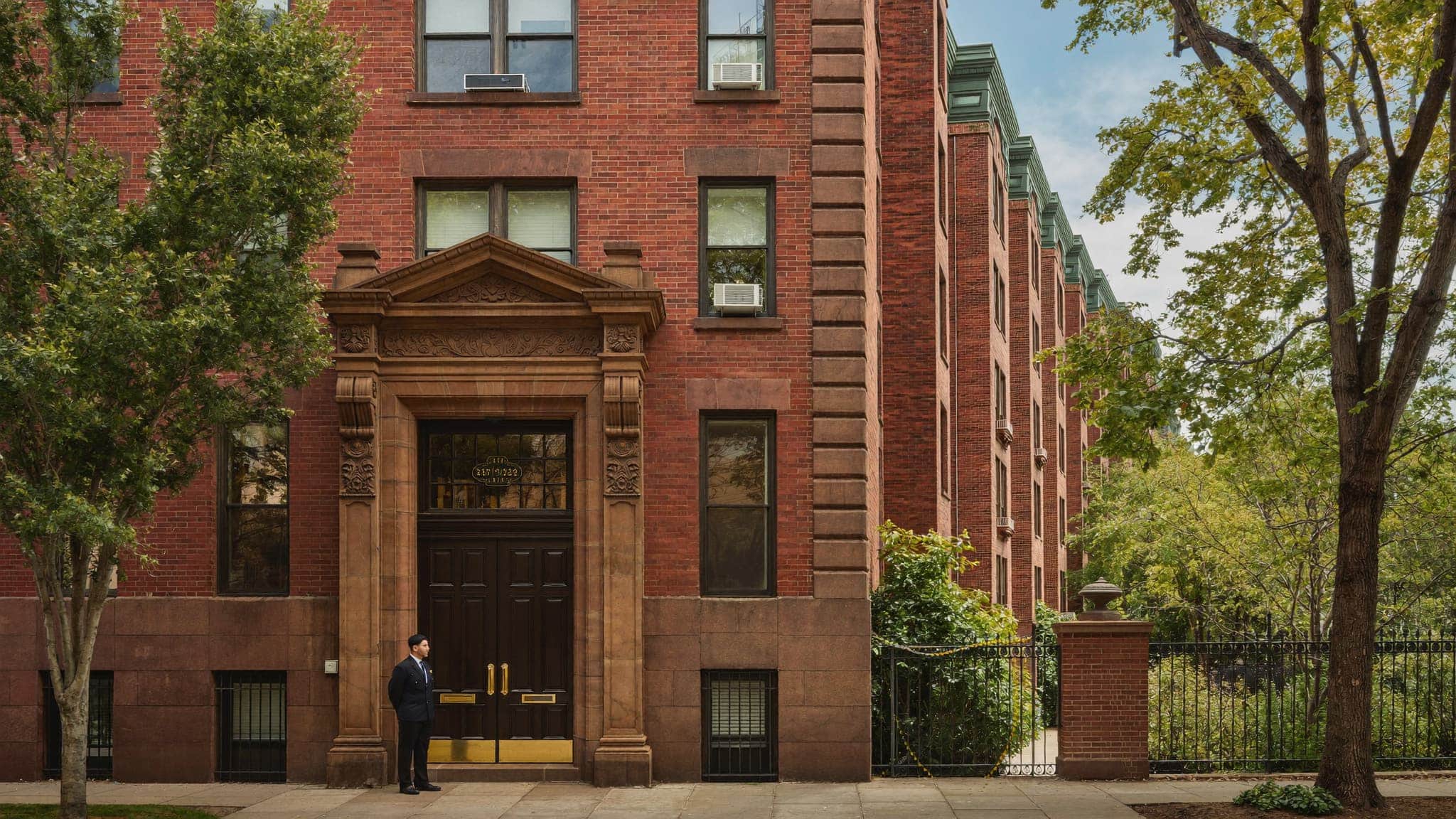
A co-op is the least conventional ownership structure on this list and the one most often confused with a condo by first-time buyers.
Instead of buying a unit, you buy shares in the corporation that owns the entire building. Those shares entitle you to occupy a specific unit and vote on building decisions.
Co-ops are mostly found in New York City, though some older buildings in Chicago, Washington D.C., and a few other large cities use the structure as well.
Co-op boards control who buys in. They can reject a purchase application without explanation. Financing is also more complex, as lenders treat co-op shares differently from real property.
18. Apartment
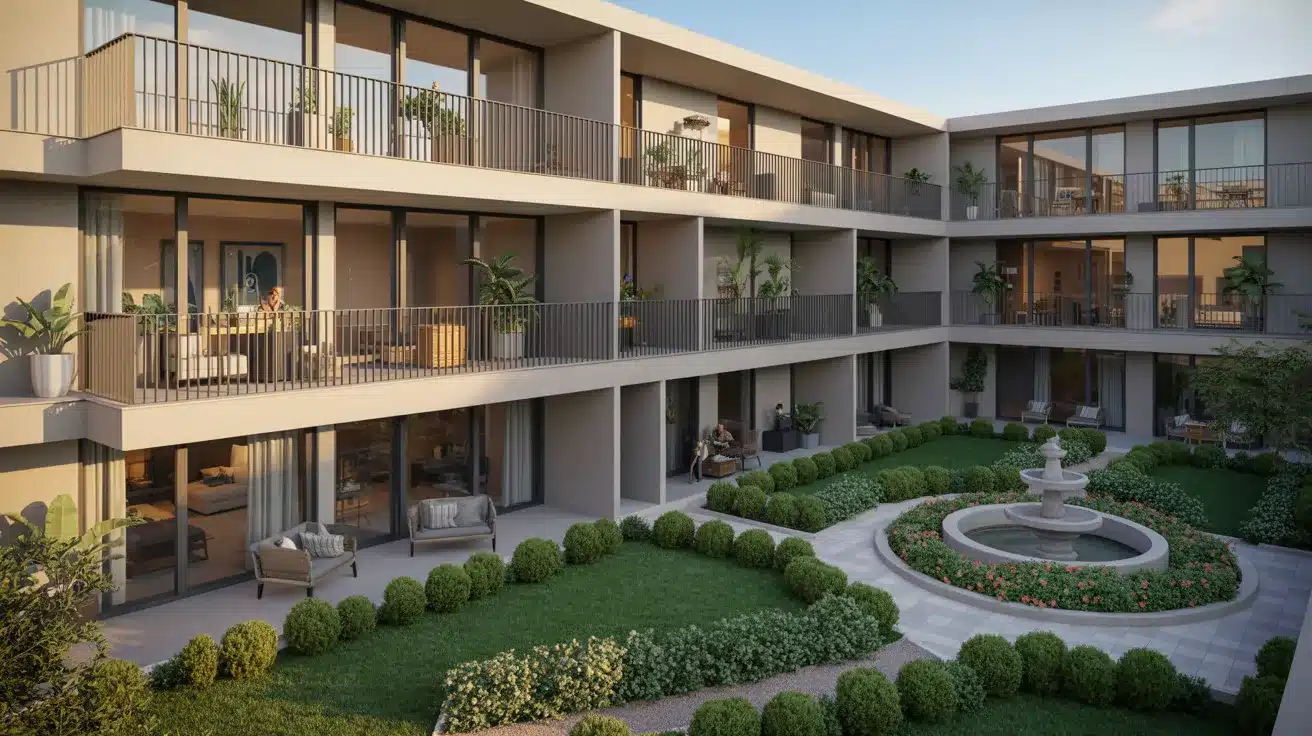
An apartment is a rented unit inside a larger building or complex. Unlike a condo, you don’t own the space. You pay rent to a landlord or management company and share common areas with other residents.
Apartments come with amenities like on-site gyms, pools, and laundry facilities, but you don’t build equity while renting. For many buyers, comparing apartment costs to mortgage payments is the first step toward deciding whether to keep renting or buy.
19. Manufactured Home
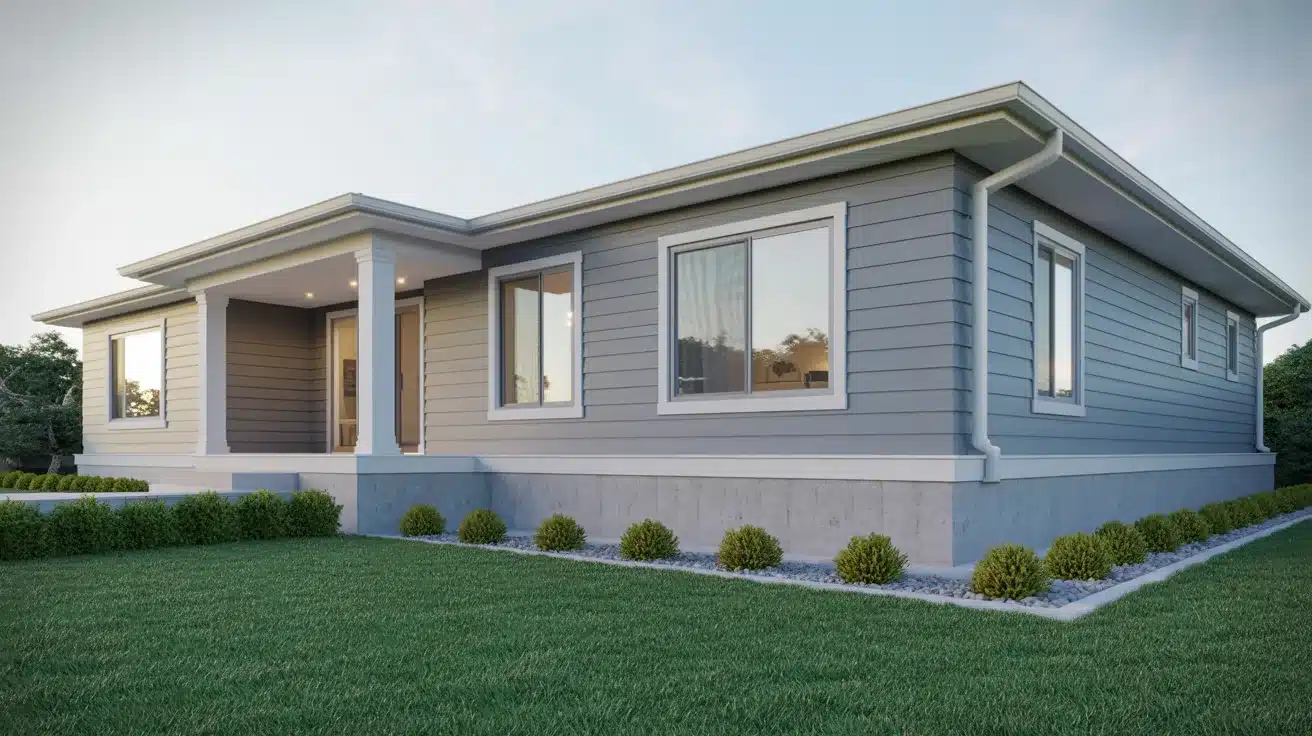
Manufactured homes carry more stigma than they deserve, particularly the newer builds, which meet strict federal construction standards and can be difficult to tell apart from site-built homes from the street.
A “manufactured home” is any factory-built home constructed after June 15, 1976, under HUD’s Manufactured Home Construction and Safety Standards (HUD Code).
Anything built before that date is technically a “mobile home.” The terms are used interchangeably in conversation, but they are legally different with separate code requirements.
20. Modular Home
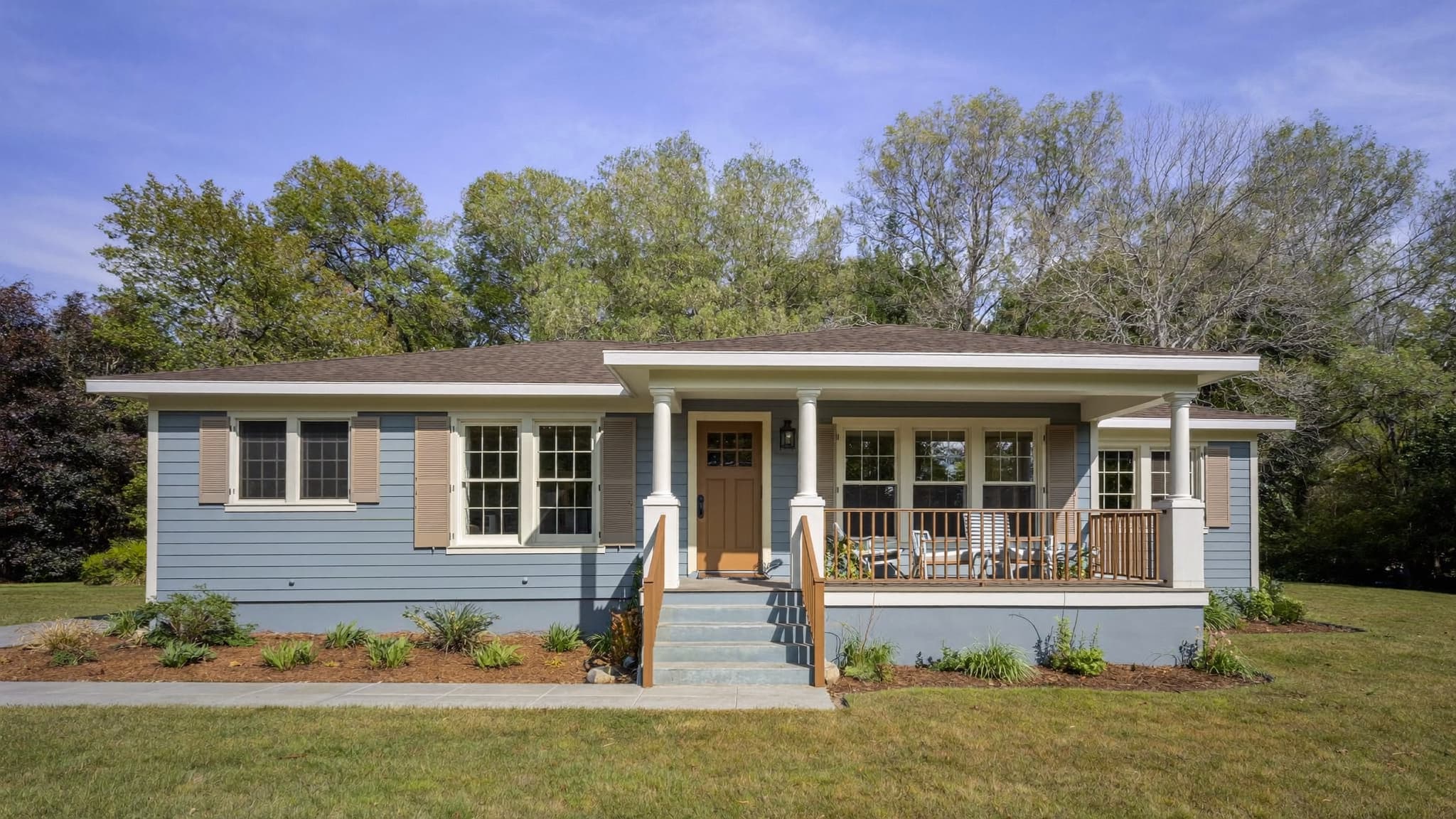
Modular homes are frequently mistaken for manufactured homes. The construction method is similar. The legal and financial treatment is completely different.
Modular homes are built in factory sections, then assembled on a permanent foundation on-site. They are built to the same local and state building codes as traditional site-built homes, appraised the same way, and financed with conventional mortgages.
The key difference: manufactured homes follow a single federal HUD code. Modular homes follow whatever state and local codes apply to the building site, just like a stick-built house. That distinction matters for appraisals, resale, and loan options.
21. Tiny House
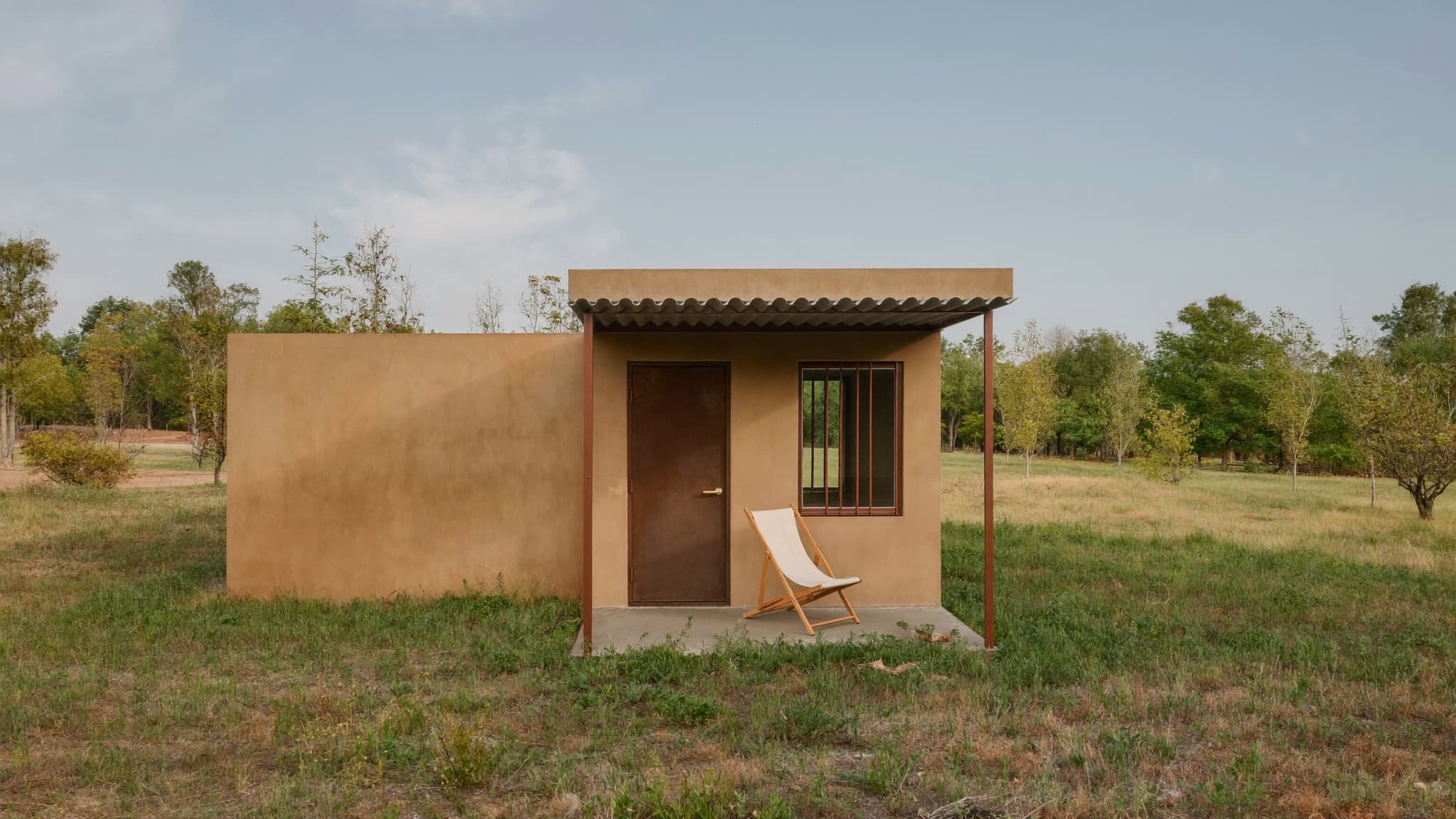
Tiny houses attract a following that is genuinely passionate about them, and a legal reality that is genuinely complicated.
Typically defined as under 400 square feet. They come in two forms: a tiny house on a foundation (THOF), treated legally like a regular dwelling, and a tiny house on wheels (THOW), which sits on a trailer and falls under a different set of rules.
Most municipalities set minimum square footage requirements for permanent dwellings, and many THOWs are classified as RVs rather than homes.
Before purchasing land with plans to place a tiny house on it, call the county planning department directly and ask for a written ruling.
22. Accessory Dwelling Unit (ADU)
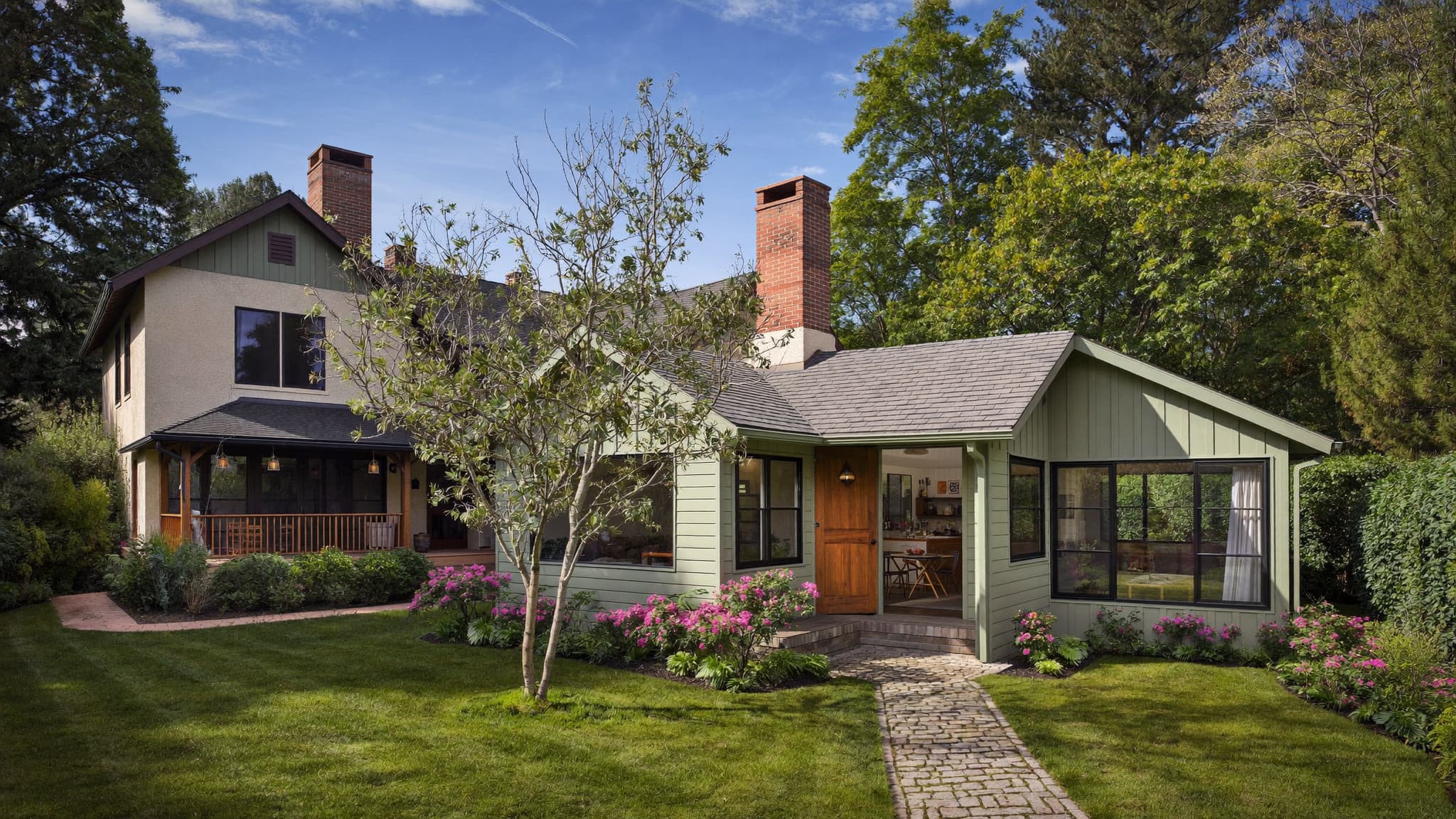
An ADU is a second, independent living space built on the same lot as a primary home. It is one of the most practical housing additions a homeowner can make right now.
Can take several forms: a detached backyard cottage, a converted garage, a basement apartment, or an attached addition with its own entrance, kitchen, and bathroom.
An ADU cannot be sold separately from the primary home.
Dozens of states have passed zoning reform laws making ADUs easier to permit and build. California, Oregon, and Washington have removed major barriers in recent years.
Many homeowners use them to generate rental income, house aging parents, or offer space to adult children.
If you’re weighing the cost of adding living space to your property, home addition pricing varies by size, materials, and whether you’re building from scratch or converting existing space.
23. Container Home
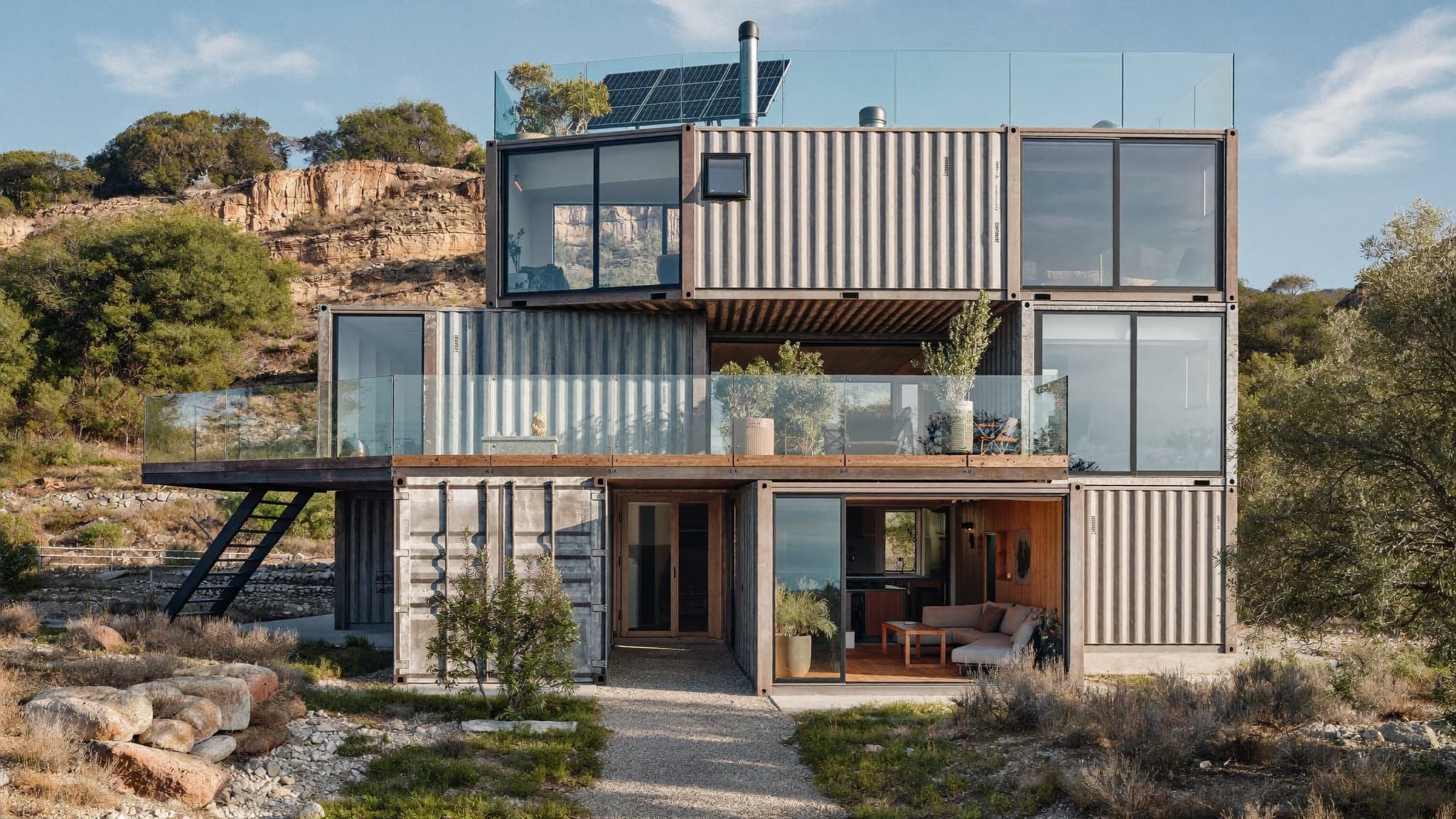
Shipping container homes are among the most photographed alternative housing types online and among the most misunderstood in terms of actual cost.
A home built from repurposed intermodal shipping containers: steel boxes that originally transported cargo, available in 20-foot and 40-foot standard lengths and a standard 8-foot width.
Container homes are often marketed as cheap. The reality is more complicated. Insulation, interior framing, plumbing, electrical, and foundation work add up fast. A finished container home can cost as much or more per square foot as traditional construction, depending on location and finish level.
24. Barndominium
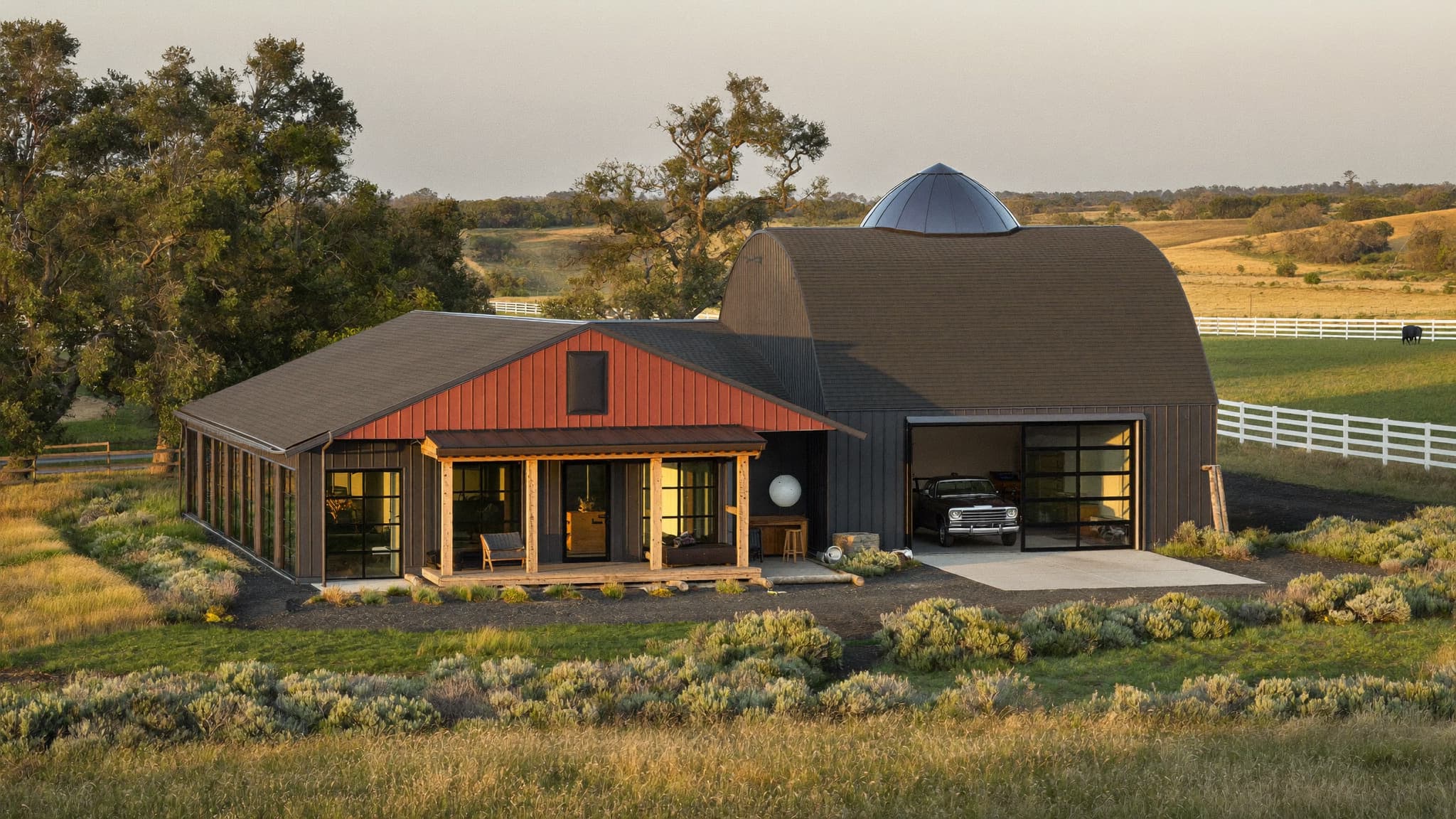
The barndominium may be the growing alternative housing type in rural America, particularly in Texas and across the Midwest, where large metal building shells can be sourced quickly and built on working land.
A steel barn shell, either repurposed or purpose-built, converted into a primary residence.
The name blends “barn” and “condominium,” though most barndominiums are single-family homes with an attached utility, workshop, or garage bay.
Conventional lenders have historically been cautious about barndominiums because of appraisal challenges. Interior finishes range from bare-bones industrial to fully custom kitchens with open-concept layouts and statement islands that rival any suburban home.
How to Choose the Right Type of House
The best home isn’t the one with the most curb appeal. It’s the one that fits your daily life, your ten-year plan, and your monthly budget.
Four factors matter most when narrowing down house types:
- Budget: Figure out a monthly payment that covers your mortgage, taxes, insurance, and maintenance without stretching you thin. A Victorian may be beautiful, but a 120-year-old roof and knob-and-tube wiring will cost more to maintain than a 2015 ranch.
- Lifestyle: Decide if you prefer the privacy of your own yard and hands-on upkeep or the convenience of a managed property where someone else handles the roof.
- Location: Your surroundings will dictate which types of houses are available. Mediterranean homes are easy to find in Phoenix and rare in Vermont. Brownstones line Brooklyn streets but don’t exist in Houston suburbs.
- Future plans: A starter condo works well for a single buyer who may relocate in three years. A four-bedroom Colonial makes more sense for a family planning to stay put through high school graduation.
Quick Comparison: Different Types of Houses at a Glance
| House Type | Best For | Own the Land? | Typical Maintenance | Relative Cost |
|---|---|---|---|---|
| Single-Family Detached | Families, privacy seekers | Yes | High (all on you) | $$$$ |
| Townhouse | First-time buyers, small families | Usually | Medium (HOA covers exterior) | $$$ |
| Condo | Urban buyers, low-maintenance seekers | No | Low (HOA covers most) | $$ |
| Co-op | NYC buyers, community-focused | No (shares) | Low (building manages) | $$ |
| Duplex / Triplex | Investors, house-hackers | Yes | High | $$$ |
| Manufactured Home | Budget-conscious buyers | Depends on lot | Medium | $ |
| Modular Home | Custom builders on a timeline | Yes | Same as site-built | $$-$$$ |
| Tiny House | Minimalists, mobile buyers | Varies | Low | $ |
| ADU | Homeowners adding income or family space | Same lot as primary | Medium | $$ |
| Container Home | Rural or adventurous builds | Yes (if you own the lot) | Medium | $$ |
| Barndominium | Rural buyers, workshop seekers | Yes | Low-medium | $$ |
When you know the difference between a home’s look and the reality of owning it, you make better decisions at every step. Start by identifying which structural type matches your finances and lifestyle. Then narrow by architectural style. That order keeps emotion from overriding your budget.
Final Thoughts
Finding the right house is about more than just picking a favorite look; it’s about aligning the architectural character you love with an ownership structure that fits your daily life.
While a home’s style defines its personality and how you’ll decorate your space, its structural type dictates your long-term responsibilities, legal rights, and monthly costs. Both are essential pieces of the same puzzle.
Before you commit to a specific floor plan, take some time to explore different neighborhoods and experience these designs in person.
When you can distinguish between the aesthetic of a house and the reality of owning it, you’ll be able to navigate the market with genuine confidence.
Your perfect home is out there; now you have the tools to recognize it when you see it.
Frequently Asked Questions
How Do Property Taxes Differ Between Styles?
Property Taxes Are Determined by the Home’s Assessed Value and Local Tax Rates, Not Its Architectural Style.
Can Any House Style Be Turned Into a Smart Home?
Yes, smart home technology is independent of architecture.
Does the House Style Affect My Insurance Premium?
Insurance Companies Focus on Risk Factors Such as the Age of the Roof and the Materials Used.