
A room that functions well rarely gets noticed for it. You move through it without friction, find storage where you need it, and feel comfortable without knowing why. That outcome does not happen by accident.
It is the result of internal architecture, the discipline that handles the structural and spatial planning behind interior spaces before a single tile gets chosen or a piece of furniture arrives.
Internal architecture sits between full-scale building design and interior decorating. It deals with walls, openings, ceiling heights, circulation routes, lighting placement, materials, and building systems.
Where interior design focuses on how a space looks, internal architecture focuses on whether it actually works. The two disciplines are related, but they are not the same thing.
This guide explains what internal architecture is, how it differs from interior design, what the process looks like in practice, and when bringing in an internal architect makes sense for your project.
What Is Internal Architecture?
Internal architecture covers the structural and technical side of interior spaces. It is not about decoration. It is not about choosing colors or furnishings.
It is about planning walls, openings, ceiling heights, materials, lighting placement, and circulation so that a space functions properly.
The question I hear most often is: What exactly does an internal architect do that a designer does not?
The honest answer is this. Internal architecture focuses on what holds a space together from a technical and structural standpoint. It addresses how a space performs, not just how it appears. It is not just what looks good on top.
The field sits between full-scale architecture and interior design. It requires knowledge of building systems, safety codes, spatial flow, and material performance.
The four goals that drive every internal architecture decision:
- Function – Does the space support how people will actually use it?
- Safety – Do the structure and materials meet building codes?
- Flow – Can people move through the space without friction?
- Visual quality – Does the design hold together without relying only on decoration?
Internal Architecture vs Interior Design
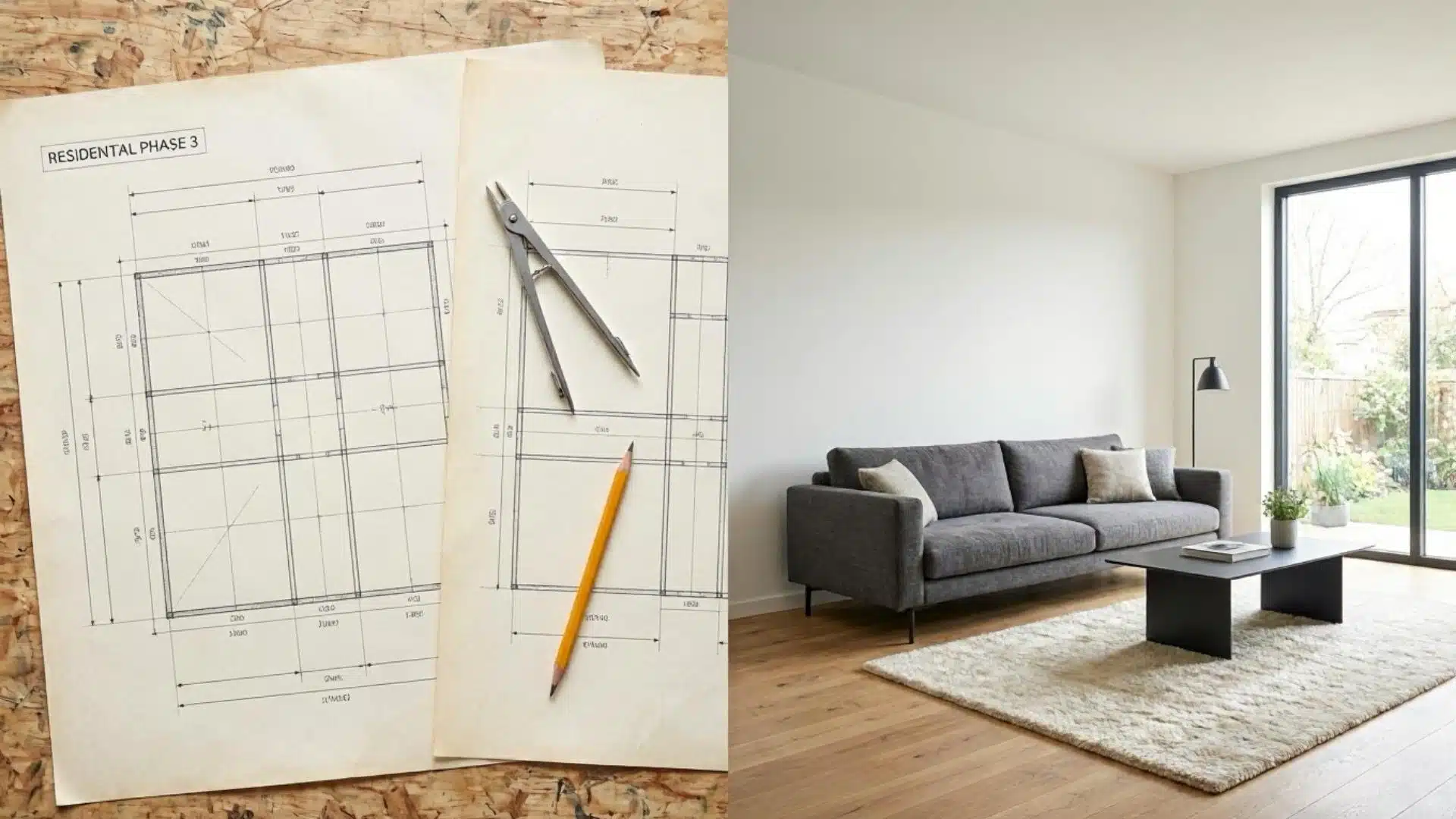
Many people use these terms as if they mean the same thing. They do not.
| Factor | Internal Architecture | Interior Design |
|---|---|---|
| Focus | Structure, layout, building systems | Surface finishes, furniture, decor |
| Scope | Walls, openings, ceilings, and circulation | Colors, textiles, accessories |
| Technical depth | Building codes, structural knowledge | Style and visual experience |
| When needed | New builds, renovations, adaptive reuse | Styling and visual upgrades |
| Where both overlap | Space planning, material selection | Space planning, material selection |
A good internal architect plans how a kitchen wall opens into a living area. They determine what structural support the change requires. An interior designer picks the tile color and cabinet hardware. On most projects, both roles work together.
What Does an Internal Architect Actually Do?
The work covers a wider range than most clients expect. Here is a practical breakdown:
- Reworking floor plans and spatial flow
- Planning walls, doorways, staircases, and fixed features
- Coordinating ventilation, lighting, and mechanical systems
- Choosing materials that perform well and suit the space
- Meeting accessibility standards and safety codes
- Working with contractors, engineers, and project consultants
In residential work, the biggest wins often come from spatial planning. A wall that has moved 60 centimeters can change how a room feels entirely. That is not a small thing. It is the kind of decision that costs almost nothing to make early and a great deal to fix later.
Key Elements of Internal Architecture in Real Projects
Strong internal architecture shows up in specific parts of every space. These elements are all connected.
| Element | What It Covers |
|---|---|
| Spatial planning | Room layout, proportions, and zoning |
| Circulation | How people move through the space |
| Built-in features | Storage, shelving, and integrated fixtures |
| Surfaces | Ceilings, floors, and partition walls |
| Lighting | Natural light placement and artificial lighting strategy |
| Materials | Durability, texture, and fit for purpose |
| Acoustics | Sound control and privacy between spaces |
| Accessibility | Inclusive use for all types of users |
Poor circulation makes storage hard to reach. Bad acoustic planning makes open layouts noisy. A strong internal architecture treats these as a single system rather than separate decisions.
Practical Applications of Internal Architecture
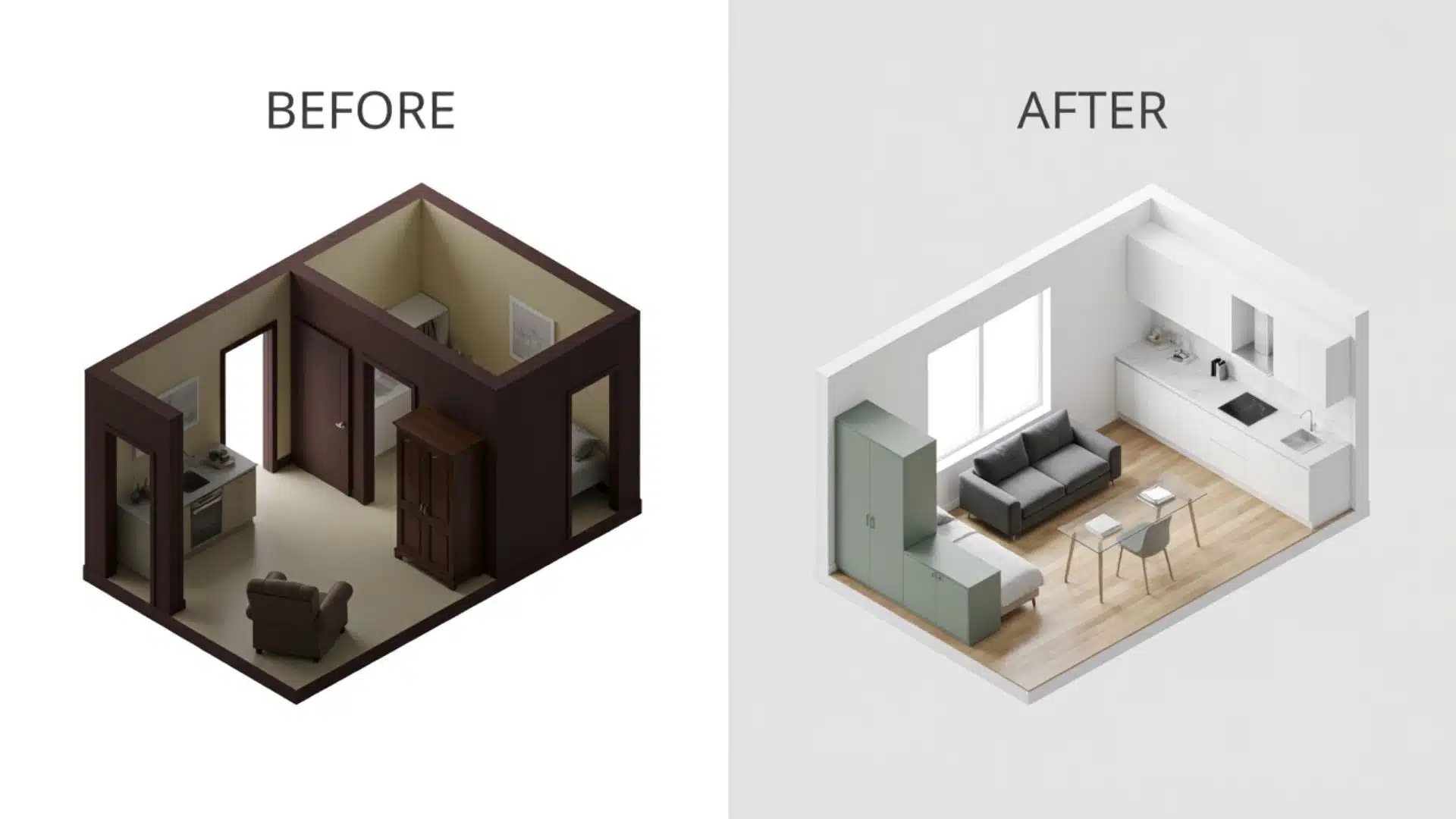
Internal architecture applies across many building types. The priorities shift depending on the project.
Where Internal Architecture Is Applied
- In homes and apartments, layout planning determines how rooms connect; built-in storage solves space problems. This is why a well-planned kitchen remodel starts with spatial decisions, not finishes, and material choices affect long-term durability and comfort.
- In commercial offices, it separates focused work zones from collaborative areas, reduces noise in open-plan layouts, and improves lighting and ventilation for daily work.
- In retail stores, customer movement is planned from entry to checkout, display zones are positioned for product visibility, and materials reinforce the brand environment.
- In restaurants and cafes, seating layouts balance capacity with noise control, kitchen flow affects service speed, and acoustic planning shapes how the space feels.
- In hotels and resorts, guest circulation is mapped structurally, room layouts prioritize comfort and natural light, and common areas handle high foot traffic without feeling congested.
- In healthcare spaces, accessibility standards shape every layout decision, hygiene-focused materials are used throughout, and circulation routes reduce stress for patients and staff.
- In educational buildings, flexible layouts allow rooms to serve multiple functions, acoustic comfort between classrooms is a core requirement, and circulation routes handle large numbers of people moving at the same time.
Adaptive reuse projects are the most technically demanding. You are working with existing structural constraints while trying to meet current codes and user needs at the same time.
How Internal Architecture Affects Energy Efficiency
The layout decisions made during the internal architecture process directly affect how much energy a home or building consumes over its lifetime. This is an area most clients do not think about until after construction is complete, when the bills start arriving.
Positioning rooms to take full advantage of natural light reduces the need for artificial lighting during the day. Recessed lighting placement, for example, works best when the internal architect has already planned ceiling zones and natural light paths rather than retrofitting fixtures into a finished space.
Window placement also plays a role. When window sizing and positioning are planned as part of the internal architecture rather than added as an afterthought, the results in terms of light, warmth, and ventilation are meaningfully better.
Insulation specified during the structural planning phase, rather than squeezed into a wall cavity at the end of a build, performs better and costs less to maintain.
Materials chosen for thermal mass in appropriate rooms can reduce heating and cooling loads without any additional mechanical systems.
Getting these decisions right during the planning phase costs nothing extra. Correcting them after the build is expensive and often impractical.
The Internal Architecture Process

Most projects follow a clear sequence. Skipping steps is where things go wrong.
I have seen clients rush straight to materials and finishes before anyone has properly examined the existing structure. That almost always creates problems mid-build. The process below is not theoretical. It is what actually happens on well-run projects.
Step 1: Client Brief and Project Goals
Every project starts with a conversation. The internal architect sits with the client and asks the right questions.
- How will you use this space daily?
- What does not work in the current layout?
- What is your realistic budget?
- Do you have a target completion date?
- Are there any fixed elements you want to keep?
The answers shape every decision that follows. A brief that is vague at this stage leads to scope changes later. Scope changes cost money and time.
Step 2: Site Review and Existing Condition Assessment
Before any planning starts, the internal architect visits the site. They look at:
- The current structural layout, including load-bearing walls
- Ceiling heights and floor conditions
- Natural light sources and window positions
- Existing mechanical, electrical, and plumbing runs
- Any code violations or compliance issues already present
Older buildings often hold surprises. A wall that looks non-structural can turn out to carry the floor load above it. Finding that out during demolition is expensive. Finding it during the site review costs nothing.
Step 3: Concept Sketches and Spatial Strategy
With a clear brief and site conditions in hand, the internal architect develops layout options. These are not finished drawings. They are working sketches that test different spatial arrangements.
At this stage, the architect is asking: where does circulation flow best? Where does natural light land? What layout gives the client what they actually need day to day?
Multiple options are usually presented. The client selects a direction. The concept is then refined into a clearer spatial plan before technical work begins.
Step 4: Material Planning and Technical Detailing
Once the spatial strategy is confirmed, the technical work starts. This is the most detailed phase of the process.
| Detail Area | What Gets Decided |
|---|---|
| Wall construction | Materials, thickness, acoustic performance |
| Floor finishes | Durability, subfloor requirements, transitions |
| Ceiling systems | Height, lighting integration, and acoustic panels |
| Built-in elements | Storage, shelving, joinery specifications |
| Lighting plan | Fixture positions, natural light strategy |
| Mechanical coordination | HVAC, electrical, plumbing routes |
Every decision gets documented. Contractors build from these drawings. Gaps in documentation become disputes on-site.
Step 5: Coordination With Engineers and Contractors
Internal architecture does not happen in isolation. Structural engineers confirm whether walls can be removed. Mechanical engineers route systems without compromising ceiling heights. Contractors flag anything that looks difficult to build as drawn.
This coordination phase is where good internal architecture earns its value. A design that looks right on paper but cannot be built efficiently is not good. The internal architect manages these conversations and adjusts the drawings where needed.
Step 6: Construction Phase Decisions and Site Adjustments
Once construction starts, new information arrives. A structural beam sits lower than the drawings showed. A plumbing run cannot shift as planned. The site conditions do not match the original survey.
The internal architect makes decisions on-site during this phase. They do not leave the contractor to guess. Quick, informed decisions keep the project moving. Slow responses or unclear directions cause delays.
This is the phase most clients do not see. It is also one of the most important.
On a bathroom renovation I oversaw a few years back, the existing floor joists came in 40mm lower than the survey suggested.
Had no one been on-site to make a quick structural call, the client would have been looking at a week-long delay and a full resubmission to the engineer.
The decision took about twenty minutes. That kind of on-the-ground judgment is exactly what the coordination phase is for. If you are working on a bathroom renovation at a smaller scale, the same principle holds: plan your layout decisions before anything gets torn out.
Step 7: Final Walkthrough and Performance Review
When construction is complete, the interior architect walks the finished space with the client. They check:
- Does the layout work as planned?
- Are circulation paths clear and functional?
- Do materials perform as specified?
- Are lighting levels appropriate for each zone?
- Are all code and accessibility requirements met?
Any issues found at this stage are resolved before the project is formally closed. A final review also gives the internal architect useful feedback for future projects.
Changes made early in this process cost far less than changes made during construction. That holds on every project I have worked on, large or small. The process is not bureaucratic. It is how you avoid expensive mistakes.
When Should You Bring in an Internal Architect?
Not every project needs one, but several situations clearly call for it.
If you are removing walls, changing room layouts, or adding structural openings, an internal architect should be involved from the start.
The same applies to any project where mechanical systems, plumbing routes, or ceiling heights are being changed. Adaptive reuse projects that convert a garage, basement, or commercial shell into living space almost always require input from an interior architect to meet code and function well.
For straightforward cosmetic work, an interior designer is usually sufficient. When the structure itself is being altered, or when you want a space that genuinely performs rather than just looks good, internal architecture is where you start.
Getting the brief right early, before anyone swings a hammer, is the single biggest factor in keeping a project on budget. Most cost overruns trace back to structural decisions made only mid-build. A good internal architect removes that risk.
Why Internal Architecture Matters for User Experience
The way a space is built affects how people feel in it. This is physical, not abstract.
A layout with poor circulation forces people to take inconvenient paths through their own home or office. A room without acoustic planning quickly becomes noisy and tiring.
Materials chosen without durability in mind wear out quickly and cost more to maintain over time.
Good internal architecture addresses all of this before construction starts. The goal is a space that works well on the first day and continues to work well for years.
There is also a financial case. Spaces with strong structural and spatial planning hold their value better. Spaces where only surface finishes were considered often do not. A well-planned bathroom layout, for example, adds resale value in ways that expensive tile alone does not.
Common Challenges in Internal Architecture Projects
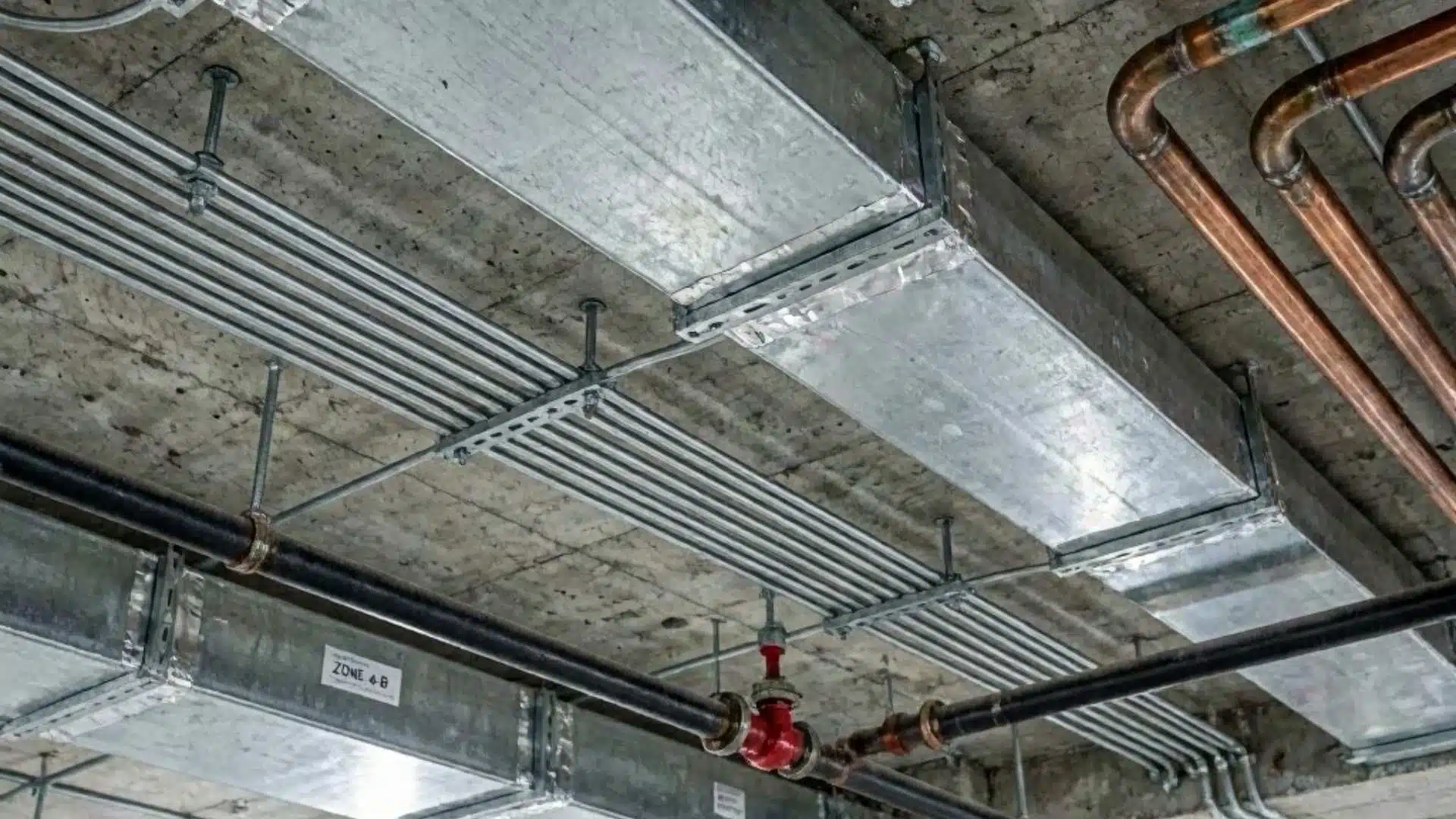
Every project comes with friction. Here is what internal architects run into most often.
- Small spaces need careful zoning, and built-in storage is often the only way to keep floor space functional without expanding the footprint.
- Load-bearing walls in older buildings limit layout changes, and original materials may contain hazardous substances that must be safely removed before work begins.
- Older mechanical systems often need full replacement, and clients frequently want finishes that exceed the available budget, making early cost decisions worth addressing before the design is finalized rather than after.
- Scope changes mid-build are the most common reason projects go over budget, and poor coordination between trades shows up as bulkheads, dropped ceilings, and exposed pipes.
- Accessibility standards, fire safety codes, and permit requirements all apply to structural and safety-related work, and non-compliance found during inspection stops construction and adds cost.
Conclusion
Internal architecture is the planning and structural work that makes interior spaces safe, functional, and worth living in over the long term.
It covers layout, circulation, materials, lighting, acoustics, and building systems, everything that determines whether a space performs, not just how it looks on the day it is finished.
If you are planning a renovation, starting a new build, or converting an existing structure, the structural and spatial decisions are worth getting right before anything else. Surface finishes can always be updated.
A poorly planned layout is far harder to fix. Start with what the space needs to do, and the rest follows from there.
Frequently Asked Questions
What Qualifications Does an Internal Architect Need?
In the United States, the National Center for Education Statistics classifies interior architecture under CIP code 04.0501.
The classification describes applying architectural principles to structural interiors, including systems, safety standards, and professional responsibilities.
How Long Does an Internal Architecture Project Typically Take?
It depends on scale. A single-room residential redesign might take six to twelve weeks from concept to completion. A full commercial fit-out can take six to eighteen months, depending on complexity and the construction schedule.
Does Internal Architecture Cost More than Interior Design?
Usually, yes. Internal architecture involves technical documentation, coordination with engineers, and structural decisions that take more time and expertise. The upfront cost is higher.
However, projects with strong internal architecture planning often avoid costly errors during construction. That makes the long-term cost lower in many cases.
Can Internal Architecture Improve Energy Efficiency?
Yes. Interior planning decisions directly affect heating, cooling, and lighting loads.
Positioning rooms to take advantage of natural light, installing insulation correctly, and choosing materials with appropriate thermal properties all reduce energy use over the life of the building.
Does Law regulate Internal Architecture Work?
In many U.S. states, work that affects a building’s structure, systems, or safety must be documented and approved by a licensed professional. The rules vary by jurisdiction.
Internal architecture that touches structural elements almost always requires permits and formal documentation before construction begins.