Most of my clients come to me with the same question. They have a renovation budget. They have ideas saved on their phones.
But when it comes to choosing between shaker cabinets vs traditional, they freeze. It makes sense. Cabinets set the tone for the whole room.
Get the right cabinet, and everything else falls into place. Get them wrong, and the space never quite feels like yours.
In this guide, I am walking you through both styles side by side, design, cost, maintenance, and real-world fit.
What Are Shaker Cabinets?
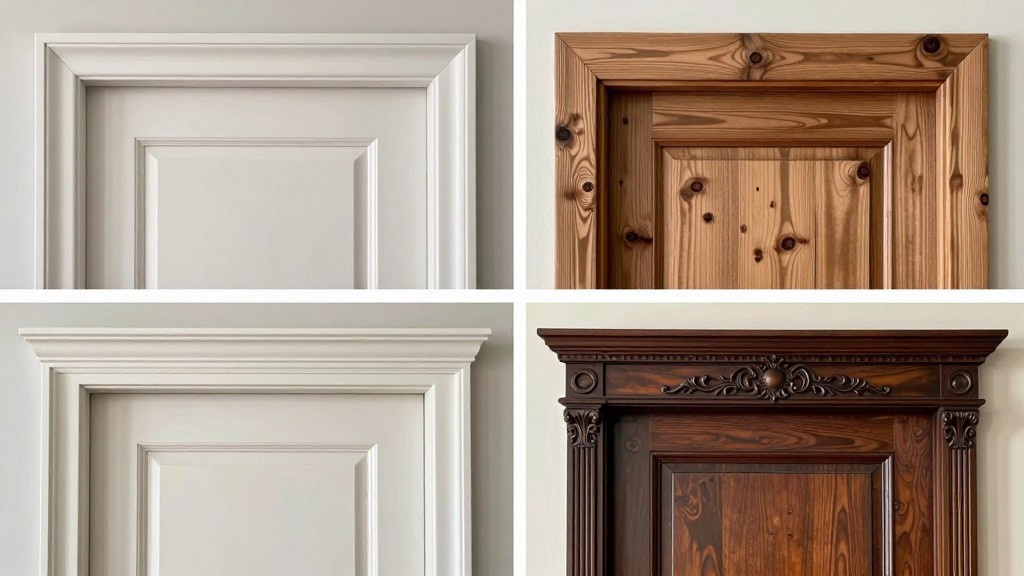
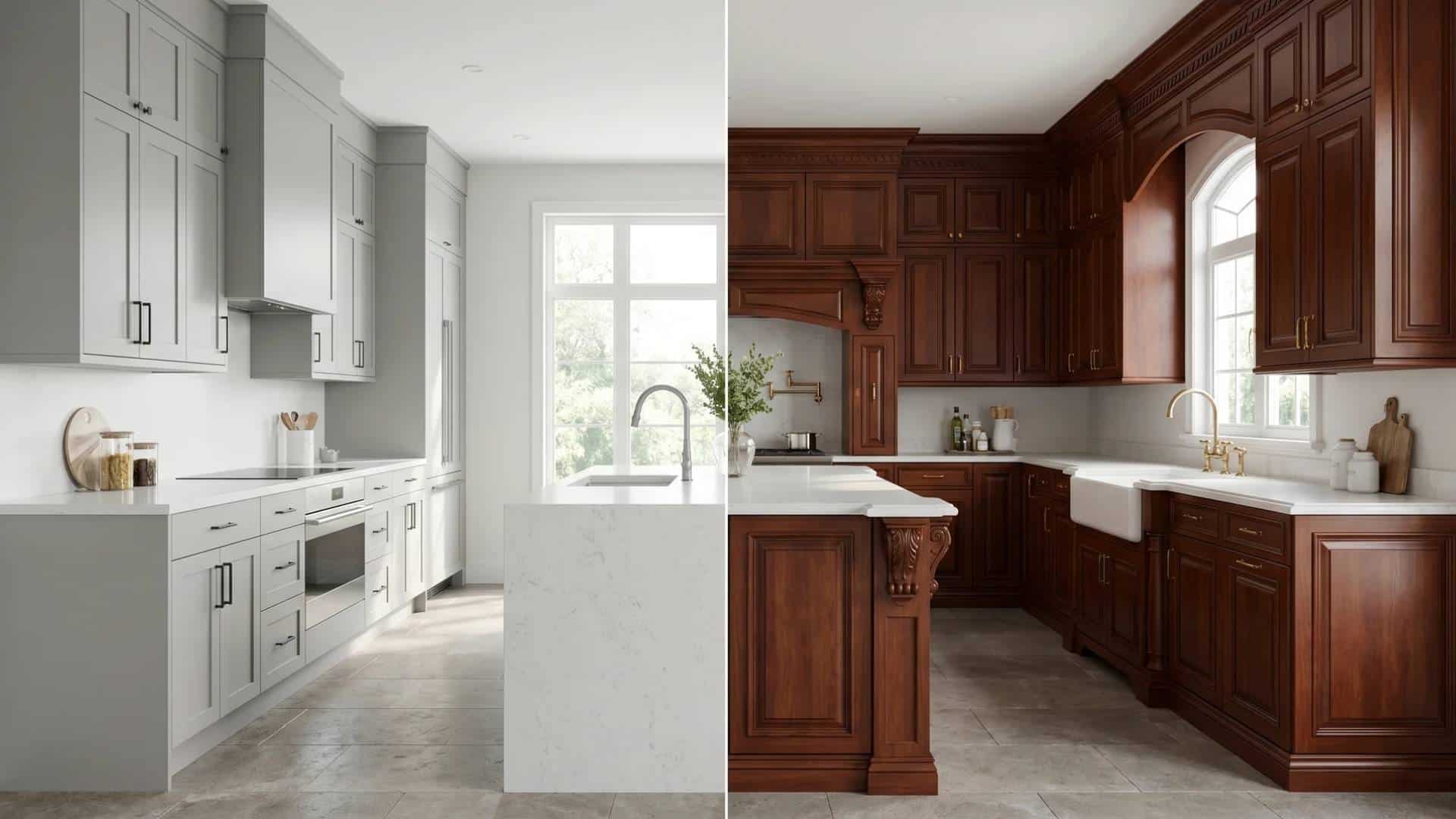
Shaker cabinets have a five-piece door construction. Four straight rails form the frame, and a flat recessed panel sits in the center. That is really it: no carvings, no curves, no extra detail.
The style comes from 18th-century Shaker communities, where furniture was built to be useful and honest. That same thinking still shows up in the design today.
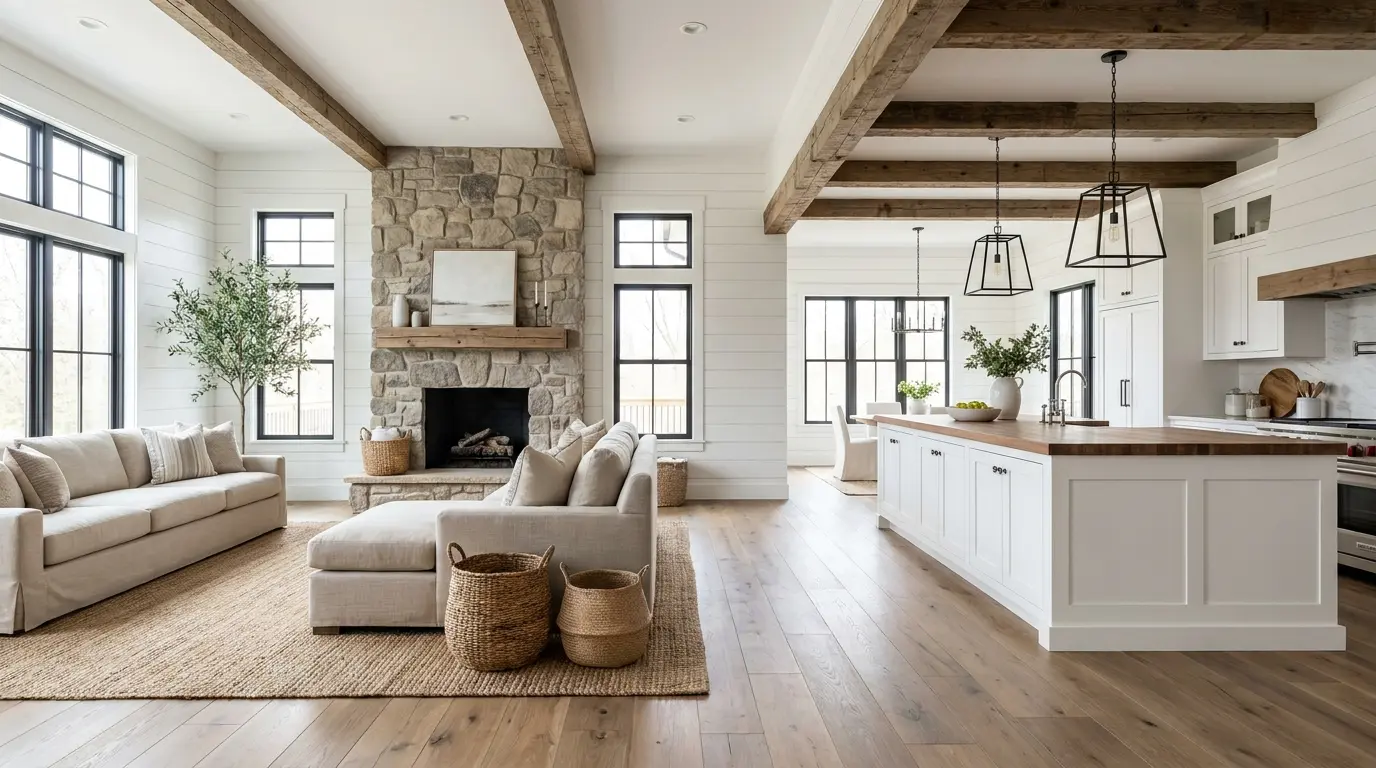
Modern kitchens, farmhouse layouts, transitional rooms, Scandinavian interiors, they work across all of these. Finishes tend to lean toward white, gray, soft wood tones, and muted colors.
According to the NKBA Kitchen Trends Report, shaker cabinets are the number one choice in U.S. kitchen remodels. That is not a coincidence. They are just easy to live with.
Pros and Cons of Shaker Cabinets
Pros:
- Works across modern, farmhouse, and transitional kitchens
- Easy to clean with flat surfaces and minimal grooves
- More budget-friendly due to simpler construction
- Strong resale value with broad buyer appeal
- Easy to refresh with new paint or hardware
Cons:
- Can feel too plain in formal or highly detailed spaces
- Recessed corners collect dust over time
- Less visual depth compared to more detailed styles
What Are Traditional Cabinets?
Traditional cabinets feature doors with raised center panels, decorative moldings, carved details, and ornate trim. The overall look draws from Victorian, European, and colonial design influences.
In a larger, formal kitchen, traditional cabinetry can feel genuinely beautiful. The woodwork adds depth and visual weight.
Finishes often include dark wood stains, glazed surfaces, and distressed treatments, all of which bring warmth and character to the space.
They are not for every kitchen. But in the right space, they are hard to match.
Pros and Cons of Traditional Cabinets
Pros:
- Rich, layered look with raised panels and carved moldings
- Adds warmth and character to large, formal kitchens
- Pairs well with period homes and classic architectural features
- Feels genuinely timeless in luxury settings
Cons:
- Higher cost due to detailed craftsmanship and materials
- Harder to clean around grooves and moldings
- Too visually heavy for small kitchens
- Appeals to a narrower pool of buyers at resale
Shaker Cabinets vs Traditional Cabinets
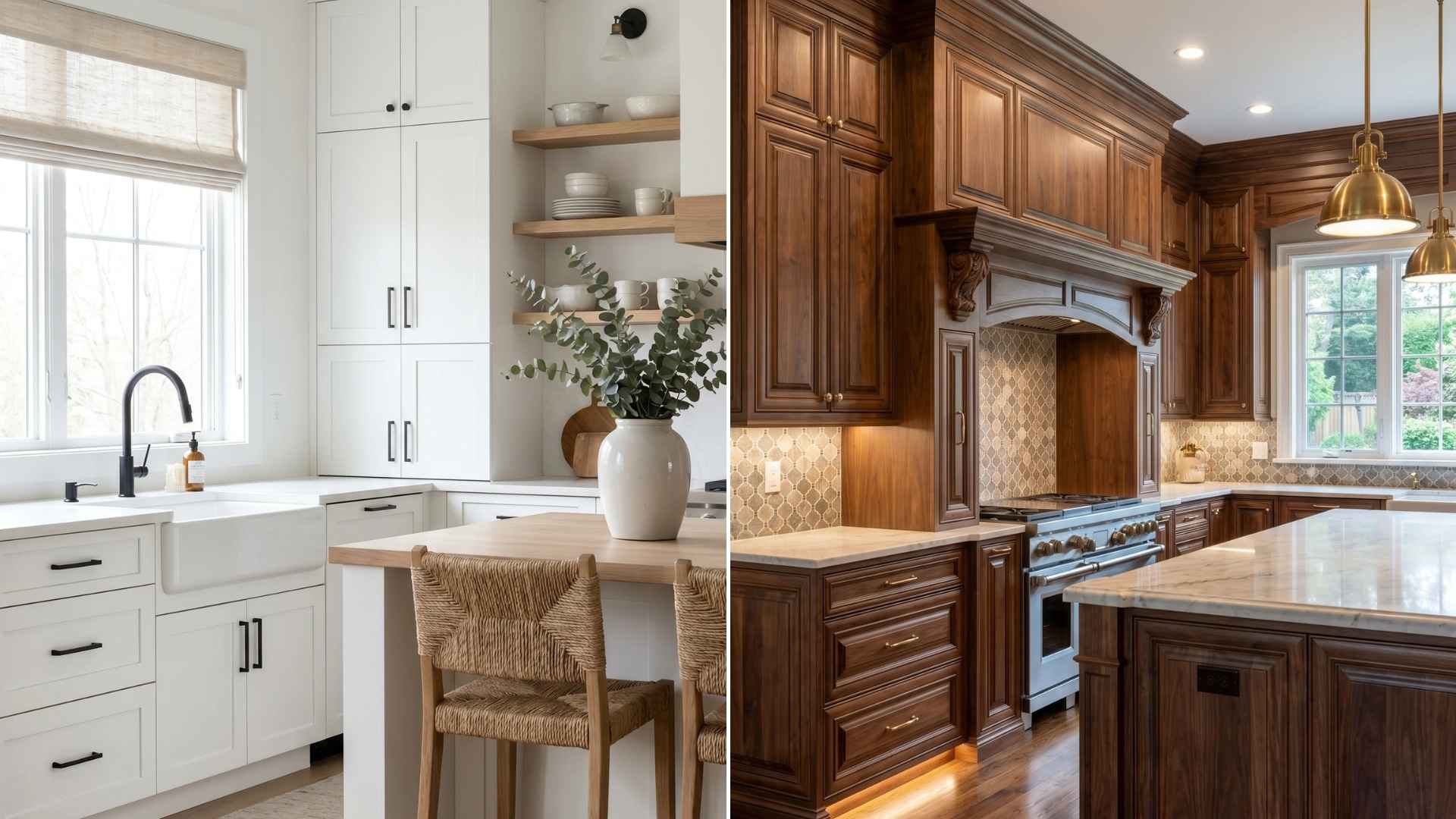
Your kitchen size, your budget, and how you actually live in your home are the three things that should drive this decision. Use the checklist below to find your fit.
Here is a quick comparison table:
| Feature | Shaker | Traditional |
|---|---|---|
| Door Style | Flat recessed panel | Raised panel with molding |
| Look and Feel | Clean, minimal, modern | Ornate, formal, classic |
| Cost | More budget-friendly | Higher, due to craftsmanship |
| Maintenance | Easy to clean | Requires regular upkeep |
| Best Kitchen Fit | Modern, farmhouse, transitional | Formal, luxury, classic |
| Resale Appeal | Broad market appeal | Niche but high-value buyers |
Both styles have real strengths. The one that works best depends on your kitchen size, your budget, and how much upkeep you are willing to take on.
Slim Shaker vs Shaker Cabinets
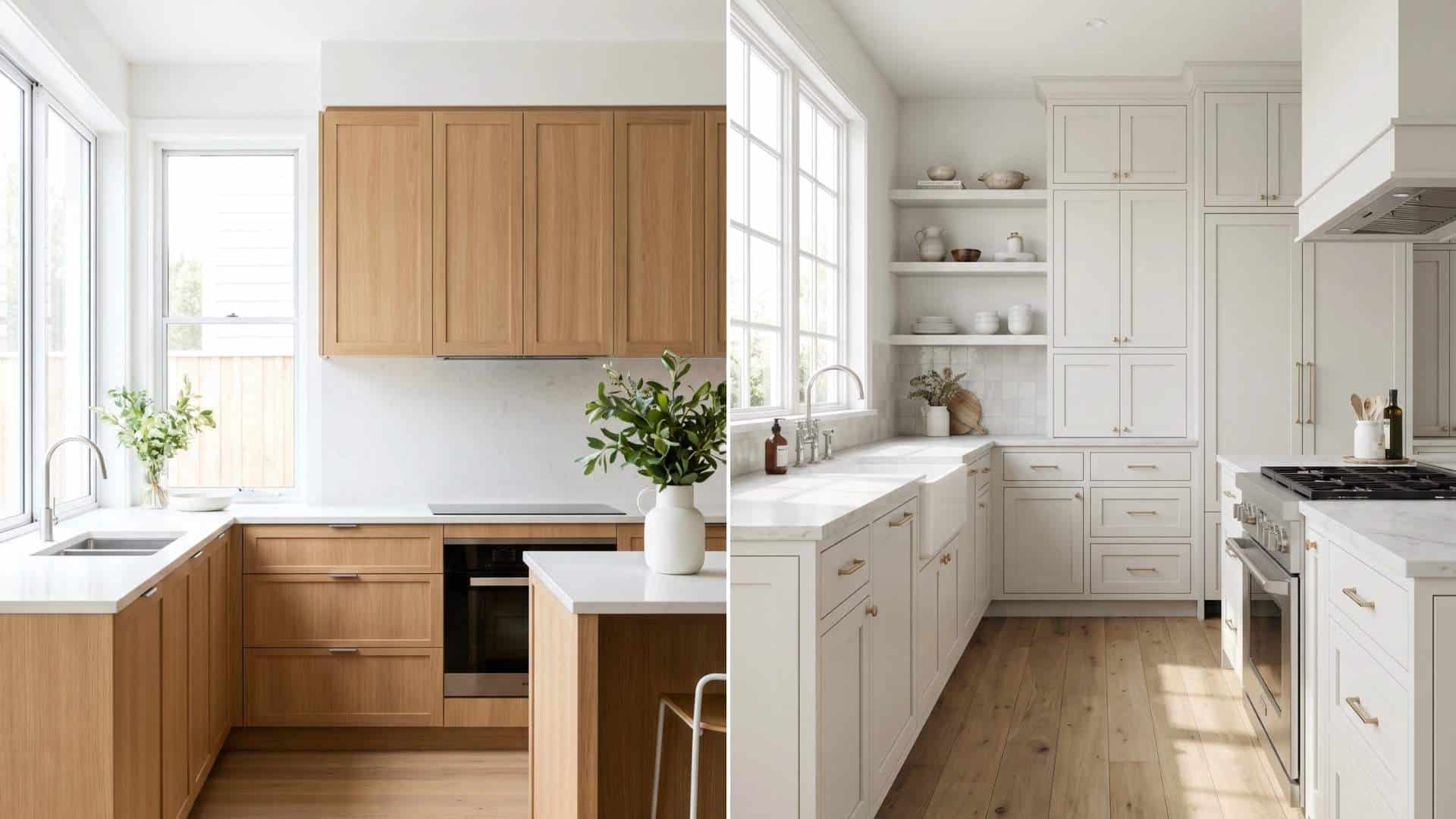
Slim shaker: A modern take on the classic shaker door. It keeps the same five-piece construction but uses a much narrower frame.
The result is a cleaner, lighter look that fits better in contemporary and minimalist kitchens.
Here is a quick comparison table:
| Feature | Slim Shaker | Standard Shaker |
|---|---|---|
| Frame Width | 0.75 to 1.5 inches | 2.5 to 3.5 inches |
| Visual Weight | Light and refined | Substantial and grounded |
| Best Kitchen Style | Contemporary, minimalist | Farmhouse, transitional, classic |
| Panel Depth | Shallower recess | Deeper recess |
| Cleaning | Slightly easier due to shallower grooves | Easy but slightly more surface area |
| Hardware Pairing | Linear pulls, push-to-open | Bar pulls, cup handles, knobs |
| Cost Difference | Minimal to none | Minimal to none |
| Space Suitability | Works well in smaller kitchens | Works across most kitchen sizes |
Both styles come from the same design roots. The one you pick depends on how much weight you want your kitchen to carry.
The Right Hardware for Each Cabinet Style
Cabinet hardware is one of those details that either ties a kitchen together or quietly pulls it apart.
1. For shaker cabinets: Simple bar pulls, flat tab pulls, and cup handles all work well. Matte black, brushed nickel, and unlacquered brass are popular choices. The hardware should feel clean rather than decorative.
2. For traditional cabinets: Curved knobs, ornate bin pulls, and antique-style hardware suit the detailed doors. Oil-rubbed bronze and aged brass finishes complement the warm wood tones found in most traditional kitchens.
3. For slim shaker cabinets: Push-to-open mechanisms or minimal linear pulls are the most popular choices. The narrower frame and modern feel pair best with hardware that does not interrupt the clean lines.
Getting this right is easier than most people think. The rule is simple: match the weight of the hardware to the weight of the door.
Conclusion
Choosing between shaker cabinets vs traditional comes down to your kitchen size, your home’s character, and how you actually use the space.
Shaker cabinets offer a clean, low-maintenance option with broad resale appeal and fit almost any layout.
Traditional cabinets bring depth and craftsmanship that genuinely suits formal, larger kitchens. And if neither feels quite right, the slim shaker is worth a serious look. I have seen it work beautifully in spaces where standard shaker felt too heavy, and slab doors felt too cold.
The right choice is the one that feels like your home. Which style are you leaning toward? Share your thoughts in the comments below.
Frequently Asked Questions
Is the Shaker Style Outdated?
Shaker style is not outdated. Known for its minimalist recessed center panel and clean, square edges, it remains a timeless classic.
What Makes a Kitchen Look Cheap?
A kitchen typically looks cheap due to builder-grade finishes, poor or flat lighting, and visible clutter.
What Kitchen Cabinet Is Outdated?
Outdated kitchen cabinets are typically characterized by heavy ornamentation, busy exposed hardware, and overly stark or artificial colors.