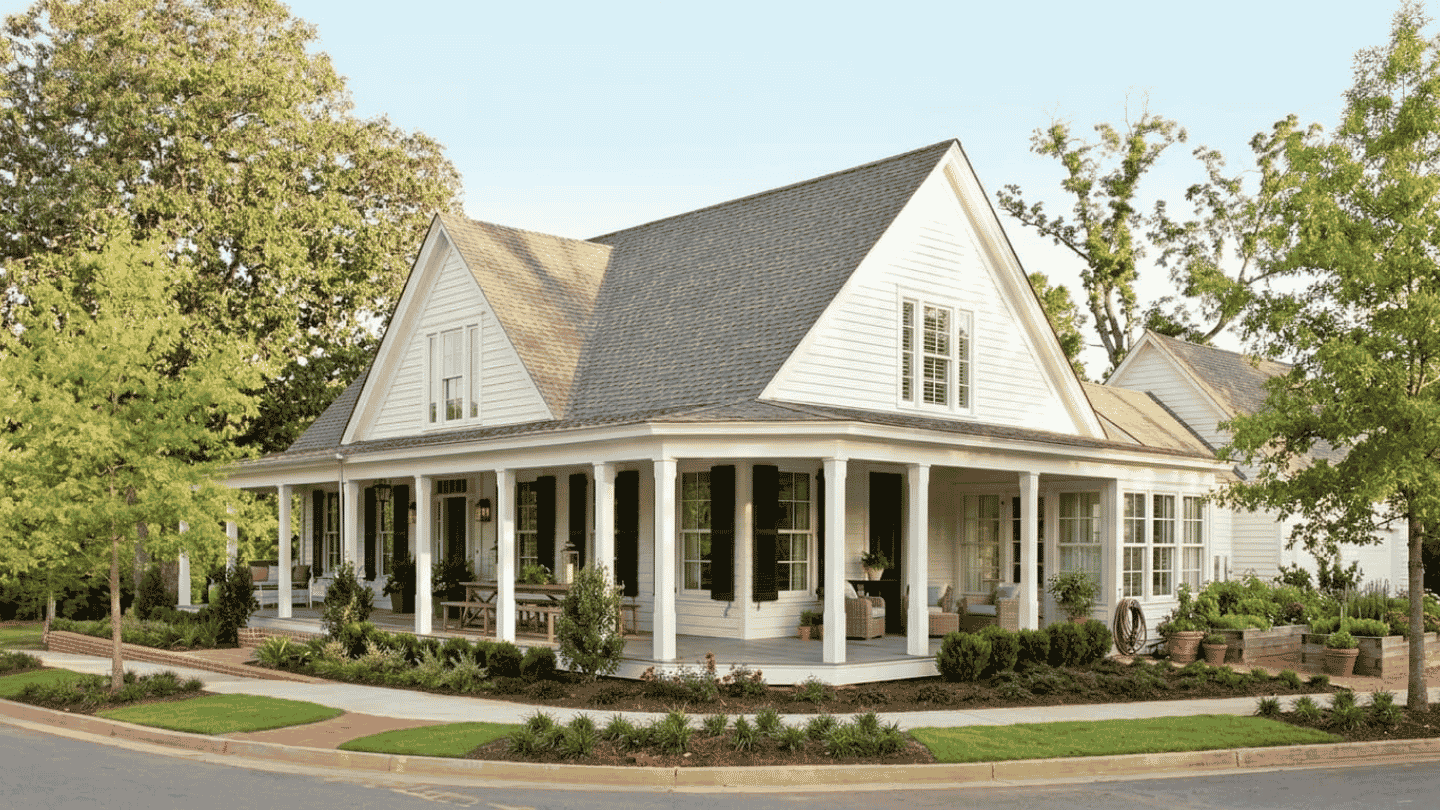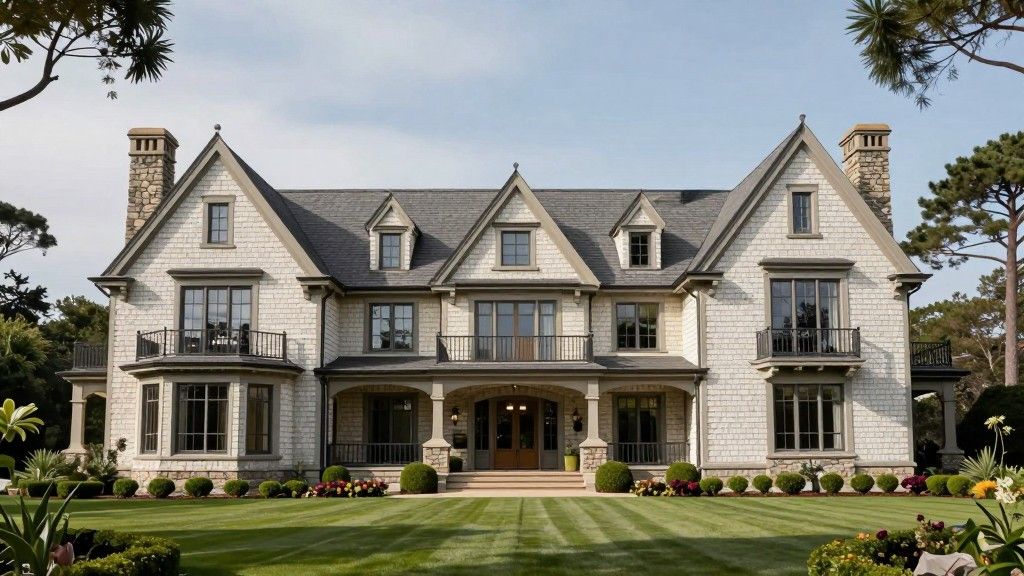
Have you ever looked at a house and noticed that sharp, triangular peak sitting at each end? Chances are, you were looking at a gable roof.
This post covers everything worth knowing. You will get a clear explanation of its defining characteristics. Then we break down why so many builders favor it.
We also walk you through eight distinct variations, each suited to different settings. Finally, we highlight the top structural concerns owners often face, along with practical steps to address each.
So, which type suits your home? Read on and find out.
What Is a Gable Roof?
A gable roof is a roof with two sloping sides that meet at a central ridge. The two slopes form a triangular wall at each end of the building. That triangle is called the gable, and it gives this roof style its name.
It is also called a pitched roof or peaked roof. You can recognize it instantly by its inverted “V” shape when viewed from the front or back of the house.
Key Features at a Glance:
- Two sloping sides that meet at a central ridge
- Triangular ends are visible from the front or back of the house
- Simple structure that is easy to build
- Good drainage allows rainwater and snow to slide off easily
What Are the Main Parts of a Gable Roof?
| Part | What It Does |
|---|---|
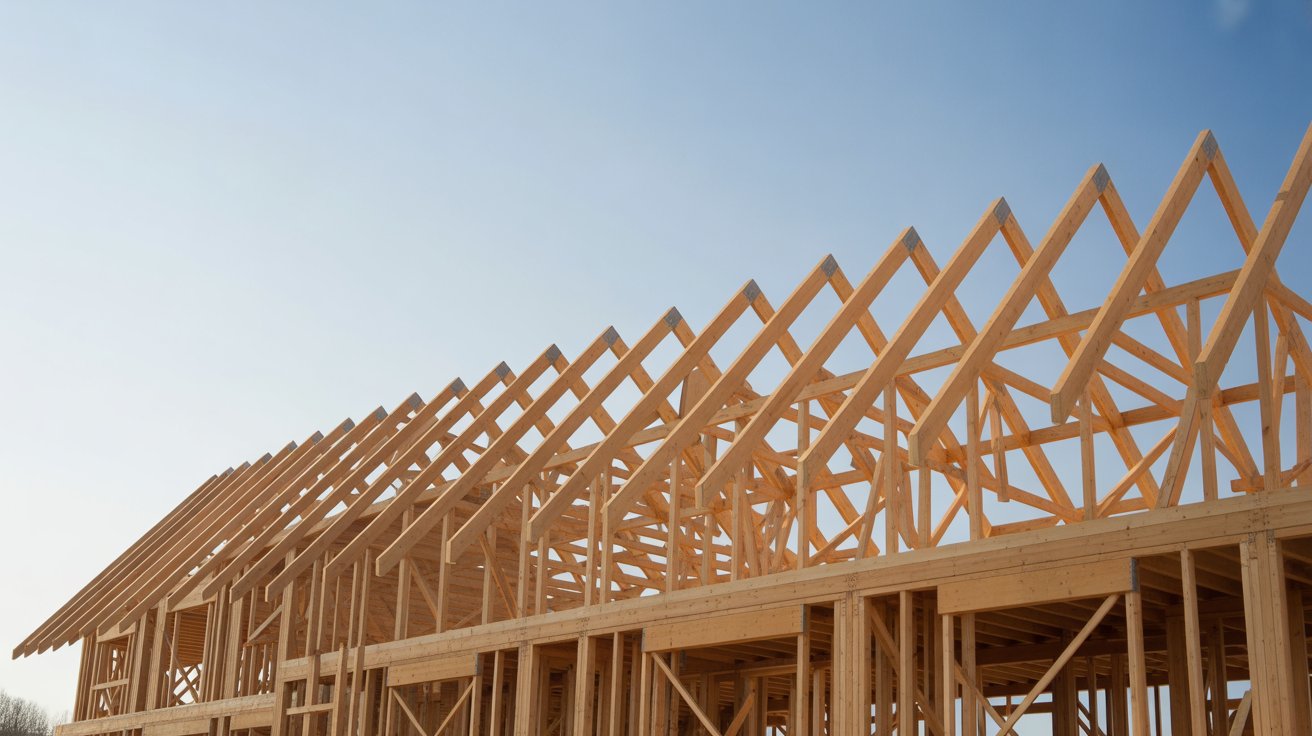
| Ridge board | The horizontal beam at the very top, where the two slopes meet |
| Rafters | Sloped beams that run from the ridge down to the walls and carry the roof’s weight |
| Ceiling joists | Horizontal beams that tie the walls together and support the ceiling below |
| Sheathing | The flat boards nailed across the rafters to create the roof surface |
| Gable end | The triangular wall section between the two slopes at each end |
| Eaves | The lower edges of the roof that hang over the walls |
Understanding these parts matters when talking to a contractor. It also helps you spot problems early.
What Are the Different Types of Gable Roofs?
Not all gable roofs look the same. Each type has its own shape, purpose, and best use. Here is a quick look at the most common ones.
1. Standard Gable
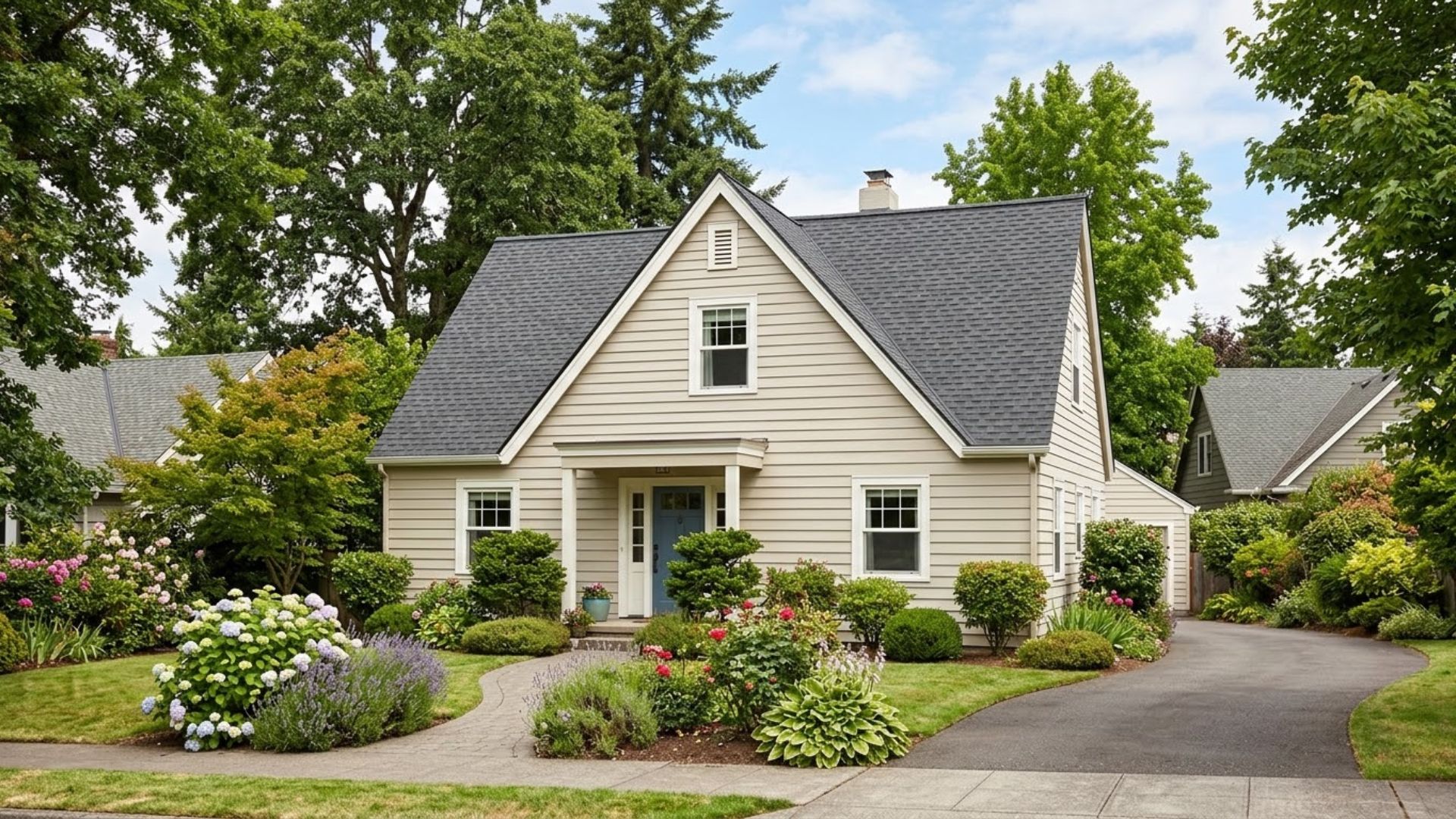
The most common form. Two equal slopes meet at a central ridge, with the gable ends facing front and back, or left and right, depending on the home layout.
Best for: Most residential homes, any climate with moderate weather.
Avoid if: You live in a high-wind or hurricane-prone area without proper bracing.
2. Front Gable
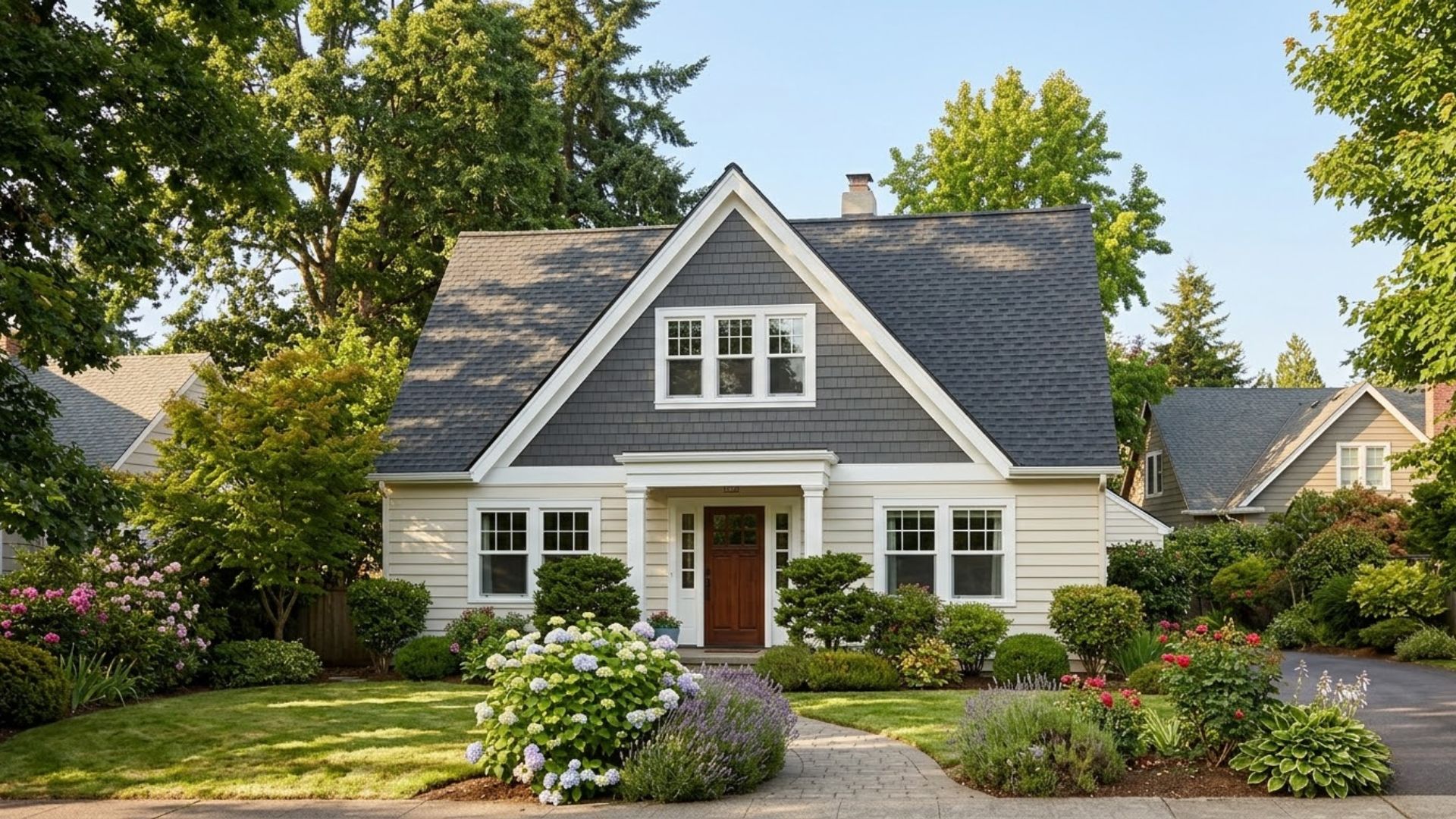
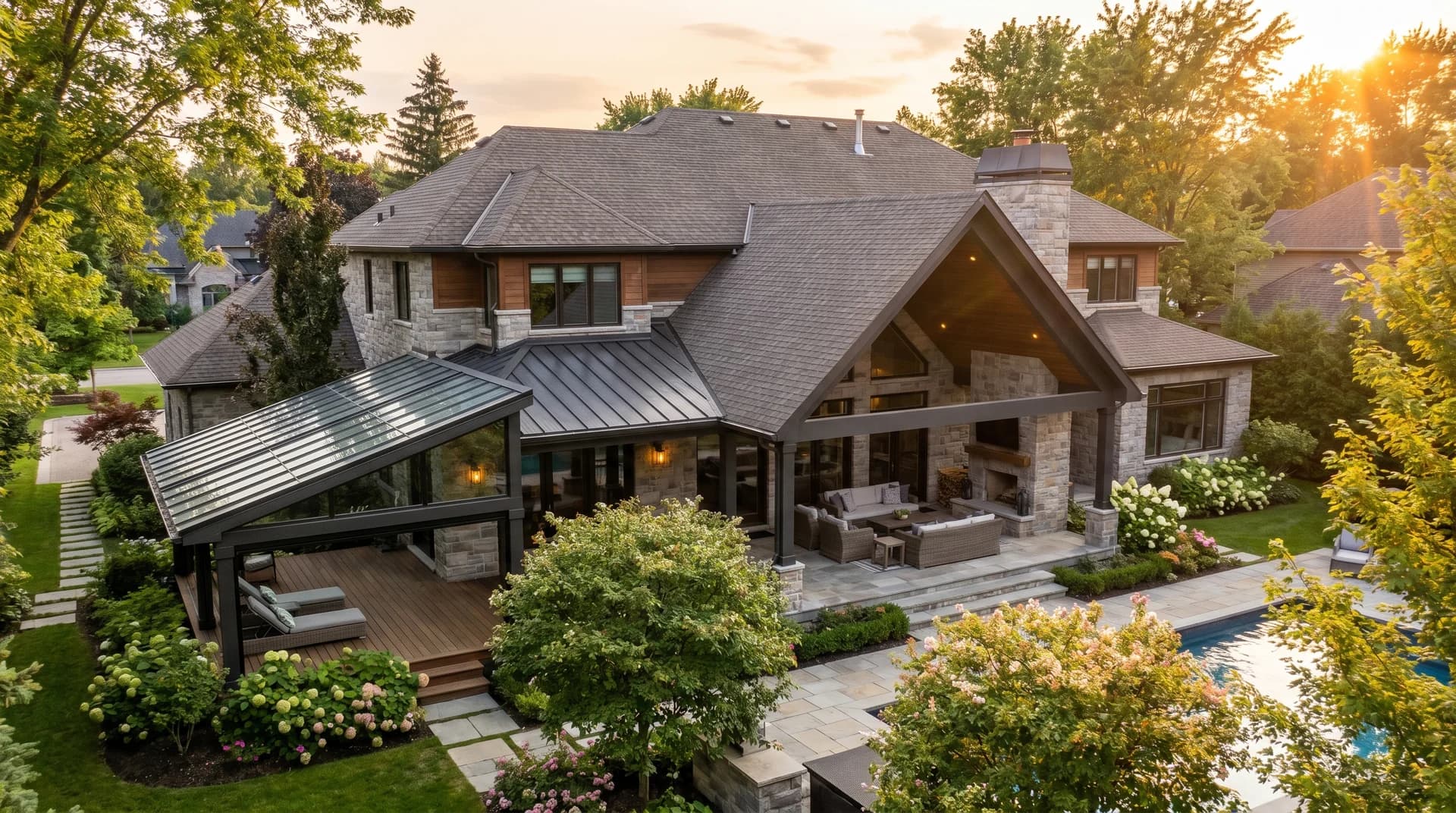
The triangular gable faces the front entrance of the house. This adds a clear visual focal point at the front of the building. It’s a common feature in Colonial-style homes and works especially well on narrow city lots.
Best for: Narrow lots, Colonial, and craftsman-style homes.
Avoid if: You want a more low-profile, understated front elevation.
3. Side Gable
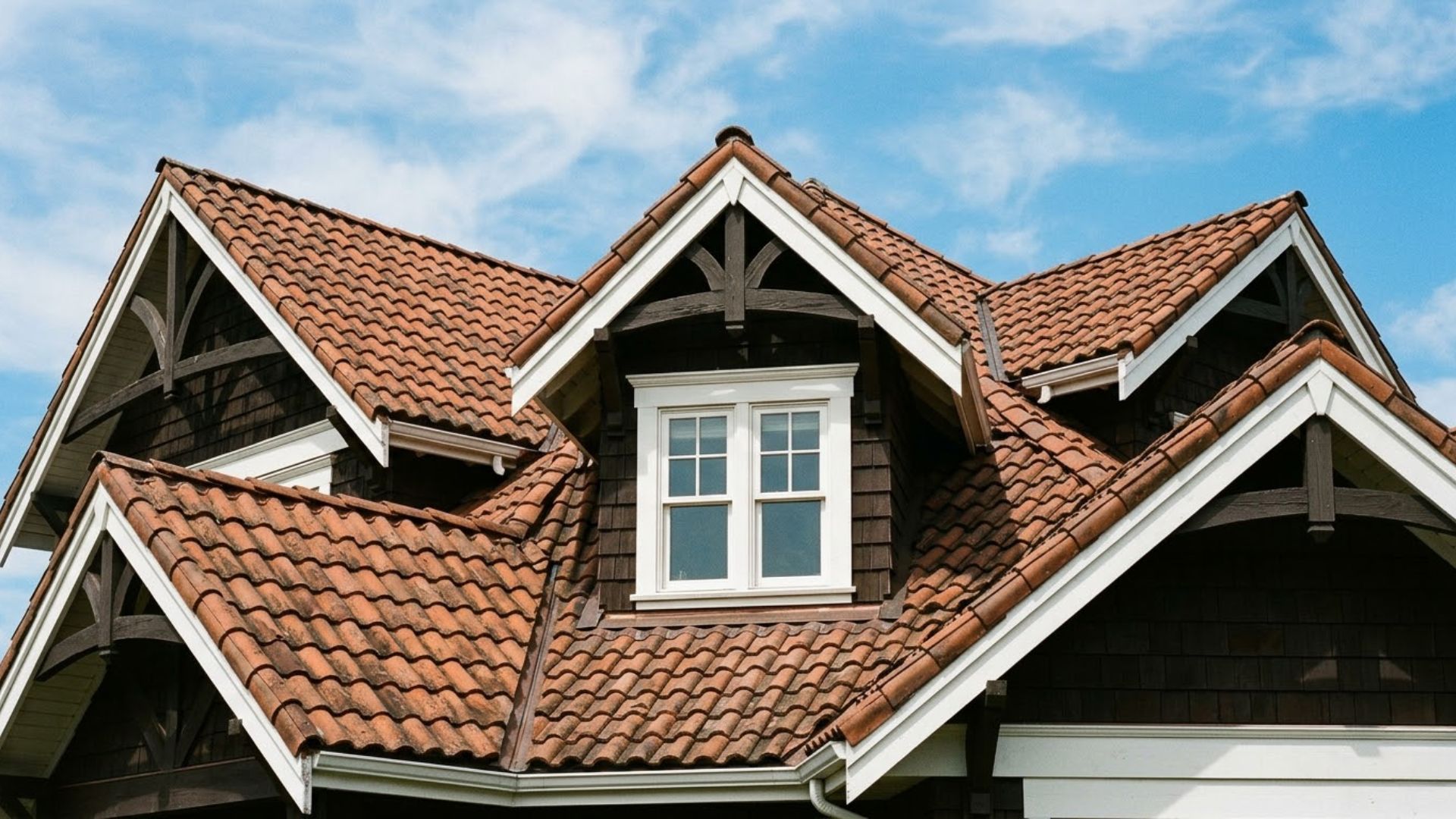
Two slopes run from the front to the back of the house. The gable ends appear on the left and right sides. This is one of the oldest roof layouts and the most straightforward to build.
Best for: Simple rectangular floor plans, budget builds, symmetrical home designs.
Avoid if: Your floor plan has wings or extensions, it won’t work as cleanly.
4. Cross Gable
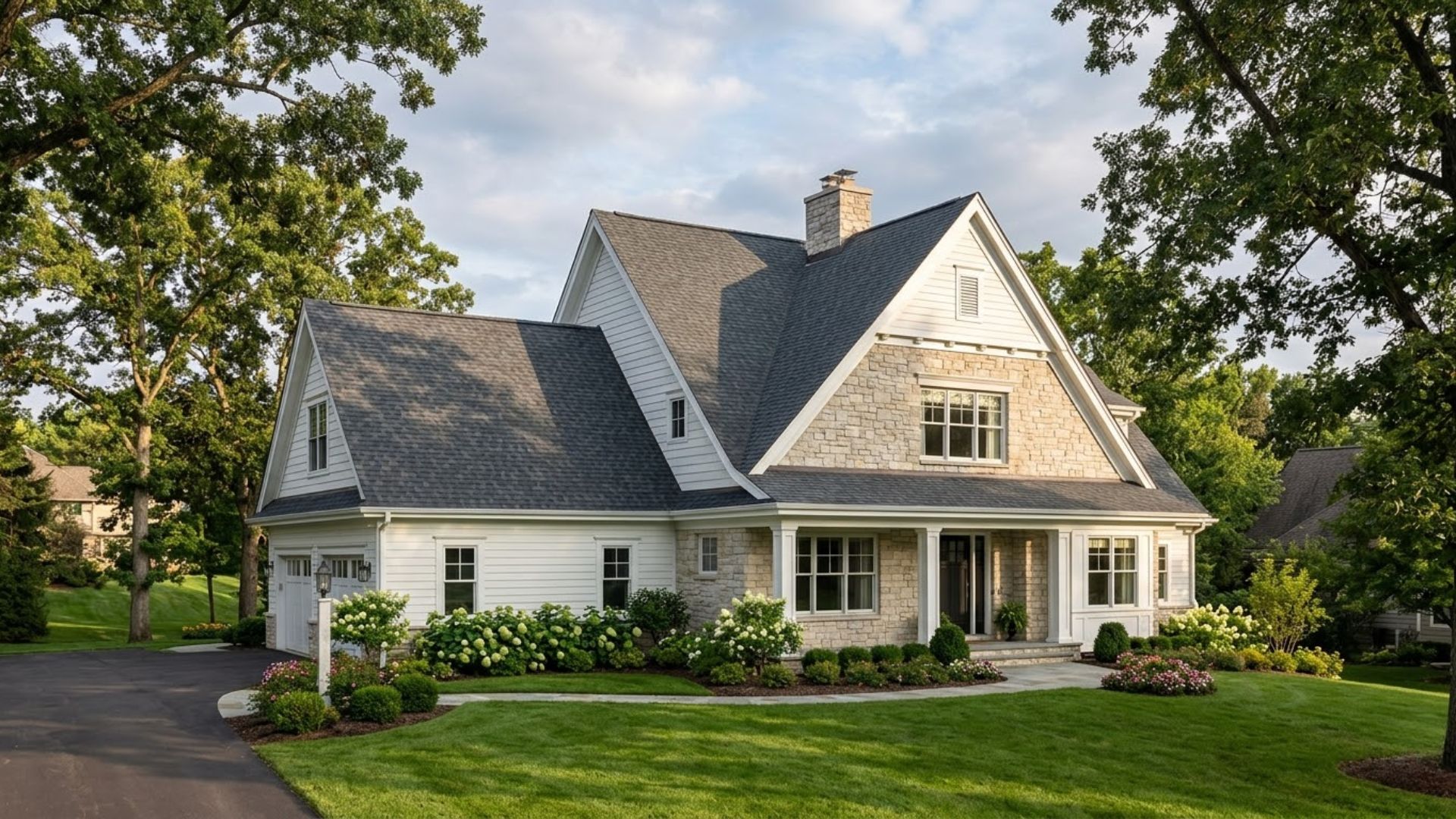
Two or more gable sections meet at right angles. This suits homes with L- or T-shaped floor plans. The intersecting ridges add visual interest but also create valleys where the two roofs meet, which require careful waterproofing.
Best for: L-shaped or complex floor plans, homes with separate wings or garages attached to the main house.
Avoid if your budget is tight; the extra valleys add complexity and cost.
5. Box Gable
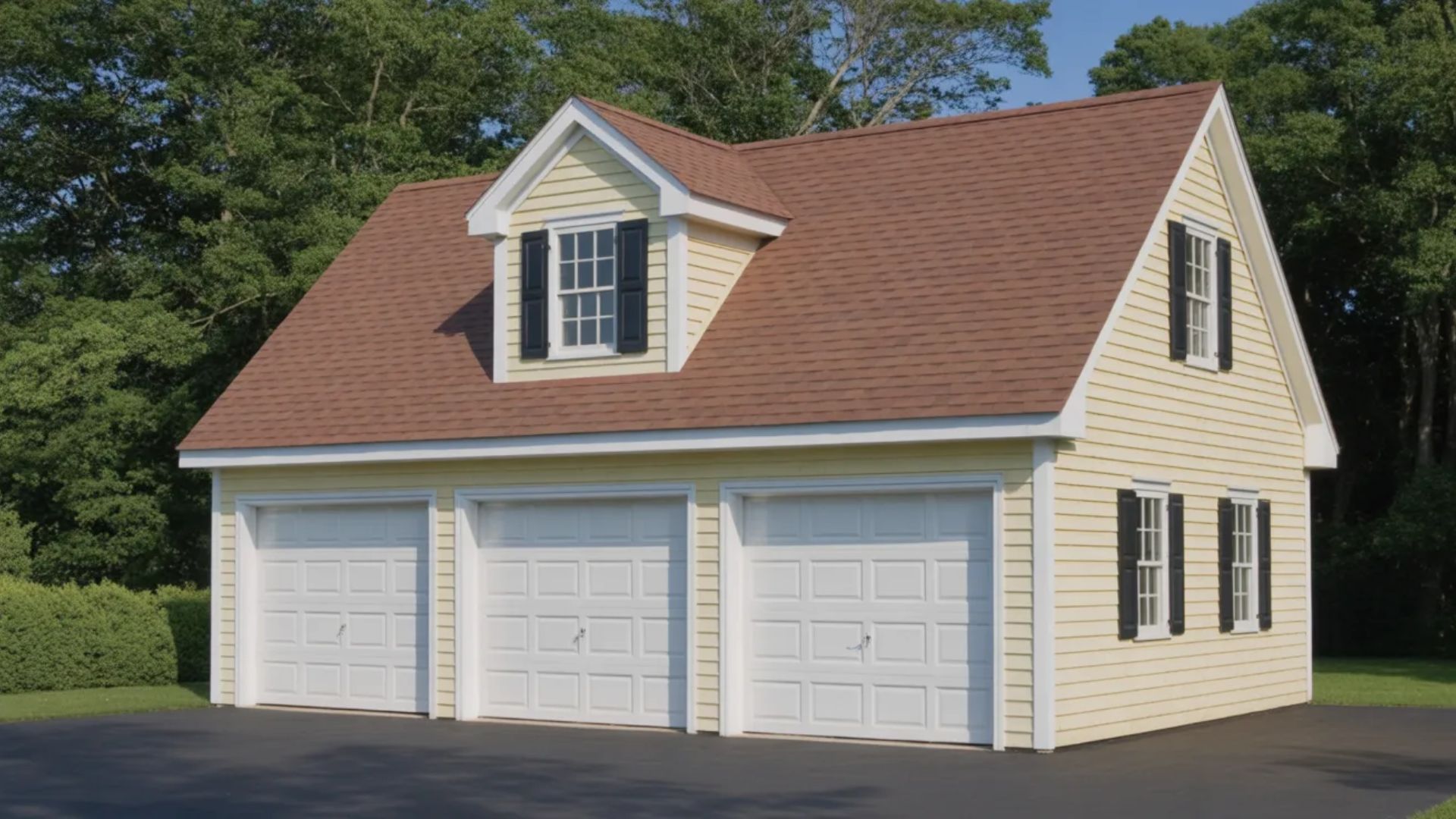
This is similar to the standard gable, but the triangular end is enclosed in a box frame rather than left open. The result is a more finished, three-dimensional look at the gable ends.
Best for: Homeowners who want a cleaner, more polished appearance without changing the roof structure.
Avoid if: You prefer the traditional open look of a standard gable.
6. Dutch Gable
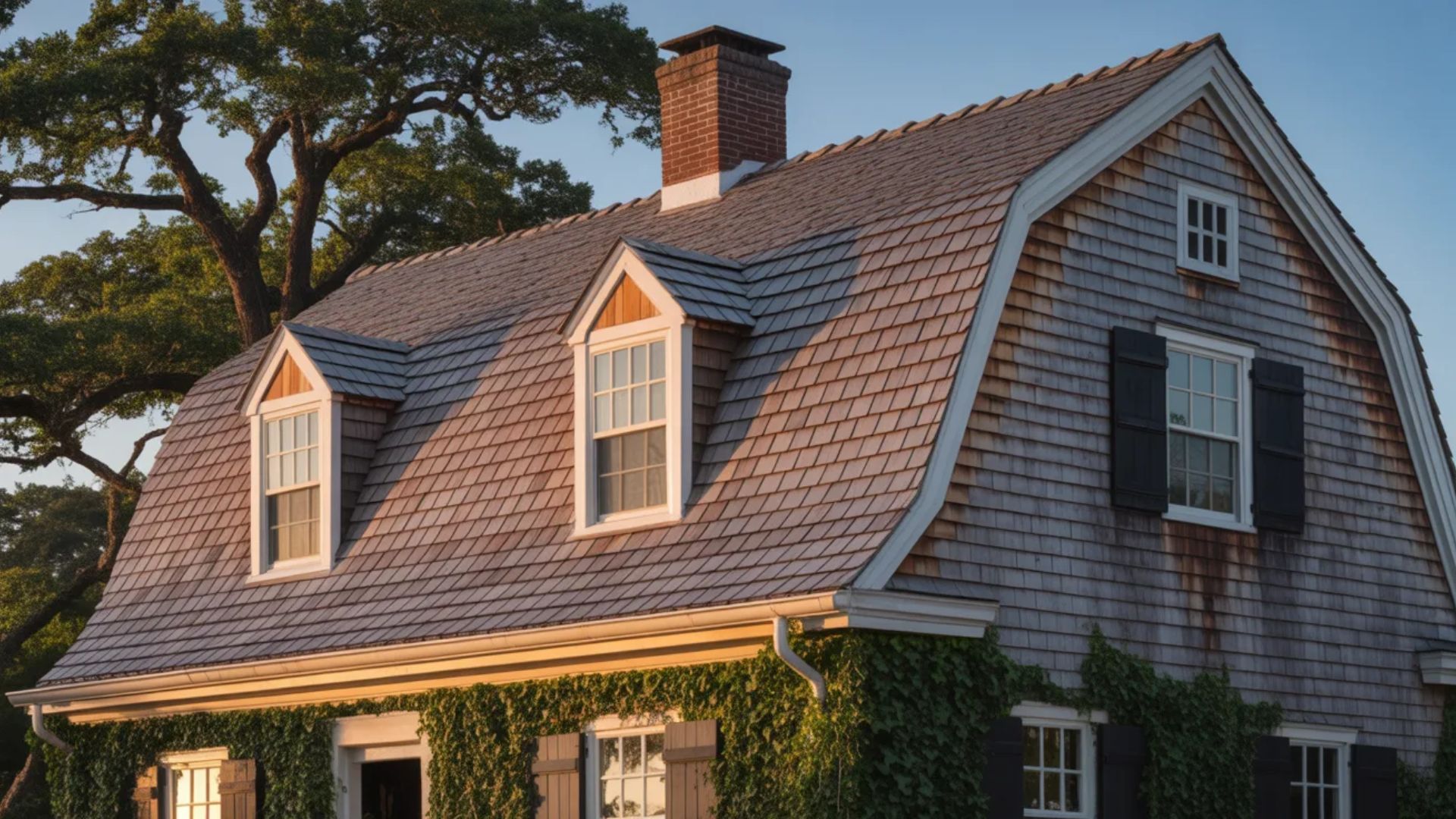
A Dutch gable combines two roof styles. A small gable section sits atop a four-sided hip roof base. The hip base provides wind resistance. The gable section adds attic space and allows for a window or vent.
Best for: Areas with moderate winds where you still want good attic space and a distinctive look.
Avoid if: You’re in a severe storm zone, a full hip roof is more stable.
7. Clipped Gable or Jerkinhead
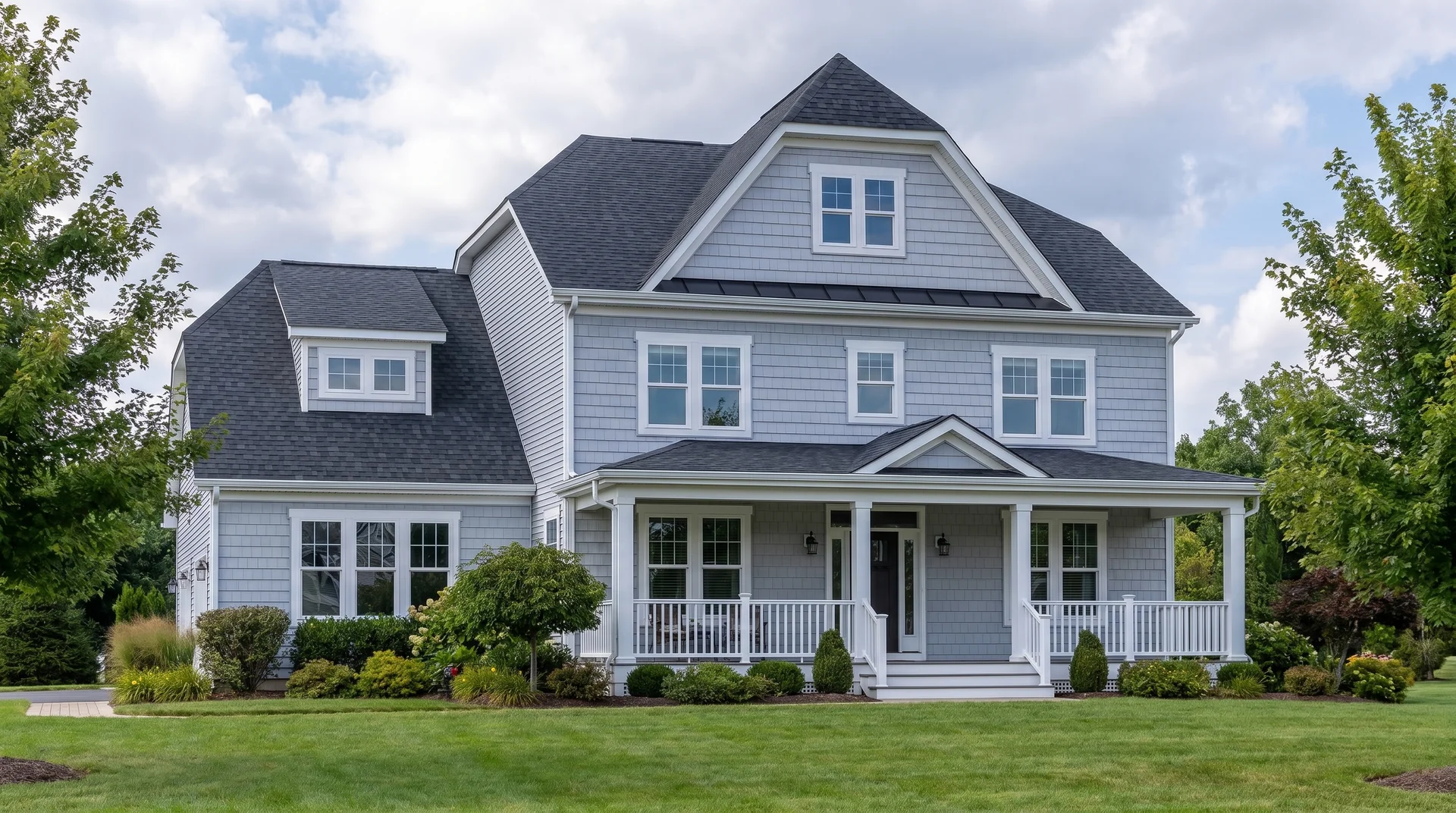
The peak of a standard gable is cut off and folded down to create a small sloped section at the top of each gable end. This removes the flat vertical surface that catches wind and replaces it with a slope.
Best for: Homes in areas with moderate to high wind exposure.
Avoid if: You want maximum attic space, clipping the peak reduces it slightly.
8. Saltbox Roof
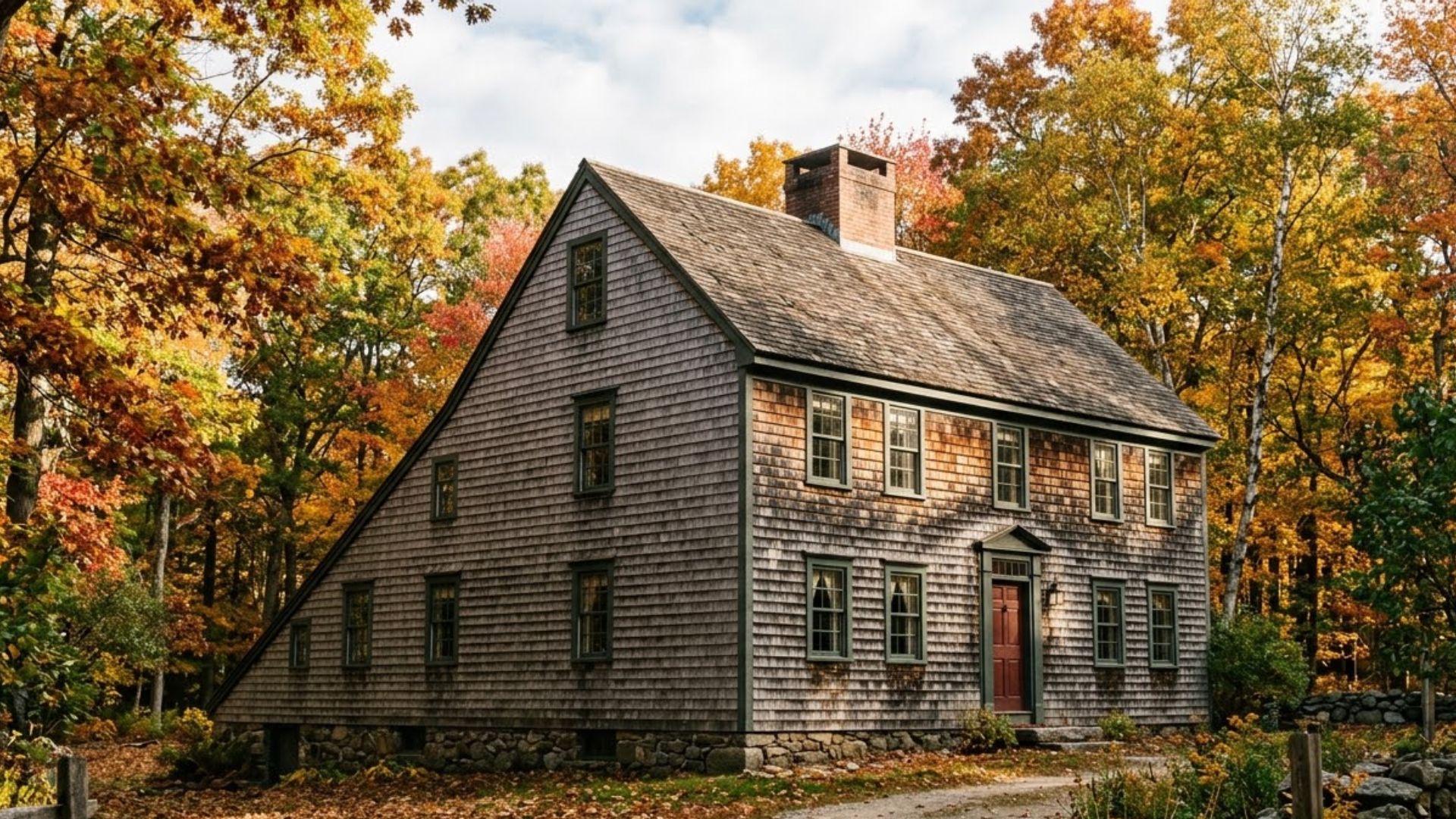
An asymmetrical design where one slope is longer than the other, often extending close to the ground at the back of the house. This style originated in early American colonial architecture, typically used when a lean-to addition was added to the back of a home.
Best for: Traditional or colonial architectural styles, homes with additions at the back.
Avoid if: You want equal interior headroom on both sides of the house, the long rear slope reduces it significantly.
What Does a Gable Roof Cost?
Installation costs depend on the size, pitch, and material you choose.
| Roofing Material | Approximate Installed Cost Per Sq Ft | Expected Lifespan |
|---|---|---|
| Asphalt 3-tab shingles | $3.50 – $5.00 | 13–20 years |
| Architectural asphalt shingles | $5.00 – $8.00 | 25–30 years |
| Metal roofing (standing seam) | $10.00 – $18.00 | 40–70 years |
| Clay or concrete tiles | $10.00 – $20.00 | 50+ years |
| Cedar shake | $7.00 – $14.00 | 20–30 years |
For an average 2,000 sq ft home, a standard asphalt gable roof installation typically runs $7,000–$16,000 total installed. Steeper pitches and complex cross-gable designs cost more due to the additional labor required.
What Are the Benefits of A Gable Roof?
Gable roofs are popular for good reason. They offer real, practical advantages that homeowners and builders value every day.
1. Lower building cost. The two-slope design uses less material than a four-sided hip roof. Fewer angles also mean less labor time. For most homeowners, a gable roof costs between $6 and $12 per square foot installed, depending on materials and pitch.
2. Rain and snow drain fast. The steep slope lets water and snow slide off quickly. This reduces the risk of leaks and prevents dangerous snow buildup on the structure.
3. Better attic airflow. Vents placed on both gable ends allow air to flow through the attic from one side to the other. This keeps the attic cooler in summer and helps prevent moisture buildup year-round.
4. Extra attic area The pitched shape creates usable space above the ceiling. That space works well for storage. With enough pitch, some homeowners convert it into a finished room.
Pro Tip: The steeper the pitch, the more attic headroom you get. A 9/12 pitch (9 inches of rise for every 12 inches of horizontal run) gives you far more room than a 4/12 pitch.
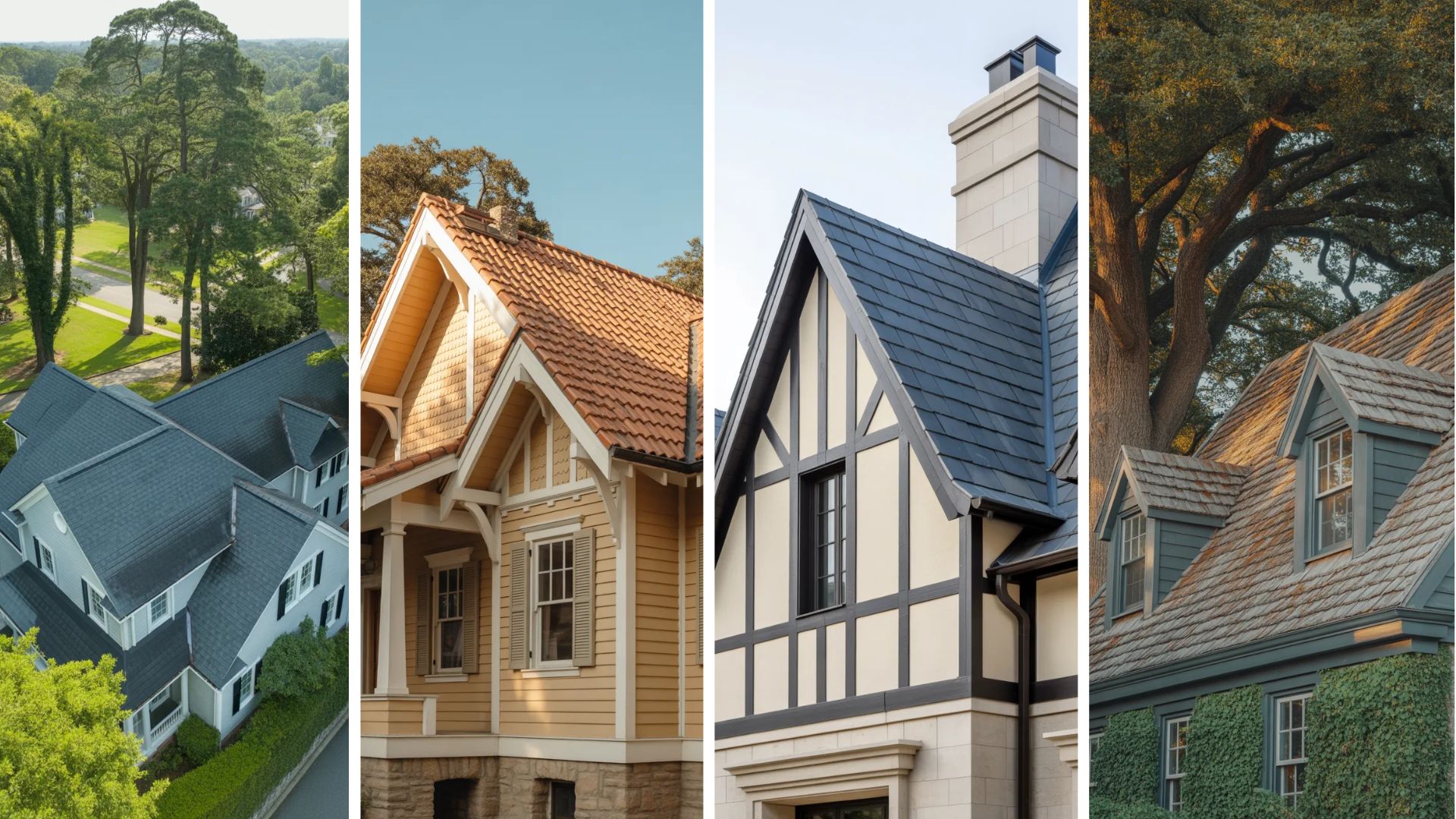
5. Works with most home styles. The clean shape fits ranch homes, Cape Cod cottages, colonial houses, and modern builds alike. It also accepts most roofing materials, including asphalt shingles, metal panels, concrete tiles, cedar shakes, and clay tiles.
What Are the Drawbacks of a Gable Roof? Gable roofs are vulnerable to high winds, which can cause uplift or collapse if not properly braced. Additionally, if the overhangs are too large, they can detach during storms, potentially leading to significant structural water damage. |
Gable Roof vs. Hip Roof: Which One Should You Choose?
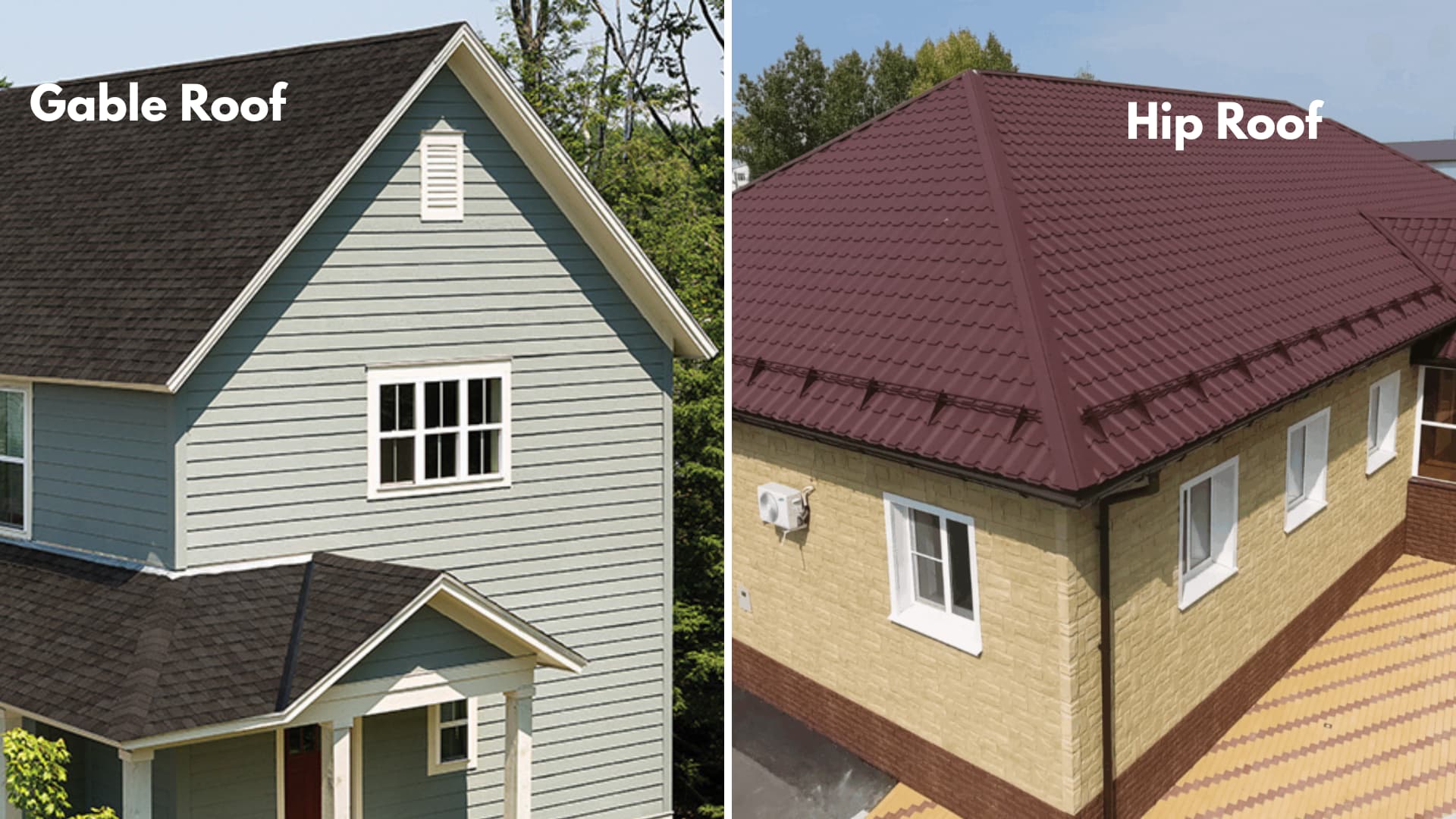
This is the most common question homeowners ask when picking a roof style.
| Factor | Gable Roof | Hip Roof |
|---|---|---|
| Cost | Lower, simpler design, less material | Higher, four slopes, more complex build |
| Wind resistance | Weaker, flat gable ends catch the wind | Stronger, four slopes are self-bracing |
| Attic space | More, higher peak, better headroom | Fewer slopes reduce interior space |
| Snow/rain drainage | Excellent on steep pitches | Good, drains on all four sides |
| Maintenance | Easier, fewer seams, simpler lines | Harder, more hips and valleys to inspect |
| Best climate | Snowy or rainy regions | High-wind or hurricane regions |
The right choice comes down to two things: your budget and your local weather. If you’re in a wind-prone area like Florida or coastal Texas, a hip roof is worth the extra cost. If you’re in the Midwest or Northeast with heavy snow and no serious wind risk, a gable roof is the practical choice.
Common Problems With Gable Roofs & Prevention
Every roof type has its own set of weaknesses. Gable roofs are no different. Knowing what can go wrong helps you act early and avoid costly repairs.
1. Poor Bracing
- Problem: Without proper internal bracing, the triangular gable end can shift or collapse under heavy wind or snow loads.
- Fix: Install diagonal braces across the gable frame during construction. Have a structural inspection done if your home is older.
2. Leaks Around Flashing
- Problem: Flashing is the metal strip that seals the joints in a roof. Over time, it can crack, lift, or corrode, letting water seep into the structure.
- Fix: Inspect flashing at least once a year. Replace any sections that show rust, gaps, or separation from the roof surface.
3. Ventilation Problems
- Problem: Blocked or poorly placed vents trap heat and moisture in the attic. This leads to mold growth and weakened roof materials.
- Fix: Keep gable vents clear of debris. Add soffit vents if needed to improve airflow through the full length of the attic.
4. Wind Damage to Overhangs
- Problem: Wide overhangs on gable roofs can act like a sail in strong winds. This puts stress on the roof edges and can tear sections of the roof away.
- Fix: Keep overhangs moderate in length. Use hurricane straps or clips to secure the roof frame to the wall structure below.
5. Ice Dam Formation
- Problem: In cold climates, heat escaping from the attic melts snow on the roof. The water then refreezes at the cold edges, forming ice dams that block drainage.
- Fix: Improve attic insulation to stop heat from escaping. Clear snow from the roof edges after heavy snowfall using a roof rake
Is a Gable Roof Right for Your Climate?
A gable roof works well in most climates, but it is not the right fit for every region. In areas with heavy snow or rain, the steep pitch drains water and snow fast, making it a solid, reliable choice.
In hot and dry climates, the open gable vents keep the attic from overheating. But if you live in a hurricane zone or in an area with strong, sustained winds, think carefully before choosing a standard gable design.
The flat vertical ends catch the wind like a wall, putting the structure under serious stress. In those regions, a clipped gable or a hip roof holds up far better.
Conclusion
A gable roof is one of the most trusted roof styles for a reason. It is simple to build, drains well, and fits a wide range of homes.
From the standard design to the Dutch or saltbox style, there is a type for every need. Each comes with clear benefits and a few things to watch out for.
Are you planning to build a new roof or replace an old one? Drop your questions in the comments below. We would love to help you make the right call for your home.
Not sure which type suits your home best? Talk to a roofing expert today and get a free consultation