Are you tired of cold floors during winter mornings?
Many people find difficulty with uneven heating and chilly surfaces in their homes. Traditional heating systems often leave certain areas warm while others remain uncomfortably cold.
Radiant floor heating offers a different approach that’s gaining attention among homeowners looking for better comfort.
But is it the right choice for your home?
Before making any decisions, you need to understand what it entails, how much it costs, and how efficient radiant heat really isfor your home and lifestyle.
In this blog, I’ll show you everything you need to know about radiant floor heating to help you make an informed decision.
How Radiant Floor Heating Works?
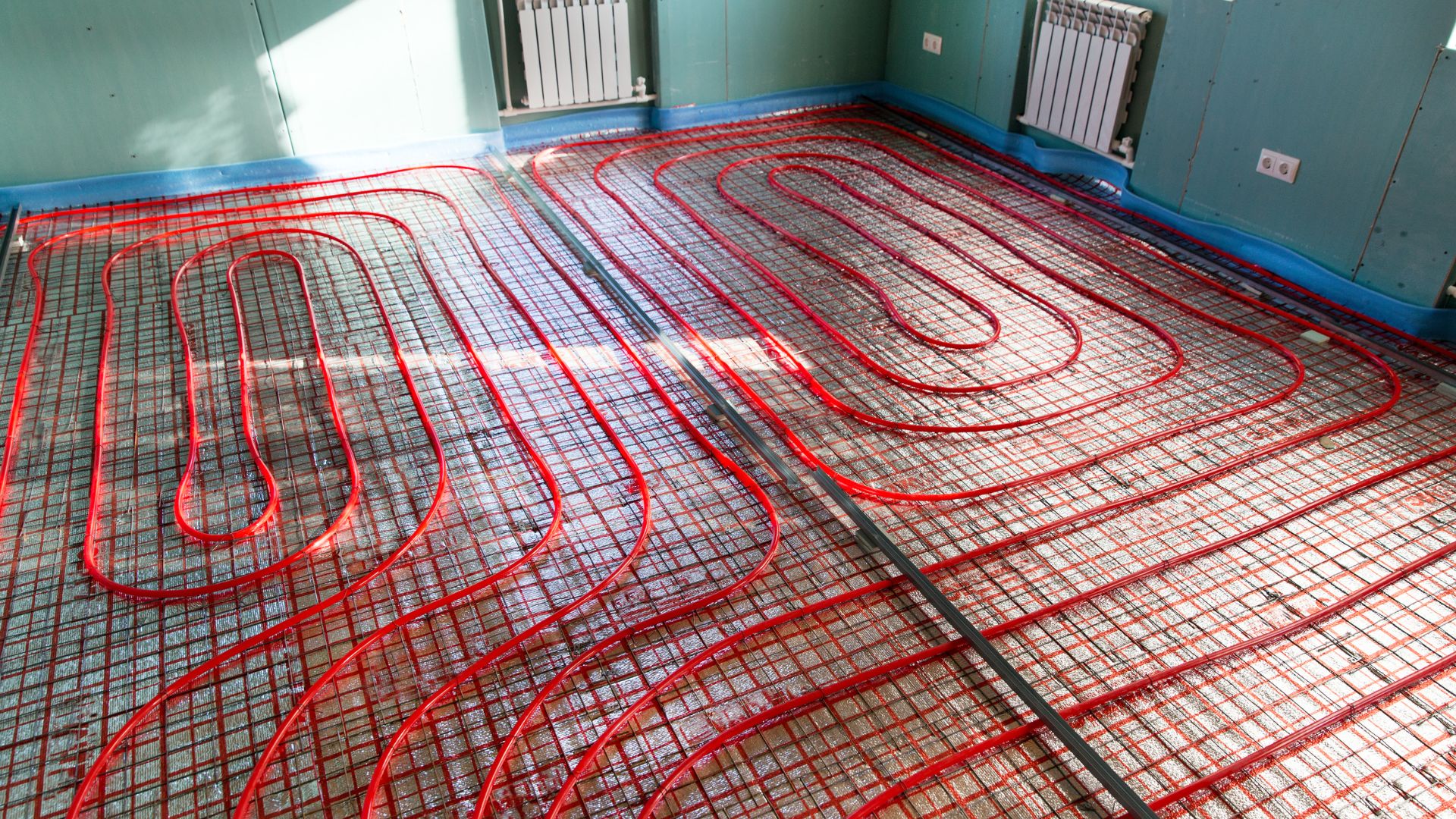
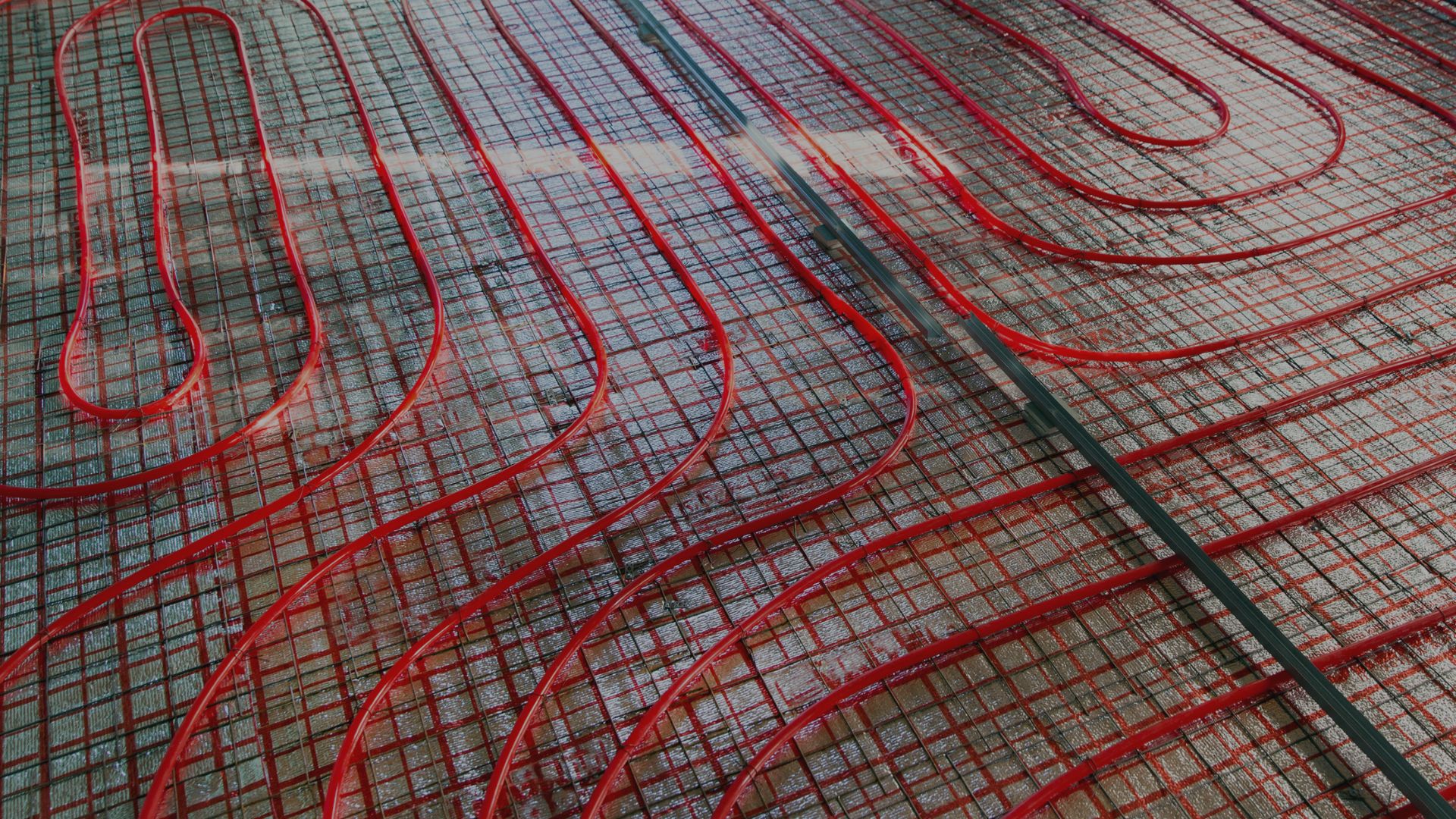
Radiant floor heating sends warmth through your flooring surface via tubes or wires installed beneath it. The floor becomes a large heating panel that radiates comfort upward.
This method differs from standard heating because it doesn’t rely on moving air to distribute warmth. Instead, it heats objects and people directly through infrared radiation.
The system maintains lower surface temperatures compared to radiators or baseboard heaters. Floors typically reach 80°F to 85°F, which feels comfortable without being too hot to touch.
Once activated, the heating elements warm the flooring material first. Then that warmth naturally spreads throughout the room, creating a cozy environment from bottom to top.
Cons of Radiant Floor Heating
Radiant floor heating comes with certain limitations that require careful consideration. Knowing the disadvantages of radiant floor heating helps you make an informed decision.
High Installation Costs
Installing this system costs more than conventional heating options, and pricing varies widely depending on system type and room size.
Complex Installation Process
The installation requires removing existing floors and possibly adjusting floor heights throughout your home. This makes retrofitting older homes more challenging and more expensive than new construction.
Slow Temperature Response
The system takes longer to heat up than forced-air options. You cannot quickly adjust the room temperature for immediate results, making it less suitable for fluctuating heating needs.
Flooring Material Restrictions
Certain flooring types work better than others with this heating method. Thick carpets and some hardwoods reduce efficiency, while tile and stone provide optimal heat transfer and performance.
Pros of Radiant Floor Heating
Radiant floor heating offers several advantages that appeal to homeowners seeking comfort and efficiency. These benefits make it a worthwhile consideration for modern homes.
Energy Efficiency
This heating method consumes 15% to 30% less energy than conventional forced air systems. Lower operating temperatures maintain comfort while reducing utility expenses significantly over time.
Even Heat Distribution
This system keeps every area of your room comfortable by maintaining a steady warmth across the floor, ensuring balanced heating throughout your living space.
Better Air Quality
No air blowing means dust, pollen, and allergens stay settled instead of circulating. This creates a healthier indoor environment, especially beneficial for family members with sensitivities.
Silent Performance
The system operates without producing any sound from blowers, fans, or ductwork. You enjoy peaceful, quiet comfort without mechanical noise disrupting your daily activities or sleep.
Types of Radiant Floor Heating Systems
There are two primary types of radiant floor heating, each designed for different applications and home sizes. Your choice depends on budget and heating requirements.
| Electric Radiant Heating | Hydronic Radiant Heating |
|---|---|
| Uses electrical cables or mats | Circulates hot water through tubes |
| Ideal for bathrooms and small rooms | Perfect for whole-home heating |
| Costs $8-$15 per square foot | Costs $6-$20 per square foot |
| Heats up in 30-60 minutes | Takes 2-3 hours to warm |
| Higher operating expenses | Lower monthly energy bills |
| Simpler installation process | Needs professional setup |
| Lasts 25-30 years | Lasts 35+ years |
Radiant Heat vs. Forced AirSystems
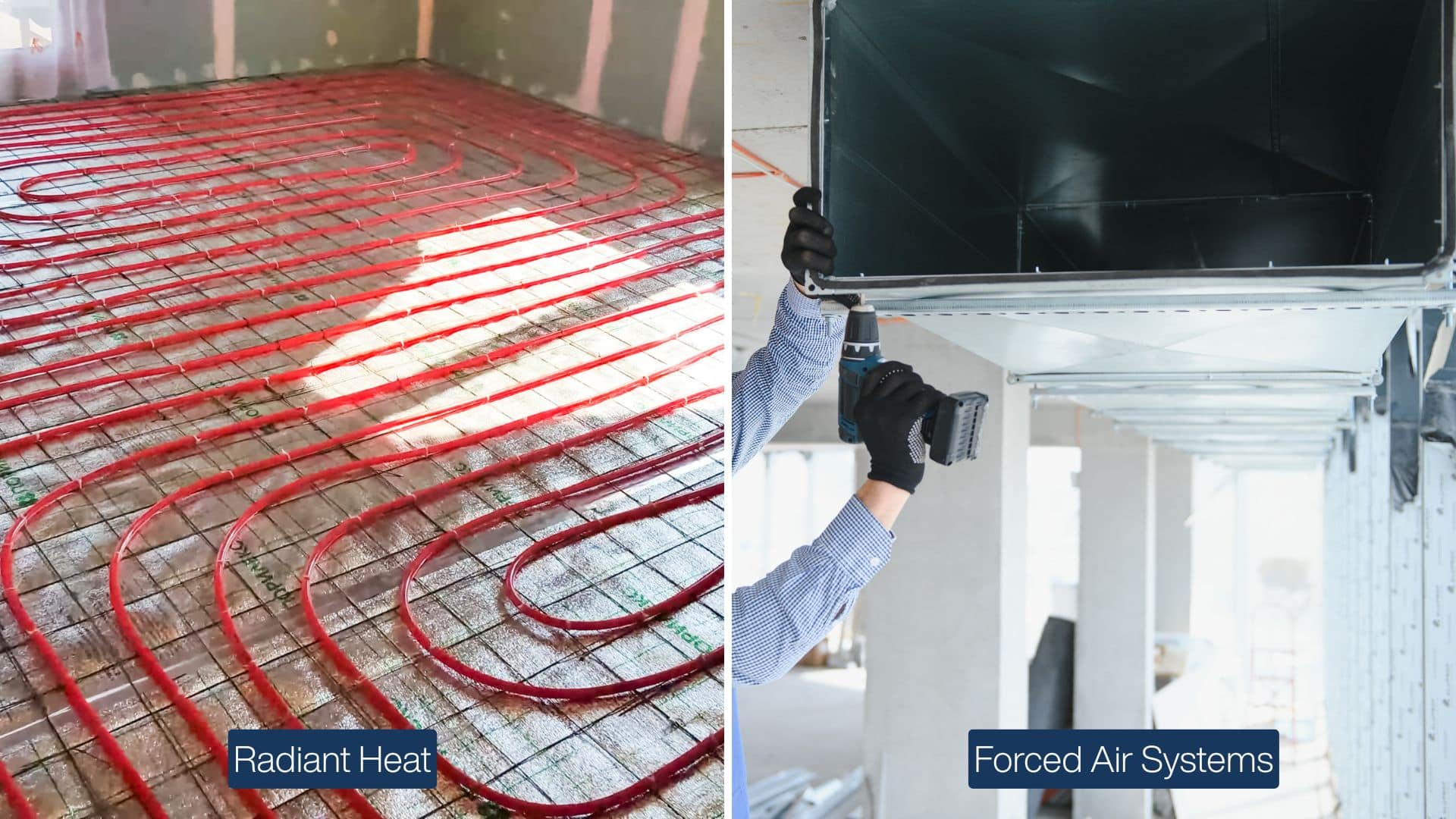
Comparing these two heating methods helps you understand their key differences. Each system offers unique benefits depending on your home and priorities.
| Feature | Radiant Floor Heating | Forced Air Systems |
|---|---|---|
| Heat Distribution | Even warmth throughout | Uneven with cold spots |
| Energy Use | 15-30% more efficient | Less efficient |
| Installation Cost | $6-$20 per sq ft | $3,000-$7,000 total |
| Noise Level | Silent operation | Noisy blowers |
| Air Quality | No dust circulation | Circulates allergens |
| Response Time | Slower heat-up | Quick adjustments |
| Lifespan | 25-35+ years | 15-20 years |
Is Radiant Floor Heating Right for You?
Deciding on radiant floor heating requires evaluating your specific situation, budget, and home goals. Several factors determine if this system suits your needs.
Consider radiant floor heating if:
- You’re building new or completing major renovations.
- Energy savings matter more than upfront costs.
- You have allergies or breathing concerns.
- Consistent warmth appeals to your comfort preferences.
- You plan to live in your home long-term.
Avoid radiant floor heating if:
- Your budget limits major home improvements.
- You need rapid temperature control throughout the day.
- Your floors are in good condition.
- You’re selling your home soon.
Flooring choices also significantly impact system performance. Tile and stone work exceptionally well, while thick carpet reduces heating efficiency and raises operating costs.
Wrapping It Up
To summarize, radiant floor heating presents a modern alternative to conventional heating methods with clear trade-offs.
This system delivers steady, comfortable warmth while running smoothly in the background to enhance your home’s overall coziness.
Energy savings and cleaner air make it appealing for health-conscious homeowners. However, substantial upfront expenses and installation complexity cannot be ignored.
Your home type, financial capacity, and future plans should guide your final choice. New construction projects are easier to implement than existing homes.
Take time to evaluate your priorities, consult heating professionals, and calculate long-term costs versus benefits.
What are your biggest concerns about installing radiant floor heating? Share your questions below!