Drywall and Sheetrock are the same thing. Yes, really. Sheetrock is simply a brand name made by USG Corporation. Both terms refer to the same wall material, and using them interchangeably is completely normal.
But does that mean there’s truly no difference at all? Not entirely. Knowing what sets them apart can save you time, money, and real stress on your next project.
In this post, you’ll learn what each term actually means. You’ll also see how they compare in quality and cost. Plus, find out where each works best and what to look for before you buy.
What Is Drywall?
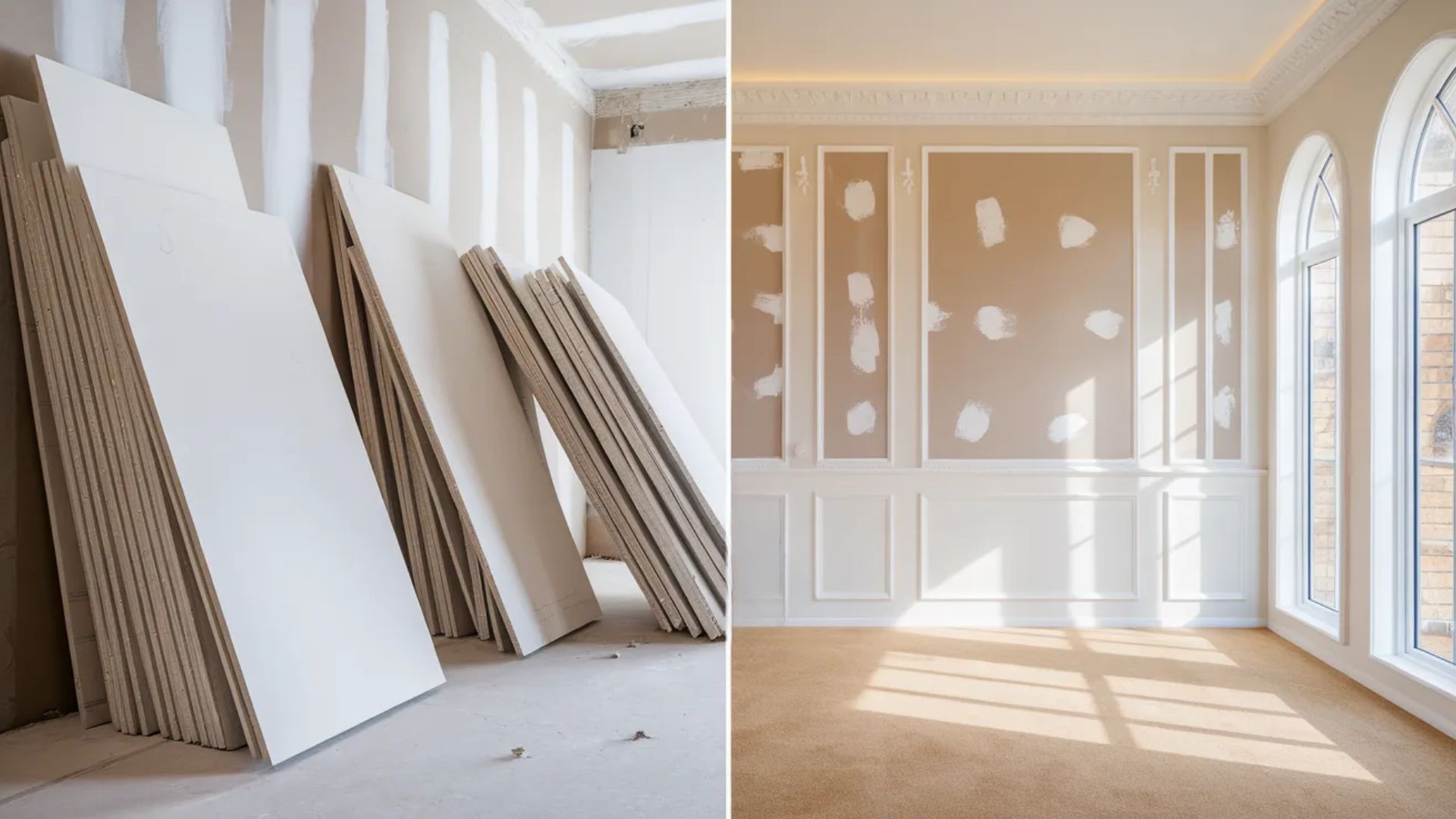
Drywall is a flat panel made of gypsum plaster pressed between two sheets of paper.
Builders also call it gypsum board, wallboard, or plasterboard. It is widely used because it installs fast, costs less, and works well in almost any room.
It is the standard wall material in most homes and commercial buildings today. Its fire-resistant core also makes it a safe and practical choice for builders.
What Is Sheetrock?
Sheetrock is a brand name owned by USG Corporation. It is one of the most trusted drywall brands in the U.S. Contractors have used it so widely that the name became a generic term for drywall itself.
Today, “Sheetrock” is commonly used to mean any drywall. Think of it the way someone might say “Band-Aid” instead of “bandage.” USG has been making Sheetrock since 1917, giving it a long track record in the construction industry.
Drywall vs Sheetrock: Key Differences
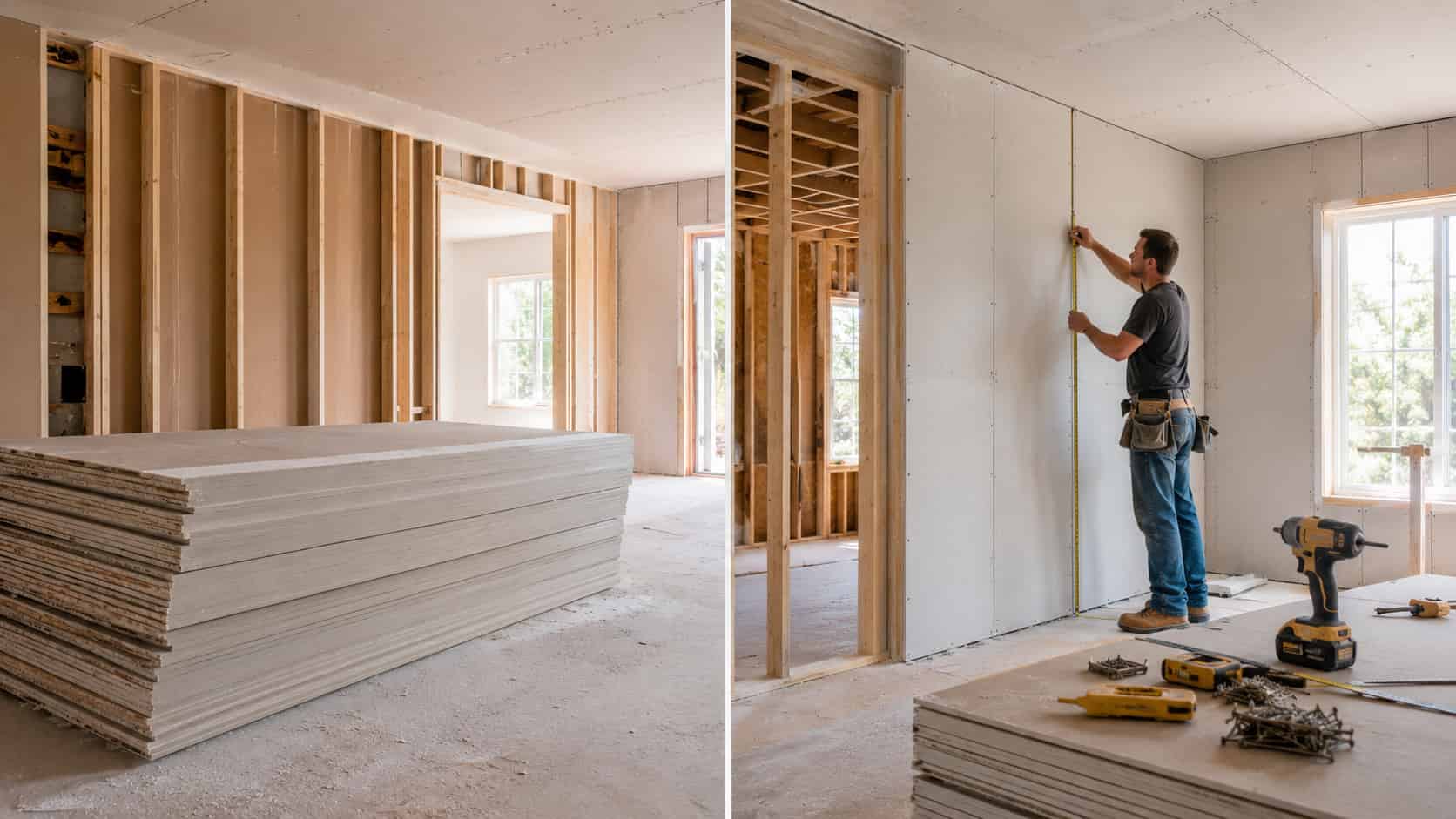
Both drywall and Sheetrock do the same job. But there are a few real differences worth knowing before you buy.
| Feature | Drywall | Sheetrock |
|---|---|---|
| Type | Generic product category | Brand name by USG Corporation |
| Manufacturers | Many brands available | Only made by USG |
| Cost | Generally lower in price | Slightly higher due to brand value |
| Availability | Found at most hardware stores | Widely available but brand-specific |
| Consistency | Varies by manufacturer | Known for uniform quality |
| Usage | Used across all construction types | Used across all construction types, often chosen for large-scale jobs |
| Common Names | Gypsum board, wallboard, plasterboard | Often used as a general term for drywall |
Are They Made of the Same Material?
Yes. Both drywall and Sheetrock share the same base: a gypsum core sandwiched between two layers of paper. The real differences come from the type of board, not just the brand.
Moisture-resistant, fire-rated, and soundproof options are available in both categories. So when comparing the two, focus on the board type and thickness rather than the name on the label.
One safety note: in the late 2000s, imported drywall from China caused serious problems in U.S. homes. The boards emitted sulfur gases that corroded pipes, damaged wiring, and triggered health complaints. The EPA investigated and traced the issue to high sulfur content in the gypsum. Buying from established U.S. manufacturers like USG, National Gypsum, or Georgia-Pacific avoids this risk entirely.
Practical Applications: Where Each Is Used in Real Projects
Knowing where to use drywall or Sheetrock can make a big difference in your results. Here is how each one fits into real construction projects:
- Interior Walls: Standard drywall works well for most interior walls. It is affordable and easy to install in living rooms, bedrooms, and hallways.
- Ceilings: Lightweight half-inch or five-eighths-inch drywall is the go-to choice. Sheetrock’s consistent thickness makes ceiling installation more predictable.
- Bathrooms and Kitchens: Moisture-resistant drywall, also called “green board,” is a must here. USG also offers Sheetrock Mold Tough for high-humidity areas. If you are planning a budget-friendly bathroom remodel, choosing the right type of drywall up upfront prevents costly moisture damage later.
- Garages and Fire-Rated Walls: Type X drywall is required in garages. It has a thicker core that slows the spread of fire.
- Basements: Moisture and mold resistance matter most. Look for boards rated for below-grade use, available in both generic and Sheetrock options.
- Soundproofing: Special soundproof drywall, like Sheetrock SoundBreak XP, reduces noise between rooms. This is common in home offices, bedrooms, and media rooms.
- Commercial vs Residential: Residential projects often use standard drywall to keep costs low. Commercial projects tend to lean toward Sheetrock for its quality consistency across large installations.
Types of Drywall and When to Use Each One
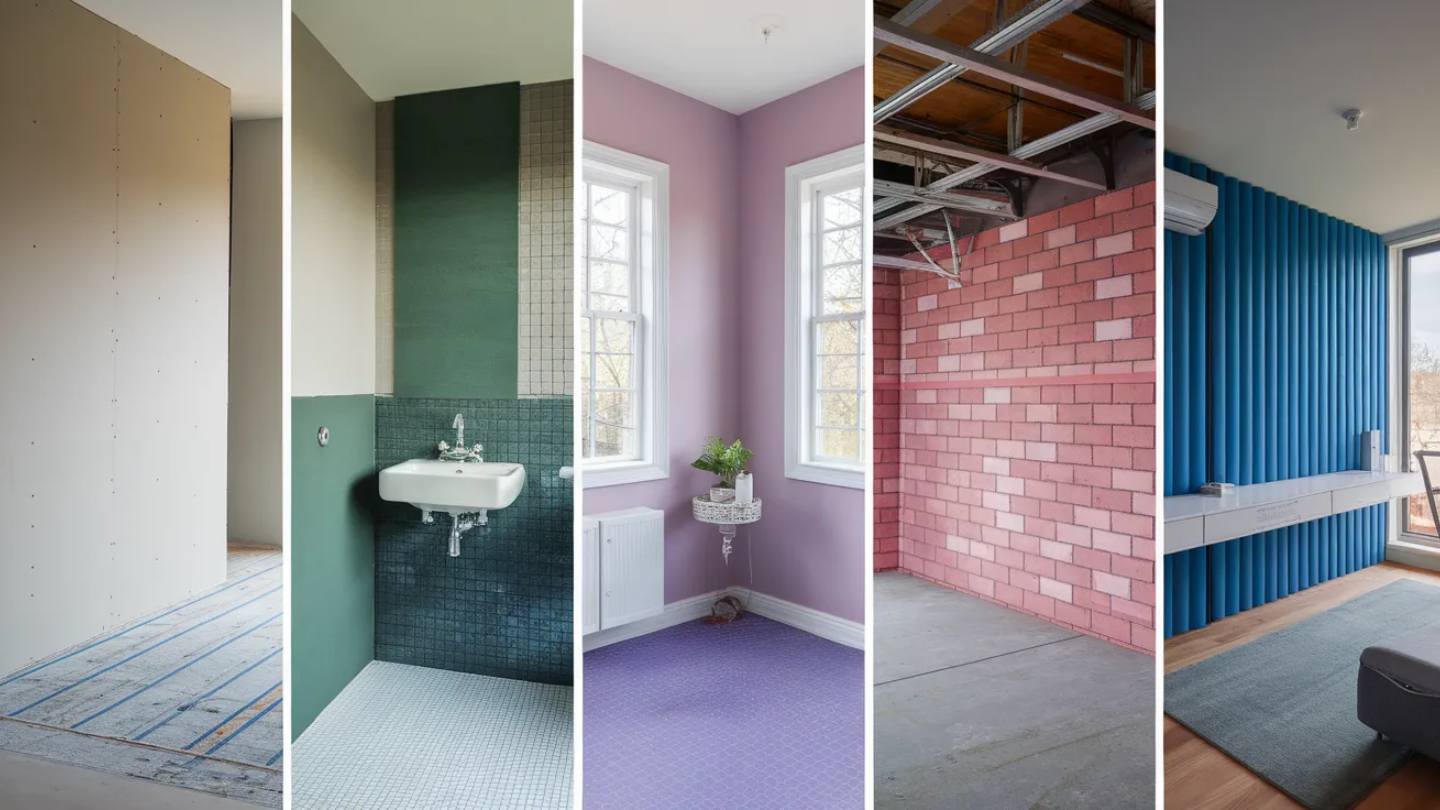
Not all drywall is the same. Each type is built for a specific purpose. Choosing the right one saves you time, money, and future repair work.
1. Standard Drywall
Standard drywall is the most common type used in homes. It comes in half-inch and five-eighths-inch thickness. It is affordable, easy to cut, and widely available at any hardware store. For basic interior projects, this is the most cost-effective option.
When to Use: Bedrooms, living rooms, hallways, and dry interior ceilings.
2. Moisture-Resistant Drywall
Moisture-resistant drywall, often called “green board,” has a water-repellent facing. It does not fully block water but handles humidity well. Always pair it with proper waterproofing behind tiles for the best results. It costs slightly more than standard drywall but offers much better protection in wet areas.
When to Use: Bathrooms, kitchens, laundry rooms, and other high-humidity spaces.
3. Mold-Resistant Drywall
Mold-resistant drywall uses a fiberglass mat instead of paper facing. This stops mold from growing on the surface. USG’s Sheetrock Mold Tough is one of the most well-known options in this category. It is a smart long-term investment for any area prone to moisture buildup.
When to Use: Basements, humid climates, and rooms with poor air circulation.
4. Fire-Resistant Drywall
Fire-resistant drywall, known as Type X, has a thicker gypsum core. It slows the spread of fire between rooms. Building codes often require it in garages and around furnace rooms. It comes in a five-eighths-inch thickness and meets most fire-rating requirements.
When to Use: Garages, furnace rooms, stairwells, and any fire-rated wall assembly.
5. Soundproof Drywall
Soundproof drywall has extra layers of gypsum and a special dampening compound inside. It reduces noise between walls and floors. Sheetrock SoundBreak XP is a popular choice among contractors for noise control. It costs more than standard drywall but delivers a noticeable difference in sound reduction.
When to Use: Home offices, media rooms, bedrooms, and shared walls in apartments.
6. Cement Board
Cement board is not gypsum-based. It is made from cement and fiberglass mesh. It handles direct water exposure better than any drywall type. It is heavier and harder to cut than drywall, so plan your installation accordingly.
When to Use: Shower walls, tub surrounds, outdoor installations, and tile backing areas.
Drywall Sizes and Thickness
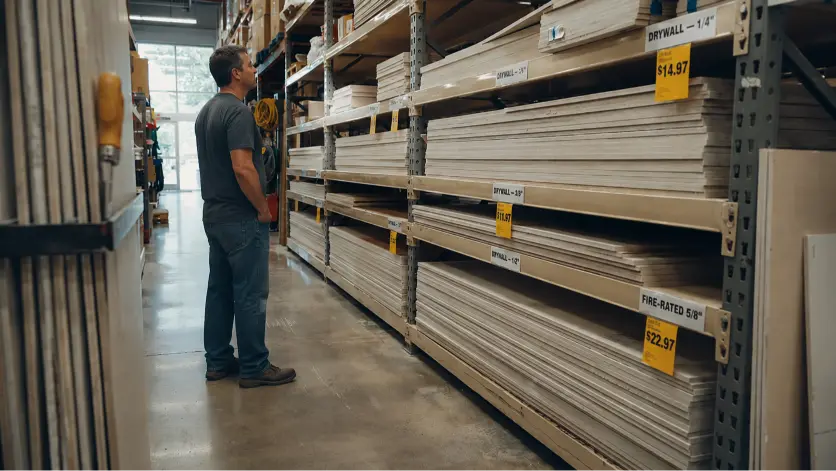
Drywall comes in several thickness options: one-quarter inch, three-eighths inch, half-inch, and five-eighths inch. Standard sheet sizes are 4×8 feet, 4×10 feet, and 4×12 feet.
Thicker boards work best for ceilings and fire-rated walls, while thinner ones suit curved surfaces and simple repairs.
Sheetrock vs Other Drywall Brands
Sheetrock is not the only drywall brand on the market. Knowing how it compares to others helps you make a smarter buying decision.
| Brand | Manufacturer | Known For | Price Range |
|---|---|---|---|
| Sheetrock | USG Corporation | Consistent quality, wide product range | Higher end |
| National Gypsum | National Gypsum Co. | Gold Bond series, strong performance | Mid-range |
| CertainTeed | Saint-Gobain | Good moisture and mold resistance | Mid-range |
| Georgia-Pacific | Georgia-Pacific LLC | Budget-friendly, widely available | Lower end |
| American Gypsum | American Gypsum Co. | Reliable for standard residential use | Lower end |
Cost Comparison: Drywall vs Sheetrock
Price is often the deciding factor in any build. Here is a clear breakdown of what you can expect to spend on drywall versus Sheetrock.
| Cost Factor | Standard Drywall | Sheetrock |
|---|---|---|
| Material Cost (per sheet) | $10 – $15 | $13 – $20 |
| Specialty Boards | $20 – $50 per sheet | $25 – $60 per sheet |
| Labor Cost | Same across both | Same across both |
| Availability | Easy to find locally | Available at most major stores |
| Budget Impact | Lower overall cost | Slightly higher but consistent quality |
On residential projects, standard drywall keeps costs down without sacrificing quality or performance. If your build involves a home addition, buying generic drywall in bulk can significantly reduce material costs.
Does Sheetrock Last Longer Than Drywall? Not necessarily. Both last decades when installed correctly. Sheetrock’s consistent manufacturing gives it a slight edge in durability. But proper installation and moisture control matter far more than the brand you choose. |
What Should You Buy for Your Project?
Here is a simple breakdown:
Buy Standard Drywall if:
- You are on a tight budget
- You are doing a basic residential project
- Brand consistency is not a priority
- You need large quantities at a lower cost
Buy Sheetrock if:
- You want a trusted, consistent quality brand
- You are working on a commercial or high-end residential project
- You need specialty boards like SoundBreak XP or Mold Tough
- Your contractor specifically recommends it
Standard drywall gets the job done well on typical residential projects. Sheetrock is worth the extra cost when quality, consistency, and specialty performance matter most.
Repair and Maintenance of Drywall and Sheetrock
For repairs, the brand makes very little difference. The process is the same for both drywall and Sheetrock.
- Common Damage Types: Small holes, cracks along seams, water stains, and dents from impact
- Repair Process: Fill with joint compound, sand smooth, prime, then paint
- Sheetrock vs Drywall Repair: Both are repaired in the same way using the same tools and materials
- When to Replace: Large holes, soft water-damaged areas, or visible mold growth
- Repair Costs: DIY kits cost $10-$30. Professional repairs range from $50 to $600
- Matching Existing Walls: Match thickness, texture, and finish for a clean, consistent look
Wrapping It Up
Drywall and Sheetrock are not competing products. They are essentially the same product with one key difference: a brand name. The bigger question was never “which brand?” It was always “which type?”
Pick the wrong board for a wet bathroom or a fire-rated wall, and no brand name will save you from costly repairs down the line. Get the type right, and your walls will perform well for decades.
So next time you walk into a hardware store, skip the brand debate. Look at the board type, check your room’s needs, and buy with confidence. That is the only decision that actually matters.
Frequently Asked Questions
Why Do Americans Call It Drywall?
Americans call it drywall because it replaced wet plaster. Unlike plaster, this material needs no water or drying time during installation.
Can Drywall Dust Cause a Sinus Infection?
Yes, drywall dust can irritate your sinuses. Long-term exposure may lead to infections, breathing issues, and other respiratory problems. Always wear a mask.
Can You Hang New Drywall Over Old Drywall?
Yes, if the old surface is flat and structurally sound. Use 1/4-inch panels and longer screws to reach the studs behind both layers. (Source: forum discussions on DIY home improvement)