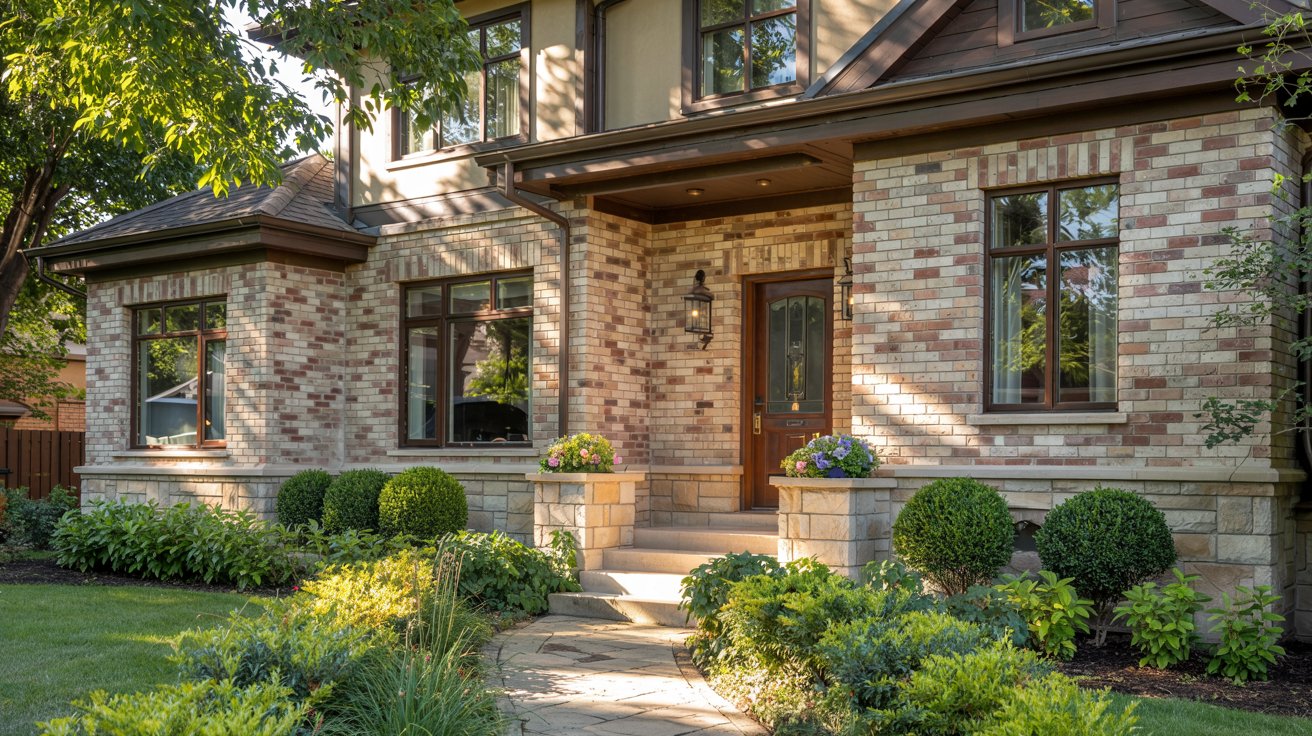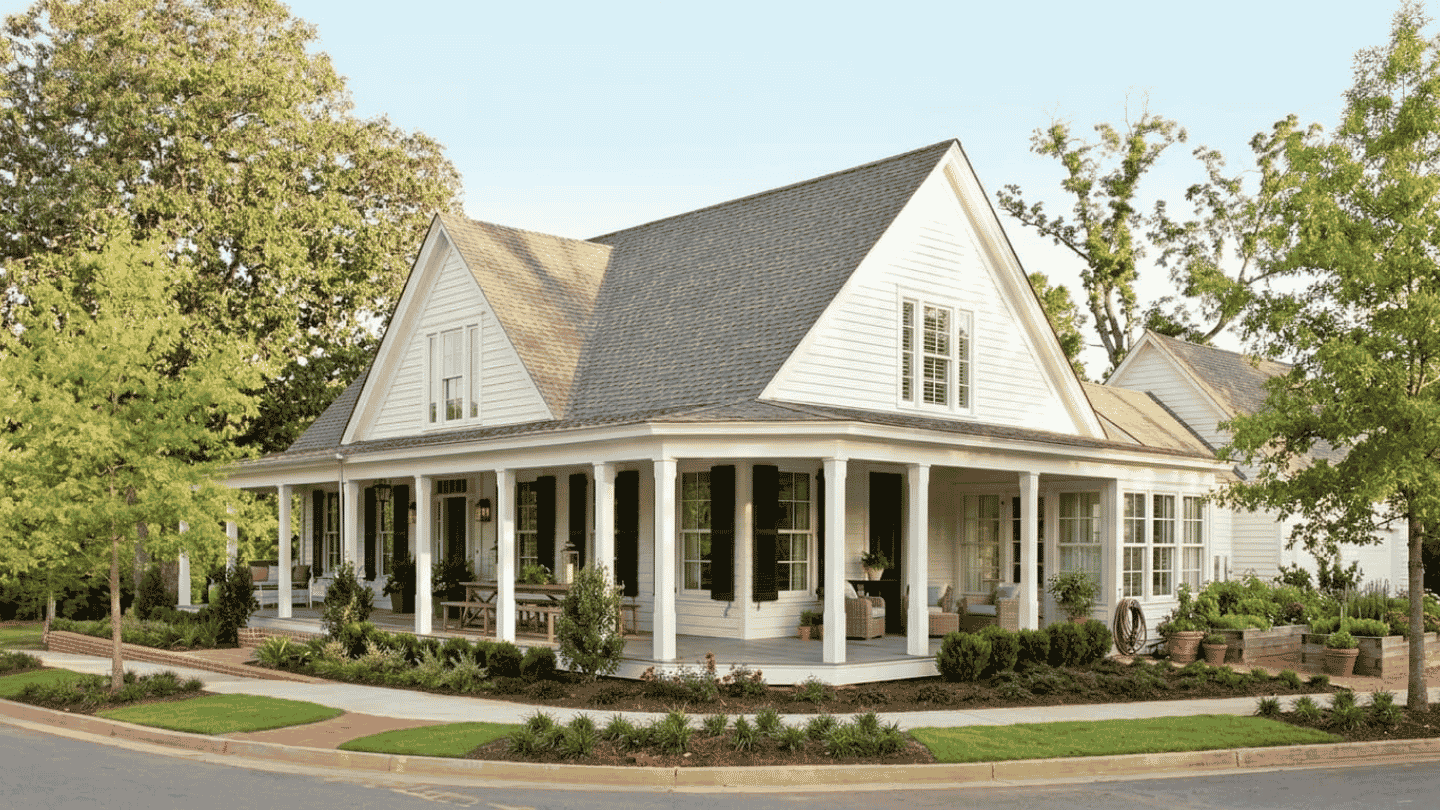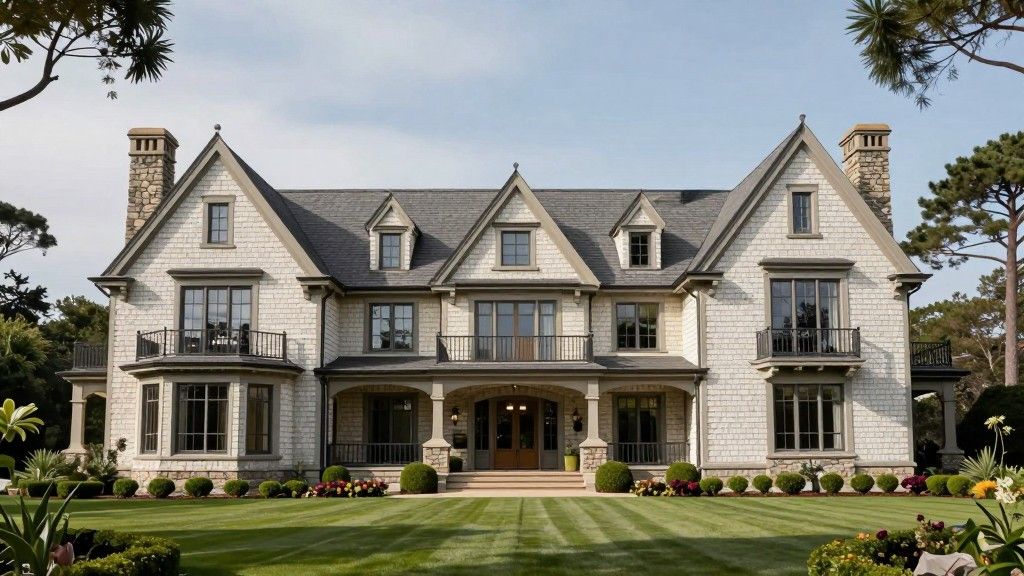
Most residents focus on roof shingles and ignore the part that matters most. Your overhang roof is silent protection. It shields walls from rain damage, blocks harsh sun, and adds visual appeal to your home.
An overhang roof is the portion that extends beyond the exterior walls. Think of it as your home’s first line of defense. This guide reveals lovely overhang types used across American homes.
We’ll show how design and structure work together safely. You’ll find the maximum roof overhang without support. This knowledge prevents costly mistakes and building code violations.
Climate zones, local regulations, and Plannerural styles all influence your choice. Sunny southern homes need different overhangs than snowy northern regions.
Read on for practical insights, design inspiration, and US-specific guidance modified to your area.
What Is an Overhang Roof and Its Benefits?
An overhang roof extends beyond your exterior walls. It’s the portion that juts out from the edge of the house. This creates the eaves you see on every home.
This roof consists of several parts working together. The eaves form the lowest horizontal edge. Soffits run underneath, creating the finished undersurface. Fascia boards close off the rafter ends vertically. Rakes extend diagonally along the sloped gable roof edges.
These components protect your home from weather damage. Rain, wind, and sun constantly attack homes. Overhangs absorb this punishment, so walls don’t have to.
Without proper protection, siding and foundations deteriorate quickly. Gutters sit along the edge to catch rainwater. Water flows safely away from the foundation perimeter.
Key benefits of Overhang Roof include:
- Weather protection: Shields siding and foundations from heavy rain runoff and water damage.
- Interior cooling: Eaves block harsh summer sun and keep rooms cooler naturally.
- Extended lifespan: Windows and doors last longer when protected from direct sun exposure.
- Improved ventilation: Air moves freely through soffit vents into the attic space.
- Reduced heat buildup: Proper airflow keeps wood framing dry year-round.
- Regional adaptation: Depth varies by climate to achieve maximum performance and safety.
Climate shapes overhang design across America. Sunny southern homes use deep eaves for maximum shade. Snowy northern regions keep them shorter safely. This variation ensures your overhang performs best in your specific location.
How Roof Overhangs Protect Your Home?
Roof overhangs shield your home from constant exposure to the elements by directing rain away from siding and foundations, reducing moisture damage and long-term deterioration.
They also block harsh sunlight, keeping interior rooms cooler and lowering energy use during hot months. Properly vented soffits help move moist air out of the attic, preventing mold growth and wood rot.
In snowy or windy regions, overhangs reduce ice damage and protect exterior walls from driven rain. Whether deep or standard, a well-designed overhang improves durability, comfort, and structural longevity.
Most Popular Types of Overhang Roofs
Roof overhangs come in many styles, each serving unique design and functional needs. Here are seven popular overhang roof types commonly seen in American homes.
1. Standard Eave Overhang
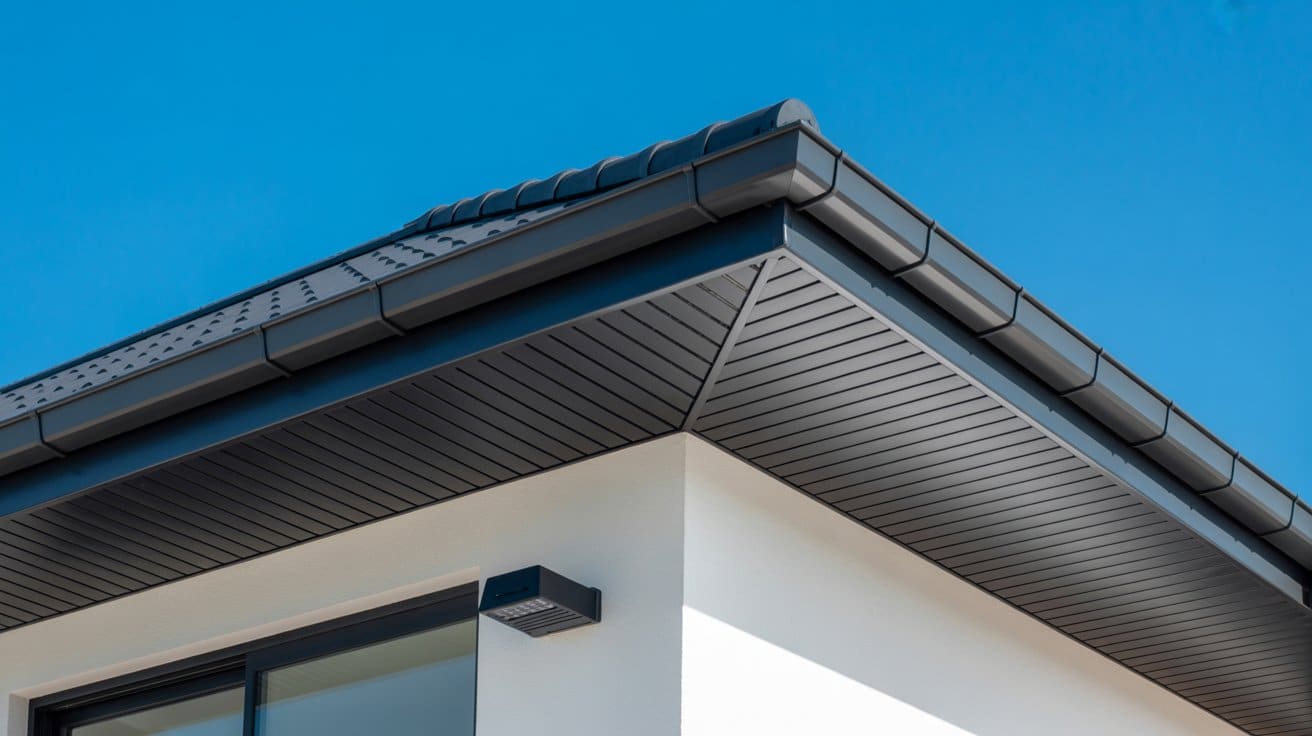
The classic eave runs horizontally along the lower edge of the roof. It extends 12 to 24 inches from the wall face. This is the most common type nationwide.
Siding and foundation stay protected from rain splash. Water drips far from the house perimeter. Standard eaves suit nearly every home style in America.
Residents rarely need structural support for standard overhangs. Traditional framing handles this projection easily. Installation costs stay low compared to extended options.
2. Gable (Rake) Overhang
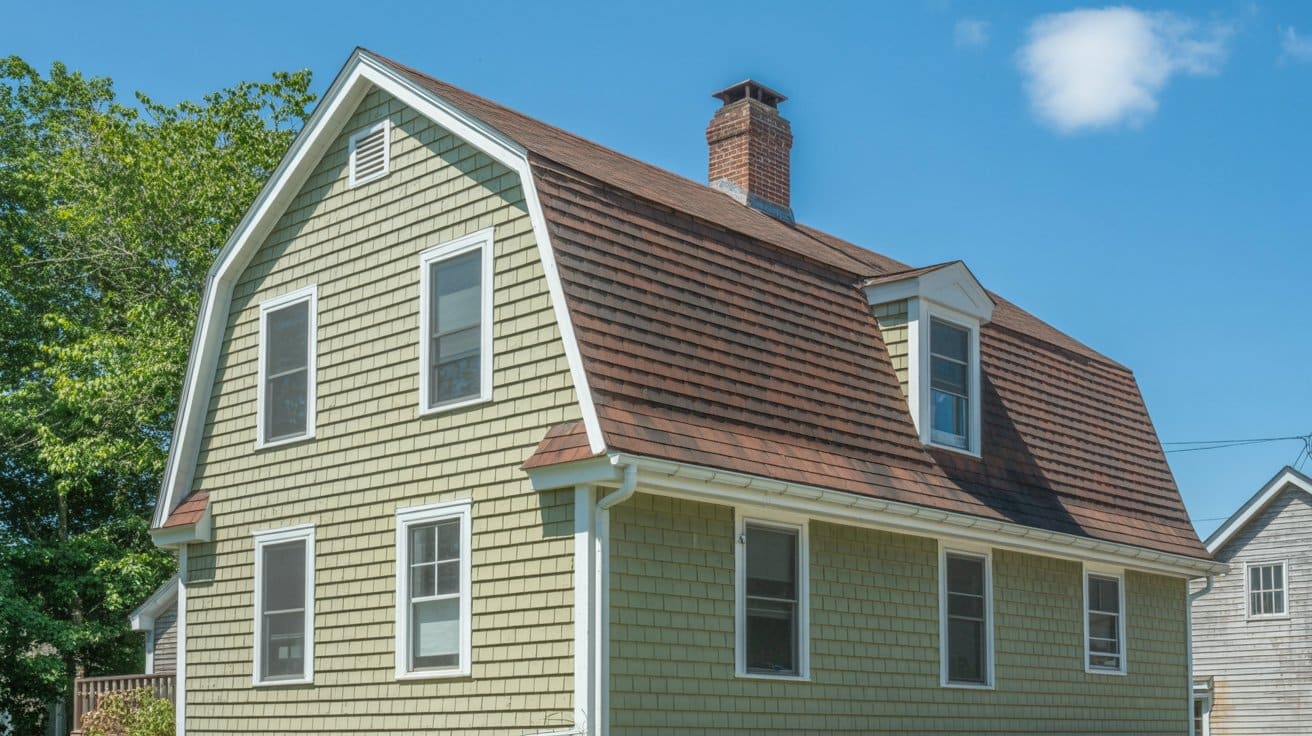
Gable overhangs extend from sloped roof edges. They run diagonally on the sides of peaked roofs. This adds visual balance and shields walls from wind-driven rain.
Coastal regions benefit most from rake overhangs. Windy climates like the Southeast experience intense lateral pressure. Exposed gable-end walls face harsh weather on both sides.
This creates attractive Plannerural lines. They frame the roofline and add character. Many traditional and modern homes feature prominent rake overhangs.
3. Boxed-In Soffit Overhang
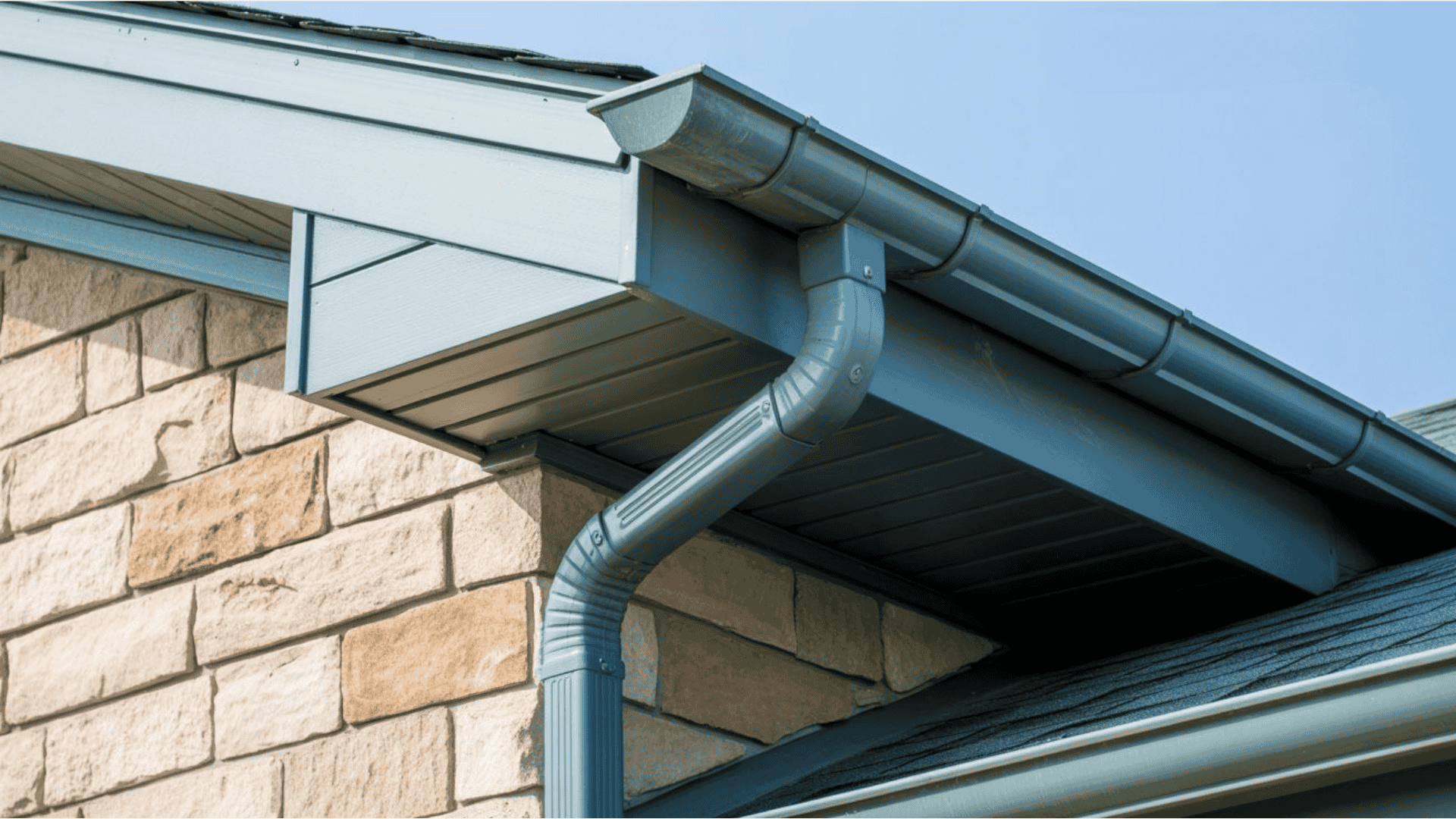
The soffit sits enclosed beneath the overhang. Rafters and framing stay hidden from view. This creates a clean, finished appearance.
Suburban and modern homes favor this style. The boxed design simplifies attic ventilation. Soffit vents sit neatly within the finished edge.
Maintenance becomes easier with boxed soffits. Painting and cleaning happen on smooth surfaces. No exposed wood requires special treatment or weatherproofing.
4. Open-Rafter Overhang
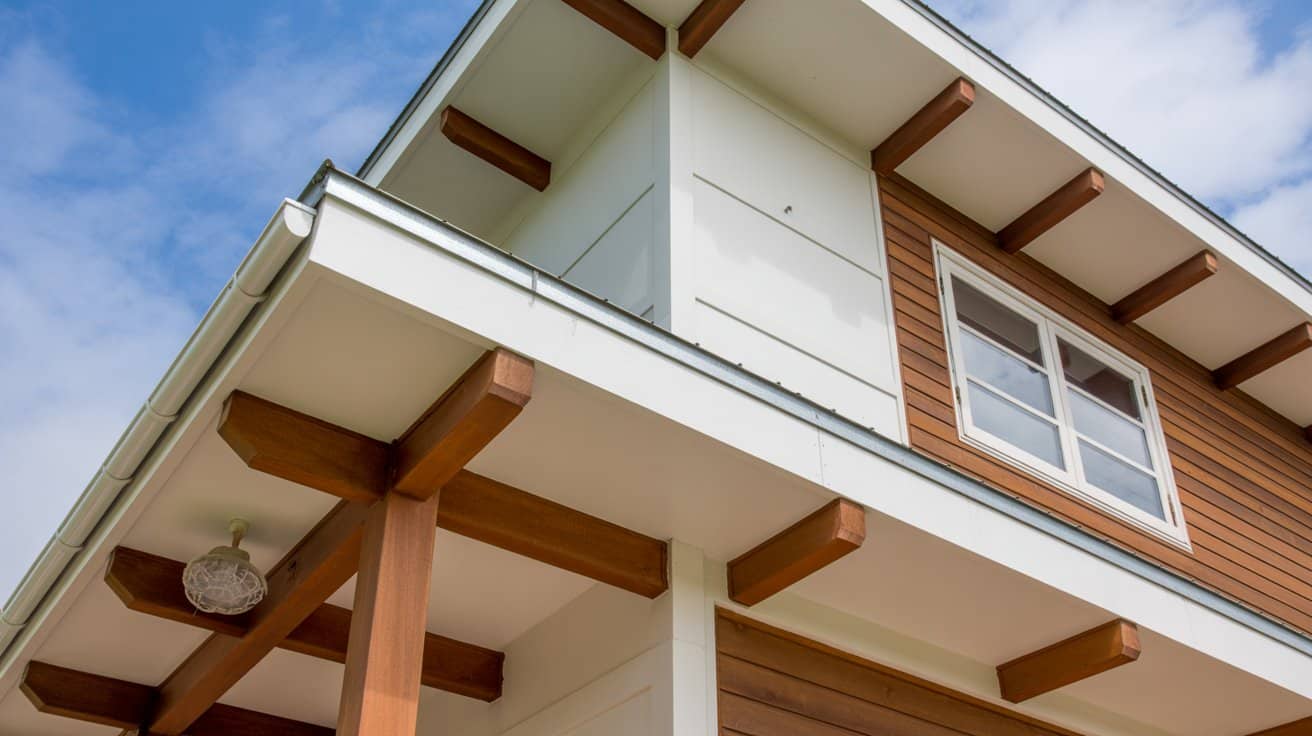
Exposed rafter tails create a rustic aesthetic. You see the wooden beams beneath the overhang. Craftsman and cottage-style homes showcase this detail.
Warm, dry climates work best for open rafters. California and Southwest homes often feature this design. Wood needs good paint or treatment for longevity.
This style adds genuine character to traditional homes. Exposed rafter ends become visible—plannerural features. The look works well in homes built before modern codes.
5. Deep (Extended) Overhang
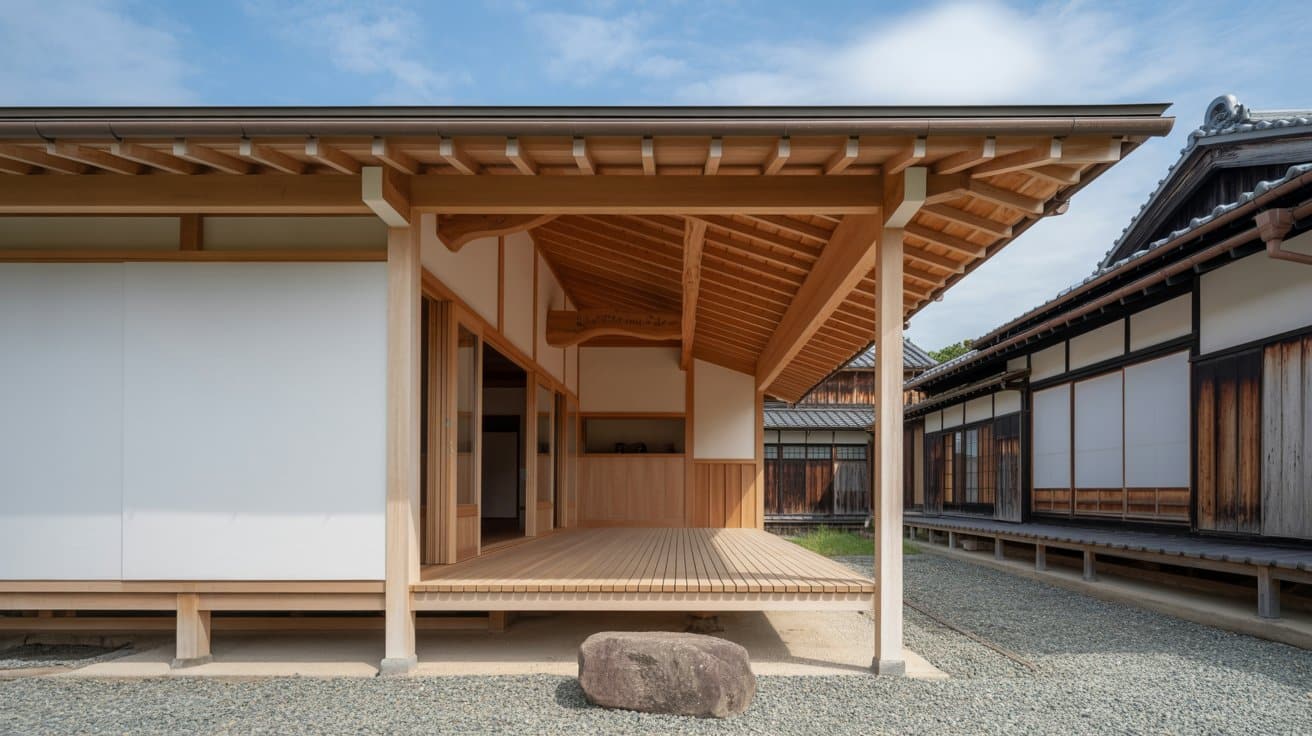
Extended overhangs project more than 24 inches. They provide significant shade and modern aesthetics. Energy-efficient homes often use deep overhangs for passive solar benefits.
Deeper shade reduces cooling costs in hot months. Interior comfort improves when windows stay shaded. This design works well in southern and western states.
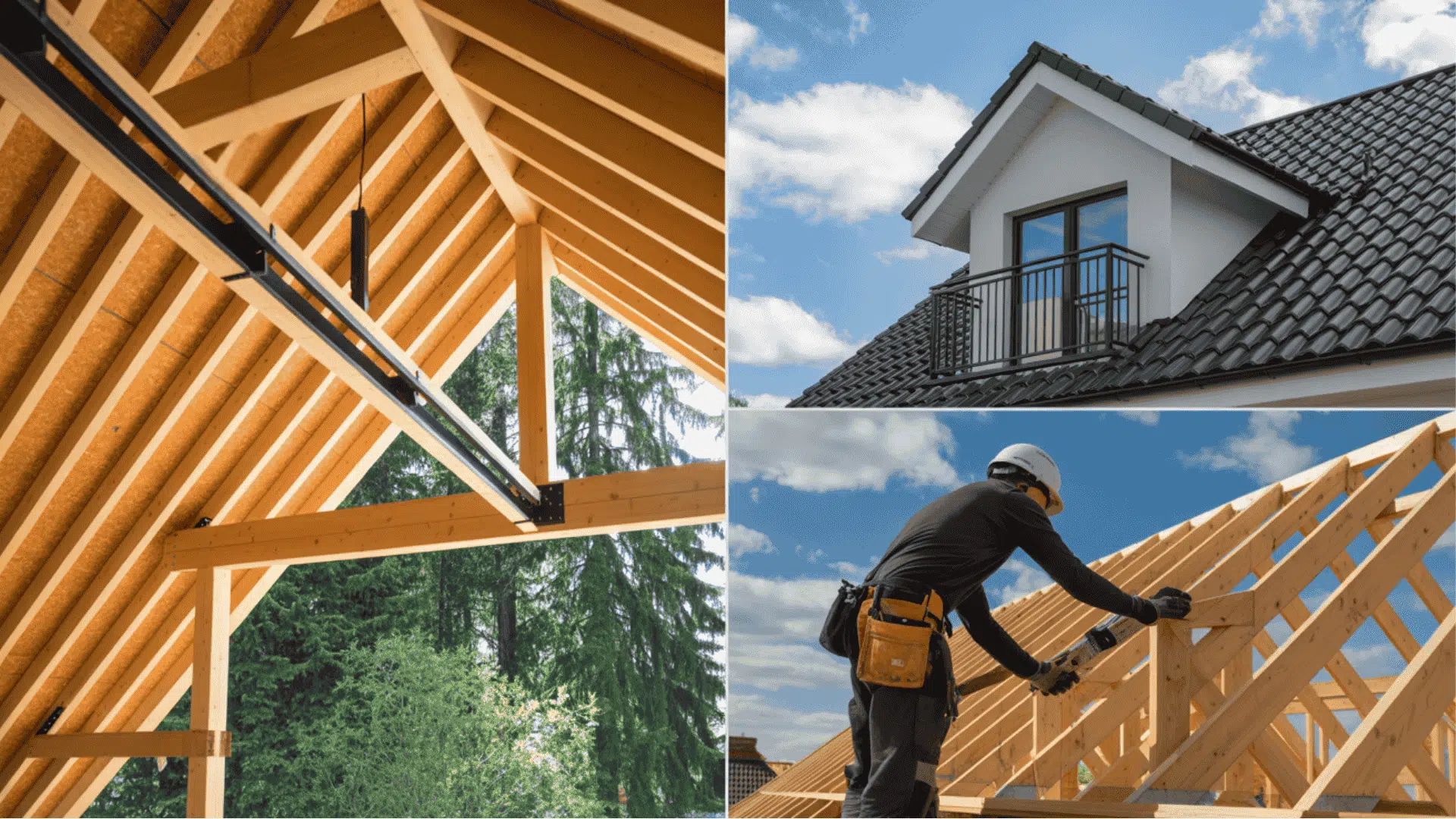
Structural support becomes necessary beyond 24 inches. Engineers must calculate cantilever capacity. Additional bracing or support beams add to project costs.
6. Curved or Arched Overhang
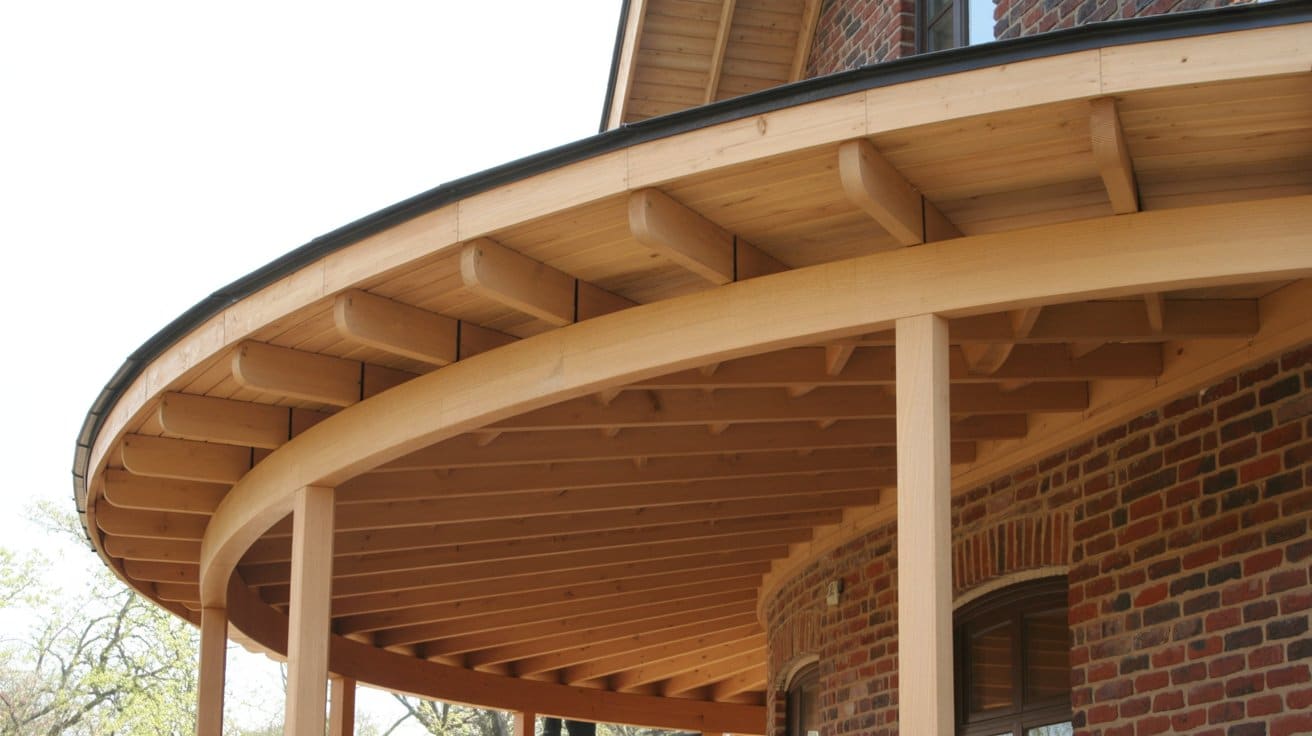
Smooth, sweeping curves replace straight edges. Contemporary homes use this design for Plannerural flair. The curved form adds visual interest to modern facades.
Framing complexity increases with curved overhangs. Carpenters must bend wood or use laminated materials. Structural brackets or steel framing provide support.
This style suits homes with curved walls or wraparound elements. Curved overhangs create flowing, organic rooflines. Design sophistication increases building costs and timeline.
7. Cantilevered Overhang
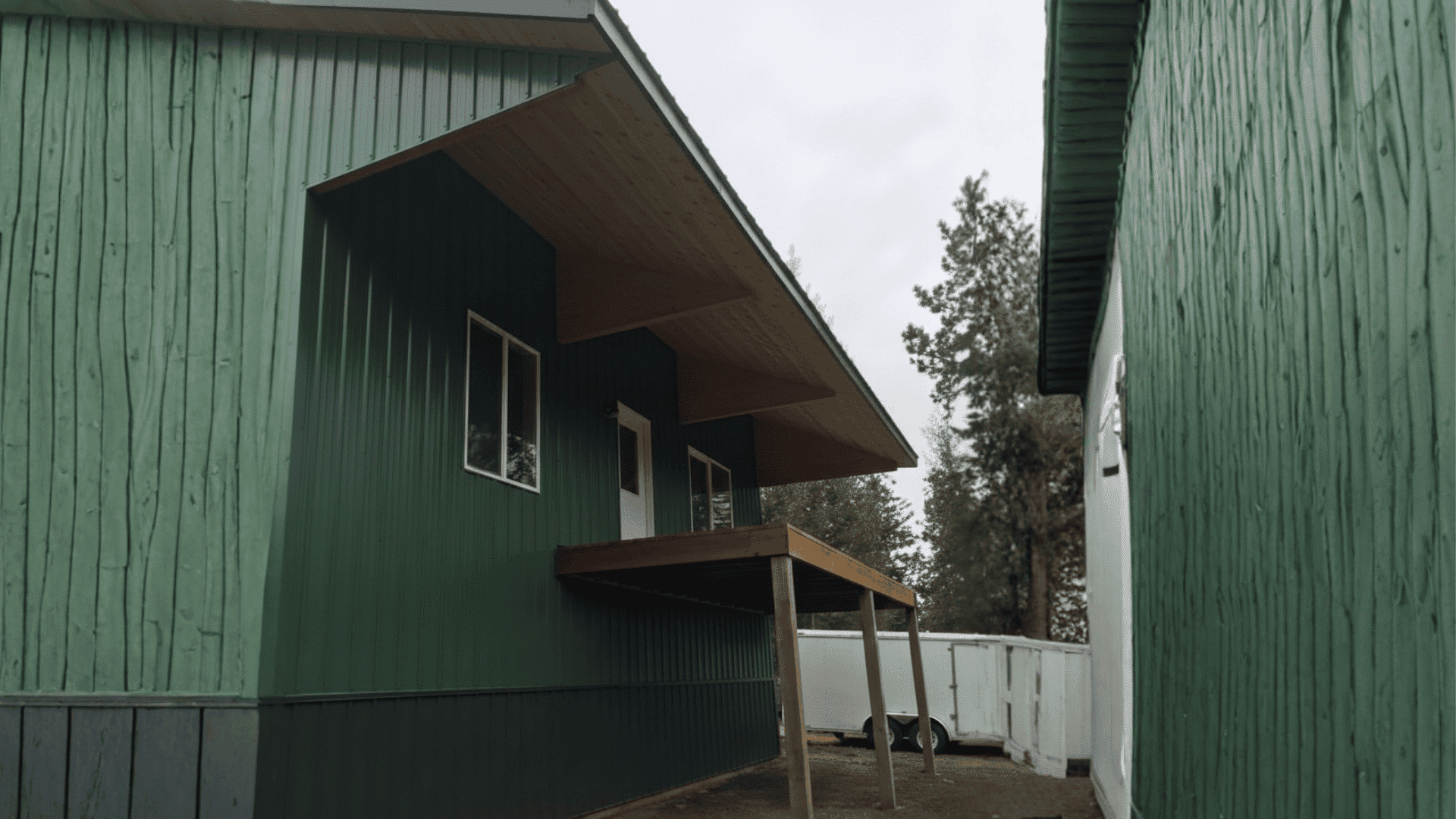
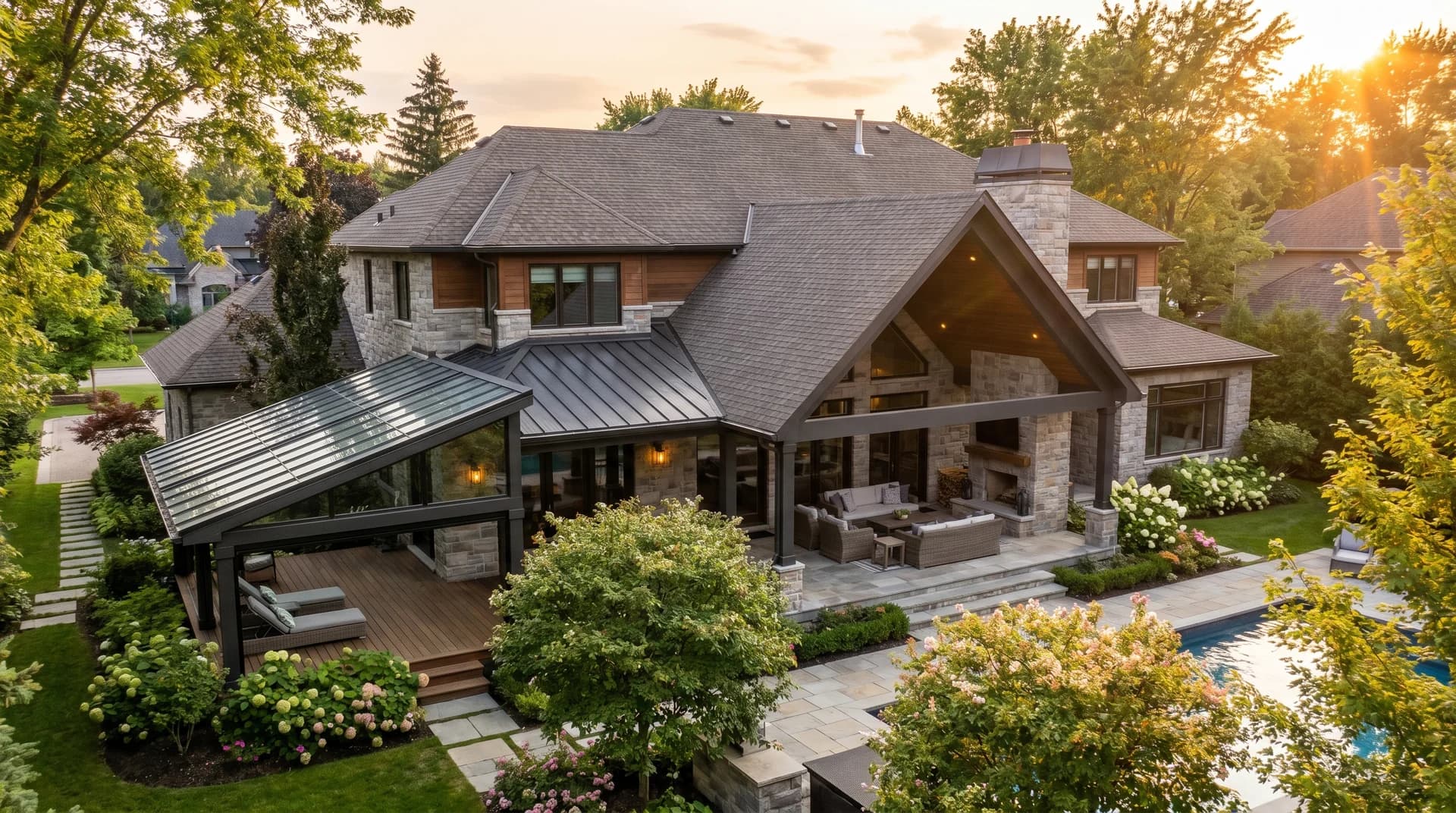
Structural beams or trusses extend far beyond walls. This creates dramatic, floating rooflines. Modern, minimalist designs prominently feature cantilevered overhangs.
These overhangs provide bold Plannerural statements. They open wall space below for windows or doors. Outdoor living areas sit protected beneath the extended projection.
Professional engineering is essential for cantilever design. Structural calculations determine beam size and spacing. This option requires the most careful planning and expertise.
Each overhang roof type blends structure with style. Choosing the right one depends on your home’s location, local climate, and the amount of shade or character you need.
How Far Can a Roof Overhang Without Support?
US residential construction limits typical overhangs to 12 to 24 inches. This range works without additional structural support. Standard rafters handle this projection comfortably.
Several factors influence maximum span:
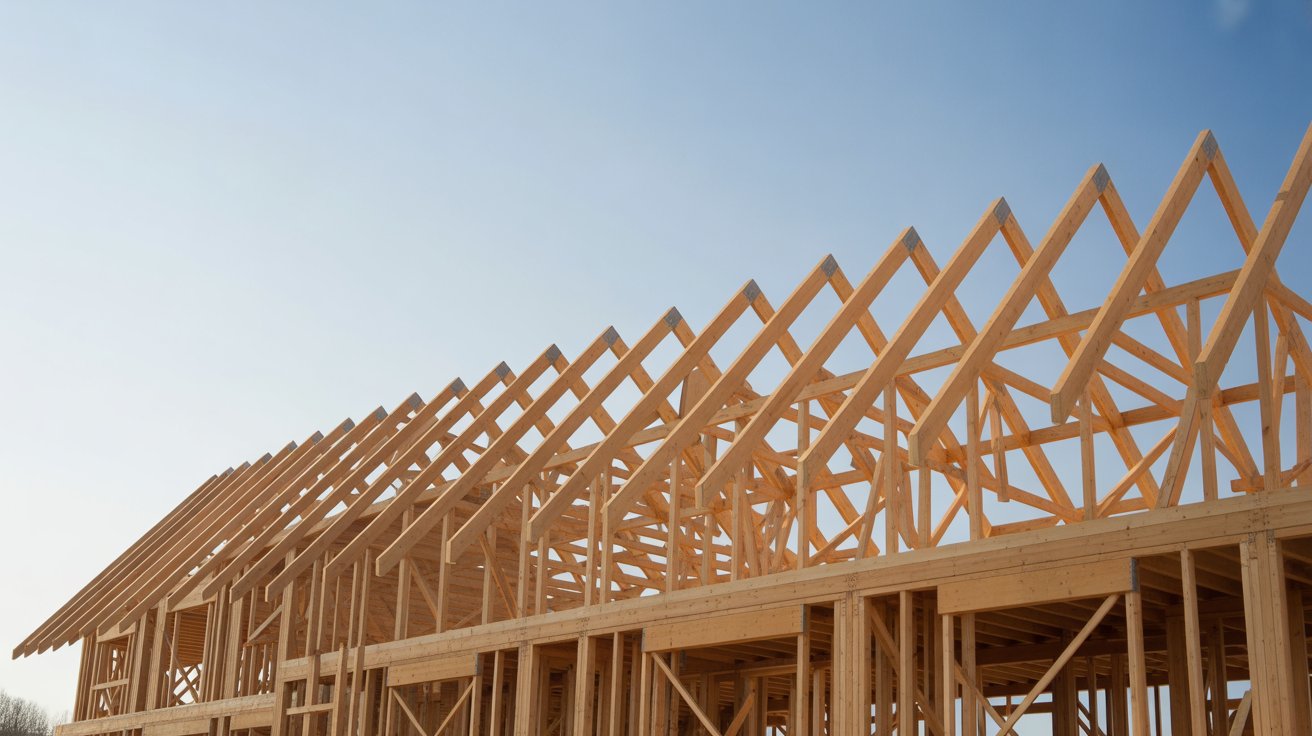
- Rafter size and spacing determine load capacity.
- Roof pitch and material weight affect structural stress.
- Wind and snow loads vary by region.
- Connection strength depends on fastener quality.
Choosing the Right Overhang Roof for Your Home
Selecting the right roof overhang involves balancing design, climate, and compliance. These key considerations help you choose an overhang that enhances beauty, comfort, and long-term performance.
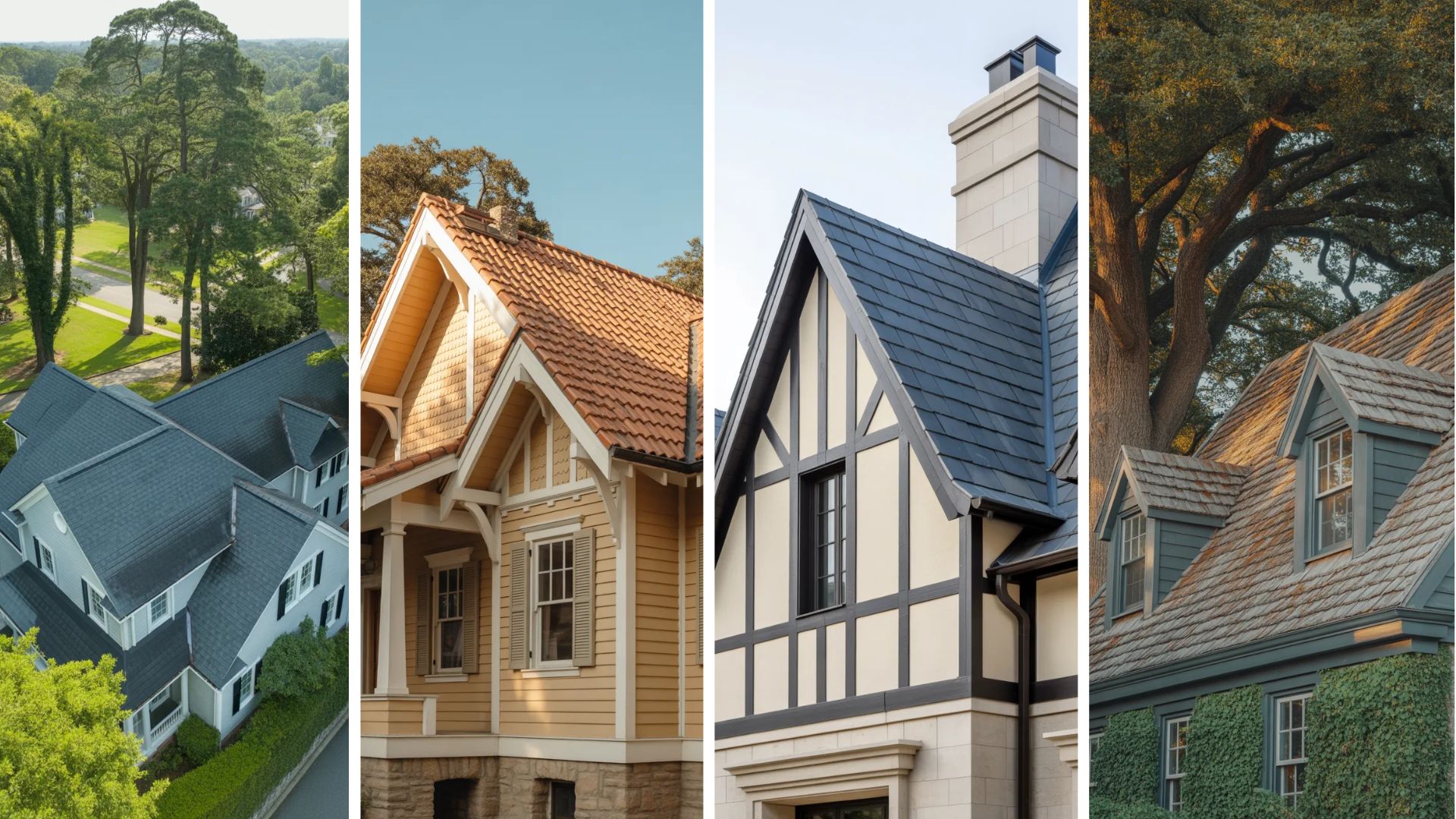
- Match with Plannerural style: Choose an overhang that complements your home’s Plannerural style to create visual balance and harmony, enhancing curb appeal and reinforcing the character of your overall design.
- Reflect your home’s character: Your roofline expresses your home’s personality. Selecting an overhang that aligns with your style, era, and materials creates a cohesive, timeless Plannerural appearance.
- Adapt to regional climate: Climate plays a critical role in overhang design. Adjusting depth for shade, snow, or wind ensures durability, comfort, and energy efficiency across different U.S. regions.
- Factor in orientation and sunlight: Sun exposure influences both comfort and performance. Varying overhang lengths for north, south, east, and west walls maximizes shade, daylight, and energy savings year-round.
- Check local building codes: Building regulations affect roof overhang dimensions. Reviewing local IRC amendments early helps prevent costly redesigns and guarantees your project meets safety and zoning standards.
When style, sunlight, and structure align, your roof overhang elevates both form and function. Thoughtful planning ensures lasting appeal, protection, and energy efficiency for any home.
Best Construction Practices for Overhang Roofs
Use moisture-resistant materials for soffits and fascia. Cedar and engineered wood resist rot and insects. Aluminum soffits require minimal maintenance over time.
Proper flashing prevents water from entering walls. Flashing directs moisture safely over the exterior surface. Gutters must sit correctly along the overhang edge. Water should flow into gutters, not behind them.
Attic ventilation requires soffit vents in most climates. Air flows from the soffit vents through the attic. Ridge vents or gable vents release hot, moist air. This ventilation prevents rot and extends roof life.
Metal connectors secure overhangs against uplift forces. Hurricane ties and rafter ties prevent wind damage. Fastener spacing and size must comply with code requirements. Local inspectors verify connection quality.
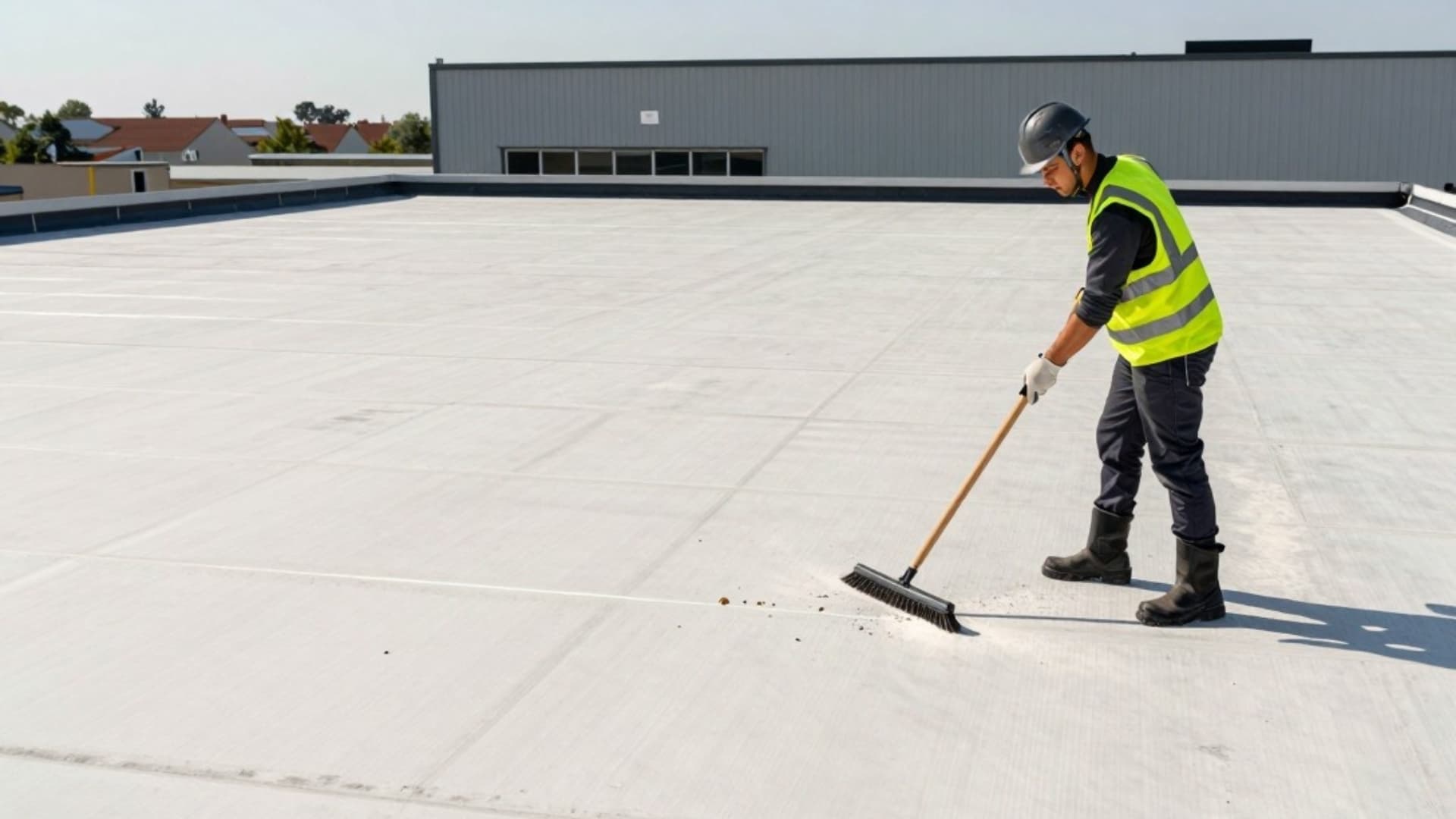
Routine maintenance keeps overhangs functional and attractive. Inspect soffits twice yearly for damage or rot. Repaint exposed wood every 3 to 5 years. Clean gutters before winter and after storms.
Conclusion
Overhang roofs combine function and style across American homes. The seven types we covered suit different Plannerural needs. Standard eaves provide practical protection. Cantilevered designs make bold statements.
Most homes safely use 12 to 24-inch roofs without support. Regional climate influences safe projection distances. Building codes establish specific limits in your area.
Structure, climate, and aesthetics should guide your design choices. Professional builders understand these balance points. They ensure your overhang roof lasts decades.
Plan ahead when considering deeper overhangs. Consult with a local engineer or Planner for complex designs. Professional guidance ensures your roof adds beauty and protection for years to come.