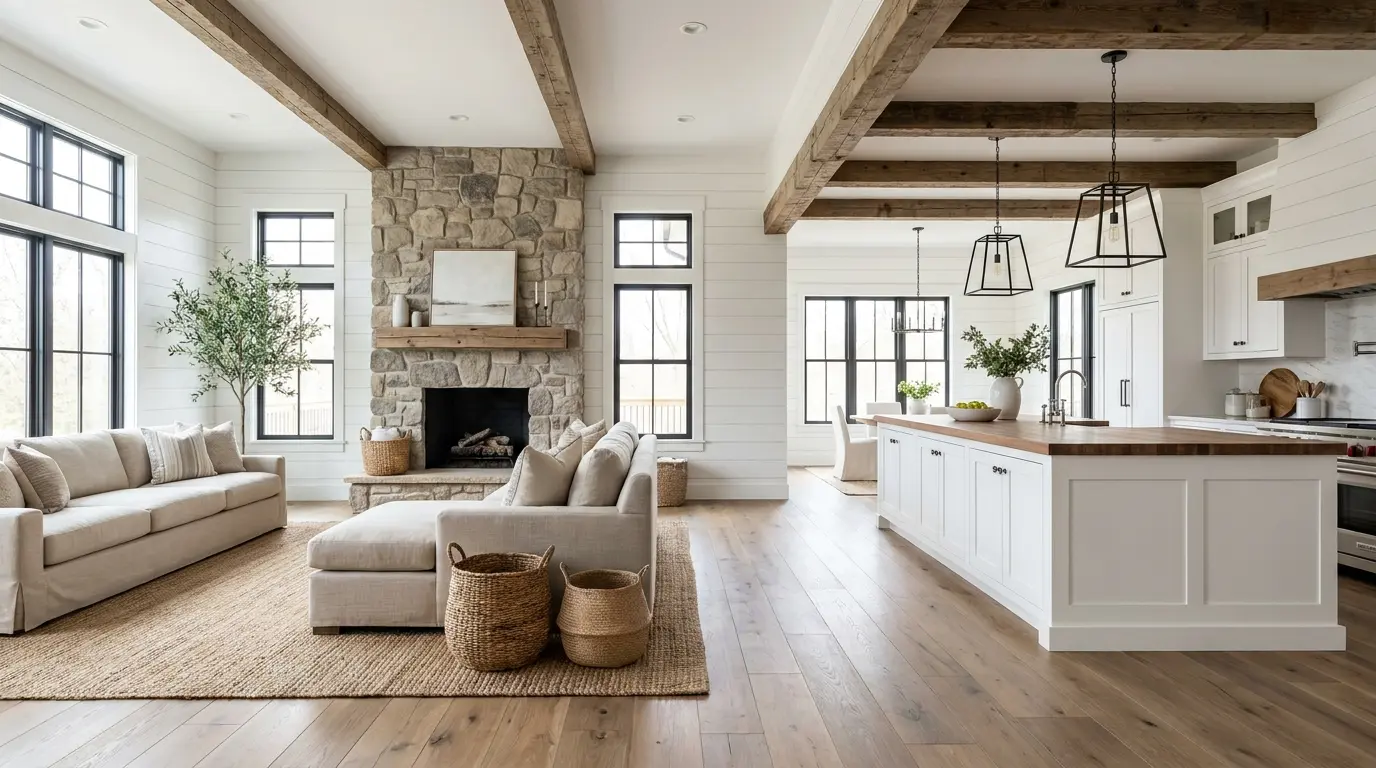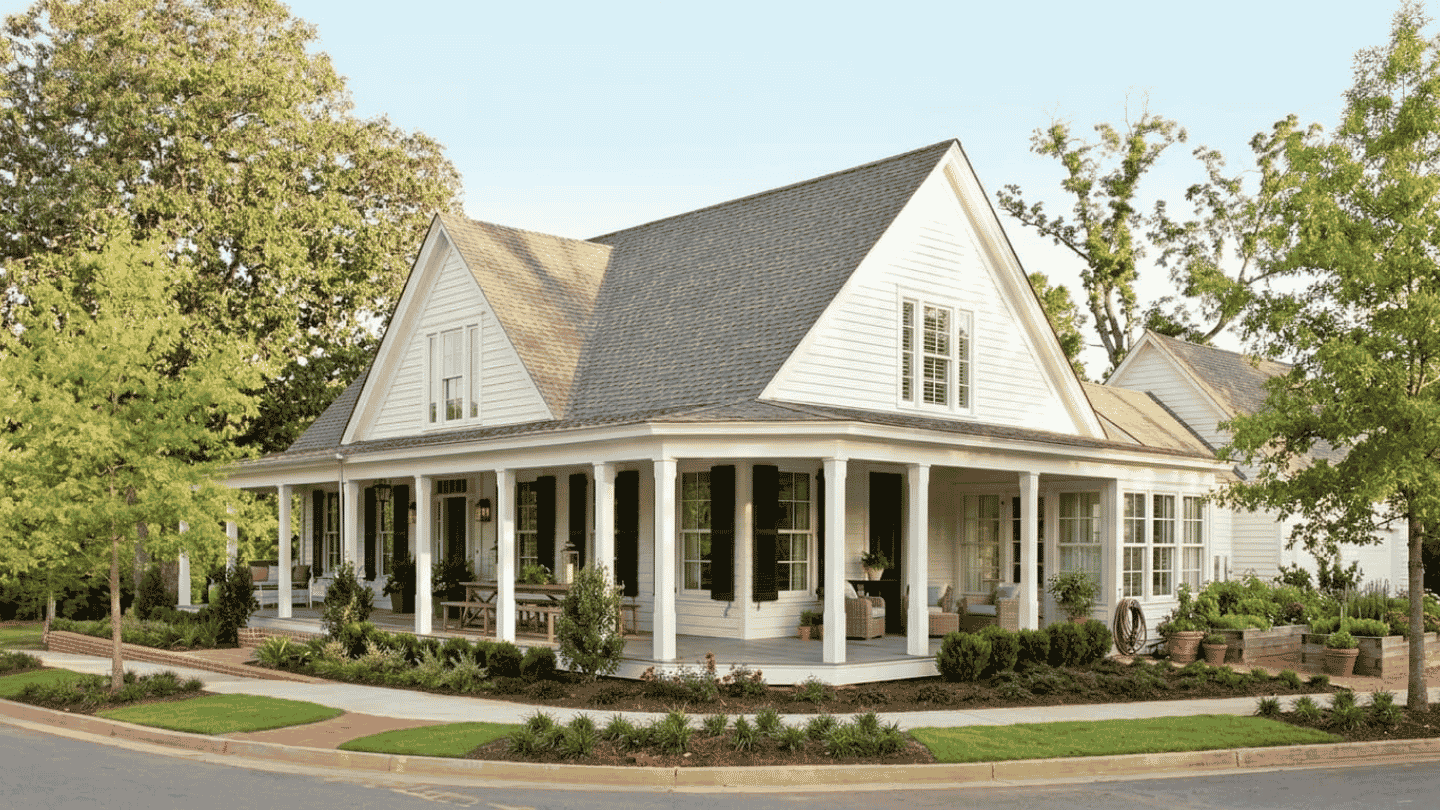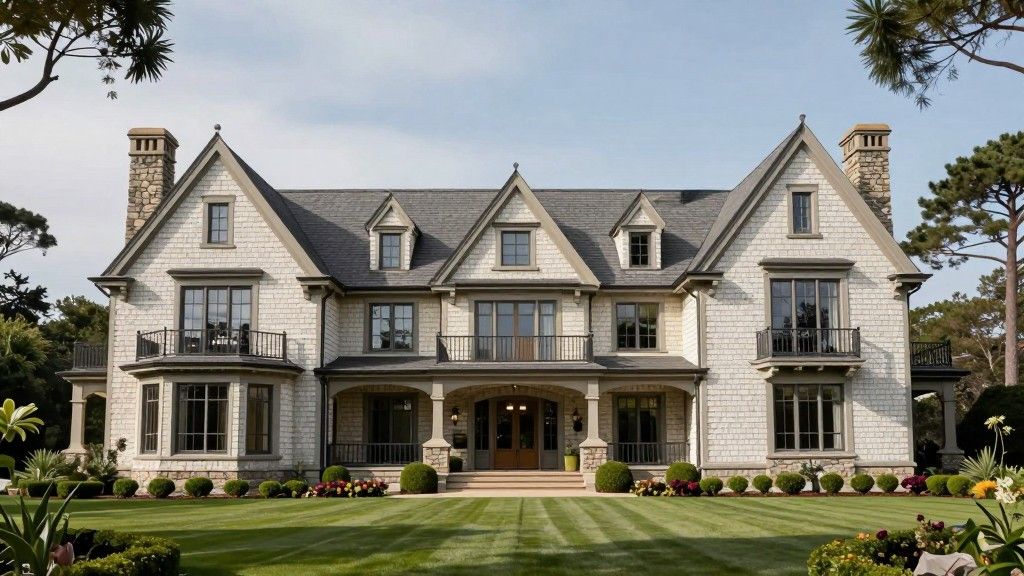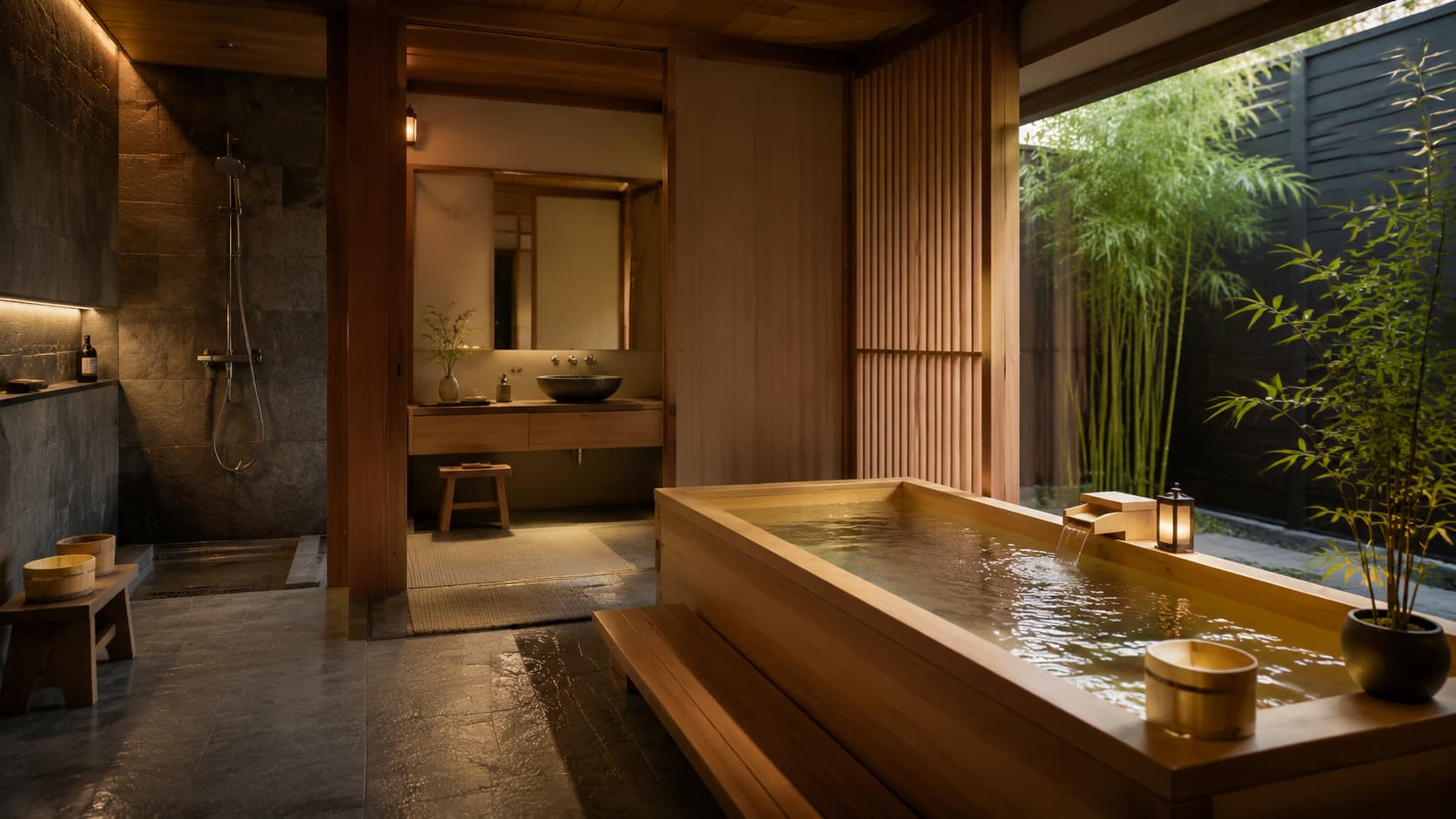
Modern rustic interior design takes the warmth of a rustic home and pairs it with clean, modern lines.
Rough wood beams sit next to smooth sofas. Stone walls pair with simple lighting.
Nothing feels forced or overdone. I have worked on enough of these rooms to know the balance is the hard part, not the shopping list.
In this blog, you will learn the right colors, materials, and furniture for modern rustic spaces, plus the mistakes to avoid.
What Is Modern Rustic Interior Design?
Modern rustic design blends natural, aged, and handcrafted elements with clean, contemporary designs.
It keeps the warmth people love in rustic homes, but it drops the heaviness and clutter that often come with traditional rustic decor.
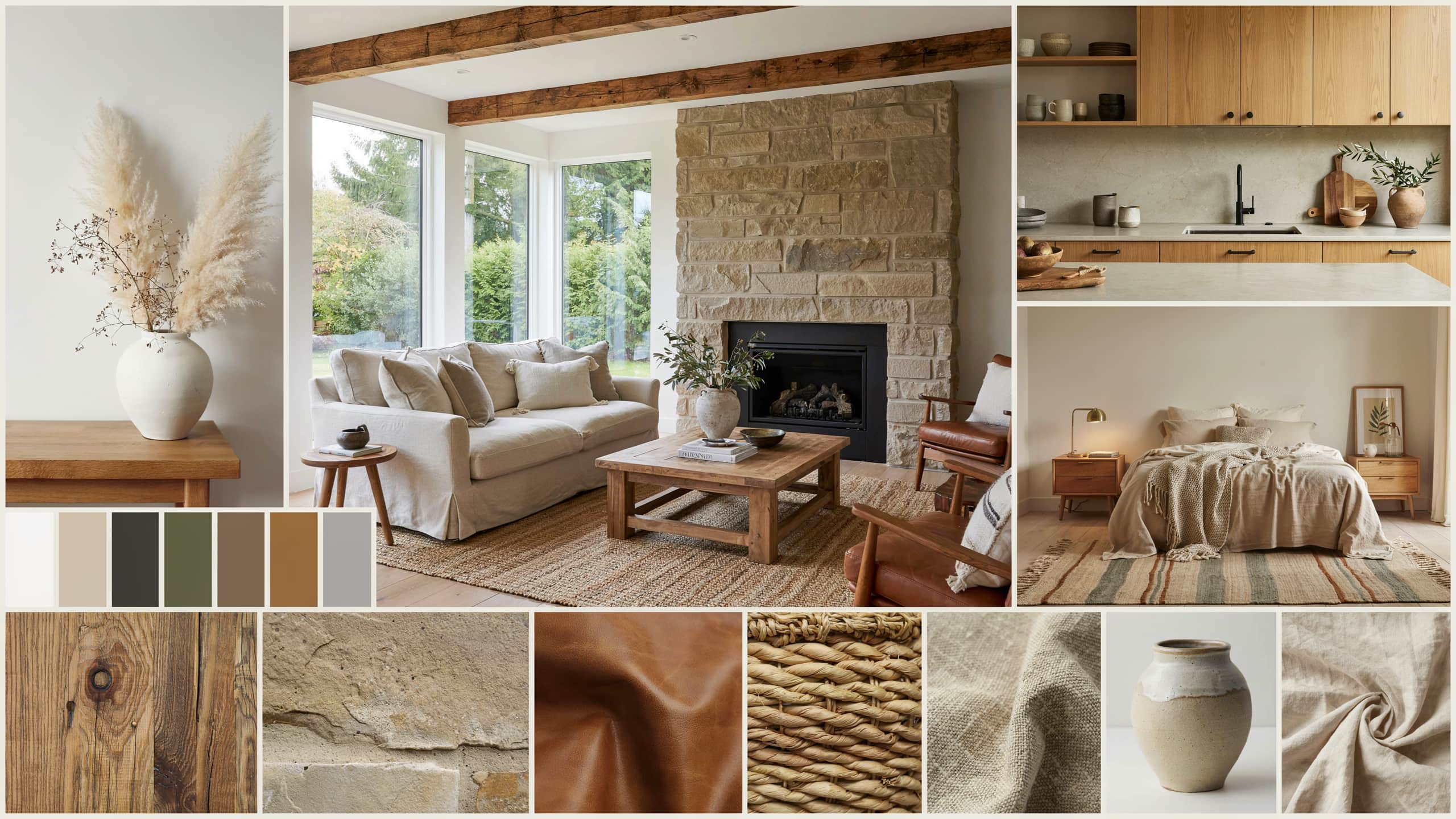
Think of a wooden beam next to a smooth linen sofa, or a stone wall behind a simple black light fixture, since that contrast is the heart of this style.
It is a different approach to contemporary interior design, which favors sleeker lines and fewer natural textures.
Core characteristics of modern rustic design:
| Element | Modern Rustic Approach |
|---|---|
| Materials | Wood, stone, metal, leather, linen |
| Colors | Warm neutrals, earthy tones, soft whites |
| Furniture | Simple silhouettes with natural textures |
| Decor | Minimal but meaningful |
| Atmosphere | Cozy, relaxed, and refined |
Designers create this style through contrast, pairing rustic textures like rough wood and stone with modern shapes, clean lines, and simple furnishings to keep the space warm yet current.
What’s the Difference Between Modern Rustic, Rustic & Modern Farmhouse?
These three styles share a love for natural materials. But they use those materials in different ways.
| Style | Color Palette | Materials | Furniture | Overall Mood |
|---|---|---|---|---|
| Rustic | Deep browns, greens, reds | Rough-hewn wood, stone, iron | Chunky, handmade, vintage | Rugged, lived-in |
| Modern Rustic | Warm neutrals, soft whites, earthy tones | Wood, stone, leather, linen | Simple silhouettes, natural textures | Cozy but refined |
| Modern Farmhouse | Crisp whites, soft grays, warm beige | Shiplap, light wood, matte black metal | Clean-lined, slipcovered, minimal | Bright, polished |
The Key Elements of Modern Rustic Interior Design
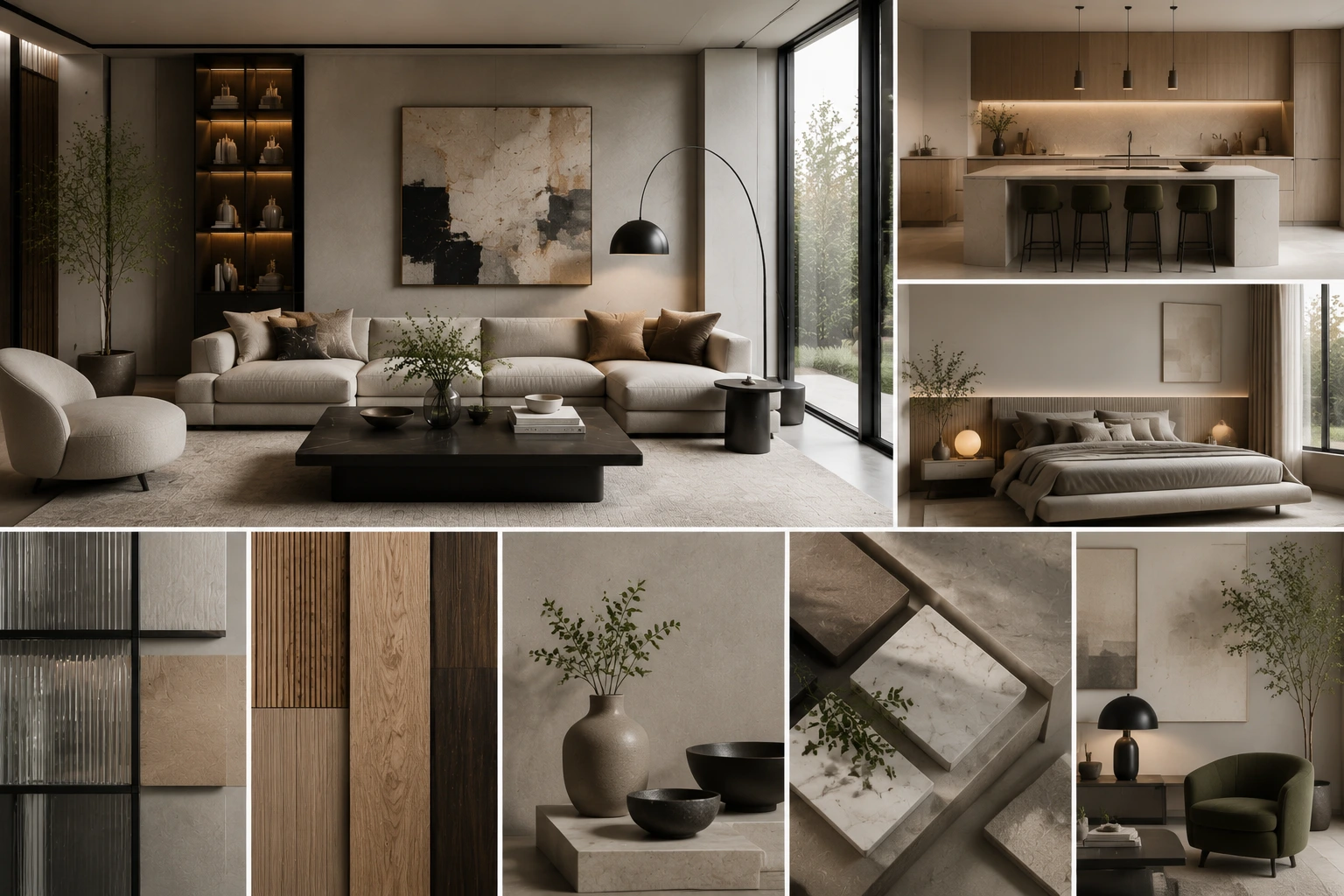
Modern rustic interior design combines the warmth of natural materials with the clean simplicity of modern spaces.
Its key elements focus on balanced textures, earthy colors, functional furniture, and cozy details that create a comfortable yet refined home.
1. Natural Materials
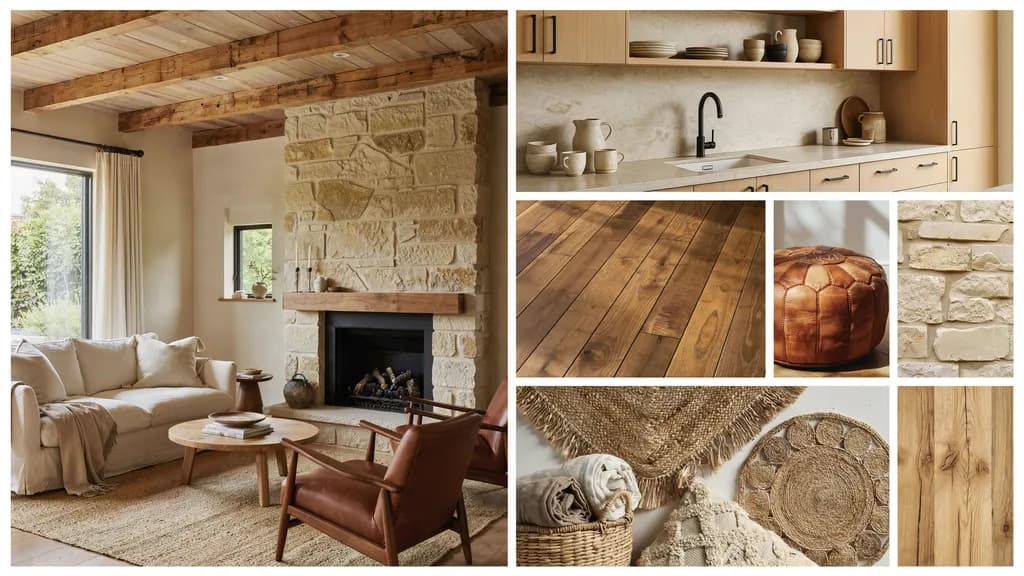
Every modern rustic room starts with real, natural materials. These are the building blocks that give the style its warmth.
Common natural materials in modern rustic design include:
- Exposed wood beams: Add height, character, and a strong architectural feature while bringing a sense of history to the room.
- Hardwood floors: Create a warm foundation and add natural texture underfoot.
- Stone fireplaces: Act as a rustic focal point while adding depth, comfort, and visual interest.
- Natural stone countertops: Introduce organic patterns and a durable surface in kitchens and bathrooms.
- Woven fibers: Materials such as jute and rattan add softness to baskets, rugs, and decorative accents.
- Leather accents: Add richness and contrast through chairs, poufs, cushions, and other furnishings.
Designers choose these materials because they add texture that flat surfaces cannot provide, age beautifully over time, and create a warm, inviting feel.
Wood develops deeper tones, leather gains character with use, and stone maintains its natural appeal, helping balance simple modern furniture with rustic charm.
2. Warm Neutral Color Palette
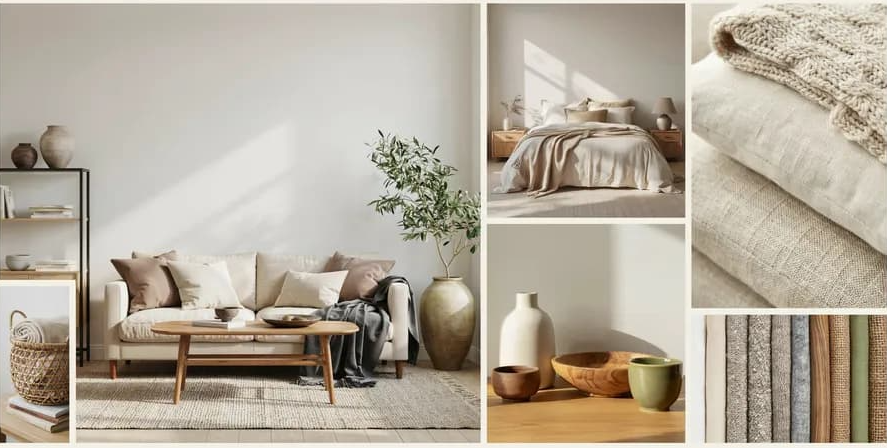
A warm neutral color palette helps modern rustic interiors feel calm, welcoming, and connected to nature.
These soft tones create a balanced backdrop where natural textures, wood finishes, and cozy details can stand out.
- Wall color tips: Choose a warm white or soft beige as your base wall color. These tones reflect light well and give wood and stone room to stand out.
- Avoid a dull beige room: A room painted in one flat beige tone can feel lifeless fast. Break up the color with different textures and finishes. Pair a matte wall with a glossy ceramic vase. Add a wool rug in a slightly darker shade. Small shifts in tone and texture keep the space from looking one-dimensional.
- Contrast with darker accents: Charcoal and deep brown work well as accent colors. Use them on window frames, light fixtures, or a single accent wall. This contrast gives the eye something to rest on and keeps the neutral palette from feeling flat.
3. Mix Old and New Furniture
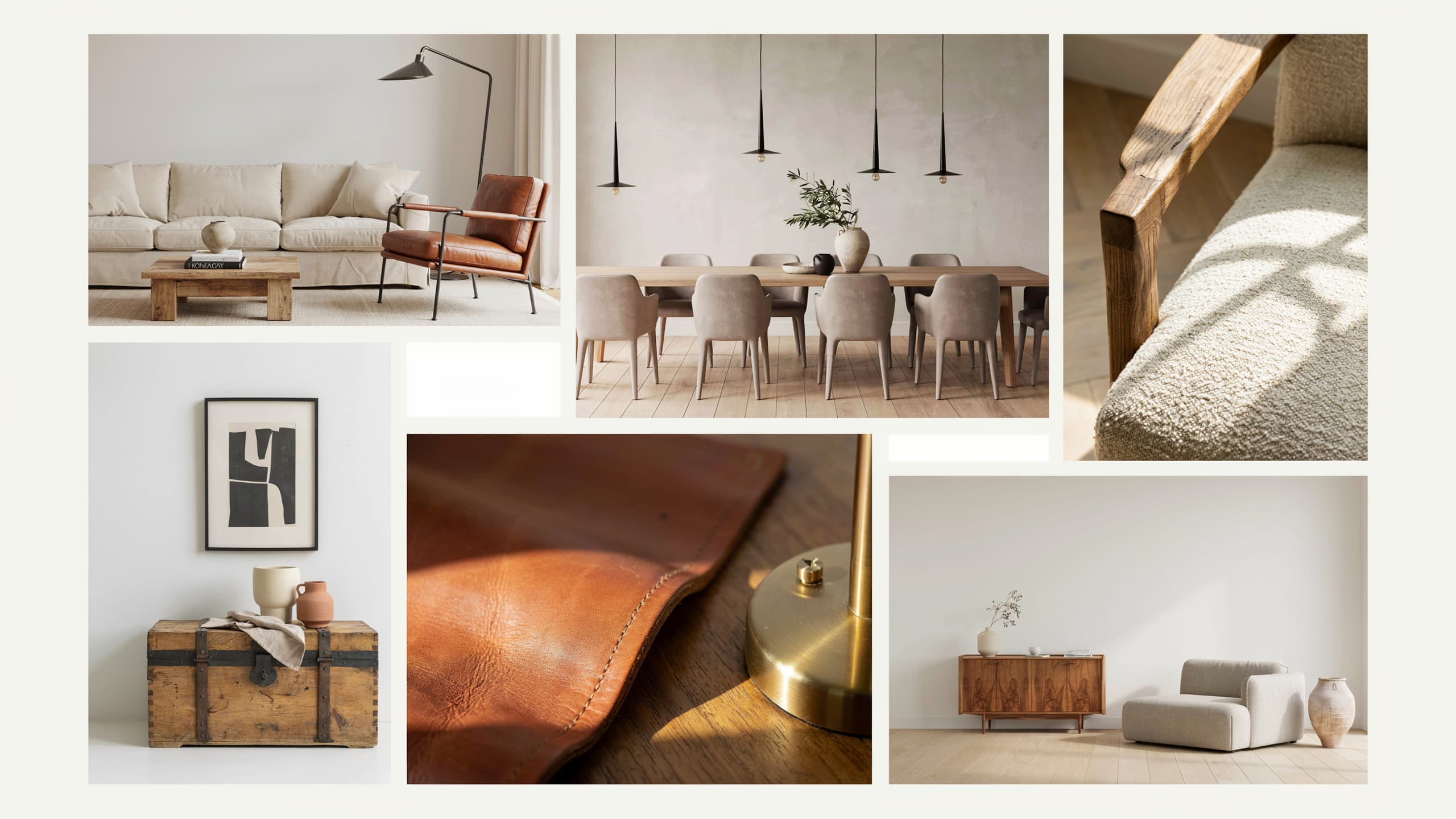
The furniture in a modern rustic room should feel collected, not matched. This balance between old and new is what makes the style work.
Rustic pieces:
- Reclaimed wood dining table
- Vintage chest
- Leather chair
Modern pieces:
- Minimal sofa
- Sleek lighting
- Simple coffee table
Don’t make every item rustic. A room full of reclaimed wood and vintage finds starts to feel like a cabin rather than a modern home.
One or two standout rustic pieces make more impact than a room packed with texture. If you own something with a bold vintage edge, like a piece from a 1970s-inspired room, keep just that one.
4. Layer Different Textures
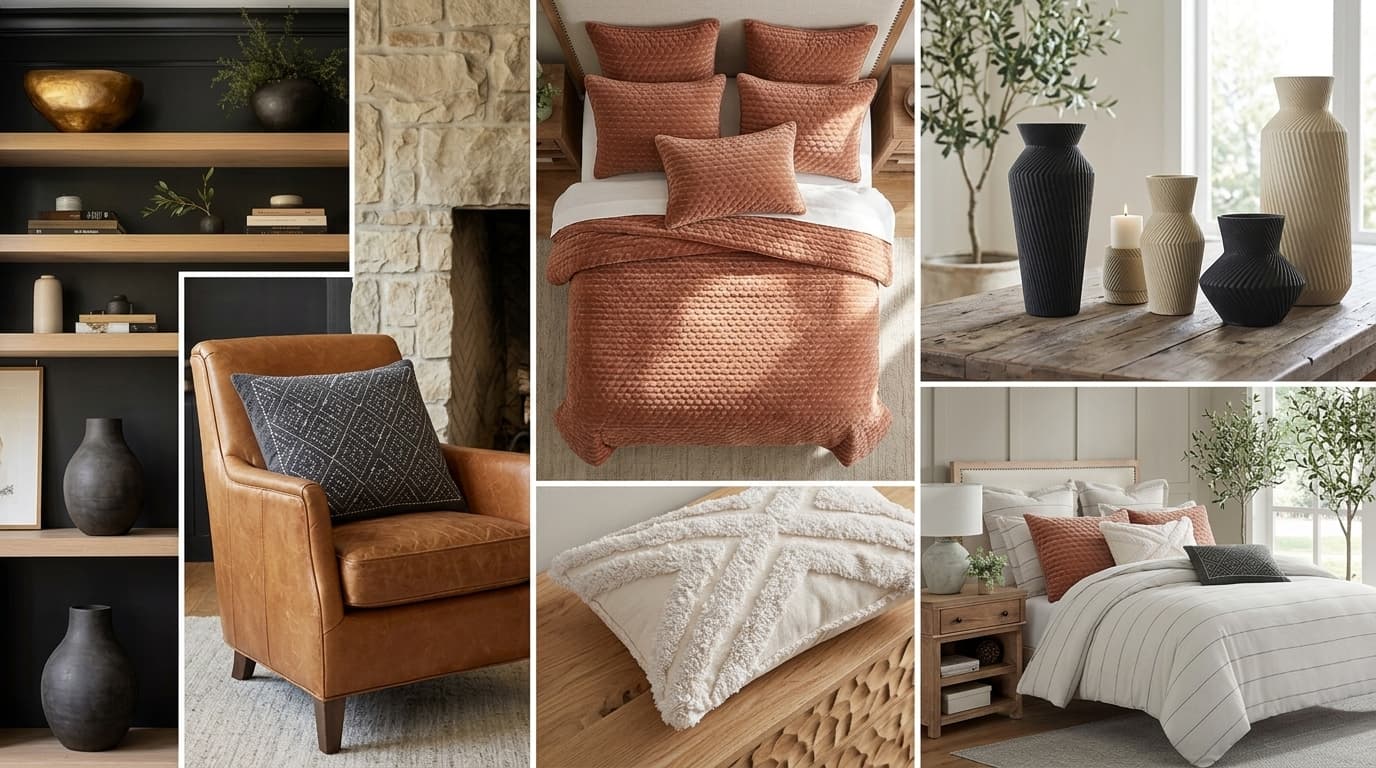
Texture is what makes a modern rustic room feel finished. Without it, even the right colors can fall flat.
Layer textures with:
- Wool rugs
- Linen curtains
- Knitted throws
- Leather cushions
- Woven baskets
- Ceramic accessories
A room without texture can feel flat, even with the right colors on the walls. Mix soft and hard textures in the same space.
A wool throw on a leather sofa. A ceramic vase on a wood shelf. These small pairings add depth that color alone can’t achieve.
Modern Rustic Interior Design Ideas to Try in Your Home
Here are practical ways to bring modern rustic style into any room, from small updates to wider structural choices.
1. Add Exposed Wood Beams
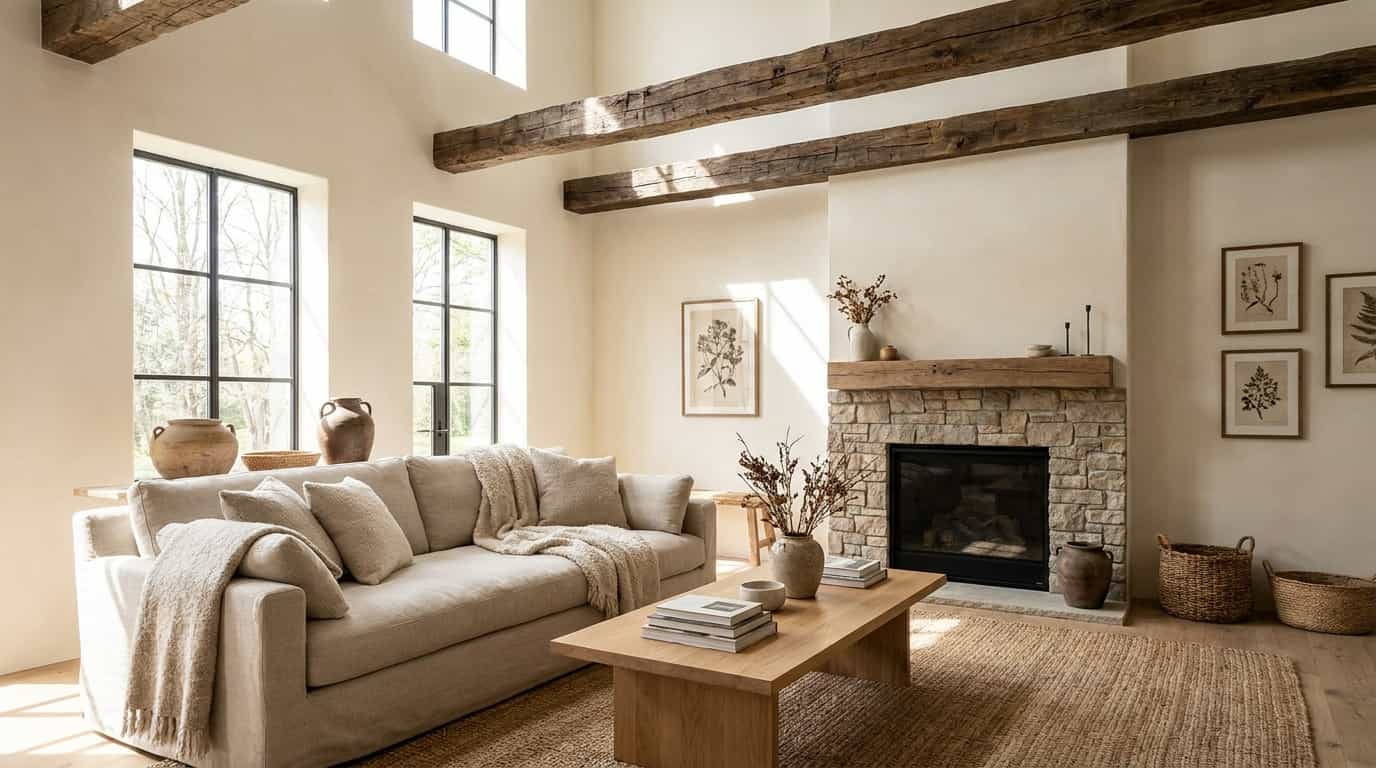
Exposed beams give a ceiling instant character. They draw the eye up and make even a small room feel taller and more open.
Natural wood beams work in both new builds and older homes, since they can be added onto an existing ceiling with the right framing.
Pair them with plain white or beige walls so the wood grain stands out instead of competing with busy decor.
A single row of beams across a living room or kitchen is often enough to set the tone for the entire space.
2. Build a Stone Accent Wall
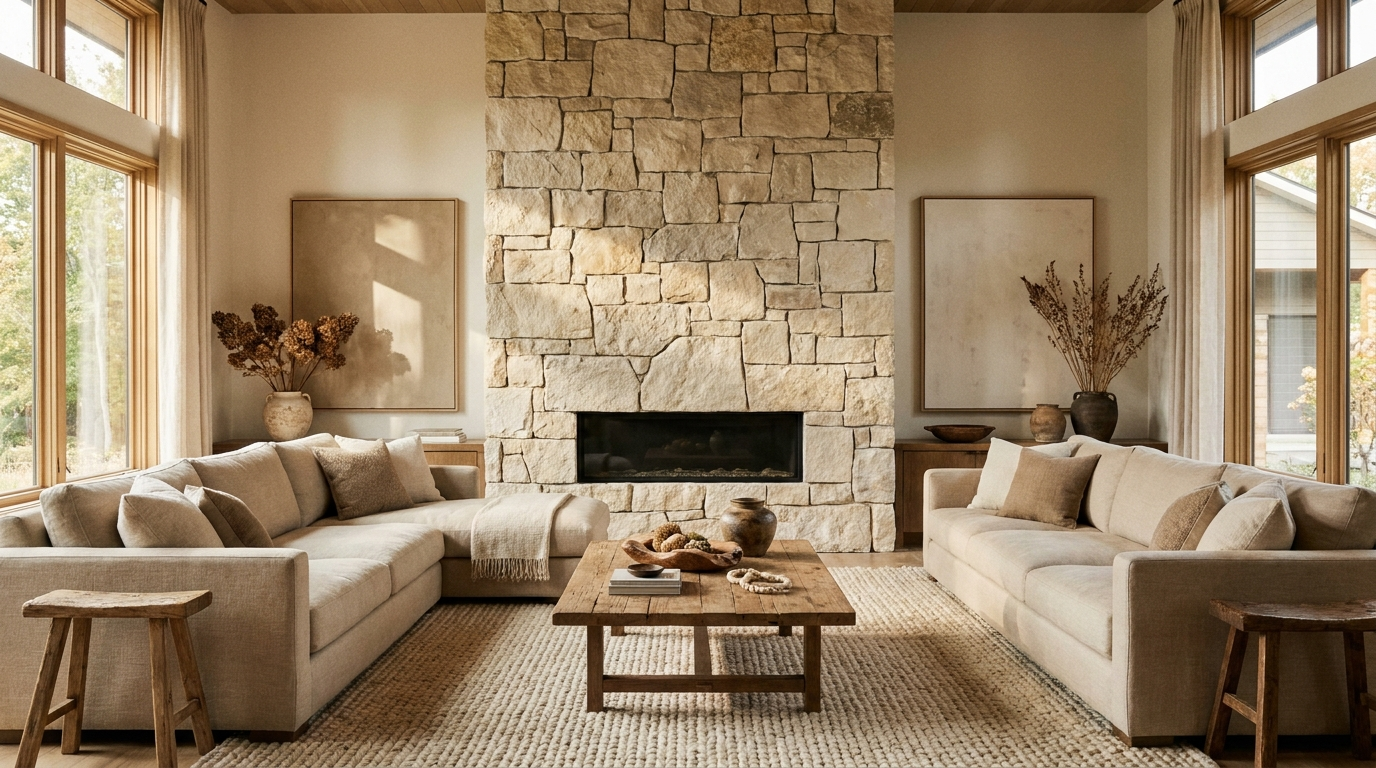
One stone wall can anchor an entire living room or entryway. It brings texture and a strong natural focal point without needing extra furniture or decor to fill the space.
Stone works especially well behind a fireplace or a television, since it gives the eye a clear place to land. You don’t need a full stone room.
A single wall, floor-to-ceiling, does more visual work than scattered stone accents around a space. Keep the surrounding walls plain so the texture of the stone gets full attention.
3. Install Wide-Plank Wood Flooring
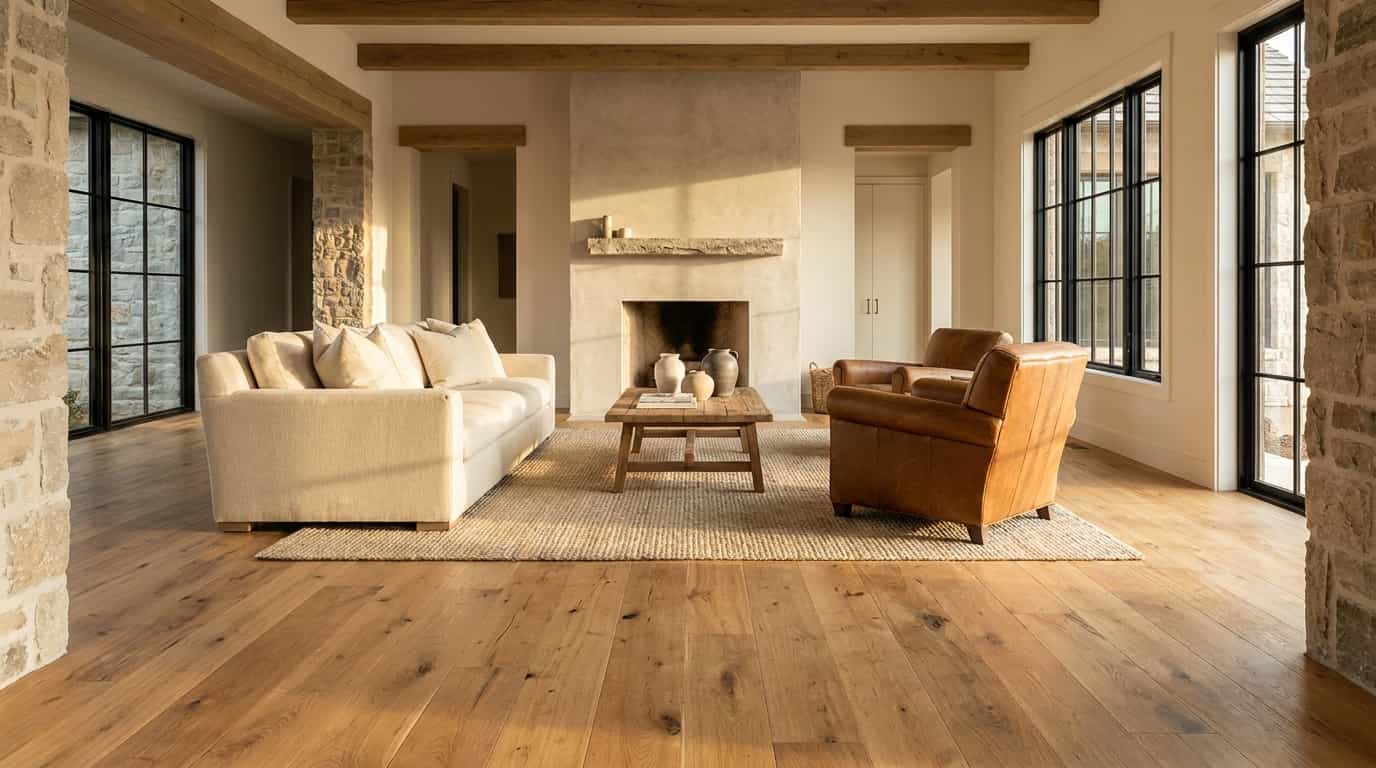
Wide, natural-grain floorboards make a room feel warmer and more open than standard flooring, and choosing the right wood flooring style up front helps that warmth last for years rather than fading after a few seasons.
Wide planks showcase natural wood grain and knots while creating a neutral base that suits both modern and rustic furniture.
It also tends to make smaller rooms feel larger, since fewer seams visually break up the floor. Choose a warm, medium wood tone for the widest range of pairing options.
4. Choose an Earthy, Neutral Color Base
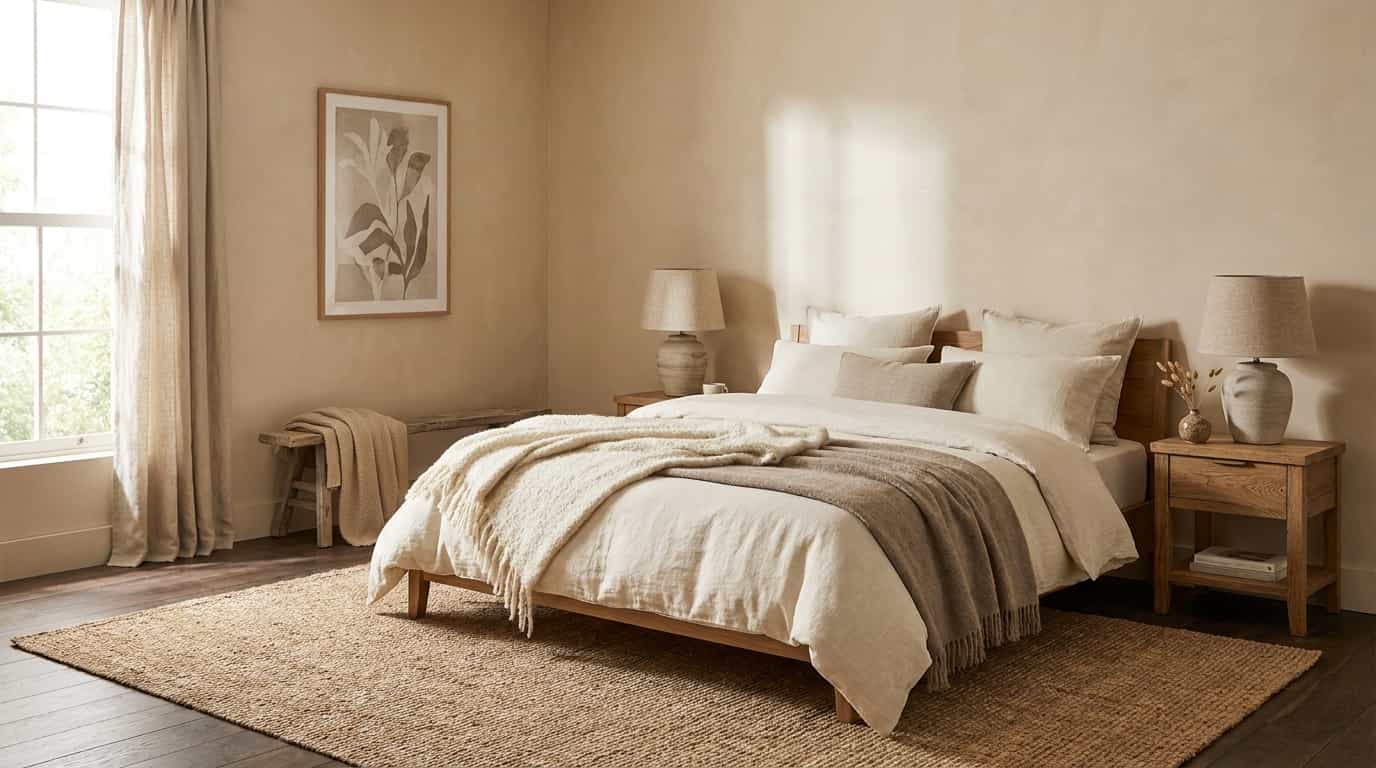
Start every room with warm whites, soft beige, or light gray on the walls. This neutral base lets your wood, stone, and leather pieces do the visual work instead of competing with a bold wall color.
Neutral walls also make it easier to update a room later, since new furniture or decor will almost always match.
Stick to warm undertones rather than cool ones, since cool grays and whites can clash with the warmth of natural wood.
This base color is the foundation on which every other choice in the room builds.
5. Bring in Deep Green as an Accent
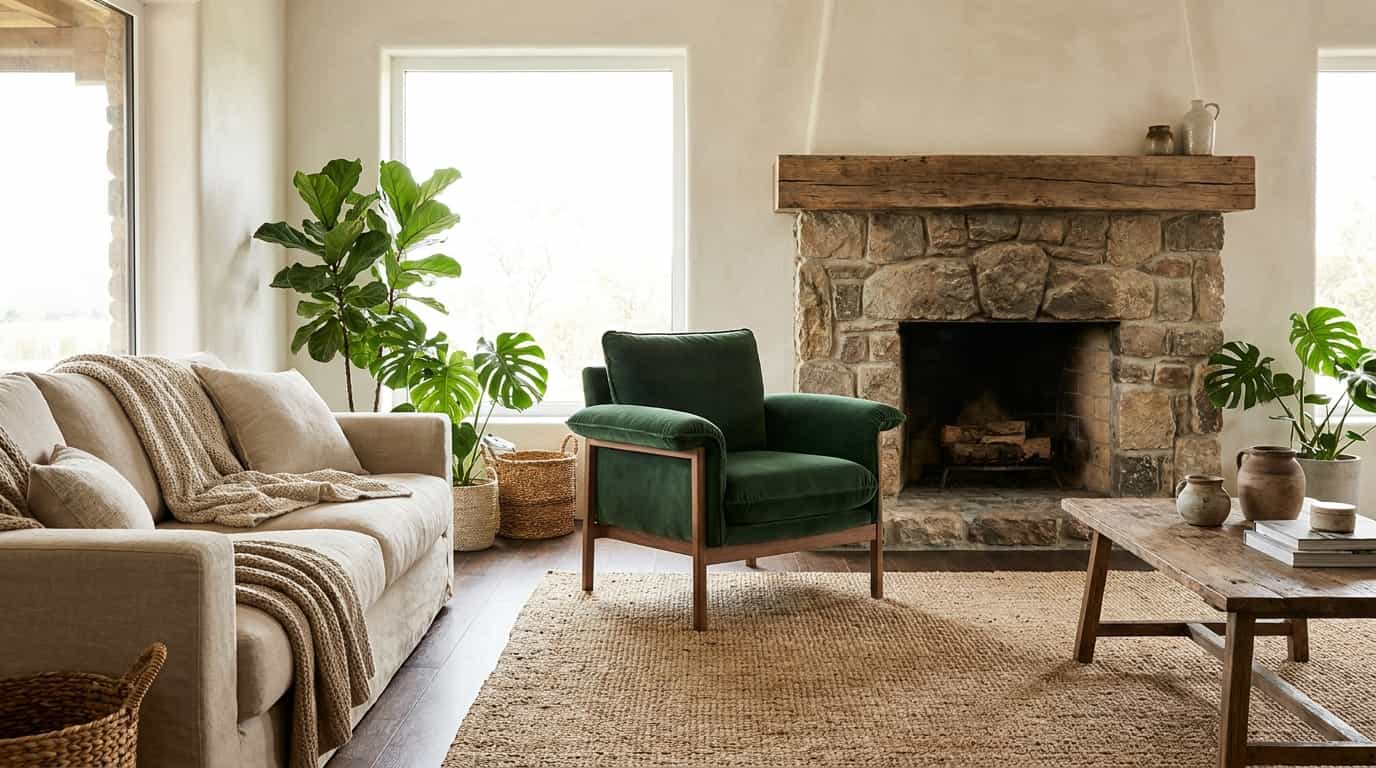
A small dose of forest green, on a cabinet, an accent chair, or a single wall, adds depth to a neutral room.
It pairs naturally with wood tones without pulling focus from them, since green sits close to natural, earthy colors already found in stone and timber.
Use it sparingly. One statement piece, like a green velvet chair or a painted kitchen island, is usually enough. Too much green across a room can start to feel heavy rather than grounded.
6. Add Matte Black Fixtures
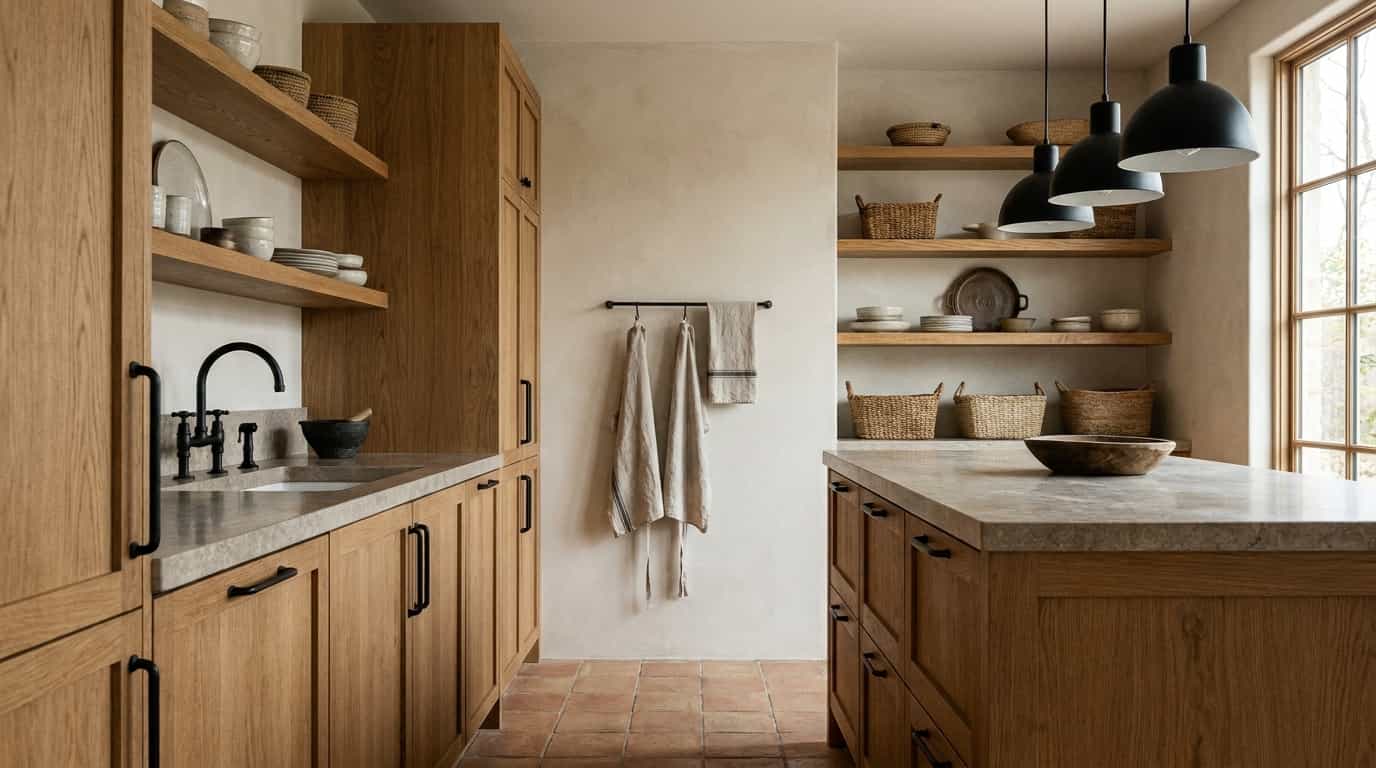
Swap shiny chrome for matte black faucets, handles, and light fixtures. The dark, flat finish gives rustic materials a clean, modern edge and creates contrast against lighter wood and neutral walls.
Matte black works well in kitchens, bathrooms, and living rooms alike, since it’s a small, affordable change that has an outsized effect on the whole room.
It also tends to photograph and age well, since matte finishes show fewer fingerprints and water spots than polished metal. This is one of the easiest updates for a rented home or a tight budget.
7. Choose a Reclaimed Wood Dining Table
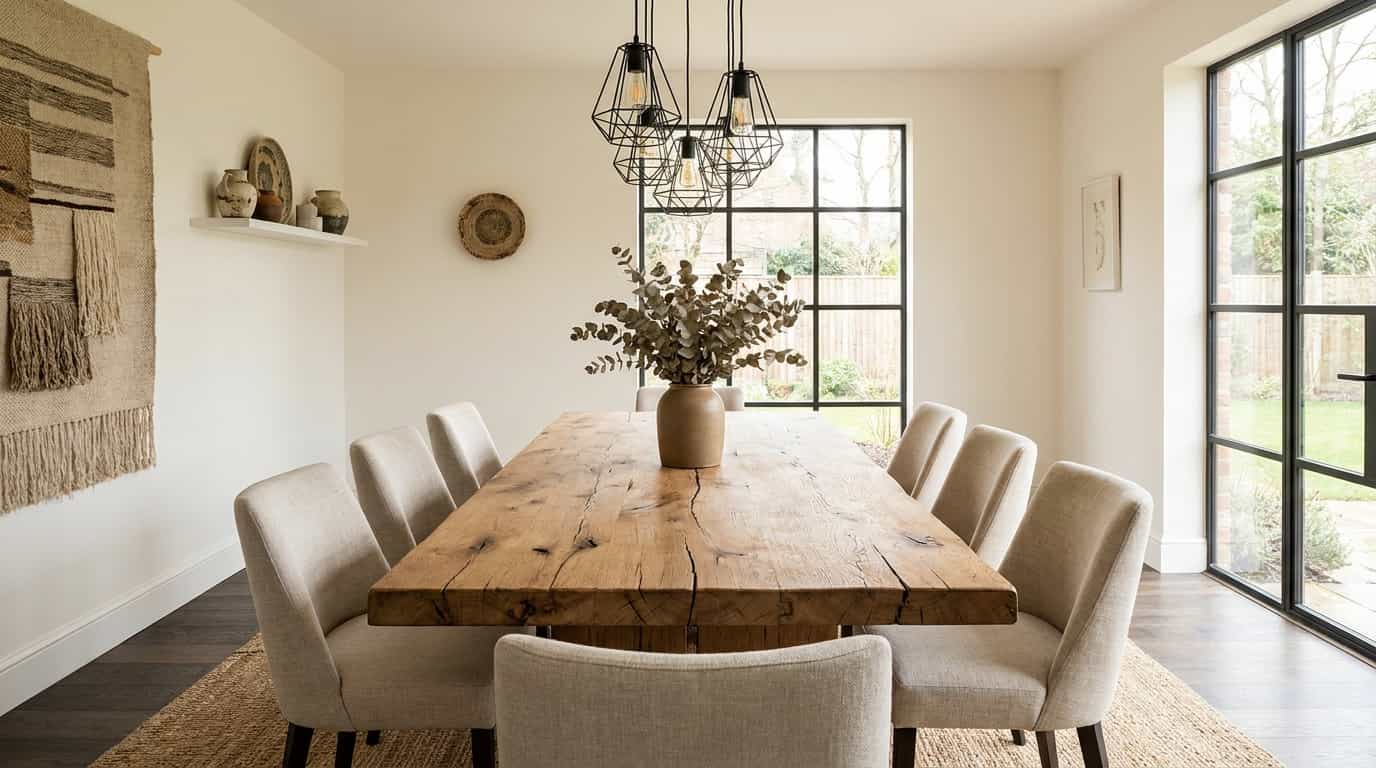
A dining table with visible grain, knots, or old marks becomes the centerpiece of a room.
Reclaimed wood carries a sense of history that new furniture can’t fake, since every mark and color shift comes from years of real use, and it is also a sustainable wooden piece.
Pair it with simple, modern chairs in a plain shape and a single neutral color, so the table stays the star of the space.
Avoid pairing it with other heavily distressed furniture, since that combination can tip the room toward a rustic cabin look rather than a modern one.
8. Mix Leather Seating with Clean-Lined Sofas
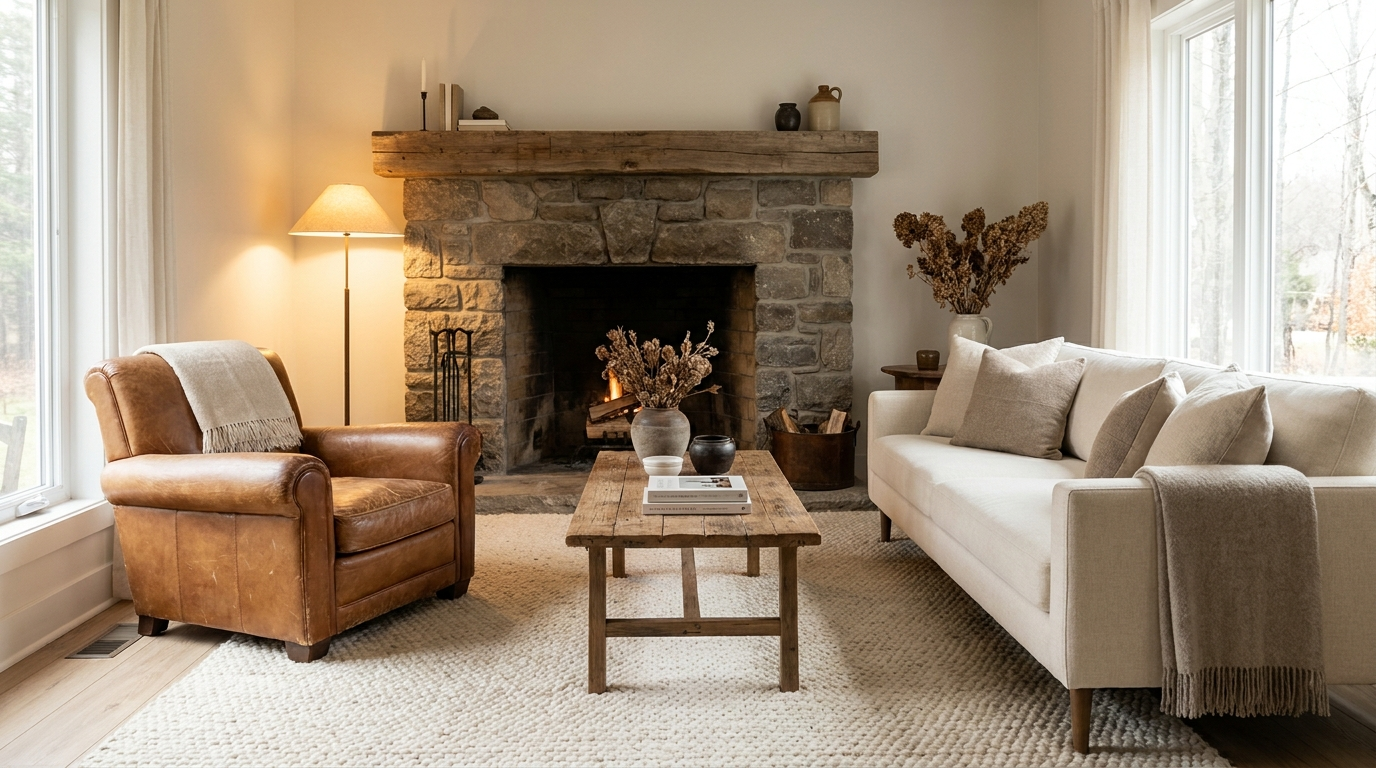
A worn leather armchair next to a simple fabric sofa creates the old-meets-new balance this style depends on. Leather brings a rich texture and a warm, slightly aged look, especially in a caramel or chestnut tone.
The sofa’s clean, boxy shape balances that texture with a calmer, more current silhouette.
Skip matching sets entirely. Furniture from different eras and finishes, placed together with intention, is what gives modern rustic rooms their collected, lived-in feel.
9. Layer in Jute or Wool Rugs
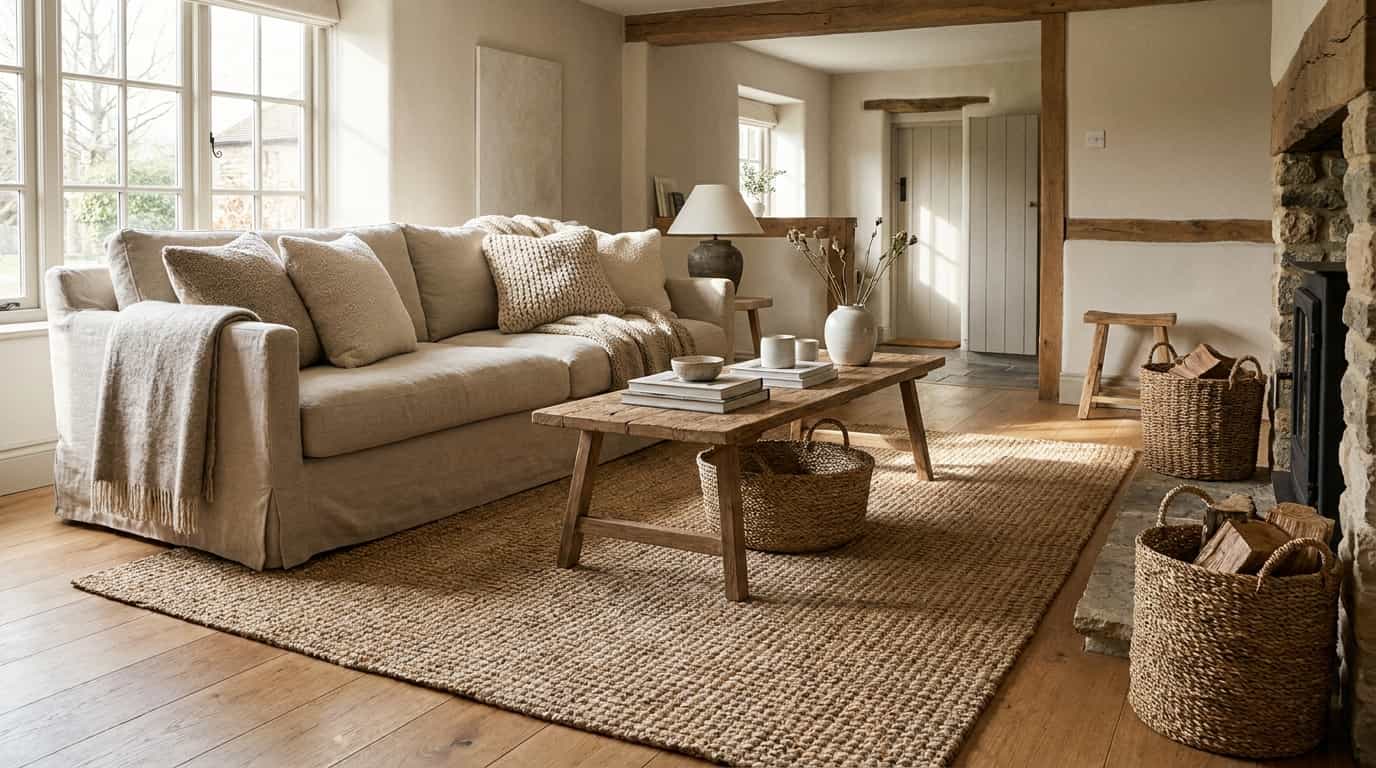
A woven jute or wool rug adds texture underfoot and helps ground a room’s furniture layout.
Jute has a coarser, more natural weave, while wool feels softer and is well-suited to bedrooms or areas where bare feet often touch the floor.
Choose one in a neutral tone so it blends with the rest of the palette instead of competing with the furniture above it.
A larger rug that extends under the front legs of your sofa and chairs will make the whole seating area feel more connected.
10. Add Wood-Look Tile in the Bathroom
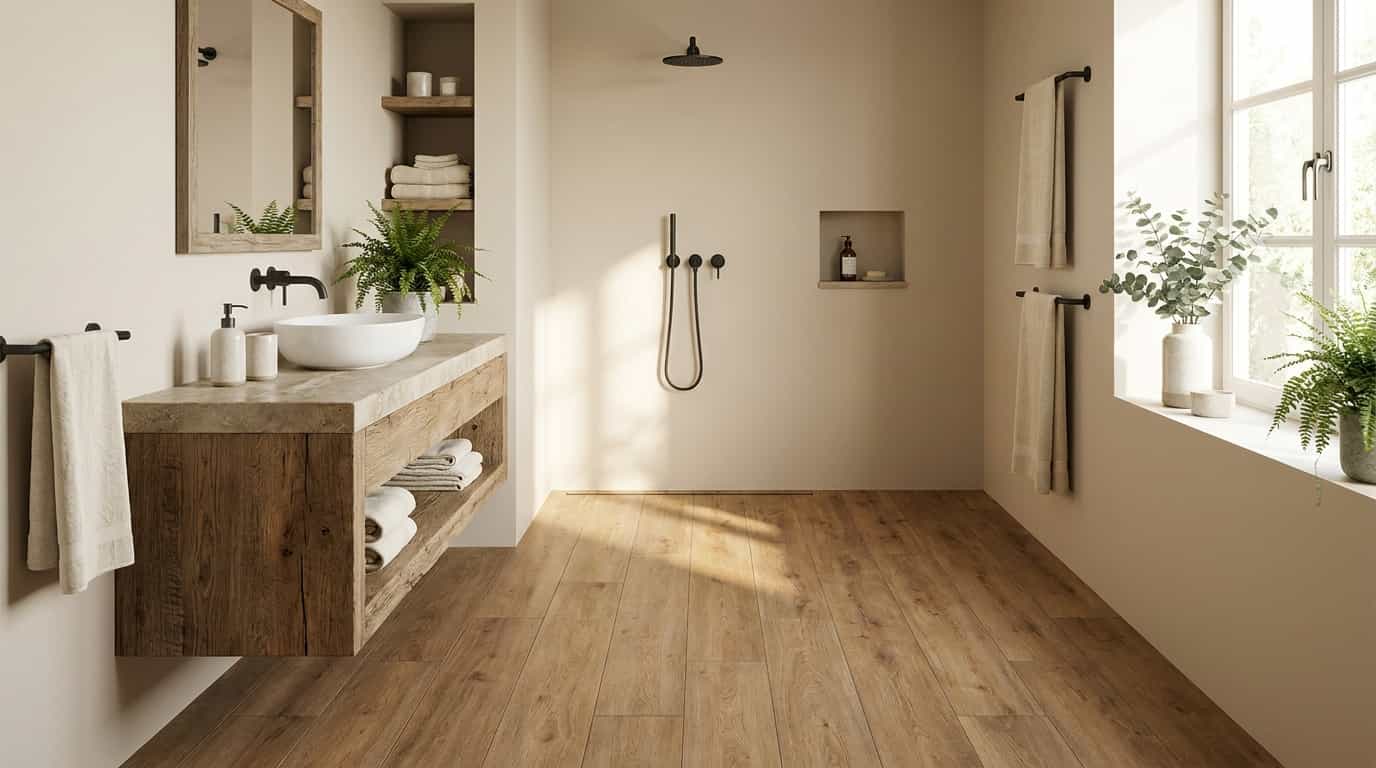
Wood-look porcelain tile brings the warmth of natural wood into a space where real wood can’t handle well.
It’s one of the simplest ways to soften a bathroom, since a single wall or floor can shift the room from cold to inviting without any plumbing changes.
Choose a tone slightly lighter or darker than your vanity, so the flooring stands out just enough to catch the eye.
Lay it in a simple, straight pattern rather than a busy herringbone, since a relaxed layout fits the calm, natural spirit of this style.
11. Use Woven Baskets for Storage
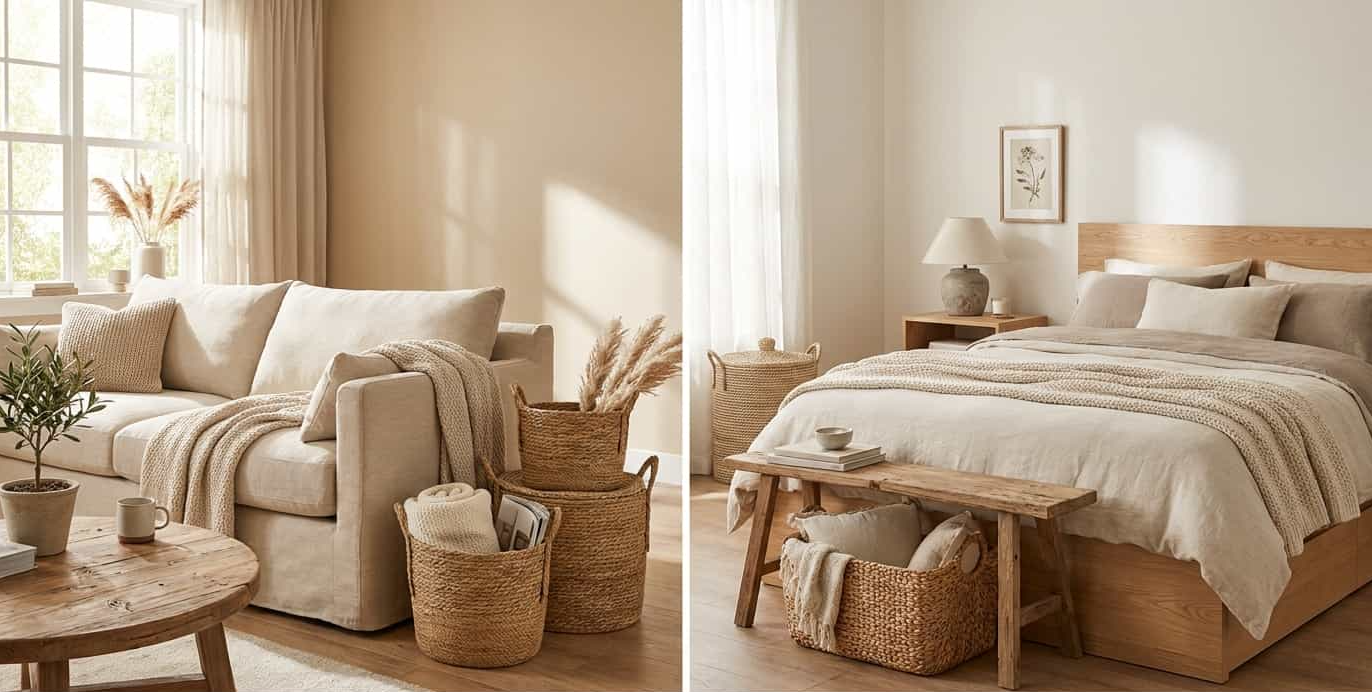
Baskets made from natural fiber double as storage and decor. Use them for blankets, magazines, or firewood to add texture without adding visible clutter.
A stack of two or three baskets in graduating sizes looks intentional, while a single basket tucked into a corner works well in smaller rooms.
Baskets also help hide everyday items, like remote controls or children’s toys, while keeping a rustic, natural look on display instead of plastic bins.
12. Install a Farmhouse-Style Apron Sink
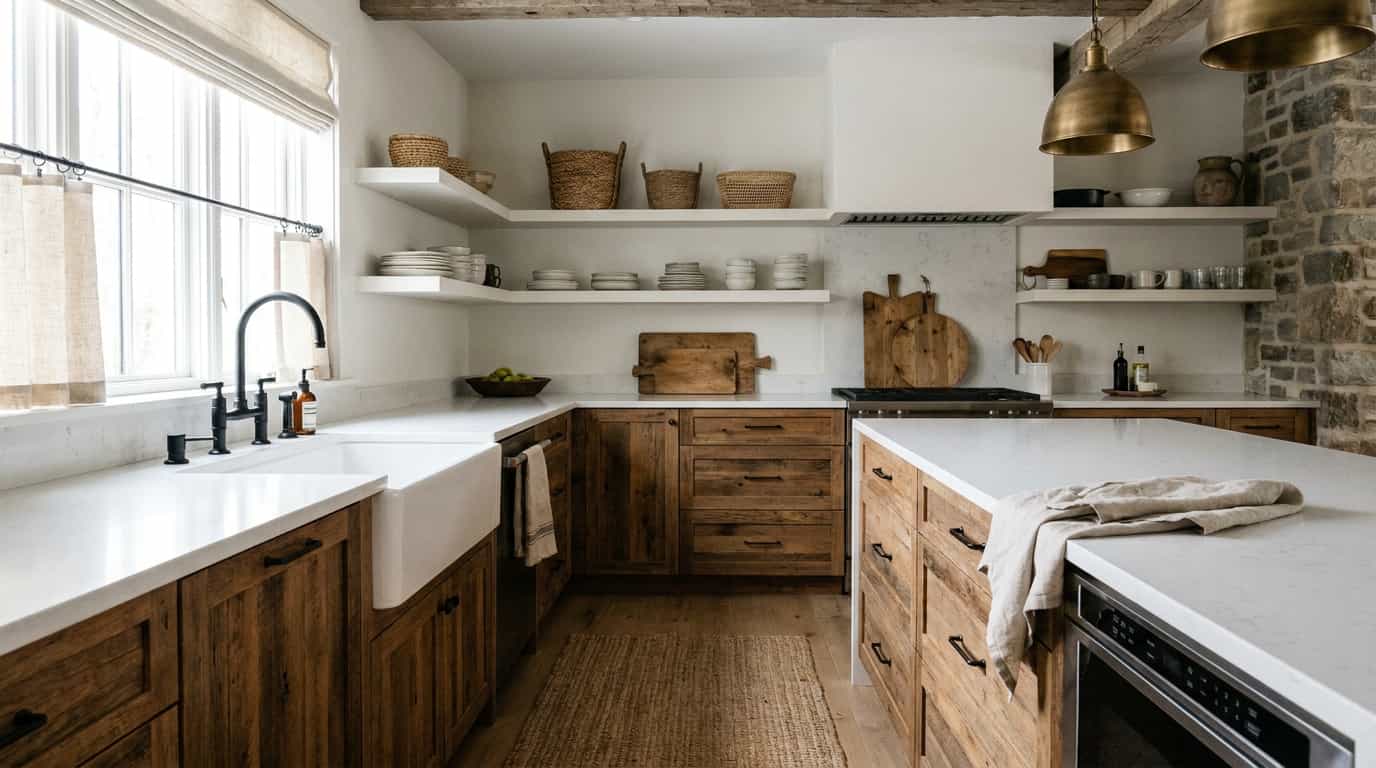
An apron-front sink gives a kitchen a strong, natural focal point.
Its deep basin is practical for washing large pots and pans, while the exposed front panel adds a handmade, substantial look that standard undermount sinks don’t offer.
Paired with modern kitchen cabinet hardware and a stone or quartz countertop, it keeps the kitchen from tipping too far into a country look.
This one fixture often does more to set a kitchen’s tone than any other single choice.
13. Try Open Shelving with Mixed Ceramics
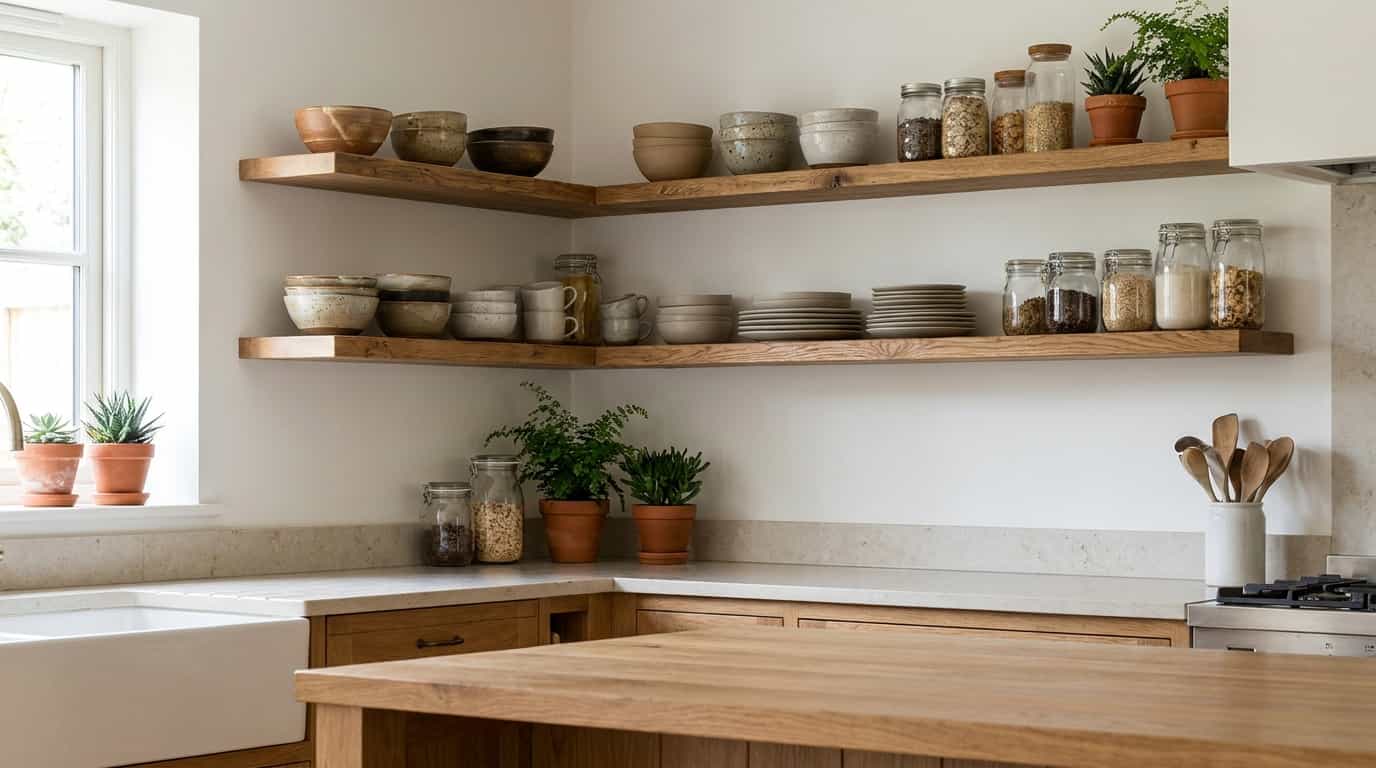
Remove one or two upper cabinet doors and style the shelves with a mix of ceramic bowls and plates.
Open shelving opens up a kitchen visually, since it removes the heavy, boxed-in feel of full cabinetry.
Mixing ceramic finishes, some matte, some glazed, gives the shelves a collected look instead of a matched showroom set.
Keep items grouped by color or size so the shelves stay looking tidy rather than cluttered.
14. Layer Your Lighting
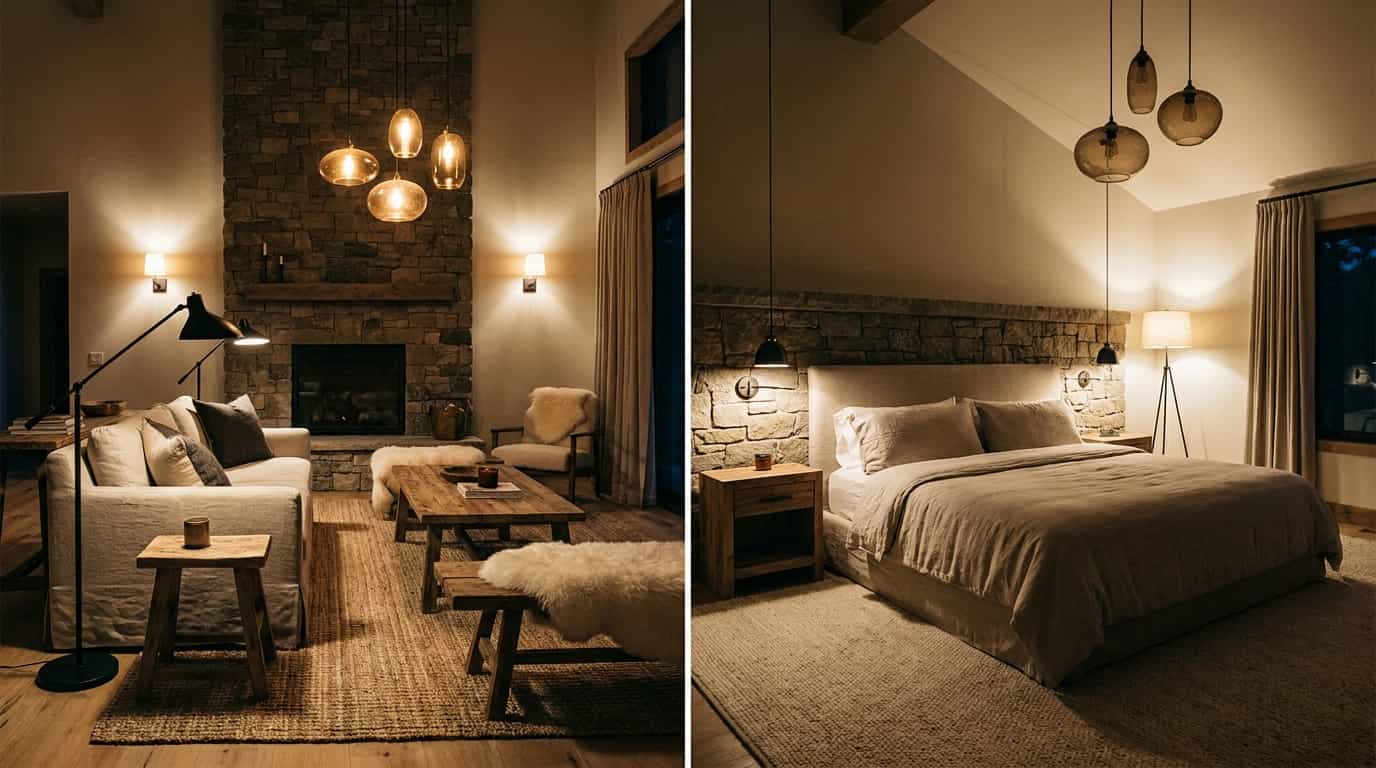
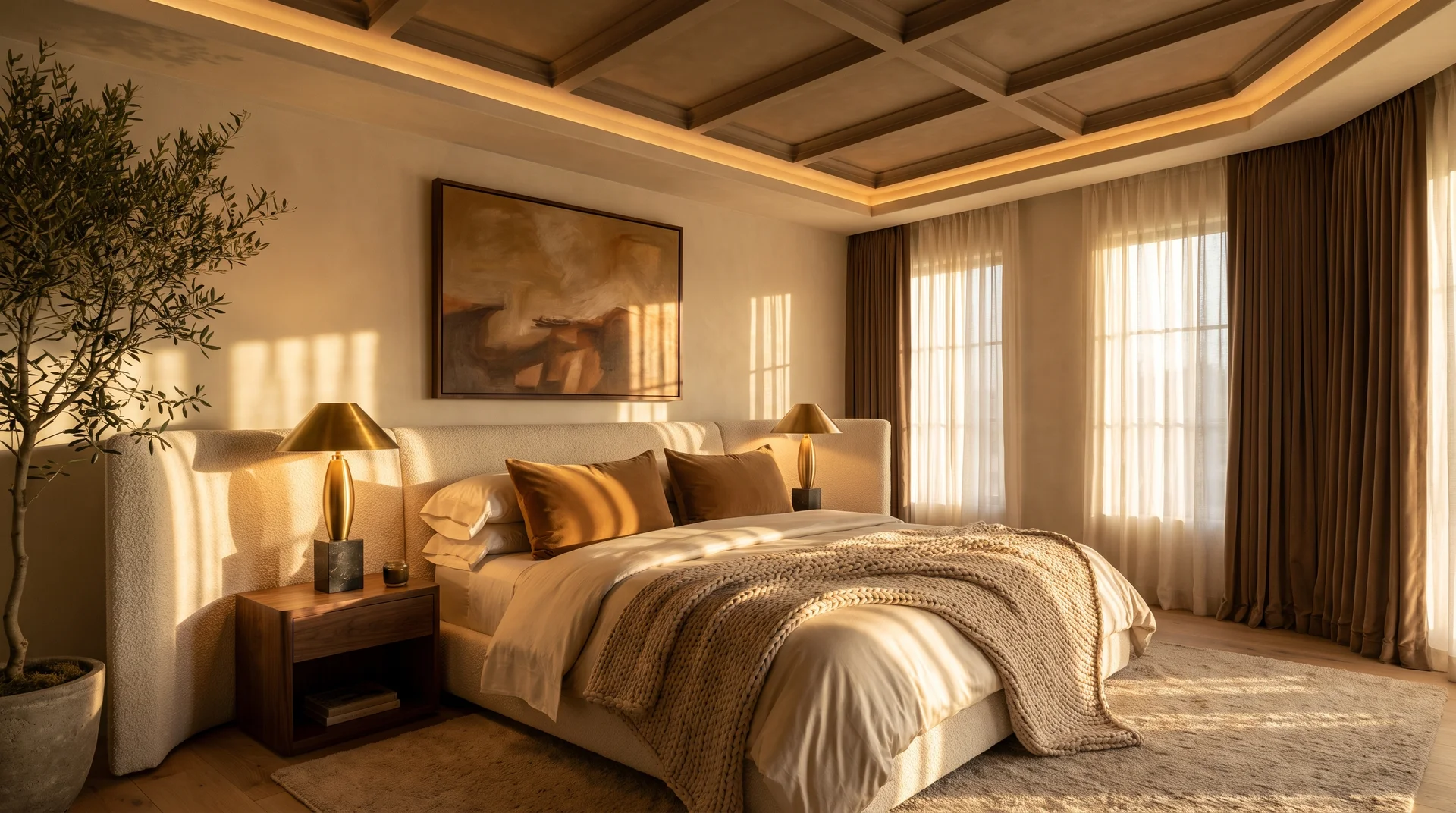
Use a mix of pendant lights, wall sconces, and floor lamps in the same room, in the living room, and especially in your bedroom, for a cozy, warm look.
Layered lighting highlights wood grain and stone texture in ways a single overhead light cannot, because different light sources hit surfaces from different angles.
Pendants work well over kitchen islands and dining tables, sconces suit hallways and reading nooks, and floor lamps fill in dark corners of a living room.
Warm-toned bulbs, rather than cool white ones, keep the layered effect feeling cozy rather than clinical.
15. Choose a Statement Chandelier with Wood or Metal Details
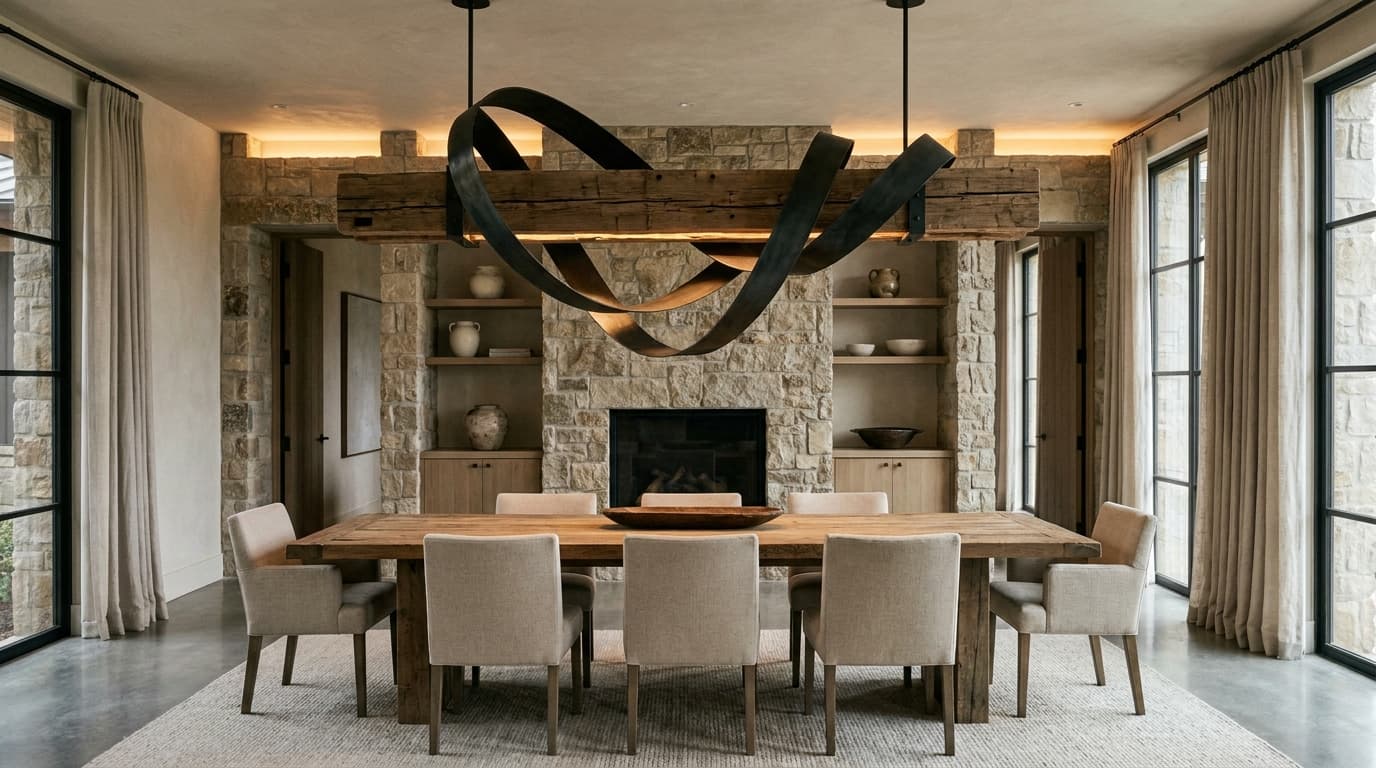
A chandelier that mixes wood and black metal ties a rustic dining table to a modern room. It works as both lighting and decor at once, giving the room a clear focal point above eye level.
Look for a design with simple geometric shapes rather than ornate curves, since that keeps the fixture feeling current rather than dated.
Hang it low enough over the table to feel intentional, usually 30 to 36 inches above the surface.
16. Add Live Plants
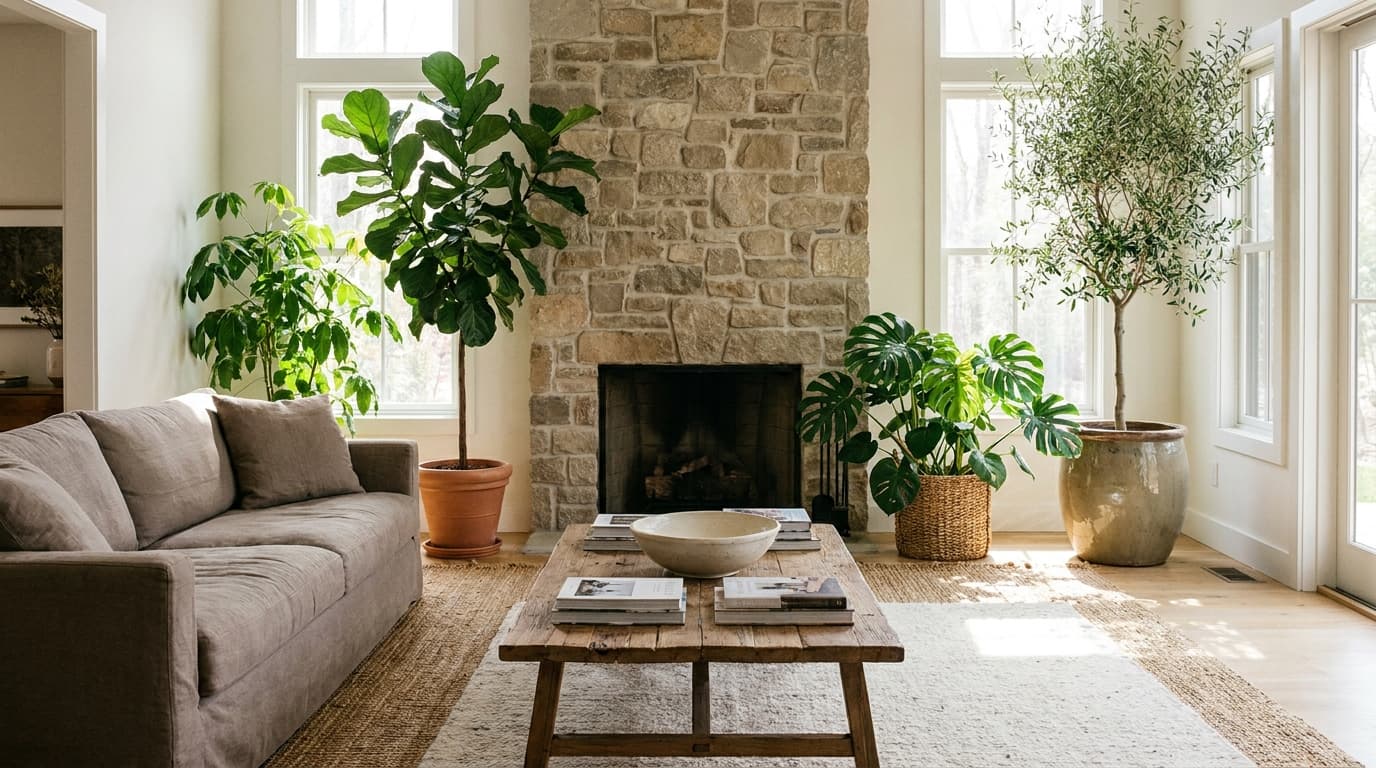
A few potted plants soften hard surfaces like wood and stone.
They bring a natural, living element into the room that no material or color can fully replace, since plants shift and grow over time in a way that furniture never does.
Choose simple pots in ceramic or woven materials to match the room’s overall texture palette.
Even one or two plants, placed near a window or beside a sofa, can make a room feel more alive and less staged.
17. Hang a Vintage Mirror in a Wood Frame
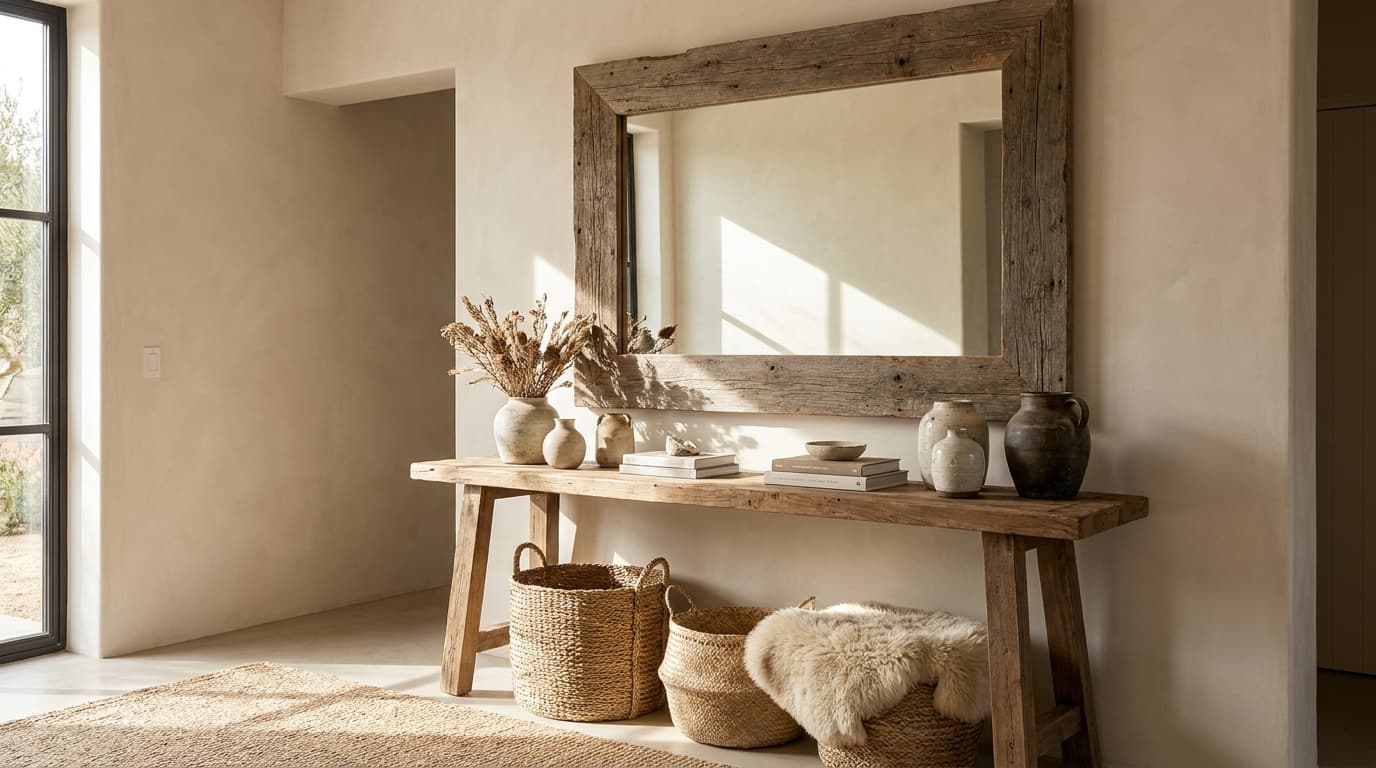
A wood-framed mirror adds warmth to a wall while also reflecting light around the room.
Vintage or vintage-style frames add texture and a sense of history, especially when the wood shows natural wear.
It works well in living rooms, bedrooms, and hallways alike, and it’s a useful trick for making a smaller room feel more open.
Hang it across from a window when possible, so it bounces natural light back into the space.
18. Choose Rustic-Inspired Wall Tiles
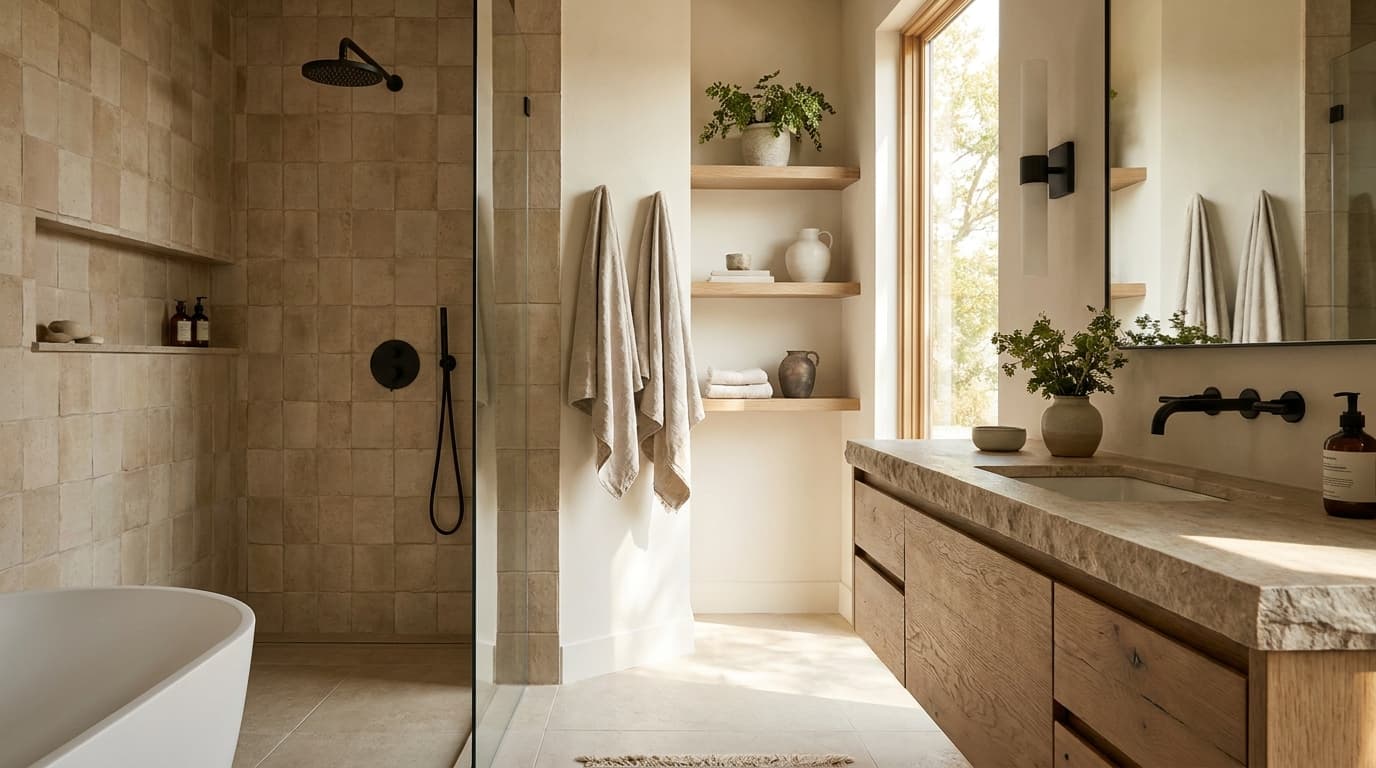
In the bathroom, tiles that mimic natural stone or clay bring both structure and warmth to the walls.
The textured, earthy finish adds a grounded feel, while a matte glaze softens the overall look compared to shiny, high-gloss tile.
It’s a small detail that sets the tone for the whole room, since wall tile is often the first thing you notice when walking in.
Pair it with simple open shelving and woven baskets so the rest of the room feels just as warm. Choose a neutral tone so it pairs easily with your fixtures and vanity color.
Modern Rustic Interior Design Color Ideas
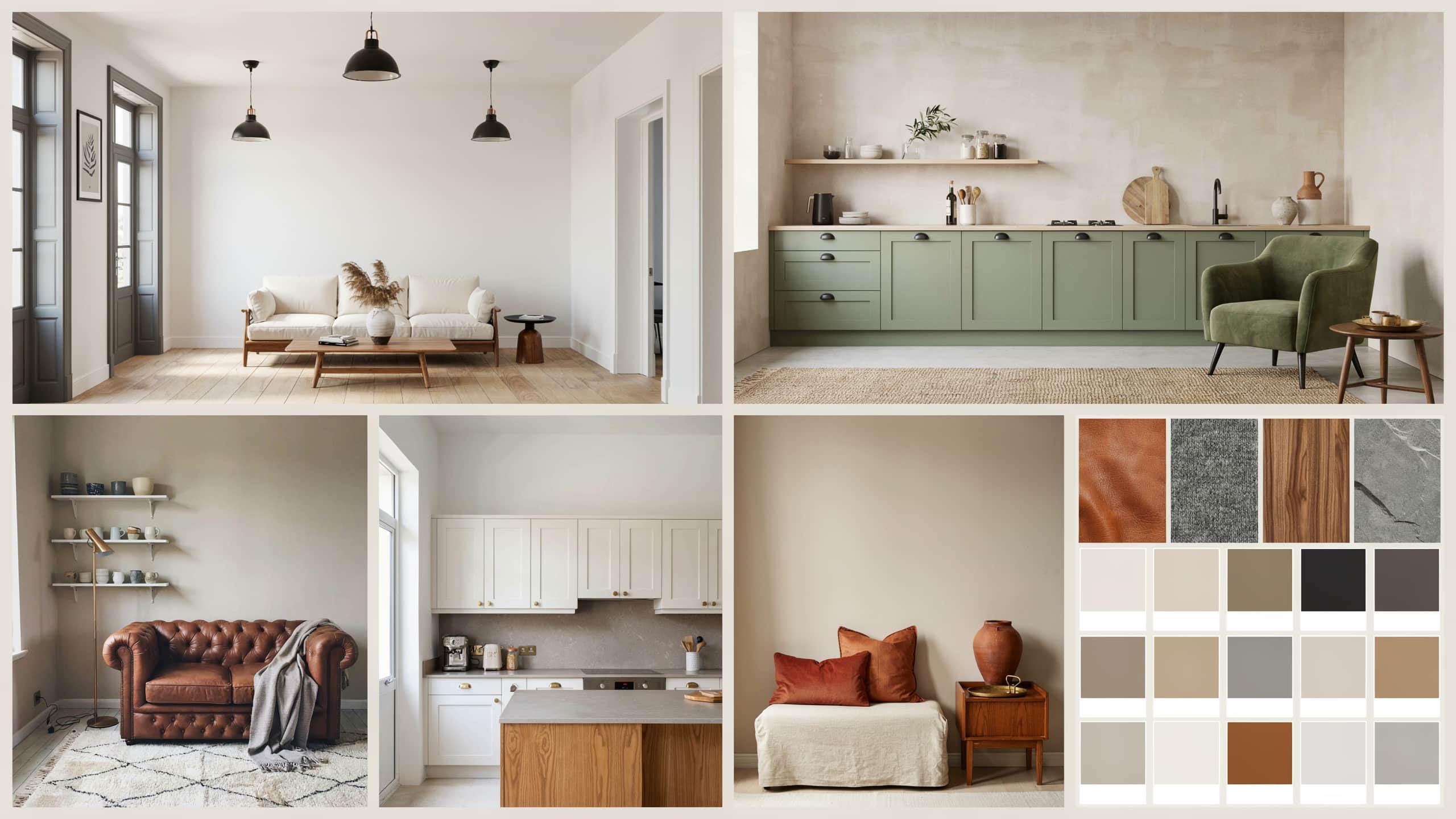
Choosing the right colors helps create a modern rustic feel without making the room feel crowded. Stick to one main neutral, one earthy accent, and one darker shade for contrast.
| Color Combination | How It Works |
|---|---|
| Warm white + charcoal + natural wood | Keeps rooms bright with contrast and warmth from wood tones. |
| Beige + olive green + black metal | Creates a soft, earthy look with modern accents. |
| Greige + brown leather + soft gray | Adds a calm, grounded feel with rich textures. |
| Taupe + cream + rust | Brings warmth and subtle personality through accent colors. |
| Soft white + stone gray + walnut brown | Works well in kitchens and bathrooms with a balanced finish. |
How to Make a Home Feel Modern Rustic on a Budget
You don’t need a full renovation to bring this style into your home. Small, smart changes add up fast.
- A warm white or soft beige on the walls costs little but changes the whole feel of a room. This single step gives you the right base to build on.
- Replace shiny chrome handles and knobs with matte black or brushed brass versions. This small update makes cabinets and furniture look far more current.
- A wool throw, a linen cushion cover, or a jute rug can be found at low cost and instantly add warmth to a plain room.
- A single vintage wood table, chest, or chair from a thrift store or online marketplace brings real character. You don’t need more than one or two of these pieces per room.
- Removing a few upper cabinet doors and styling the shelves with ceramic dishes or wood boards gives a kitchen a rustic touch for almost no cost.
Common Modern Rustic Design Mistakes to Avoid
A few missteps can quickly push a room away from modern rustic and into cluttered or dated territory. Watch for these common issues.
- Using too much rustic material at once: Wood beams, a wood floor, a wood table, and wood cabinets in the same room can feel heavy fast. Balance rustic materials with plenty of clean, modern surfaces.
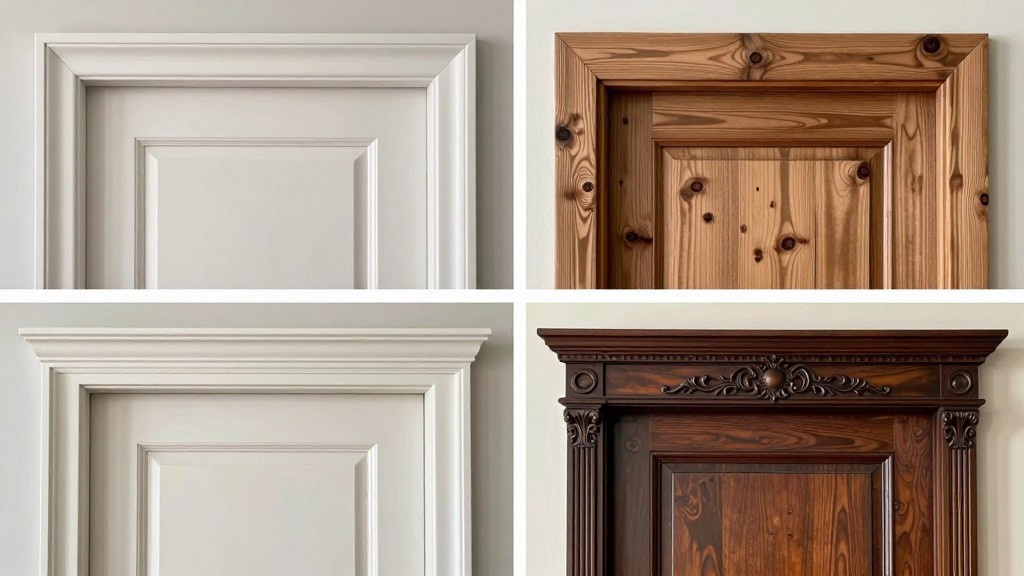
- Matching every piece of furniture: A full matching wood set looks more like a furniture showroom than a lived-in home. Mix finishes and shapes instead.
- Skipping contrast: A room built entirely from warm neutrals can start to look flat. Add at least one darker tone or black metal accent to give the eye a place to rest.
- Overdoing decor: Modern rustic decor should stay minimal. A shelf packed with knickknacks or a wall covered in frames works against the calm, edited feel this style depends on.
- Choosing oversized furniture for a small space: A large, chunky rustic sofa or coffee table can overwhelm a small room. Scale furniture to the size of the space, not just the look you want.
- Ignoring lighting: Cool, bright bulbs can wash out the warmth in wood and stone. Choose warm-toned bulbs to keep the whole room feeling inviting.
- Forgetting texture: A room with the right colors but no texture can still feel plain. Layer in wool, linen, and ceramic pieces to add depth.
Conclusion
Modern rustic interior design works because it balances raw, natural texture with clean, modern simplicity.
Wood, stone, and leather add warmth, while simple furniture keeps the space calm.
In my own projects, the rooms that hold up best over time are the ones that started with restraint, not more stuff.
Ready to bring this look home? Start small: swap one fixture, add one rustic piece, and build from there.
Frequently Asked Questions
Can Modern Rustic Design Work in a Small Home?
Yes, modern rustic design works well in small homes. Use light neutral colors, natural textures, and simple furniture to create warmth without making the space feel crowded.
What Flooring Works Best for Modern Rustic Interiors?
The best flooring choices for modern rustic interiors include natural hardwood, engineered wood, wide-plank flooring, stone, and wood-look porcelain tile.
Is Modern Rustic Interior Design Expensive to Create?
Modern rustic style can be created on any budget with natural textures, neutral colors, updated lighting, and secondhand wood pieces.
Can You Get a Modern Rustic Look Without Exposed Beams or a Stone Fireplace?
Yes. Focus on furniture, texture, and lighting instead. Choose one rustic anchor piece, such as a reclaimed-wood table, and keep everything else clean and simple.
Can Modern Rustic Mix With Other Design Styles?
Yes. Modern rustic blends easily with farmhouse, industrial, and coastal styles. Stick to one or two strong influences per room so the mix reads as intentional, not cluttered.