The wood you choose shapes every detail of your furniture investment. It determines how long your pieces last, how they feel in your home, and how much value they retain over time.
Each wood type tells a unique story. Some resist scratches and dents effortlessly, while others offer affordable charm or age into beautiful heirlooms with rich character.
Understanding the different types of wood for furniture helps you make smart, lasting choices that align with your lifestyle, taste, and budget.
In this blog, you’ll examine the most popular wood types used, along with their strengths, weaknesses, and care tips.
Ready to find the perfect wood for your home? Let’s find each option so you can buy furniture that lasts beautifully for decades.
Wood Basics: How to Pick the Right Material
Before picking your next furniture piece, understand the foundation. You need to know how wood is constructed and how it is classified. These two distinctions shape your entire decision-making process.
Hardwood vs. Softwood
The names can confuse people. “Hardwood” doesn’t mean it’s always hard. “Softwood” isn’t always soft. Hardwoods come from trees that lose their leaves.
Oak, maple, and walnut are common examples. These trees grow slowly, creating dense fibers inside the wood. This makes them last longer and resist damage better.
Softwoods come from evergreen trees like pine and cedar. They grow much faster with fewer fibers. This makes them lighter but also more prone to denting and scratching.
Quick comparison:
- Hardwoods: More expensive, highly durable, ideal for dining tables and beds
- Softwoods: Budget-friendly, less durable, good for painted pieces or light-use furniture
Solid Wood vs. Engineered Wood
Solid wood comes from one tree. It’s cut into planks and shaped into furniture. This type is stronger and lasts longer.
Engineered wood layers plywood, veneer, or MDF together. The top layer looks like real wood. The core is made of pressed materials. This keeps costs down but limits longevity.
Quick comparison:
- Solid wood: Costs more, can be refinished, lasts decades
- Engineered wood: Costs less, won’t warp easily, can’t be refinished
For a piece you want to keep for decades, solid wood wins. For budget furniture, engineered wood works fine.
Understanding these two key distinctions helps you match wood type to your actual needs and budget. Now you can move forward with confidence in your furniture choices.
Types of Wood for Furniture
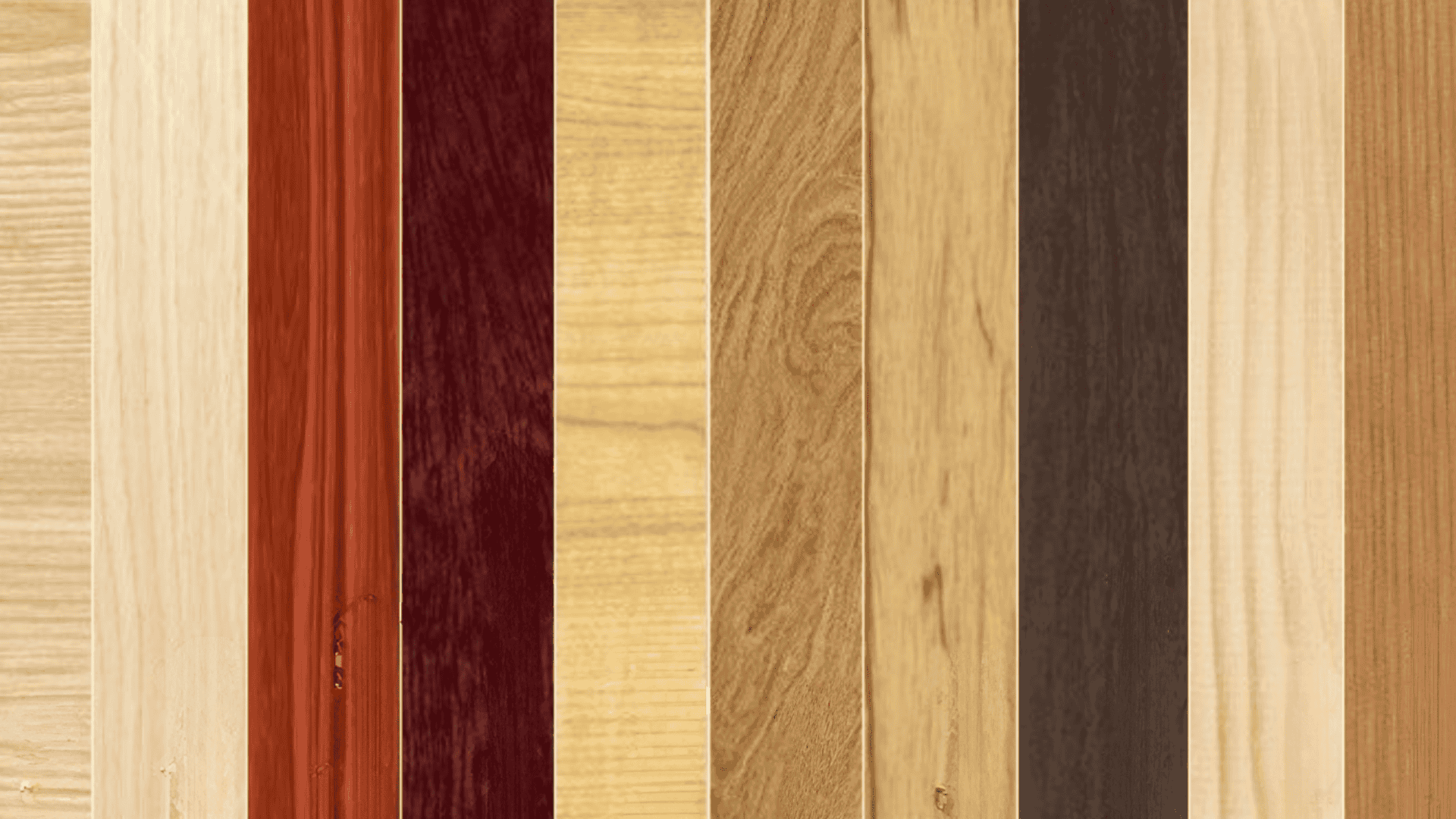
You now understand the basics of wood and the decision factors. These 12 most popular furniture woods are discussed in detail. Each profile helps you visualize what fits your home best.
1.Oak (Red and White)
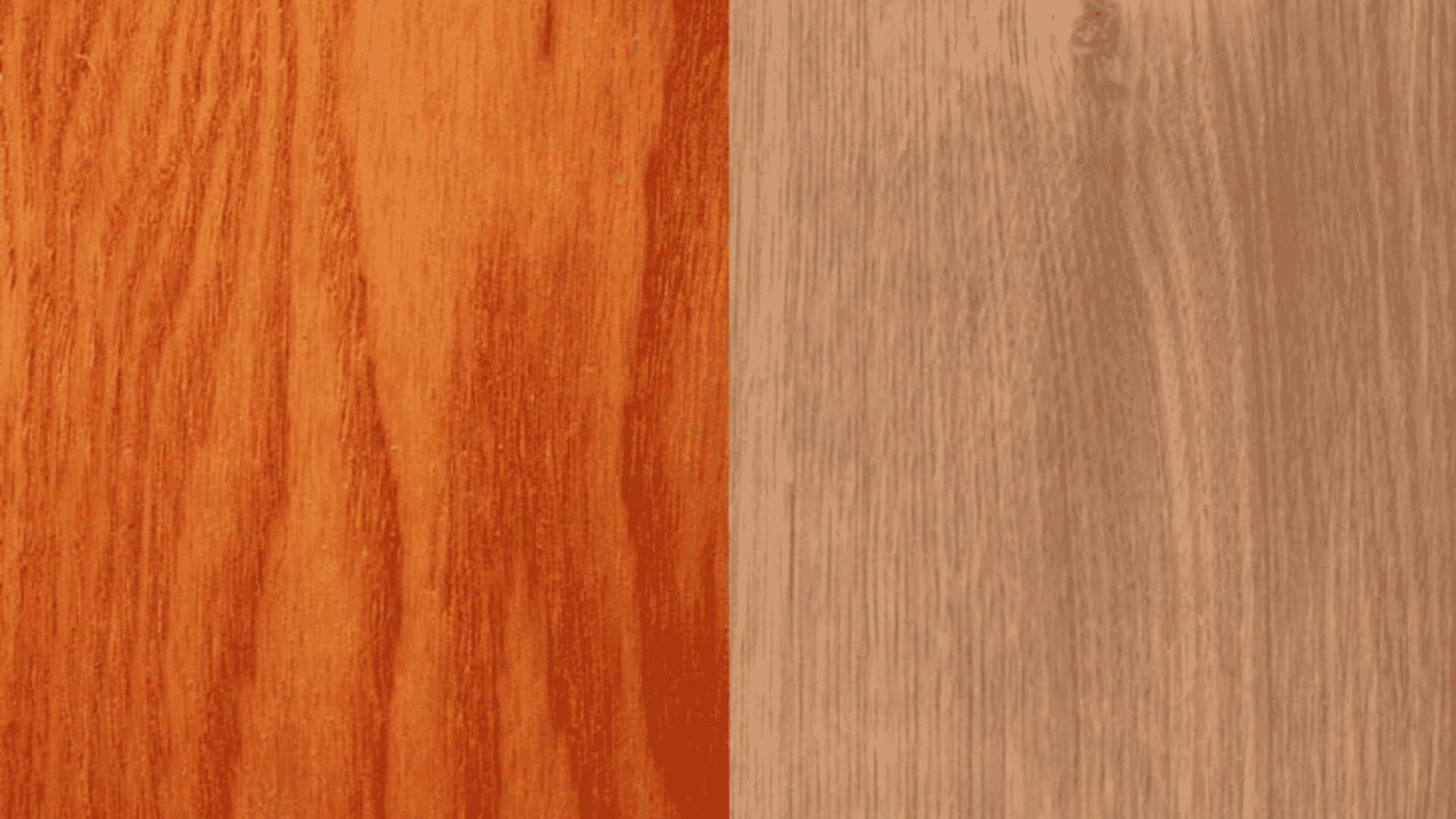
Wood Type: Hardwood
Density: ~0.63–0.75 g/cm³
A classic American favorite symbolizing strength and longevity. Light to medium brown with bold, visible grain, red oak leans warmer, white oak feels cooler and more formal.
Best For: Dining tables, cabinets, desks, and bookshelves
| Pros | Cons |
|---|---|
| Durable, long-lasting, and easy to stain | Heavy and can split if not pre-drilled |
| Distinct grain pattern enhances character | Prone to darkening with age |
| Readily available across the U.S. | Expensive for premium grades |
2. Maple
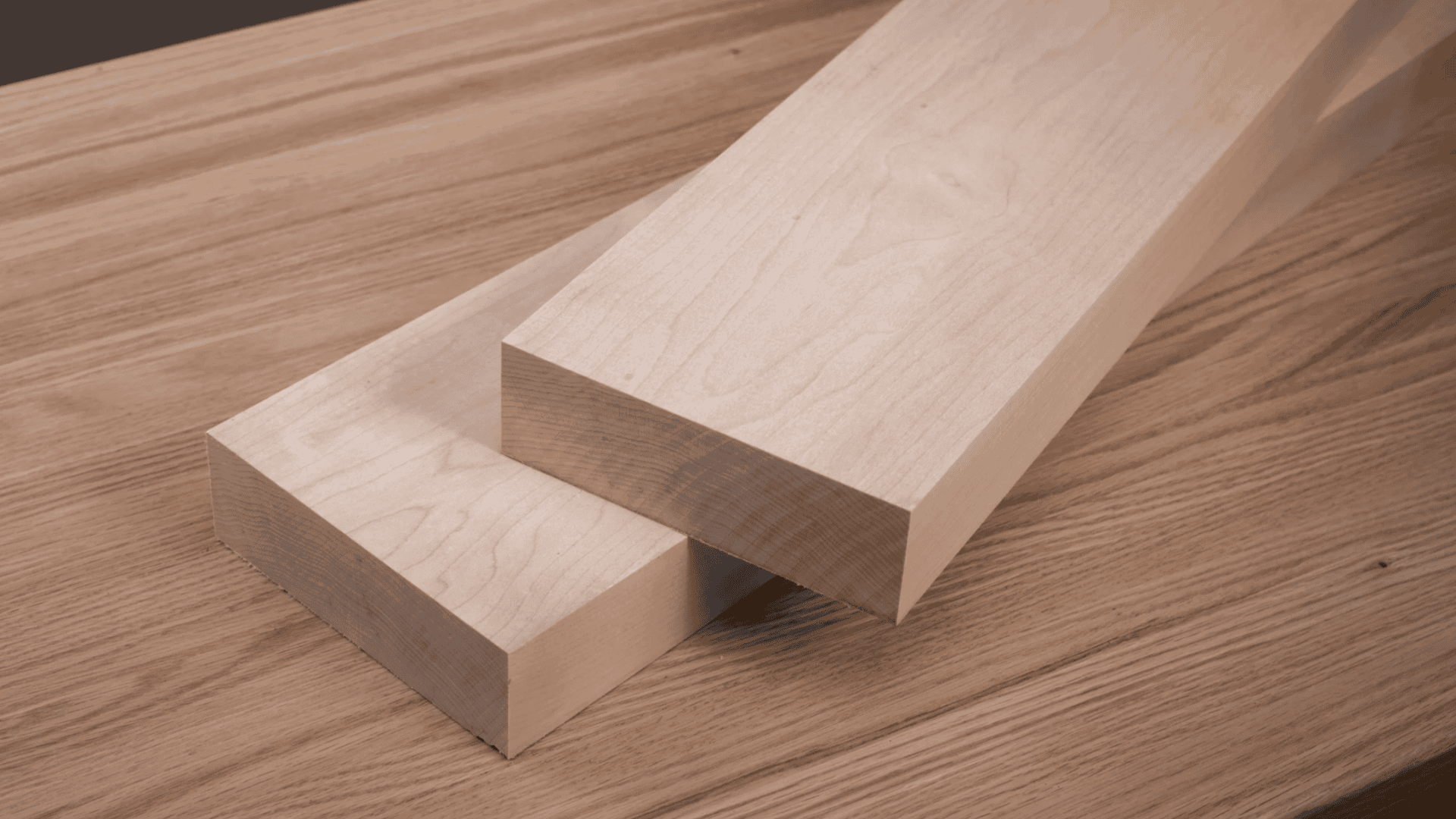
Wood Type: Hardwood
Density: ~0.54–0.70 g/cm³
Smooth, pale wood with dense, uniform grain and exceptional hardness. Ranges from light cream to golden tones that brighten interiors.
Best For: Kitchen cabinets, bedroom sets, and modern furniture
| Pros | Cons |
|---|---|
| Extremely hard and scratch-resistant | Difficult to stain evenly |
| Takes paint beautifully | Can yellow slightly under sunlight |
| Affordable and widely available | May warp in extreme humidity |
3. Cherry
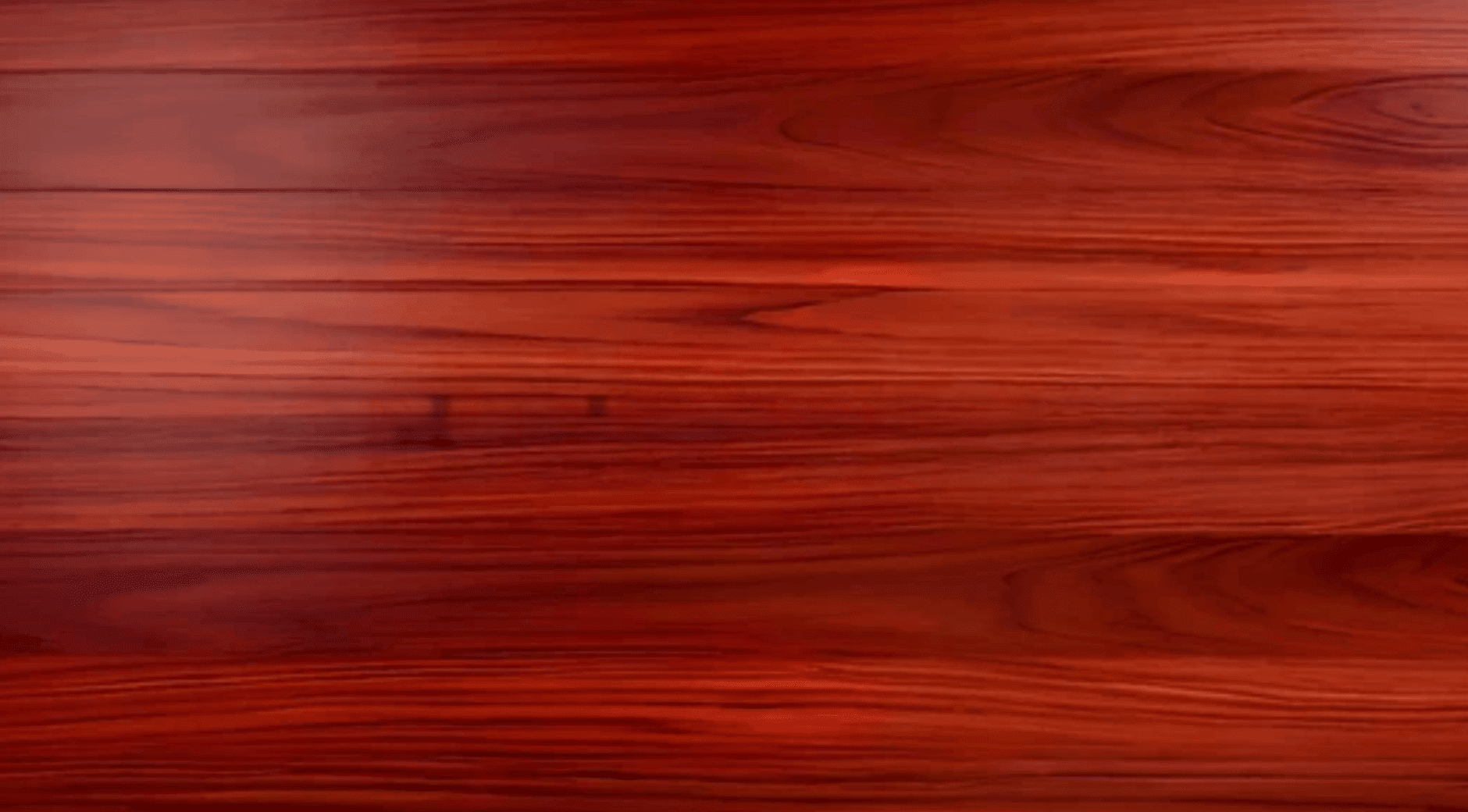
Wood Type: Hardwood
Density: ~0.56–0.64 g/cm³
Reddish-brown wood that darkens beautifully over time, developing a rich patina. Smooth texture makes it perfect for carving and detailed work.
Best For: Heirloom furniture, fine cabinetry, and formal spaces
| Pros | Cons |
|---|---|
| Ages gracefully with deeper tones | Softer than oak or maple |
| Resists warping and moisture | Premium cost for top-grade boards |
| Smooth surface ideal for staining | Can darken unevenly under sunlight |
4. Walnut
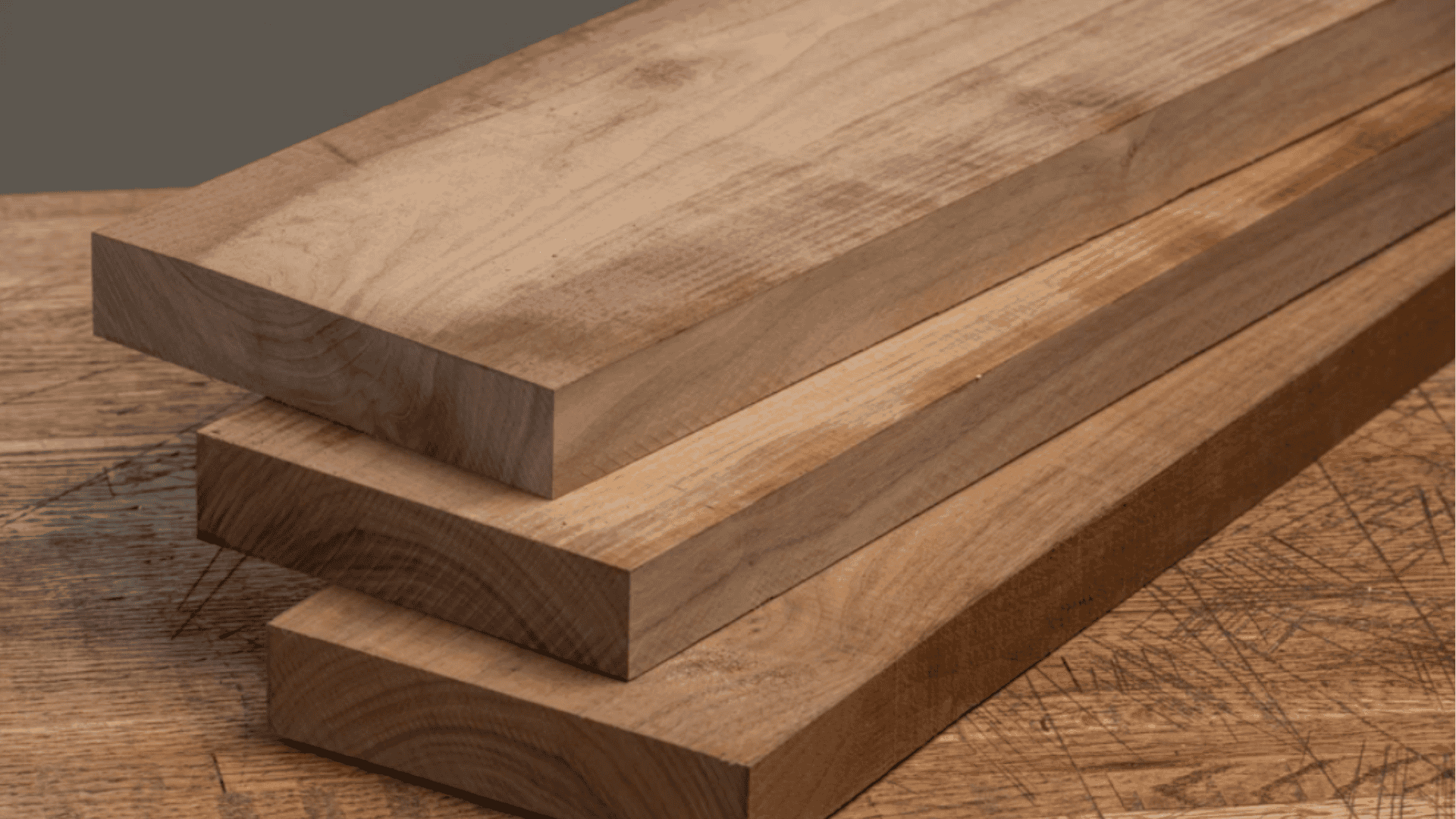
Wood Type: Hardwood
Density: ~0.64–0.69 g/cm³
Deep chocolate-brown wood with subtle undertones of gray, gold, or black. Strong yet not overly heavy, prized for high-end furniture.
Best For: Statement pieces, headboards, and luxury interiors
| Pros | Cons |
|---|---|
| Elegant natural color and grain | More expensive than most hardwoods |
| Excellent dimensional stability | Limited availability in large boards |
| Resistant to warping and decay | May fade slightly in strong light |
5. Mahogany
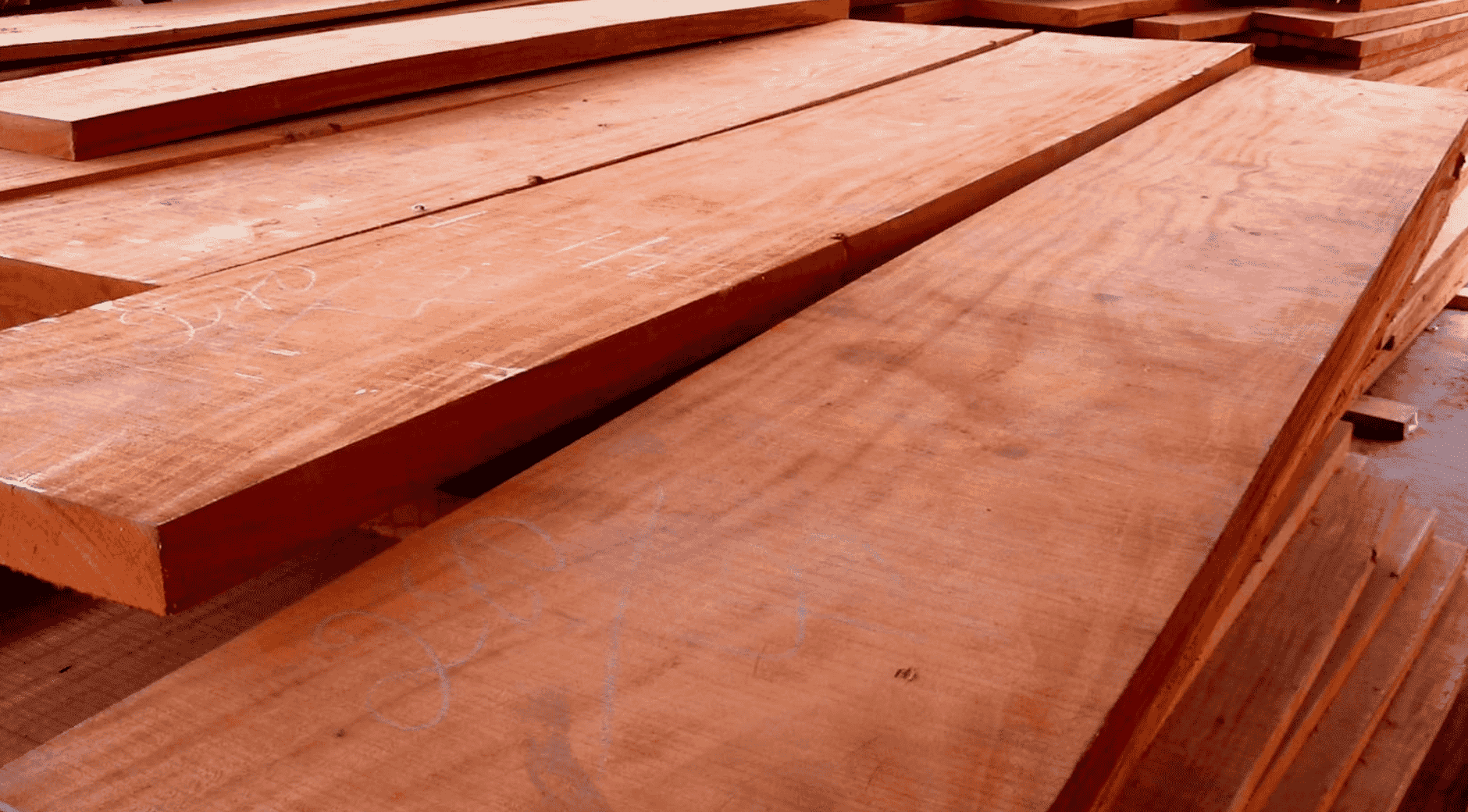
Wood Type: Hardwood
Density: ~0.50–0.85 g/cm³ (varies by species)
Rich reddish-brown wood that conveys timeless luxury and fine craftsmanship.
Best For: Traditional furniture, carved pieces, executive desks
| Pros | Cons |
|---|---|
| Highly stable and rot-resistant | Expensive and sometimes imported unsustainably |
| Easy to carve and finish | Can darken or scratch easily |
| Classic polished appearance | Requires sealing for moisture control |
6. Pine
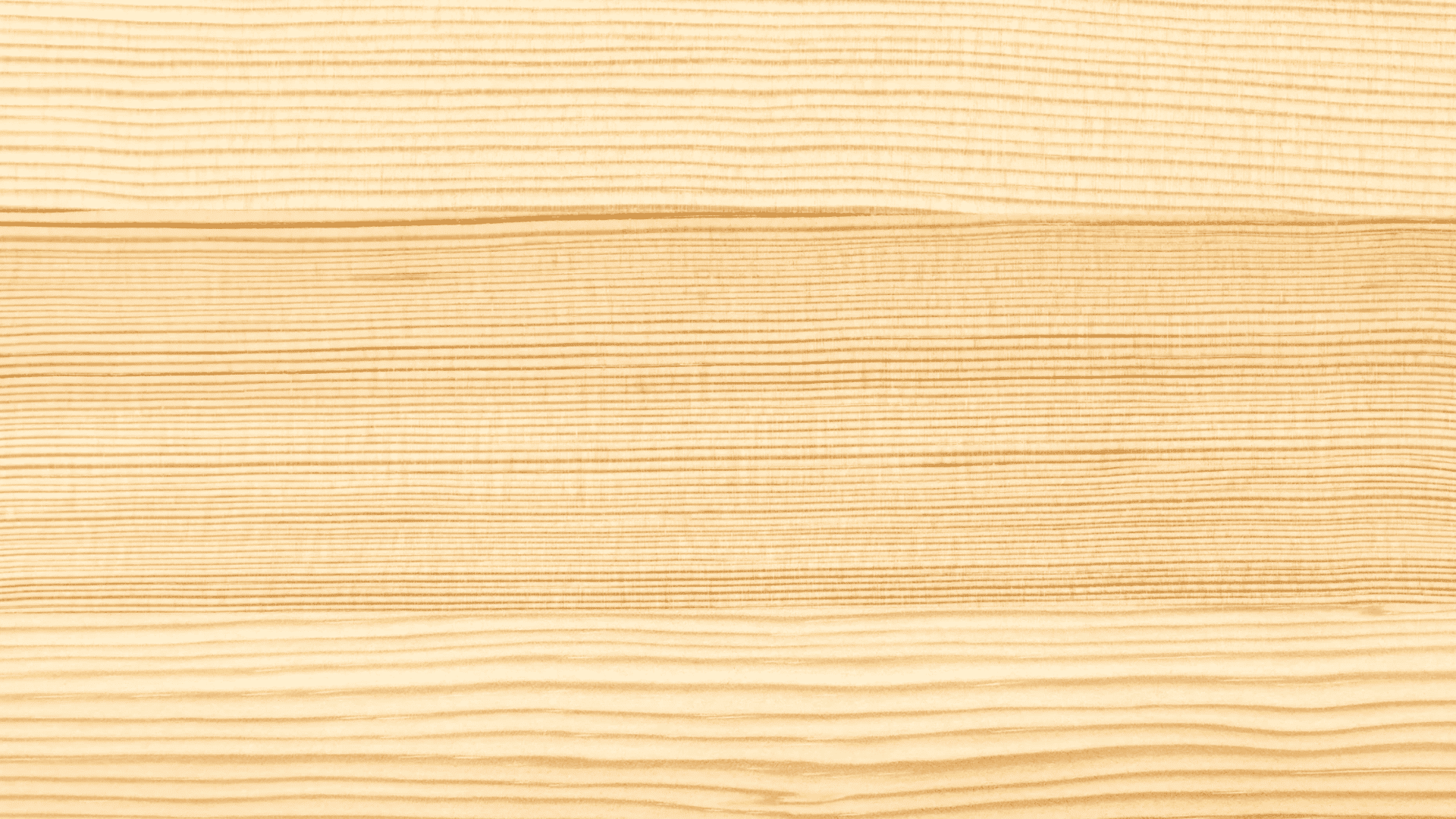
Wood Type: Softwood
Density: ~0.35–0.50 g/cm³
Light, affordable, and full of rustic charm. Its knots and warm undertones create cozy, informal interiors.
Best For: Farmhouse, cottage-style, or children’s furniture
| Pros | Cons |
|---|---|
| Lightweight and easy to cut | Dents and scratches easily |
| Takes paint or stain well | Prone to shrinking in dry climates |
| Inexpensive and available everywhere | Not ideal for high-traffic furniture |
7. Cedar
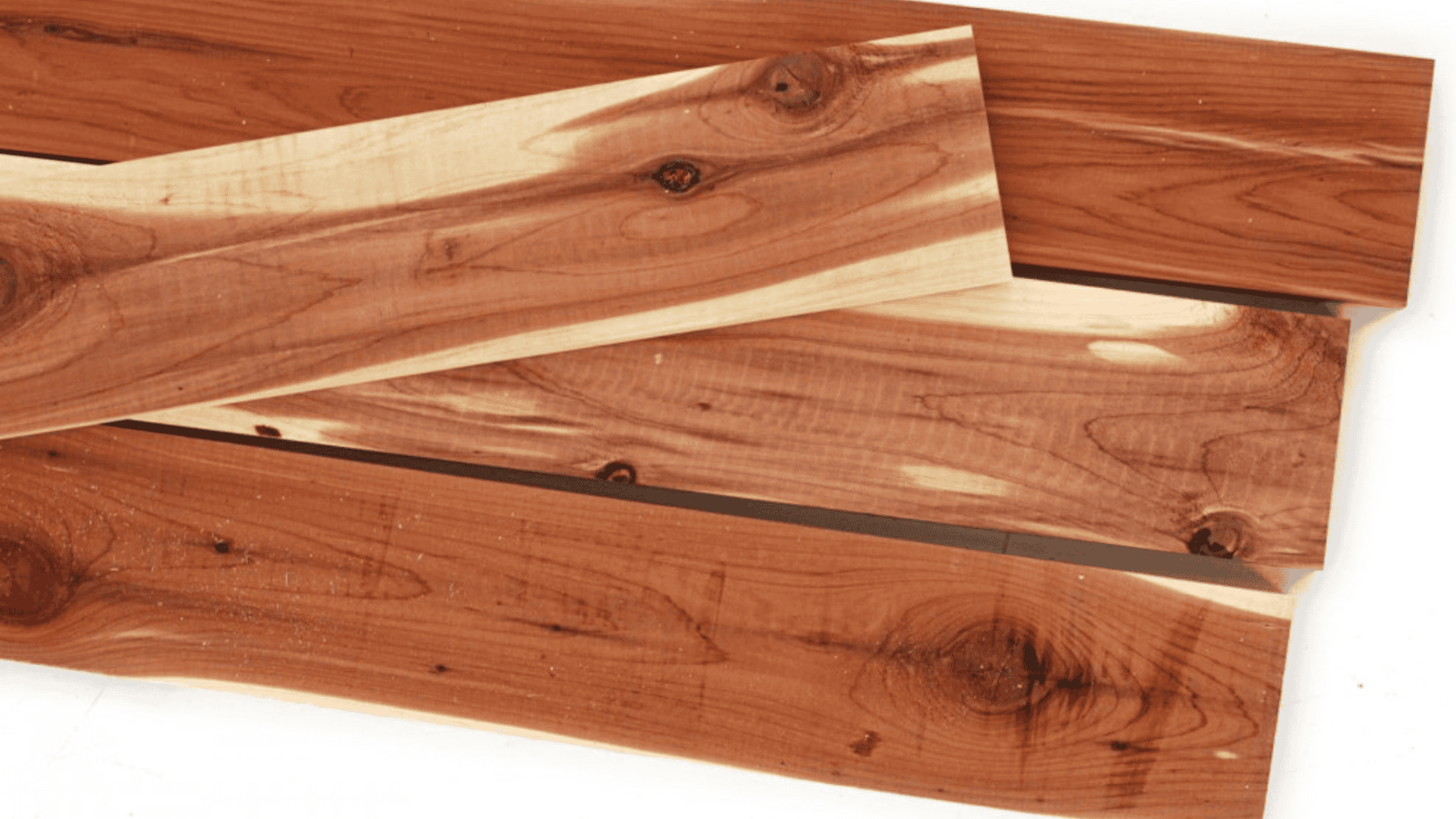
Wood Type: Softwood
Density: ~0.38–0.40 g/cm³
Aromatic, insect-resistant wood with a pleasant scent and natural oils that repel moisture and decay.
Best For: Patio furniture, storage chests, and outdoor designs
| Pros | Cons |
|---|---|
| Naturally rot- and pest-resistant | Too soft for heavy-use furniture |
| Lightweight and stable | Limited color options (reddish tone only) |
| Excellent for humid climates | Can scratch easily |
8. Birch
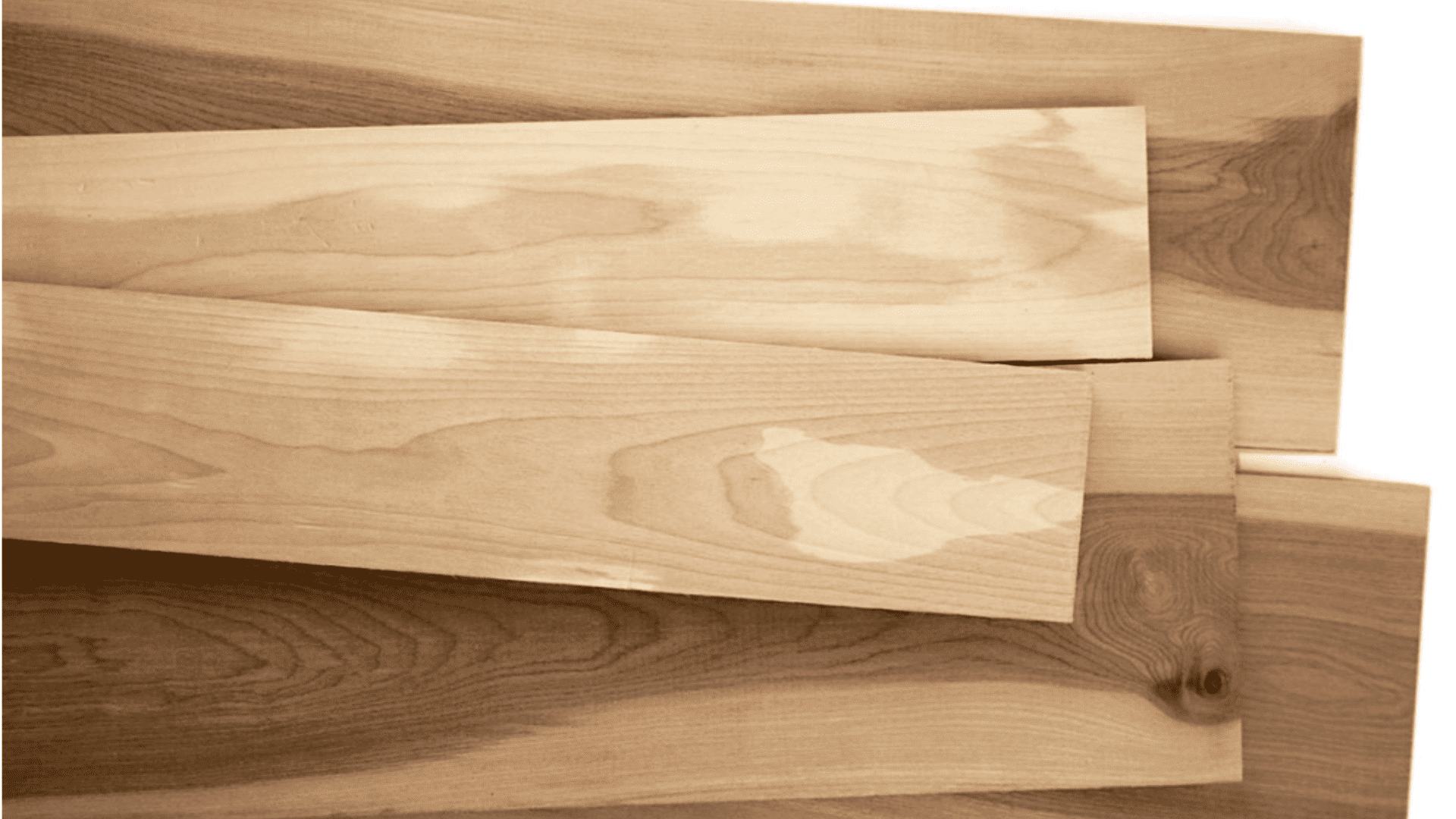
Wood Type: Hardwood
Density: ~0.62–0.67 g/cm³
Pale, smooth-grained wood that offers a clean, modern look similar to maple but at a lower cost.
Best For: Cabinets, minimalist, and painted furniture
| Pros | Cons |
|---|---|
| Affordable hardwood option | Can stain unevenly |
| Easy to machine and paint | Susceptible to water damage |
| Smooth and consistent texture | Limited natural grain character |
9. Alder
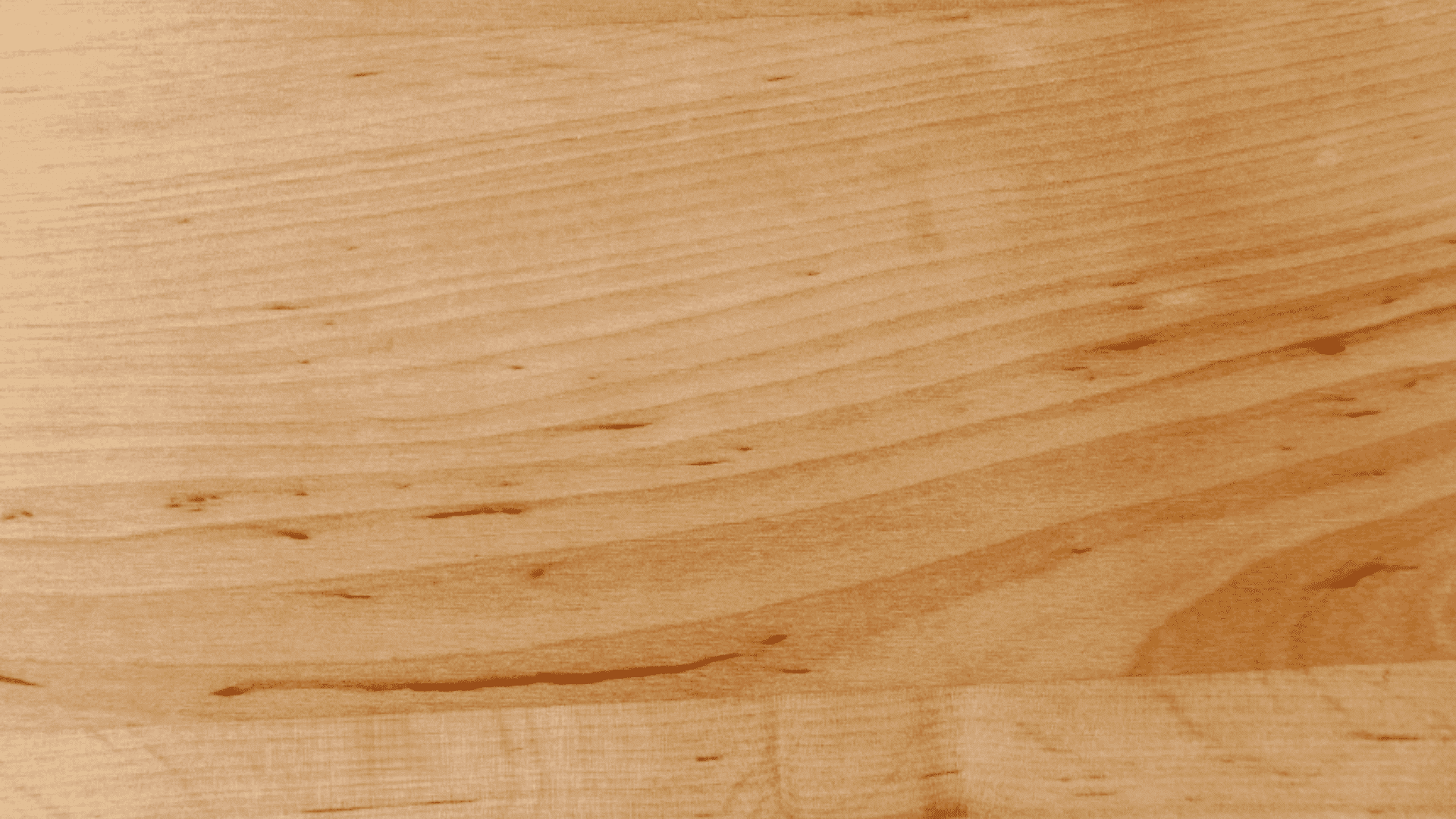
Wood Type: Hardwood (technically semi-hard)
Density: ~0.41–0.50 g/cm³
Light brown with subtle red undertones and occasional knots. Easy to work with and stains beautifully.
Best For: Bedroom furniture, cabinetry, and decorative pieces
| Pros | Cons |
|---|---|
| Smooth and uniform grain | Softer than most hardwoods |
| Takes stain evenly | Not ideal for heavy structural furniture |
| Easy to shape and carve | Limited outdoor durability |
10. Teak
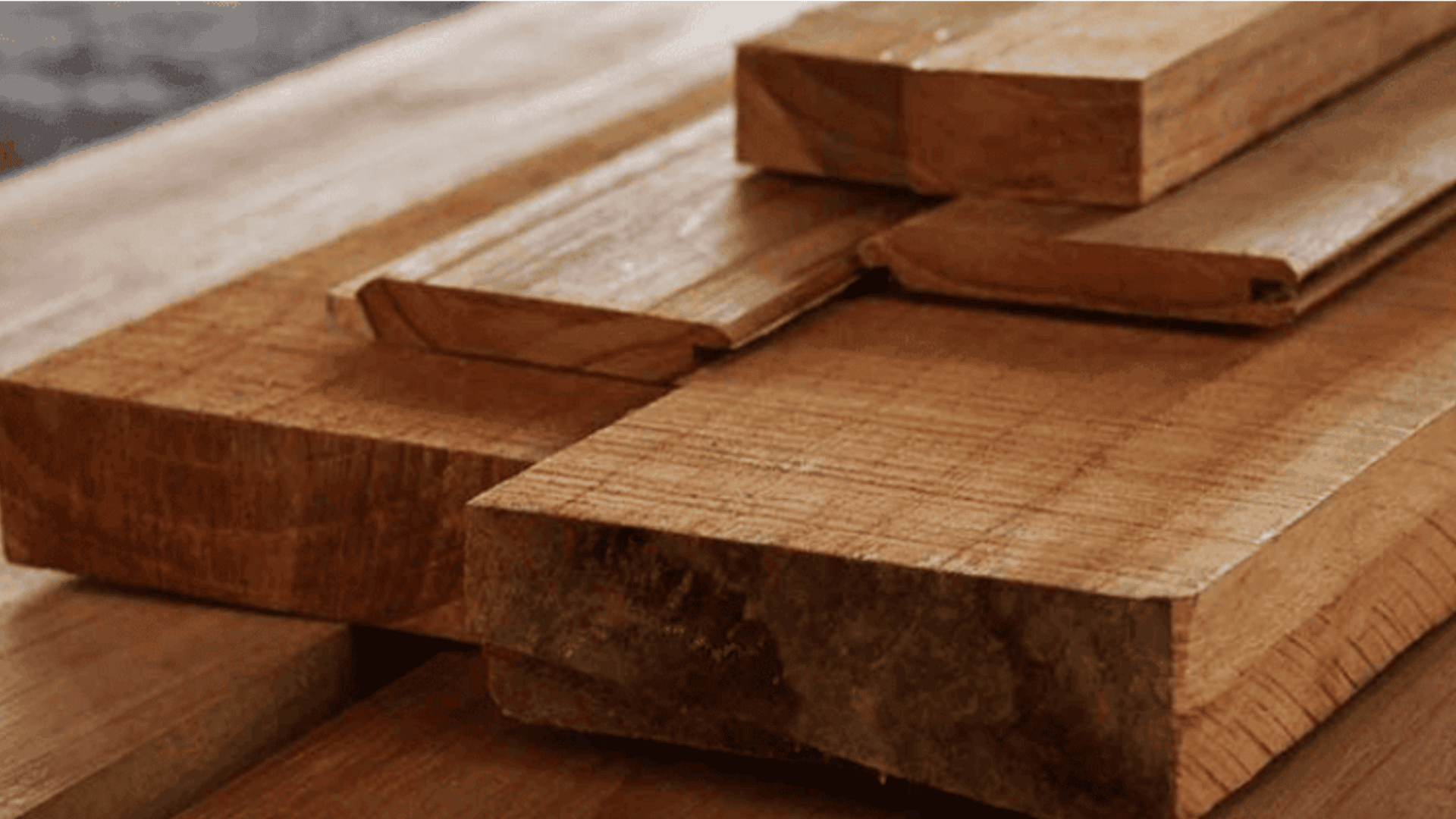
Wood Type: Hardwood (tropical)
Density: ~0.65–0.75 g/cm³
Golden-brown tropical hardwood is famous for its natural oils and weather resistance.
Best For: Outdoor furniture, garden benches, and boat decks
| Pros | Cons |
|---|---|
| Naturally water- and pest-resistant | Very expensive |
| Requires little maintenance | Oily surface can complicate finishing |
| Long lifespan outdoors | Limited sustainable sourcing |
11. Ash
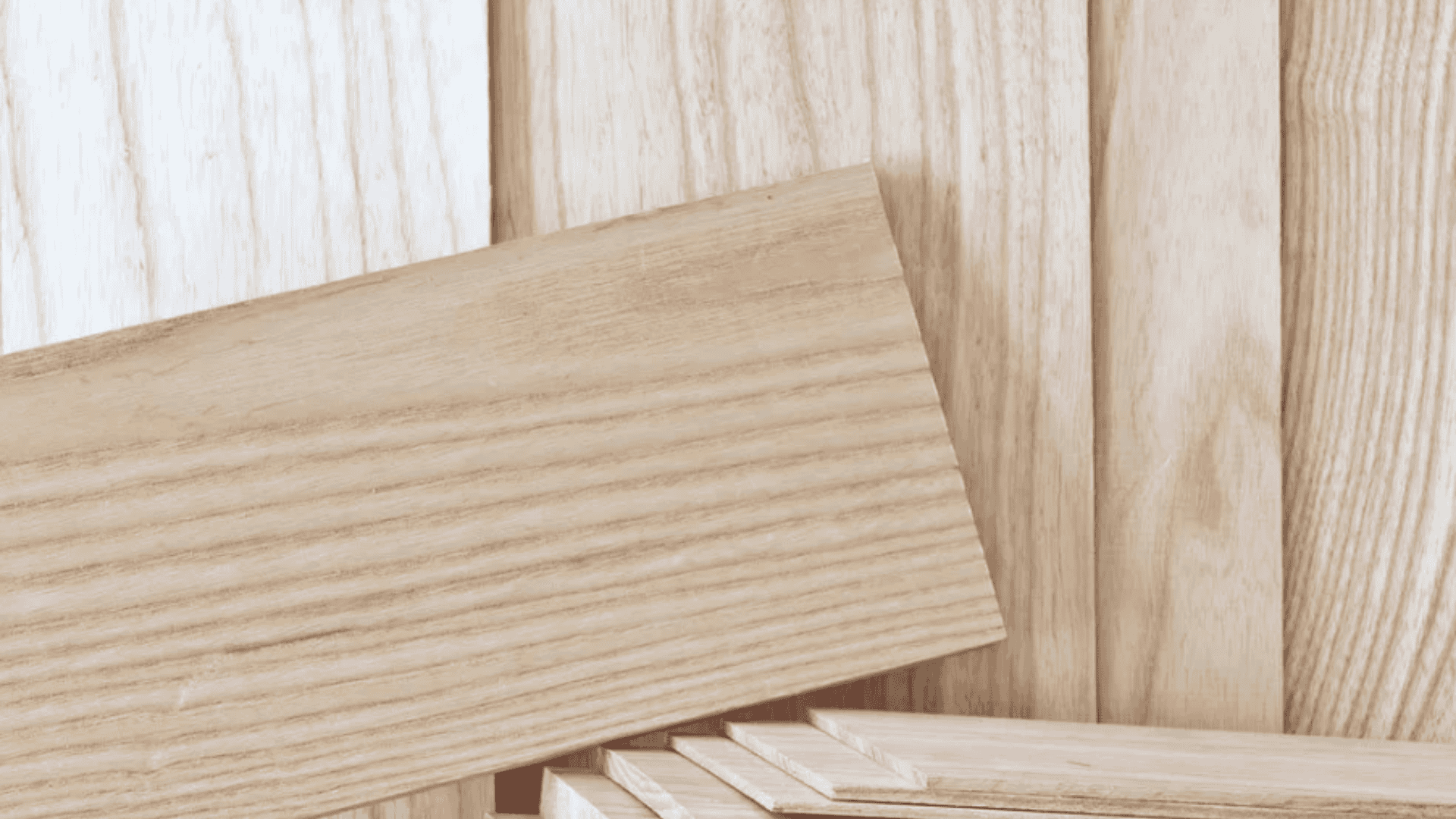
Wood Type: Hardwood
Density: ~0.60–0.69 g/cm³
Light-colored wood with striking grain and impressive flexibility, ideal for curved or bent designs.
Best For: Chairs, tables, and contemporary furniture
| Pros | Cons |
|---|---|
| Strong yet lightweight | Can yellow over time |
| Great shock resistance | Limited availability |
| Easy to finish and stain | Requires sealing to avoid moisture damage |
12. Plywood, Veneer, and MDF
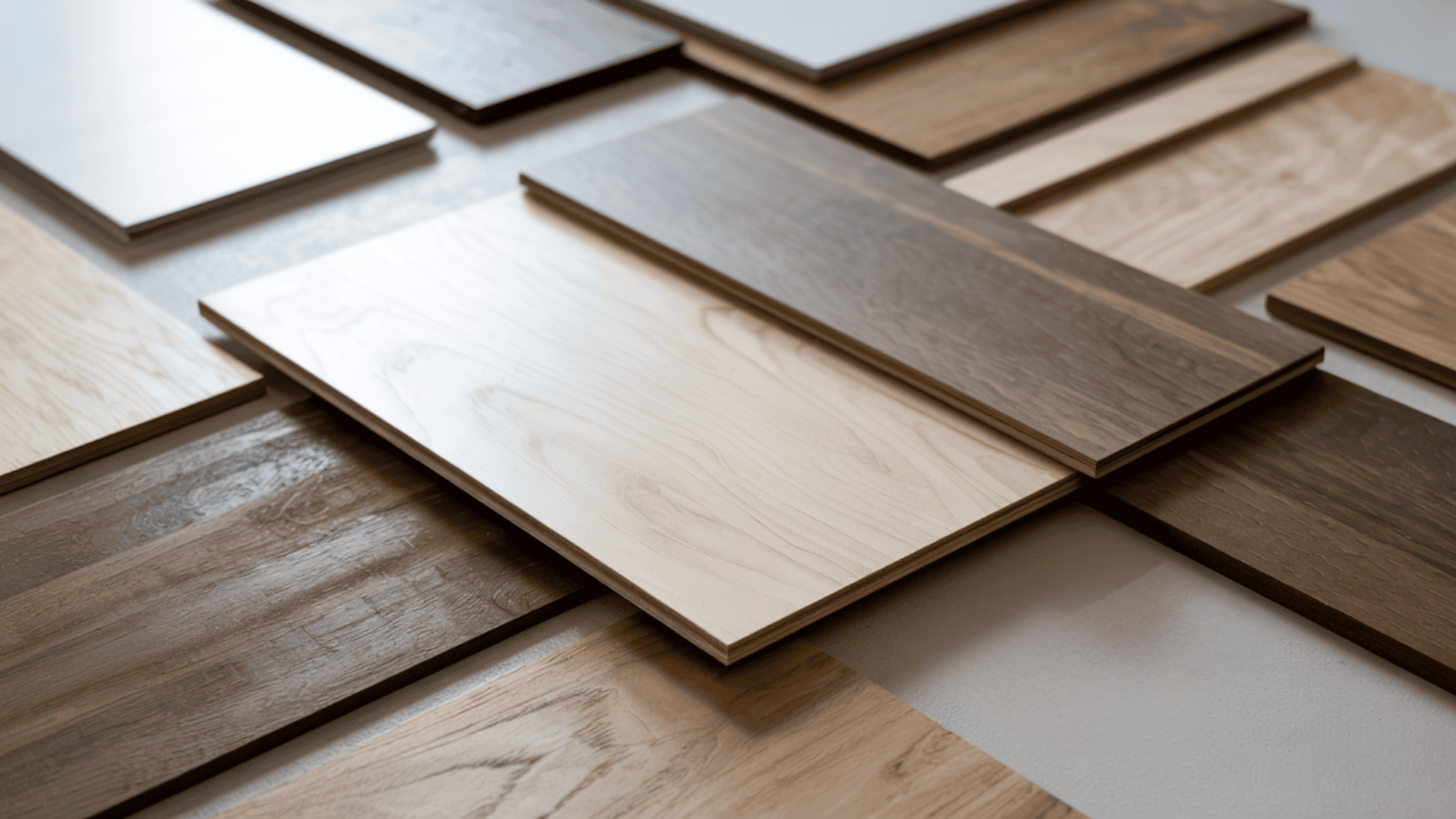
Wood Type: Engineered / Man-made
Density: ~0.60–0.80 g/cm³ (varies by type)
Affordable, stable, and versatile options made from layered or compressed wood fibers.
Best For: Modular, budget, and modern furniture
| Pros | Cons |
|---|---|
| Cost-effective and stable | Not as durable as solid wood |
| Resists warping and shrinkage | Cannot be refinished multiple times |
| Smooth surface for painting | Lacks natural grain and texture |
Each wood type serves different needs and budgets in furniture buying. Consider your lifestyle, space, and long-term furniture goals carefully. The right wood choice becomes an investment in your home’s beauty and function.
Key Decision Factors for Choosing the Right Wood
Knowing the wood types is helpful. But choosing the right one requires careful thinking. Let these six factors guide your final decision.
- Durability: How much use will this piece get? High-traffic items need harder woods.
- Grain Pattern: Do you want bold, visible grain or smooth, subtle texture?
- Cost: What’s your budget? Premium woods cost more. Softwoods are affordable.
- Color: Does the wood match your home’s style? Some woods are pale. Others are dark.
- Sustainability: Do you care where the wood comes from? FSC-certified wood is responsible.
- Maintenance: Can you commit to regular care? Some woods need more attention than others.
Your answers guide your choice. Want durability on a budget? Pick oak. Prefer warmth and color? Cherry is your answer. Need something affordable? Pine works well
How to Keep Your Wood Furniture Looking New
Proper care keeps your wood furniture looking beautiful for decades.
Simple, consistent maintenance protects the finish and preserves its natural charm.
Dust regularly with a soft cloth: Use microfiber or lint-free cotton to gently remove dust. Wipe in the direction of the grain to avoid scratches and buildup.
Wipe spills immediately: Moisture causes stains and water rings to form quickly. Blot gently and dry thoroughly to prevent damage.
Use coasters and protective pads: Always place coasters under cups and felt pads beneath hot dishes or décor to prevent heat damage and dents.
Polish or oil furniture monthly: Apply quality furniture polish or linseed oil once or twice a month. Buff to maintain shine and nourish the surface.
Monitor indoor humidity levels: Wood expands and contracts with changing moisture. Keep humidity between 40 to 50% using a humidifier or AC.
Avoid direct sunlight: UV rays fade finishes and dry wood over time. Close curtains during peak sunlight and rotate pieces occasionally.
Consistent, gentle care helps your furniture age gracefully and stay strong. With these simple habits, your favorite wood pieces will last for generations.
Sustainable Wood Furniture: Your Buying Checklist
Making responsible choices protects forests for future generations. Sustainable wood furniture helps reduce deforestation while supporting ethical forestry and local communities.
1. Look for FSC-Certified Wood
FSC certification means the wood comes from responsibly managed forests. These forests protect wildlife habitats and treat workers fairly. Before buying furniture, check for the FSC label.
Not all FSC labels are the same:
- FSC Recycled: 100% reclaimed materials
- FSC Mix: At least 70% certified wood from sustainable sources
Choosing FSC-certified pieces ensures no net forest loss over time. Your purchase directly supports better forest management practices.
2. Consider Reclaimed and Salvaged Wood
Reclaimed wood gives old materials a second life. Sellers source it from barns, warehouses, old floors, or fallen trees. This approach reduces waste and preserves natural resources.
Urban wood programs collect timber from city trees that would otherwise go to landfills. Using salvaged wood prevents unnecessary logging. It also adds character and history to your furniture.
3. Source Locally When Possible
Local woods like oak, maple, and walnut grow widely across North America. Buying from nearby sources cuts down shipping emissions. It also supports regional economies and local craftspeople.
Questions to ask sellers:
- Where does this wood come from?
- What finishing products do you use?
- Do you source from sustainable suppliers?
Transparency matters. Good sellers will gladly share their sourcing practices and environmental commitments.
Conclusion
The right wood type defines your furniture’s beauty, durability, and long-term value. Each species brings its own strengths and character to your home.
Match your wood choice to your lifestyle and design needs. Hardwoods like oak and maple hold up well to daily use. Cherry and walnut create refined looks for formal spaces.
Always choose solid, responsibly sourced wood. This supports sustainability and ensures quality. With proper care, your furniture will age gracefully. It develops richer tones and deeper character over the years.
The right choice becomes more than furniture. It becomes a family heirloom that brings joy every single day.
Ready to start? Explore local lumberyards or certified wood suppliers near you. Your future self will thank you for making a wise, informed choice today.