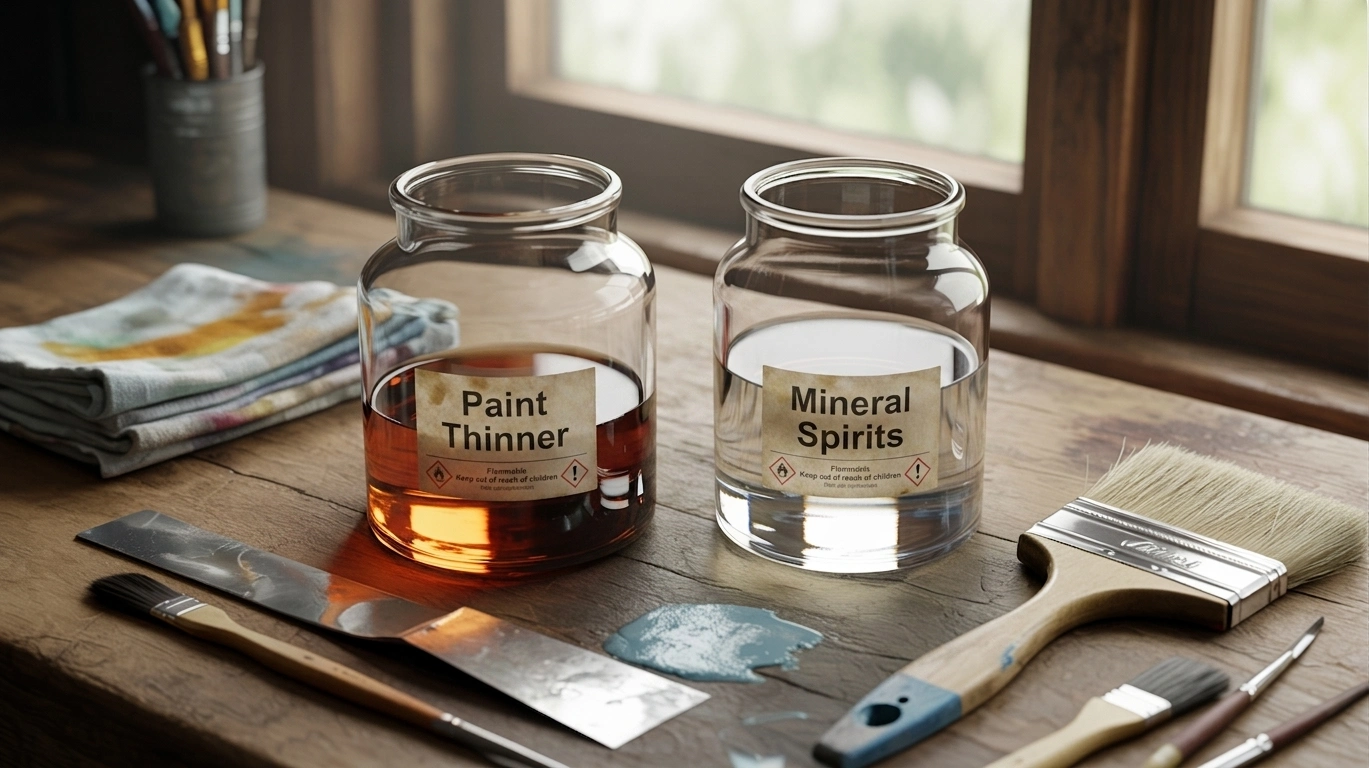
Paint thinner and mineral spirits sit on the same shelf, and it’s easy to grab either one without thinking twice.
Both thin oil-based paint and clean brushes, but they are not the same product.
Paint thinner is a broad blend of solvents. Mineral spirits are a single, refined type with less odor and a gentler touch.
Picking the wrong one can leave sticky residue or fumes you don’t expect. Here is how paint thinner vs mineral spirits actually compare, and when to use each one.
What Is Paint Thinner?
Paint thinner is not a single chemical. It is a broad category of solvent blends made to thin oil-based paints, clean brushes, and remove coatings.
Mineral spirits are actually one type of paint thinner. Every mineral spirit qualifies as paint thinner, but not every paint thinner is pure mineral spirits.
- “Mineral spirits”: (the base in many formulas)
- “Acetone”: A fast-evaporating, high-strength solvent
- “Toluene”: Strong and fast-acting, often found in lacquer thinners
- “Methanol or Xylene”: Added to increase dissolving strength
Because it is a blend, the exact composition varies by brand. This makes paint thinner less predictable than a single-compound solvent like pure mineral spirits.
Common Types of Paint Thinner
Not all paint thinners are the same. The label reveals important details about ingredients, intended applications, safety warnings, and proper handling instructions for each product.
| Type | Key Ingredients | Best Use |
|---|---|---|
| Petroleum distillate thinner | Mineral spirits base | General oil-based paint thinning |
| Lacquer thinner | Toluene, acetone, methanol | Fast-drying lacquers and sprays |
| Multi-purpose thinner | Mixed solvents | Cleaning tools, light degreasing |
Lacquer thinner is the most aggressive. It evaporates fast and dissolves a wider range of coatings. It is not the same as basic paint thinner, even though both fall under the“paint thinner” label.
What Are Mineral Spirits?
Mineral spirits are refined petroleum hydrocarbons, typically in the C9 to C12 range. Refiners strip out most aromatic compounds during processing.
This leaves a single, consistent solvent instead of a blended paint thinner.
This refining lowers the odor and slows evaporation. The result is a milder solvent that dissolves oils and resins without damaging cured finishes, wood, or brush bristles.
It also helps paint flow more smoothly for a more even finish.
Paint Thinner vs Mineral Spirits: Core Differences
The table below highlights the core differences between paint thinner and mineral spirits, including solvent strength, evaporation rate, odor, residue, price, and ideal use cases.
Here is a quick comparison table:
| Attribute | Paint thinner | Mineral spirits |
|---|---|---|
| Solvent strength (KB value) | 40–60+Strongest blended with toluene, acetone, or xylene | 28–33Moderate light touch on surfaces |
| Evaporation rate | Moderate to fast. Less control over open time can cause blushing | Moderate Good flow and leveling |
| Odor & toxicity | Strong aromatic hydrocarbons, such as toluene, affect the CNS with prolonged exposure | Moderate Requires ventilation |
| Residue after use | May leave oily or sticky residue. Can cause adhesion problems under new coats | Minimal when fully evaporated. Clean surface ready for topcoat |
| Typical price (per quart) | $5–$10 | $8–$14 |
| Availability | Hardware stores, home centers. Most widely available | Hardware stores, paint specialty shops |
| Best use case | Stripping hardened paint, heavy degreasing, spray gun cleanup | Thinning oil-based paint, brush cleanup, fine finishing |
Leftover residue from paint thinner can also contribute to paint bubbling once a new coat goes on top, so a clean wipe-down before repainting matters.
When to Use Paint Thinner or Mineral Spirit
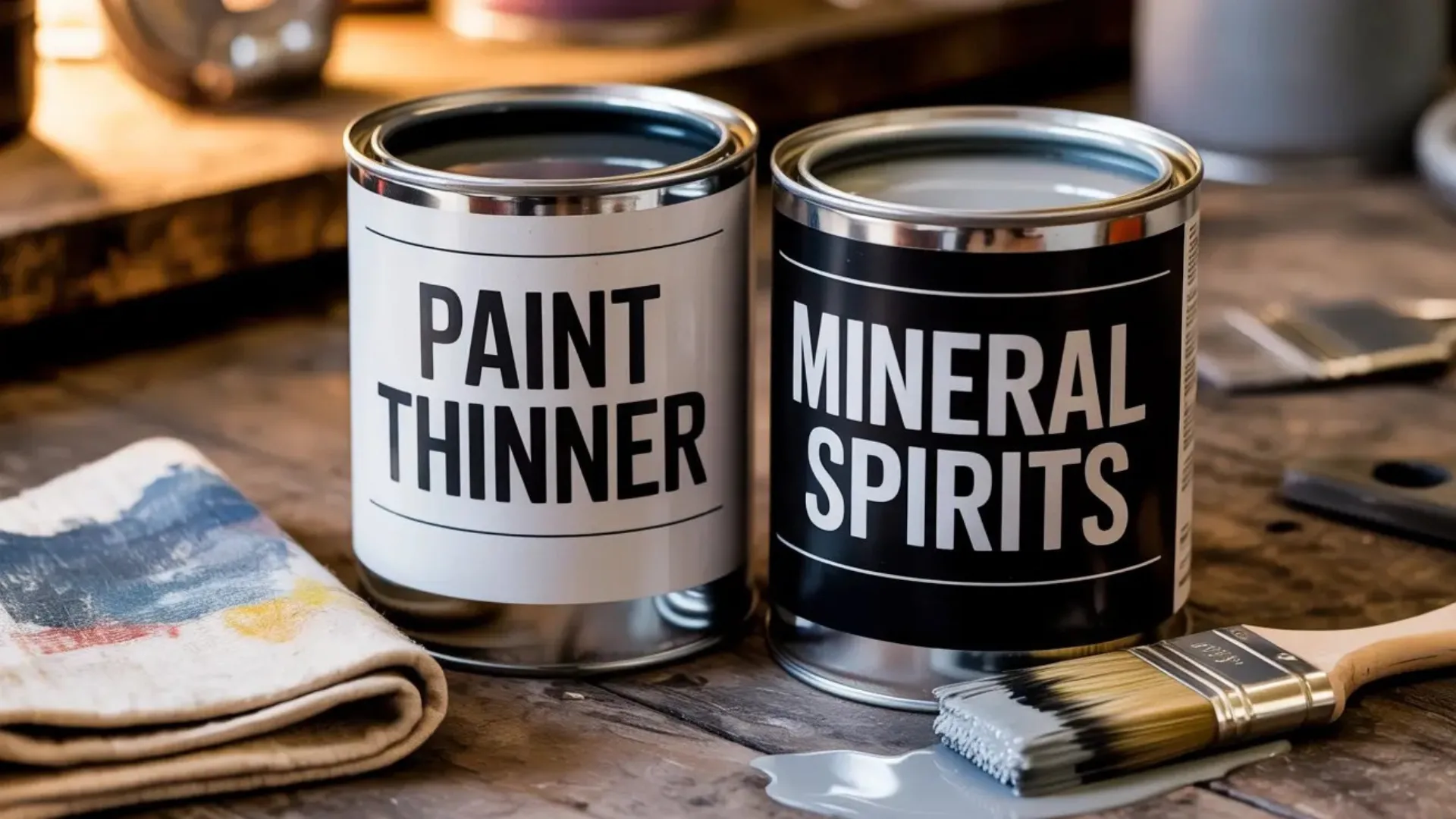
Paint thinner works best in high-demand cleaning and stripping jobs where solvent strength matters more than surface safety.
In my own decorative painting work, I keep both on hand: paint thinner for fast, heavy-duty cleanup, and mineral spirits for anything that needs a smooth, controlled finish.
Use paint thinner for:
- Removing tough oil-based paint from metal, concrete, or masonry surfaces
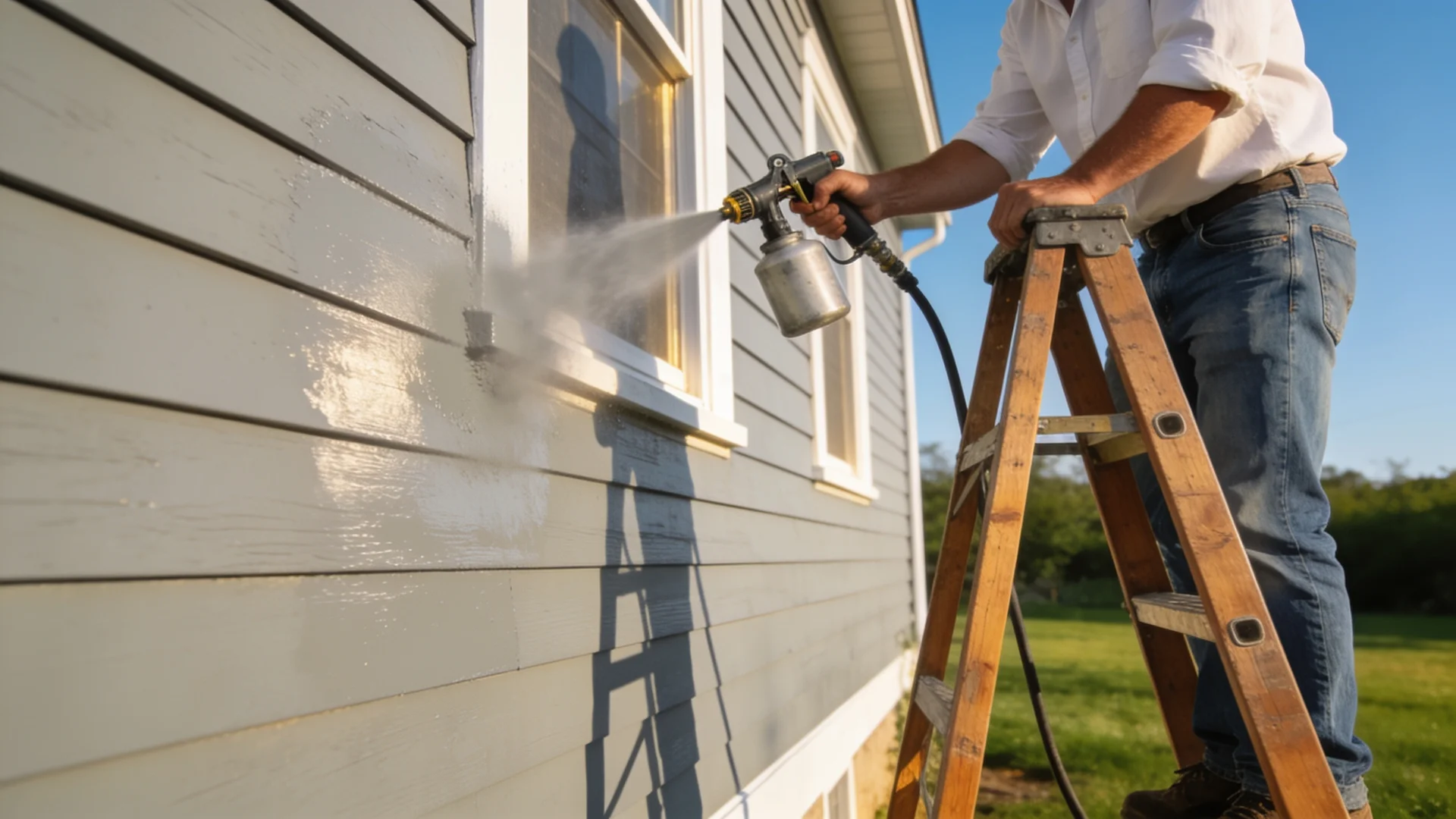
- Cleaning spray guns and airless sprayers after enamel or oil-based paint jobs, its strength cuts through dried overspray fast
- Heavy-duty degreasing of machine parts, metal tools, or garage floors
- Breaking down hardened coatings that have partially cured on brushes, rollers, or containers
Do not use paint thinner on finished wood surfaces, near open flame, or in rooms without strong airflow. Its faster evaporation rate releases fumes quickly.
Mineral spirits are the right choice when you need controlled, clean, gentle solvent action.
Use mineral spirits for:
- Cleaning oil-based paint brushes: They remove paint without damaging bristles
- Thinning oil-based paints and alkyds: For brush or roller application
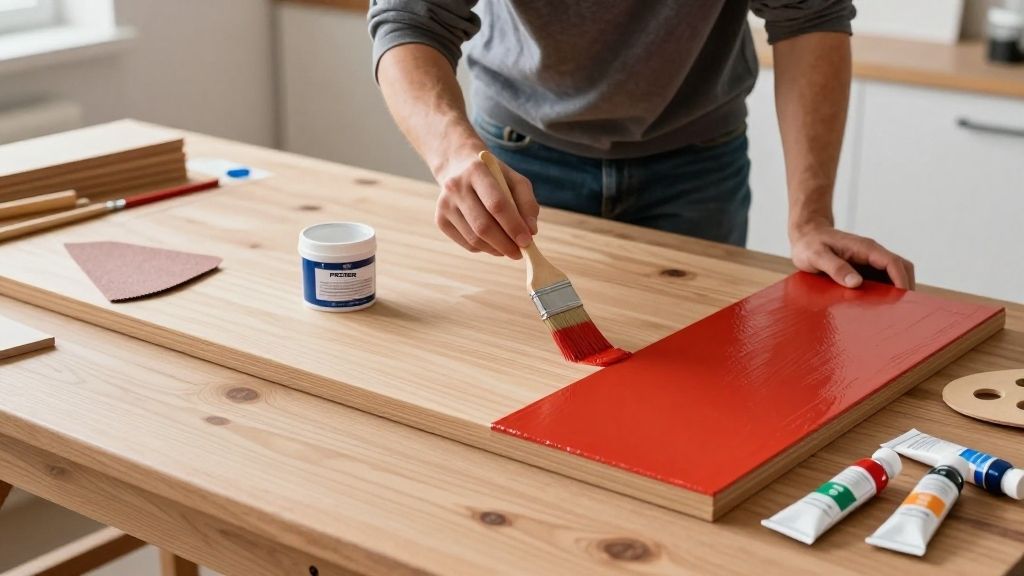
- Preparing bare wood before staining: They clean the surface without raising the grain
- Light cleaning and grease removal: From tools, hardware, and wood furniture
Safety, Health, and Handling Considerations
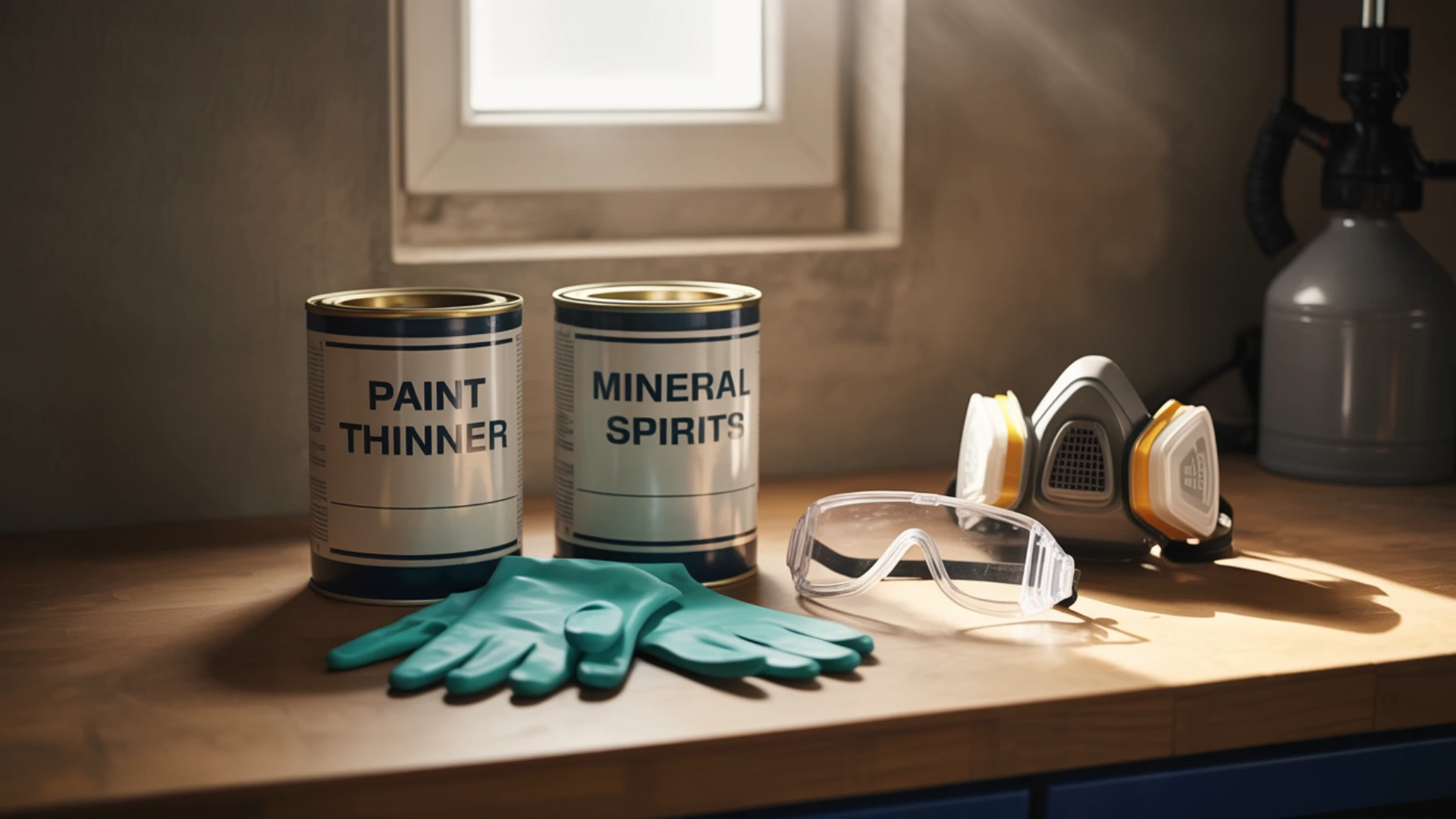
The following outlines essential safety, health, and handling considerations, highlighting key precautions and best practices to ensure responsible use and minimize potential risks.
- Both paint thinner and mineral spirits are highly flammable and should never be used near flames, sparks, or heat sources.
- Always work in a well-ventilated area and use an organic vapor respirator if fumes are strong or the space is enclosed.
- Wear nitrile gloves and safety glasses to avoid skin and eye irritation from solvent exposure.
- Paint thinner produces stronger VOC fumes, while mineral spirits are relatively milder but still require caution.OSHA notes that toluene, common in paint thinner blends, affects the central nervous system and can cause headaches, dizziness, and confusion with repeated exposure.
- Store solvents in sealed original containers in a cool, dry place away from children, pets, and heat sources.
Environmental Impact and Disposal
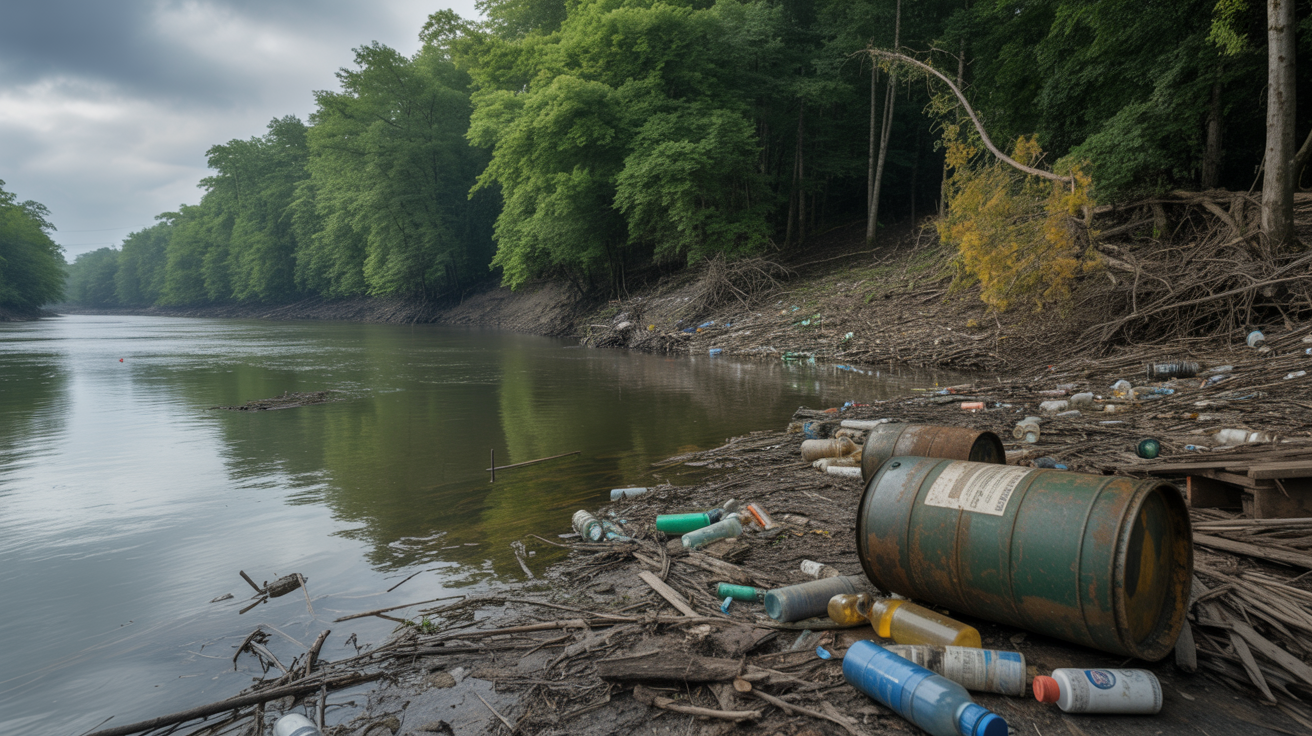
The following examines the environmental impact and disposal considerations, focusing on responsible practices, waste management, and methods to reduce potential harm to the environment.
- Paint thinner has the highest VOC levels; mineral spirits have lower levels, and odorless versions reduce emissions further.
- Never dispose of solvents in drains or on the ground; they contaminate water and can harm treatment systems and aquatic life.
- Used solvents should be allowed to settle, partially reused if possible, and the remaining waste taken to a household hazardous waste facility.
- Even small amounts in drains can damage water systems and create hazardous conditions in sewer lines.
- Eco-friendly options like citrus-based, water-based, and soy-based cleaners work for light tasks but not heavy-duty stripping.
These alternatives work well for lighter jobs but do not replace petroleum solvents for heavy-duty stripping or lacquer work.
Common DIY Mistakes to Avoid
Here are some common DIY mistakes to avoid when working with paint thinner, mineral spirits, and other solvents.
- Using paint thinner to thin varnish causes uneven drying and a milky finish.
- Cleaning polyurethane-coated wood furniture with paint thinner can strip the topcoat.
- Substituting mineral spirits for lacquer thinner in spray work, lacquer thinner is required for lacquers; mineral spirits will not dissolve lacquer resins.
- Storing used solvent in an unmarked container creates a serious fire and identification hazard.
Conclusion
Paint thinner and mineral spirits both come from petroleum, but they earn their keep in different jobs.
Paint thinner works best for paint stripping, metal degreasing, and spray gun cleaning.
Reach for mineral spirits when you want control: thinning paint, prepping wood, or cleaning brushes without harsh fumes. Work in a ventilated space, wear gloves, and dispose of solvents properly.
Still not sure which one fits your project? Drop your project details in the comments for other readers to weigh in.
Frequently Asked Questions
What Should You Not Use Mineral Spirits On?
Mineral spirits should not be used on latex or water-based paints, acrylic finishes, polystyrene, plastics, fresh non-oil coatings, or food-contact surfaces without proper cleaning.
When Should You Use Paint Thinner
Paint thinner works best for heavy-duty tasks like cleaning oil-based paint, thinning for spray work, removing stubborn residue, degreasing metal, and cleaning spray equipment.
Can Rubbing Alcohol Be Used As Paint Thinner
No, rubbing alcohol won’t dissolve oil-based paints well, evaporates too fast, and may damage finishes, though it works on light grease or wet latex.
Is Mineral Spirits The Same As Paint Thinner
No, mineral spirits are one specific type of paint thinner. Every mineral spirit qualifies as paint thinner, but not every paint thinner is pure mineral spirits.
Can You Substitute Paint Thinner For Mineral Spirits
Sometimes, paint thinner can clean brushes or thin oil paint, but it leaves more odor and residue than mineral spirits on fine finishes.