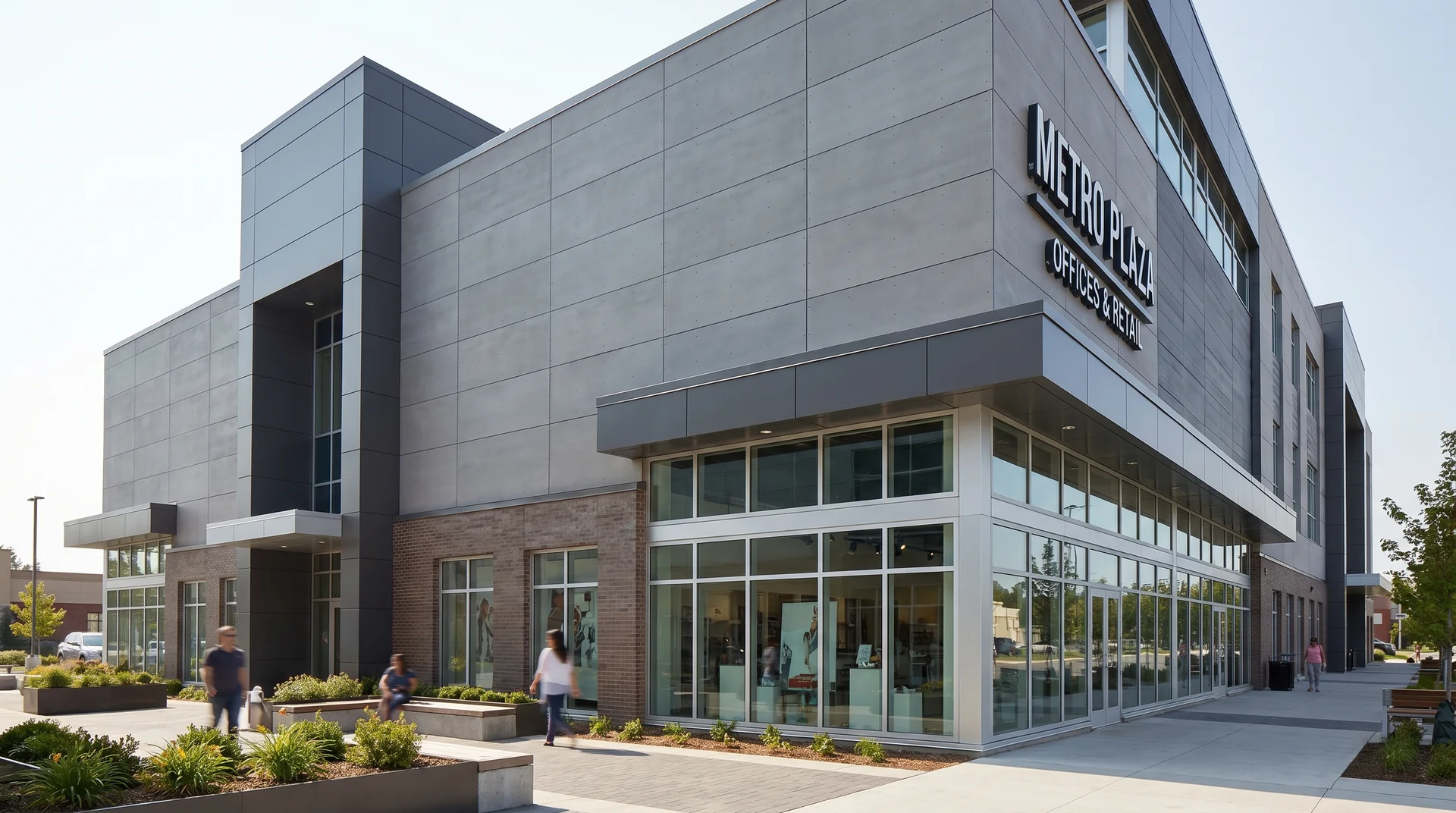
The siding on a commercial building controls more than curb appeal. It determines energy costs, maintenance budgets, fire compliance, and how long the exterior holds up before replacement becomes unavoidable.
Commercial siding faces demands that residential products are not built to withstand: stricter fire codes under the International Building Code (IBC), higher wind-load requirements per ASCE 7, larger wall areas, and constant exposure to loading-dock impacts, HVAC vibration, and vehicle exhaust.
A material that works fine on a house can fail within years on a commercial facade.
This guide covers every mainstream commercial siding material, what each costs to install, where each performs best by climate and building type, and how to make the right selection for your project.
How Commercial Siding Compares to Residential Siding
Residential and commercial siding may look similar on the surface, but the engineering behind them serves very different demands.
Commercial buildings typically have larger wall areas, taller facades, and more stringent code requirements.
The International Building Code (IBC) governs material flammability, wind resistance, and moisture management for commercial structures, standards that go well beyond what residential building codes require.
For buildings exceeding 40 feet in height, the IBC restricts combustible cladding under Section 1406 and often requires NFPA 285 fire propagation testing for materials like aluminum composite panels. These requirements entirely eliminate many budget-friendly residential options from commercial projects.
Commercial siding also needs to handle higher mechanical stress. Loading dock impacts, HVAC system vibration, and exposure to vehicle exhaust and industrial pollutants all shorten the lifespan of materials not designed for these conditions.
If you are weighing the cost of replacing siding on any property, understanding these differences is the first step toward an accurate budget.
Types of Commercial Siding Materials
Each material category brings a specific combination of durability, aesthetics, fire performance, and cost. Here is what commercial builders and property managers are working with in 2026.
1. Fiber Cement Siding
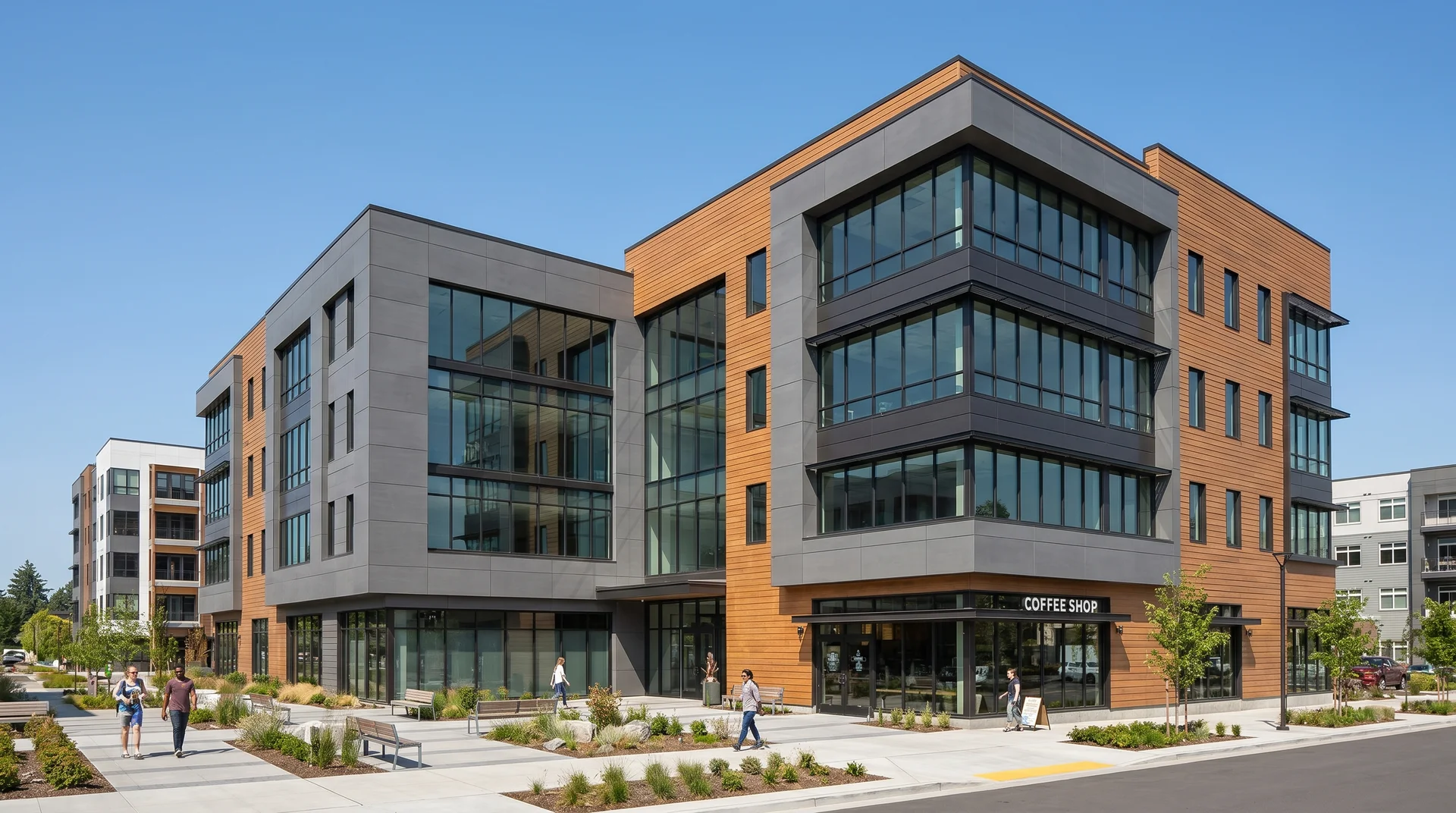
Fiber cement is made from Portland cement, sand, and cellulose fibers. It is popular for commercial buildings because it resists moisture, pests, and fire while replicating the look of wood, stone, or smooth panels.
Commonly used in offices, retail centers, and mixed-use properties, it performs well in humid, coastal, and freeze-thaw climates.
Installed costs range from $5 to $14 per square foot, with a lifespan often exceeding 50 years. While repainting may be needed every 10 to 15 years, it resists rot, warping, and termites.
2. Metal Siding and Wall Panels
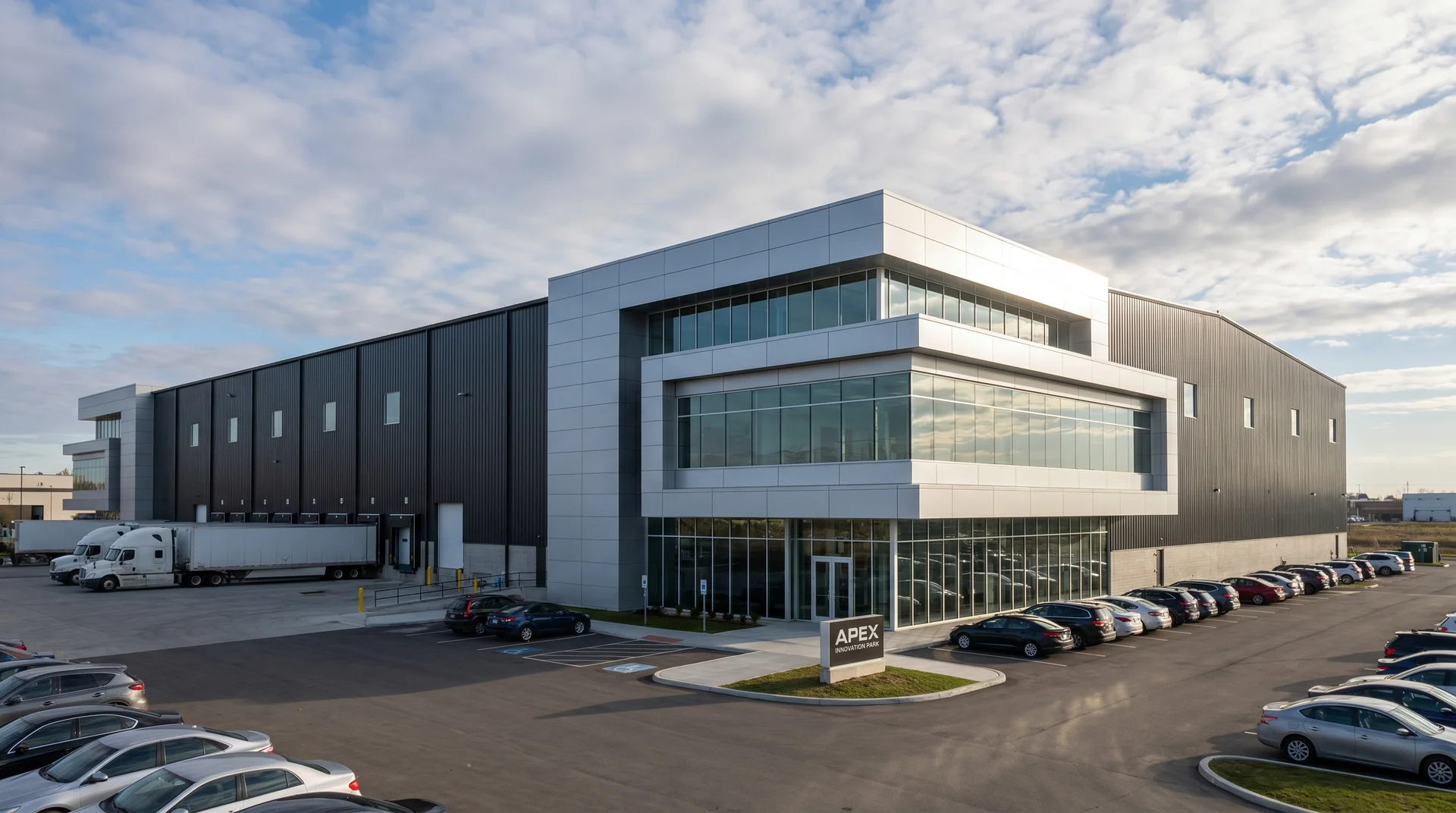
Metal siding includes steel, aluminum, and aluminum composite material (ACM) panels. It is widely used in warehouses, industrial buildings, retail centers, and modern office properties due to its durability and clean appearance.
Steel provides excellent strength and long-lasting performance, while aluminum resists corrosion and works well in coastal areas. ACM panels are popular for contemporary facades because of their sleek, flat appearance.
Metal siding generally lasts 40 to 60 years and costs between $8 and $20 per square foot installed. While the upfront cost is higher than some alternatives, maintenance requirements are minimal, and wind resistance is excellent.f
3. Vinyl Siding
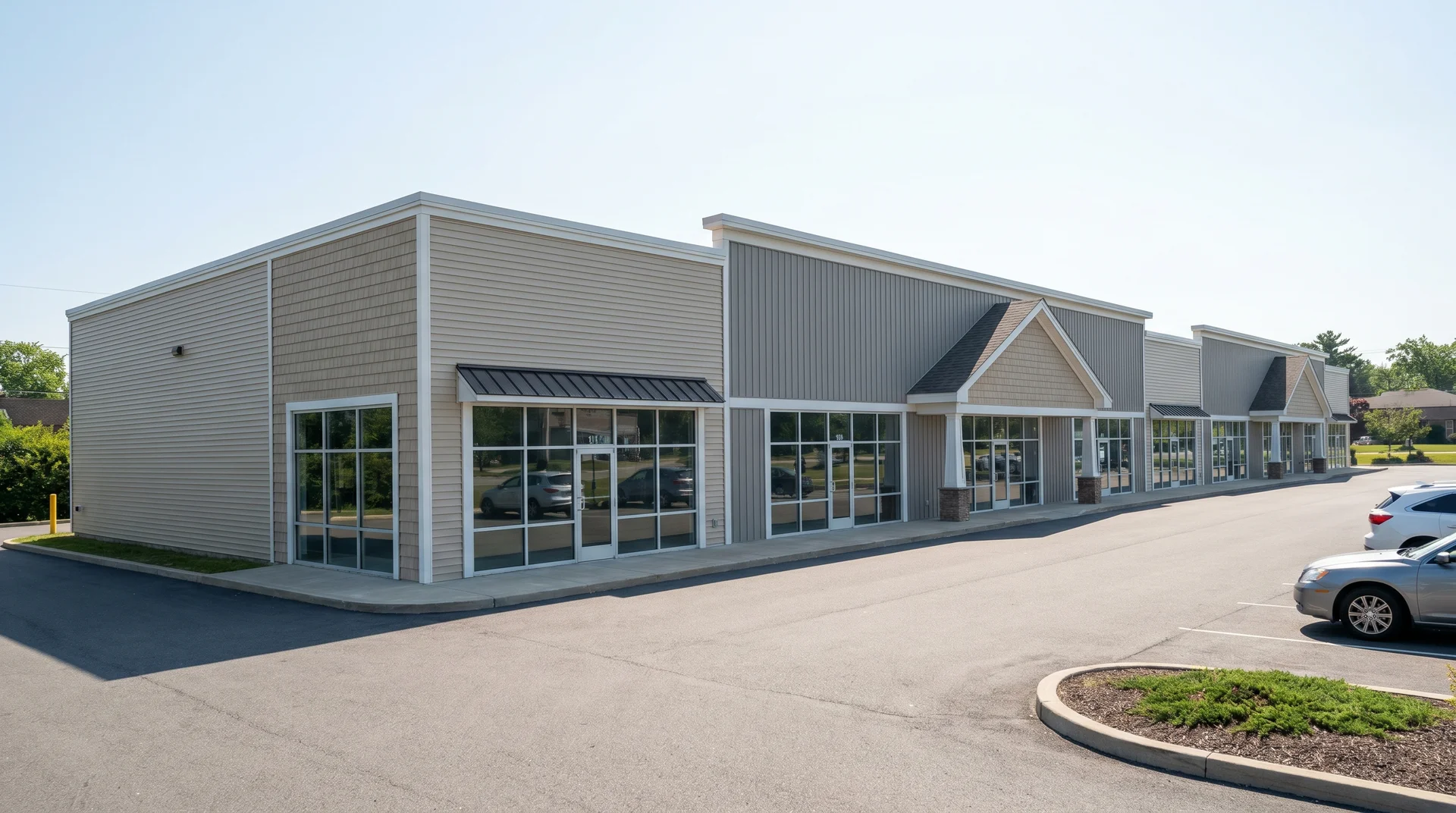
Vinyl is the most budget-friendly commercial siding option, with installed costs ranging from $3 to $8 per square foot. It requires very little maintenance, never needs painting, and comes in a wide variety of colors and profiles.
However, vinyl has limitations. It is combustible, can crack in extreme cold, warp under high heat, and provides lower wind resistance than fiber cement or metal.
It is best suited for low-rise commercial buildings where affordability is a priority, and local building codes allow its use.
4. Brick and Masonry
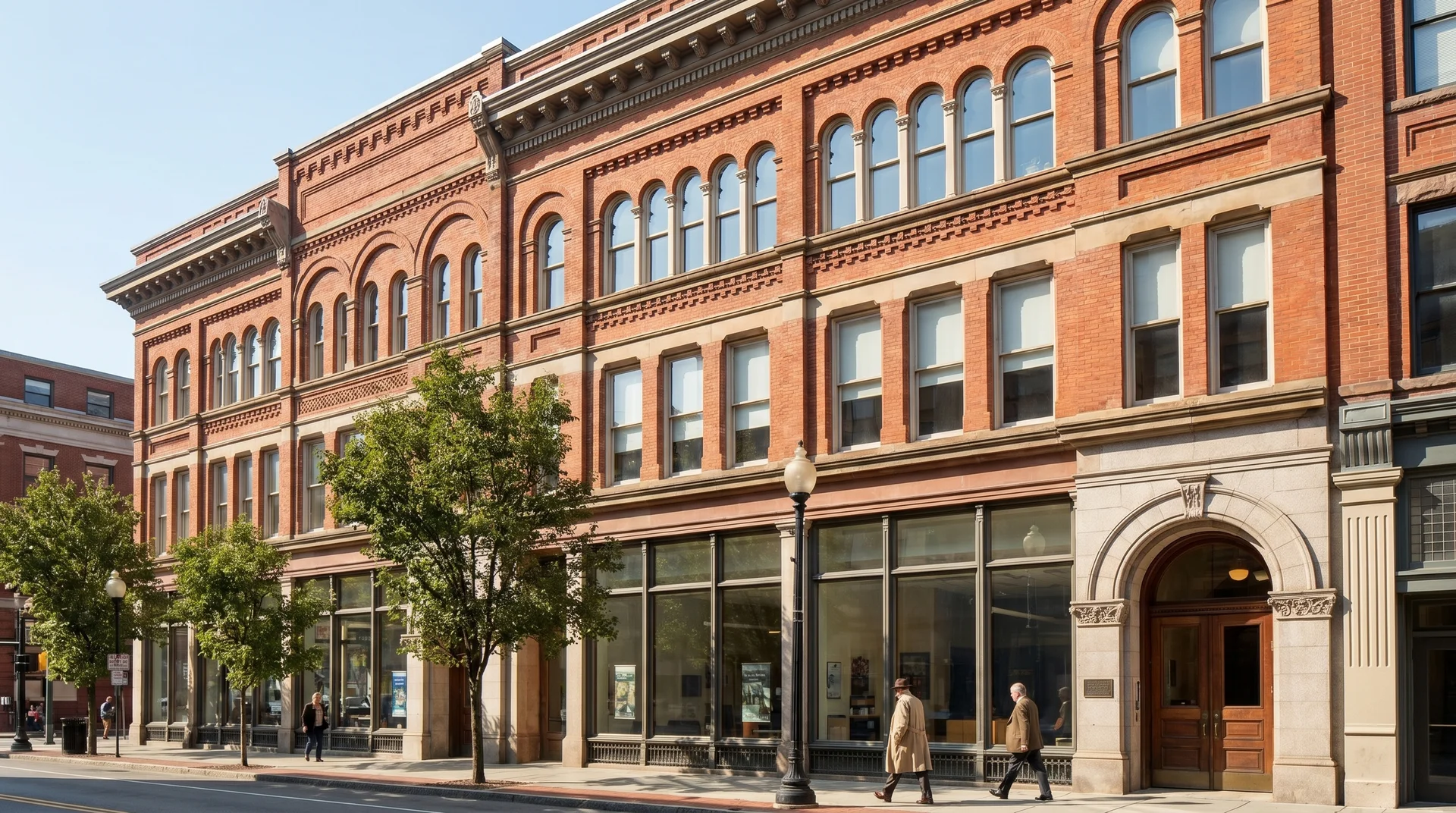
Brick is one of the longest-lasting commercial siding materials available, often exceeding a 100-year lifespan. It is non-combustible, highly durable, and requires very little maintenance while maintaining a timeless appearance.
The main drawbacks are cost and weight. Installed prices typically range from $10 to $25 per square foot, and additional structural support may be needed.
Brick is commonly used on banks, educational facilities, institutional buildings, and properties located in historic districts.
5. Stone and Stone Veneer
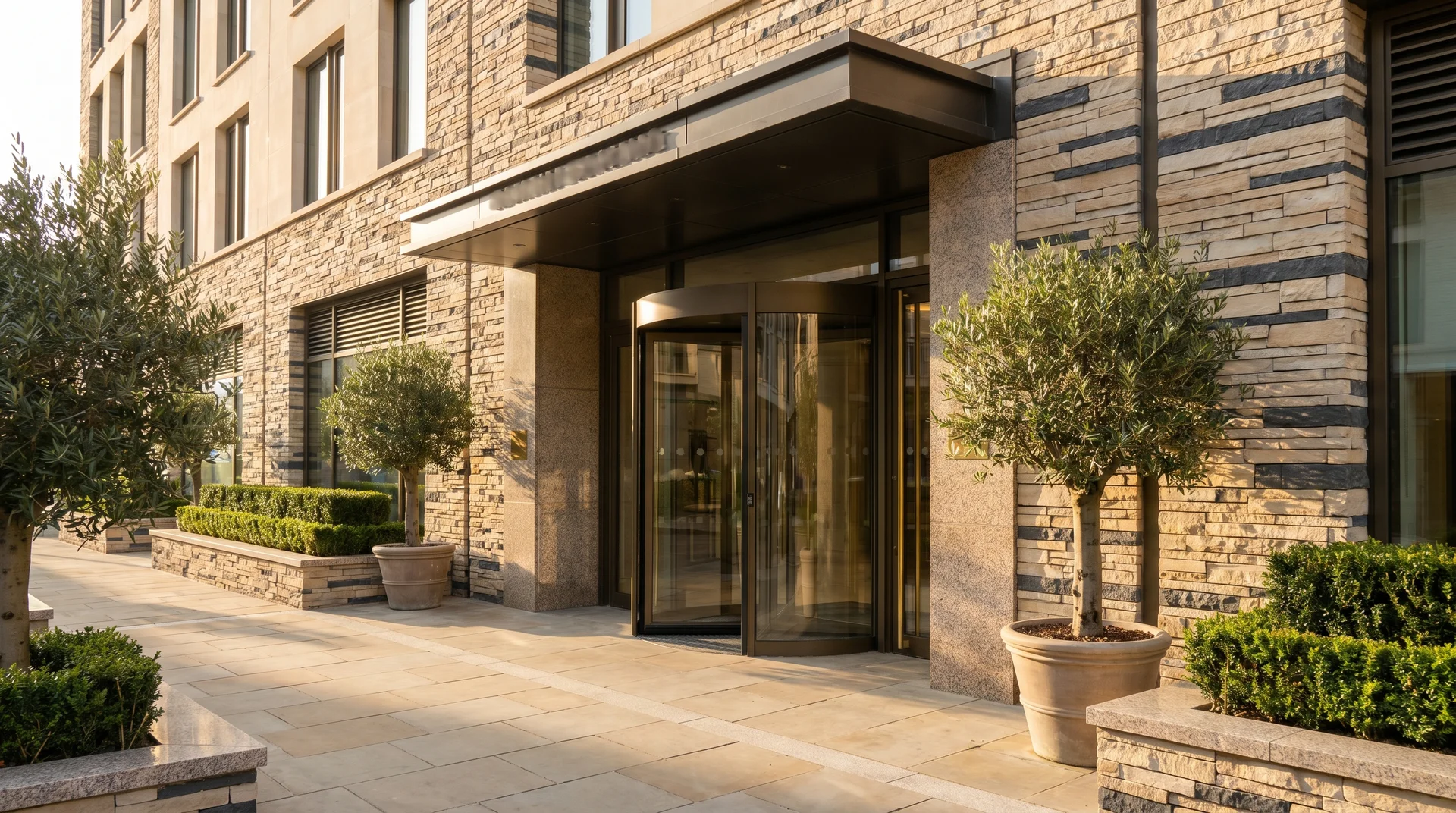
Natural stone offers exceptional durability and a premium appearance, but it is also one of the most expensive siding options. Full stone cladding typically costs $25-$50 per square foot or more.
Manufactured stone veneer provides a similar appearance at a lower cost of roughly $12 to $25 per square foot.
Because it is lighter and easier to install, it is often used as an accent material around entrances, feature walls, and lower facade sections without requiring major structural modifications.
6. Stucco and EIFS
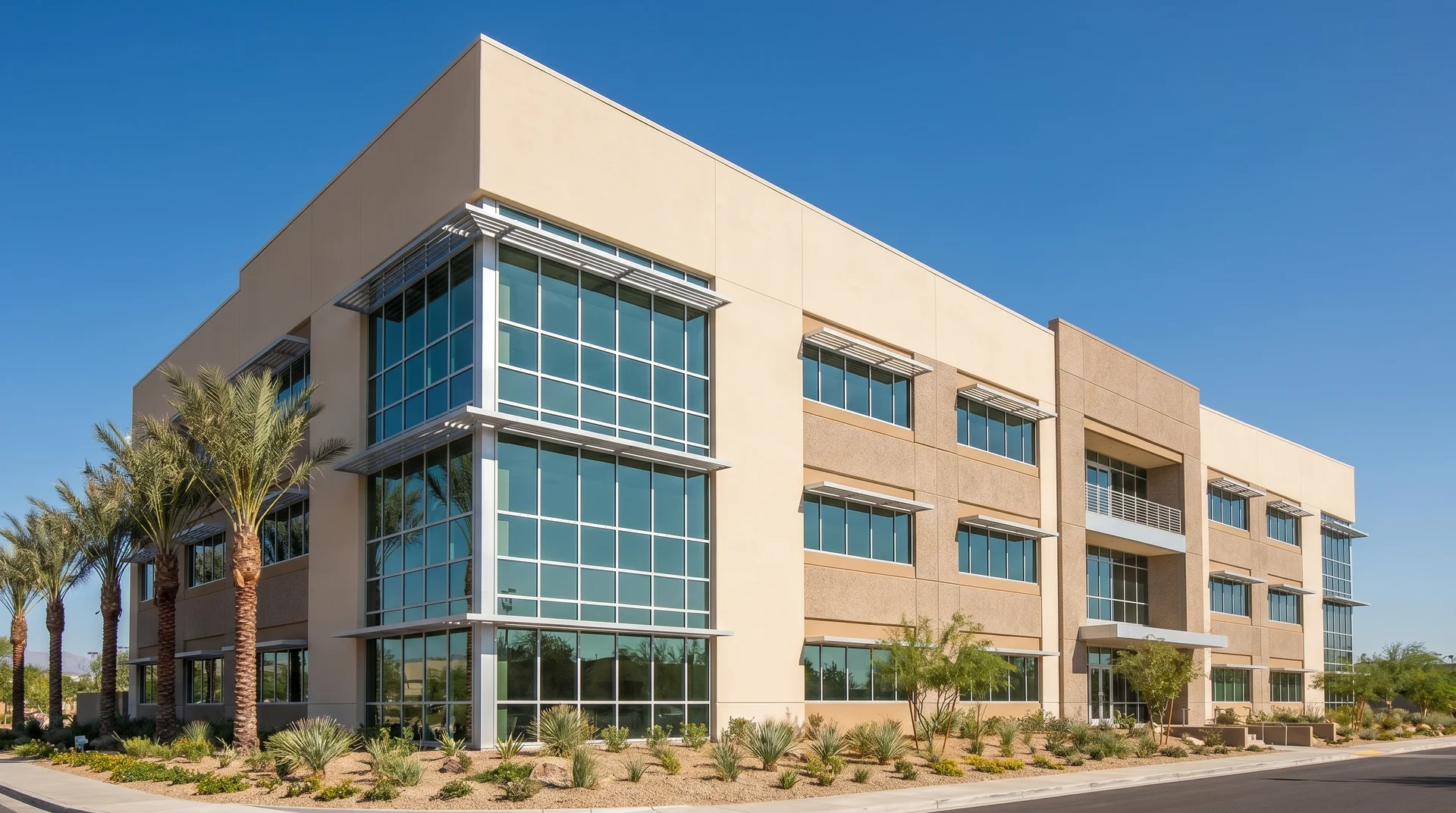
Traditional stucco is a mixture of cement, lime, sand, and water that creates a seamless textured finish. It is commonly used in warm, dry climates and typically costs between $6 and $12 per square foot installed.
EIFS (Exterior Insulation and Finish Systems) adds a layer of insulation beneath the finish, improving energy efficiency.
While EIFS offers better thermal performance than traditional stucco, proper drainage and moisture management are essential to prevent water intrusion issues.
7. Engineered Wood Siding
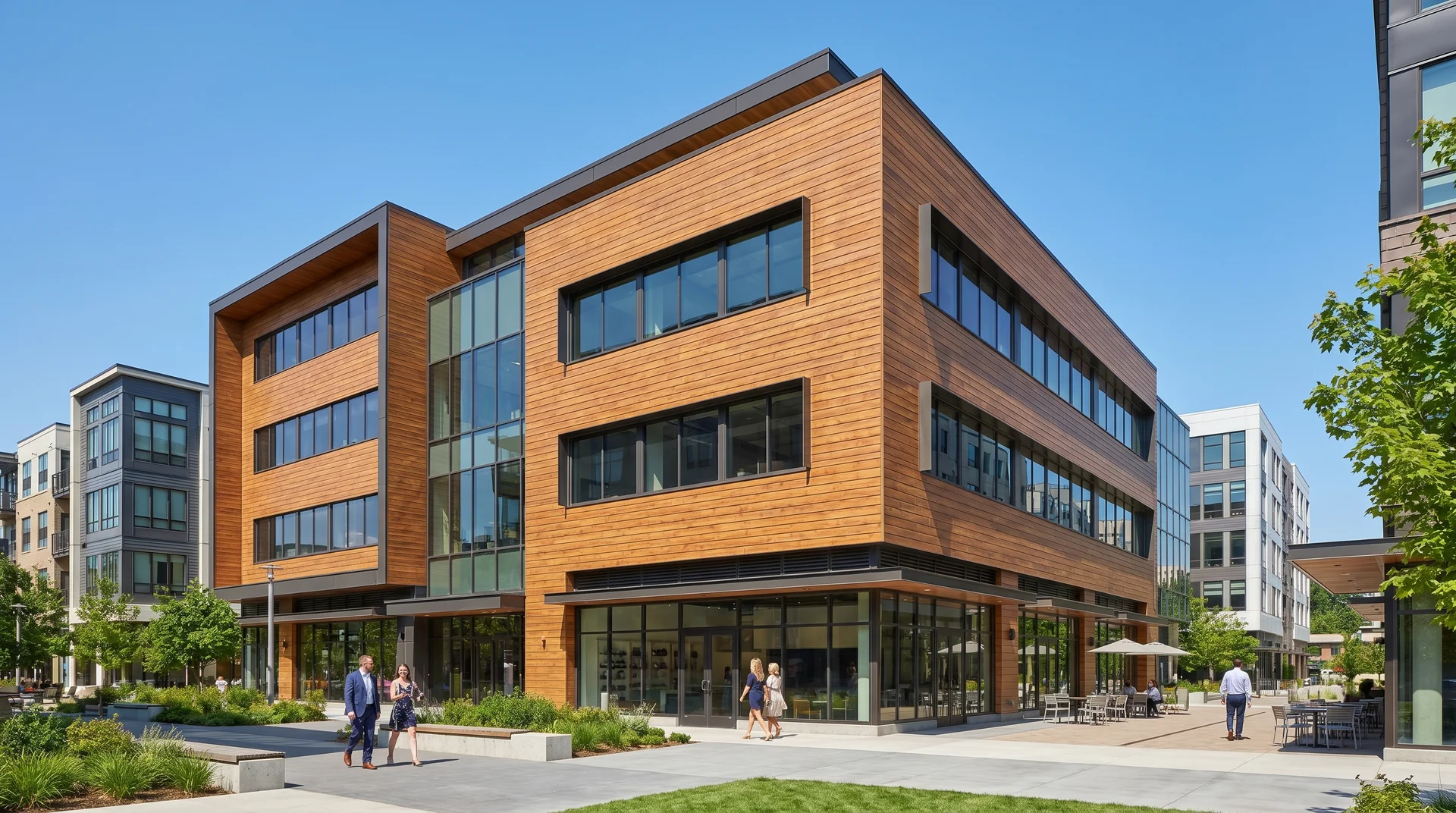
Engineered wood siding combines wood fibers with resin binders to improve resistance to pests, decay, and moisture.
It delivers the appearance of real wood while reducing many of the maintenance concerns associated with traditional wood siding.
Installed costs generally range from $4 to $9 per square foot, placing it between vinyl and fiber cement. It is lighter than fiber cement and often comes with a long warranty.
However, because it remains a combustible material, its use may be restricted on certain commercial building types.
Commercial Siding Costs
Commercial siding costs vary based on the material, building size, labor rates, and installation complexity. While upfront pricing is important, durability and maintenance requirements also affect the long-term cost of ownership.
| Siding Material | Average Installed Cost (Per Sq. Ft.) | Typical Lifespan |
|---|---|---|
| Vinyl | $3–$8 | 20–40 years |
| Engineered Wood | $4–$9 | 30–50 years |
| Fiber Cement | $5–$14 | 50+ years |
| Stucco / EIFS | $6–$12 | 40–60 years |
| Metal Panels | $8–$20 | 40–60 years |
| Brick | $10–$25 | 100+ years |
| Stone Veneer | $12–$25 | 50+ years |
| Natural Stone | $25–$50+ | 100+ years |
Material costs tell only part of the story. Building height, scaffold requirements, regional labor rates, demolition work, and wall complexity can significantly increase installation expenses.
Evaluating long-term maintenance requirements alongside upfront costs provides a more accurate picture of the true investment.
Fire Codes, Energy Standards, and Compliance
Fire performance is one of the most important factors when selecting commercial siding. The IBC classifies buildings into Types I through V, with stricter limits on combustible materials as building size and occupancy increase.
Type I and II buildings, such as high-rises and hospitals, generally require non-combustible exterior wall systems, limiting options to metal, fiber cement, brick, stone, and concrete-based products.
Vinyl, engineered wood, and natural wood are combustible and are typically limited to Type V construction or buildings that fall below certain height and area thresholds.
ACM panels require special attention because the fire rating depends on the panel core, not the aluminum exterior.
Energy performance is governed by ASHRAE 90.1 and the IECC. Most thermal efficiency comes from continuous insulation and air barrier systems behind the siding rather than the siding itself.
EIFS offers an advantage because the insulation is built into the system, whereas metal and fiber cement rely on insulation installed behind the cladding.
Many commercial projects now require Environmental Product Declarations (EPDs), recycled-content documentation, and verified energy-performance data, especially when pursuing LEED certification.
How Climate Should Narrow Your Shortlist
Region should filter your material options before budget or aesthetics enter the conversation.
- Hot and humid (Gulf Coast, Southeast): Moisture resistance and ventilated wall assemblies are non-negotiable. Fiber cement and metal panels are the strongest choices. Wood and engineered wood require additional moisture barriers and more frequent inspections.
- Cold with freeze-thaw (Northeast, Midwest): Repeated expansion and contraction stress siding over time. Fiber cement handles this well due to low thermal movement. Vinyl becomes brittle in extreme cold. Metal requires expansion-tolerant fastening systems.
- Coastal with salt air: Aluminum and fiber cement resist salt corrosion. Steel needs marine-grade coatings. Vinyl is unaffected by salt but often cannot meet wind-load requirements in hurricane zones.
- Arid (Southwest, Mountain West): UV degradation is the primary threat. Stucco and EIFS excel in environments with low moisture exposure. Factory-applied UV-resistant finishes on metal or fiber cement panels are worth the premium in desert regions.
How to Choose and Install the Right Commercial Siding
Four variables determine the right material, and skipping any one of them leads to expensive regrets.
Building classification and code: Check your IBC construction type first. Type I or II eliminates all combustible options. Local amendments and historic district ordinances may further narrow the list.
Climate and wall orientation: Match the material to your region’s dominant weather pattern. South-facing and west-facing walls take the most UV and heat punishment; they may justify a more durable finish than north-facing walls on the same building.
Aesthetics and tenant expectations: A Class A office building demands different finishes than a warehouse. Many mixed-use projects combine materials, brick or stone veneer at street level, and metal or fiber cement panels above, to balance cost with visual impact.
30-year total cost: Add material, labor, maintenance over three decades, and projected replacement. Vinyl’s low installed price often loses its advantage when you factor in its shorter lifespan and earlier replacement cycle compared to fiber cement or metal.
Installation Essentials
Multi-story commercial buildings require scaffolding or swing-stage access, adding $2 to $5 per square foot to labor costs. On occupied buildings, phased installation schedules minimize tenant disruption.
Behind the siding, a continuous weather-resistant barrier (WRB) with proper flashing at every window, door, and penetration is a code requirement under IBC Section 1403, not an optional upgrade.
Rainscreen assemblies, which create a ventilated air gap between the siding and the WRB, are increasingly the default moisture-management detail for commercial work, replacing older barrier-style installations that trapped water in wall cavities.
Hire contractors with documented experience on commercial projects. The gap between a qualified commercial installer and a residential crew working outside their depth shows up in warranty claims within the first two years.
The Future of Commercial Siding
The commercial siding industry is moving toward higher-performance assemblies, faster installation methods, and stricter environmental accountability.
Prefabricated panelized wall systems, where siding, insulation, air barrier, and structural sheathing arrive as a single factory-assembled unit, are reducing on-site labor and improving quality control. This approach significantly reduces installation time and weather-related construction delays.
Sustainability documentation is becoming a baseline requirement rather than a differentiator. Environmental Product Declarations, recycled-content certifications, and end-of-life recyclability data are now expected in commercial specifications, driven by LEED v4.1, the WELL Building Standard, and municipal green-building mandates.
Self-cleaning coatings that use photocatalytic titanium dioxide are appearing on metal and fiber cement panels, reducing maintenance frequency and keeping facades cleaner in urban environments with high particulate exposure.
Rainscreen cladding systems, which create a ventilated air gap between the siding and the wall assembly, are becoming the default detail for moisture management in commercial construction, replacing older barrier-style installations that trapped moisture inside wall cavities.
Conclusion
Commercial siding is a long-term investment that affects building performance, maintenance costs, and code compliance.
Fiber cement and metal panels suit most commercial applications, while brick and stone offer exceptional durability.
Vinyl and engineered wood provide budget-friendly alternatives where permitted, while stucco and EIFS perform best in dry climates with proper moisture management.
The best choice depends on your building type, climate, design goals, and long-term ownership costs.
Before making a decision, compare quotes from experienced commercial siding contractors and review fire-rating and maintenance requirements.
The siding you choose today will influence your building’s appearance and performance for decades.