You have probably heard the rule: repaint your house every five to ten years. But climate, siding, paint quality, and sun exposure can change that timeline by several years.
A coastal home may need paint sooner, while stucco in a dry climate can last much longer. Knowing what affects paint life helps you plan the right time to repaint and avoid costly repairs.
A fresh paint job for a 2,000 sq ft house can cost around $1,500 to $5,000, making timing an important part of protecting your home.
How Often Should You Paint Your House Exterior
The material your home’s exterior is made of heavily influences how often you need to paint. Here’s the honest breakdown:
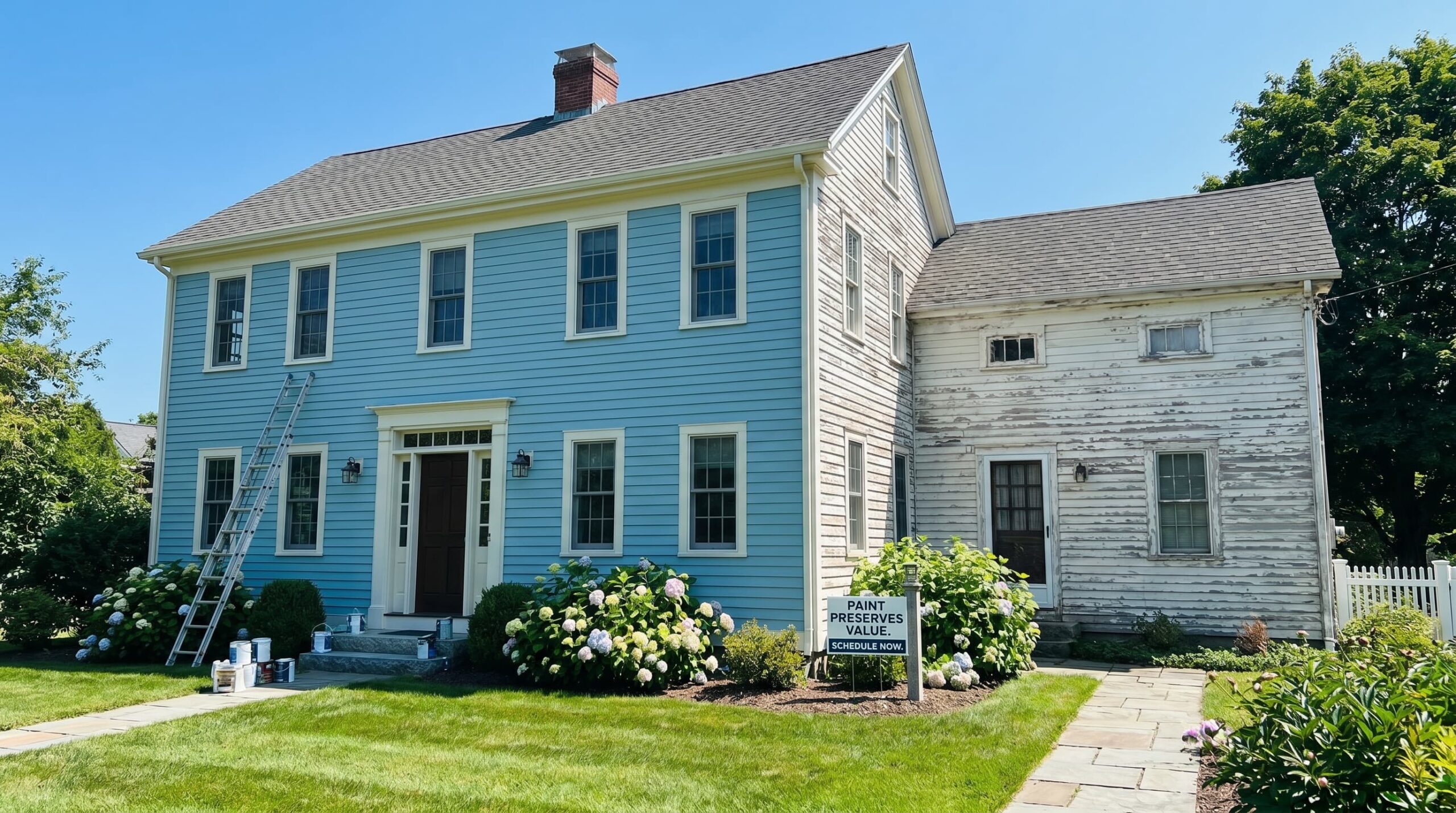
- Wood Siding: Needs repainting every 3 to 7 years. Wood absorbs moisture, expands and contracts, and becomes more porous as it ages. Older wood requires more frequent repaints.
- Stucco: Typically lasts 5 to 6 years before needing attention. While it holds paint well, stucco is prone to cracking, which needs to be sealed to prevent moisture from getting behind the coating.
- Brick: Unpainted brick doesn’t require painting. Painted brick should be repainted every 15 to 20 years, but once painted, it generally needs to stay painted. Removing paint from brick is a complex and costly process.
- Vinyl Siding: Can last 5 to 10 years, but manufacturers often say vinyl doesn’t need painting at all. When vinyl fades or chalks, repainting is a good option, but it requires specialized paint for flexible surfaces.
- Metal Siding (Aluminum or Steel): Lasts around 10 years with proper prep and a good primer. This is a reasonable timeline for most climates.
Important Caveat: These timelines assume proper application with adequate prep. If the previous paint job was rushed, skipped steps like priming, or improper cleaning of the surface, cut these timelines in half. A poorly applied five-year paint job may need attention in just three years.
When to Paint Your Home Interior
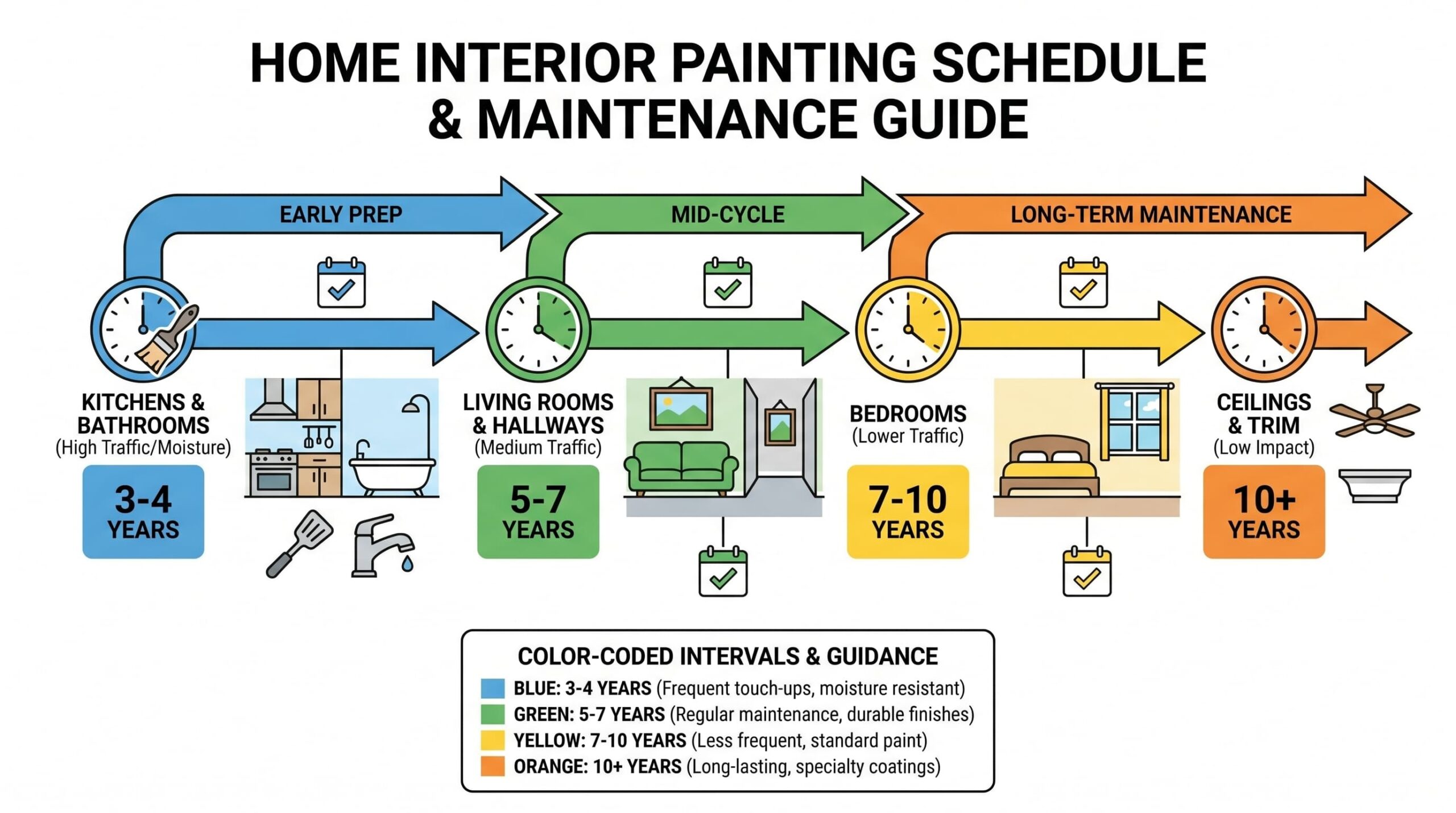
Interior paint doesn’t battle the elements, so it lasts longer. But it deals with something exterior paint mostly doesn’t: people.
- Low-Traffic Rooms: For rooms with minimal use, the general recommendation of repainting every 5 to 7 years holds. These spaces see less wear and tear, allowing the paint to last longer.
- Kitchens and Bathrooms: These rooms need repainting every 3 to 4 years due to steam, grease, cooking smoke, and frequent cleaning. Semi-gloss and gloss finishes last longer but will still dull and stain over time.
- Kids’ Rooms and Playrooms: Typically need repainting every 2 to 3 years, depending on the child and paint finish. Satin or semi-gloss finishes are more durable than flat paint, which is prone to stains and marks.
- Hallways and Entryways: High-traffic areas like these require repainting every 2 to 3 years due to constant wear from furniture, bags, and other activities.
- Adult Bedrooms and Formal Living Areas: These rooms, which are used infrequently, can last 5 to 7 years or longer, as paint holds up well with minimal daily use.
- Ceilings: Ceiling paint can last 10 years or more unless affected by water leaks, smoke damage, or high humidity. Since ceilings are rarely touched, they accumulate minimal wear.
- Lifestyle Factors: Lifestyle plays a real role in paint durability. A retired couple’s kitchen may need fewer touch-ups than a busy household with kids and pets. Adjust your repainting schedule to fit your lifestyle.
DIY Paint Inspection for Your Home
Paint problems often go unnoticed until a patch starts peeling or a wall looks dingy. By that point, the problem has usually been building for a while. A simple annual check takes twenty minutes and can catch issues before they require a full repaint.
Do your exterior inspection in spring, after winter weather has done whatever it’s going to do. Walk the full perimeter slowly. You’re looking for:
- Peeling or pulling paint: Even small sections indicate adhesion failure.
- Cracks in stucco: Especially around windows and doors.
- Shrunken or cracked caulk: Where siding meets trim or windows.
- Moisture damage: Discoloration or dark spots.
- Chalking: Rub your finger across a wall; if powder comes off, the paint binder is breaking down.
Common Causes of House Paint Failure
Here’s something the standard “how often should you paint your house” blogs don’t get into: a lot of repainting happens not because the paint reached the end of its life, but because something went wrong the last time.
- Inadequate Surface Prep: Paint applied over dirty, chalky, or peeling surfaces doesn’t bond properly, leading to early lifting and the need for repairs rather than a natural repainting schedule.
- Incorrect Weather Conditions: Paint applied in temperatures below 50°F or above 90°F, or when humidity exceeds 85%, doesn’t cure properly, which can affect adhesion and shorten the lifespan of your paint job.
- Budget Paint Quality: Lower-quality exterior paints can break down within three to four years under less-than-ideal conditions. Upgrading to mid-grade or premium paint may cost slightly more per gallon, but it can add years to the durability of your paint job.
What This Means Practically: If you’re unsure about the quality of your last paint job, don’t rely on a standard timeline. Start inspecting your paint annually from year three.
New Paint Options to Make Your Paint Last Longer
Modern paint options can help your exterior last longer, resist cracking, prevent moisture damage, and reduce the need for frequent maintenance between repaints, keeping your home looking fresh and protected.
1. Elastomeric Coatings
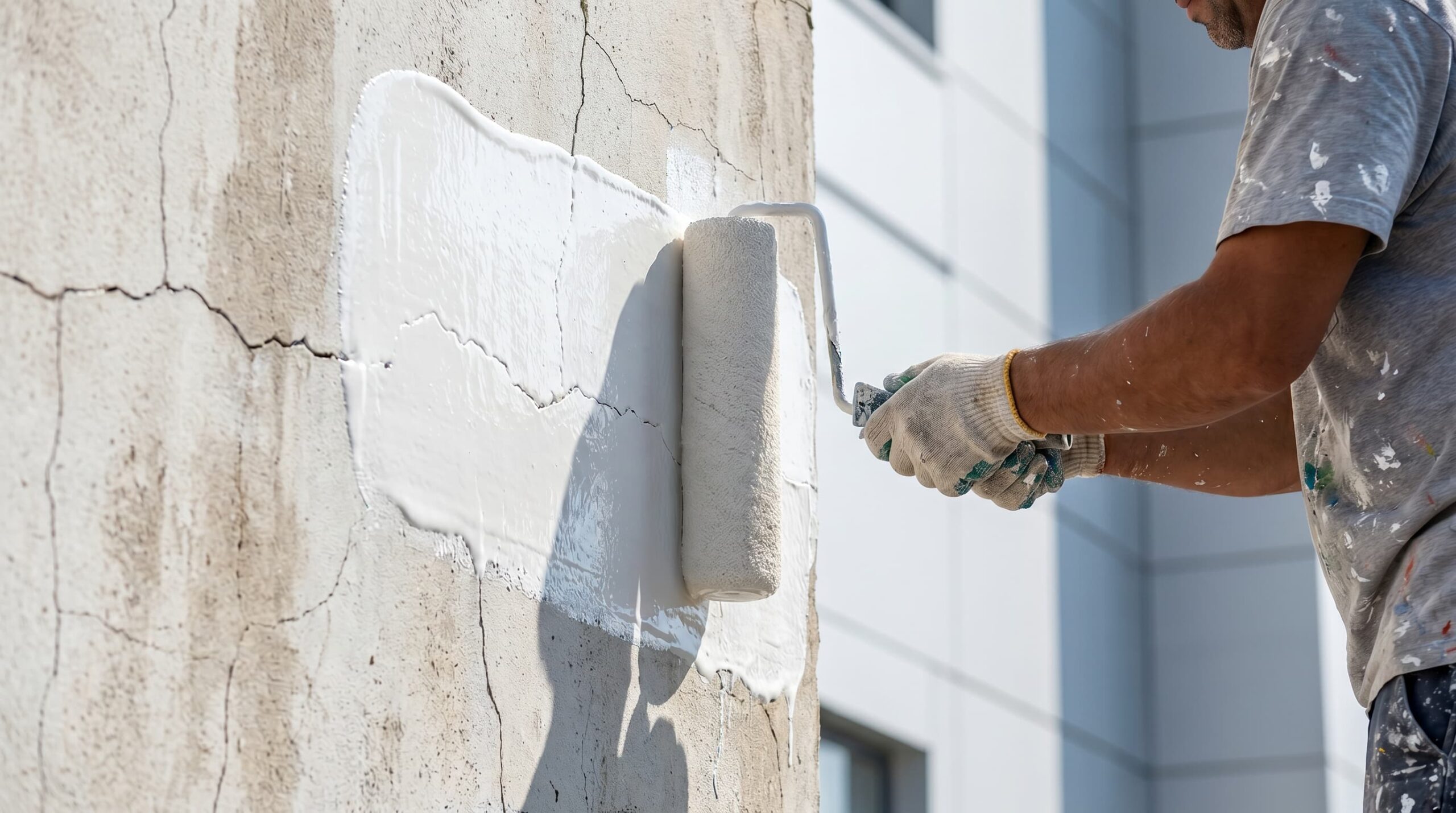
Thick, flexible coatings bridge small cracks and resist moisture better than latex, lasting 10-15 years in the right climate.
While pricier and requiring proper prep, they offer a strong long-term investment.
2. Self-Healing Paint Technology
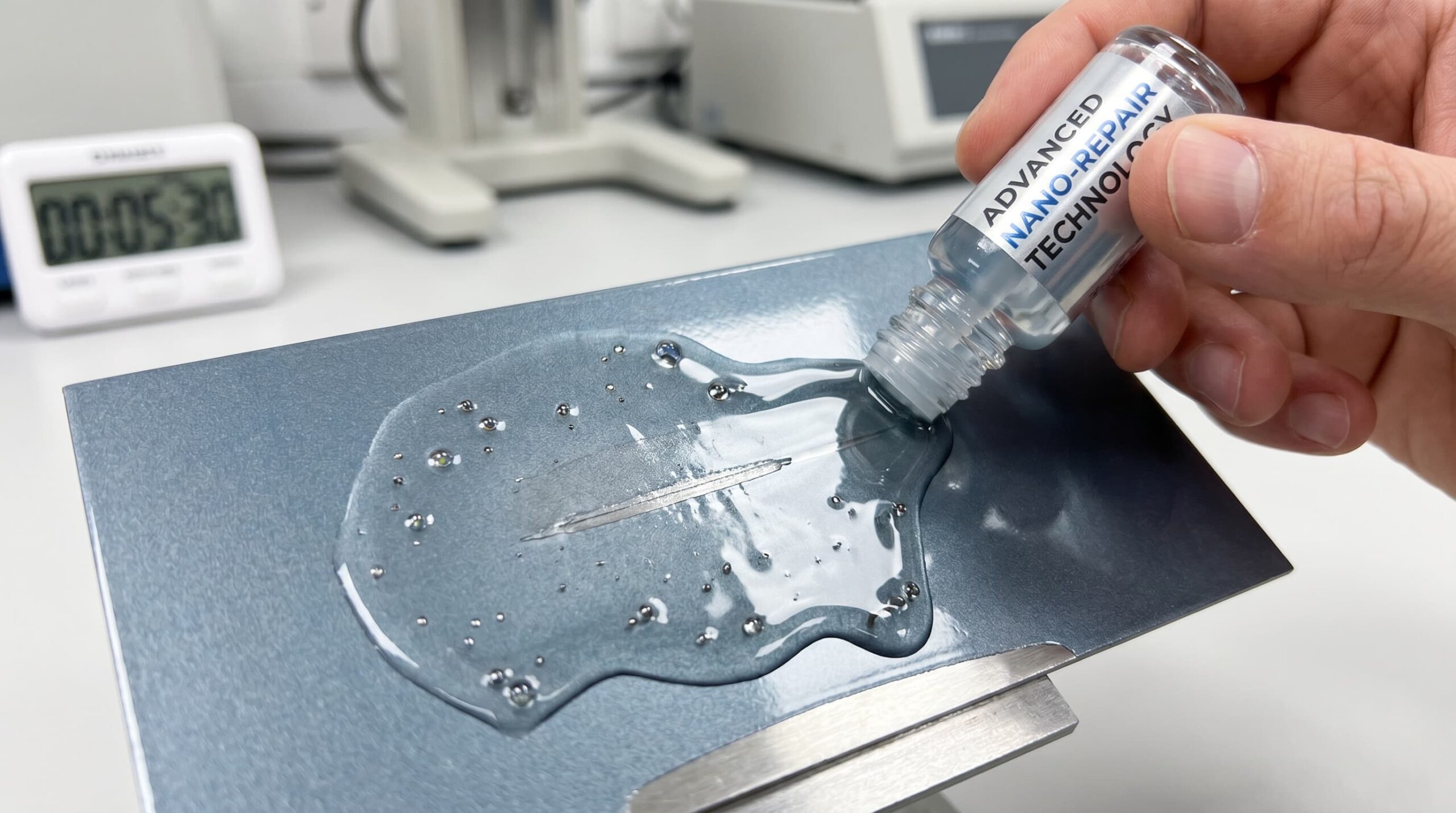
Originally developed for the automotive industry, these coatings contain microcapsules that release a repair agent when scratched, helping to fill gaps and restore surfaces.
3. Nanotechnology-Enhanced Paints
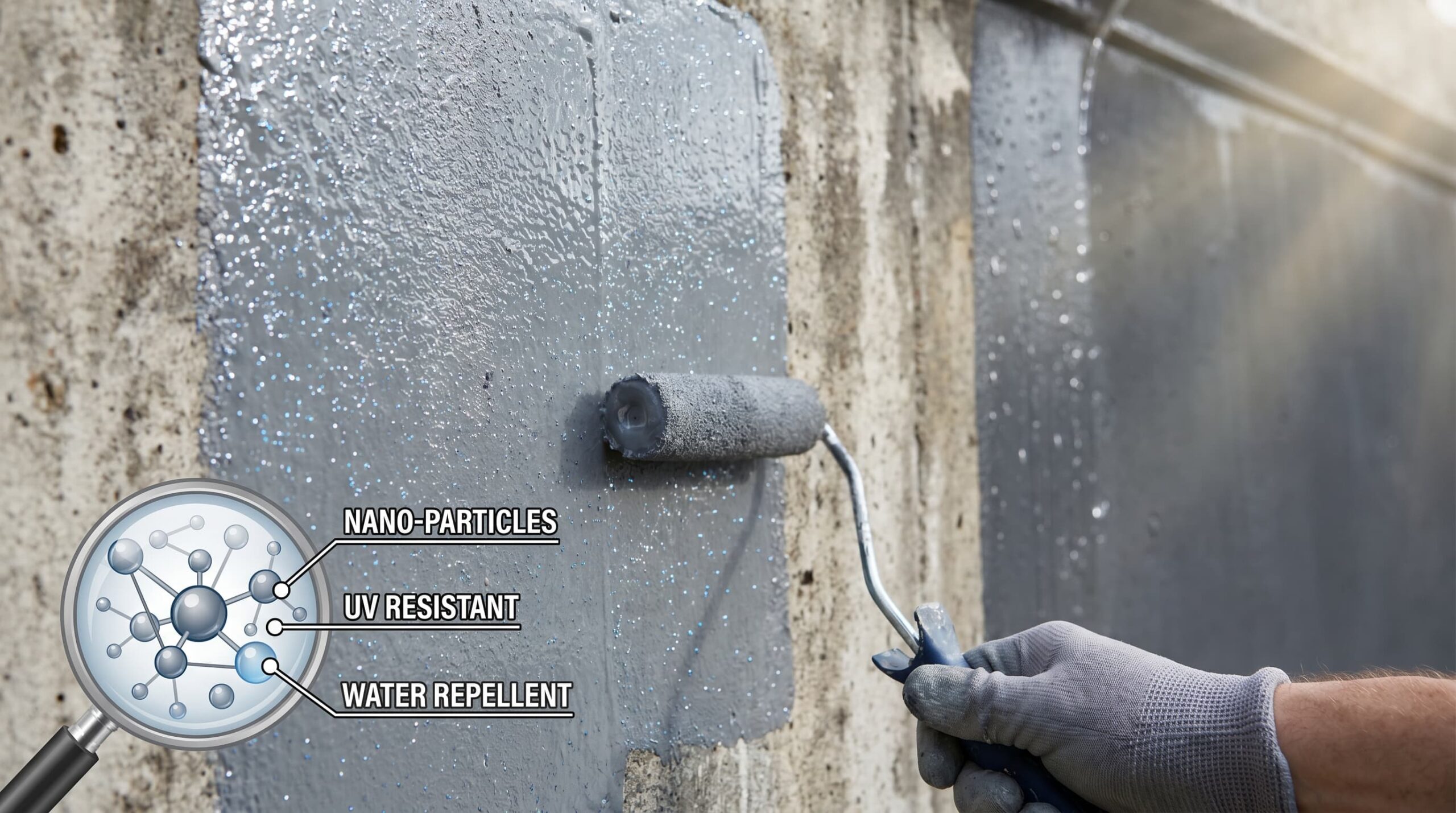
These paints use microscopic particles to improve surface bonding and resist UV radiation and moisture.
Often incorporating nanotechnology, they are marketed for “advanced protection” and are now available in many exterior paint lines.
4. Low-VOC and Zero-VOC Formulas
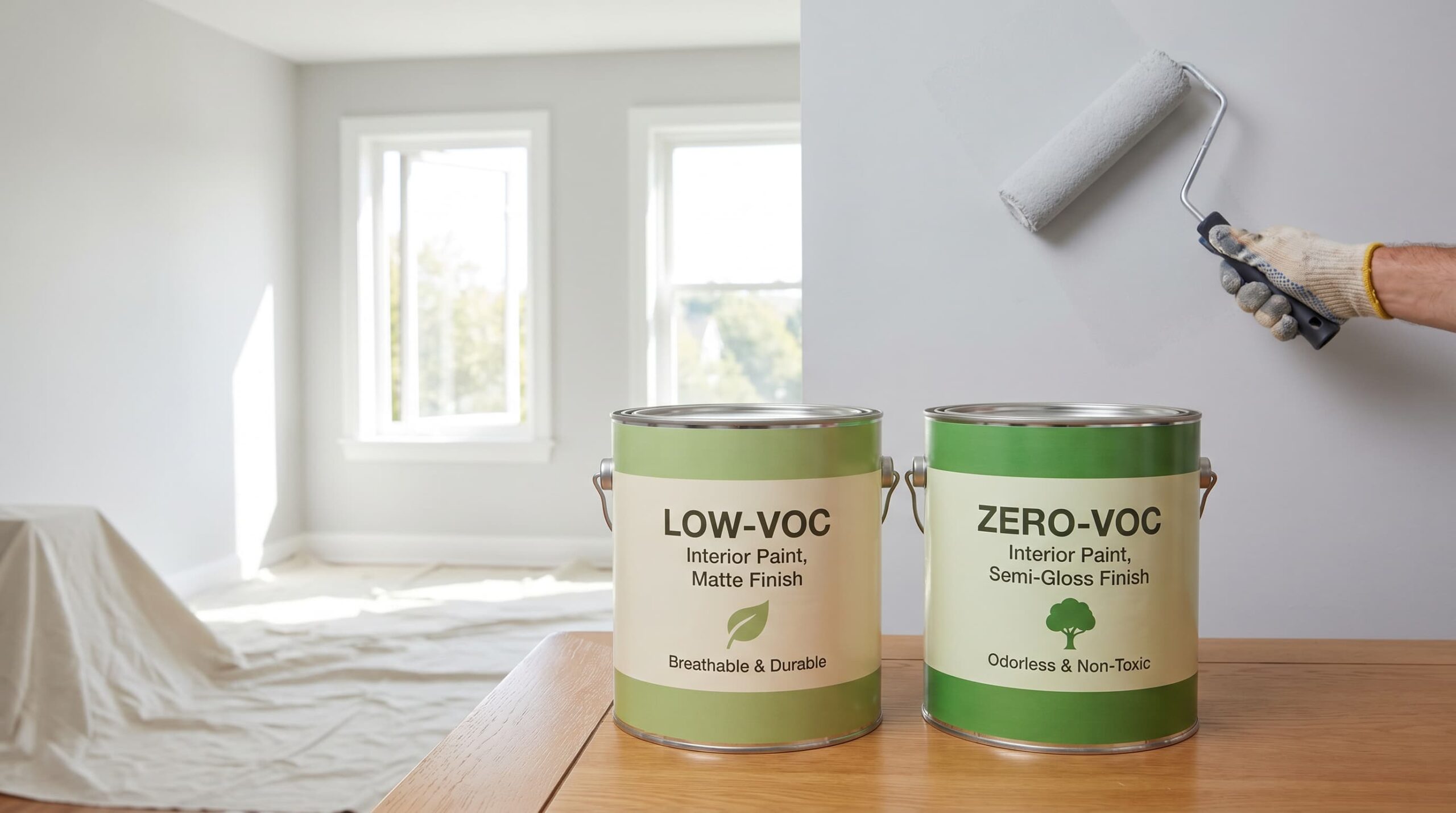
Environmentally friendly paints have improved in durability. Brands like Sherwin-Williams and Benjamin Moore now offer long-lasting options, making them worth reconsidering if you’ve avoided them in the past.
None of this means the old timelines are wrong for standard latex paint. They’re not. But if you’re choosing paint for a full repaint and want to extend the cycle, these categories are worth discussing with your paint supplier.
Touch-Up vs. Full Repaint: How to Decide
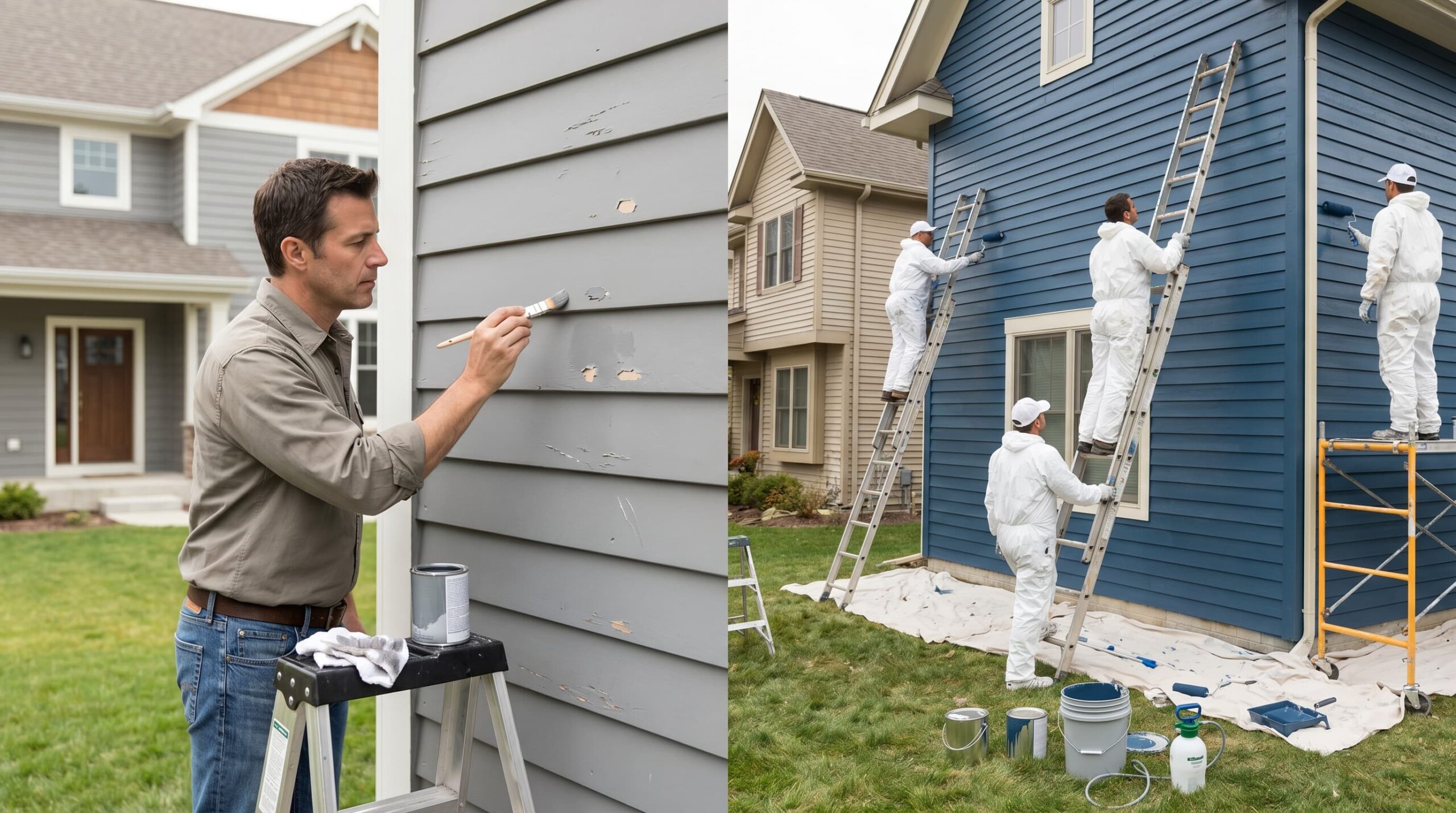
Touch-ups are tempting. They’re cheaper, faster, and feel like a reasonable way to squeeze more life out of a paint job. Sometimes they’re the right call.
But there’s a point past which touching up makes things look worse, not better.
Here’s the practical breakdown:
1. When Touch-Up Works
- Damage is isolated to a small area or scuffed wall section.
- Paint is relatively recent (within 2-3 years).
- You have the original paint or a close match.
- Fresh paint blends well with the wall, making repairs nearly invisible.
2. When Touch-Up Fails
- Existing paint has faded significantly.
- Fresh paint looks noticeably brighter or a different tone than the surrounding wall.
- The older the paint, the more noticeable the difference.
3. When a Full Repaint Makes Sense
- Wear is noticeable across a whole room or wall.
- Multiple areas need attention.
- Existing color has faded unevenly.
- More than a year has passed since the original paint.
- Paint has lost adhesion; touching up will not succeed.
4. Simple Test
- Brush a small patch with leftover original paint on a hidden area.
- If it blends well within a few hours, touch-up will work.
- If there’s a visible difference in sheen or tone, a full repaint is needed.
How Painting on Schedule Saves You Money
Painting on schedule offers significant ROI. Interior painting can yield a 107% return at resale, while exterior repainting adds 51-55% of its cost to home value.
For example, a $4,000 exterior paint job can add about $20,000 in perceived value to a $400,000 home.
More importantly, painting on time prevents costly repairs. Failure to maintain paint leads to moisture damage, rot, and expensive repairs, which can range from $200 to $10,000 depending on the severity.
Exterior paint acts as a protective barrier; without it, you’re risking far higher costs in repairs and mold remediation.
Final Thoughts
Paint doesn’t announce when it’s failing. It just quietly stops doing its job, and by the time you notice, the damage underneath has usually been building for a while.
The schedules above are starting points. Your climate, your siding material, and the quality of the last paint job all shift the actual number.
What stays constant is this: catching problems early costs far less than fixing them late.
Do the spring walkthrough. Run your finger across the siding. Check the caulk lines. Twenty minutes a year is genuinely all it takes to stay ahead of a repair bill that could run into the thousands.
Paint when the house needs it, not when it looks embarrassing.
Frequently Asked Questions
Can I Paint Over Old Paint, or Do I Need to Strip it First?
Yes, you can paint over old paint as long as it’s in good condition, clean, and properly prepped.
What’s the Best Time of Year to Repaint the Exterior?
The best time to repaint the exterior is during mild weather, typically in late spring or early fall, when temperatures range from 50°F to 85°F (10°C to 29°C), and humidity is low.
Is a Professional Paint Job More Durable than a DIY One?
Yes, a professional paint job is generally more durable than a DIY one because professionals have expertise in surface preparation, use quality materials, and apply with precise techniques, resulting in better adhesion and longer-lasting results.
Does Painting in the Wrong Weather Ruin the Paint Job?
Yes. Paint applied below 50°F or above 90°F, or in humidity above 85%, doesn’t cure properly and fails sooner. Always check conditions before starting any exterior paint project.