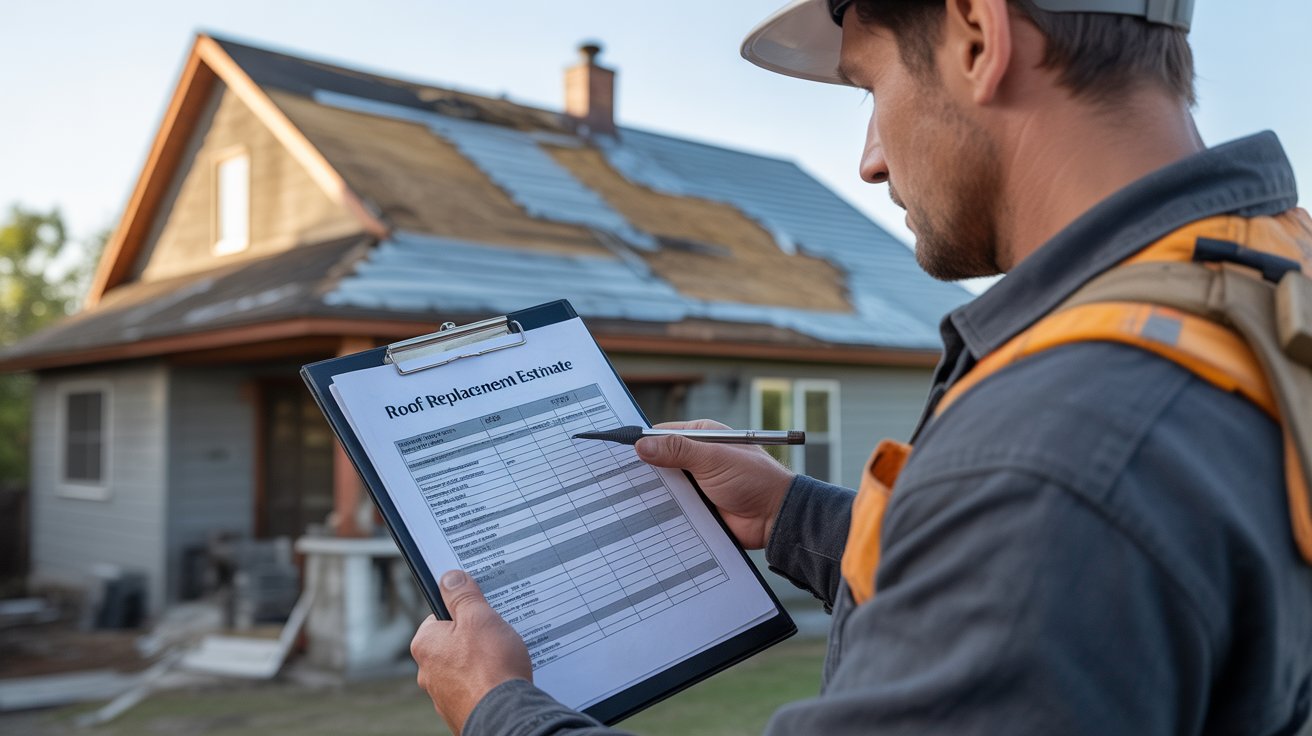
Getting a roof replacement estimate can feel like a relief. You have a number and a plan. But the estimate is only the starting point.
How you read, question, and compare that document can decide whether your project runs smoothly or becomes an expensive headache.
With rising material costs and insurance limits changing, understanding what’s included matters more than ever. This article will help you read a roof replacement estimate like a professional and spot potential problems before they cost you.
What a Roof Replacement Actually Costs
National averages range from $8,000 to $25,000 or more, depending on your home’s size, where you live, and how complex the job is.
That range is real, but it’s also nearly useless without context. Quoting an average to a homeowner trying to budget for their specific roof is like quoting the average car price to someone who needs to know if they can afford a truck.
Why are quotes so different? The gap between quotes usually comes down to the scope of the work being proposed, not contractor greed or generosity.
- Estimates can differ: Two similar-looking quotes might describe completely different projects.
- Online calculators aren’t accurate: They use regional averages and square footage but can’t account for roof pitch, layers of shingles, decking rot, or market competition in your area.
- Use online estimates as starting points: They are just a rough guide for conversation, not a reliable budget. In Texas, for instance, cost per square foot for a Houston-area home typically runs $195 to $395, depending on pitch and number of layers removed.
How Your Choice of Roofing Material Impacts the Cost
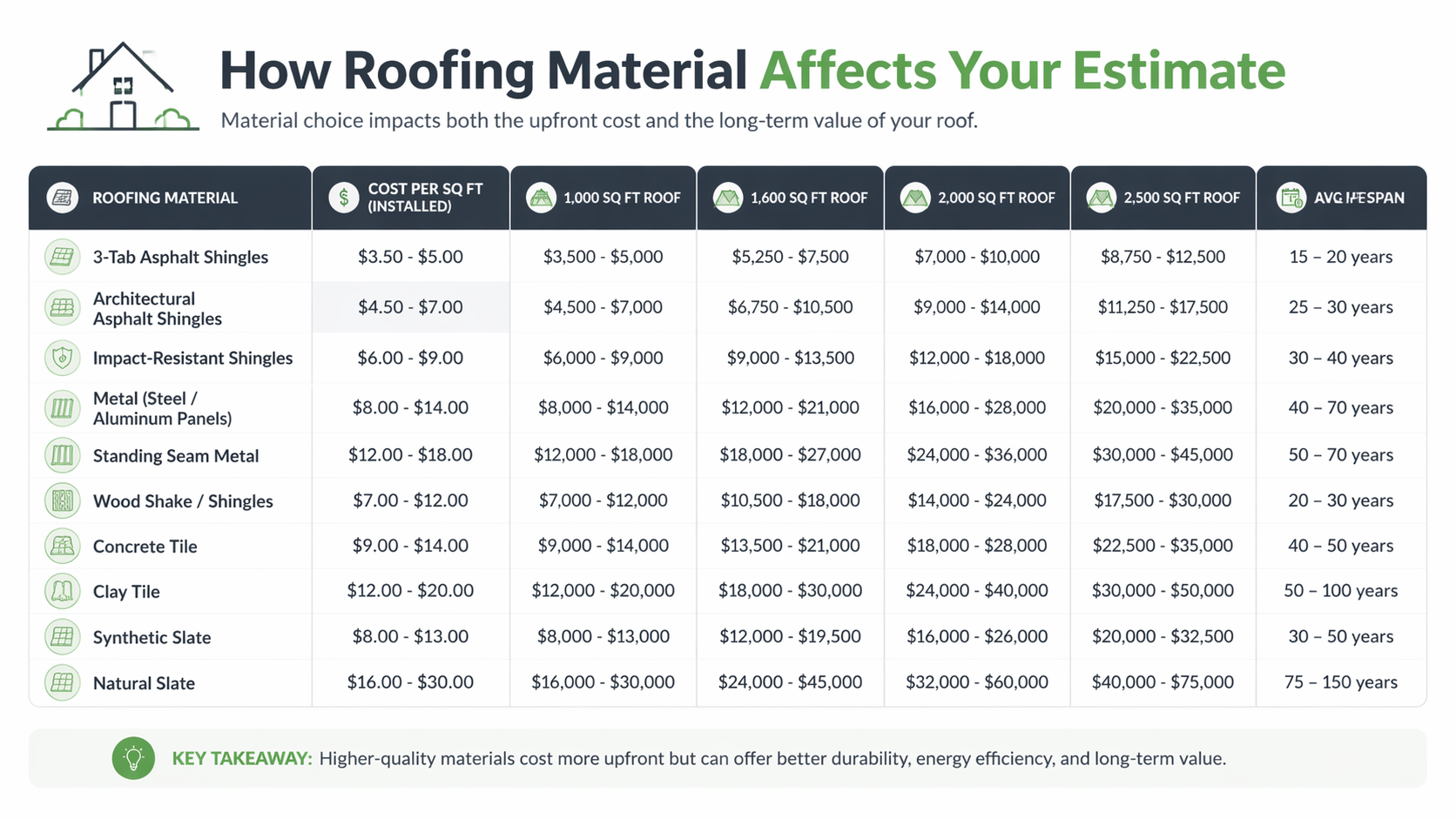
The material you choose is the single biggest variable in any roof replacement estimate, bigger than labor in many cases, and the decision that affects your home the longest.
Understanding what each option actually costs, and what you’re getting for that cost, makes it easier to evaluate whether the number a contractor puts in front of you is reasonable.
Prices below reflect full installation, including materials and labor, under market conditions. Your actual cost will vary based on region, roof complexity, and contractor.
The Real Variables Behind the Price Gap
The biggest driver of quote variation isn’t the shingles; it’s everything surrounding them.
- Roof System Completeness: Check what’s included in the estimate: new flashings, ridge vents, drip edges, and decking repair allowances. Some estimates leave these as “TBD” or omit them entirely.
- Tear-off vs. Overlay: Overlaying new shingles over old ones may seem cheaper, but it adds weight, prevents deck inspection, and voids warranties. It’s a short-term savings account that can cost more later.
- Underlayment Grade: Synthetic underlayment outperforms standard felt, but the cost difference is small. A contractor who specifies synthetic is showing attention to quality.
- Labor Market Conditions: Pricing varies by location, including metro areas, union markets, and post-storm surges. High-demand regions with limited material availability lead to higher prices, regardless of calculators.
Your Estimate May Already Be Outdated Before You Sign
- Timing Matters: Sitting on a roof estimate for weeks might seem reasonable, but in the current market, delays can result in price increases.
- 2026 Tariffs: Steel and aluminum tariffs added 25% to the cost of imported metals, affecting flashings, gutters, drip edges, and ridge caps, raising overall roofing costs.
- Price Increases: Major shingle manufacturers raised prices by 6-10% starting in April 2026, impacting asphalt shingles, metal roofing, and accessories.
- Price-lock Period: Contractors now lock prices for 30 to 60 days. If your project starts later, don’t assume the original estimate still stands. Ask about the price-lock period before proceeding.
Comprehending a Legitimate Roof Estimate
Roofing guides often say “make sure the estimate is detailed.” That’s not enough. Detail means something specific in a roofing context, and knowing what to look for, line by line, is what separates a homeowner who gets a fair project from one who gets an expensive surprise halfway through.
A legitimate estimate isn’t a quote with a number at the bottom. It’s a document specific enough that a different contractor could pick it up and build the same roof from it. If it doesn’t meet that bar, it’s not protecting you.
Here’s what should be there, what each item actually means, and what’s at stake if it’s missing.
Line Items That Must Be There
- Scope of work: This project overview should specify how many layers of roofing will be removed, as the cost varies with each layer. A vague scope may lead to hidden charges or shortcuts.
- Material specs: Asphalt shingles should be specified by brand, product line, grade, and color. The difference between builder-grade and architectural-grade shingles can affect lifespan and wind resistance. Without this detail, you can’t verify what’s actually installed.
- Underlayment type: The brand matters too, as some warranties require specific underlayment products. If the estimate just says “underlayment,” ask for the brand and product name in writing.
- Flashing replacement: Flashings seal transitions around chimneys, skylights, valleys, and wall junctions. Reusing flashings on roofs older than ten years is a red flag, as they’re prone to leaks. Flashings are among the most common sources of roof leak repairs on older homes. The estimate should specify whether flashings are being replaced or reused, and which ones are being replaced.
- Ventilation details: Ventilation is often omitted from estimates, but it’s key for regulating attic temperature and preventing moisture buildup. The estimate should specify the type, quantity, and location of ventilation. If it’s missing, be sure to ask.
- Decking allowance: A legitimate estimate includes a per-sheet price for any decking rot or damage discovered during tear-off, typically listed as cost per plywood or OSB sheet. Avoid estimates that say “we’ll handle it” without a clear price, as this leads to unexpected costs and disputes.
- Permit and inspection: A licensed contractor pulls the permit. If this line isn’t on the estimate, ask directly who’s handling it before you sign anything. Working without a permit exposes you to issues at resale, voids some warranties, and prevents an inspector from verifying that the work meets local building code requirements. The permit fee should be included in the estimate total, not treated as a separate homeowner responsibility.
- Warranties: Two warranties should be included in any legitimate roofing project: the manufacturer’s warranty, covering material defects (25 to 50 years), and the workmanship warranty, covering installation (2 to 10 years). The workmanship warranty is what protects you if leaks occur after the job is done.
When to Get Your Estimate
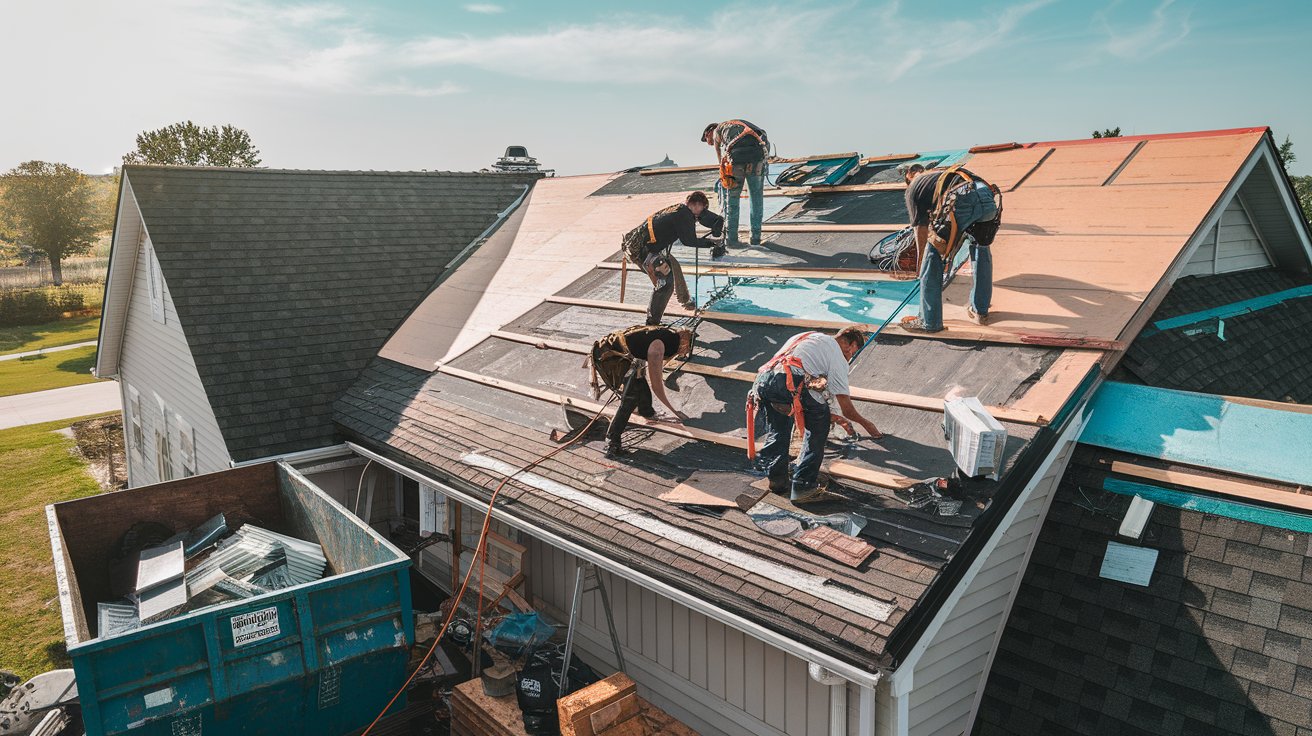
- Timing your estimate can affect your costs and leverage. Late fall and early winter are slower seasons for contractors, offering better rates and availability.
- Spring is the worst time to get an estimate, as demand is high, and prices reflect it. Plan ahead to save money.
- After storms, the market tightens quickly with high demand, so be cautious. Verify credentials and avoid “storm chasers” offering too-good-to-be-true deals.
- The Spring Trap: Estimate price locks are usually 30–60 days. Ask how long the price is guaranteed before relying on it.
- Insurance and budgeting estimates serve different purposes. Clarify your needs with the contractor to avoid confusion.
Final Thoughts
An estimate isn’t just a number on a page. It’s a window into how a contractor works, how thorough they are, how transparent they’re willing to be, and whether they’ll stand behind the job once it’s done.
Every line item either earns your confidence or raises a question. Now you know which questions to ask.
You’re not just collecting quotes anymore. You’re evaluating contractors, comparing scopes, and making a decision that protects one of the most significant investments you own. That shift in how you approach the process is exactly what separates a roof replacement that goes well from one that doesn’t.
When you’re ready to move forward, start with a contractor who puts everything in writing because the ones who do are usually the ones who mean it.
Frequently Asked Questions
How Long Is a Roof Replacement Estimate Valid?
Roof replacement estimates are typically valid for 30 to 60 days, but in volatile material markets, some contractors may shorten that to just two weeks. Always confirm the price guarantee duration.
What Is the Difference Between an Estimate and a Contract?
An estimate is an approximation of the project’s cost, while a contract is a binding agreement that outlines the final price, scope of work, and terms. The contract is legally enforceable, whereas an estimate is not.
Should I Get a Roof Estimate Before Filing an Insurance Claim?
It’s generally recommended to file the insurance claim first. The insurance adjuster will assess the damage, and you can then get a roof estimate to understand the scope of work and ensure the claim covers the necessary repairs.
What If My Final Bill Is Higher Than the Original Estimate?
A legitimate estimate includes a per-sheet decking allowance for surprises found during tear-off. Any charge above that should be itemized in writing and approved by you before work continues.