A house exterior renovation done in the wrong order costs you twice.
Wrong sequence, skipped permits, or a poor contractor pick can turn one project into three. These are not rare mistakes. They occur when surface work starts before the underlying structure is sound.
This post covers what exterior renovation actually includes, the right sequence to follow, and real project costs.
You will also find out what older homes need before work begins, how to separate cosmetic fixes from structural ones, and which materials fit different budgets.
Not sure whether to call a professional or handle it yourself? That is covered too. So is picking the right season for better results and lower spend.
What Does a House Exterior Renovation Actually Cover?
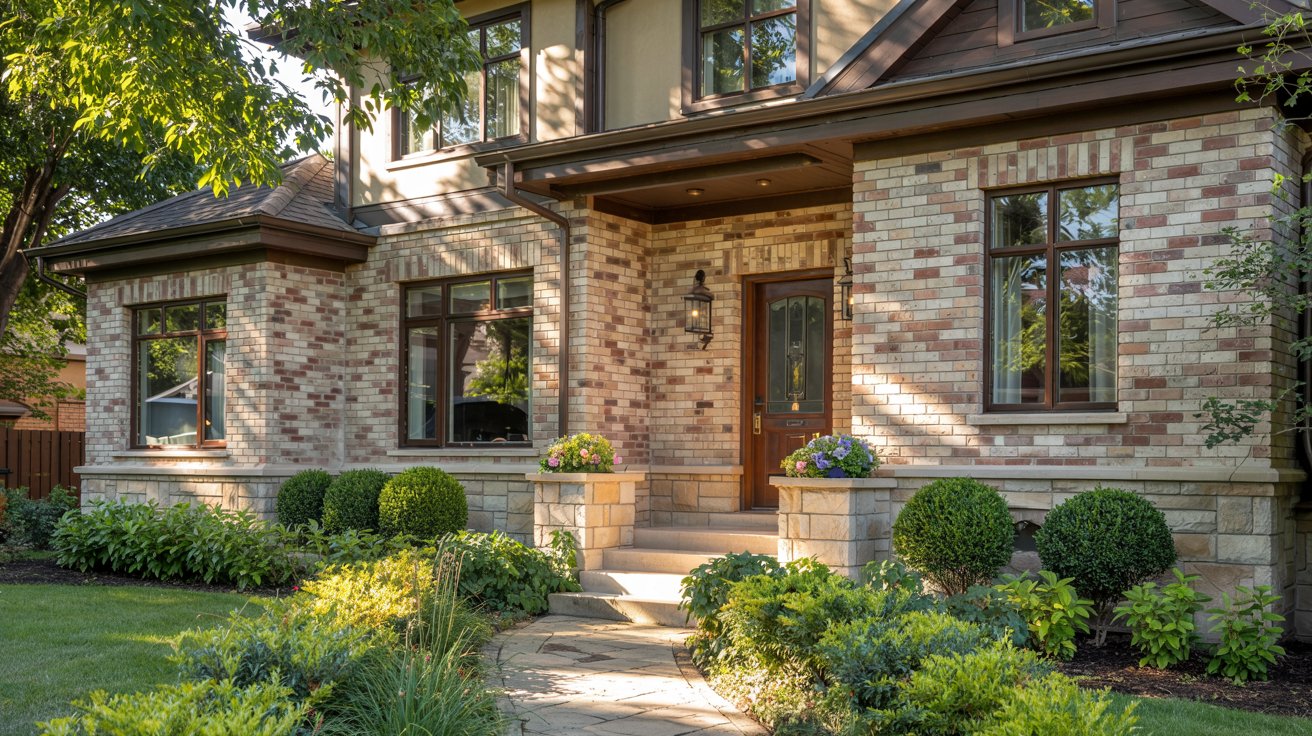
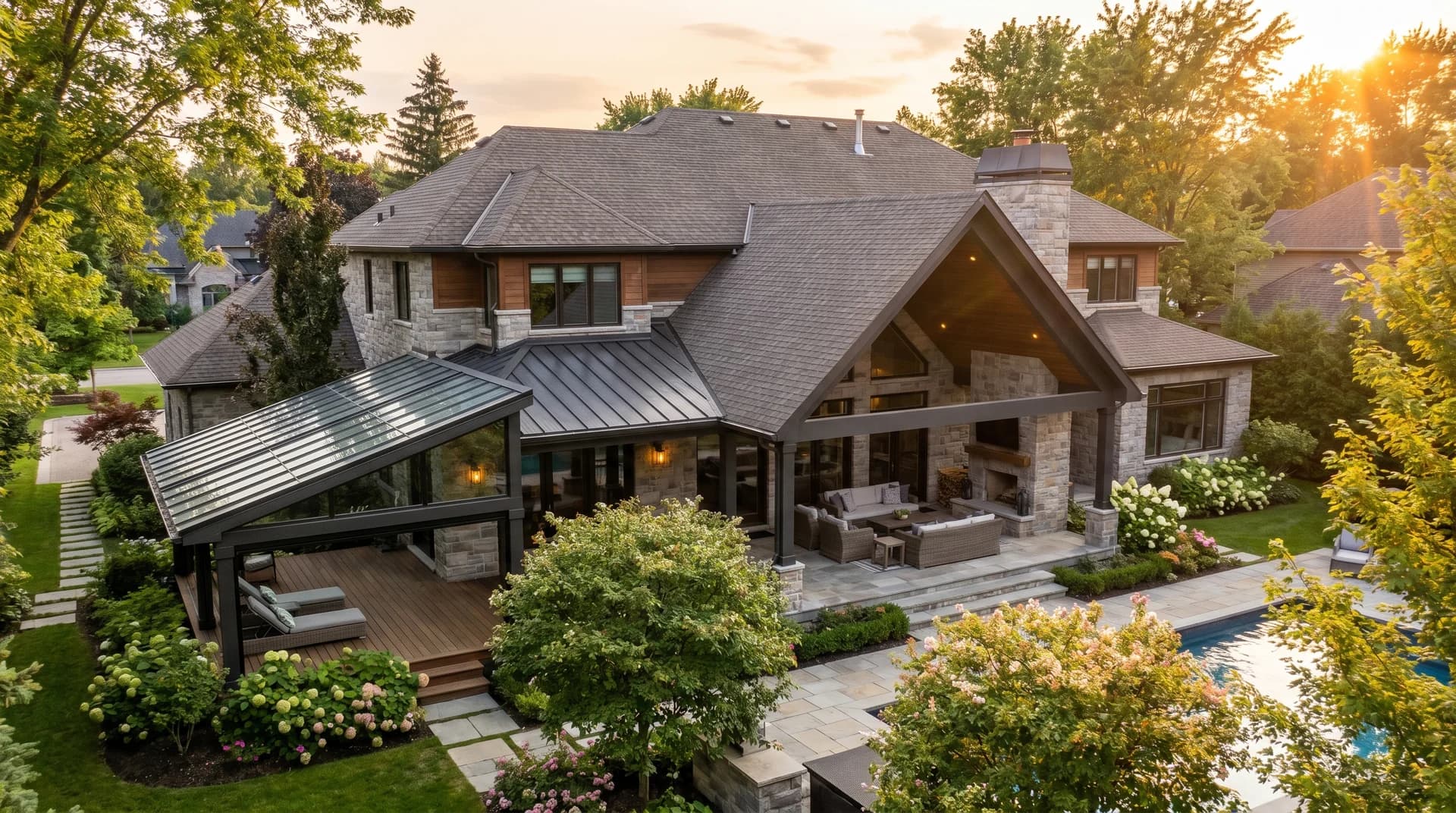
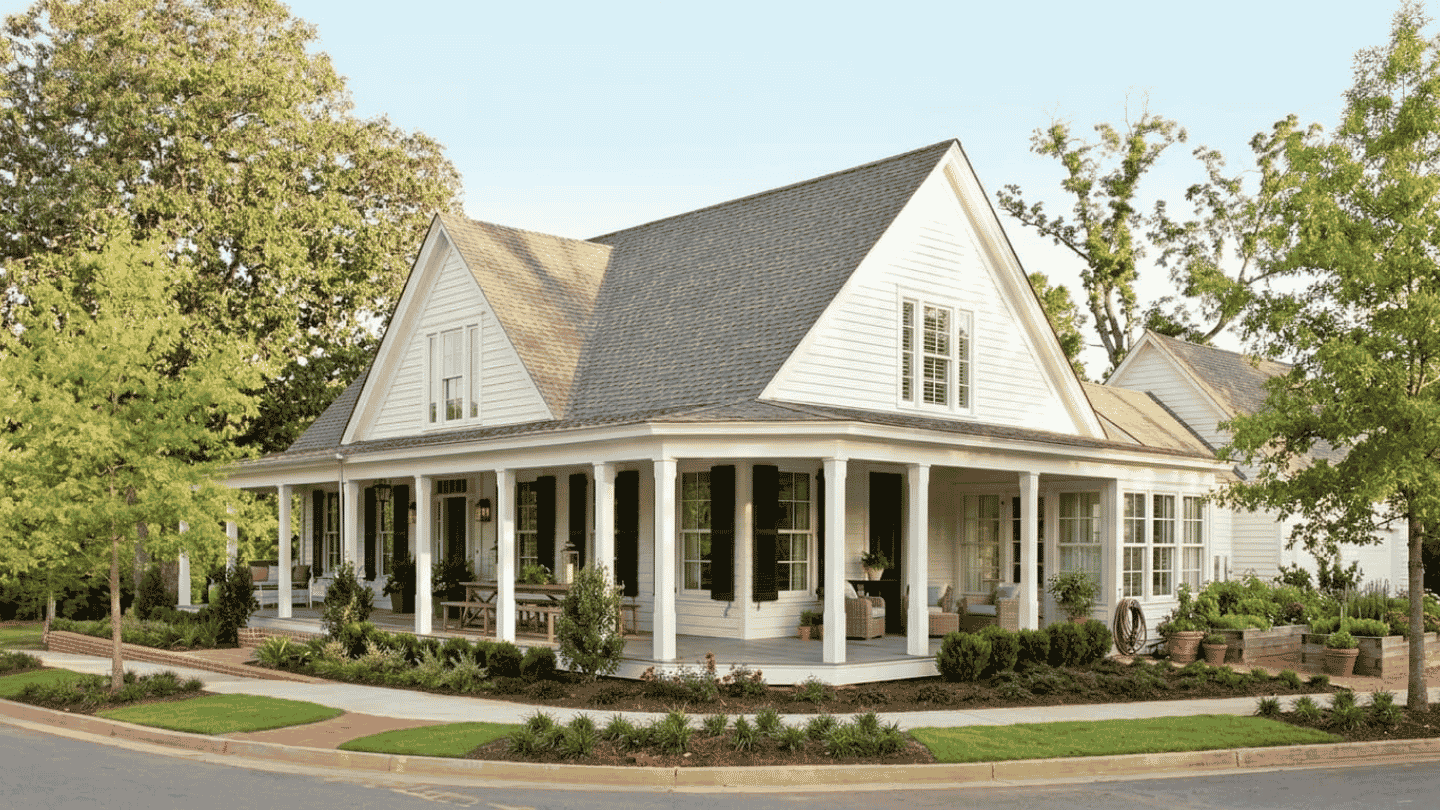
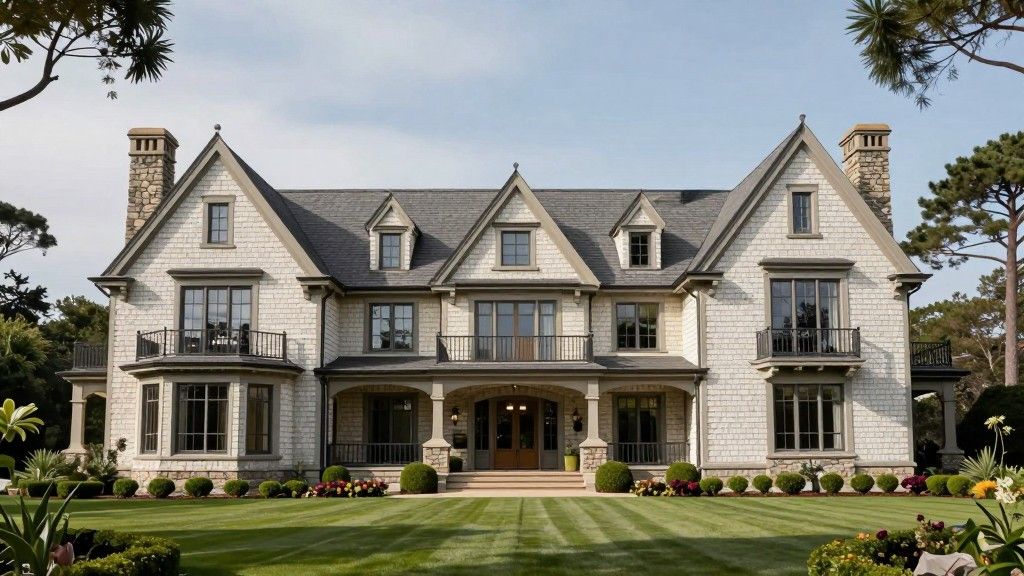
A house exterior renovation covers more ground than it looks. Siding, roof, windows, front door, trim, shutters, lighting, driveway, porch, and garden beds all fall within the scope.
If a neighbor walking by can see it, it belongs in your plan. Cosmetic work covers paint, hardware, and fixtures. Structural work covers siding, roofing, and windows.
Confusing the two leads to having to redo work you already paid for. Interior work, underground plumbing, and HVAC systems sit outside this scope, unless they directly affect an outdoor surface.
Signs Your Home Exterior Needs a Renovation
You do not always need a full inspection to know something is off. These are the most common signs that your exterior is overdue:
- Paint is fading, chalking, or peeling in patches across multiple surfaces, not just one spot
- Siding is cracked, warped, or mismatched after a repair or addition
- Gutters pull away from the fascia or overflow during light rain
- Roof shingles are curling, missing, or more than 15 years old
- Windows feel drafty or show condensation between the panes
- The front door sticks, leaks air, or looks dated compared to the rest of the house
- Cracks in the driveway or walkway have spread across two or more seasons
Seeing two or three of these at the same time suggests a coordinated renovation will serve you better than a series of individual fixes.
The Right Order to Renovate Your Home’s Exterior
Skip this sequence, and you will pay more. Wrong order means finishing one project, then damaging it to fix the one that should have come first.
- Fix structural problems first: Check the roof, siding, and foundation. Rot and cracks must go before anything else starts.
- Handle water and weatherproofing: Gutters, flashing, and caulking come next. Water ruins every finish it touches.
- Replace or repair windows and doors before painting. New windows shift the trim and undo fresh paint.
- Sort out siding or exterior painting: Once the the structure and windows are done, painting or siding work can proceed cleanly.
- Update trim, shutters, and fixtures: These go on last, after main surfaces are set; small changes, big visual shift.
- Tackle landscaping and hardscaping: Save this for the end. Early heavy construction can damage plants and pathways.
- Add lighting and final details: Porch lights and house numbers close it out. Low cost, high return at this stage.
Note: If your roof has more than two or three years of life left, shift your budget toward siding and windows first. They return more at resale and protect the roof you already have.
House Exterior Renovation Ideas by Project Type
Each project below comes with the key decision you need to make before any money moves. Start with the ones that fit your budget tier and your place in the renovation sequence.
1. Siding Replacement or Repair
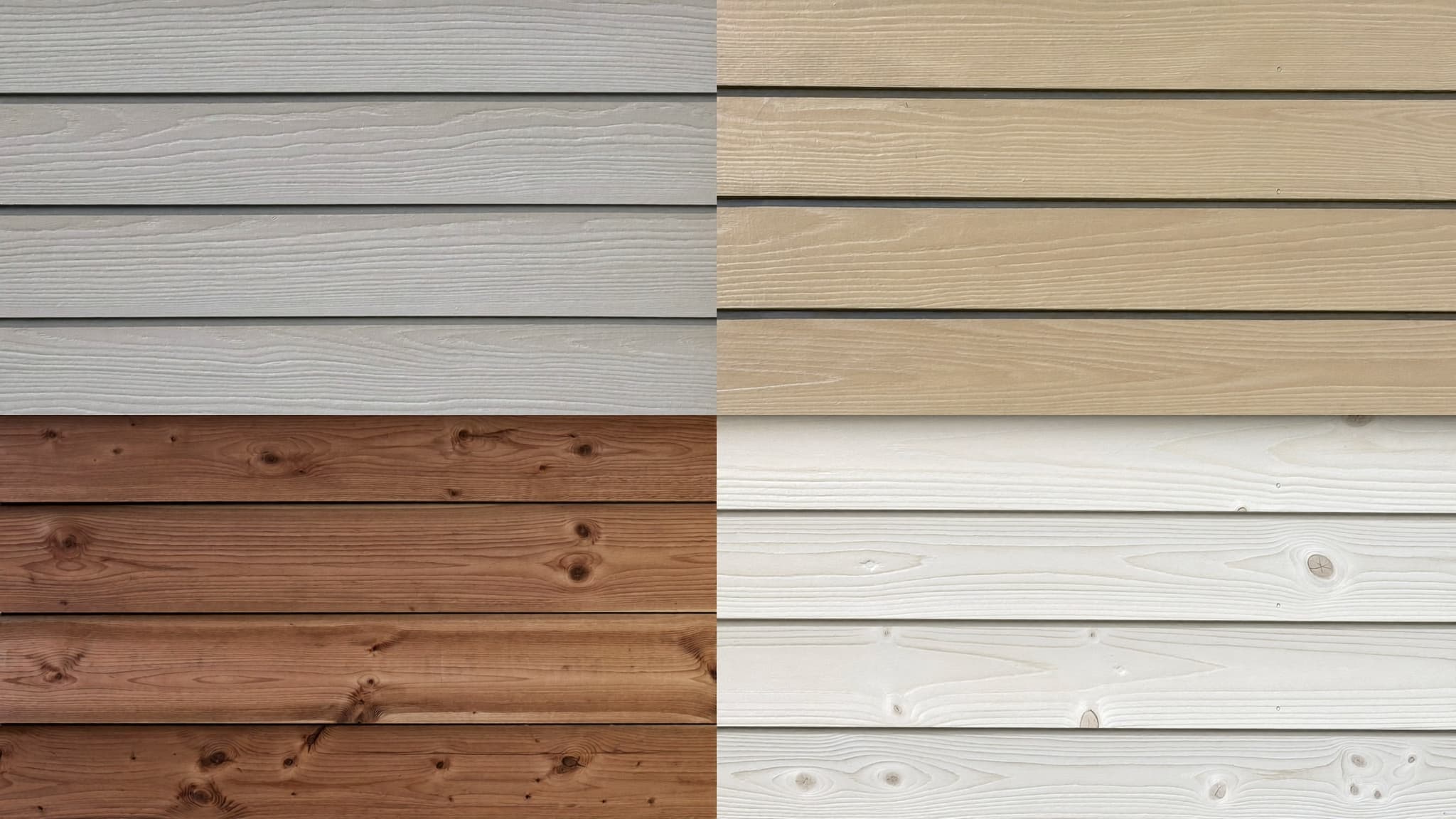
Vinyl is low-cost and low-maintenance. Fiber cement and vinyl siding are two of the most common material decisions homeowners face; fiber cement wins on weather resistance and lifespan, vinyl wins on upfront cost.
Wood looks sharp but needs regular treatment. Engineered wood sits in the middle between price and performance.
The cost of siding replacement can vary a lot. Different materials come with different price ranges, so your choice makes a big difference.
2. Exterior Painting
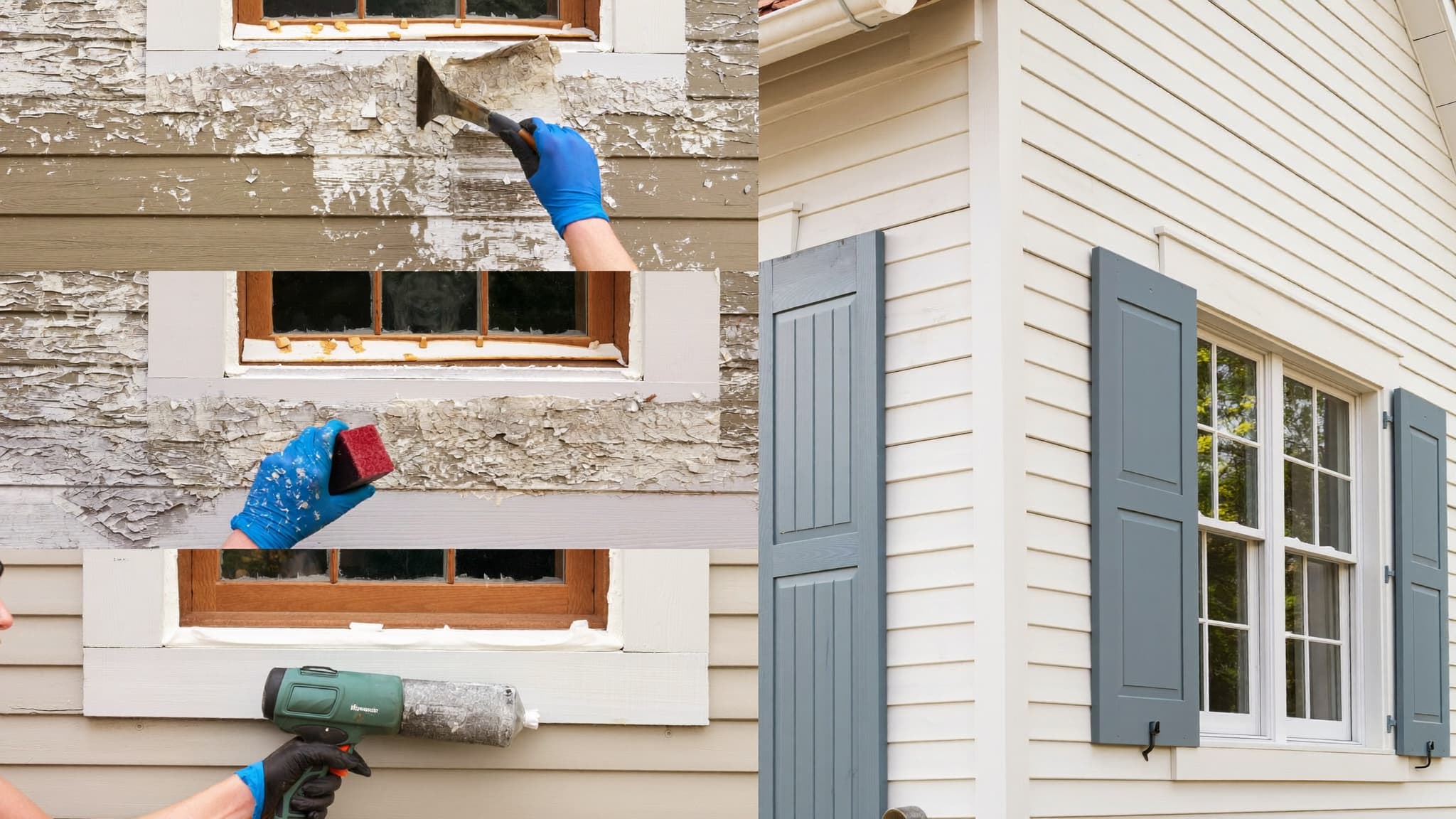
Surface prep matters more than the paint brand. Scrape, sand, prime, and caulk before any color goes on. Skipping prep is how you end up repainting in three years.
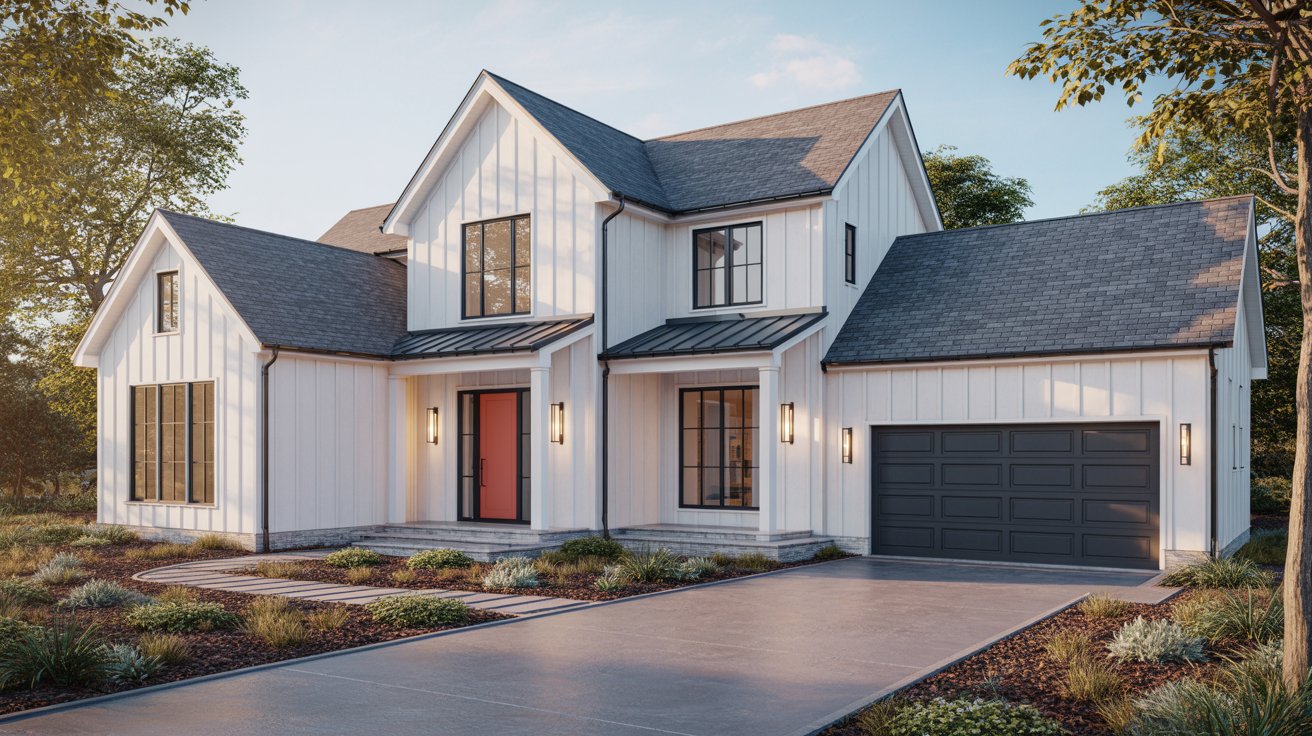
The most effective exterior color schemes use three tones: a dominant body color, a contrasting trim, and a bold accent on the front door. This is the highest-impact change you can make without replacing any material.
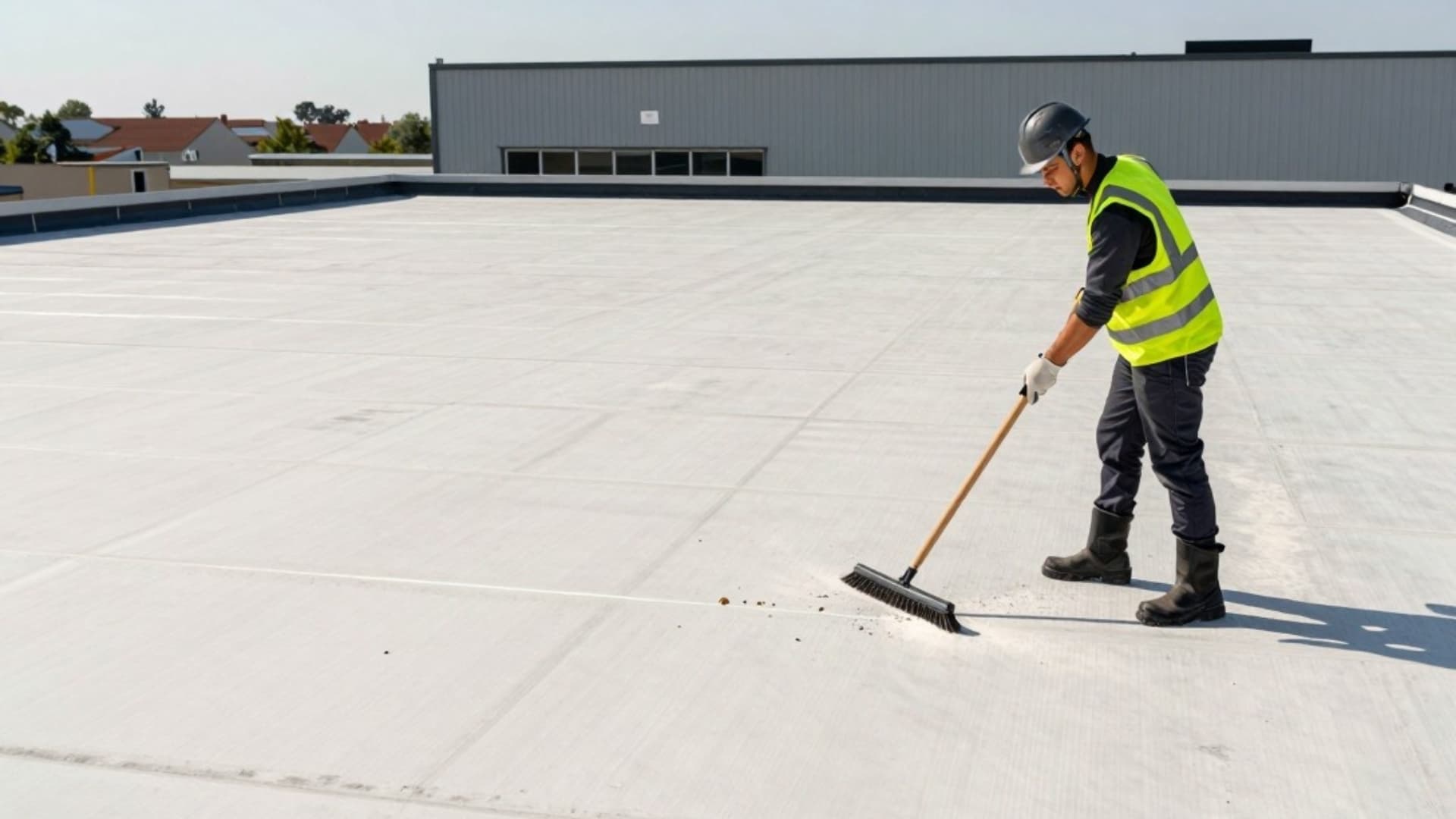
3. Roof Replacement or Repair
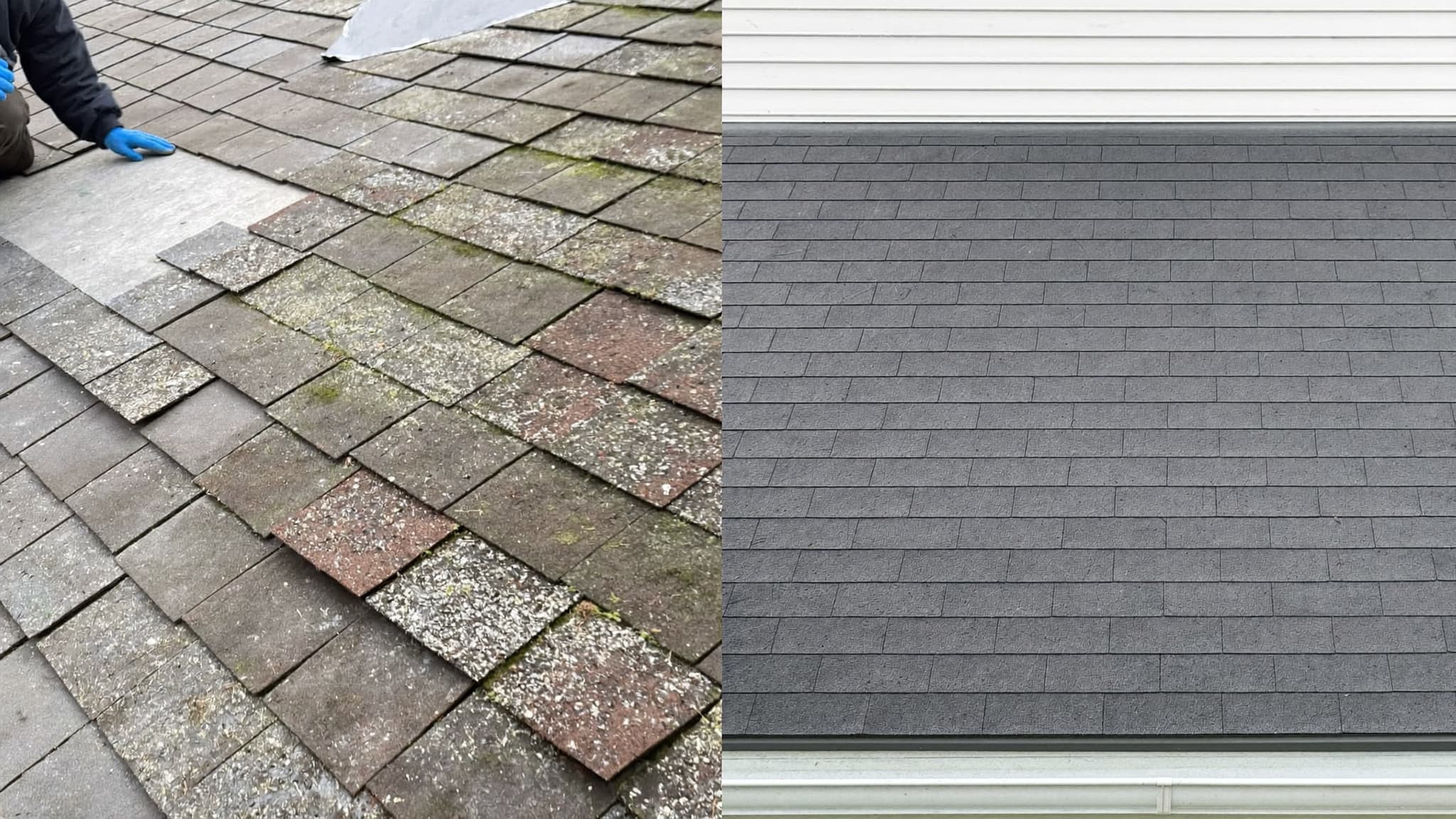
Missing shingles, sagging areas, or moss growth mean you need more than a patch. A patch buys time. Full replacement is the only permanent fix.
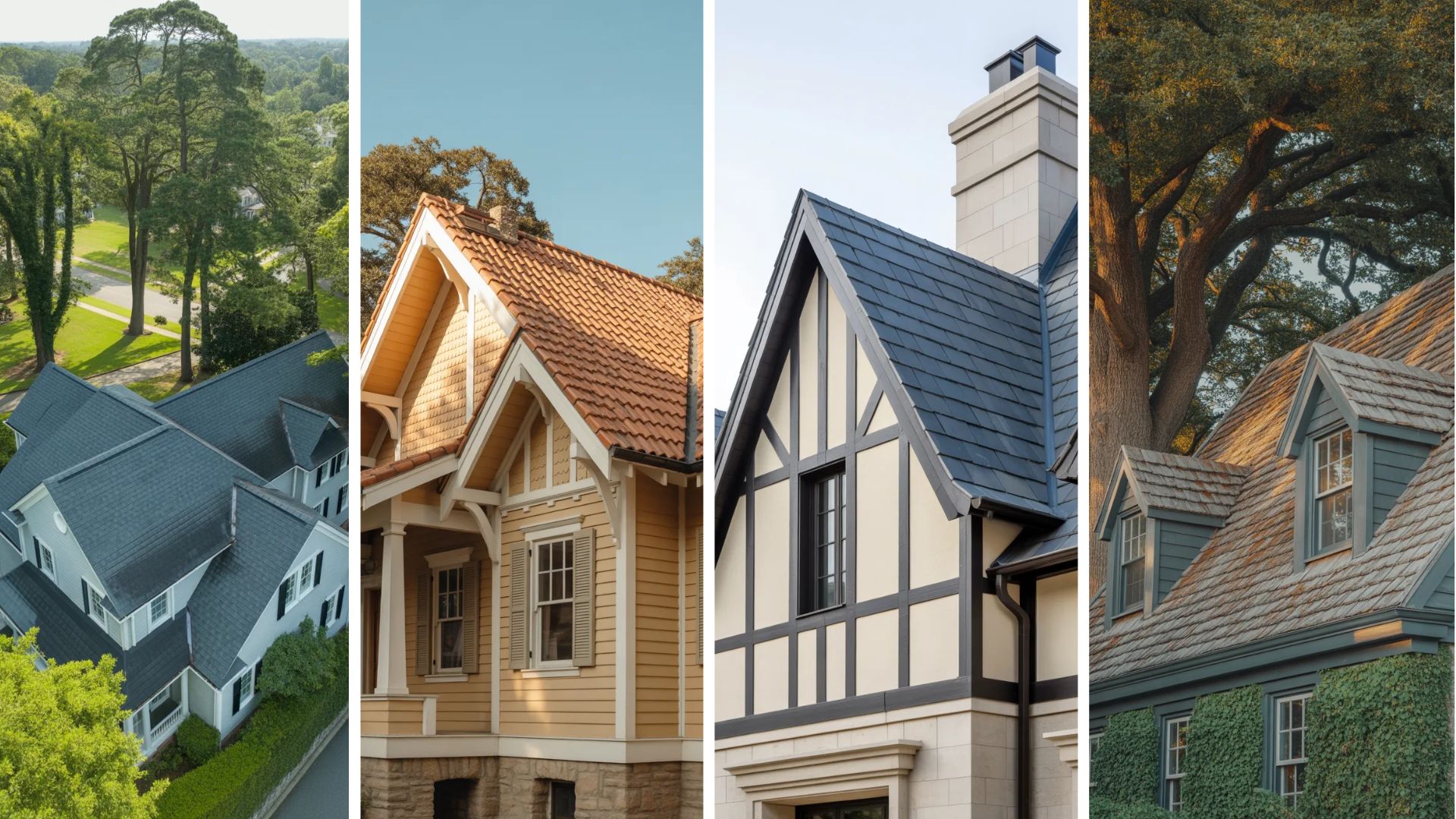
Standard asphalt shingle lifespan ranges from 20 to 30 years, depending on pitch, climate, and maintenance. If your roof is within five years of that window, price a full replacement before starting any other exterior project.
4. Front Door Upgrade
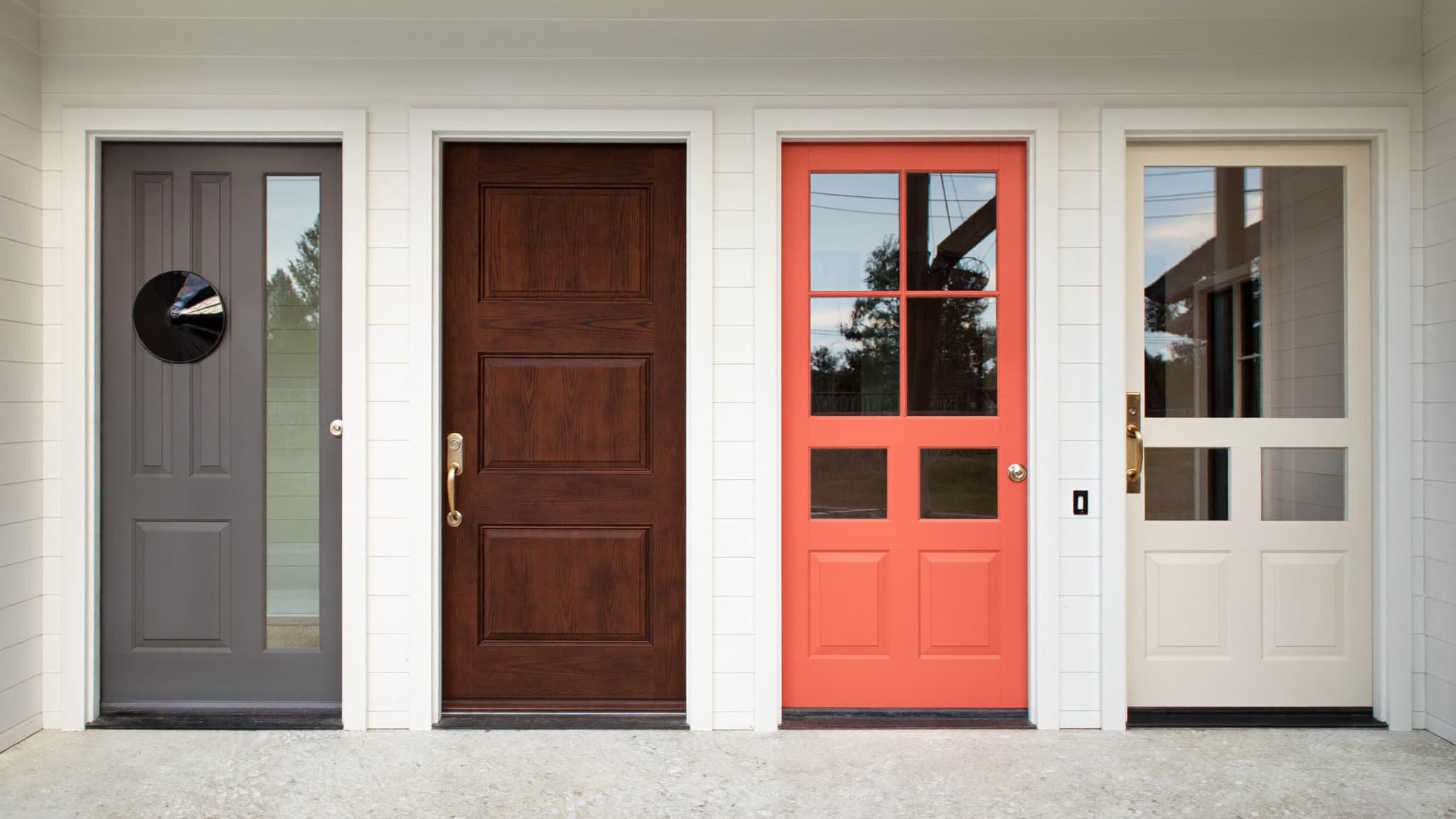
Steel offers security. Fiberglass looks like wood without the upkeep. A bold, well-chosen color creates a focal point that buyers carry with them long after the viewing.
Entry doors with sidelights or a transom window make narrow entries feel larger and more open. A new front door consistently ranks among the highest-ROI exterior upgrades at resale.
5. Window Replacement
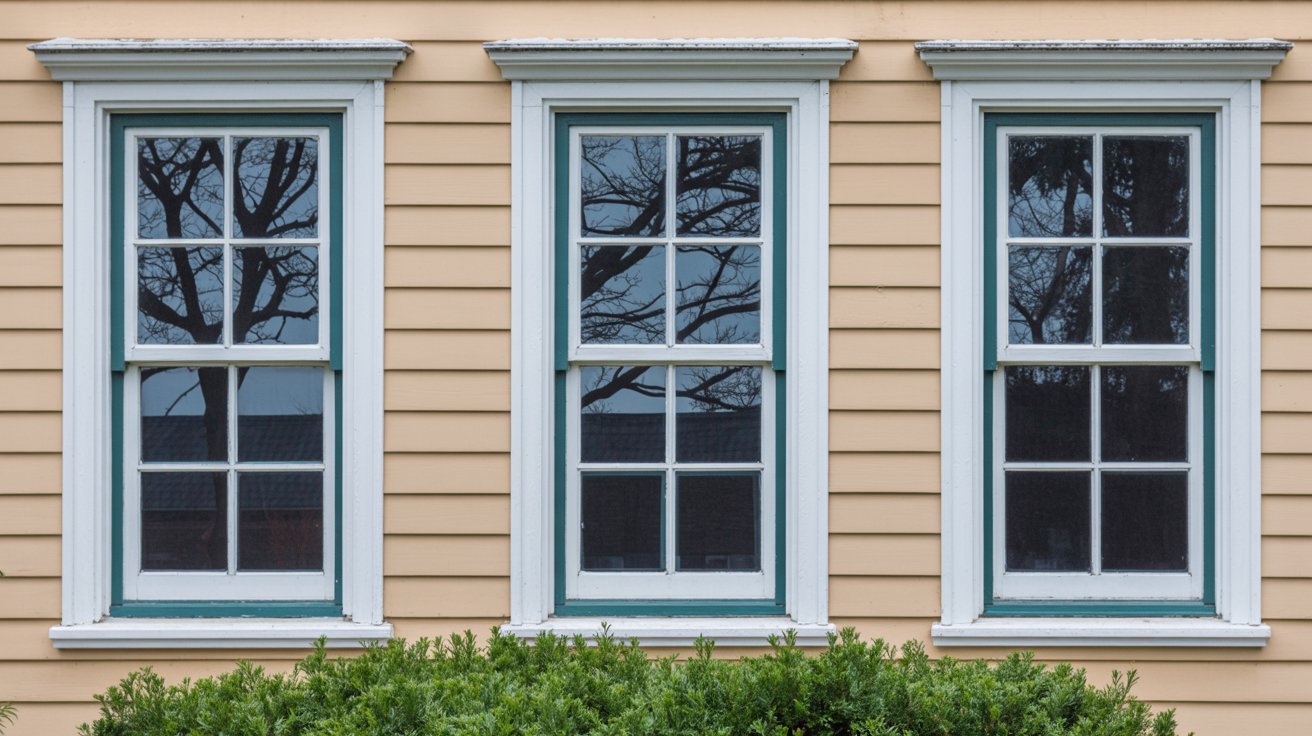
Double-pane is the standard. Triple-pane pays off in cold climates. Vinyl frames are the most common choice for cost and durability. Wood frames look better but require ongoing care.
Low-E glass coatings reduce heat transfer and cut cooling costs in warm climates. Always replace windows before painting the exterior, so trim lines stay clean and undisturbed.
6. Garage Door Replacement
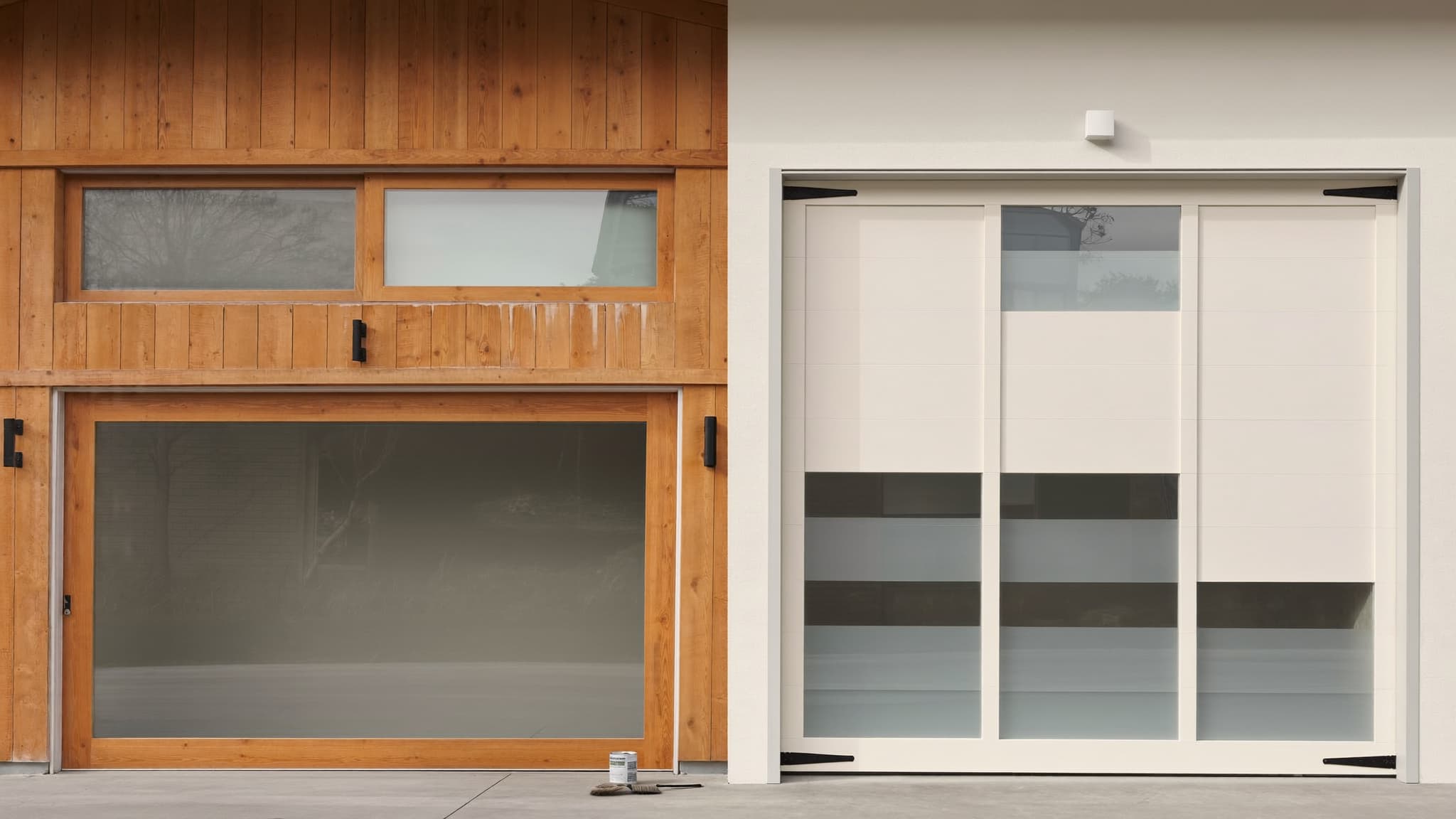
Match the door style to your home’s architectural lines. Carriage-style doors add warmth. Modern flat-panel doors suit contemporary builds. Insulated models cut noise and reduce energy loss.
A garage door replacement returns over 90% of its cost at resale, making it one of the strongest ROI projects in any exterior renovation.
Windows on the upper panels bring natural light into the garage and add visual weight to an otherwise flat surface.
7. Gutter and Fascia Update
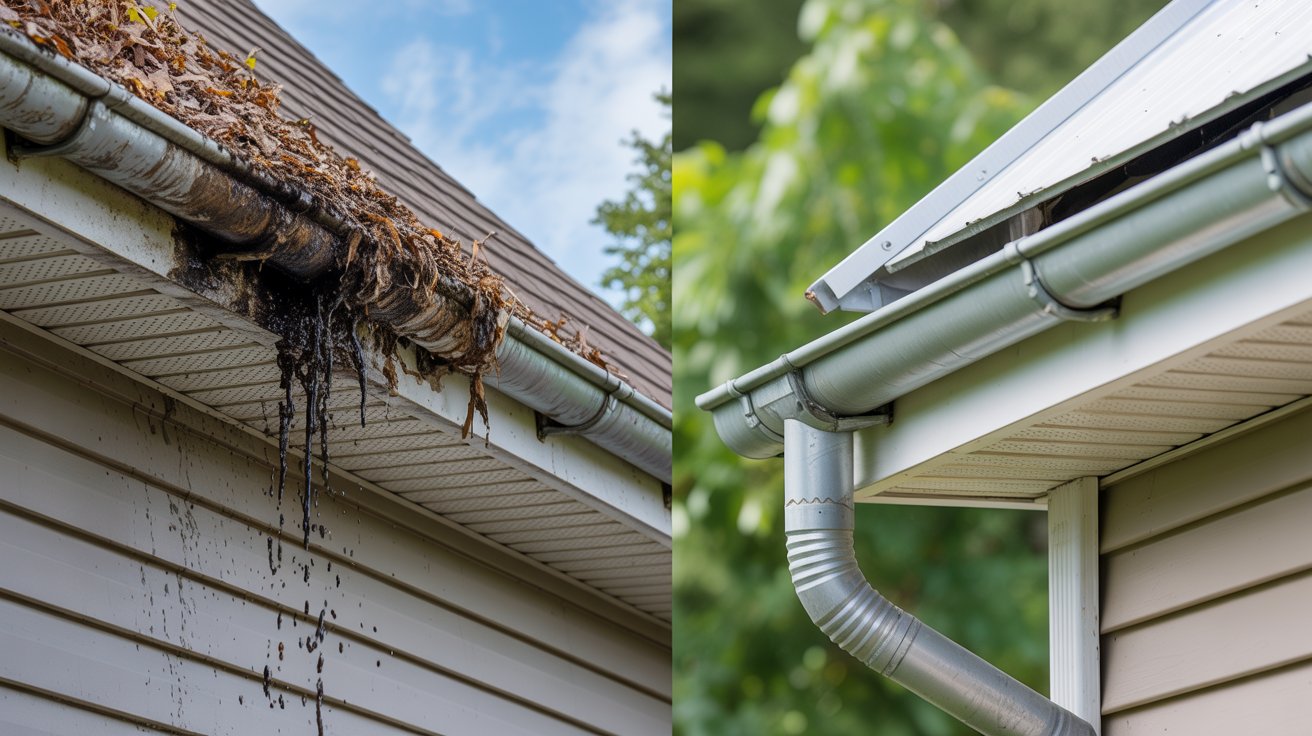
Gutters protect everything below them. Clogged or failing gutters cause foundation water damage, siding rot, and basement flooding.
Understanding how downspouts work matters here; they carry runoff away from the foundation, and when they fail, moisture damage to siding and basement walls follows quickly. Clean first, replace second.
8. Trim, Shutters, and Accent Details
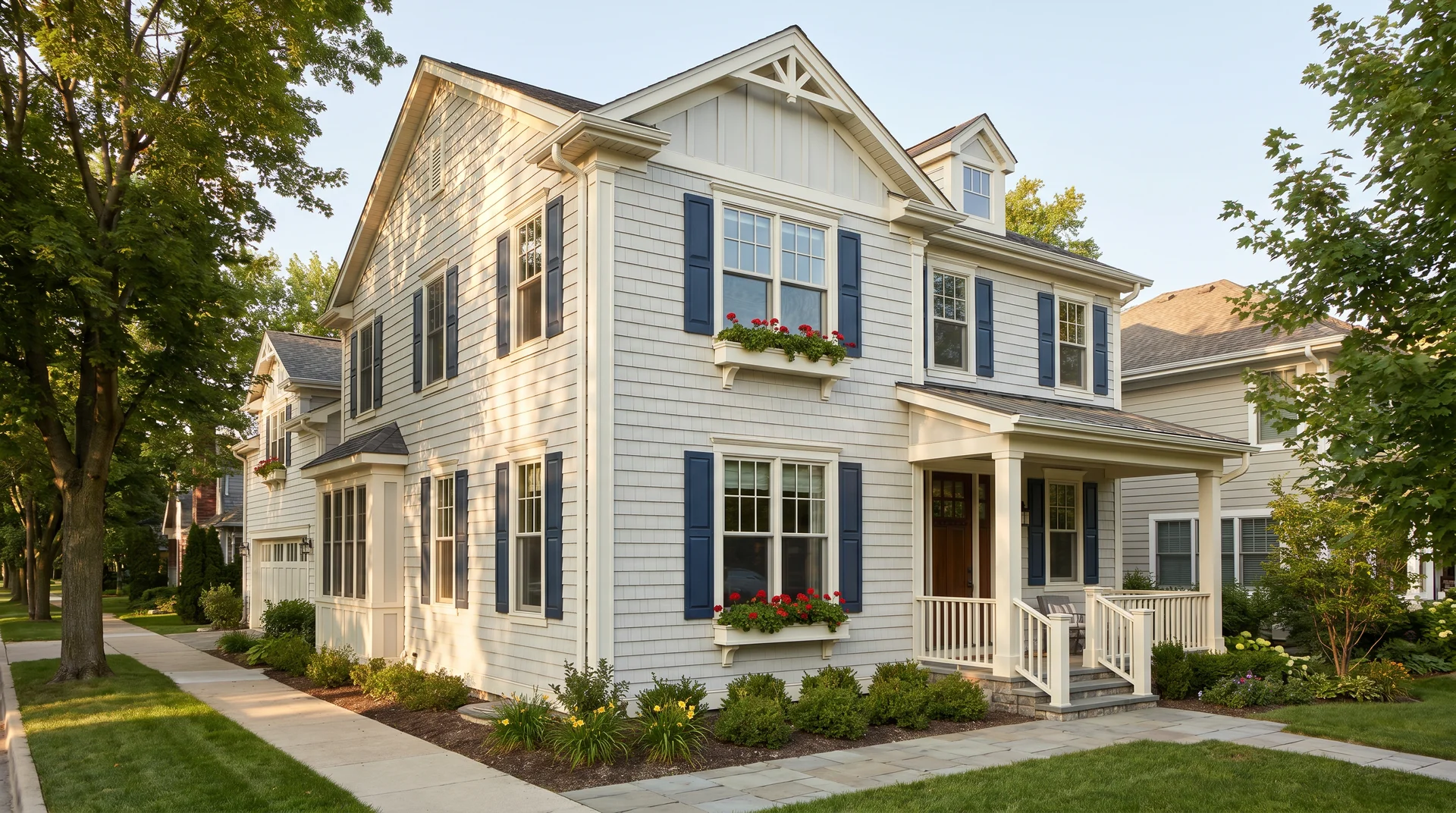
A contrasting trim color is one of the fastest ways to add definition to a flat-looking exterior. Shutters should be sized to actually fit the window, not just hung as decoration.
PVC trim holds paint better than wood in humid climates and does not rot, warp, or swell. Black, navy, or deep green shutters on a light-colored house create strong contrast without looking dated.
9. Outdoor Lighting
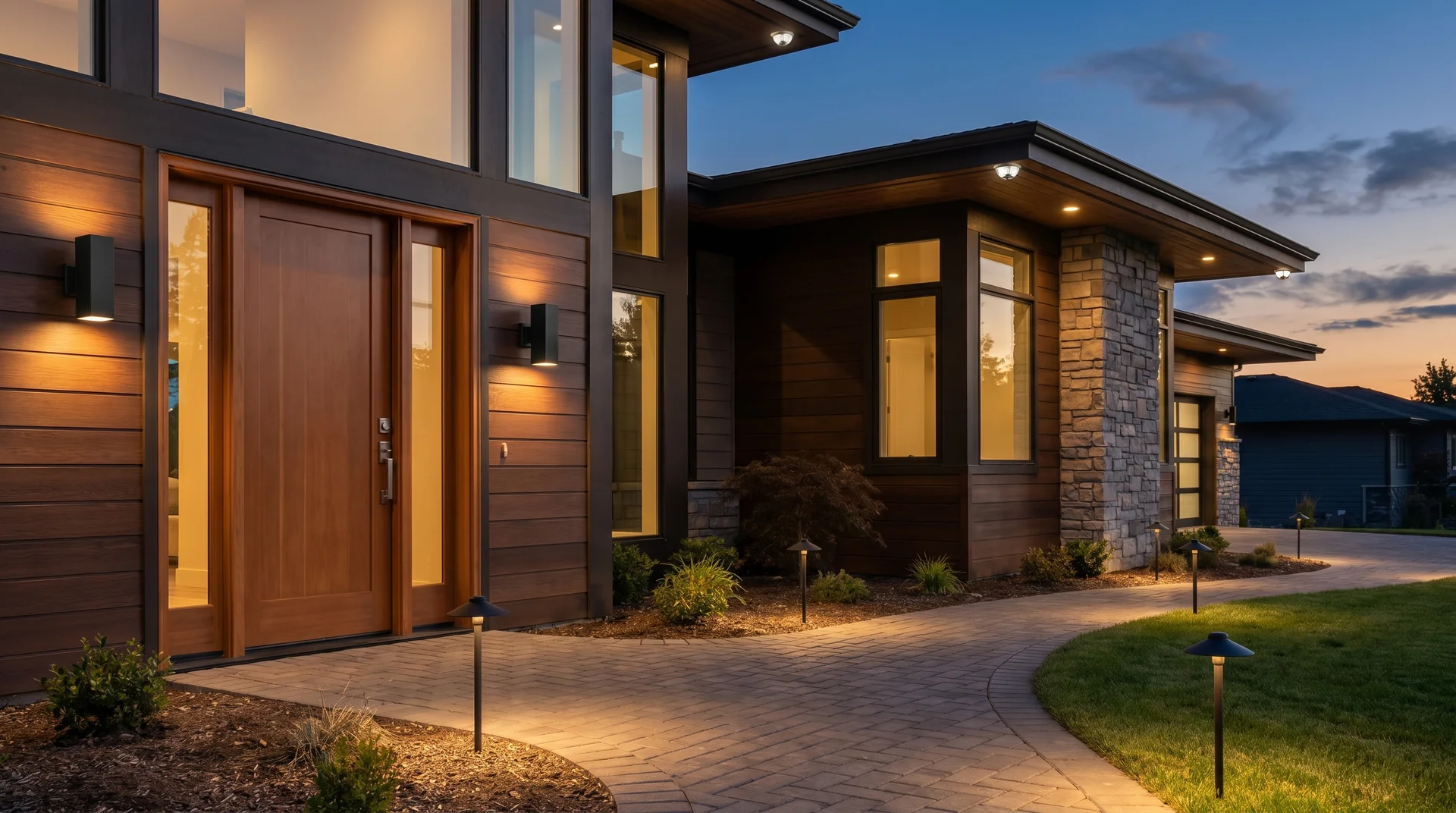
Pathway lights, entry sconces, and motion-sensor security lights each serve a different purpose. LED fixtures cost less to run and last years longer than traditional bulbs.
Match fixture finishes to your door hardware, such as matte black or brushed nickel, for a cohesive look. Position pathway lights 8 to 10 feet apart to maintain even illumination across the walkway.
10. Driveway and Walkway
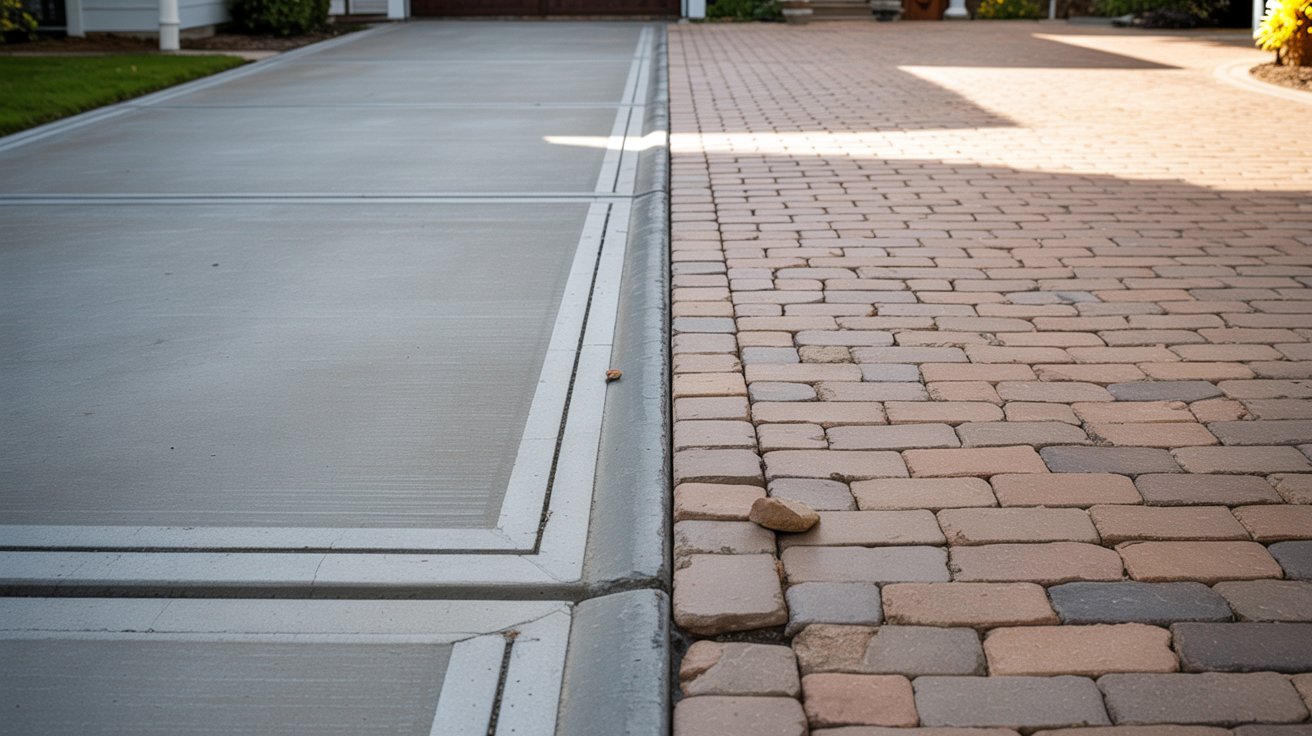
Resurfacing costs far less than full replacement. Concrete is durable. Pavers look better but cost more upfront. Cracks and uneven surfaces are both safety concerns and curb appeal problems.
There are more modern driveway options than most buyers realize: exposed aggregate, large-format pavers, and concrete strips with grass weave are all worth pricing before defaulting to plain asphalt.
11. Landscaping and Garden Beds
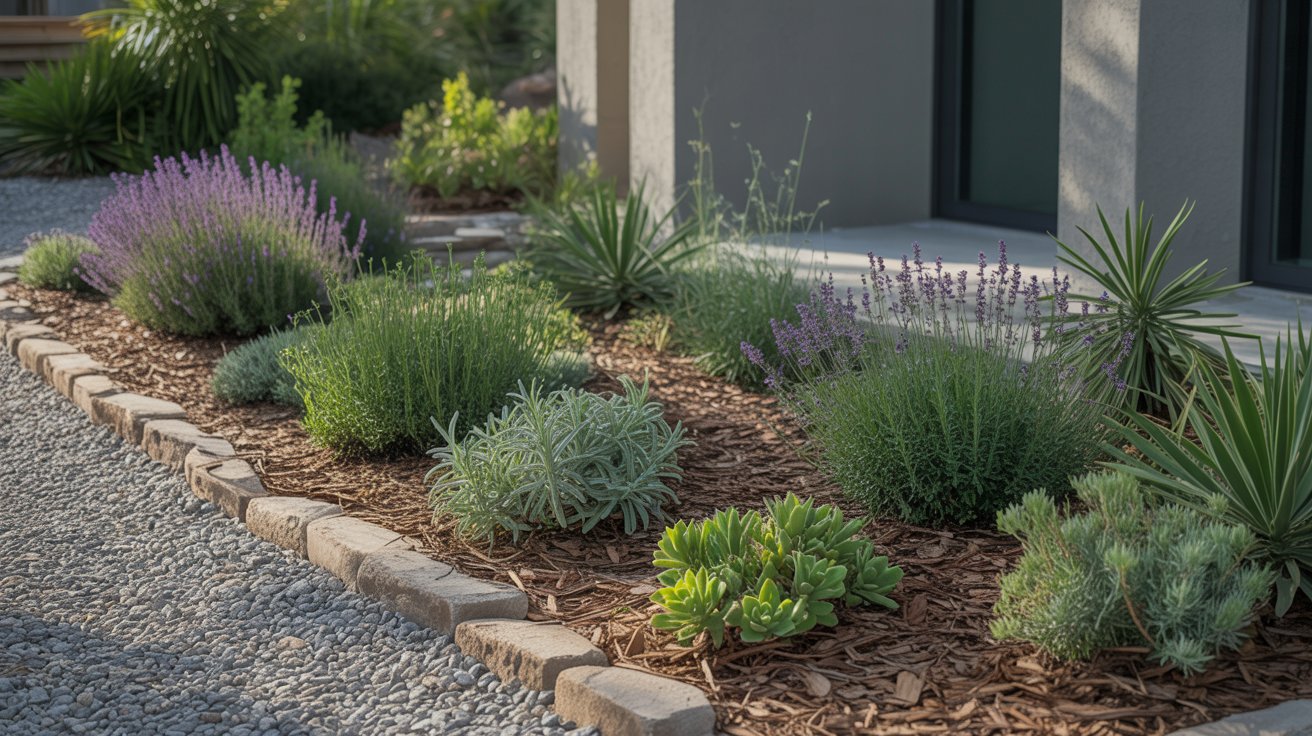
Keep plants at least 12 inches from the foundation to prevent moisture buildup against the wall. Low-maintenance native plants suit most climates and reduce long-term watering and care.
Fresh mulch in garden beds costs under $100 for most properties and improves curb appeal immediately. Clean metal or stone edging between beds and lawn keeps lines sharp without ongoing trimming.
House Exterior Renovation Cost by Project
These are national average cost ranges to anchor your planning. Actual costs vary by location, material grade, and contractor availability.
| Project | Average Cost (national) | DIY Possible? |
|---|---|---|
| Exterior painting | $1,800 – $4,500 | Yes |
| Siding replacement | $5,000 – $15,000 | No (hire a pro) |
| Roof replacement | $7,000 – $25,000 | No |
| Window replacement | $450 – $1,400 per window | No |
| Front door replacement | $500 – $2,000 | Yes (partial) |
| Garage door replacement | $700 – $2,500 | No |
| Gutter replacement | $600 – $2,400 | Yes |
| Deck or porch renovation | $3,000 – $12,000 | Partial |
| Exterior lighting | $150 – $600 | Yes |
| Landscaping refresh | $500 – $5,000 | Yes |
Always get at least three written quotes before committing to any project above $3,000. Do not accept verbal quotes for structural work.
Note: These are national average costs. Actual prices may vary based on location, material quality, home size, and market conditions.
Old House Exterior Renovation: What to Know First
Older homes come with risks that newer builds do not. Know these before work starts.
- Lead paint (pre-1978 homes). Exterior surfaces may contain lead. Testing and proper handling are legally required before any sanding or scraping. The EPA’s Renovation, Repair and Painting (RRP) Program sets federal standards for this. Contractors working on pre-1978 homes must be RRP-certified.
- Asbestos in old siding (pre-1980). Some siding products from this period contain asbestos. Do not cut or disturb it. Professional removal is mandatory.
- Historic district rules. Designated historic homes require board approval before any changes to materials, colors, or window styles.
- Original wood windows. Restoring old wood windows often costs less than replacing them and is frequently required in historic areas.
- Matching old materials. Finding period-correct brick, siding, or trim takes time. Start with salvage yards, specialty lumber suppliers, and restoration contractors.
Do You Need a Permit for Exterior Renovation?
Skipping permits can slow down a home sale, void a warranty, or create insurance complications that cost far more than the permit itself.
Roof and window replacements in most states, structural deck or porch changes, and new siding in certain areas generally require a permit, though rules vary by location.
Painting, landscaping, hardware swaps, and fixture replacements typically fall below the permit threshold.
When in doubt, check with your local building department before hiring anyone or ordering materials. Most county and city building departments now have online permit lookup tools that take under five minutes to search.
Note: If a contractor tells you a roofing or window job does not need a permit, ask them to put that in writing. A refusal to do so is worth noting.
DIY vs. Hiring a Contractor for House Exterior Renovation
Some projects on this list are weekend tasks. Others carry structural and legal risks that make professional help the only sensible choice. Knowing which is which saves time, money, and the need for repeat work.
Do It Yourself:
- Exterior painting: prep the surface well, and the results match a pro finish.
- Outdoor lighting: most fixture swaps require basic wiring and no permit.
- Landscaping and garden beds: low risk, easy to adjust, no structural consequence.
- Hardware and fixture replacements: no permit needed and no structural impact.
Always Hire a Pro:
- Roofing: incorrect installation voids warranties and allows water to enter the structure.
- Siding replacement requires permits in most areas and precise fitting to prevent moisture damage.
- Window installation: poor sealing causes long-term energy loss and frame rot.
- Any permitted work: a licensed contractor carries legal accountability that you cannot replicate on your own.
When Is the Best Time for Exterior Renovation?
Timing affects both the quality of results and what you spend. Exterior painting works best from late spring through early fall, when temperatures stay above 50 degrees Fahrenheit and humidity stays low.
Avoid painting in direct midday sun as it causes uneven drying. Roofing is best done in late summer or early fall when dry conditions help shingles seal correctly.
Siding replacement works well in spring and fall. Extreme summer heat can cause vinyl siding to shift during fitting. For landscaping, plant in spring and save pavers, concrete, or gravel work for fall when the ground temperature has settled.
If any of these projects are on your list, book contractors in January or February for spring slots. Scheduling early often gets you a lower rate and better contractor availability before peak season tightens both.
Conclusion
Renovating a house exterior in the right order protects your investment and avoids repeat work. Fix structure before surface. Check permits before booking. Plan by season, not by impulse.
Older homes need extra care before any work starts. Contractor selection matters as much as material choice. Both decisions affect how long the finished result lasts.
So where does your home stand right now? Take a walk around the outside and note what stands out.
Then drop your biggest concern in the comments below.