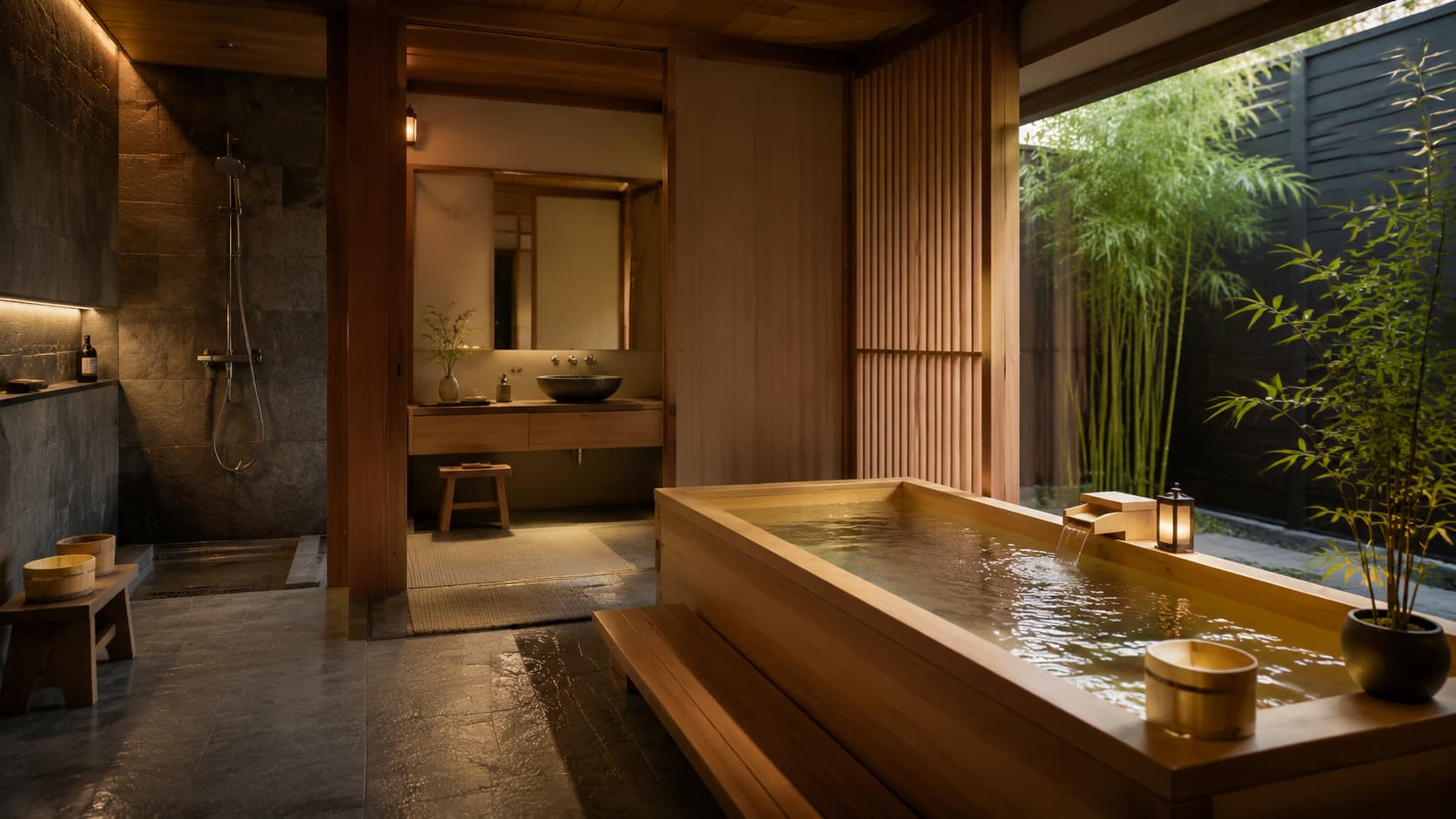
A weak shower is one of those problems homeowners put up with far longer than they should. The pressure drops.
The water turns cold mid-rinse. Or the space feels cramped and outdated.
Since the shower is the one fixture most people use every single day, getting it wrong costs more than money. It costs comfort, time, and the kind of small daily frustration that builds up fast.
This guide covers types of showers in plain, practical detail. You will get the real pros and cons of each, along with a clear answer to who each one works best for.
We also break down how your water system affects your options, so you pick the right shower the first time and skip the costly do-overs.
Quick Comparison at a Glance
Not sure where to start? Here is a side-by-side look at all 9 shower types before we break each one down.
| Shower Type | Best For | Water Pressure Needed | Avg. Cost Range |
|---|---|---|---|
| Electric | Low hot water supply | Low | $150–$500 |
| Mixer | Homes with a boiler | Medium–High | $200–$800 |
| Thermostatic | Families, elderly users | Medium | $300–$1,200 |
| Power | Gravity-fed systems | Low (boosted) | $400–$1,500 |
| Digital | Luxury, tech-forward homes | Medium | $800–$3,000+ |
| Rain (Rainfall) | Relaxation, spa feel | High | $100–$600 (head only) |
| Steam | Wellness, spa at home | Medium | $2,500–$10,000+ |
| Handheld | Flexibility, families | Any | $30–$300 |
| Body Jet Panel | Luxury, full-body spray | Very High | $500–$3,000 |
9 Types of Showers Explained
Each shower type works differently, and choosing the wrong one for your home can lead to low pressure, high bills, or a costly reinstall. Here is what you need to know about each one.
1. Electric Shower
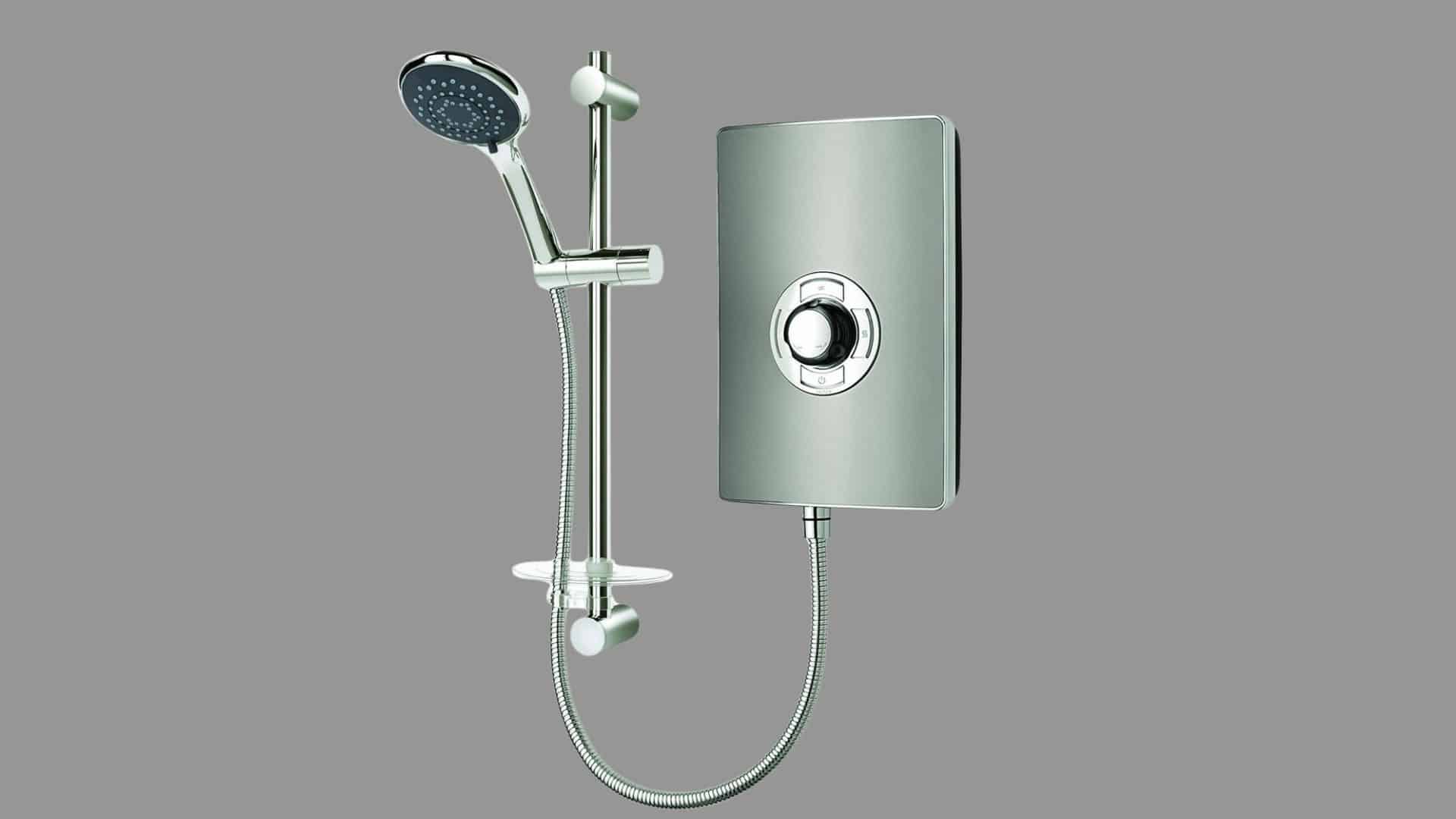
An electric shower heats water on demand using its own internal heating element. It works completely independently of your boiler or hot water tank.
This makes it one of the most practical shower options for homes where hot water runs out fast or where the boiler is unreliable.
Best for: Households that frequently run out of hot water; properties where the boiler only heats water at set times.
Pros:
- Hot water is available at any time, even with a cold tank
- Energy-efficient only heats the water you use
- Cost-effective to install
Cons:
- Flow rate is lower than that of mixers or power showers
- Needs a dedicated electrical circuit
Pro Tip: Look for models rated 9.5kW or above if you want a stronger spray. Lower-wattage units can feel weak, especially in winter.
2. Mixer Shower
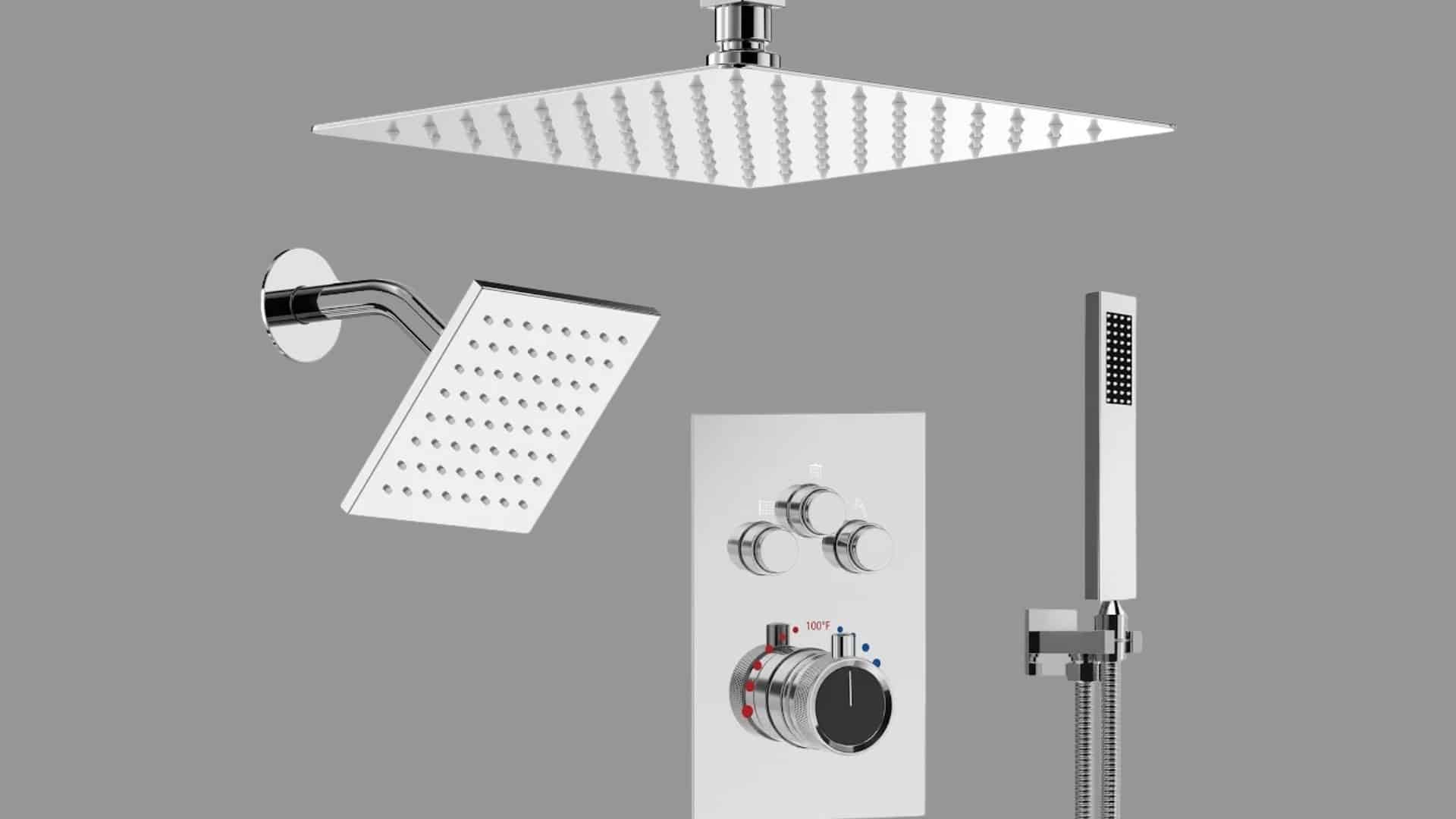
A mixer shower draws hot and cold water from your existing supply and blends them to your chosen temperature.
It relies on your home’s water system for both pressure and heat, which means performance depends heavily on what you already have.
Best for: Homes with a combi boiler or good mains pressure.
Pros:
- Strong, consistent flow
- A wide range of styles and finishes
- Works well with thermostatic valves (more on that next)
Cons:
- Pressure can drop when other taps run simultaneously
- Doesn’t work well with gravity-fed systems without a pump
Two subtypes to know:
- Manual mixer: You adjust the temperature by hand each time.
- Thermostatic mixer: Automatically maintains a set temperature, making it much safer and more comfortable.
3. Thermostatic Shower
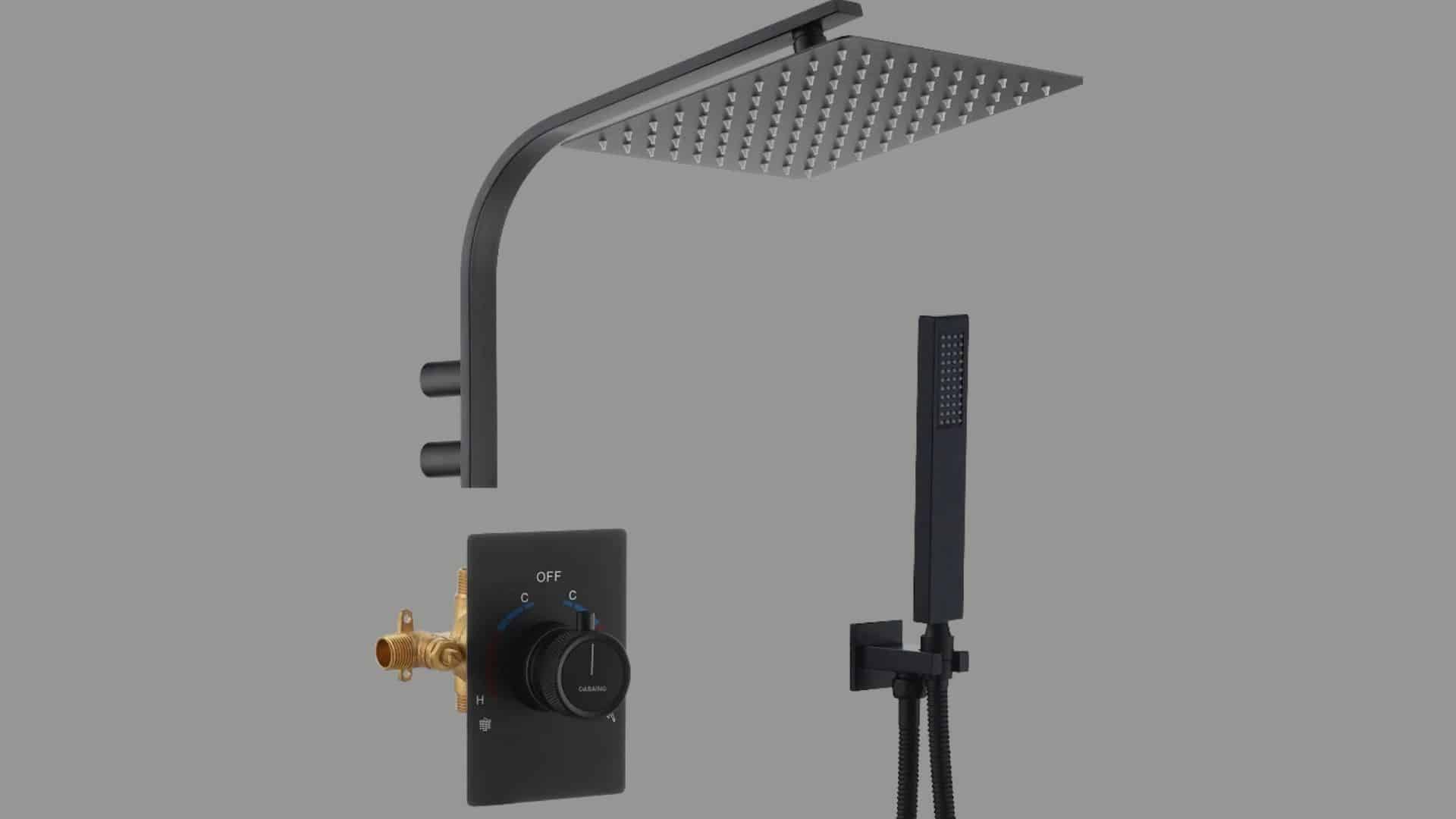
A thermostatic shower locks your water temperature at a preset level. Even if someone flushes a toilet or runs a kitchen tap, the temperature stays constant.
This is not just a comfort feature; it is a genuine safety feature.
Best for: Families with young children; elderly users; anyone who a sudden temperature spike has scalded.
Pros:
- Prevents dangerous temperature changes
- Precise, consistent comfort
- Often includes separate controls for flow and temperature
Cons:
- Higher upfront cost than basic mixers
- Requires professional installation
4. Power Shower
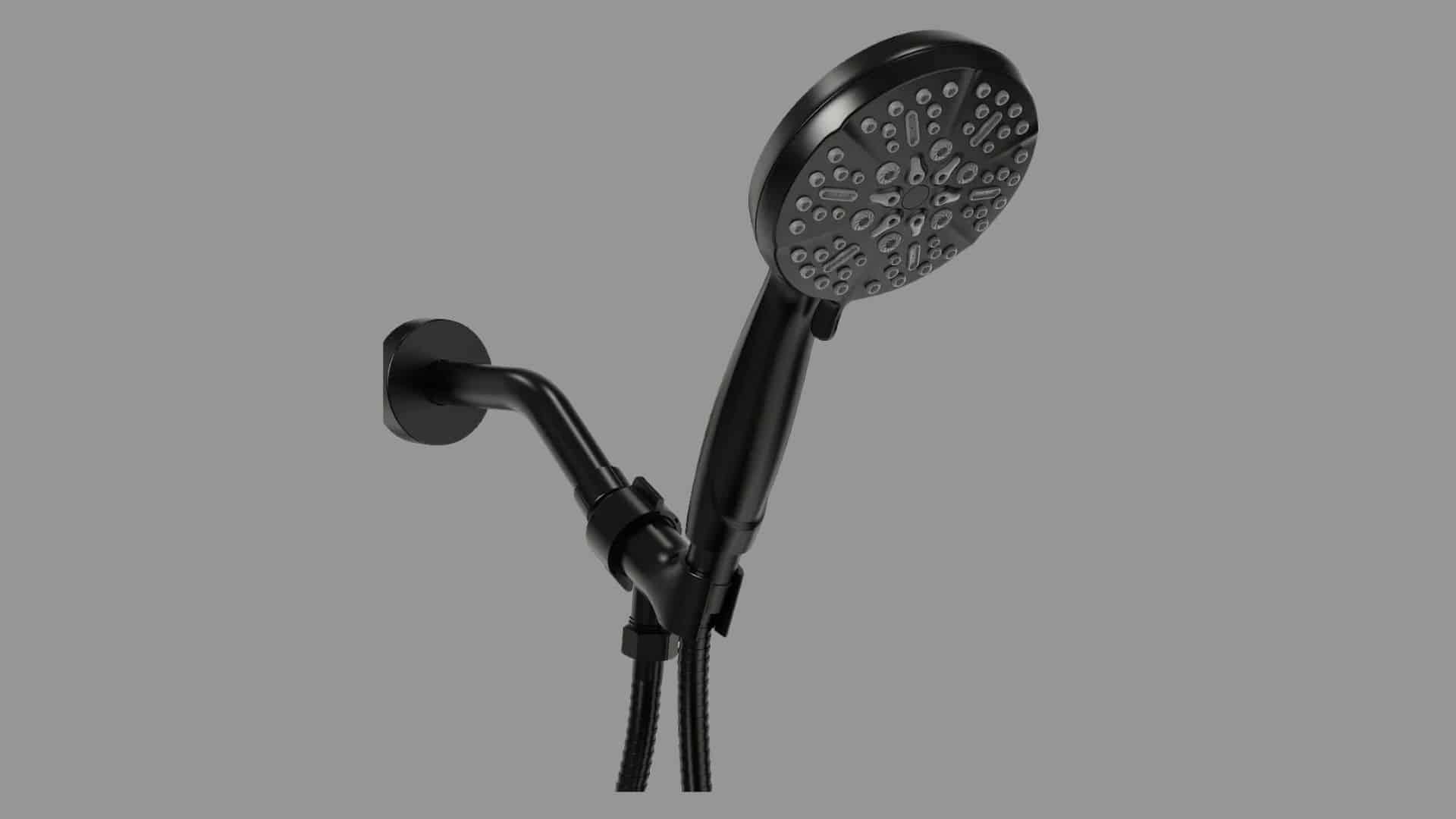
A power shower has a built-in electric pump that increases the water flow rate. It uses your home’s existing hot and cold supply but amplifies the pressure.
If your home has a gravity-fed water system and weak pressure, this is the shower that fixes that problem.
Best for: Older homes with gravity-fed systems or low water pressure.
Pros:
- Strong, high-pressure spray even with low incoming pressure
- Adjustable spray settings
- Invigorating shower experience
Cons:
- It cannot be used with combi boilers, as it will damage the system
- Uses significantly more water than other types
- Higher running costs
5. Digital Shower
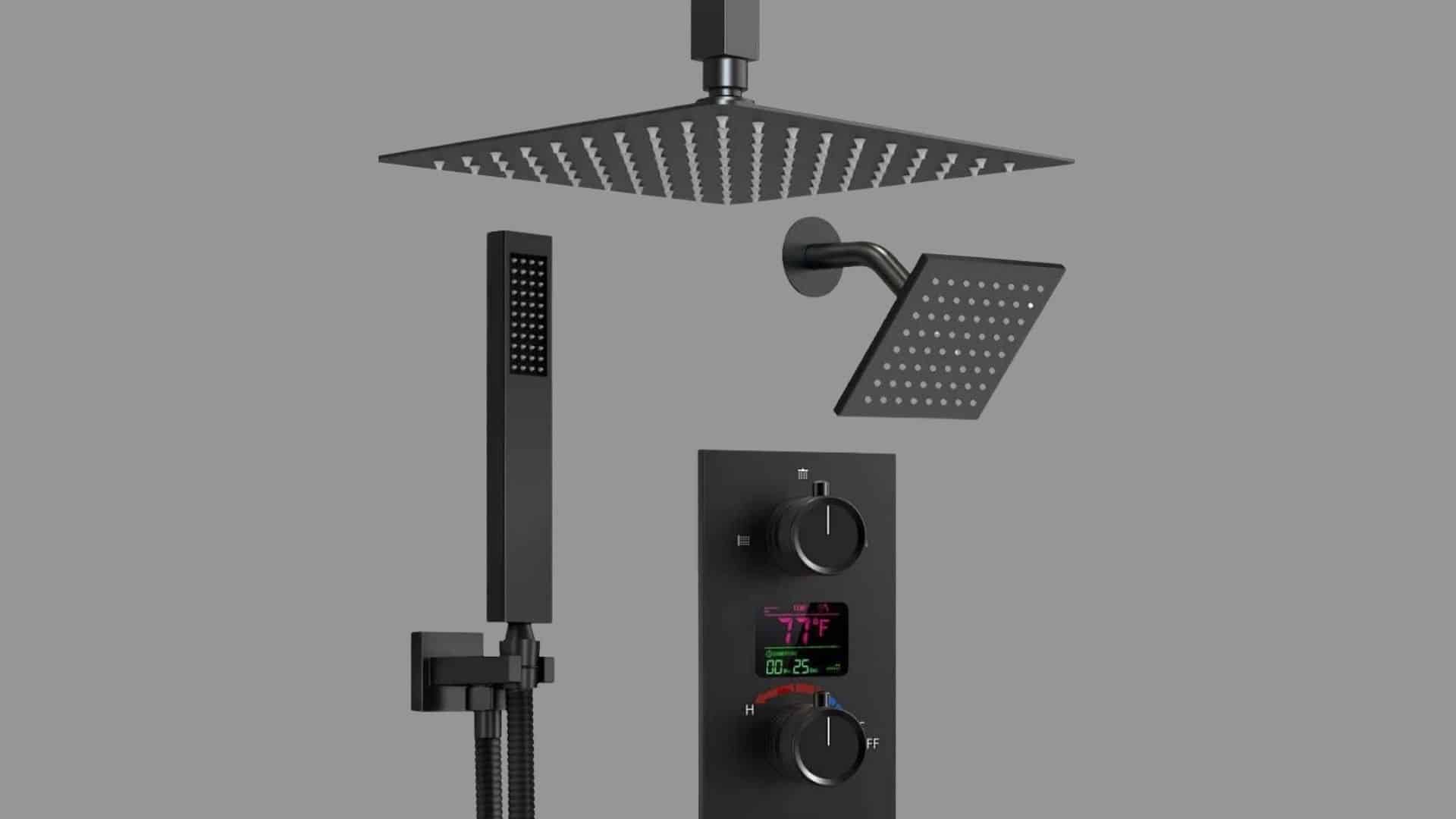
A digital shower uses electronic controls, either a wall panel or a smartphone app, to set water temperature and flow before you even step in.
Many models include memory presets so each household member can save their own preferred settings.
Best for: Luxury bathrooms; tech-forward homeowners; households where multiple people share one shower with very different preferences.
Pros:
- Extremely precise temperature control
- The remote-start shower is ready when you walk in
- Multi-user preset profiles
- Some models include voice control compatibility
Cons:
- Highest cost of all shower types
- Requires professional installation
- Needs a power supply near the shower unit
6. Rain Shower
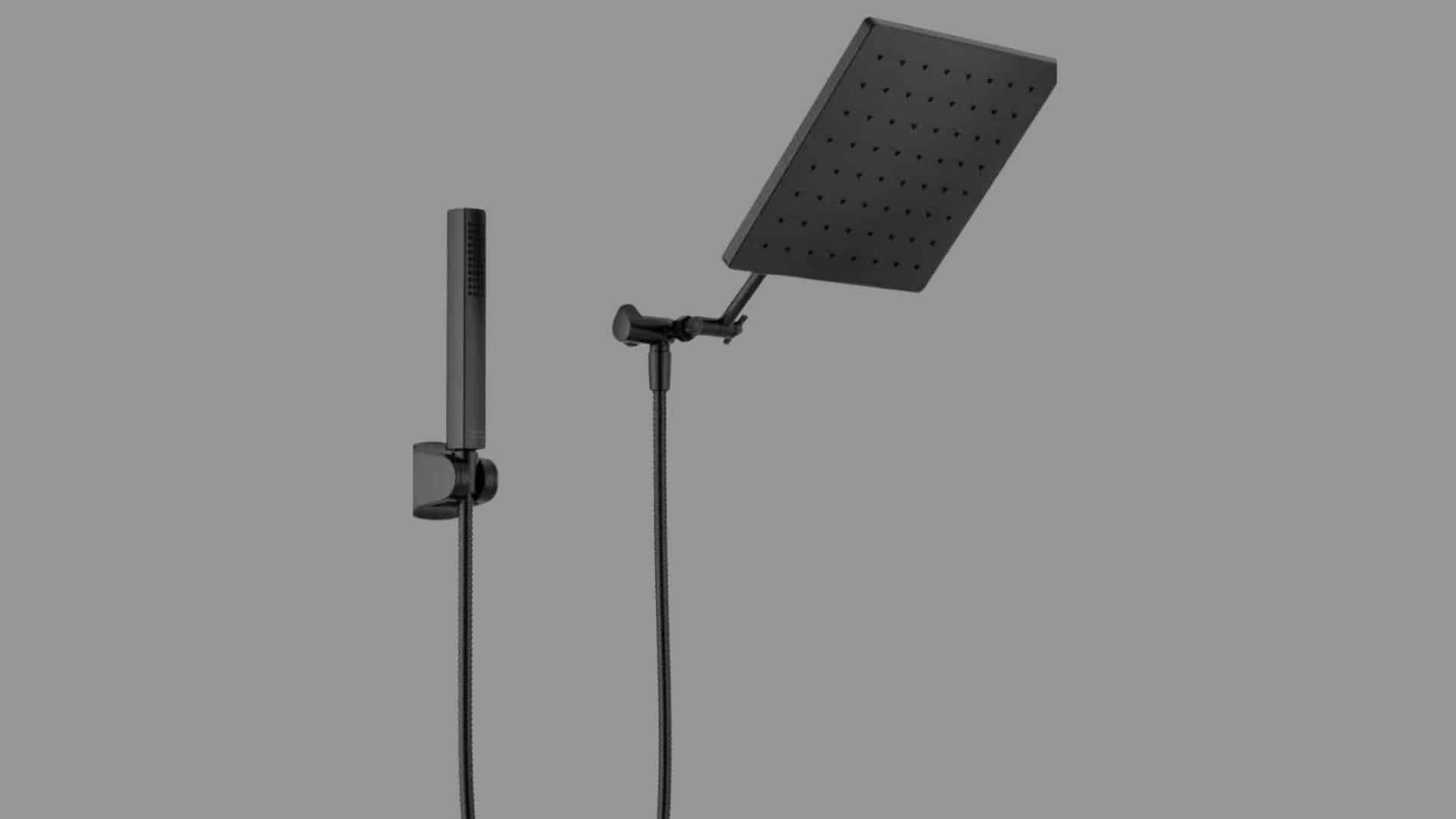
A rain shower, also called a rainfall shower, uses a large overhead showerhead that delivers water in a broad, gentle spray pattern. It mimics the feel of standing in warm rain.
The effect is calming, immersive, and genuinely different from a standard shower.
Best for: Spa-inspired bathrooms; those who want a relaxing, full-coverage rinse.
Pros:
- Full-body water coverage
- Visually striking, one of the nicest shower styles available
- Works as a ceiling-mounted or wall-arm-mounted fixture
Cons:
- Needs high water pressure to perform properly
- Uses more water per minute than standard heads
- Ceiling installation requires planning at the build or renovation stage
7. Steam Shower
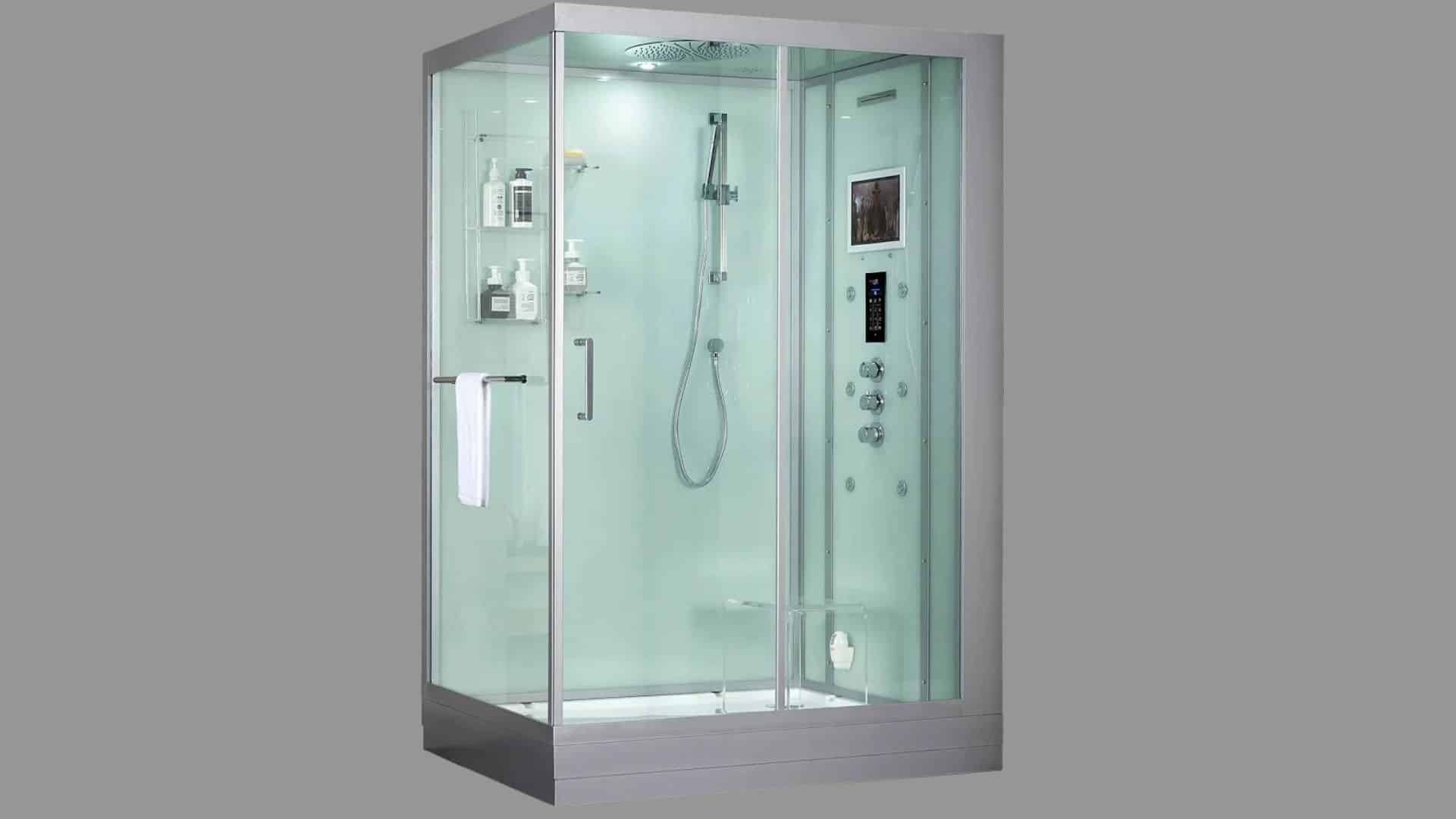
A steam shower is a fully sealed enclosure that generates steam at the push of a button. A small steam generator, usually installed nearby, pumps steam into the shower space.
It functions like a personal steam room inside your bathroom.
Best for: Wellness-focused homeowners; those who want a spa experience without leaving home.
Pros:
- Relieves muscle tension and supports circulation
- Feels genuinely luxurious
- Can be combined with a standard shower head
Cons:
- Requires a fully sealed enclosure with no gaps
- Needs a dedicated steam generator unit
- Humidity management and ventilation are essential
- Among the most expensive shower styles to install
8. Handheld Shower
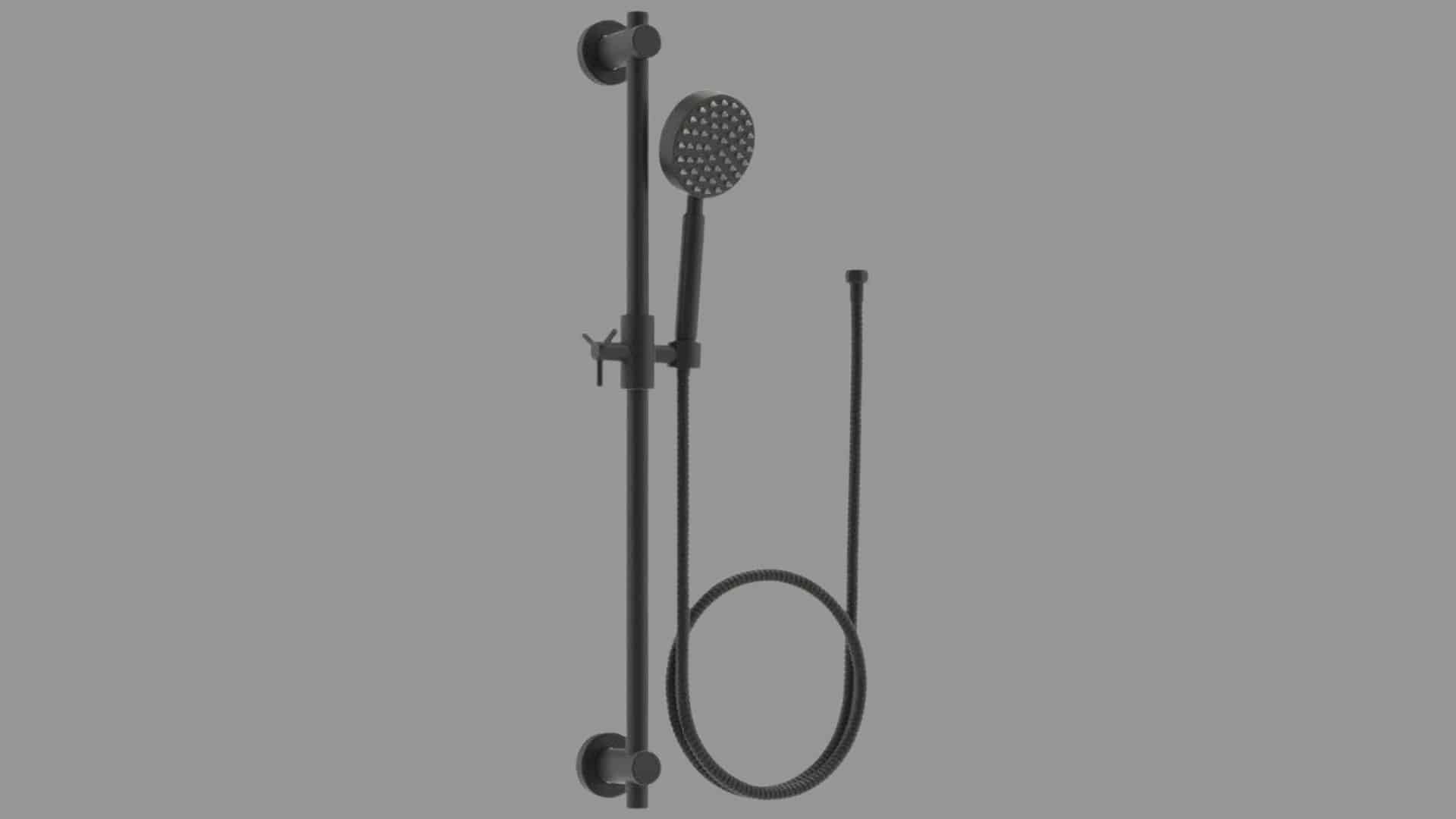
A handheld shower has a detachable head mounted on a flexible hose. You can hold it, direct it anywhere, or lock it back into its bracket for a standard overhead rinse.
It is often added alongside a fixed head rather than used as the only shower option.
Best for: Families with young children; people with limited mobility; pet owners; anyone who needs more control over where the water goes.
Pros:
- Very flexible, rinse hard-to-reach areas easily
- Simple to install and replace
- Affordable entry point
Cons:
- Less immersive than fixed overhead types
- The hose can tangle or wear over time
Tip: Pairing a fixed rain head with a handheld unit on a separate valve gives you the best of both shower styles without compromise.
9. Body Jet / Multi-Jet Shower Panel
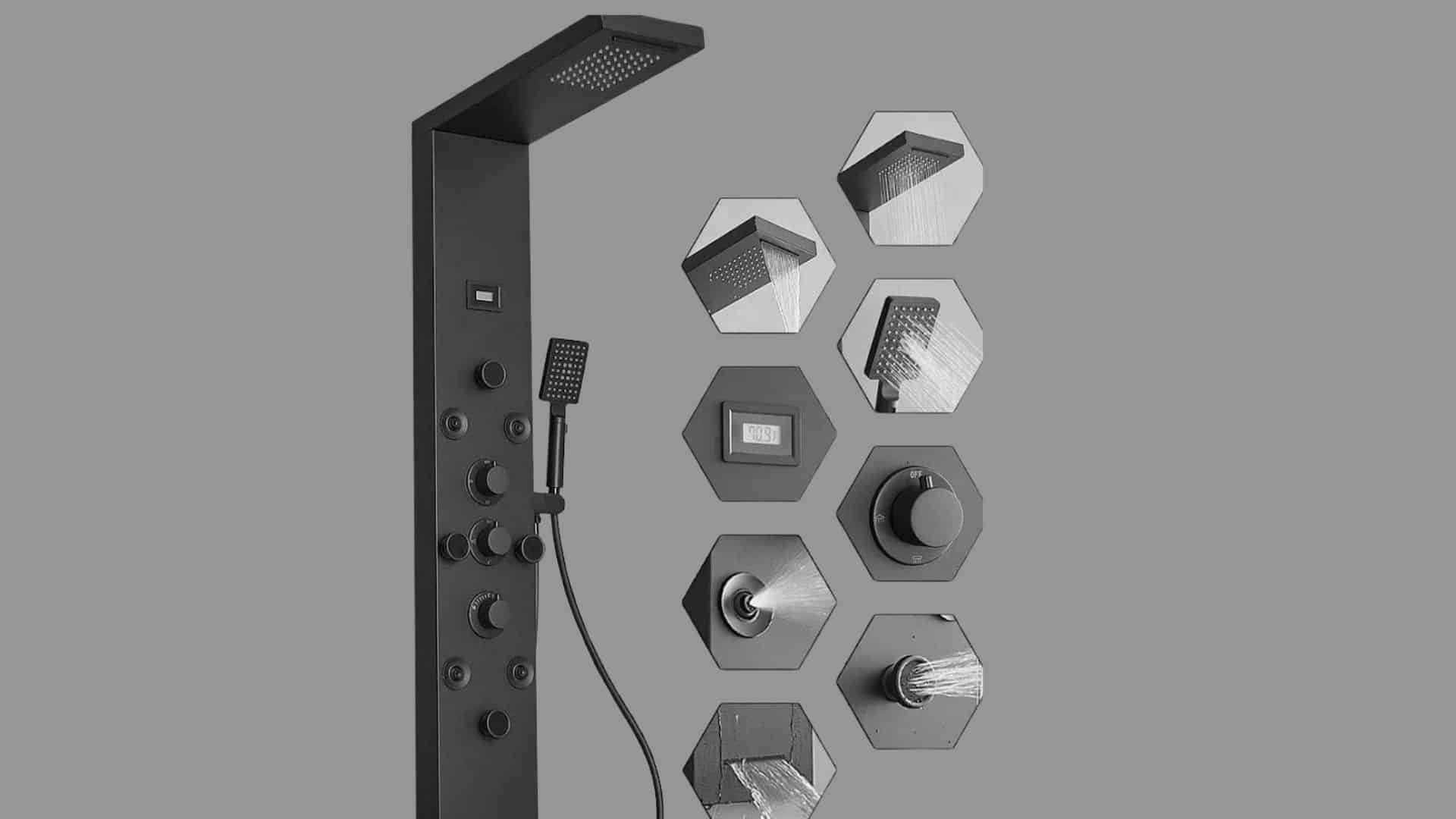
A body jet shower panel mounts vertically on the wall and features multiple spray nozzles positioned at different heights. Jets hit the body from the front or from multiple sides in advanced systems.
This is the closest thing to a home spa treatment you can get from a shower.
Best for: Luxury bathrooms; those who want a full-body massage effect; homeowners with high water pressure and a generous budget.
Pros:
- Full-body coverage from multiple angles
- Adjustable jet positions and intensity
- Can be combined with a rain head for a complete shower system
Cons:
- Requires very high water pressure; most gravity-fed homes will struggle
- Uses the most water of any shower type
- Higher cost and more complex installation
How Your Water System Affects Your Shower Choice
Before picking a shower type, figure out which water system your home runs on. The system you have determines which showers will work well and which ones will disappoint you from day one.
1. Gravity-fed system
Found in many older homes. A cold water tank sits in the loft and a hot water cylinder lives in an airing cupboard.
Water pressure is low because it relies on gravity. Power showers and pump-assisted mixers work best here. Electric showers are also a solid option.
2. Combi (combination) Boiler
Heats water directly from the mains on demand. No storage tank needed. Pressure is usually good. Mixer showers, thermostatic showers, and digital showers all perform well. Avoid power showers with a combi boiler, as the pump can damage the system.
3. Unvented (high-Pressure) System
Stores hot water in a pressurized cylinder fed by the mains. Pressure is strong and consistent. Nearly any shower type will work well here, including rainheads and body-jet panels that require high flow rates.
If you are not sure which system you have, check whether there is a water tank in your loft (gravity-fed), a wall-mounted boiler with no tank (combi), or a large pressurized cylinder in a utility space (unvented). A plumber can confirm this in minutes.
Common Buying Mistakes to Avoid
Even a good shower choice can go wrong at the point of purchase. These are the four errors I see most often, and they are all easy to skip if you know what to look for.
1. Installing a power shower with a combi boiler: It will not work and can damage your system.
2. Choosing a rain shower without checking the water pressure: A rain head on low pressure delivers a disappointing trickle.
3. Skipping thermostatic valves in family bathrooms: Temperature spikes are a real burn risk, especially for children.
4. Not planning drainage before a wet room or walk-in: Poor drainage design means a wet bathroom floor every single day.
Conclusion
The right shower makes every morning easier and every evening more relaxing. With types of showers available today, there is no single correct answer, only the right answer for your home, your water system, and your daily routine.
The biggest mistake most homeowners make is choosing a shower based on looks alone.
Style matters, but it should come second. Check your water system first, measure your space, and then pick the shower type that fits both.
If your bathroom is tight on square footage, the right bathroom layout can make even a compact shower feel open and finished.
And if you are planning a bigger renovation, start with the shower decision first. It affects your plumbing, your layout, and your budget more than almost any other fixture in the room.
Frequently Asked Questions
What Is the Best Type of Shower to Have?
The“best” shower depends on your bathroom layout and lifestyle, but dual shower systemsoffer the ultimate luxury and versatility.
What Type of Shower Is Best for The Elderly?
The best shower for older people is a customized, low-threshold, or curbless walk-in shower.
What Size Shower Is Too Big?
A shower is generally “too big” when it exceeds 4 x 6 feet unless it’s designed for multiple people.