The cost of installing seamless gutters can vary far more than most people expect. Two houses with similar square footage can receive quotes that differ by thousands of dollars.
One property may need a straightforward installation completed in a day, while another requires extra downspouts, difficult roof access, custom colors, or repairs that quickly increase the final bill.
Material choice, home layout, labor rates, drainage requirements, and regional costs all play a role in what you ultimately pay.
That is why understanding the numbers behind a quote matters. When you know what drives the cost, it becomes much easier to compare estimates, avoid unnecessary upgrades, and make informed decisions about your project.
Analyzing the Cost to Install Seamless Gutters
They are not pre-made products shipped in a box. A contractor arrives with a truck-mounted machine, often worth $10,000 or more, and forms the gutters on-site to match your roof exactly.
That changes the pricing. You are paying for custom fabrication, specialized equipment, materials, and skilled labor.
If someone offers this for $600, it is not a bargain. It is a red flag.
Sectional gutters, on the other hand, come in standard lengths and can be installed over a weekend. Seamless gutters cannot be DIY-installed, and the equipment is not something you can rent.
Why Online Seamless Gutters Prices Are Misleading
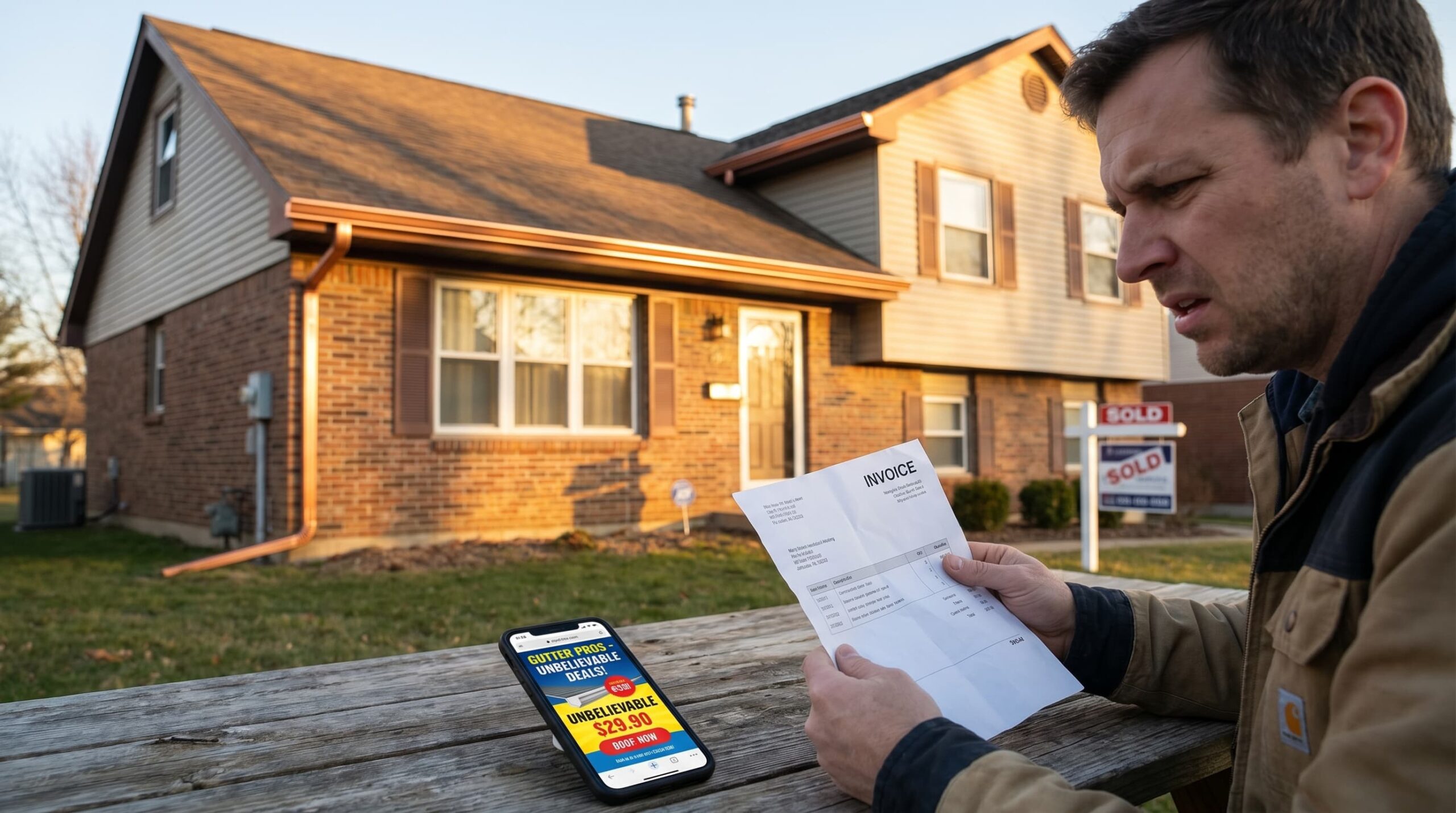
For most homes, seamless gutter installation costs between $6 and $28 per linear foot, all-in. The total project cost for an average two- to three-bedroom home ranges from $1,200 to $4,000.
Those are honest numbers. But they cover a wide range for a reason.
At $6 to $10 per foot, you are looking at standard aluminum for a simple one-story home with a straightforward roofline, installed in a lower-labor-cost area.
At $20 to $28 per foot, you are looking at Steel or copper, a two-story home, a complex roof with multiple corners and dormers, or installation in a metro area with higher labor rates.
The ranges online feel misleading because they are averages of averages. The real cost of your home depends on four factors: the material you choose, the size of your roof, the complexity of the installation, and where you live.
How to Measure Gutters for an Accurate Estimate
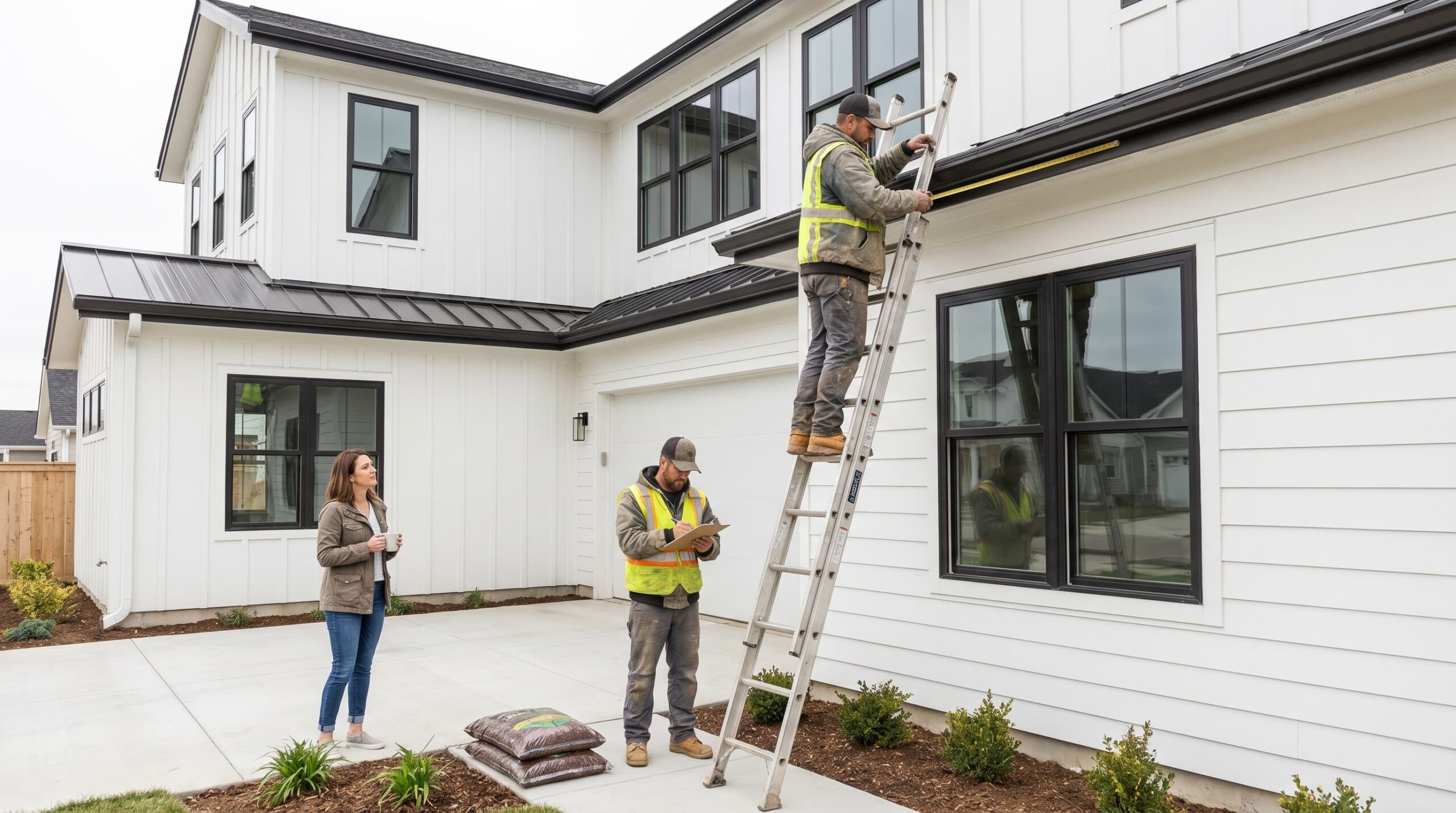
Walk around your home with a tape measure. Measure every roof edge where water would run off; those are the sections that need gutters. Add them up. That is your approximate linear footage.
A simple rectangular ranch home typically needs 100 to 150 linear feet. A two-story colonial with multiple roof sections might need 180 to 250 feet or more.
Your number is a starting point, not a final answer. A good contractor will measure more precisely, but it gives you something to compare the quotes you receive against.
Seamless Gutter Material Cost by Type
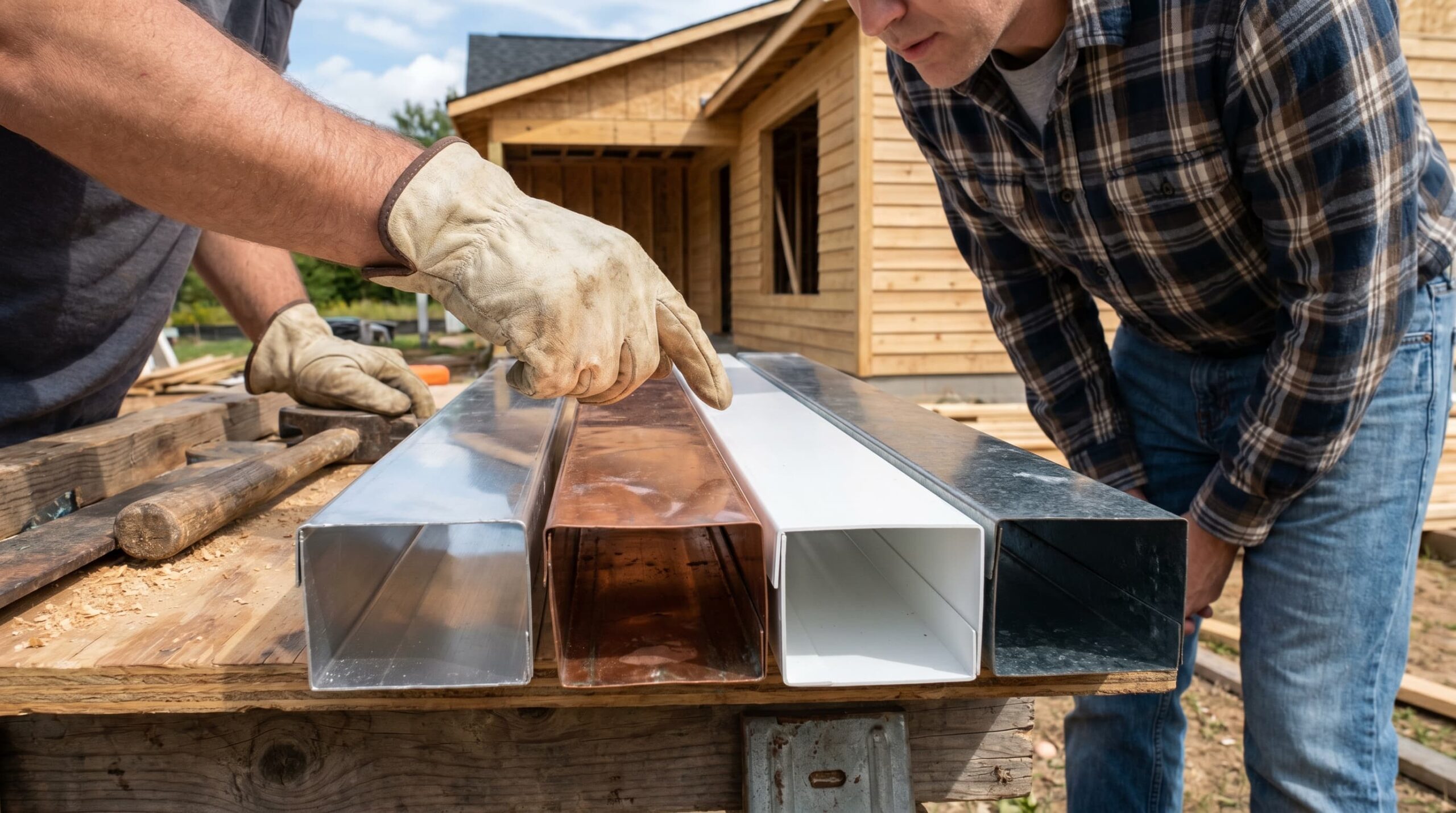
The cost of seamless gutters varies depending on the material type. Aluminum is the most affordable, while copper and steel tend to be more expensive due to their durability and aesthetic appeal.
- Aluminum: $6–$20/ft installed, most common choice, rust-resistant, lightweight, available in many colors, easy to shape on-site, performs well in most climates, typical homes fall around $8–$14/ft
- Galvanized Steel: $12–$26/ft installed, more impact-resistant than aluminum, handles heavy rain and snow better, heavier material increases labor cost, protective coating required to prevent rust, needs proper maintenance
- Copper: $29–$50+/ft installed, premium material, extremely durable with a 50–100 year lifespan, develops a natural patina over time, ideal for high-end or coastal homes, very low maintenance but high upfront cost
- Vinyl: $4–$11/ft installed, lowest upfront cost, lightweight and easy to handle, often used for DIY projects, prone to cracking in cold weather and warping in heat, shorter lifespan, and rarely recommended by professionals
6 Key Factors That Influence the Cost to Install Seamless Gutters
Home size and material are the two factors everyone mentions. Here are the ones that rarely come up until after you sign.
- Aluminum Gauge: Standard .027 vs thicker .032 gauge, with less than $1/ft difference, but .032 lasts longer and resists dents better, always ask your contractor which they use
- Hanger Type: Spikes and ferrules are outdated and loosen over time, while hidden hangers cost slightly more but provide stronger, longer-lasting support and are now the industry standard
- Fascia Condition: Rotted fascia must be replaced before installation, typically costing $6–$20/ft, and a good contractor should inspect this during the estimate
- Downspout Count and Placement: One downspout is needed every 20–30 feet; poor placement causes overflow, and installation adds $5–$16/ft
- Gutter Size (5-inch vs 6-inch): 6-inch gutters handle about 40% more water and cost $0.50–$1 more per foot, making them ideal for steep roofs or heavy rainfall areas
- Location: Labor and material costs vary widely by region, with higher prices in cities due to wages, insurance, and operating expenses
Seamless vs Sectional Gutters
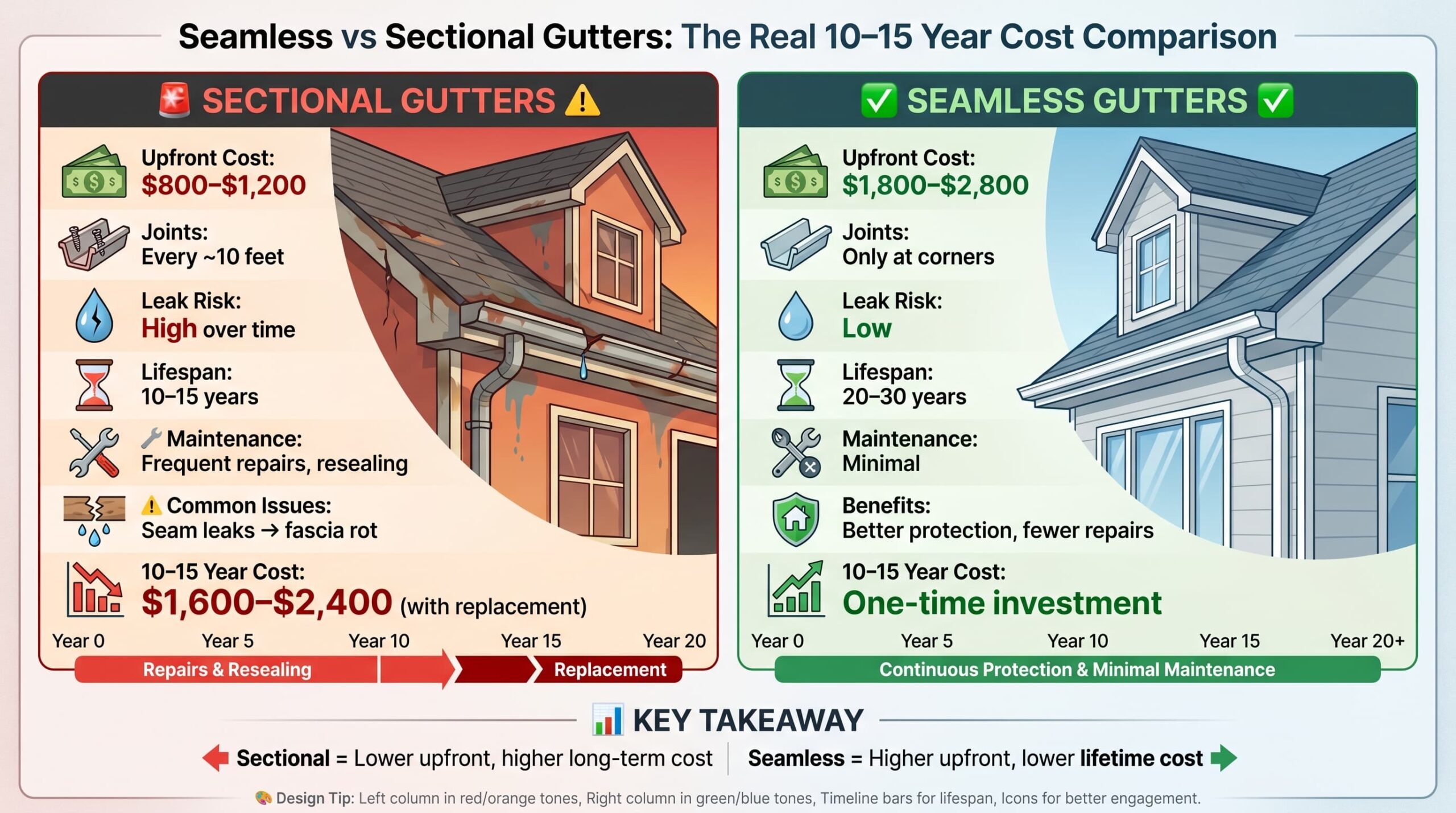
How to Read a Quote
Getting three quotes is standard advice. What most articles skip is how to compare them once you have them.
A good written quote should specify: the material and gauge being used, the hanger type, the number of downspouts included, whether fascia inspection is part of the estimate, what happens if rot is found, the warranty on both materials and labor, and cleanup.
If a quote is missing half of that information, it is not a real quote. It will grow once the crew shows up.
Red Flags Worth Taking Seriously
- Phone Estimates Are Not Accurate: A contractor giving a quote without seeing your home is guessing; real estimates require measuring rooflines, checking fascia, and assessing drainage.
- No Insurance = Your Risk: Contractors without liability and workers’ compensation coverage can leave you financially responsible for injuries or damage. Always ask for proof upfront.t
- Too-Low Quotes Are Red Flags: Prices 40–50% lower than others usually mean corners are being cut, like thinner materials, poor hardware, no warranty, or uninsured labor
- Cheap Can Cost More Later: The lowest upfront price often leads to higher repair or replacement costs within a few years.
When to Install Seamless Gutters for the Best Price
Most contractors are busiest in spring and early fall. That is when quotes are highest, and scheduling is tightest.
Late fall and winter in climates where installation is still feasible often bring lower pricing simply because demand drops.
Some contractors will offer 10 to 15% off to keep their crews working through slower months. On a $2,500 project, that is real money.
Avoid scheduling right after a storm, especially before you have had time to assess and document any roof storm damage for your insurer. Post-storm installs are rush jobs, and contractors who know you are dealing with active water damage will price accordingly.
If your gutters are failing but not causing immediate damage, you have some flexibility in scheduling. Use it.
Will Seamless Gutters Increase Your Home’s Value?
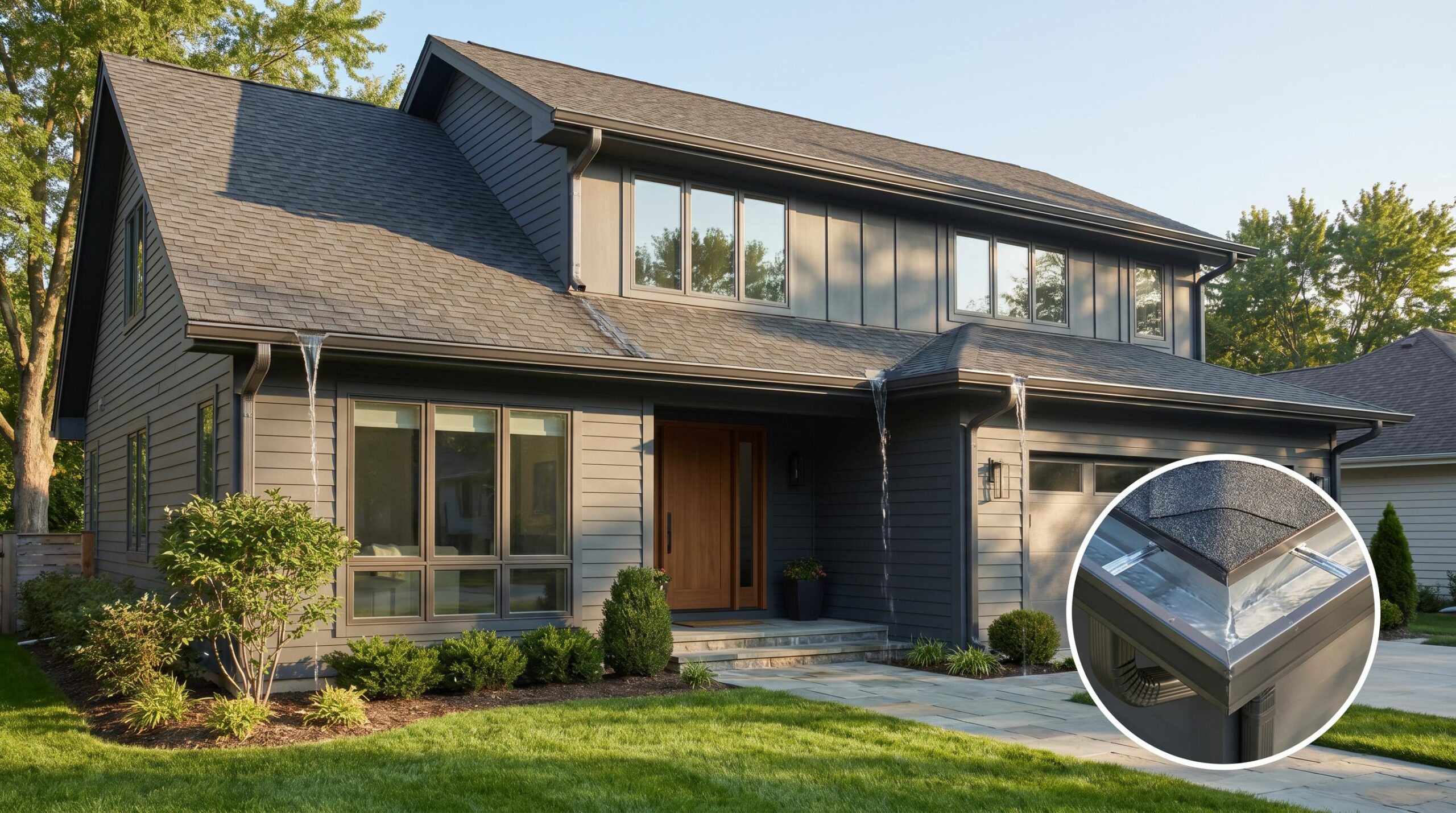
Probably not in the way you are hoping.
Gutters are a standard feature on most homes. Appraisers generally treat them as expected rather than exceptional.
Having them does not add value. But missing them, or having gutters that are visibly failing, can lower your appraised value and kill a deal during inspection.
The ROI on gutters is defensive, not appreciative. Water damage repairs, including roof leak repairs, run $3,300 to $13,000 on average. Foundation repair due to years of improper drainage can cost $10,000 or more.
A properly installed gutter system that costs $2,000 to $3,000 and lasts 25 years is one of the better-returning maintenance investments on a home, even if it never shows up as a line item on an appraisal.
If you are selling soon, clean, functional gutters matter for curb appeal and inspections. Seamless gutters look better than sectional. That is worth something, even if it is hard to quantify.
Conclusion
Seamless gutters are not the most exciting home upgrade. But a failed gutter system that sends water behind your fascia, into your foundation, or down your interior walls will cost you far more than the installation ever would.
The number that matters is not the national average you read online.
It is the number on a written, itemized quote from a licensed contractor who actually walked your roofline, checked your fascia, and explained exactly what they are installing and why.
Get three quotes. Ask about gauge, hanger type, and warranty. Use the ranges in this guide to check whether what you are being offered is fair.
A properly installed gutter system will run quietly in the background for 25 to 30 years. That is exactly what you want it to do.
Frequently Asked Questions
Cost of Seamless Gutters Per Foot?
Seamless gutters typically cost $6 to $20 per linear foot installed, depending on material, with most homes averaging $8 to $14 per foot for aluminum systems.
How Many Linear Feet of Gutters Does an Average Home Need?
An average home typically needs 150 to 250 linear feet of gutters, depending on the size, roof layout, and number of roof edges that require drainage.
Does Homeowners’ Insurance Cover Gutter Replacement?
It depends. Insurance typically covers gutter repair or replacement only if the damage is caused by a sudden event, such as a storm, a fallen tree, or a fire, but not for wear and tear, aging, or lack of maintenance.